REVIEW · ATHENS
Hellenic Motor Museum Entrance Ticket
Book on GetYourGuide →Operated by HELLENIC MOTOR MUSEUM · Bookable on GetYourGuide
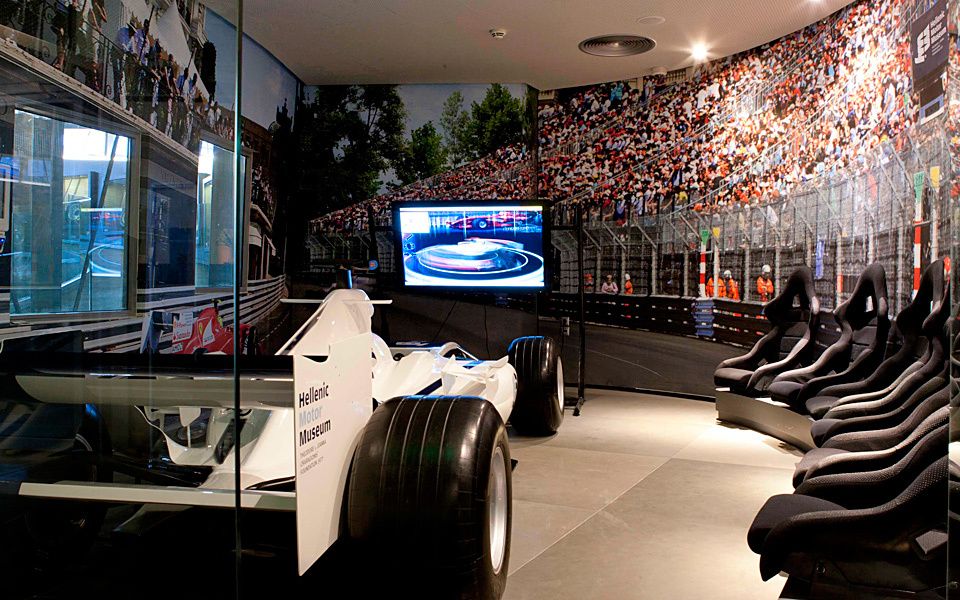
Car heaven hides in plain sight. The Hellenic Motor Museum at Capitol Mall turns car-spotting into a quick lesson on how we got from wheels to engines. I love the close-up feel of the 110+ global exhibits and the walk-through old car workshop atmosphere that makes the displays feel less like glass cases and more like a place that used to hum.
One thing to keep in mind: the museum sits on the top floors of a bigger complex, and it can be a bit tricky to find at first, especially when signage is fighting a lot of office space.
If you’ve got car fans in your group, this is an easy win for a hot afternoon. The ticket is a flat-rate entrance for about a one-day window, and the collection rotates, so what you see may differ from someone else’s visit.
In This Review
- Key points worth planning for
- Finding the Hellenic Motor Museum at Capitol Mall (and not losing time)
- What the ticket actually buys (and why $14 feels fair)
- Three floors, spiral ramp views, and how the collection is staged
- 110+ cars and the history lesson you didn’t know you wanted
- The old car workshop walk-through: the best change of pace
- The wheel story: why it’s surprisingly smart
- Audio guide and what to focus on without getting buried in labels
- Timing that works: opening hours, last entry, and closed dates
- Practical tips for getting the most out of your hour (or more)
- Who this museum suits best
- Should you book the Hellenic Motor Museum ticket?
- FAQ
- What is the Hellenic Motor Museum ticket price?
- Where is the Hellenic Motor Museum located?
- What are the opening hours?
- Is there an audio guide?
- Is the museum wheelchair accessible?
- What time is the last admission?
Key points worth planning for
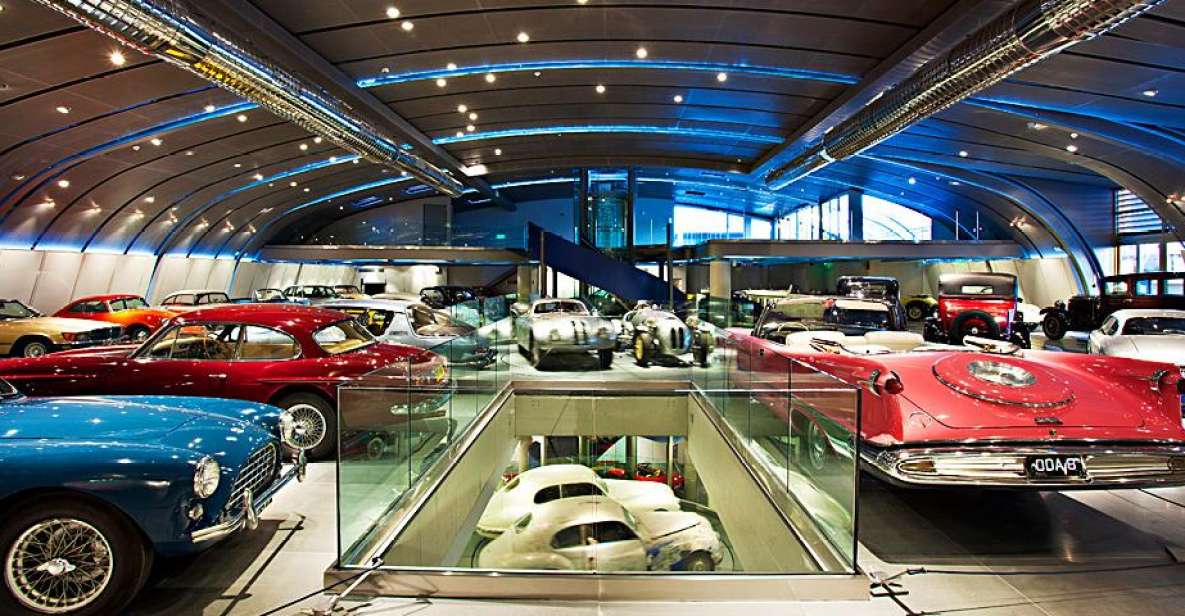
- 110+ exhibits spanning the global automotive industry, not just one country
- Three floors plus a spiral ramp, including 72 displays from 300 B.C. to the end of the 20th century
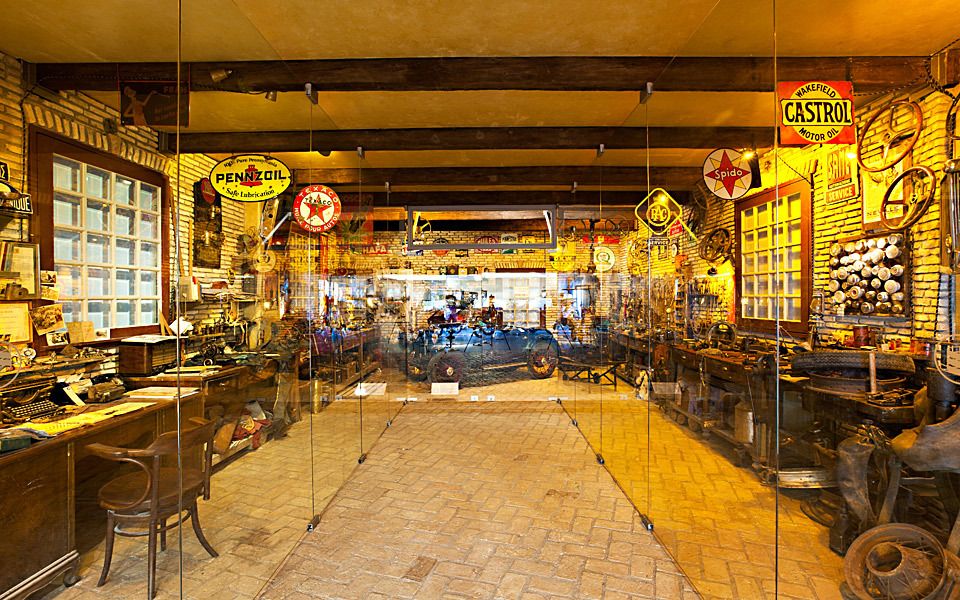
- An old car workshop walk-through, with features that make the history feel physical
- Evolution of the car told through the wheel, a surprisingly clever way to anchor the story
- A rotating collection, including brands that no longer exist plus classics from major makers
- English audio guide included, and the site is wheelchair accessible
Finding the Hellenic Motor Museum at Capitol Mall (and not losing time)
The Hellenic Motor Museum is in central Athens, inside Capitol Mall, in a multi-floor building. The address listed for the area is IOULIANOU 33–35 & C’SEPTEMVRIOU 74–78, Athens, so I’d use that when you’re navigating from anywhere you’re starting that day. The museum itself is on the upper level, and the building also contains lots of offices, which can make first arrival a little confusing.
My practical advice: give yourself an extra 15 to 25 minutes buffer just to get oriented. Once you’re inside the museum spaces, the experience is straightforward. Think: you go in, you take the spiral ramp up through the collection, and you work your way across the three levels at your own pace.
Also check the clock. The last admission is 30 minutes before closing, so if you arrive late you may feel rushed through the best parts.
You can also read our reviews of more tours and experiences in Athens



What the ticket actually buys (and why $14 feels fair)
Your Hellenic Motor Museum entrance ticket costs $14 per person. It’s a simple setup: you’re paying for access to the exhibits, audio guide, and the museum experience. There’s no hotel pickup, and food and beverages aren’t included, so you’ll want to plan to grab water nearby or use snack breaks before or after.
Is it good value? In my view, yes—because you’re not just looking at cars you already recognize. The museum’s pitch includes the evolution of the automobile, plus the history of the wheel, plus a workshop-style area that changes the feel of the visit. Add in three floors and a collection that reaches back centuries, and the ticket doesn’t feel like you’re paying only for nostalgia.
Plan around a relaxed hour or more if you’re scanning labels closely. If your group splits into car-history nerds and people who just want photos, it still works, because you can pace it.
Three floors, spiral ramp views, and how the collection is staged
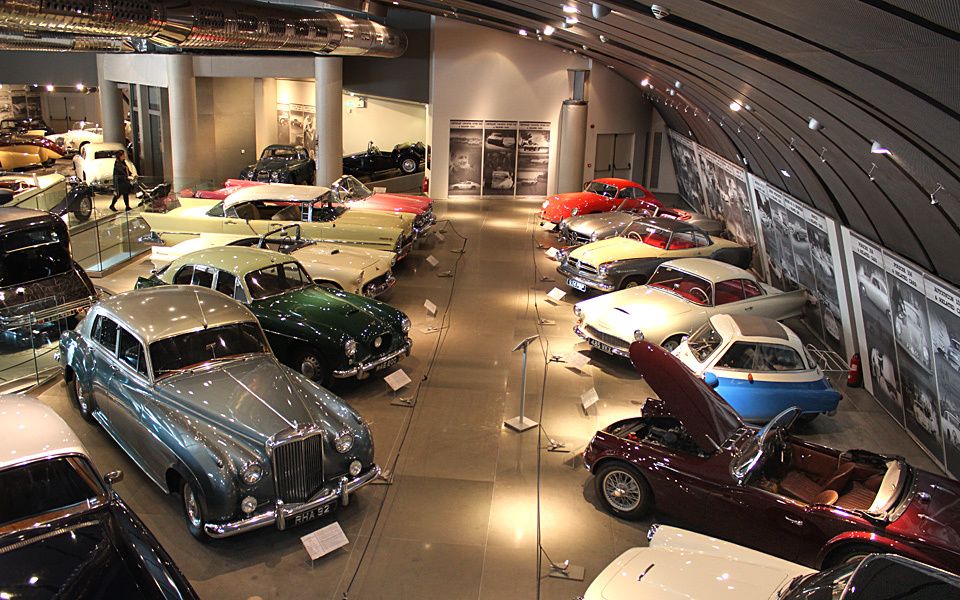
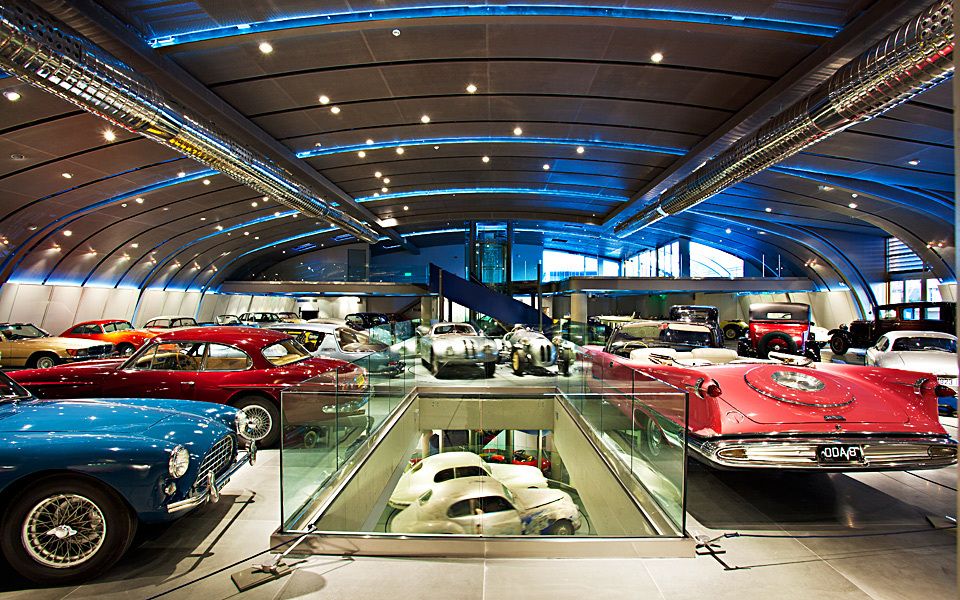
The museum takes up three floors, and the layout is designed so you can keep moving without constantly retracing your steps. One standout feature is the spiral ramp, which lets you see the exhibits as you go upward. The museum highlights 72 unique exhibits dating from 300 B.C. to the end of the 20th century, which is a big range for a car-focused space.
What makes that useful is the way it turns time into something you can physically follow. You’re not just reading a timeline—you’re walking through it. If you’re traveling with kids, this staging helps because it feels like an easy route: go up, look around, then keep going.
You’ll also notice that the collection is rotating, meaning you might see different vehicles than you would on another date. The museum also includes cars from makers that no longer exist, which is a nice way to broaden the story beyond modern brands.
110+ cars and the history lesson you didn’t know you wanted
The headline number is more than 110 unique exhibits connected to the global automotive industry. That “global” part matters. This isn’t just a parade of familiar European models; it’s built to show how the car evolved across countries and decades.
A fun part of this museum’s value is variety. Some exhibits are familiar from TV pop culture or iconic cars people recognize from elsewhere. The collection also includes models from famous car manufacturers you can still see on today’s roads, so you get a helpful before-and-after comparison.
Then there’s the museum’s framing: it doesn’t treat the car as a single invention. It treats the automobile as a chain of improvements. When you’re done, you’ll walk away with a better sense of how design, mechanics, and everyday needs shaped the vehicles over time.
The old car workshop walk-through: the best change of pace
One reason I think this museum works even if you’re not a “car person” is the inclusion of an old car workshop. You can walk through it and see the setting as part of the exhibit experience, not just a side room with a few props.
This section is valuable because it shifts you from looking at vehicles to imagining the labor around them. You’re seeing the environment that helped make and maintain cars, which makes the history feel more lived-in. It’s also an easy place to pause if the group needs a break from scanning labels.
If you’re traveling with mixed interests, the workshop is where you can often get the group consensus to slow down.
You can also read our reviews of more museum experiences in Athens





The wheel story: why it’s surprisingly smart
The museum highlights the evolution of the car through the history of the wheel. On paper, that sounds like a detail. In practice, it’s a smart teaching device because the wheel is a constant while everything else changes.
It helps you understand how vehicles became more than moving boxes with horsepower. When you follow the wheel concept, it connects engineering choices to real-world movement: traction, stability, materials, and how people adapted designs for roads and conditions across eras.
It’s also a nice reset for your brain. Even if you started thinking, “I’ll just look at cars,” the wheel-focused framing nudges you into noticing patterns instead of just collecting names and dates.
Audio guide and what to focus on without getting buried in labels
An English audio guide is included, and that’s a big deal for a museum like this. You can read signs, but audio helps keep the flow when you’re walking up a spiral ramp and through three levels. It also makes the visit less dependent on your language skills if you’re traveling internationally.
My recommendation: don’t try to read everything at once. Pick a theme for your attention:
- If you like engineering, focus on how the displays explain mechanical evolution.
- If you like design, concentrate on how shapes and styles change over the decades.
- If you’re with kids, follow the wheel story, then bounce to the workshop area for a sensory break.
This keeps the museum from turning into label marathons.
Timing that works: opening hours, last entry, and closed dates
The opening hours are:
- Monday–Friday: 10:00–17:00
- Saturday–Sunday: 11:00–18:00
Last admission is 30 minutes before closing. The museum is closed on January 1st, January 6th, Easter Sunday and Easter Monday, August 15th, and December 25th.
This matters because car museums aren’t the kind of place you want to sprint through. If you’re planning a day in Athens, I’d treat this as a “middle-of-the-day” option, especially if the weather is hot—several people like using it as a break from sun and glare.
Also, the ticket is listed as valid for 1 day, with availability for starting times. That means you should check what time slots you can enter and choose one that matches your plans.
Practical tips for getting the most out of your hour (or more)
A few practical points can make the visit smoother:
1) Arrive with a small buffer. The museum can take a bit of finding inside Capitol Mall, and it’s easy to waste time circling offices on the way up.
2) Plan for circulation, not just viewing. Three floors means you’ll move around a lot. Good shoes help more than you’d think, especially if you’re going back and forth between exhibits.
3) Let the rotating collection surprise you. Because the collection changes, you can’t count on seeing one specific car every time. Instead of hunting one vehicle, enjoy the overall sweep of eras.
4) Bring water or plan a nearby snack. Food and beverages aren’t included. Since you’re walking indoors, dehydration can sneak up fast, especially during travel days.
If you want one simple approach: do a full circuit once at a comfortable pace, then come back to the areas that grabbed you.
Who this museum suits best
This is a strong match for:
- Car lovers and anyone who enjoys how technology evolves
- Families who want a structured indoor visit with multiple floors
- Curious travelers who like museums that teach a concept, not just display objects
If your group includes someone who usually finds museums boring, the workshop area and the wheel-led story give you a better chance of keeping attention. The exhibit setup supports wandering with purpose, which is exactly what you want on a travel day.
Should you book the Hellenic Motor Museum ticket?
Book it if you want a low-stress, indoor Athens activity that teaches you something while still being fun to look at. At $14, the ticket price matches the scale: three floors, 110+ exhibits, a workshop experience, and an audio guide.
Skip it or reconsider only if nobody in your group cares about cars or engineering, because the museum is very focused. Also, if you’re the type who hates walking between floors, build that into your plan so you don’t feel rushed or annoyed.
If you’re already near Capitol Mall or you need a cool, air-conditioned break from the city, this is an easy one-day stop that feels more substantial than it looks from the outside.
FAQ
What is the Hellenic Motor Museum ticket price?
The entrance ticket is $14 per person.
Where is the Hellenic Motor Museum located?
It’s in Capitol Mall in central Athens. The listed meeting point address is IOULIANOU 33–35 & C’SEPTEMVRIOU 74–78, ATHENS.
What are the opening hours?
Monday–Friday: 10:00–17:00. Saturday–Sunday: 11:00–18:00.
Is there an audio guide?
Yes. An English audio guide is included.
Is the museum wheelchair accessible?
Yes. The museum is wheelchair accessible.
What time is the last admission?
Last admission is 30 minutes before closing time.



More Museum Experiences in Athens
More Tickets in Athens



More Tour Reviews in Athens
- All Day Cruise -3 Islands to Agistri,Moni, Aegina with lunch and drinks included
★ 5.0 · 4,958 reviews