REVIEW · ATHENS
Athens, Piraeus, and Coastline: Blue Hop-On Hop-Off Bus
Book on GetYourGuide →Operated by SIGHTS OF ATHENS-GRAY LINE · Bookable on GetYourGuide
Athens by bus is a smart shortcut. This hop-on hop-off ticket connects Piraeus, central Athens, and the Athenian Riviera so you can bounce between sights at your own speed. I like the clear structure of four bus lines, and you get recorded commentary in 16 languages to turn bus rides into a moving history lesson.
The other thing I really appreciate is how cruise-focused the plan feels. You can start on the Blue Line right at the port and roll toward the Acropolis area with minimal fuss, then switch lines when you want a different vibe. One consideration: Athens traffic and stop-and-go city driving can stretch travel times, especially on hot afternoons.
If you’re aiming to see the big highlights without building a complicated day around metro schedules and walking distances, this ticket gives you a lot of flexibility for the money.
In This Review
- Key takeaways before you board
- Why this Athens hop-on hop-off plan works so well from Piraeus
- Blue Line to Piraeus: from marina views to the Acropolis stop
- Orange Line around central Athens: Plaka, Syntagma, and the big classics
- Yellow Line to Glyfada and the Athenian Riviera: beach time at street level
- Green Line to Vouliagmeni: beaches plus thermal-bath history
- Audio, Wi-Fi, and timing: how to use the bus without getting stressed
- Price and value: paying about $14 for two days of big-city access
- Should you book this hop-on hop-off bus in Athens?
- FAQ
- How much is the Athens, Piraeus, and Coastline Blue Hop-On Hop-Off Bus ticket?
- How long is the ticket valid?
- Which bus lines are included?
- What’s included with the ticket besides the bus ride?
- Is Wi-Fi guaranteed on every bus?
- Where can I board the bus?
- Are attraction tickets included?
- Can I cancel, and is it flexible to book?
- Is the bus wheelchair accessible?
Key takeaways before you board
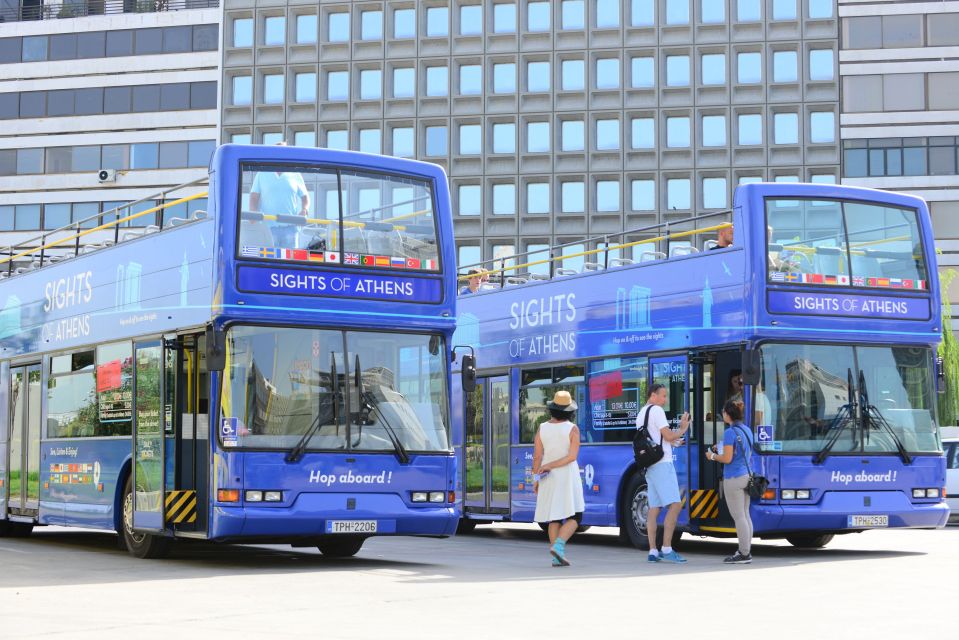
- Cruise-terminal friendly start: The Blue Line can begin at the Piraeus cruise terminals (A, B, or C).
- Four-color coverage: Blue (Piraeus), Orange (Athens), Yellow (Glyfada), Green (Vouliagmeni).
- Audio guide in 16 languages: Listen through disposable earphones right on the bus.
- Two-day flexibility: Valid for 2 days from first activation, so you can fix missed timing.
- Beach time without a rental: Yellow and Green lines get you toward Agios Kosmas and Vouliagmeni-area beaches.
Why this Athens hop-on hop-off plan works so well from Piraeus

Athens is huge, and the sites are spread out. That’s why a hop-on hop-off bus makes sense here: you’re not “doing” one museum. You’re building a rolling itinerary where you can decide what to prioritize once you see the city.
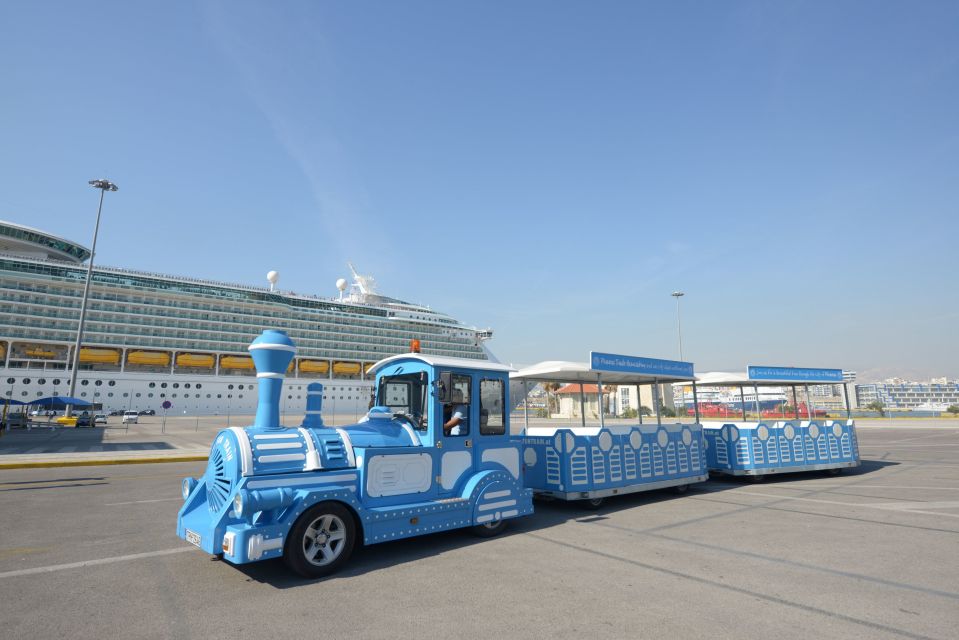
This system also fits cruise timing. The Blue Line is designed for people arriving by ship, with boarding near the cruise terminals in the Port of Piraeus. Practically speaking, that means less stress on day one and fewer transport variables when you’re already juggling luggage, dining, and shore excursions.
You also get the kind of freedom that helps on real trips. If you want a longer stop at the Acropolis area, you can do it and still catch a later bus. If you change your mind and want a coast break sooner, you can shift by switching to the next line.
The only real tradeoff is time. City traffic is a fact of life, and when buses get delayed, your whole loop can feel longer. If you’re trying to squeeze everything into one tight day, build buffer time, carry water, and don’t plan your schedule minute-by-minute.
You can also read our reviews of more tours and experiences in Athens.



Blue Line to Piraeus: from marina views to the Acropolis stop

The Blue Line is your port-to-city bridge. If you’ve just docked in Piraeus, you can hop on at the cruise terminals and start moving toward Athens without hunting for a ticket machine or trying to decode stations.
On the Piraeus side, you’ll pass notable waterfront areas like the yacht marina at Pasalimani and the ancient harbor of Mikrolimano. These are the parts of Piraeus that make you feel the “port city” reality, not just a place you pass through.
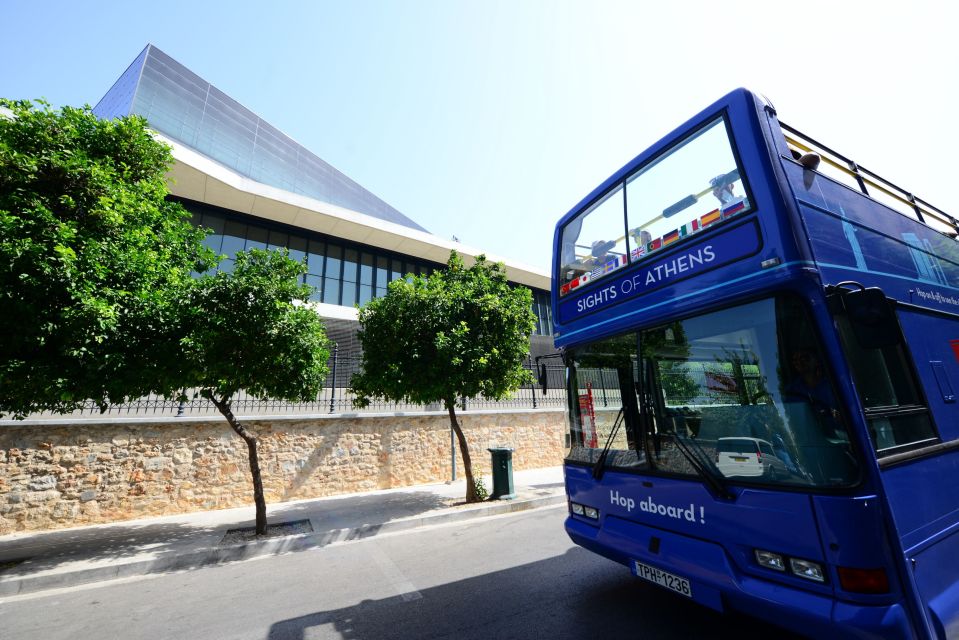
Then the route ties into your Athens plan by aiming for the Acropolis area. The bus goes toward major landmarks and drops you where you can walk up and admire the Parthenon from the hilltop zone. You’ll also get a mention of the new Museum of Acropolis, which helps you understand what you’re seeing before you decide whether to go inside.
A big practical win here is switching. The Acropolis stop is a natural connector because it puts you close to central Athens sights. One of the best uses of the Blue Line is getting your bearings: ride in, step out near the Acropolis zone, and then later re-board to continue your day on another color.
Orange Line around central Athens: Plaka, Syntagma, and the big classics
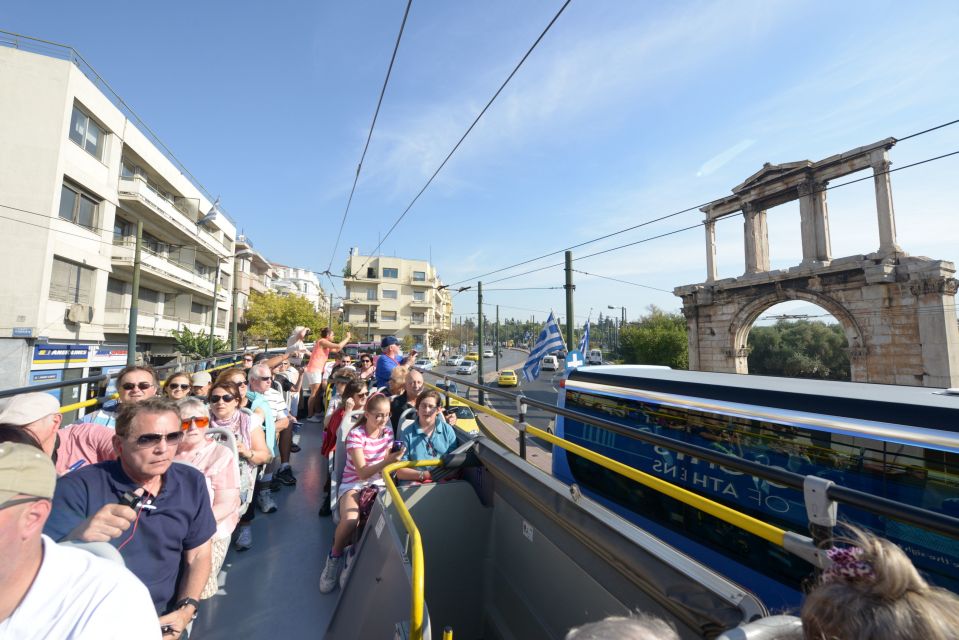
Once you’re in central Athens, the Orange Line is where the “first Greece trip” feeling really lands. This route focuses on the city center attractions that most visitors want to hit: neighborhoods, monuments, and the political heart of Athens.
Start with Plaka, a traditional area that’s a great place to wander when you want atmosphere instead of nonstop sightseeing. From there, you’ll see stops tied to major landmarks like Hadrian’s Gate, which is a simple but powerful photo stop if you’re curious about Rome’s influence on Athens.
The route also includes the Temple of Olympian Zeus, one of Greece’s biggest Roman-era temple sites. Pair that with Syntagma Square and the Hellenic Parliament area, where you can watch the guards—an easy “wow” moment that doesn’t require booking an extra ticket.
If you like classic walking streets, the Orange Line brings you near Ermou, Athens’s well-known shopping street. And if you’re a sports-and-heritage person, don’t miss the Panathenaic Stadium, connected to the first modern Olympic Games.
It also helps your “second day” plans. Because you get more than one day of validity, you can use the Orange Line to fill gaps: reride for a different stop, return for better light, or tack on time for areas like Monastiraki and its flea market, or Thission for a more relaxed neighborhood feel.
The main drawback with the Orange Line is timing sensitivity. It’s central Athens, so traffic and crowd density can slow your pace. Plan for buses to pass, but also plan for a bit of waiting if you’re transferring between stops.
Yellow Line to Glyfada and the Athenian Riviera: beach time at street level
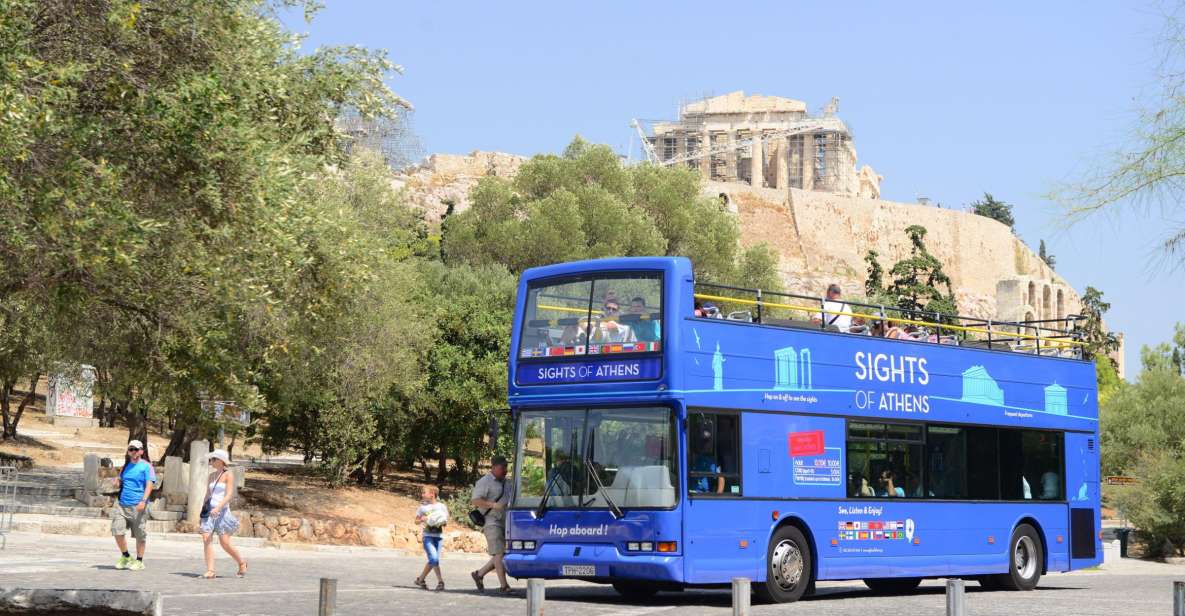
If you want a clear change of scenery, the Yellow Line is your switch. It’s built around the Athenian Riviera vibe, moving from the city edge toward seaside towns and beach time.
The route starts from a connection point linked to the Blue Line, then runs past places like the Niarchos Foundation and onward toward Marina Alimou. This is where the city’s story shifts from ancient monuments to modern Athens life by the water.
Two stops deserve attention for most visitors: Marina Flisvou and Agios Kosmas. Flisvou is a good bet when you want sunset-style views without needing a separate taxi plan. Agios Kosmas is the beach reward—where you can realistically spend time swimming, sunbathing, or just letting the day get slower.
When you reach the Glyfada Terminal, the Yellow Line adds choices. You can roam the more cosmopolitan suburbs, shop at department stores, and take a break at a café or beach bar. That matters because “Riviera day” can otherwise turn into a logistics headache if you’re trying to coordinate transport plus beach time.
A useful way to think about the Yellow Line: it’s not just a beach bus. It’s also a reset button. After a full-on Acropolis or museum day, you can trade stairs and crowds for sea air and flatter walking.
One small planning note: if you’re targeting a beach window, remember that beach days plus traffic can affect your return timing. Keep your “last bus” timing in mind so you don’t end up sprinting back under the sun.
Green Line to Vouliagmeni: beaches plus thermal-bath history
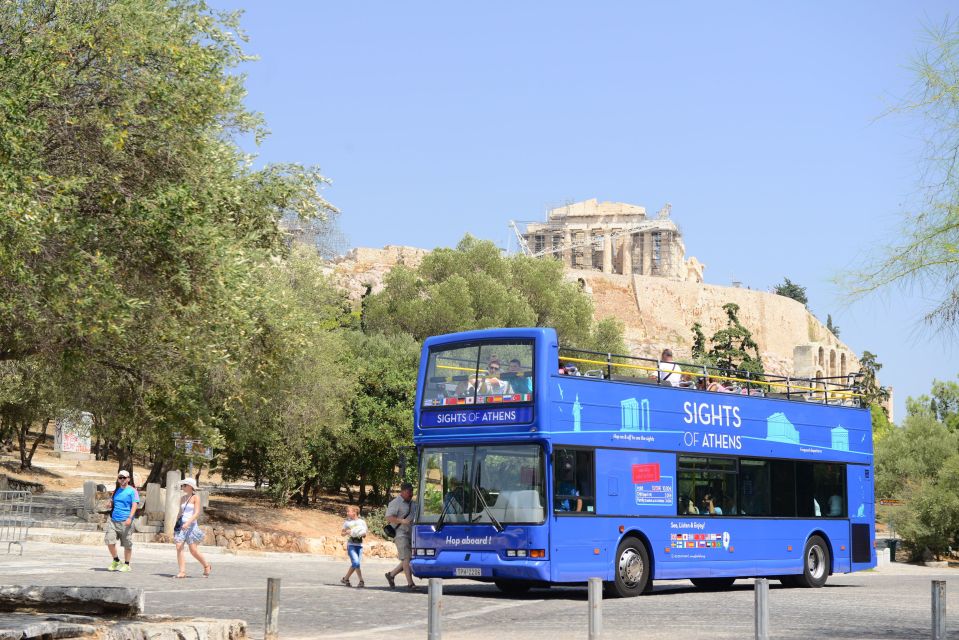
The Green Line targets Vouliagmeni, a coastal area that’s famous for its beach time but also earns extra points for history. This is a good choice if you want more than one type of “relaxing.”
The route connects stops such as the Allied Forces Cemetery and the Byzantine Museum. Even if you don’t go inside, these stops add context; you’re not just looking at shorelines, you’re seeing how the region layers different periods of Athens story.
Then the coastline highlights come in. Kavouri Oceanis is a major beach stop, and it’s one of the more popular beach areas in Athens. After that, you’ll reach Vouliagmeni Lake, which is a popular stop for a reason: it gives you scenery that feels separate from the typical city beach photo.
And yes, thermal baths are part of the picture. If you want a day that feels like “slow travel,” Vouliagmeni is the line to build around. It’s also a strong option if you like the idea of returning from the day feeling like you did something different, not just another stop on a long list.
The practical tradeoff here is distance and schedule reality. As you go farther from central Athens, you’ll feel travel time more. So keep your plan simple: pick a beach or two, aim for a comfortable break, and don’t try to cram multiple attraction visits into the exact same narrow time slot.
- All Day Cruise -3 Islands to Agistri,Moni, Aegina with lunch and drinks included
★ 5.0 · 4,958 reviews




Audio, Wi-Fi, and timing: how to use the bus without getting stressed
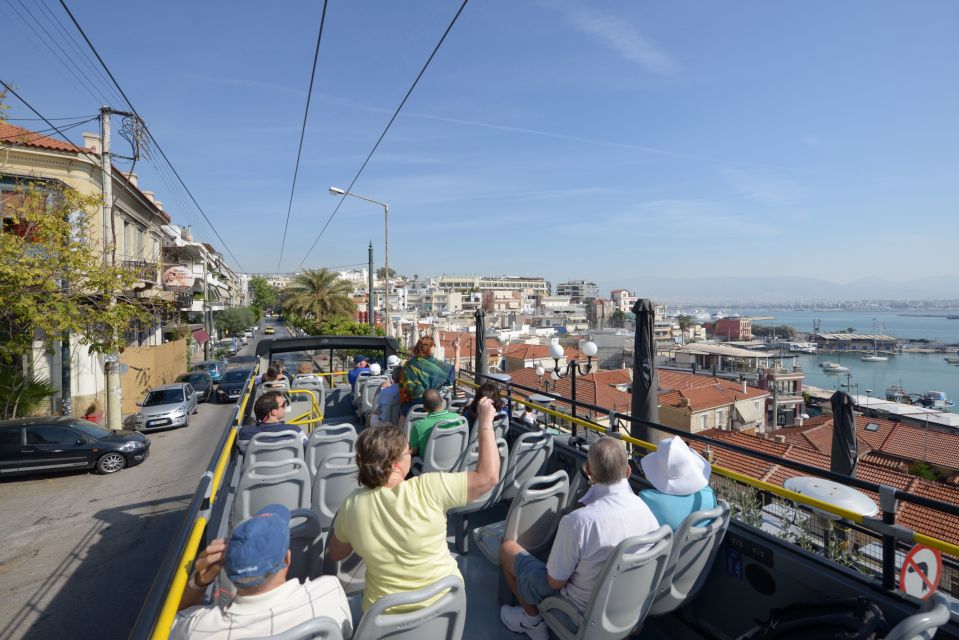
This ticket is built around you listening as you go. The buses include recorded commentary in 16 languages, and you’re given disposable earphones on boarding. That’s a big deal because the route is doing a lot of “context work” for you while you’re sitting down.
Free Wi-Fi is listed as available on board, and in many cases it’s a convenient way to share photos. Still, coverage can vary, and there are reports that some buses don’t have consistent Wi-Fi connectivity. So treat Wi-Fi as a bonus, not a guarantee, and plan to enjoy the day even if your connection is weak.
Timing is the other half of the experience. A few practical lessons show up again and again:
- If a stop looks busy, be patient but track the route signs so you’re boarding the correct bus color.
- Keep an eye on the schedule for the last service on each route, especially if you’re spending extra time sightseeing.
- If you miss a stop or the bus doesn’t announce clearly, you might need to transfer or walk a short distance.
One tip that can save you time: sometimes it’s faster to get off and cross the street than to wait for the next bus in the opposite direction. Athens routes can run loop-style, so the bus may drop you near your area but not directly at the exact corner you wanted.
Also, don’t ignore the small comfort details. Some buses have roofs and some don’t, and the ride can get warm when traffic slows. Bring sunglasses and water, and dress for walking once you get off. Comfortable shoes matter more than you think, because “hop-on hop-off” still involves stairs, curb ramps, and uneven sidewalks.
Price and value: paying about $14 for two days of big-city access
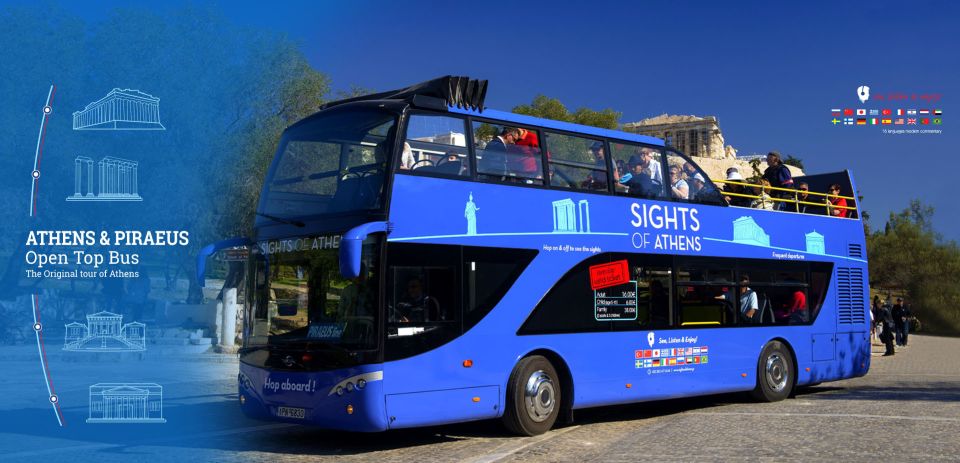
At around $14 per person for a 2-day pass (with a full day across the four lines and a complimentary extra day focused on Athens), the value here is mainly about transportation flexibility.
Here’s why that matters. If you’re using taxis or trying to stitch together public transport while carrying the mental load of “where do I go next?”, the cost adds up quickly. This ticket shifts the budget toward freedom, not toward repeated point-to-point travel.
Admissions are not included, so you still pay entrance fees if you go inside museums or archaeological sites. But that’s also what makes this plan work: you decide how much you want to spend. You can use the bus to get close, read the commentary, and then choose which places deserve paid entry.
The strongest value shows up for two types of trips:
- Cruise stops with limited time, when you want to see the essentials without spending your day in transit lines.
- First-time Athens orientation, when you want a low-stress way to learn the city’s layout and return later to the stops you love.
The places where you might feel less thrilled are simple to predict. If you only want one specific attraction and you don’t care about beach hopping or neighborhood wandering, you may find the ticket is more than you need. And if you’re someone who hates waiting, you’ll want to time your stops carefully so you’re not trapped at a curb with the sun overhead.
Should you book this hop-on hop-off bus in Athens?
I’d book this if you want a stress-managed day that still feels like you’re exploring. It’s a strong fit for cruise passengers, short stays, and anyone who wants to mix ancient Athens with a real coastline break.
You might skip it if your trip is museum-heavy with lots of paid timed entry, or if you prefer guided walking tours where someone builds every minute for you. This is a self-paced plan, and you’ll get the most value when you’re willing to make decisions on the fly.
If you do book, plan your day with simple anchors: one central Athens stop, one neighborhood or market area, and one coast segment. Then let the bus be your tool for getting there, not your timeline controller. That approach turns a simple ticket into two days of Athens that feel yours.
FAQ
How much is the Athens, Piraeus, and Coastline Blue Hop-On Hop-Off Bus ticket?
The price is listed as $14 per person.
How long is the ticket valid?
It’s valid for 2 days from the first activation.
Which bus lines are included?
You get four routes: Blue Line (Piraeus), Orange Line (Athens), Yellow Line (Glyfada), and Green Line (Vouliagmeni).
What’s included with the ticket besides the bus ride?
Included are audio commentaries in 16 languages, disposable earphones, and unlimited Wi-Fi on board the bus.
Is Wi-Fi guaranteed on every bus?
Wi-Fi is listed as available on board, but there are reports that not all buses had Wi-Fi connectivity, so treat it as helpful rather than 100% reliable.
Where can I board the bus?
You can board at many stops, including Piraeus Port cruise terminals (A, B, and C), Syntagma Square, Acropolis stop, Omonoia Square, Karaiskaki Square, Monastiraki Square, Kotzia Square, Plaka old city (Melina Merkouri monument), the Parliament, Temple of Zeus, Archaeological Museum, and Benaki Museum.
Are attraction tickets included?
No. Admissions to attractions are not included.
Can I cancel, and is it flexible to book?
Free cancellation is available up to 24 hours in advance for a full refund, and you can reserve now and pay later.
Is the bus wheelchair accessible?
Yes. The buses are wheelchair accessible with low-floor easy access and a designated wheelchair space.




More Tour Reviews in Athens
- All Day Cruise -3 Islands to Agistri,Moni, Aegina with lunch and drinks included
★ 5.0 · 4,958 reviews