REVIEW · ATHENS
Athens: Acropolis and Parthenon Guided Walking Tour
Book on GetYourGuide →Operated by ATHENS WALKING TOURS · Bookable on GetYourGuide
Acropolis hits differently with a guide. I like the licensed local guidance that turns stone and ruins into stories, and I love the earpieces that keep the narration clear even when it’s loud up top. The one catch: security checks and strict entry times mean you need to be early and ready.
I’ve also seen guide names like Eva, Dory, Maria, and Victor repeatedly praised for keeping groups moving at a fair pace and explaining what you’re looking at. Expect a 2 to 3.5 hour walk with a bit of uphill work, so plan for sun, shoes that can handle uneven steps, and a steady rhythm.
In This Review
- Key highlights at a glance
- Why this Acropolis and Parthenon tour feels worth it
- Meeting point and timing: the part that matters most
- Entering from the south slope: Dionysus Sanctuary and Theatre
- Asklepion and Odeon of Herodes Atticus: where stories meet city views
- Propylaea and the Temple of Athena Nike: sacred entry and sharp sightlines
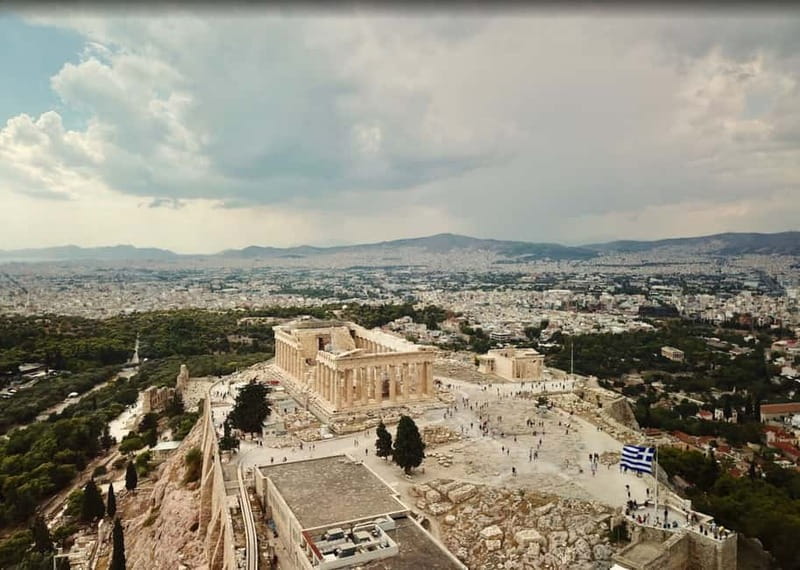
- Erechtheion and the Parthenon: the monuments you came for
- If you choose the museum option, here’s why it helps
- Pace, headphones, and how the tour handles crowds
- Price and value: what $38.39 gets you
- Who should book this tour (and who might not love it)
- What to bring so the walk feels good
- Should you book this Acropolis and Parthenon guided walking tour?
- FAQ
- Do I need to buy Acropolis tickets in advance?
- How long is the guided walking tour?
- Does the tour include audio headphones?
- Where does the tour start, and when should I arrive?
- What’s the main route and where does it end?
- Is this tour suitable for wheelchair users or limited mobility?
Key highlights at a glance

- South-slope start: You begin on the Acropolis approach, not in the middle, which helps you understand the layout.
- Myths tied to real buildings: Dionysus, Athena, Erechtheion, and the Parthenon each get story context, not just dates.
- Earpieces for clarity: Audio support helps you follow along without craning your neck or giving up mid-sentence.
- Prime viewpoints above Athens: You’ll get city sightlines and photo moments from the high ground.
- Skip-the-line entry option: With the tickets option selected, logistics are smoother at the gates.
- Guides who manage crowds: Feedback centers on organization and staying together even during peak visitation.
Why this Acropolis and Parthenon tour feels worth it
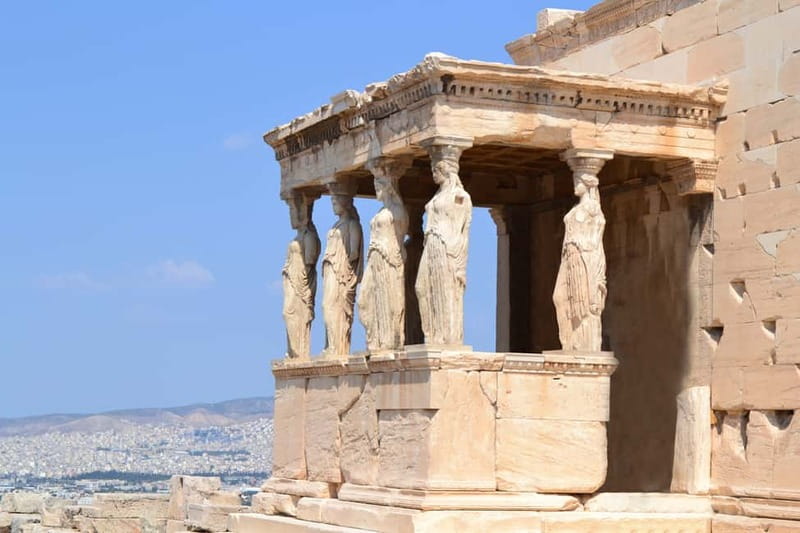
The Acropolis is one of those places where, on your own, it’s easy to end up with a phone full of photos and a head full of questions. This tour is built to solve that problem. You’re guided through the main monuments, yes, but the bigger value is the way the guide connects each structure to the myths and civic life of ancient Athens. That turns “I saw the Parthenon” into “I understand why this was here, and what it meant.”
Two things make the experience work in real conditions. First, the tour uses headphones/earpieces, so you can hear your guide clearly while standing in the middle of a busy site. Second, the route includes major stops that most people want (Parthenon, Erechtheion, Temple of Athena Nike) plus key approach areas that help you make sense of the whole hill.
There’s also a practical upside: the tour has a long track record, and the reviews consistently point to smooth pacing and group control. That matters here because the Acropolis can feel like controlled chaos—great for photos, less great for figuring out where to look first.
You can also read our reviews of more walking tours in Athens

Meeting point and timing: the part that matters most
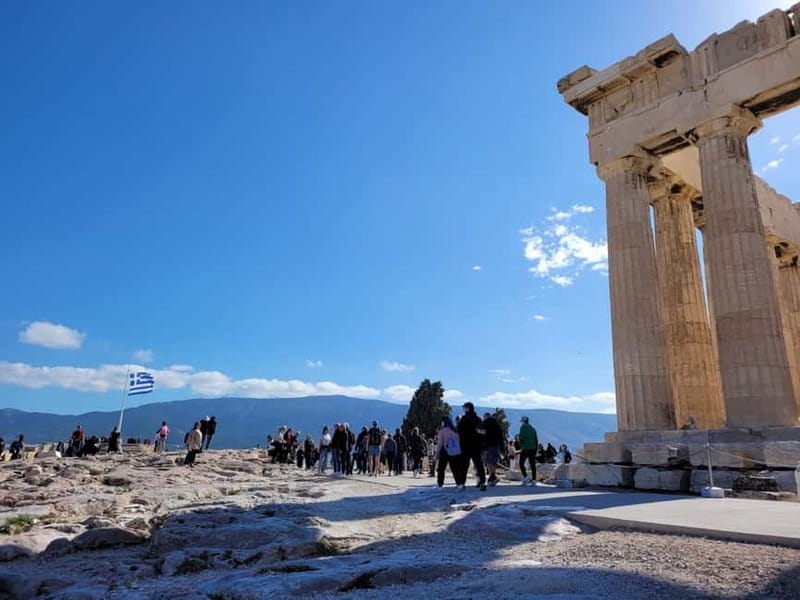
You meet at 3 Dionyssiou Areopagitou Street. Look for an orange sign reading Athens Walking Tours at the start of the pedestrian walkway leading up toward the Acropolis from the Hadrian’s Arch area.
Plan to arrive 20 minutes early. This isn’t just politeness; it’s because you’ll pass through security checks at the site, and there can be waits (especially during busy periods). Also, Acropolis entry is time-specific, and the tour enters right after the start—so your ticket (if you’re doing the without-tickets option) must match that time.
If you like doing things in daylight, aim for a time when the sun is manageable. One of the smartest bits of advice you’ll see is to consider a later start for softer light and less heat, if your schedule allows. In other words: your best photos and your best legs often want similar things.
Entering from the south slope: Dionysus Sanctuary and Theatre

The tour begins on the south slope approach, which is a big deal for orientation. Instead of launching straight into the “big three,” you start by learning how the Acropolis sits above the city and how ceremonies and performances were tied to the hill.
Early on, you’ll visit the Dionysus Sanctuary and then head toward the Theatre of Dionysus. This stop matters because it connects Athens’ religious life to public entertainment. When you see the theatre space while hearing what Dionysus represented, the site stops being just architecture and becomes a cultural stage.
You’ll also get a guided walkthrough time here (the schedule builds in short explanation periods rather than rushing). And because it’s near the start, it’s a great moment to get your bearings: you learn what your guide will point out later—details, alignments, and story beats that you’ll want to remember.
Photo note: viewpoints can open up even during the climb. Keep your camera ready, but also keep listening. The best angles usually come right after the guide tells you what you’re actually looking at.
Asklepion and Odeon of Herodes Atticus: where stories meet city views
Next you move to the Asklepieion of Athens. This is the kind of stop where a guide can completely change your understanding. Asklepios was tied to healing traditions, and hearing the myth and civic context makes the ruins feel purposeful instead of random.
Then the walk continues toward the Odeon of Herodes Atticus. Even if you’re not an acoustics person, this place is a useful landmark because it anchors your sense of how Athens used monumental spaces for gatherings and performance. Your guide will connect it back to what you’ve already heard about public life and ritual up on the hill.
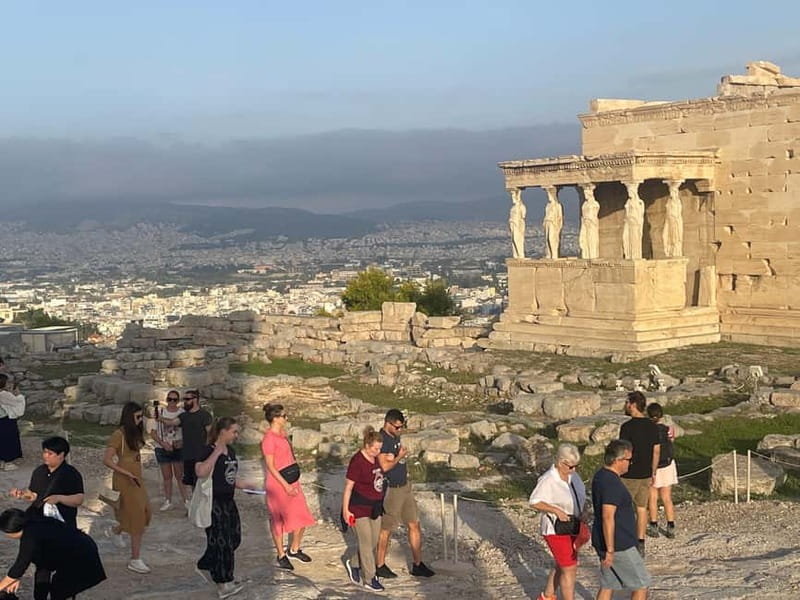
This is also where the tour leans into that “you’re high up” payoff. From the Acropolis area, you can see a lot of the city—your guide points out sights and hills such as Filoppapos, Mars, and Pnyx, plus broader landmarks like the Ancient Agora and the National Observatory of Athens. These are the names that help you stop guessing and start navigating. With that context, you’ll recognize parts of Athens during the rest of your trip instead of treating the city like one big blur.
Potential drawback: you’re outside for most of the walk. If it’s a hot day, plan for it. The tour runs rain or shine, so bring what you’d bring for a long, sun-heavy walk—hat, sunscreen, and comfortable clothes.
Propylaea and the Temple of Athena Nike: sacred entry and sharp sightlines

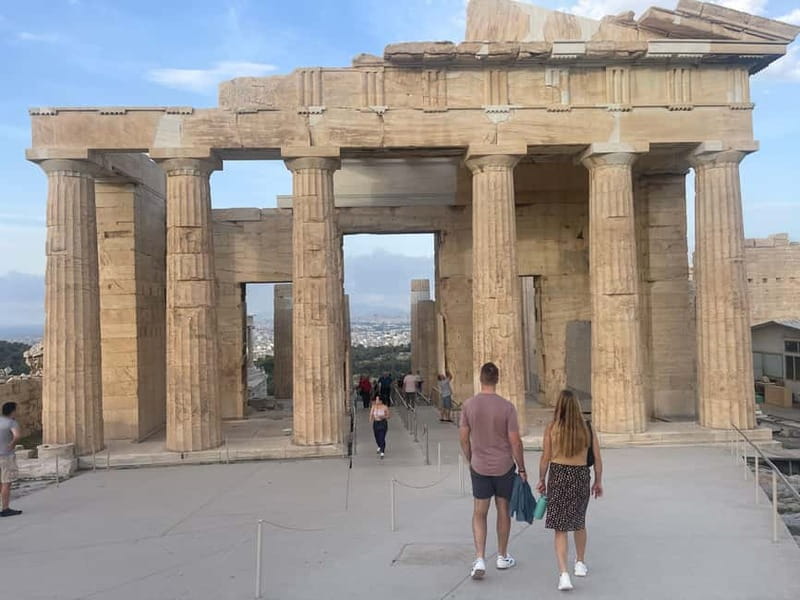
As you rise toward the most iconic viewing zones, you hit the Propylaea. Think of it like the monumental gateway that signals the hill isn’t just a viewpoint—it’s a sacred precinct. A guided explanation here helps you understand why the approach feels ceremonial: the design guides your attention.
A short walk brings you to the Temple of Athena Nike. This stop is popular because you get a great mix of detail and sweeping surroundings. Athena Nike connects directly to the idea of victory and civic pride, and your guide’s myth and historical framing makes the smaller temple feel important rather than secondary.
This is also where you’ll likely feel the value of the earpieces most. It’s easy to drift into sightseeing silence while you’re looking around. The audio keeps you anchored to what matters: the building’s purpose, the symbolism, and the details your eye might otherwise skip.
You can also read our reviews of more guided tours in Athens



Erechtheion and the Parthenon: the monuments you came for
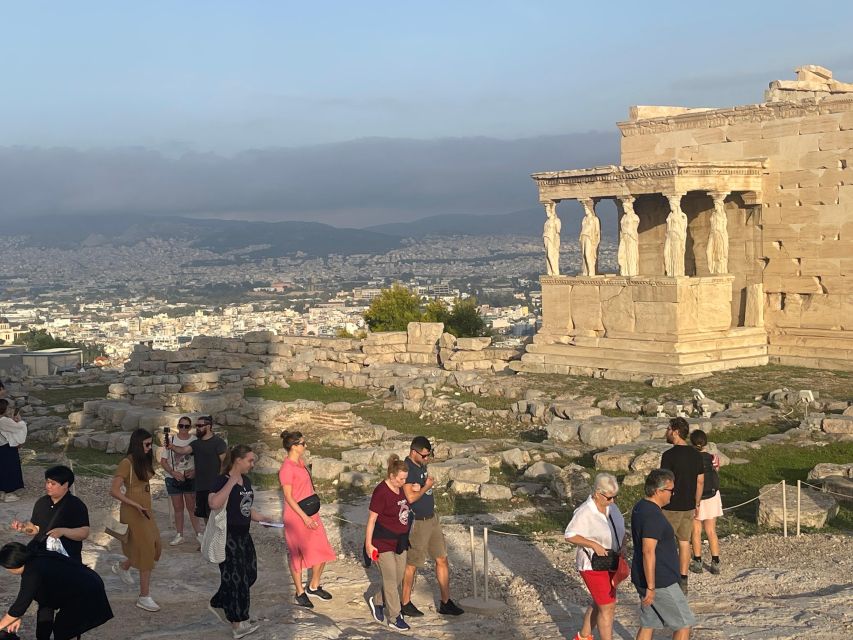
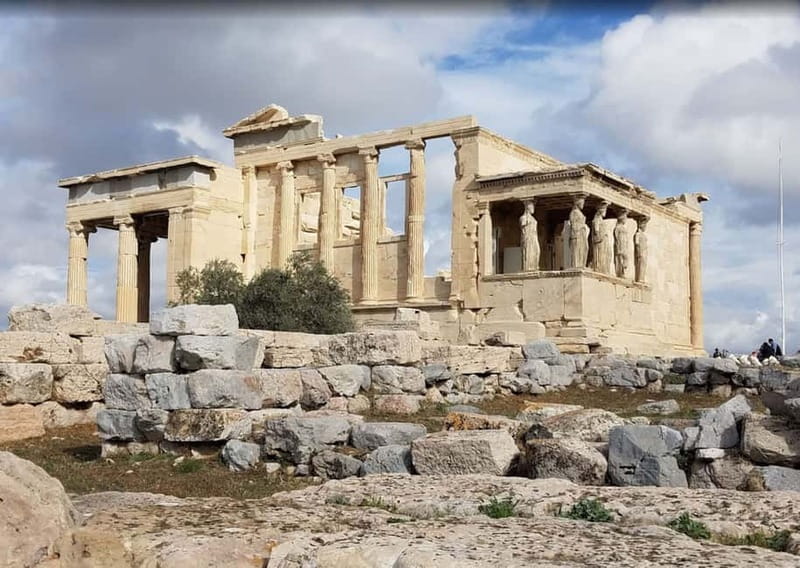
The Erechtheion is next, with a guided visit that highlights why it’s so beloved among historians and visitors. It’s one of those places where the structure and the stories behind it overlap in an almost annoying-to-ignore way. Once your guide explains what makes it distinctive, you’ll notice more than you thought you could.
Then you reach the main event: the Parthenon. The Parthenon walk is given a longer guided block (your time here is designed to let you actually see the building, not just pass it like a checkpoint). You’ll hear the myths and historical facts tied to the monument, and the guide helps you map what you’re seeing to the larger purpose of the Acropolis.
The Parthenon stop also tends to deliver the best “final payoff” views. From the top of the Acropolis, you get those big Athens panoramas that are very hard to recreate later. In practical terms, this is your best moment to slow down and take in the city beyond the stones.
One more practical note: the site requires security checks and strict timing, so don’t count on extra time if you get stuck in the flow. This tour is built around efficient movement with short explanation blocks, so you get learning without turning the day into a line-wait marathon.
If you choose the museum option, here’s why it helps
Some booking options include Acropolis Museum entry and a museum tour. If you select that add-on, it can be a smart way to deepen what you just saw on the hill.
Here’s the simple logic: monuments are easier to understand when you can see the art and fragments tied to them at a calmer pace. A museum visit can also help you connect sculptural details to the buildings you’re walking around outdoors. Without that context, a lot of the fine symbolism can blur into “cool-looking stone.”
In other words, the hill gives you scale and setting. The museum gives you the details your eyes miss at walking speed.
Pace, headphones, and how the tour handles crowds
The Acropolis can be busy. This tour tries to keep that from breaking your experience by combining three tactics:
- Short guided stops: You get specific explanation blocks rather than one long lecture.
- Headphones: You hear your guide clearly, which reduces the frustration of turning your body and missing words.
- Group management: Feedback repeatedly highlights that guides keep people together and moving at a comfortable pace.
You’ll also see guide strengths reflected in the names that come up often in feedback. People praise guides like Kalli for mixing myths with clear explanation, and Antonis for helping the group stay on track. Others, like Victor, are noted for bringing photos to support explanations. That kind of visual support can be a big help when you’re looking at weathered surfaces and trying to understand what once stood there in sharper form.
Practical advice: you’ll cover ground on uneven surfaces. You’ll want comfortable shoes and a small plan for hydration. Bring water if you can, and don’t rely on shade to save you—shade is limited on the open hill areas.
Price and value: what $38.39 gets you
At $38.39 per person, this tour isn’t just “a guide walking you around.” You’re paying for a stack of practical benefits:
- A local licensed guide who can translate what you’re seeing into stories and meaning.
- Headphones so you don’t lose the guide to wind and noise.
- A skip-the-ticket-line benefit if you select the option that includes admission.
- The option to include Acropolis entry tickets and potentially Acropolis Museum tickets and a museum tour.
If you compare that to the cost and hassle of doing everything on your own, the value comes from time saved and confusion avoided. Most people don’t struggle with getting into the Acropolis because of the cost—they struggle because they don’t know where to look first, what details matter, and how myths connect to the architecture. This tour gives you that clarity quickly, while you’re still on site.
If you choose the without-tickets option, the value shifts a bit: you’ll still get the guide and earpieces, but you’re responsible for buying timed entry tickets yourself right after booking. The upside is flexibility; the downside is you must get your ticket time category correct and be ready at entry.
Who should book this tour (and who might not love it)
This tour is a strong fit if you:
- Want the top Acropolis monuments—Parthenon, Erechtheion, and Temple of Athena Nike—explained in plain language.
- Prefer guided structure over wandering through crowds.
- Like hearing myths alongside architecture, not just reading signs.
- Appreciate audio support, especially in busy outdoor spaces.
It’s not a great fit if you:
- Need wheelchair access or have mobility limitations, since the tour isn’t suitable for wheelchair users.
- Plan to bring a stroller or large luggage. Strollers and luggage aren’t allowed.
If you’re traveling with kids, you might find it doable depending on your group and pace. Some families report it works even with very young children, but you should still be ready for uphill walking and security processes.
What to bring so the walk feels good
You’ll have a much better time if you show up prepared. Bring:
- Passport or ID card
- Comfortable shoes
- Sunglasses, sun hat, and sunscreen
Also plan for the fact that you’re mostly outdoors. The tour runs rain or shine, so if rain is possible, pack something light and quick for a sudden drizzle.
Should you book this Acropolis and Parthenon guided walking tour?
I’d book it if you want the Acropolis to make sense fast. For the price, the mix of a licensed guide, earpieces, and a route built around the big monuments plus key surrounding stops is a practical way to get real meaning out of what you’re seeing. It’s also one of the easiest ways to avoid the most common self-guiding problem here: knowing where to stand, what to notice, and why each building mattered.
Skip it only if you strongly prefer total freedom with no structured stops, or if accessibility needs mean you can’t manage the walking and terrain. If you’re ready for a focused, guided climb with great payoff views, this is a solid choice.
FAQ
Do I need to buy Acropolis tickets in advance?
If you choose the option without tickets, you’re responsible for buying your own Acropolis admission tickets from the official website. If you choose the option with tickets, everything is handled for you.
How long is the guided walking tour?
The duration is listed as 2 to 3.5 hours, depending on the start time you select.
Does the tour include audio headphones?
Yes. You get headsets so you can hear your English-speaking guide clearly during the tour.
Where does the tour start, and when should I arrive?
The meeting point is at 3 Dionyssiou Areopagitou Street. Arrive about 20 minutes early and look for an orange sign displaying Athens Walking Tours.
What’s the main route and where does it end?
The tour enters the Acropolis right after it begins, visits major sites on the hill (including stops like Dionysus Theatre area, Erechtheion, and Parthenon), and ends back at the meeting point.
Is this tour suitable for wheelchair users or limited mobility?
No. The tour is not suitable for people with mobility impairments and is not suitable for wheelchair users.



More Walking Tours in Athens




More Tours in Athens


More Tour Reviews in Athens
- All Day Cruise -3 Islands to Agistri,Moni, Aegina with lunch and drinks included
★ 5.0 · 4,958 reviews