REVIEW · ATHENS
Early Morning Acropolis & Old Athens Guided Walking Tour
Book on GetYourGuide →Operated by Key Tours · Bookable on GetYourGuide
The Acropolis is best before the crowds. This early morning guided walk pairs skip-the-line Acropolis entry with a smart route around the Parthenon complex, then turns downhill for Plaka’s old streets. I love how the guide makes the stones readable (Parthenon, Erechtheion, Temple of Athena Nike) and how the wireless audio keeps narration clear even in busy spots. One thing to keep in mind: the climb is moderately tough, and there isn’t much room for slow pacing if you don’t do well on steep uphill walking.
If you’re in Athens for just a short time, this format is efficient without feeling rushed. You’ll get the big icons plus a practical sweep through older neighborhoods like Anafiotika, ending in the lively Monastiraki area.
In This Review
- Key things that make this tour worth it
- Why early Acropolis access changes everything
- Meeting point and what the first minutes feel like
- Theatre of Dionysus: where Athens watched ideas become drama
- Small practical note
- Odeon of Herodes Atticus: a quick hit of Roman-era grandeur
- Propylaea and the approach mindset
- Temple of Athena Nike: tiny temple, important messages
- Parthenon: the moment you understand why everyone comes
- Erechtheion: why this one feels personal
- Acropolis photo time: plan your exits and water breaks
- Anafiotika: Athens’ mini-neighborhood within the city
- Ancient Agora views and the “you’re going somewhere” feeling
- Roman Forum of Athens: where the city moved from sacred to civic
- Tower of the Winds and the Bathhouse of the Winds: weather, water, daily life
- Fethiye Mosque Museum and Hadrian’s Library: layers you can read
- Tzisdarakis Mosque and the walk toward Monastiraki
- What you’re really paying for: value beyond the price tag
- Who this tour is best for (and who should skip it)
- My practical take: make it a great morning
- Should you book this Early Morning Acropolis and Old Athens tour?
- FAQ
- What’s the duration of the tour?
- Does the tour include entry tickets to the Acropolis?
- If I choose the option without tickets, what do I need to do?
- Is there a skip-the-line advantage?
- How do I hear the guide during the walking parts?
- What languages are offered?
- What should I bring?
- Is the tour suitable for people with mobility issues?
- What’s not allowed during the tour?
Key things that make this tour worth it
- Skip-the-line Acropolis access starts you on the site faster than the usual chaotic queue.
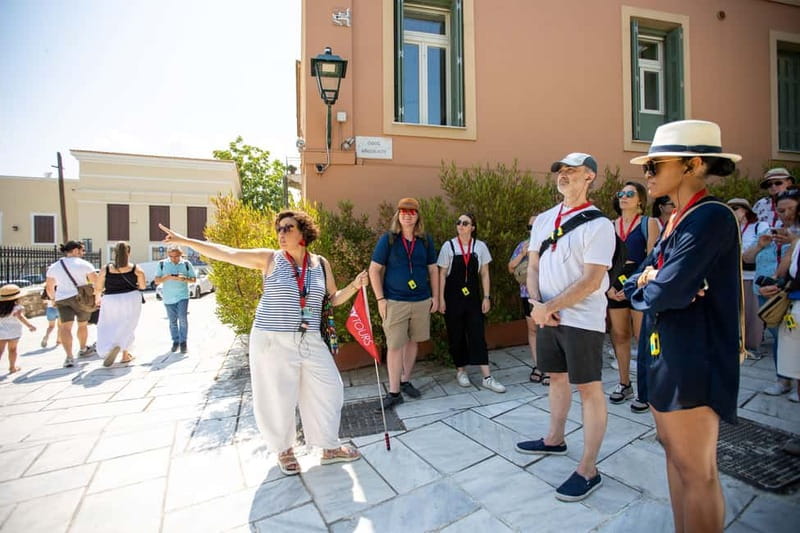
- Wireless audio system helps you hear the guide clearly through the whole walking portion.
- Early timing means cooler temperatures and less crowd crush on the main viewpoints.
- Acropolis stops you can actually match to photos: Parthenon, Erechtheion, Propylaea, Athena Nike.
- Plaka route with real character: Anafiotika’s narrow lanes, plus Monastiraki Square at the end.
- Multiple historical layers in one morning: ancient, Roman, Ottoman, and a bit of “everyday Athens” street life.
Why early Acropolis access changes everything
I’ve learned the hard way that the Acropolis can feel like a theme park when you arrive late in the morning. The light is good at sunrise, sure, but the bigger win is human traffic. On an early morning tour, the site usually feels more like a place you can study than a place you have to dodge through.
This kind of timing also helps your guide do a better job. When you’re not fighting the crowd every ten minutes, you can actually process what you’re seeing: what’s where, why a temple was built, what a monument suggests about the city that commissioned it. And since you’ll be moving on foot across the hillside and then downhill afterward, starting early gives your body a fair shot at the day.
You can also read our reviews of more walking tours in Athens

Meeting point and what the first minutes feel like
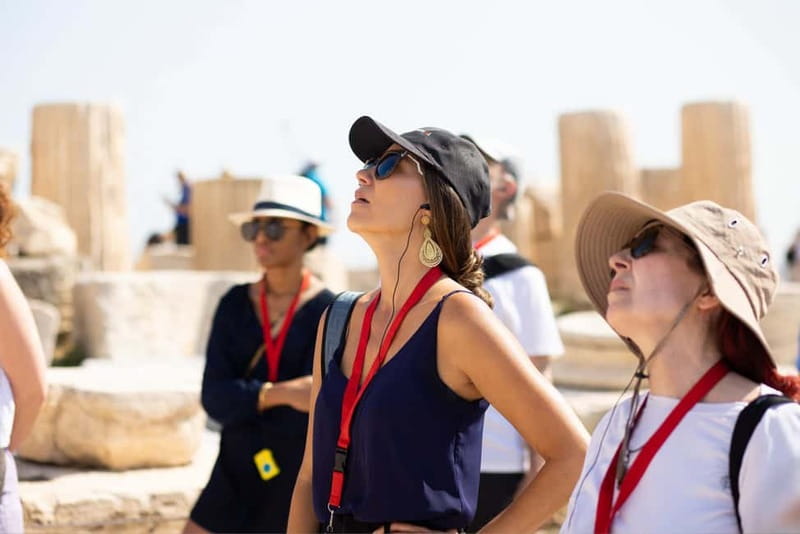
You meet at the Key Tours office (the starting point listed is Athens Gate Apt). The vibe at the start is simple: comfortable-shoes people, water bottles ready, and a group quietly learning how they’ll pace up the hill.
The first part matters because it sets expectations. This is not an all-day sit-and-stare tour. Even though there are short stops and photo time, you’re mostly walking, listening, and looking for details the casual pass-through misses. If you like structure—where you’re told what you’re seeing and why—it works.
Theatre of Dionysus: where Athens watched ideas become drama
The tour begins with a look at the Theatre of Dionysus on the south slope. Even if you don’t know Greek theatre history, this stop gives you context fast. You’re not just climbing to temples; you’re walking into the cultural setting that shaped civic life.
From here, the guide leads you upward through the ancient hill routes, with short walking links that keep the momentum. The benefit: by the time you reach the main monuments, you’ve already been given a mental map of what the Acropolis was for, not only what it looks like.
Small practical note
This is a hillside route, so wear shoes that grip. There are uneven stone surfaces, and your job is to keep your footing while your mind keeps up with the stories.
Odeon of Herodes Atticus: a quick hit of Roman-era grandeur
Next is the Odeon of Herodes Atticus, a structure tied to entertainment and public events long after the classical peak. I like this stop because it shows the Acropolis wasn’t frozen in time. Different eras kept reusing the sacred hill, changing the architecture, and preserving layers of meaning.
In the flow of the tour, this works like a warm-up for the larger set pieces. You’ll likely spend only a short time here, but it helps your brain connect later stops to something bigger than a single century.
You can also read our reviews of more guided tours in Athens



Propylaea and the approach mindset
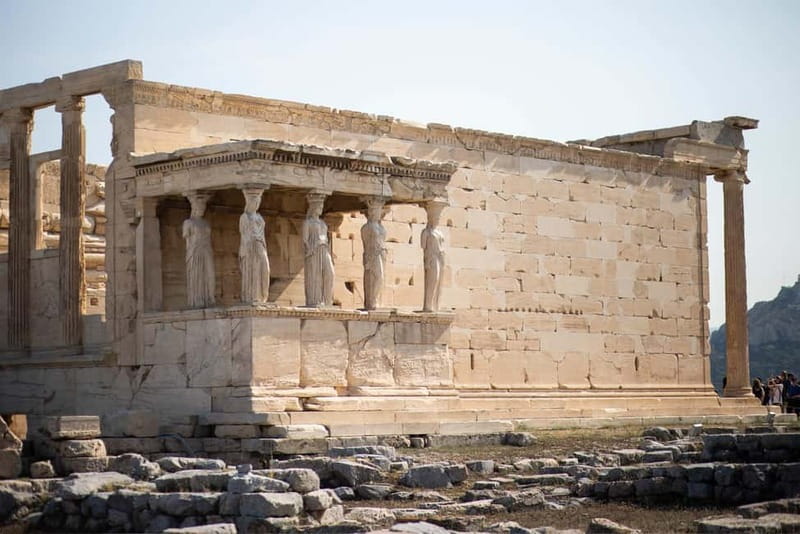
At Propylaea, you get the feel for how someone would have entered the Acropolis. This is one of those “don’t rush” moments, because the arrangement makes more sense when you pause and look from the correct angle.
You’ll move through the key visual approach points rather than just being handed a checklist. The guide’s job is to help you see relationships—how buildings frame views, and how the layout directs attention toward the main sanctuaries.
Temple of Athena Nike: tiny temple, important messages
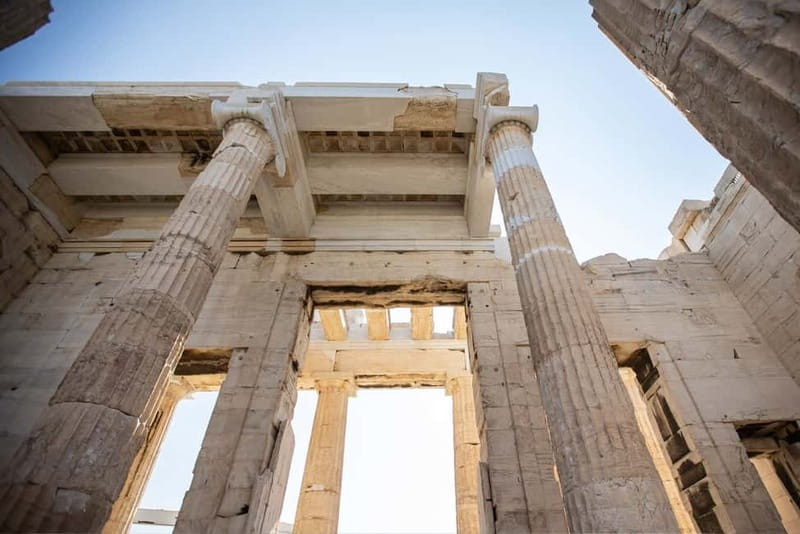
The Temple of Athena Nike is short stop energy done right. It’s easy to overlook smaller structures when you’re chasing the Parthenon, but this is where the tour keeps you from only collecting the biggest photo.
Even in brief time, you get the idea that Athena wasn’t an abstract goddess. This was a public statement embedded in architecture—every detail designed to communicate power, identity, and civic pride.
Parthenon: the moment you understand why everyone comes

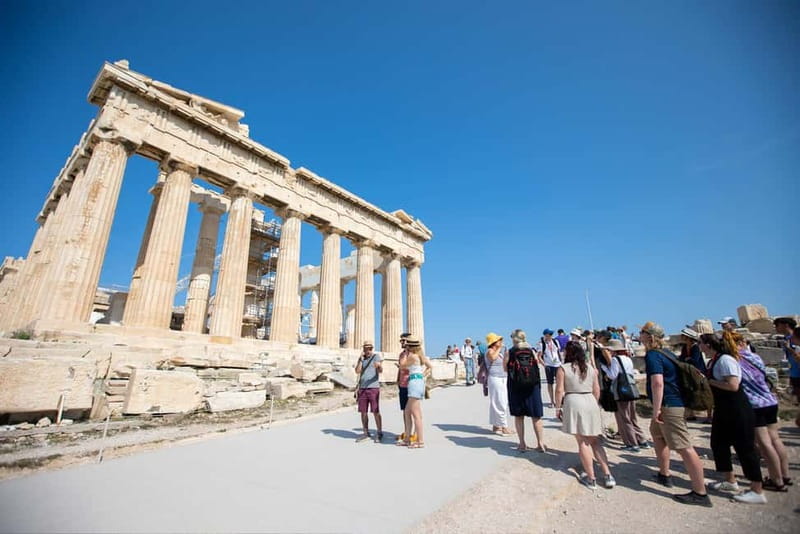
Then you reach the main event: the Parthenon. This is where skip-the-line access pays off most. Less time waiting means more time standing in front of the building long enough to let the guide’s explanation click.
I like that the tour doesn’t treat the Parthenon as a static object. The guide ties together form and function and points out the landmark elements you’ll recognize from pictures—so you’re not just looking at something famous, you’re understanding what you’re looking at.
There’s also a designated photo moment/free time (about 30 minutes at the Acropolis photo stop). Use that time smartly:
- Take wide shots first, then zoom in on details you were told about.
- Pace yourself so you don’t end the morning out of breath and sunburned.
Erechtheion: why this one feels personal
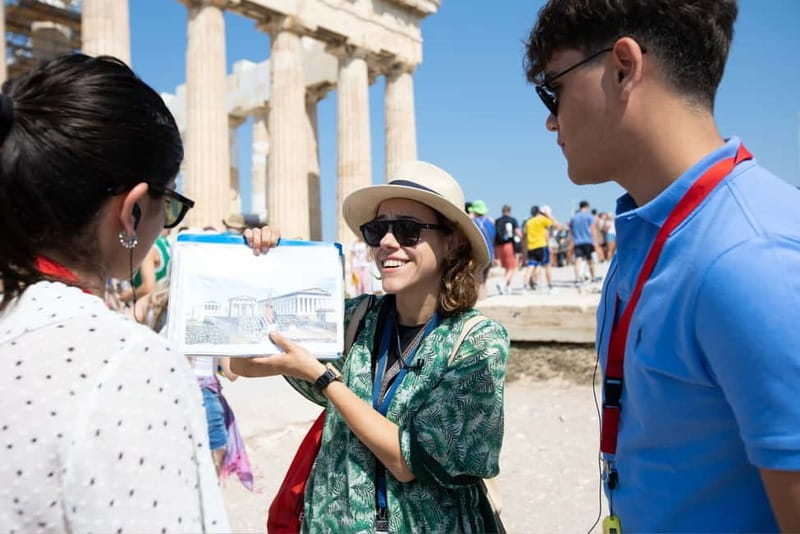
The Erechtheion is often the “wait, I didn’t know about this” stop. It has a different personality than the Parthenon—more varied angles, more visual variety, and details the guide helps you notice.
This is another place where the wireless audio system really matters. With a group moving through tight, high-traffic areas, you need to hear the explanation without sprinting to keep up. The earpieces help you stay planted and listen.
Acropolis photo time: plan your exits and water breaks
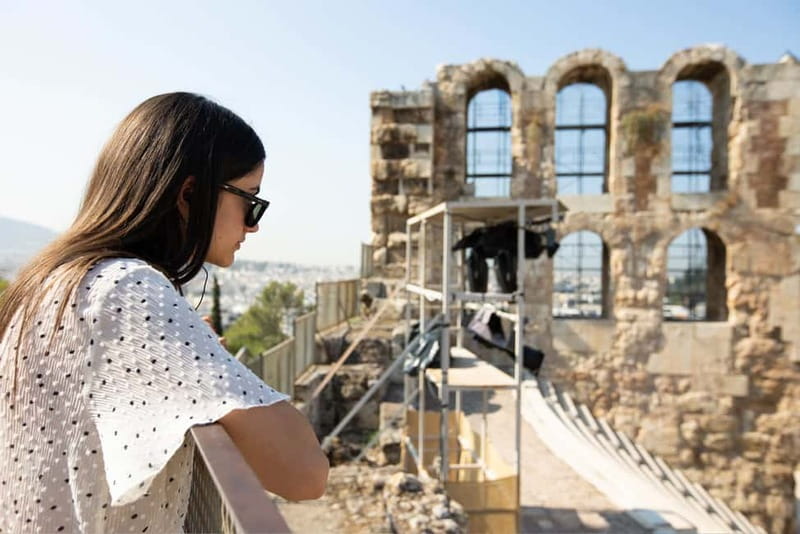
Your itinerary includes a 30-minute photo stop/free time at the Acropolis of Athens. That’s useful, but it’s also where you can accidentally lose the day if you don’t think ahead.
Bring water. You’ll be exposed. And shade is limited. If you go too long during peak sun, you’ll feel it in the later downhill walking.
Anafiotika: Athens’ mini-neighborhood within the city
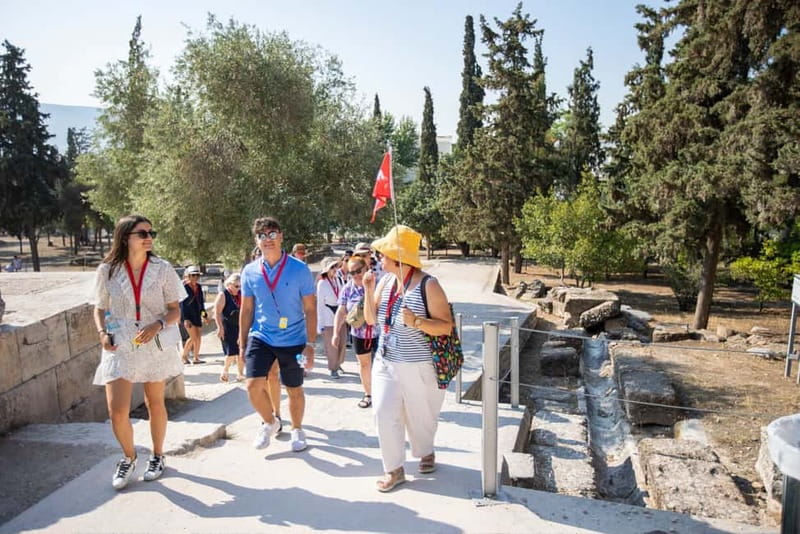
After the main Acropolis focus, the route turns downhill to Anafiotika. If Plaka is the classic old-town vibe, Anafiotika feels like a quieter offshoot—narrow lanes, intimate corners, and a lived-in maze that makes you slow down.
This is where the tour gets more than sightseeing. It’s the part where you start to sense the city’s rhythm: small streets, subtle turns, and the feeling that you’ve wandered into a pocket that doesn’t belong to the big monuments.
Ancient Agora views and the “you’re going somewhere” feeling
As you walk down, you get views toward the Ancient Agora area and even the National Observatory of Athens in the distance (when conditions and angles work out). I like this because it reminds you the Acropolis is only one piece of a broader historic setting.
Then the tour continues with more architectural and archaeological stops, each one adding another era to the story.
Roman Forum of Athens: where the city moved from sacred to civic
Next comes the Roman Forum of Athens. This stop is useful because it shifts your brain from religious architecture to civic life. Temples tell one kind of story; a forum tells another.
Even if you don’t have a deep background in Roman urban planning, you’ll come away understanding that Athens kept reinventing itself, using older spaces as anchors.
Tower of the Winds and the Bathhouse of the Winds: weather, water, daily life
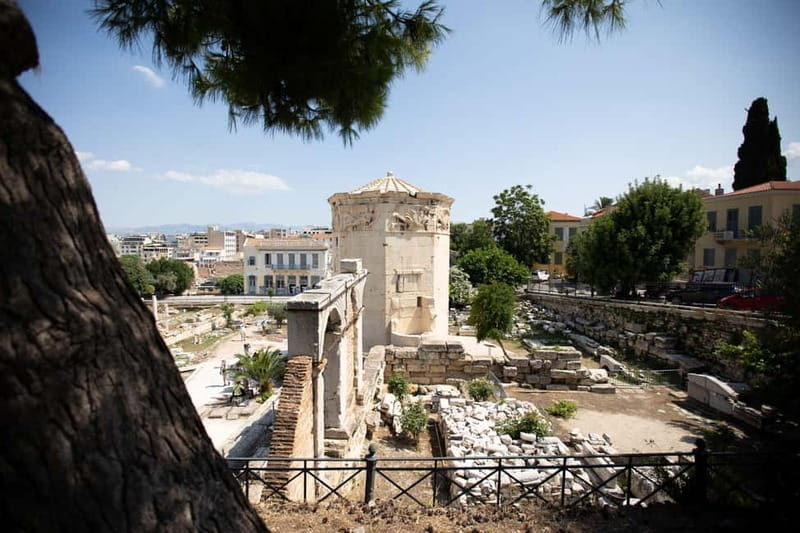
You’ll visit the Tower of the Winds, a short stop that helps you understand how Athenians used public buildings for practical life, not only ceremony.
Then the tour route includes the Bathhouse of the Winds, described as one of the last surviving public baths. I really like this contrast. After walking through monumental sites, it’s a relief to see something tied to everyday routines—cleaning, bathing, and communal comfort—still visible through the stone remnants.
This is also a strong example of why an organized guided morning is valuable. Without guidance, you might not connect these structures to real human needs.
Fethiye Mosque Museum and Hadrian’s Library: layers you can read
The tour then steps through more stops that highlight Athens’ layered history:
- Fethiye Mosque Museum (a guide-led look inside the historic complex)
- Hadrian’s Library (another anchor point for understanding Roman-era Athens)
I like these segments because they show how old cities keep adapting. Athens wasn’t erased and rebuilt once; it changed hands, shifted cultures, and reused space over time. When your guide threads those connections, the walk stops feeling random.
Tzisdarakis Mosque and the walk toward Monastiraki
You’ll finish the guided portion with Tzisdarakis Mosque, then head to Monastiraki Square to close out the tour.
Monastiraki is a smart place to end because it’s easy to keep going on your own. You can find snacks, browse shops, or adjust plans depending on how your feet and sun level are doing.
What you’re really paying for: value beyond the price tag
At $28.46 per person, this tour can be an excellent deal if you choose the option that includes the Acropolis entrance ticket. Your cost is doing several things at once: a licensed guide, early access, skip-the-line entry, wireless audio, and a structured walking route that covers both the Acropolis and a solid sweep through old Athens.
Even if you only care about the Parthenon complex, the guided explanation + early timing is often what makes the experience feel worth it. You’re not just buying a ticket. You’re buying time efficiency and interpretation.
Also, the audio devices matter more than they sound. In large sites, being able to hear without craning your neck is a quality-of-life upgrade.
Who this tour is best for (and who should skip it)
This works best if you:
- Want the Acropolis icons explained clearly, not just photographed
- Like a scheduled morning plan that still leaves some photo time
- Walk well on uneven stone and can handle a steep uphill climb
It may not be the right match if you:
- Have mobility limits, since it’s listed as moderate difficulty and includes a demanding ascent
- Need wheelchair-accessible routes, because it’s not suitable for wheelchair users
- Travel with pets, baby strollers, or large bags, since those aren’t allowed
My practical take: make it a great morning
Here’s how to get the most out of a tour like this without turning it into a sweaty slog:
- Wear comfortable shoes with grip. Your feet do most of the work, not your camera.
- Bring water, and consider a hat and sunglasses. Shade is limited.
- Pace your photos: take a few key angles, then listen to the guide’s next point.
- If you’re heat-sensitive, choose the earliest starting time you can find.
I also love that this kind of tour often attracts guides who keep momentum and group safety in mind. Names that show up in the guide-quality pattern include Simon, Joanna, Christina, Kostas, Tina, and Dimitri—people praised for keeping narration clear, group together, and the pace manageable during busy periods.
Should you book this Early Morning Acropolis and Old Athens tour?
I’d book it if you want an efficient, high-value morning that covers the Acropolis and then hands you a workable sense of old Athens in Plaka. Early access plus the wireless audio system is the combo that turns a famous site into something you actually understand.
Skip it if you’re looking for a fully relaxed, minimal-walking visit. This is still a walk-heavy experience with a steep climb, so you’ll enjoy it more if you’re up for movement.
If you’re curious, make sure you pick the option with the Acropolis entrance ticket so you don’t have to buy separately for your specific time slot.
FAQ
What’s the duration of the tour?
The tour runs for about 3.5 hours.
Does the tour include entry tickets to the Acropolis?
It depends on the option you select. The Acropolis entrance ticket is included only if you choose the option that includes tickets.
If I choose the option without tickets, what do I need to do?
You’ll need to purchase Acropolis tickets yourself for the time slot of the tour departure so your group can enter at the correct time.
Is there a skip-the-line advantage?
Yes. The tour includes skip-the-line entry for the Acropolis.
How do I hear the guide during the walking parts?
You’ll use wireless audio devices for clearer commentary.
What languages are offered?
The tour is available in Spanish and English.
What should I bring?
Bring a passport or ID card, comfortable shoes, sunglasses, a sun hat, and water.
Is the tour suitable for people with mobility issues?
It’s listed as moderate difficulty and is not suitable for people with mobility impairments or wheelchair users.
What’s not allowed during the tour?
Pets, baby strollers, and luggage or large bags aren’t allowed.



More Walking Tours in Athens

More Tours in Athens
More Tour Reviews in Athens
- All Day Cruise -3 Islands to Agistri,Moni, Aegina with lunch and drinks included
★ 5.0 · 4,958 reviews