REVIEW · ATHENS
Athens: National Archaeological Museum Ticket w/ Opt. Audio
Book on GetYourGuide →Operated by Key Tours · Bookable on GetYourGuide
Walk into Greece’s biggest archaeology hall. This timed National Archaeological Museum e-ticket gets you through quickly, and the collection can feel almost too big to process. I especially like how the museum’s presentation spans Greek antiquity in clear sections, plus you’ll see heavyweight stars like the Mask of Agamemnon and the Antikythera mechanism.
The main trade-off is that the self-guided audio app and playback don’t always work perfectly on every phone, so plan for a little troubleshooting. Still, when it’s running smoothly, the freedom to go room by room at your own pace is exactly what a place this large needs.
In This Review
- Key points before you go
- Why this museum deserves your best one-day plan
- Getting in fast: timed e-tickets and the Omonoia meetup point
- Using the optional audio guide without losing your day
- A practical route through the museum’s top “era rooms”
- The artifacts and statues you’ll want to aim for
- Timing, crowds, and comfort (because Athens summers can be intense)
- Price and value: does $30 make sense for a self-guided museum day?
- Should you book this museum e-ticket with optional audio?
- FAQ
- What’s included with the Athens National Archaeological Museum ticket?
- Do I get an audio guide for inside the museum?
- Where do I enter the museum and how do I use the ticket?
- How long is the ticket valid?
- Are tickets timed to a specific visit time?
- What should I bring?
- Who is this ticket for?
- Are there special rules for children or reduced admission?
- What are the museum opening hours?
- Is the ticket refundable?
Key points before you go
- Timed entry means fewer line hassles. You scan your e-ticket at the gate and go straight into the museum rhythm.
- Don’t miss the classics. The Gold Deathmask of Agamemnon, Antikythera mechanism, Cup of Nestor, and Ring of Theseus are top “must-see” stops.
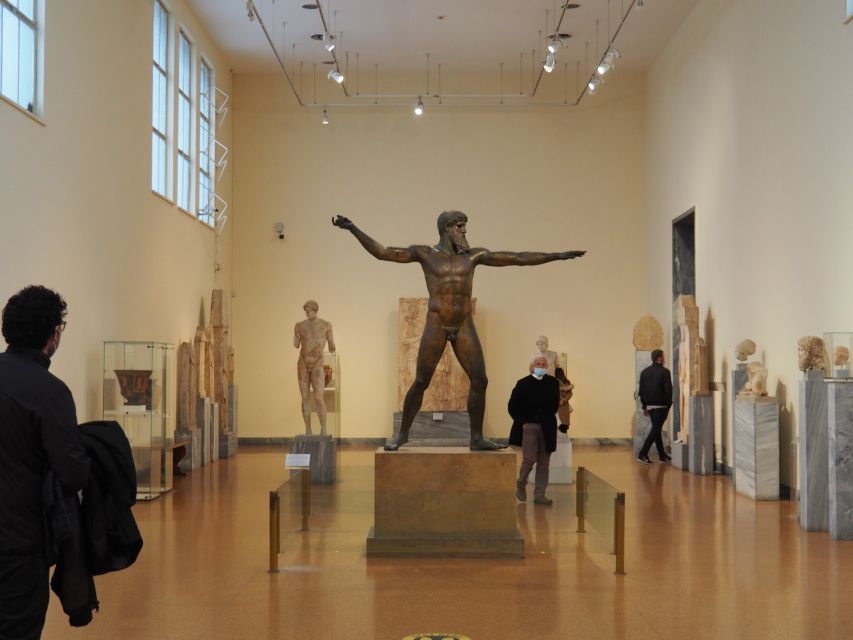
- Statues you’ll recognize. Keep an eye out for close-up masterpieces like Zeus, Poseidon, and Aphrodite.
- The museum is organized by big time periods. It helps you build a mental timeline without needing a live guide.
- Second-floor stories can be surprisingly specific. One area focuses on the Santorini archipelago and volcanic-era finds.
- Bring headphones and save your phone battery. The audio experience depends on your device, so pack accordingly.
Why this museum deserves your best one-day plan
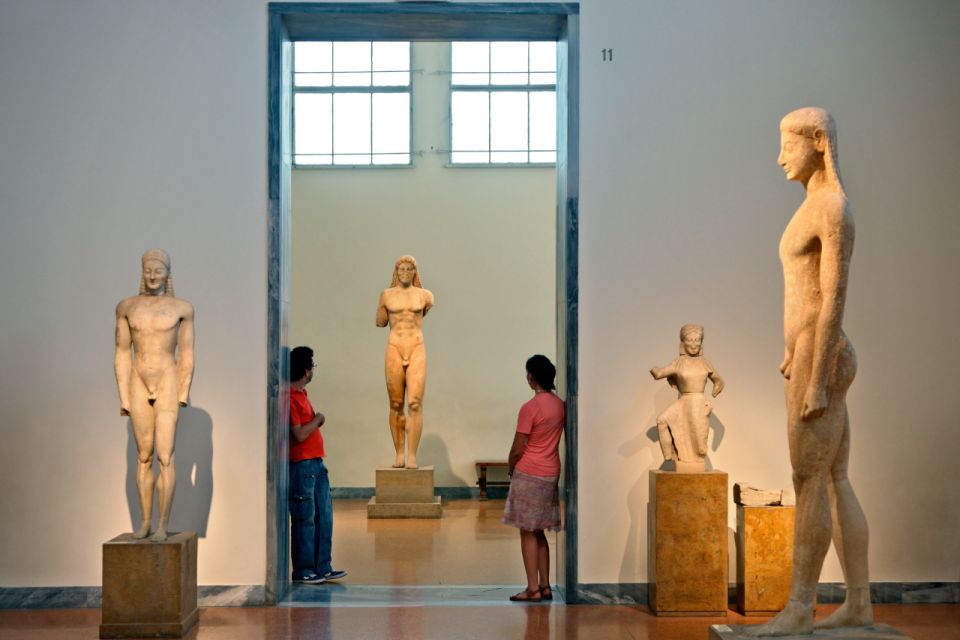
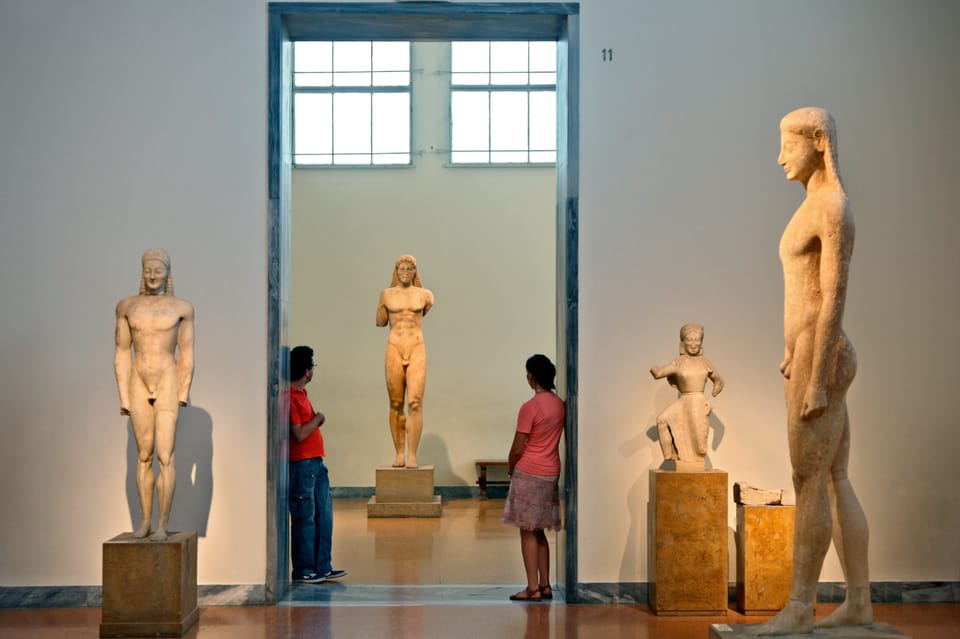
If you want the essence of ancient Greece in one place, the National Archaeological Museum is a smart target. It’s described as the largest archaeological museum in Greece and one of the world’s most important for ancient Greek art, and you can feel that scale in the building size and the breadth of what’s inside.
What makes it work for real life is that it doesn’t ask you to follow someone else’s script. You get a self-guided pace, which matters because the museum is full of rooms and artifacts competing for your attention. I like that the experience is built for wandering: scan in, pick a route, and spend real time where your eyes catch first.
You’ll likely leave with more than “I saw a famous thing.” You’ll see how different eras connect, how sculpture style evolves, and how everyday objects can become historical evidence. Even if you only do a “greatest hits” loop, the museum has enough anchors—major statues and famous artifacts—to give your visit structure.
You can also read our reviews of more tours and experiences in Athens


Getting in fast: timed e-tickets and the Omonoia meetup point
This is a timed-entry setup. Your e-ticket is sent to your email, and you scan it at the gate for admission for your selected date and time slot. That simple detail changes the day: instead of guessing about queues and ticket desks, you arrive knowing you’re in the right flow.
Your nearest transit reference point is Omonoia metro station. From there, plan for a short walk to the museum entrance. The walk isn’t the show, but it’s part of getting your timing right—especially if you’re visiting during high season.
One practical tip that can save real time: inside the ticketing zone, there can be different lines depending on what stage you’re in—buying tickets, entering with an already-purchased ticket, or picking up an electronic audio narrator device (when that option is part of your experience). Follow the line that matches your status. It’s the easiest way to avoid losing 20 minutes to a queue mismatch.
Using the optional audio guide without losing your day
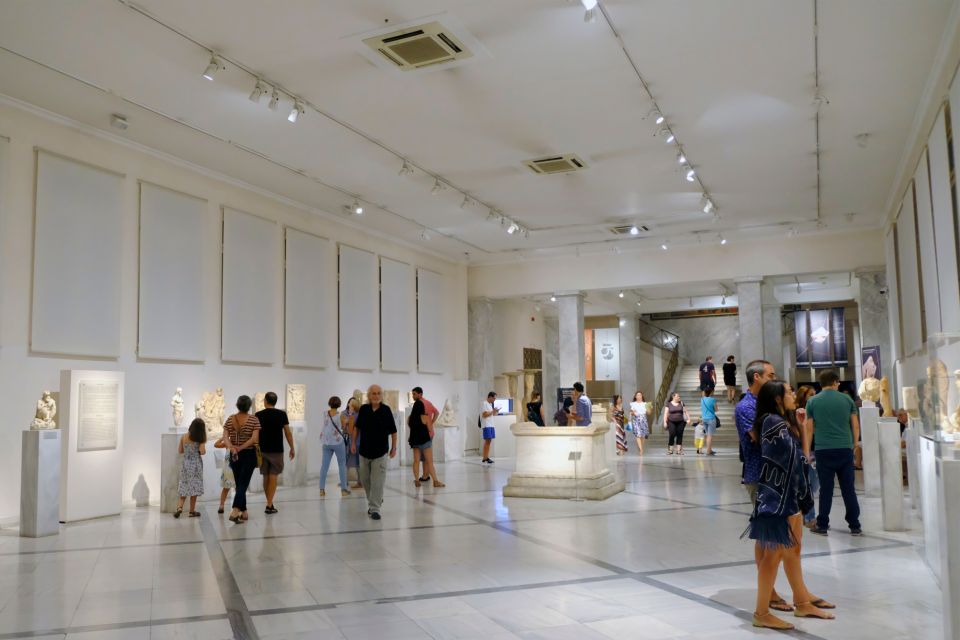
You have the option of an English self-guided audio tour. If you select the museum audio, you’ll get audio tied directly to your visit. If you don’t, you still get an audio tour for Athens Old Town and Plaka as part of the offering.
Plan to bring headphones. The audio is designed for self-guided listening, and most of the value comes from hearing context while you’re looking at objects—dates, regions, and what the pieces meant in their original world.
A small reality check: audio can be hit-or-miss depending on your phone and the app’s behavior. If you want fewer headaches, do a quick test before you enter—launch the audio, confirm it’s working, and make sure your volume isn’t accidentally low. Also, because audio can drain battery, consider bringing a portable charger if your phone tends to run down quickly.
Inside, you’ll be walking a lot. Since this is self-paced, the audio is at its best when you treat it like a set of stops, not like a strict walking route. If something feels far from where the audio mentions it, use your eyes first, then go back to the audio section you’re at.
A practical route through the museum’s top “era rooms”

The museum is organized in sections that follow historical periods and themes. That layout is a big part of why the visit works without a guide: you can build a timeline in your head while you walk. It also helps you decide what you care about more—early periods, sculpture, or special collections.
Start with a “get oriented fast” approach:
- Glance for a room map or the first major section, then choose one lane (for example, early antiquity or sculpture).
- Take notes in your head, not on paper. With this many rooms, you’ll spend more time tracking than viewing if you over-plan.
A strong mid-visit move is to pivot to the museum’s famous anchors. Many people come for the pieces that appear in history books, and for good reason. After you see a few of the heavyweight artifacts, the rest of the rooms make more sense because you have reference points.
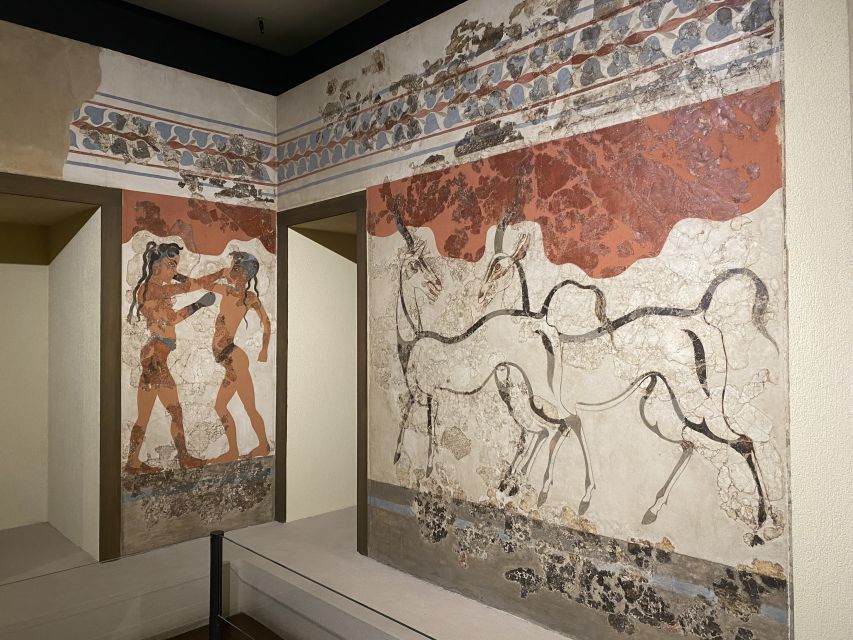
On the second floor, you might find a focus on the Santorini archipelago. That means fewer generic “ancient Greece” vibes and more volcanic-history context, including artifacts preserved by ash from a major eruption. If you’re the type who likes the science behind the archaeology, that section can feel like a change of pace.
Don’t feel pressure to see every room. With a site this big, the best strategy is to pick your “must-see list,” then let the surrounding rooms fill in the gaps. You’ll spend your time where the objects actually hold your attention.
The artifacts and statues you’ll want to aim for
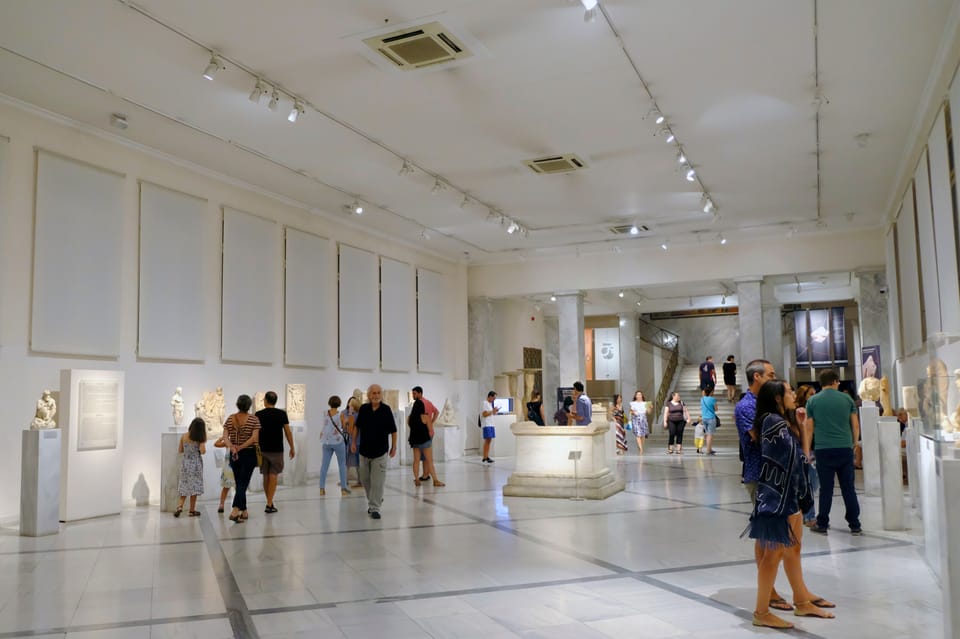
If you only do a partial loop, you want to center your route on the most iconic pieces mentioned in the experience. These are the works that tend to anchor memory after you leave.
Here are standout categories to plan around:
Gold and legendary finds
One of the headline treasures is the Gold Deathmask of Agamemnon. Masks like this don’t just look impressive; they also raise the big questions—status, funerary practice, and what we can know through materials that survived.
Science-meets-history curiosity
The Antikythera mechanism is another must. It’s the kind of object that flips your mental model of ancient life. Instead of assuming the past was only about temples and statues, you get a glimpse of advanced engineering thinking.
Everyday objects turned famous
Pieces like the Cup of Nestor and the Ring of Theseus sit in a sweet spot: they feel personal and “story-shaped,” even when the deeper history is complex. If you like artifacts that connect to names and legends, you’ll likely enjoy building your own theory of what came first—myth or material culture.
Sculpture hall highlights
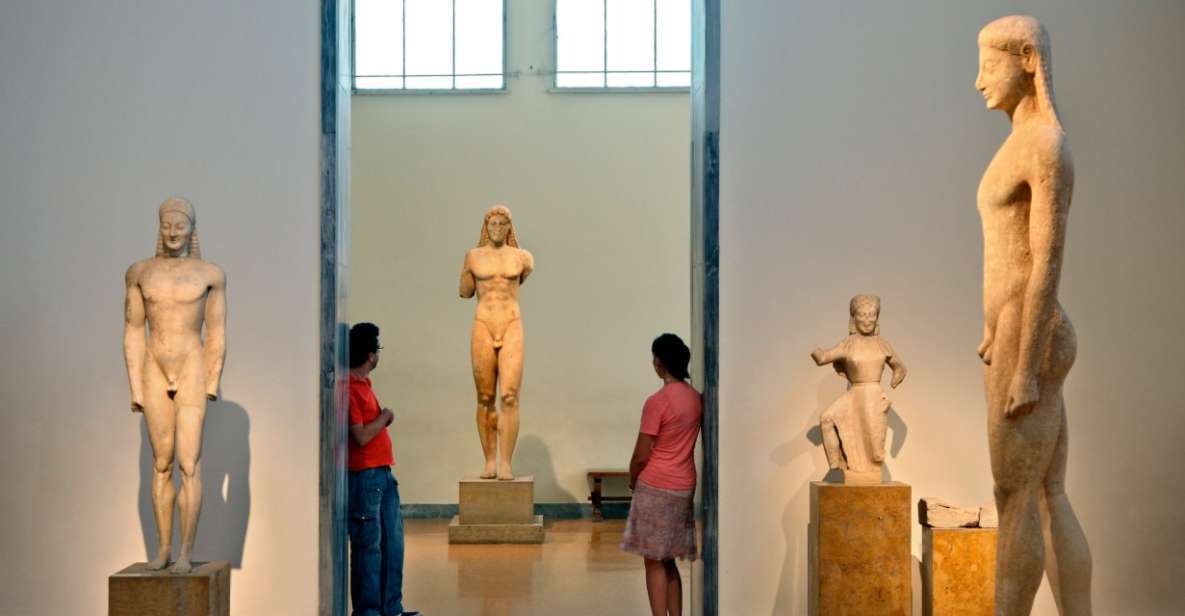
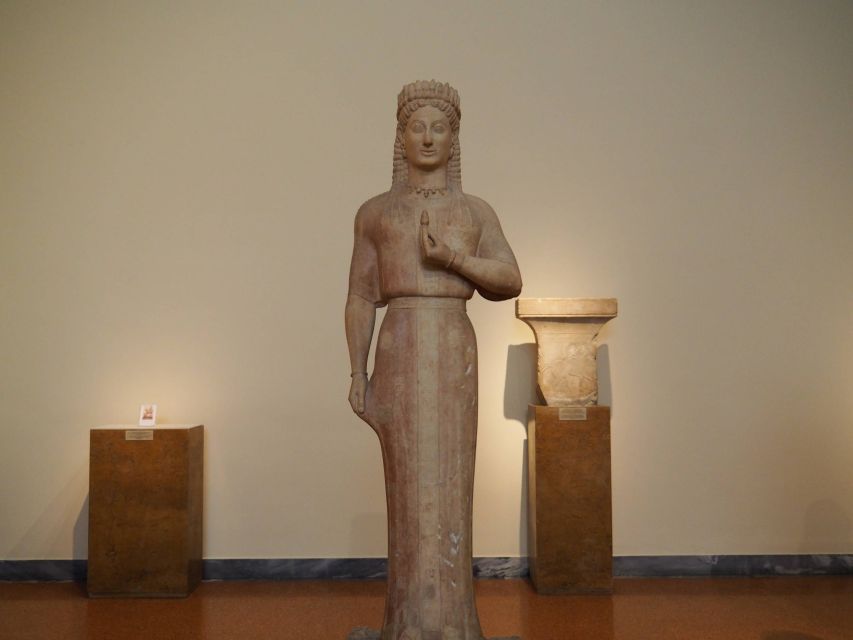
Keep an eye out for major statues, including Zeus and Poseidon. Aphrodite is also highlighted in the experience details. When you see these close up, you start noticing how sculptors handled anatomy, pose, and surface finish—things that photographs can flatten.
You can also read our reviews of more museum experiences in Athens





Timing, crowds, and comfort (because Athens summers can be intense)
This museum can be a long walk day. Even if you’re not doing every room, you’ll likely spend a while moving between galleries and floors, with breaks only if you schedule them. Wear comfortable shoes. This is the kind of place where the building layout makes you keep walking, not lingering in one spot.
Comfort matters more in Athens heat. Some rooms may feel hot, and there may be limited seating options when you need a breather. If you’re visiting in peak summer months, plan for that. Bring water and consider an early start or a mid-afternoon plan with breaks baked in.
Sound can also be a factor if there’s a film or multimedia moment in the galleries. If you catch it when groups are nearby, background noise can make audio difficult to hear. The practical fix is simple: use your headphones during audio moments and step closer if you can, or pause the audio and move to a quieter corner.
Also note that some galleries might be unavailable due to closures during the time you’re there. It’s not something you can control, so treat your day like a choose-your-own-adventure. If one area is closed, pivot to the next highlight rather than waiting.
Price and value: does $30 make sense for a self-guided museum day?
At around $30 per person, the value comes from what you actually receive: a timed museum entry plus self-guided audio options. The ticket includes entry for your selected date and time slot, and you get audio tours for Athens Old Town and Plaka with all options. If you choose the museum audio, that adds guided context inside the National Archaeological Museum itself.
Here’s the key value logic: you’re paying for reduced friction. Pre-booking helps you avoid the worst of the lines and lets you start your museum route sooner. If your day includes more than one sight in central Athens, that time savings can be worth a lot—especially when you’re trying to dodge the peak crowds.
You also have the benefit of staying independent. You’re not locked into a group pace, and you can spend longer on the objects that actually hook you. In a museum with massive scale, that freedom can be the difference between a fast scan and a satisfying visit.
If the audio app works smoothly for you, it can turn “I saw it” into “I understand what I’m looking at.” If it glitches, you can still visit successfully—your ticket still gets you inside—so it’s not an all-or-nothing gamble. That balance is what makes the price feel reasonable.
Should you book this museum e-ticket with optional audio?
I think this is a strong booking when your priority is time efficiency and self-guided freedom. If you want to see famous objects like the Gold Deathmask of Agamemnon, the Antikythera mechanism, and major sculpture pieces such as Zeus and Poseidon, a timed entry ticket is the simplest way to start the day with momentum.
Book it if:
- You hate losing time to ticket lines and prefer a clear arrival plan.
- You like exploring at your own pace in big museums.
- You’ll actually use the English audio while you’re standing in front of objects.
Skip or reconsider if:
- You know you’ll be stressed by phone-based audio and don’t want to troubleshoot at all.
- You only want a quick visit and don’t care about building a timeline across multiple rooms.
If you’re going for a one-day Athens archaeology anchor, this is one of the best value moves you can make.
FAQ
What’s included with the Athens National Archaeological Museum ticket?
The ticket includes entry to the National Archaeological Museum for your selected date and time slot. It also includes self-guided audio for Athens Old Town and Plaka, and museum audio only if you select that option.
Do I get an audio guide for inside the museum?
You can select an optional English self-guided audio tour specifically for the National Archaeological Museum. If that option isn’t selected, you still receive the Old Town and Plaka audio.
Where do I enter the museum and how do I use the ticket?
You scan your e-ticket at the gate. The nearest metro station is Omonoia.
How long is the ticket valid?
It’s valid for 1 day. You can explore at your own pace once you’re inside.
Are tickets timed to a specific visit time?
Yes. The entry ticket is for a selected date and time slot.
What should I bring?
Bring headphones for the audio experience and a passport or ID card (a copy is accepted).
Who is this ticket for?
The ticket is for travelers over the age of 25. Reduced-price tickets aren’t available online based on the provided details.
Are there special rules for children or reduced admission?
Children under 5 and EU citizens under 25 receive free or reduced admission by providing their ID at the ticket booth at the Acropolis site. Non-EU citizens under 25 receive reduced-price entry (April to October) by providing their ID at the ticket booth at the Acropolis site.
What are the museum opening hours?
From November 1 to March 31: Wednesday to Monday 8:30 AM to 3:30 PM, Tuesday 1:00 PM to 8:00 PM. From April 16 to October 31: Wednesday to Monday 8:00 AM to 8:00 PM, Tuesday 1:00 PM to 8:00 PM. Hours may vary for special occasions, so it’s smart to check before you go.
Is the ticket refundable?
No. The activity is non-refundable.


More Museum Experiences in Athens
More Tickets in Athens


More Tour Reviews in Athens
- All Day Cruise -3 Islands to Agistri,Moni, Aegina with lunch and drinks included
★ 5.0 · 4,958 reviews