REVIEW · ATHENS
Cooking Class with Aspasia in the Heart of Athens
Book on Viator →Operated by IT IS GREEK · Bookable on Viator
Cooking in Athens feels like visiting family. In Aspasia’s light-filled home, you get a private cooking experience that’s more personal than the usual demo-and-dine format. I like that the focus stays on real, recognizable Greek comfort food, served as a full meal rather than a few bites.
What I also like is the way you’re pulled into the process during a relaxed, social evening with hands-on guidance. The potential downside is that this is a home-style, conversational experience—so if you want a super structured, nonstop cooking workshop, you’ll want to make sure the hands-on portion matches what you expect for the price.
In This Review
- Quick take: why this Athens cooking class works
- Step into Athens through Aspasia’s kitchen
- What you’ll cook: seven Greek dishes, starter to dessert
- Paximadi bread with olives and graviera cheese
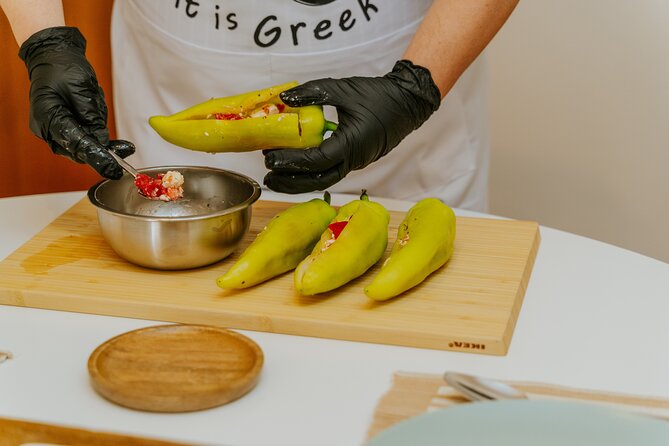
- Stuffed long sweet peppers (vegetarian)
- Greek eggs Kayanas with tomatoes and cured pork (siglino)
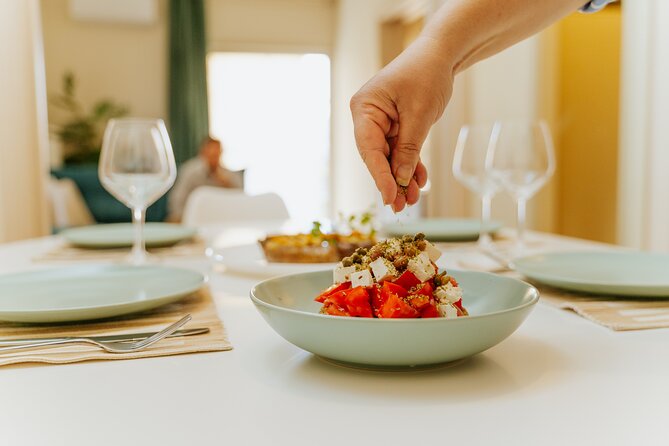
- Cretan dakos salad: barley rusks, tomato, olive oil, feta
- Greek meatballs with yogurt sauce
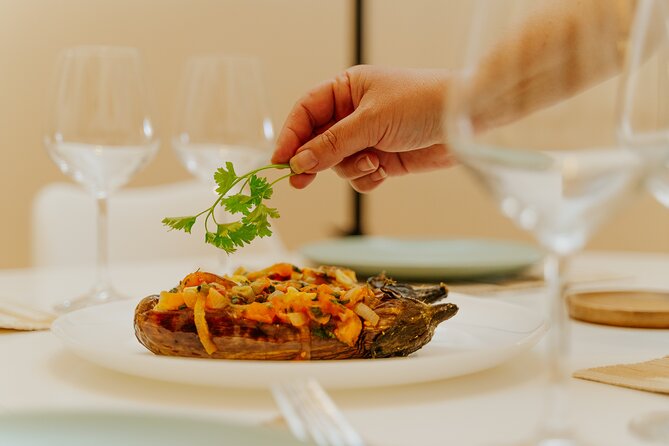
- Eggplants Imam (stuffed with onion, tomato, garlic, herbs)
- Ravani: semolina cake soaked in aromatic syrup
- Why this setup feels different from a typical cooking class
- The meal and wine: dinner pacing, not a quick snack
- Duration and timing: make room for a 3-hour Athens night
- Price and value: is $130.04 worth it?
- Who should book Aspasia’s cooking class
- Practical checklist before you go
- Should you book this cooking class in Athens?
- FAQ
- What language is the cooking class offered in?
- How long is the cooking session?
- Is this a private experience?
- Where is the meeting point?
- What’s included in the price?
- Can I cancel for a full refund?
- Are service animals allowed?
Quick take: why this Athens cooking class works
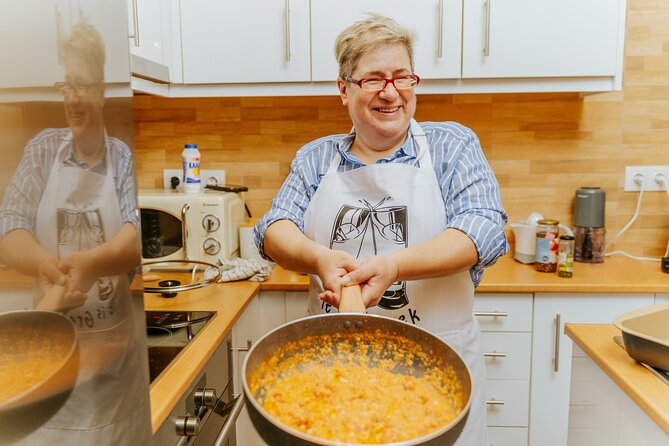
- Aspasia in her home: a bright, friendly kitchen setup that feels like you’ve been invited in
- Seven Greek dishes: starters, mains, and dessert built into one meal
- Two glasses of white wine per person: meal pacing feels like dinner, not a lab
- English instruction: clear guidance throughout the 3-hour session
- Private group: only your party joins, so interaction stays easy and personal
- Full food plan: paximadi, peppers with feta herbs, eggs with tomatoes and siglino, dakos salad, meatballs with yogurt sauce, eggplant imam, and ravani
Step into Athens through Aspasia’s kitchen
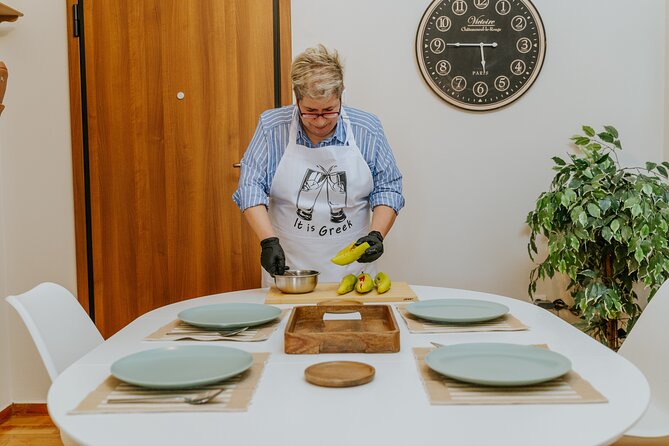
This cooking class is built around one simple idea: Athens tastes better when you meet it at home, not at a table set for tourists. You start in a central Athens neighborhood at Tsocha 3 (Athina 115 21), and the activity ends back there. It’s the kind of location that’s meant to be reachable without an all-day mission—near public transportation, and geared for people who want to spend time in real neighborhoods.
Aspasia hosts in her own space, with a bright, harmonically decorated home kitchen. That matters more than it sounds. In a professional classroom, you can feel like a student. In a home, you feel like someone’s guest—while still learning how Greek dishes actually come together.
Also, this is private, so it’s just your group. That makes a difference if you’re a shy cook or a nervous beginner. You won’t get shuffled into the “helping hands” corner where nobody knows what to do next.
You can also read our reviews of more cooking classes in Athens


What you’ll cook: seven Greek dishes, starter to dessert
The meal plan is the backbone here. Instead of one featured recipe, you’re working through a full lineup that shows Greek cooking styles across regions. You’ll help prepare dishes and then eat them together at the end. The exact timing varies, but the sequence is clear: starters first, then mains, then a dessert soaked in syrup.
Paximadi bread with olives and graviera cheese
You begin with paximadi bread, paired with olives and graviera. Paximadi is Greek rusks—often crunchy or sturdy enough to hold up to toppings and cheese. Graviera is a traditional hard cheese, with flavors that can run slightly sweet to a touch spicy. This first bite sets the tone: simple ingredients, treated with respect.
Practical tip: If you like experimenting, use the bread like a vehicle—taste the graviera with olives on one bite, then try it clean to notice the difference.
Stuffed long sweet peppers (vegetarian)
Next up are stuffed long sweet peppers, vegetarian by design. Expect peppers filled with feta, herbs like spearmint, and tomatoes. This combination is very Greek in spirit: feta for salt and tang, herbs for fragrance, tomatoes for sweetness and acidity.
This dish is a good “confidence builder.” Even if you don’t cook often, you can recognize the flavor logic: something creamy, something aromatic, something juicy.
Greek eggs Kayanas with tomatoes and cured pork (siglino)
Then comes Greek eggs Kayanas, a dish from Mani. It’s scrambled eggs with fresh tomatoes and cured pork called siglino. This is the point where you see how Greek breakfasts and mezze overlap with regional cooking.
Why it’s valuable: you’re not just learning a technique (scrambling eggs). You’re learning how tomatoes and cured pork work as flavor partners—juicy, salty, and grounded.
You can also read our reviews of more tours and experiences in Athens





Cretan dakos salad: barley rusks, tomato, olive oil, feta
After eggs, you move into a salad that feels like snack food but eats like a meal: Cretan dakos. It uses crispy barley rusks topped with tomato, olive oil, and feta. Dakos is popular in Greece for a reason. It’s built for texture—crunch first, then softening as flavors mingle.
Practical tip: If you’re the type who likes crunch, you can eat it faster. If you like it softer, let the toppings sit a minute. Either way works.
Greek meatballs with yogurt sauce
For the main course, you get Greek meatballs with yogurt sauce. These meatballs are made from ground beef, flour, and a selection of Greek spices. The pairing is key: yogurt sauce cools the spices and ties everything into a familiar, comfort-food rhythm.
This is also where many people finally learn what they’ve been doing wrong at home—seasoning balance and the way spices land in Greek cooking. Even if you’ve made meatballs before, you might pick up new ideas about spice mix and how the sauce changes the whole bite.
Eggplants Imam (stuffed with onion, tomato, garlic, herbs)
Your second main is Eggplants Imam. Think eggplant filled with a savory mixture of onions, tomatoes, garlic, and herbs and spices. Imam is comfort food that’s both hearty and fragrant. Eggplant tends to soak up surrounding flavors, so the filling matters.
If you’ve ever found eggplant bland, this is one of the better ways to fix it: strong aromatics plus tomatoes plus herbs. You’ll taste the logic fast.
Ravani: semolina cake soaked in aromatic syrup
For dessert, you get ravani, a semolina cake soaked in aromatic syrup. Ravani has roots in Northern Greece, and the syrup sets it apart from dry sponge cakes. You end with something sweet but not just sugary—more like spice-meets-sweet with a soaked texture.
Food note: if you like pastries with texture contrast, you’ll probably enjoy this. The cake structure and the syrup soaking give it a distinct feel.
Why this setup feels different from a typical cooking class
A lot of cooking classes promise interaction. This one is structured around a full meal and expects participation during preparation. That’s important for your expectations.
In a great class, you’re not just watching someone cook. You’re learning how the steps connect: why you start a dish one way, how you season, when you combine, and how the final texture should feel. The atmosphere here is described as lighthearted and social—so the lesson comes through discussion and practical guidance, not stiff formality.
Still, here’s the fair caution: because it’s a home-style dinner with wine and conversation, the experience can feel more like hanging out and cooking together than like a strict classroom. If you need a very technical, nonstop coaching style, you might want to be sure you’ll get the level of active instruction you’re hoping for.
The meal and wine: dinner pacing, not a quick snack
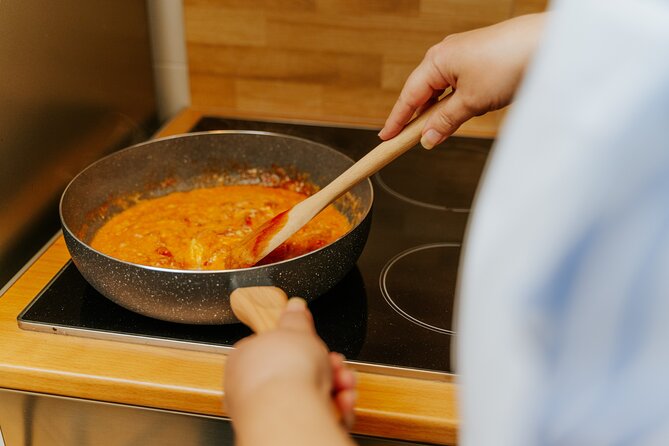
A big part of the value is that you’re not just learning recipes—you’re eating them in a dinner format. You’ll have two glasses of white wine per person, and those glasses naturally shape the pace. Expect conversation during the meal, not an hour of tasting followed by an exit.
For many people, this is the best “souvenir” part of Athens. Food memory sticks when you share it. You’ll likely remember the way the dishes flow: crunchy dakos, savory eggs, meatballs with cool yogurt sauce, and then ravani to finish.
One more practical point: because you’ll be eating seven dishes, you should plan your evening accordingly. This is not a start-and-skip class. Treat it like dinner.
Duration and timing: make room for a 3-hour Athens night
The session runs about 3 hours. That means you can pair it with a relaxed day in Athens—museum earlier, stroll later, then settle into the cooking class without rushing.
Also, since it ends back at the meeting point, you’re not dealing with a long ride at the end. That’s helpful if you’re tired, or if you want a low-stress plan for the rest of the night.
Price and value: is $130.04 worth it?
At $130.04 per person for about 3 hours, this isn’t a bargain snack. The right question is: what are you buying besides food?
You’re paying for:
- a private home experience (not a large group format)
- instruction in English
- a structured meal that totals seven dishes
- two glasses of white wine per person
- a host-led experience in a real Athens apartment kitchen
So the value makes sense if you want an evening that mixes cooking, eating, and conversation in a way a restaurant just can’t copy. If your main goal is a quick taste of Greek food with minimal interaction, you might prefer a cheaper meal out.
One more note on price comparisons: a fancy restaurant charges for service and ambiance, but you don’t get the cooking context. Here, the context is the point.
Who should book Aspasia’s cooking class
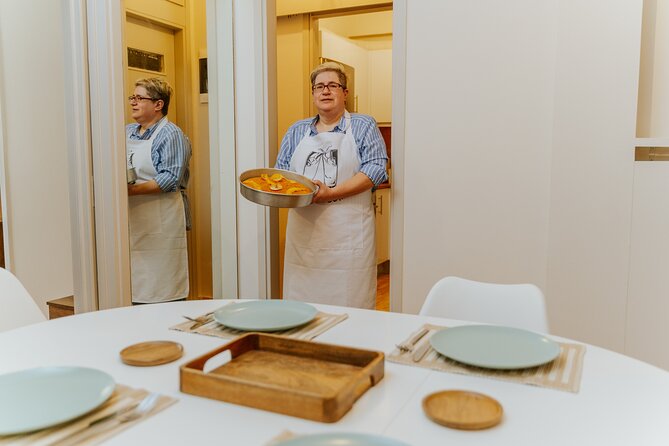
This class is a strong match if you:
- want a private experience in Athens instead of a crowded group
- enjoy learning recipes in a home setting
- like Greek food across multiple styles: breads, peppers, eggs, salads, meat, eggplant, and dessert
- want guidance even if you’re not a confident cook
It’s also a good fit for couples and small groups who want something different from ruins and checkpoints.
If you hate social meals and want a strict technical workshop, you might find this less satisfying. The upside is that it’s friendly and human, not stiff.
Practical checklist before you go
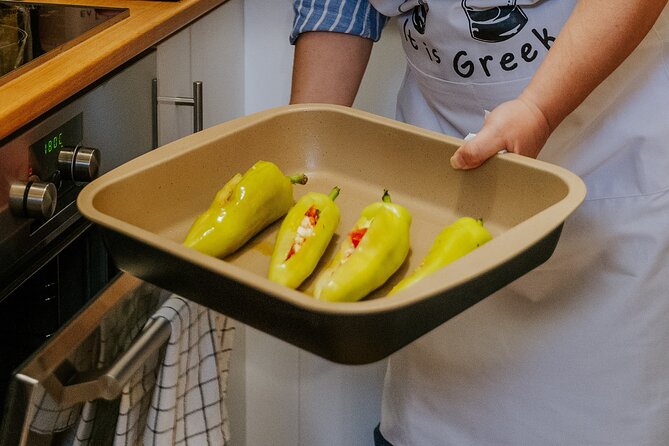
Here are the small things that help you get the best experience:
- Plan to eat a full seven-dish meal. Come hungry, not stuffed.
- Wear comfortable clothes. You’ll be in a kitchen working and standing at points.
- If you’re a beginner, lean into the questions. A big part of the class is patient guidance and doing recipes at an accessible pace.
- Bring a normal curiosity about regional Greek foods. You’ll see dishes tied to different areas, like Mani and Northern Greece.
- Use your mobile ticket and head to Tsocha 3 on time. The class ends back there, so timing matters for your evening plans.
Should you book this cooking class in Athens?
Book it if you want a dinner that doubles as a learning experience, in a real Athens apartment, with a host who guides you through a full Greek meal. The pricing feels fair when you treat it as a private cooking-and-eating evening (not just a tasting).
Skip it or be cautious if you’re chasing a strict, highly technical cooking workshop with constant hands-on instruction. This is home cooking with social energy. If that’s your style, you’ll likely leave with recipes you can actually make again, plus the kind of food memories that stick around after the Athens photos fade.
FAQ
What language is the cooking class offered in?
The experience is offered in English.
How long is the cooking session?
The session lasts about 3 hours.
Is this a private experience?
Yes. It’s private, and only your group participates.
Where is the meeting point?
The class starts at Tsocha 3, Athina 115 21, Greece, and it ends back at the meeting point.
What’s included in the price?
The price includes the cooking experience, the seven-dish meal, and two glasses of white wine per person.
Can I cancel for a full refund?
Yes. You can cancel for a full refund if you cancel at least 24 hours before the experience’s start time.
Are service animals allowed?
Yes, service animals are allowed.




More Workshops & Classes in Athens
More Cooking Classes in Athens
More Tour Reviews in Athens
- All Day Cruise -3 Islands to Agistri,Moni, Aegina with lunch and drinks included
★ 5.0 · 4,958 reviews