REVIEW · ATHENS
Breakfast in the markets with olive oil and honey tasting
Book on GetYourGuide →Operated by Around Athens · Bookable on GetYourGuide
Breakfast in Athens can taste like a secret.
This 2.5-hour food walk starts in non-touristic Monastiraki and moves through local markets where you’ll smell olives, spices, and fresh produce before you even sit down to eat. You also get to meet the people behind the flavors, including the olive shop run by a farmer and a beekeeper family connected to the honey tasting.
I love how much of the meal is tied to everyday Greek routines, not just snack-size bites. The olive oil and honey tastings feel personal because you’re learning from the producers themselves, and I like that you’ll also try classic breakfast foods like Greek yoghurt, spanakopita, and Greek coffee in the places where locals actually go.
One heads-up: this isn’t a fit for everyone. It’s not suitable for vegans and it isn’t meant for people with lactose intolerance, since dairy items like yoghurt and cheese are part of the tasting.
In This Review
- Key things you’ll really notice
- Getting oriented at Monastiraki and En Athinas
- Evripidou market stop: where breakfast ingredients smell real
- Athinas Street traders: coffee, pies, and the olive oil story
- Omonoia coffee and local breakfast finale
- Olive oil and honey tasting: how to taste like a local
- Shopping smarter for spices, olives, and Greek delicacies
- Guides make it (Mike and Rachel energy)
- Price and value for a $58 market breakfast
- Who should book this and who should skip it
- Should you book this Athens breakfast tour?
- FAQ
- FAQ
- How long is the tour?
- Where is the meeting point?
- What is included in the tastings and meals?
- Do you visit an olive producer or just shops?
- Is Greek coffee part of the experience?
- Is this tour suitable for vegans?
- Is it suitable for lactose intolerance?
- Is there hotel pick-up and drop-off?
- What language is the tour guide?
- What should I bring, and can dietary needs be accommodated?
- Is the tour refundable if plans change?
Key things you’ll really notice
- Producer-led tastings: olive farmer and beekeeper family connections, not just pre-packaged samples
- Greek coffee made the traditional way: you see how it’s done, then you drink it
- Market-first breakfast: pies, pastries, cheeses, and deli meats in the middle of the food stalls
- Local shops you can return to: you get direction for where to buy olives, spices, and Greek delicacies
- Small group energy (up to 10): easier pace for questions and food moments
Getting oriented at Monastiraki and En Athinas
You start in Monastiraki, meeting outside a small pie shop called En Athinas. The spot is easy to find: it’s right next to the Cecil Hotel and near a Cosmote shop. Then it’s a short walk that puts you right back into the flow of Athens street life.
What I like about this start is the mindset. You’re not beginning from a hotel lobby or a “tour-only” café. You’re stepping into the market area where locals pick up ingredients for lunch, dinner, and breakfast. Within minutes, you’ll understand why Athens food culture can feel so grounded: olives, cheese, herbs, and spices are part of daily life, not a special occasion.
This early setup also helps you get your bearings fast. By the time you’re doing tastings, you’ve already learned how the market streets work: who sells what, how produce looks when it’s truly fresh, and which shops specialize in the things you’ll want to buy later.
You can also read our reviews of more food & drink experiences in Athens

Evripidou market stop: where breakfast ingredients smell real
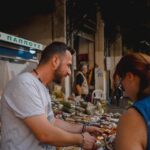
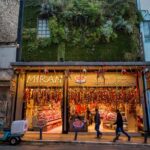
One of the first market segments takes you through the Evripidou area, where you’ll get your first real taste of what Greek morning shopping feels like. The stalls here cover the basics you see across Greece—meat and fish counters, spices, olives, fruits, and vegetables—but the advantage is timing. You’re tasting early, while the market still feels fully in motion.
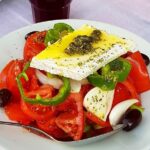
During this stop, you’ll try a mix of classic breakfast items and deli-style flavors. Expect Greek yoghurt, Greek coffee, pies, cheeses, beans, and more depending on the day and what’s available. You’re not just eating; you’re learning the role each item plays in a typical Greek breakfast.
A practical note: markets can be fragrant and busy, but the group size stays small (up to 10). That matters because you’ll actually have time to ask questions and listen when the guide explains how olive oil fits into daily cooking and eating—not just as a “healthy trend,” but as a habit.
Athinas Street traders: coffee, pies, and the olive oil story
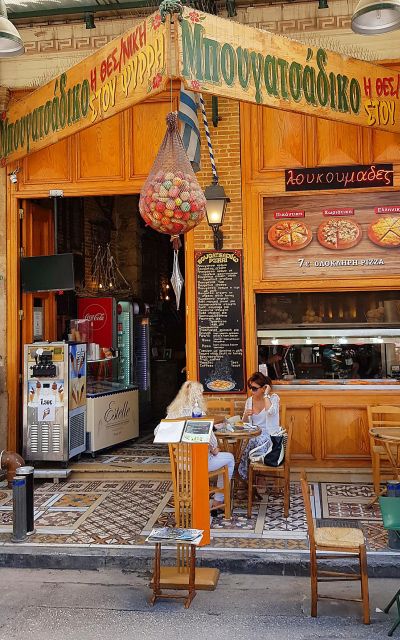
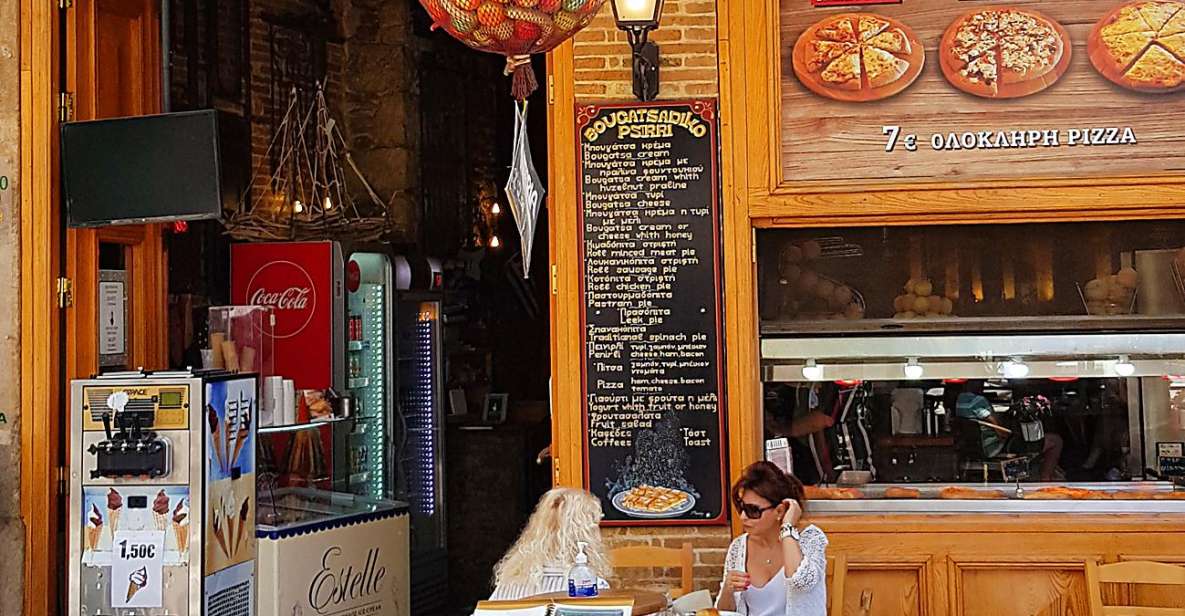
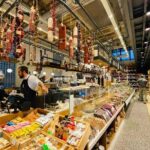
Then you move into the Athinas Street area, the core section where you’ll spend most of your guided market time. This is the stretch where the sights and smells get stronger: olives everywhere, spices layered in small piles, and food shops that feel like family businesses rather than storefronts.
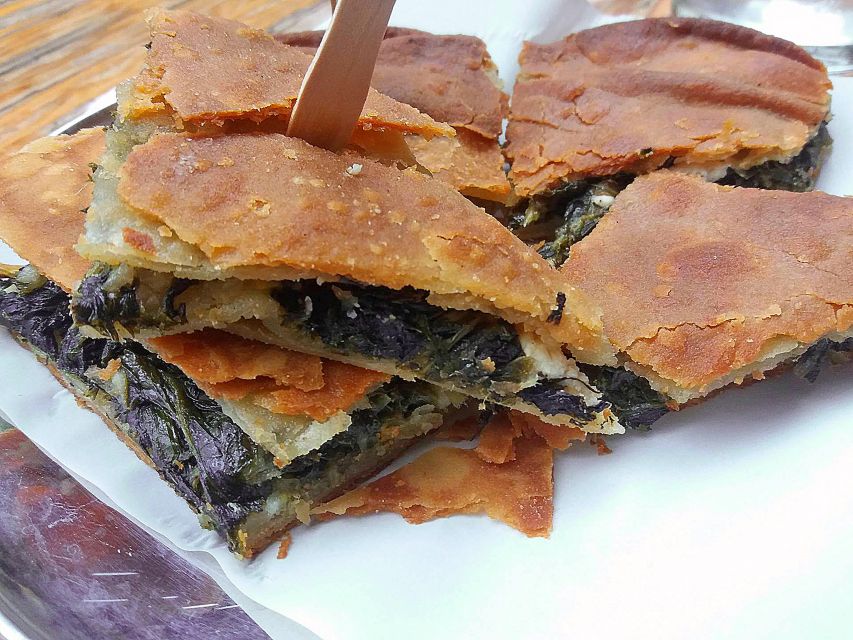
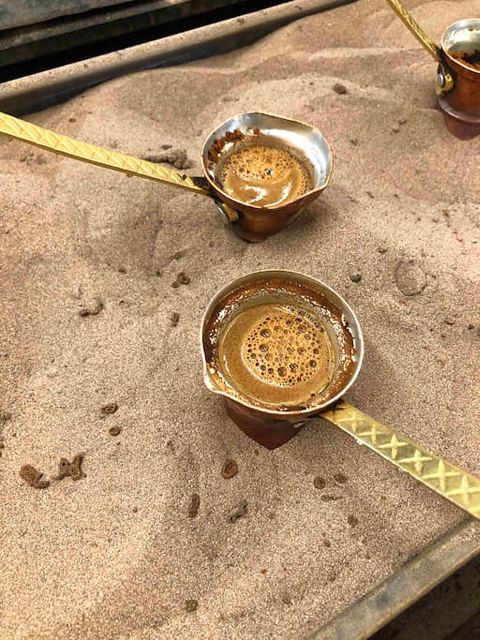
This is also where the tour’s biggest theme comes into focus: Greek breakfast as a culture of simple, strong flavors. You’ll sample pies that Greeks eat for breakfast, plus sausage and cheese from local-style shops. You’ll also get Greek coffee, including watching it made in the traditional way.
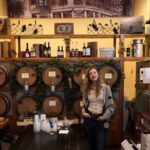
The olive oil part isn’t vague. You’ll visit an olive shop run by an olive farmer. That’s an important difference. Olive oil tastings work better when you can connect flavor to people—how they make it, what they’re proud of, and how they use it. You’ll also learn about how Greeks use olive oil day to day, which helps the tasting feel practical once you’re back in your kitchen.
Some tours throw olive oil into the mix like it’s a bonus. Here, olive oil and honey are treated like the main characters.
Omonoia coffee and local breakfast finale
As the tour moves toward Omonoia, the pace shifts into more of a breakfast-and-dessert rhythm. You’ll stop for coffee and a broader spread that can include breakfast items, dessert, local snacks, and regional food. This is a good moment to slow down and let everything you’ve tasted earlier make sense.
One of the most memorable parts of the finale is that you’ll also try a Greek spirit. It’s not just a “sip and move on” stop. The guide frames it as part of local food culture, so it feels like an extension of the meal rather than an odd side quest.
You’ll also eat at a meze taverna that’s meant to be known more by locals than by tourists. That matters, because meze is where Greek eating becomes social and casual at the same time. Even in a group tour setting, the point is to show you how these flavors show up beyond the market stalls.
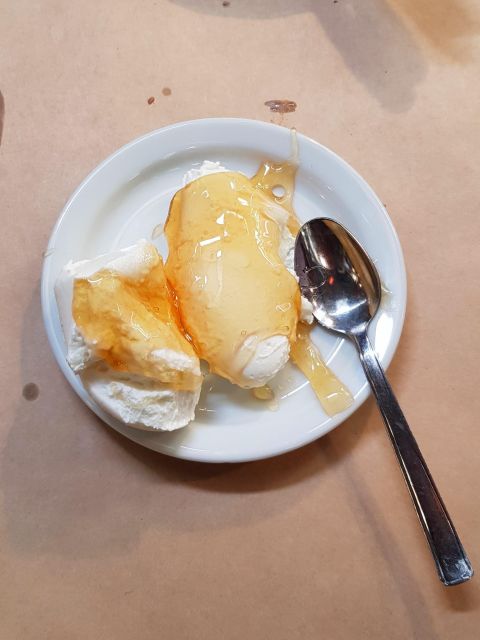
And yes, you’ll get more honey and yoghurt flavor here too—tasting sheep’s milk yoghurt with local honey is a standout combination. Sheep’s milk yoghurt tends to have a distinct tang compared to cow’s milk versions, so pairing it with honey lets you taste sweetness without losing the depth of the dairy.
Olive oil and honey tasting: how to taste like a local
This tour gives you more than samples. It gives you a way to think about the tasting.
With olive oil, you’ll pay attention to how it tastes on its own and how it relates to daily eating. Olive oil isn’t only for salads. It’s used across breads, vegetables, and simple plate meals. When you’re shown the olive shop and hear the farmer angle, the flavors stop being abstract.
With honey, the focus is on importance in the diet—plus the broader point that honey is tied to real seasonal and family effort. When you taste honey alongside sheep’s yoghurt, you learn how sweetness changes texture and mouthfeel. The honey doesn’t erase the yoghurt; it sharpens it, rounds it, and makes it more snackable. That’s exactly how people use honey in many Greek breakfasts and desserts.
If you like to buy food souvenirs, these two tastings are a reliable way to spend your money. You’ll know what you actually liked, and you’ll get some context for what to look for when shopping later.
- All Day Cruise -3 Islands to Agistri,Moni, Aegina with lunch and drinks included
★ 5.0 · 4,958 reviews




Shopping smarter for spices, olives, and Greek delicacies
Another big value is practical guidance on where to shop for the stuff you’ll want to bring home: spices, olives, and other Greek delicacies at local prices. This isn’t a “watch from the sidelines” kind of tour. You’ll actually visit shops and see how people pick products.
You’ll also get a look at how fresh produce shopping works in the fruit market. That part is easy to overlook on food tours, but it helps a lot if you plan to cook at least once while you’re in Athens. You’ll start noticing what “fresh” means on the street: how produce looks when it’s recently stocked and how markets organize their selections.
A small but useful tip: wear comfortable shoes and bring water. You’re walking through market streets for close to the full duration, and the tastings keep you on your feet. The reward is you’ll leave with a better sense of where food is bought, not just what you ate.
Guides make it (Mike and Rachel energy)
The guide experience is consistently strong. One host named Mike is praised for being personable and for connecting the food to the people and culture around it. Another guide, Rachel, gets special credit for being engaging and for going above and beyond when a guest had a dietary restriction.
That’s the difference between a generic tasting walk and a real food guide. You don’t just get facts. You get explanations you can use: how Greek coffee is made traditionally, what the breakfast items mean, and where you can buy similar flavors without paying tourist markups.
Because it’s a small group (up to 10), the guide can tailor questions and move at a human pace. If you’re the kind of person who likes to ask why something is eaten a certain way, this format is a good match.
Price and value for a $58 market breakfast
At $58 per person for about 2.5 hours, the value is strongest when you look at what’s included, not just the word breakfast. You’re getting multiple food tastings, coffee, dairy items like sheep’s milk yoghurt and cheese, pies, deli meats, and a Greek spirit. You’re also visiting shops, including one run by an olive farmer, plus a beekeeper-family connection through the honey tasting.
So the price isn’t only paying for food. It’s paying for access: market navigation, producer contact, and guidance on where to shop later. If you tried to recreate this on your own, you’d spend time figuring out where locals eat, what to buy, and how to choose good olive oil and honey without a tasting context.
Is it expensive compared to a simple café breakfast? Yes. Is it expensive compared to what you’d pay for multiple guided visits, tastings, and a structured route through local markets? It’s more reasonable, especially with the small group size and the producer-led elements.
Who should book this and who should skip it
This works best if you want Athens food culture in a real setting. You’ll likely enjoy it if you:
- like market wandering with actual tastings
- care about olive oil and honey (and want to learn how people choose them)
- want a small group experience with time to ask questions
- are open to dairy and classic Greek breakfast foods
It’s not suitable for vegans and it isn’t designed for people with lactose intolerance, since dairy shows up in the tasting menu (yoghurt and cheese are part of it). If you have dietary needs, the right move is to inform them at booking so the guide can try to accommodate within the tour’s structure.
Also, if you hate walking or you need a very quiet setting, markets can be stimulating. The pace is guided, but you’re still in street markets.
Should you book this Athens breakfast tour?
If you want more than a checklist of Greek foods, I’d book it. This tour gives you a grounded Athens breakfast experience: market streets first, then tastings tied to the people who make the products. The strongest part is the olive oil and honey angle with producer context, plus Greek coffee made the traditional way and a local meze stop that goes beyond the obvious tourist picks.
Before you reserve, ask yourself one question: do you like food that comes with context? If yes, you’ll leave with tastes you can remember and shopping tips you can use.
FAQ
FAQ
How long is the tour?
It runs for 2.5 hours.
Where is the meeting point?
You meet outside the pie shop En Athinas, next to the Cecil Hotel and near a Cosmote shop.
What is included in the tastings and meals?
You’ll include tastings like deli meats and cheese, Greek coffee (traditional preparation), typical breakfast pies, Greek yoghurt with honey, a Greek spirit, and foods served at local stops such as a meze taverna and a market trader breakfast.
Do you visit an olive producer or just shops?
The tour includes a visit to an olive shop run by an olive farmer.
Is Greek coffee part of the experience?
Yes. You drink Greek coffee and you see it being made in the traditional way.
Is this tour suitable for vegans?
No, it is not suitable for vegans.
Is it suitable for lactose intolerance?
No. It is not suitable for people with lactose intolerance.
Is there hotel pick-up and drop-off?
No hotel pick-up or drop-off is included.
What language is the tour guide?
The tour guide provides the experience in English.
What should I bring, and can dietary needs be accommodated?
Bring comfortable shoes and water. You should inform the operator of any dietary requirements at booking.
Is the tour refundable if plans change?
Yes. You can cancel up to 24 hours in advance for a full refund.



More Food & Drink Experiences in Athens

More Tour Reviews in Athens
- All Day Cruise -3 Islands to Agistri,Moni, Aegina with lunch and drinks included
★ 5.0 · 4,958 reviews