REVIEW · ATHENS
Greek Cooking Class in Athens Including Rooftop Dinner with Acropolis View
Book on Viator →Operated by Athens Walks Tour Company · Bookable on Viator
Dinner with the Acropolis on the horizon is a special thing.
This Greek cooking class in Athens turns sightseeing into something you can taste. Two things I really liked: the small group size (max 12) that keeps attention personal, and the chef-led lesson that teaches you practical technique, not just food trivia. One watch-out: you are not getting a gluten-free option, so if that’s a must, you’ll need to plan around it.
I also love that the meal feels like part of the same experience. You cook classic favorites, then eat a proper rooftop dinner where the Acropolis is in view. And for a solo trip, that shared cooking-and-dining setup is a friendly way to meet people without forcing small talk.
In This Review
- Key Highlights I’d Prioritize
- Greek Cooking Class in Athens: A Rooftop Meal With Real Technique
- Where You Meet and How to Get There Without Stress
- The 4:00 pm Start: What the First Hour Feels Like
- Stop One: Acropolis Area Setup and Why It Matters
- Stop Two: Monastiraki—Market Energy Before the Oven
- Stop Three: Psirri and the Hotel Kitchen Transition
- Inside the Cooking Lesson: Small Group, Big Participation
- The Dish Lineup: What You’ll Cook and Eat
- Spinach pie (Spanakopita)
- Tzatziki
- Aegean salad
- Moussaka
- Galatopita (Greek milk pie)
- Rooftop Dinner With Acropolis Views: The Payoff
- Drinks, Water, and How to Think About Pairings
- Price and Value: Is It Worth $120.93?
- Who Should Book This Cooking Class (and Who Might Not)
- Practical Tips Before You Go
- Should You Book the Greek Cooking Class With Rooftop Acropolis Dinner?
- FAQ
- How long is the Greek cooking class and rooftop dinner?
- Where is the meeting point?
- Is it a small group?
- What dishes are included?
- Are drinks included?
- Is there a gluten-free option?
- Can I cancel and get a full refund?
Key Highlights I’d Prioritize
- Max 12 people means you actually get hands-on help and time to ask questions.
- Rooftop dinner with Acropolis views ties the food to the setting in a memorable way.
- Classic menu you can recreate later: spanakopita, tzatziki, moussaka, and galatopita.
- English-speaking chef instruction keeps the steps clear and doable at home.
- A walking-style context built around Acropolis, Monastiraki, and Psirri helps you place the food in Athens.
Greek Cooking Class in Athens: A Rooftop Meal With Real Technique
Athens has plenty of ways to eat well. But this is different because you’re not just ordering Greek food and hoping for the best. You’re learning how it’s built: dough and filling, yogurt-and-herb balance, oven logic, and the small decisions that make the flavors click.
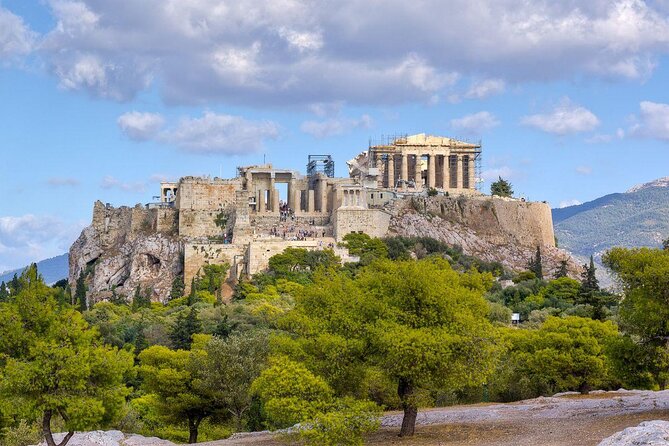
The setting also matters. The cooking happens around Monastiraki and Psirri, then you finish on a rooftop patio with the Acropolis and Parthenon area visible. That view changes the whole tone of dinner. Instead of it feeling like a tourist stop, it feels like a night you’ll remember when you cook the recipes later.
The group stays small. You’re capped at 12 travelers, which is the difference between watching someone else do the work and actually making your own spanakopita, assembling tzatziki, and serving up dinner you helped create. Start time is 4:00 pm, and the experience runs about 4 hours.
You can also read our reviews of more cooking classes in Athens


Where You Meet and How to Get There Without Stress
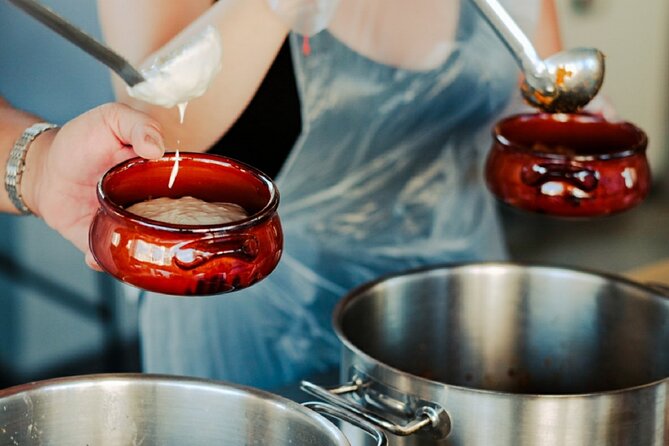
Your meeting point is at Melanthiou Street 4, inside the Artist hotel. The area is Psirri, and it’s about a 10-minute walk from the Monastiraki metro area.
A practical tip: plan to arrive a few minutes early. The location is inside the hotel space, and once you’re inside, things usually move quickly to start the class on time. If you’re using a rideshare, you’ll still want to walk the last stretch to the hotel entrance so you don’t waste time hunting the exact door.
Good news for planning: it’s near public transportation, and you can present either a paper or electronic voucher. That keeps your last-minute scrambling to a minimum.
The 4:00 pm Start: What the First Hour Feels Like
You’re scheduled to start at 16:00, and the structure is designed to keep the energy up. You begin with an orientation around Athens and then shift into cooking.
That time order matters. You get the mental picture first (where you are in the city), then your hands start moving. When you later eat your moussaka or slice into galatopita, it feels tied to place, not just to a cooking demonstration.
Also, the lesson is taught in English, so you’re not piecing together instructions through gestures. You can focus on what matters: textures, seasoning, and technique you can repeat.
Stop One: Acropolis Area Setup and Why It Matters
The itinerary includes a stop at Acropolis. You’re not signing up for a long museum tour here. Instead, it’s more like a way to put Athens in context before the food part.
This is smart. When you start cooking Greek dishes while the Acropolis is part of the visual story, you understand why Greek cuisine often leans on simple ingredients done well. Olive oil, herbs, dairy, grains, eggs, and seasonal produce are the foundation. Seeing the skyline first helps your brain connect the dots between the country’s geography and its flavors.
If the weather is hot or windy, treat this as a short orientation stop. Don’t try to cram extra sightseeing into the same afternoon unless you’ve got serious stamina.
Stop Two: Monastiraki—Market Energy Before the Oven
Next comes Monastiraki. This neighborhood is close enough to feel like a lively base, but not so far that the cooking evening turns into a long transit slog.
Monastiraki is also useful for food lovers. It’s the type of area where you can spot ingredients, notice how people talk about eating out, and start thinking in terms of Greek staples rather than Western assumptions. You’ll be cooking things that are familiar if you know Greek food, and surprising if you only know the popular Westernized versions.
A bonus: Monastiraki is a natural bridge between Athens’ big iconic sights and the everyday city rhythms. That’s what makes the class feel grounded instead of staged.
You can also read our reviews of more tours and experiences in Athens




Stop Three: Psirri and the Hotel Kitchen Transition
The final walk stop is Psirri, which is also where your cooking venue sits. This is the point where the mood flips from city-watching to apron-on reality.
Psirri has that older, slightly layered Athens feeling, and it matches the character of the meal. Greek cooking is rarely about complicated showmanship. It’s about steps done right: preparing fillings, balancing salt and tang, getting the bake time right so everything lands with the right texture.
Transition is part of the experience. You move from streets to a kitchen space inside the Artist hotel, where your chef becomes the center of attention.
Inside the Cooking Lesson: Small Group, Big Participation
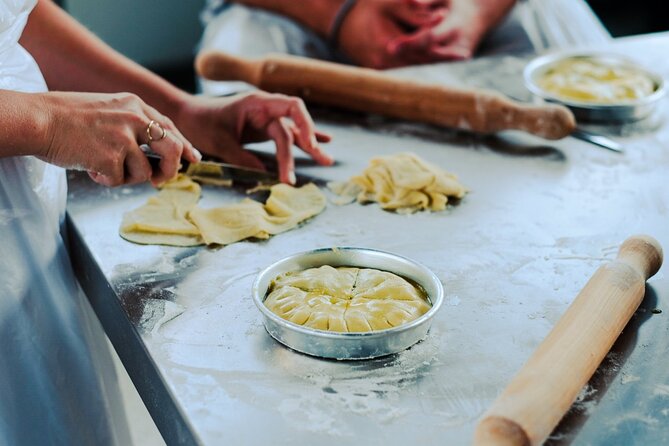
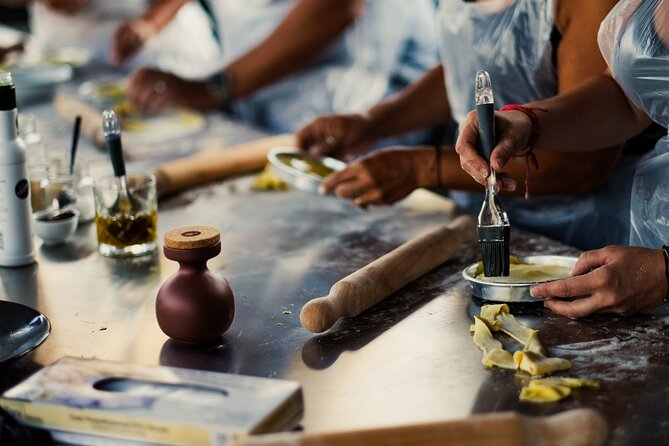
This is a hands-on small-group lesson designed so you can participate, not just observe. Numbers are limited to 12 people, so you’re more likely to get direct help when you get stuck.
The tone from the chef matters. In the feedback, names like Spyros, Kostas, and Stamatis come up as instructors who keep things fun and move people through the steps. Expect a mix of cooking technique and cultural context—enough to make you curious, not enough to turn the class into a lecture.
Also, the way the lesson is taught makes a difference for future you. If you want to recreate the dishes at home, you need more than a list of ingredients. You need guidance on how it should look and feel at each stage. That’s what you’re aiming for here.
The Dish Lineup: What You’ll Cook and Eat
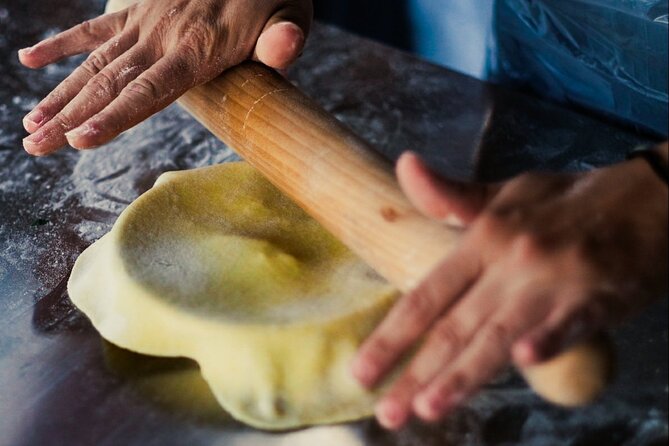
The sample menu highlights the core favorites of Greek home cooking. Here’s what you should expect to work on and/or eat as part of the rooftop dinner:
Spinach pie (Spanakopita)
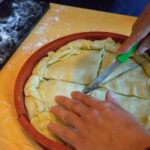
This is the savory start, built around spinach, usually combined with cheese like feta, and folded into pie-style dough. The key learning is how the filling behaves and how you season so it doesn’t taste flat once baked.
Tzatziki
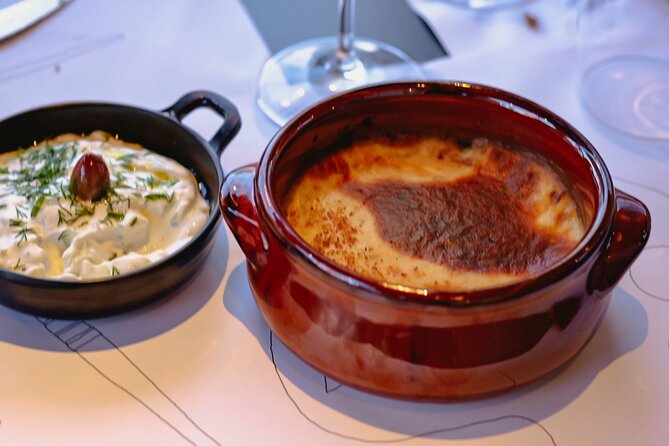
You’ll get to see and make tzatziki, the classic yogurt-and-cucumber sauce. It’s built from strained yogurt with cucumbers, garlic, olive oil, and vinegar. This dish is where you learn balance: too much garlic or vinegar can dominate, and the chef’s guidance helps you land on a clean, bright flavor.
Aegean salad
This rounds out the savory side. Greek salads lean on fresh vegetables and good olive oil, so the lesson tends to reinforce what makes the ingredients matter. Even if you already know Greek salad, it’s a nice grounding before the baked main.
Moussaka
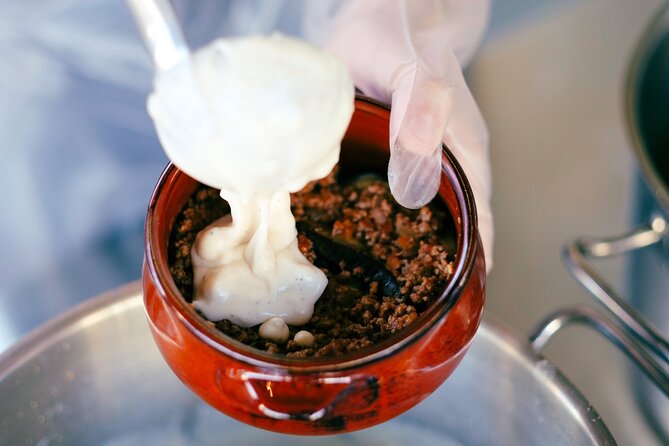
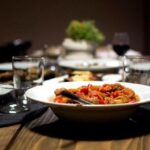
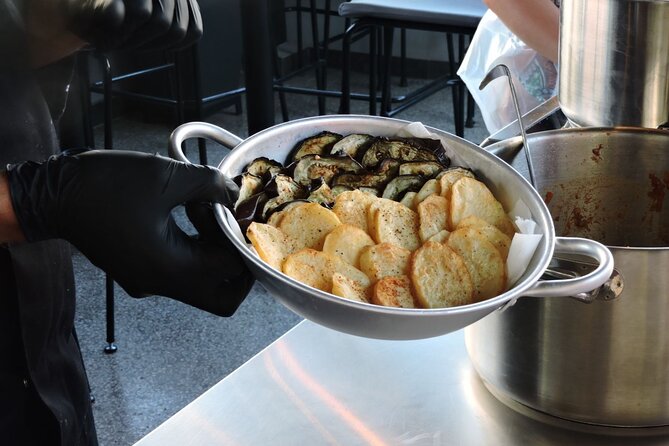
The main event. Moussaka typically uses eggplant and/or potato, often with ground meat. The learning here is timing and texture—what you want from the layers before serving. One of the most common compliments is that moussaka comes out tasting like the best version on a trip, not like a compromise.
Galatopita (Greek milk pie)
For dessert, you’ll make galatopita, a Greek milk pie. Feedback often calls it elegant and delicious, and it’s a perfect capstone because it’s rich without needing complicated ingredients.
A note on courses: the dinner is described as a 3-course meal, but the class experience can feel like more because you’re working with multiple dishes and then eating what you made. In other words, you’ll leave full.
Rooftop Dinner With Acropolis Views: The Payoff
Once your cooking work is done, you head up to the rooftop to eat. This is where the value becomes emotional.
The rooftop is described as having views that include the Acropolis, including the UNESCO-listed area. When you sit down, you’re eating food you helped create, while the city’s most famous silhouette sits in the background. That pairing turns the meal into a memory anchor.
It also helps you understand why people rate this so highly. A cooking class is supposed to be both fun and useful. Many classes stop at dinner. This one adds the skyline payoff, which is why it feels like a night out even if it’s educational.
Drinks, Water, and How to Think About Pairings
Drinks are listed as not included. That said, some people note that water is offered, and wine can be purchased to pair with the dishes. A few also mention that bringing your own may be possible, but that’s not something I’d count on as a guarantee.
If you care about wine with food, plan to buy it on-site during the dinner portion. If you prefer no alcohol, you’ll still be fine—there’s no need to force it to enjoy the meal.
Price and Value: Is It Worth $120.93?
At about $120.93 per person for roughly 4 hours, the price only makes sense if you treat it as more than a snack stop. Here’s why it can be good value:
- You’re paying for a professional chef and structured teaching.
- You’re not just learning. You’re eating a multi-item dinner that includes classic dishes.
- The class is small-group capped at 12, which pushes the cost toward more personal instruction.
- The rooftop view and Acropolis backdrop add real experience value, not just entertainment.
The big value question for you is simple: do you want skills you can repeat at home? If yes, a class like this usually feels worth it because you’re building a recipe path—step by step—rather than collecting restaurant memories.
If you just want the view and don’t care about cooking, you might prefer a pure sightseeing meal elsewhere. But if you want hands-on Greek cooking plus the skyline, this price starts to feel fair.
Who Should Book This Cooking Class (and Who Might Not)
This works especially well for:
- Foodies who want technique, not just taste
- Solo travelers who enjoy shared group activities and easy conversation
- Couples who want a guided evening that isn’t just another dinner reservation
- Travelers who want a takeaway: you’ll likely remember the process because your hands were involved
It might not be the best match if:
- You need a gluten-free option (none is offered)
- You’re traveling with kids under 12, since they can’t participate
- You want a long, independent sightseeing day instead of a structured 4-hour experience
Also keep in mind that it starts at 4:00 pm. That’s a great time to do something hands-on before the evening view portion, but you’ll want to plan your day so you’re not rushing to meet time.
Practical Tips Before You Go
- Wear shoes you can stand in comfortably. You’ll be moving through parts of central Athens before cooking.
- If you’re sensitive to garlic or dairy, mention it to the chef when you arrive. The class format includes opportunities to adjust for special diets or dislikes based on what people report.
- Bring a light layer. Rooftops can shift with breeze once the sun starts dropping.
Should You Book the Greek Cooking Class With Rooftop Acropolis Dinner?
Book it if you want a hands-on Greek cooking experience that ends with a real dinner and an Acropolis view. The combination is the whole point: you learn, you cook, you eat what you made, and the skyline turns dinner into a story.
Skip it (or at least reconsider) if your top priority is a gluten-free meal, or if you don’t care about learning technique and would rather just roam Athens on your own.
If your idea of a great Athens night is simple steps, classic dishes, and a rooftop moment with the Parthenon area in sight, this is one of the strongest ways to spend an evening.
FAQ
How long is the Greek cooking class and rooftop dinner?
It runs for about 4 hours.
Where is the meeting point?
You meet at Melanthiou 4 in Athens, inside the Artist hotel.
Is it a small group?
Yes. The experience is limited to a maximum of 12 travelers.
What dishes are included?
You’ll make and enjoy classic Greek dishes such as spanakopita (spinach pie), tzatziki, an Aegean salad, moussaka, and galatopita (Greek milk pie).
Are drinks included?
Dinner is included, but drinks are not included.
Is there a gluten-free option?
No, there is no gluten-free option listed. Vegetarians are welcome.
Can I cancel and get a full refund?
Yes. You can cancel up to 24 hours before the experience start time for a full refund.



More Dining Experiences in Athens

More Cooking Classes in Athens
More Tour Reviews in Athens
- All Day Cruise -3 Islands to Agistri,Moni, Aegina with lunch and drinks included
★ 5.0 · 4,958 reviews