REVIEW · ATHENS
Walking Tour for Understanding the Refugee Crisis in Athens
Book on Viator →Operated by Planetwonk · Bookable on Viator
A park can tell hard stories. This 90-minute walk in Athens puts the refugee crisis in front of you in a human way, not a news-scroll way, with guided context that centers the real pressures refugees face. The focus lands especially around Pedion tou Areos, a major public space where the influx shows up in everyday life.
Two things I really like: the chance to ask questions and get straight answers from Isaac, and the way the walk stays practical and personal without turning into a lecture. The group stays small (max 30), so the tone can shift as your questions come up.
One drawback: the subject matter can be emotionally heavy. Even if the experience is described as safe, it may not be suitable if you get easily overwhelmed, and some parts of the route can feel uneasy depending on the group and how the area is perceived.
In This Review
- Key Things You’ll Notice on This Walk
- Price and Value: $32.38 for 90 Minutes With a Purpose
- Where the Walk Starts and Ends in Athens
- Why Pedion tou Areos Changes How You Understand the Crisis
- How the Tour Unfolds: Three Themes, One Main Area
- Isaac the Guide: Friendly, Direct, and Willing to Go Off Script
- Safety, Comfort, and the Emotional Tone You Should Expect
- The Group Size Factor: Why a Max of 30 Matters
- What You Can Do Right After the Walk
- Who This Walk Is Best For
- Booking Tips That Will Save You Stress
- Should You Book This Refugee Crisis Walk?
- FAQ
- How long is the Walking Tour for Understanding the Refugee Crisis in Athens?
- What does this walk focus on?
- Where do I meet and where does the tour end?
- Is the tour safe?
- How many people are on the tour?
- What if the weather is bad?
- How much does it cost?
- Is free cancellation available?
- Is a mobile ticket used?
Key Things You’ll Notice on This Walk
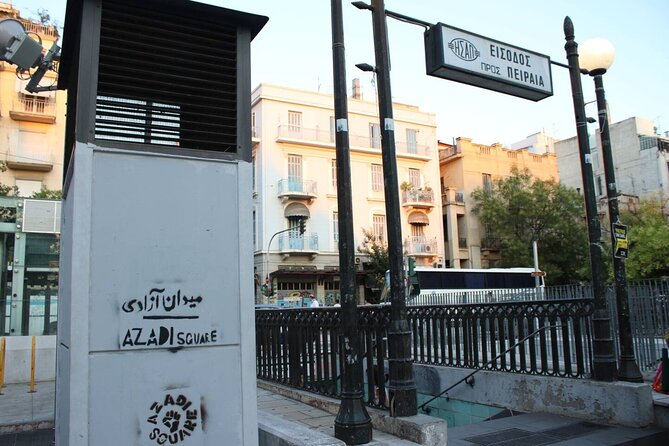
- Isaac’s Q&A style keeps the discussion moving and answers questions directly
- Pedion tou Areos focus helps you connect the refugee crisis to real public space
- Small group size (max 30) makes it easier to ask follow-ups
- Short duration (about 1h30) means you leave with context, not fatigue
- Built for social justice and politics if that’s what you care about most
- Good-weather dependent so plan around conditions
Price and Value: $32.38 for 90 Minutes With a Purpose
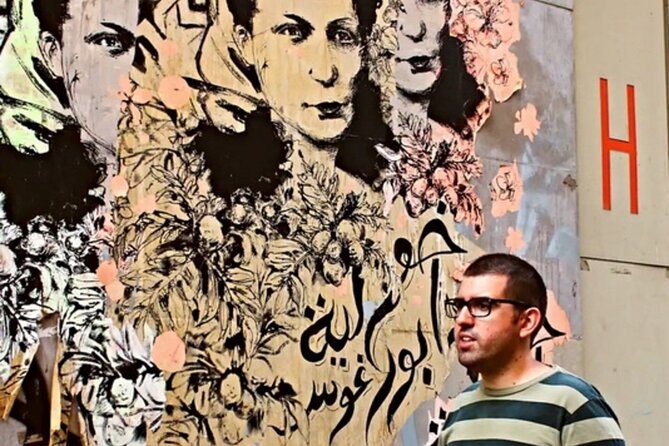
At $32.38 per person for about 1 hour 30 minutes, this isn’t the cheapest way to pass through Athens. But it can be good value if you want more than photos and a few vague historical facts. You’re paying for guided interpretation of a current, urgent issue, plus time to ask questions—exactly the kind of thing you can’t easily get on your own.
It also helps that the tour operates as a smaller group experience (up to 30). That matters because the entire point is perspective-shifting. If you’re stuck listening while people rush off, the topic stays abstract. Here, the format is built to keep it grounded.
One practical note: the average booking window is about 18 days in advance. If you’re traveling with a tight schedule, try not to wait until the last week.
You can also read our reviews of more walking tours in Athens

Where the Walk Starts and Ends in Athens
You start at Green Park ATHENS, Mavrommateon 22, Athina 104 34. The walk ends at Varvakios Central Municipal Market, No 68 Βαρβακειος Αγορα, Athina 105 51.
That start-to-finish pairing is useful. Green Park gives you a clear starting landmark in the city, and ending near Varvakios puts you close to a place where daily life is happening—food, noise, movement. It’s a nice way to put your new context into the middle of an ordinary Athens day.
Both points are listed as being near public transportation, which is handy if you want to combine this with other plans. Also, you get confirmation at booking, and the ticket is a mobile ticket, which keeps things simple on a busy trip.
Why Pedion tou Areos Changes How You Understand the Crisis
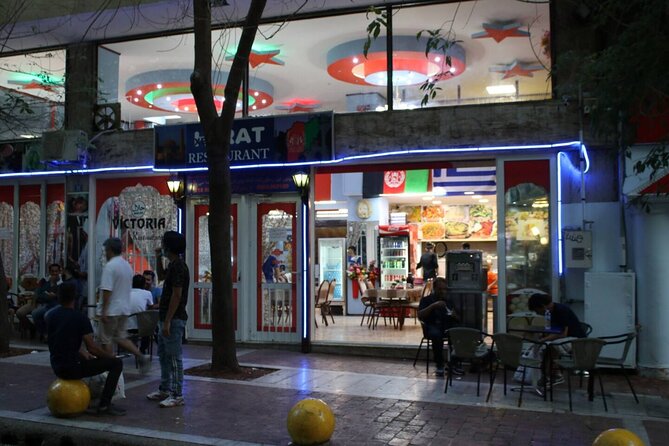
Pedion tou Areos is where the guide turns the refugee crisis from a headline into something you can actually picture. The walk explores the area’s significance in terms of how people arriving in Greece and Europe are supported—and how the influx strains systems.
This is the heart of the experience. Instead of treating the crisis like something happening far away, you look at how a city space can become part of the story. You talk about the challenges refugees face, and you also confront the gaps that appear when too many people arrive at once.
The walk’s emphasis isn’t academic for its own sake. The goal is empathy with structure: you learn enough to understand the why behind flight, then you connect it to what support can look like on the ground. That’s a powerful switch in perspective, especially if your usual Athens routine is archaeology and viewpoints.
How the Tour Unfolds: Three Themes, One Main Area
Even though the walk is short, it’s organized. You spend time in the Pedion tou Areos area while the guide returns to the same central theme from different angles.
In practical terms, expect three rounds of explanation built around the same idea: how this public space relates to accommodating and addressing the challenges of the influx. You’re not bouncing all over Athens. You’re staying in one setting long enough to let the story land.
What’s likely happening in those different moments is a shift from arrival and urgency, to the pressure on services and coordination, and then to what the daily experience of displaced people can feel like. That kind of repetition is intentional. It helps you form a clear mental model instead of leaving with a scattered set of facts.
One more reason this setup works: for many people, the hardest part of the refugee crisis is not what they think. It’s what they assume. This walk is designed to challenge assumptions gently, then keep you asking better questions.
Isaac the Guide: Friendly, Direct, and Willing to Go Off Script
The walk stands or falls on the guide’s ability to handle a tough topic with care. Here, Isaac is a major reason people come away happy with the experience.
From the feedback, Isaac has a strong grasp of the issue and stays friendly. More importantly, the conversation isn’t one-way. You’ll have room to ask questions, and Isaac will often answer them in a way that creates new questions of your own. That is exactly what you want from a social and political walk: not just information, but better thinking.
If you like tours where the guide responds to your curiosity, you’re in the right place. If you want a silent photo walk, this is not it. This one is built for discussion.
- All Day Cruise -3 Islands to Agistri,Moni, Aegina with lunch and drinks included
★ 5.0 · 4,958 reviews




Safety, Comfort, and the Emotional Tone You Should Expect
The tour is described as safe. Still, it’s important to take the warning seriously: it may not be suitable for people who get easily overwhelmed.
Also, the route may go through areas that some people consider unsafe. Even if the guide keeps the group together and makes the right choices, the surroundings can affect how you feel. So bring a realistic mindset. This is not a cheerful promenade.
The benefit is that you learn with your eyes open. The cost is that you might feel unsettled at moments. If you’re emotionally sensitive, plan extra decompression time afterward. Grab coffee, sit down, and let your brain process what you learned.
The Group Size Factor: Why a Max of 30 Matters
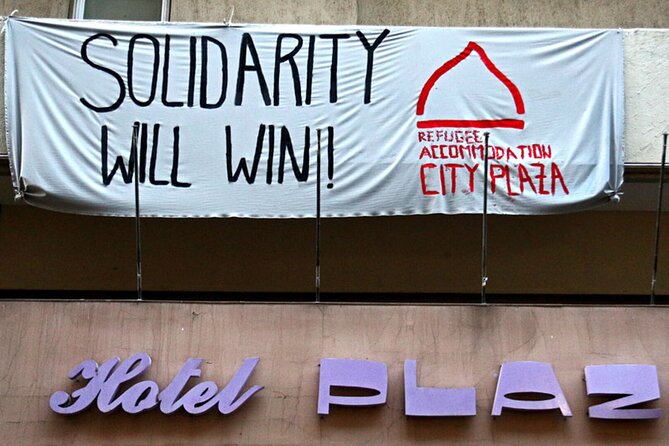
With a maximum of 30 people, this walk stays human-sized. That’s not just a comfort perk. It affects the quality of the teaching.
When groups are smaller, guides can actually respond to what you’re wondering. On a topic like the refugee crisis, a generic answer can feel frustrating. You want the nuance, even if the answers are hard. A max 30 format makes that more likely.
It can also help you feel less lost. Athens is big and loud, and meeting points can be chaotic. A guided group keeps you anchored so you can focus on the story, not the logistics.
What You Can Do Right After the Walk
Because the walk ends near Varvakios Central Municipal Market, you can turn the experience into a full Athens day. Markets are great right after a tour like this because they ground you in ordinary life.
I like using that timing to regain balance: one moment you’re confronting displacement and difficult systems, and the next you’re watching everyday Athens happen. It’s not denial. It’s context. You’ll be better able to see the city as a whole instead of a single storyline.
If you want to keep the theme going, ask about the guide’s other offerings. The overview points to an Athens Social and Political Walk, which suggests there are more ways to connect the city’s present to its power structures.
Who This Walk Is Best For
This experience is a strong fit if you care about social justice and politics. The walk is designed for people who want to understand the refugee crisis beyond headlines and beyond pure academic framing.
It also works well if you like guided conversation, not just sightseeing. Isaac’s Q&A style and the small group structure support that.
It’s probably not for you if you know you get overwhelmed by emotional topics, or if you prefer comfortable, risk-free environments all the way through. Even with a safe approach, the nature of the subject and the route can be challenging.
Booking Tips That Will Save You Stress
Because the tour is weather dependent, keep an eye on conditions the day before. If good weather isn’t possible, you should expect a different date option or a full refund. That’s important because a walk like this is built for walking time and discussion without interruptions.
Also, since the tour has a limited capacity (max 30) and it tends to be booked around 18 days out, it’s smart to reserve early if your schedule is fixed.
If you have specific needs, you’re covered in some practical ways: service animals are allowed, and the meeting spots are near public transportation. Confirmation happens at booking, so you don’t have to chase updates.
Should You Book This Refugee Crisis Walk?
I think you should book it if you want to understand the refugee crisis in a way that stays human. Pedion tou Areos is the right setting for this kind of learning, and Isaac’s friendly, direct answers help you move from sympathy to understanding.
I wouldn’t book it if your priority is light entertainment or if you know you get easily overwhelmed. This is a serious topic, and parts of the route may feel uncomfortable even if the experience is described as safe.
If you’re ready for a thoughtful, socially focused walk that leaves you with better questions than when you started, this is a strong choice for Athens.
FAQ
How long is the Walking Tour for Understanding the Refugee Crisis in Athens?
It lasts about 1 hour 30 minutes.
What does this walk focus on?
It focuses on the refugee crisis and the challenges refugees face, aiming to move beyond a purely academic approach.
Where do I meet and where does the tour end?
Start at Green Park ATHENS, Mavrommateon 22, Athina 104 34. End at Varvakios Central Municipal Market, No 68 Βαρβακειος Αγορα, Athina 105 51.
Is the tour safe?
The experience is described as safe, but it may not be suitable for people who get easily overwhelmed.
How many people are on the tour?
The maximum group size is 30 travelers.
What if the weather is bad?
The tour requires good weather. If it’s canceled due to poor weather, you’ll be offered a different date or a full refund.
How much does it cost?
The price is $32.38 per person.
Is free cancellation available?
Yes. You can cancel up to 24 hours in advance for a full refund.
Is a mobile ticket used?
Yes, the tour uses a mobile ticket.
More Walking Tours in Athens

More Tours in Athens

More Tour Reviews in Athens
- All Day Cruise -3 Islands to Agistri,Moni, Aegina with lunch and drinks included
★ 5.0 · 4,958 reviews