REVIEW · ATHENS
Greece Military History Private Tour
Book on Viator →Operated by Athens Classic Tour · Bookable on Viator
Athens has more battles than you’d think, for a city this walkable. This private tour strings together naval power, weapons, and even ancient tech in a way that works for kids and adults. I like that the day starts by the water, then moves indoors so you can keep learning without overheating, and I also like that your guide is ready to explain what you’re seeing, even when you ask something off-topic. One thing to consider: key museum tickets are not included, so you’ll want to budget a bit extra once you’re there.
What makes it feel like a real Athens experience is the mix: a fully operational trireme replica, a WWI-era warship, then museums that stretch from classical-era inventions to Greece’s fights for freedom. If you want a broad sweep in just a few hours, this is a strong way to do it without racing across the city all day.
In This Review
- Key highlights
- A 4-Hour Athens Military History Story That Actually Makes Sense
- Stop 1 at Phaleron Maritime Heritage Park: The Trireme Replica and the Averof
- Stop 2 at the Kotsanas Museum: Ancient Greek Technology That Feels Impossible
- Stop 3 at the Athens War Museum: Weapons and Strategies Across 30 Centuries
- Optional Add-On: When the Hellenic Air Force Museum Makes the Day
- Price and Tickets: Getting Value From a Private Morning
- What You’ll Learn, Without Feeling Like School
- Who This Private Tour Suits Best (And Who Might Skip It)
- Should You Book This Athens Military History Private Tour?
- FAQ
- How long is the Greece Military History private tour?
- What does the tour price include?
- What museums or attractions might require extra tickets?
- Is Averof battleship admission optional?
- Does the tour have a flexible schedule for the optional air museum?
- What time does the tour run?
- Is this tour private?
- Can I cancel for free?
Key highlights
- Fully operational trireme replica at Phaleron: history you can see and picture instantly.
- Averof battleship by the sea: WWI naval clout in one long, dramatic frame.
- Kotsanas Museum’s “how did they build that?” tech: including the famous Antikythera Mechanism.
- Athens War Museum spans 30+ centuries through weapons and strategies.
- Optional Hellenic Air Force Museum on select dates, with 40+ airplanes.
A 4-Hour Athens Military History Story That Actually Makes Sense
This is a private tour in Athens focused on military history, but it doesn’t feel like a lecture. It’s set up like a guided storyline: you start with maritime power, you move into battlefield tools and strategy, and you end with technology that helps explain how Greeks could innovate so much during the classical period.
The pacing is realistic. Each main stop gets about an hour and a half, which is enough time to look closely and still have room for questions. Plus, you get hotel/Airbnb/port pickup and drop-off, along with bottled water, fuel and tolls, and a mobile ticket. That means you’re not spending your energy figuring out transport while the real interest—ships, weapons, and inventions—goes by the window.
A big value point here is control. Because it’s private, you’re not stuck with a pace that matches someone else’s attention span. If you’re traveling with kids, you can lean into what’s visual. If you’re an adult history fan, you can ask follow-ups and connect the dots between eras.
You can also read our reviews of more private tours in Athens



Stop 1 at Phaleron Maritime Heritage Park: The Trireme Replica and the Averof
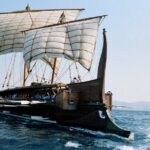
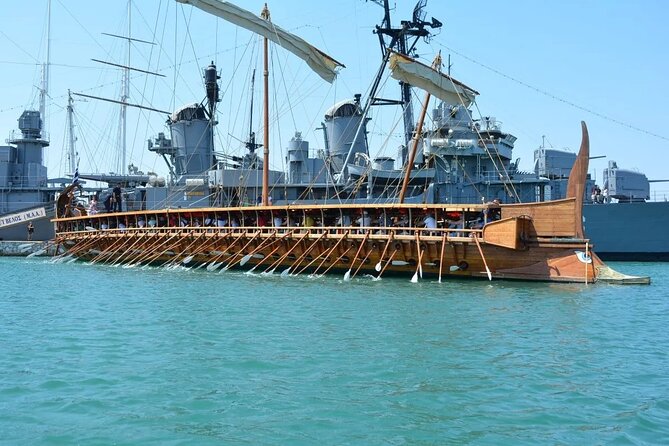
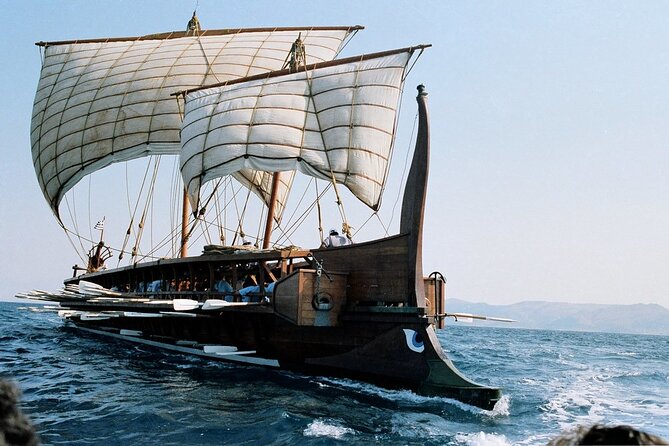
The tour begins at the Phaleron Maritime Heritage Park by the sea, and it’s the kind of starting point that sets your brain in “story mode.” You’re not just reading about ancient naval warfare—you’re standing near a replica that’s described as fully operational. That detail matters. When you see the ship’s shape and scale, it’s easier to understand how a trireme could become a decisive weapon, especially in the famous clash that’s tied to the rise of Athens.
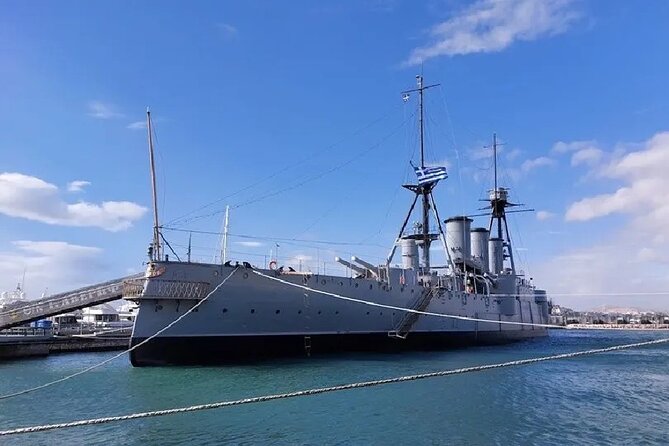
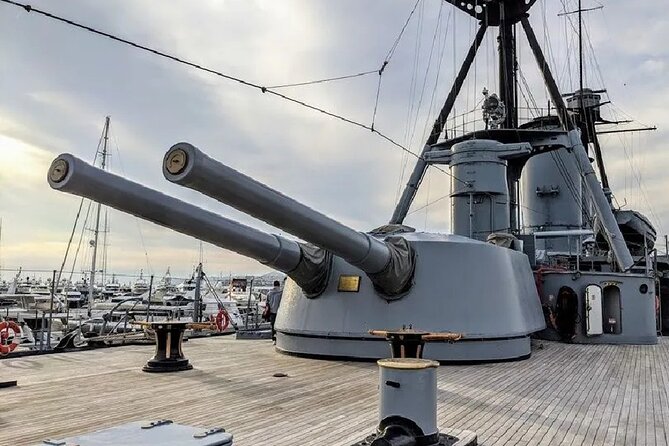
Right next to it is the Averof battleship, a legend of WWI naval history. The ship is 140 meters long and is linked to many naval battles as the flagship of the Aegean fleet. It also served as an escort ship during WWI convoys and was de-commissioned in 1952. Even if you don’t pay to enter, just viewing it from outside gives you a sense of scale and purpose.
Optional tip for your planning: Averof admission is separate. The price listed is 5 Euros for ages 18–64, and 2.50 Euros for ages 7–17 and 65+. If you’re traveling as a family, this can be a smart “do we go inside or not?” decision once you see the exterior and match it to your kids’ attention span.
Why this opening stop works:
- It anchors the whole tour in the sea, which is where Greece’s military story often turns.
- You get a before-and-after feeling: ancient maritime power right next to a modern-era warship legacy.
- It’s visually strong. Ships are instant learning aids.
Possible drawback: this is the first stop, so if you’re picky about timing, make sure you’re ready to go right after pickup. Once you’re there, you’ll likely want to slow down and really look.
Stop 2 at the Kotsanas Museum: Ancient Greek Technology That Feels Impossible
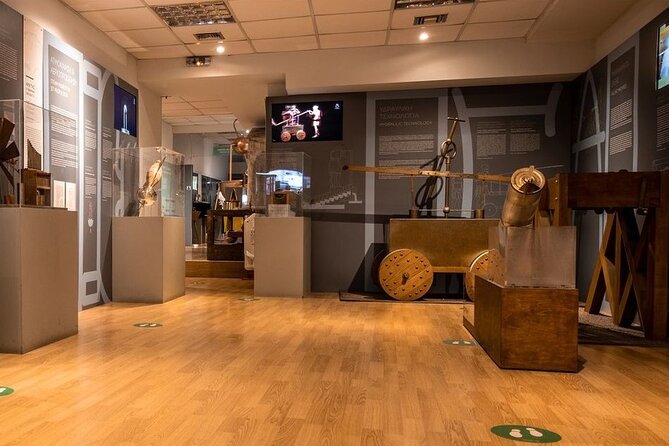
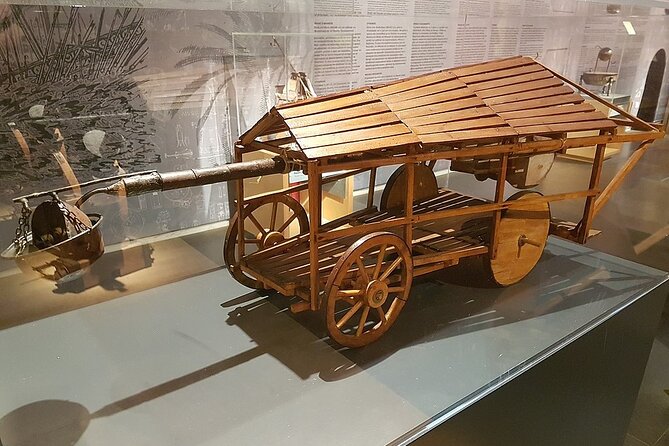
Next comes the Kotsanas Museum of Ancient Greek Technology, and this is where the tour stops being only about weapons and becomes about engineering. Flame throwers in ancient Greece? The museum’s premise is that you’ll see war-related technology innovations—and other surprising inventions—that help explain how far classical-period Greece’s minds reached.
The standout detail here is the Antikythera Mechanism, which the museum is tied to in a way you can’t miss. The tour information even suggests bringing home a souvenir, and that’s a good sign you’ll likely spend time reading labels and looking at interactive or hands-on-style artifacts. If you love the “how did they do that?” feeling, this is the stop that will stick with you.
Time-wise, you’ll have about 1 hour and 30 minutes here. That’s enough for a careful walkthrough and enough room for your guide to connect what you see to the broader military theme: strategy isn’t only bravery—it’s logistics, timing, and tools.
What to expect:
- Short museum pacing that’s easy to follow for kids.
- “Wow” moments that come from unfamiliar concepts, not just names on a wall.
- A better understanding of innovation during a period often remembered only for statues and philosophy.
A consideration: tickets are not included. The listed admission is 5 Euros. If you’re trying to keep costs tight, this is one of the places where paying separately is still likely worth it, because it’s the most interactive-seeming stop from the description.
Stop 3 at the Athens War Museum: Weapons and Strategies Across 30 Centuries
The Athens War Museum is the tour’s big indoor broad-spectrum stop, described as the largest in Southeastern Europe. The focus is Greece’s fights for freedom throughout the centuries—framed through the weapons Greeks used and the strategies that shaped outcomes.
This stop is where you start seeing patterns. You go from the sea and battlefield gear to a more systematic sense of how conflict changed with time. The museum is built around the idea that freedom requires defense, with the tour information pointing to a Pericles reference about courage to defend freedom and the National Anthem’s dedication to freedom.
You’ll spend about 1 hour and 30 minutes here. That’s a good amount for a museum that spans a lot of time, because it prevents the “we rushed through it” feeling. If you’re the kind of traveler who wants context, you’ll get it through your guide’s pacing and explanations.
Ticket note: admission is separate at 6 Euros. I’d treat that as part of your “military history” budget, because this is the museum that ties everything together. If you skip tickets anywhere, you’d probably still want to think twice about skipping this one unless your goal is purely ships-and-tech.
What makes it valuable for real travel:
- It organizes complex history into something you can observe through equipment and tactics.
- It gives you a framework for why Athens and Greece mattered beyond one era.
- It helps you connect the dots between ancient Athens, later conflicts, and Greece’s long defense of autonomy.
Optional Add-On: When the Hellenic Air Force Museum Makes the Day

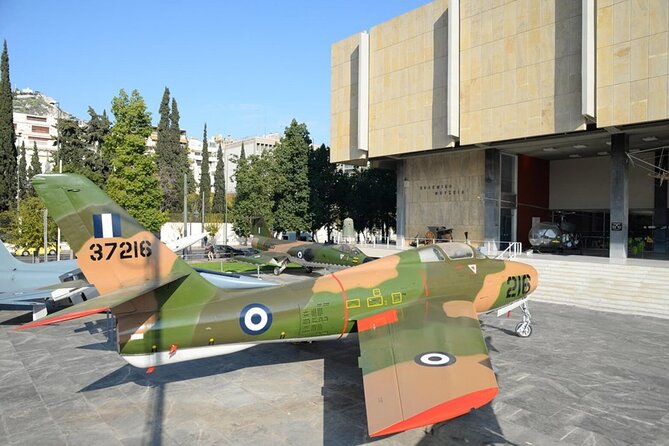
On specific dates, you may be able to visit the Hellenic Air Force Museum. The tour description says it has 40+ airplanes.
This optional stop is best for people who like military history through a modern lens. It also helps if you’re traveling with teens who might find ships and ancient weapons interesting but still want a more familiar aircraft connection.
Because it’s optional and date-dependent, plan like a realist:
- If you’re aiming for it, check the tour’s specific operating days before you lock in flights or hotel bookings.
- If it’s not available, you’re still getting a full 4-hour military-history package built around ships, ancient tech, and the war museum.
You can also read our reviews of more historical tours in Athens






Price and Tickets: Getting Value From a Private Morning
The base price is $64.00 per person for a private tour that runs about 4 hours. That’s not just a “driver and a list” kind of cost. It includes pickup and drop-off (hotel/Airbnb/port), bottled water, fuel and tolls, and a professional driver with deep knowledge of history. You also get a mobile ticket and group discounts.
So where does the value come from?
1) You buy time and focus.
Four hours is enough to cover three big story stops without turning the day into transit chaos.
2) You buy guided context.
Museums can feel like a wall of facts. With a guide who keeps explaining what you’re looking at, the information becomes usable.
3) You can control the experience through the private setup.
Kids don’t need the same pacing as adults. Private touring makes that difference practical.
Now, the extra costs you should expect:
- Averof battleship admission: 5 Euros (18–64), 2.50 Euros (7–17 and 65+)
- Athens War Museum admission: 6 Euros
- Ancient Greek Technology Museum admission: 5 Euros
Total ticket math will depend on whether you go inside Averof, but you should assume you’ll pay additional museum fees on top of the $64 tour price. If you’re budget planning, I’d count on at least the two museum admissions (technology + war museum). Those are core to the tour’s “big ideas” storyline.
One more practical value point: free cancellation is offered. If your plans change, you’re not taking a risk just to look.
What You’ll Learn, Without Feeling Like School
This tour’s theme is bigger than military trivia. The way it’s structured—maritime power, technology innovation, then conflict across centuries—teaches you how Greek history cycles through similar needs: movement, defense, tools, and strategy.
Start at Phaleron and you get the “Athens at sea” logic. Greece’s story isn’t only land-based politics. It’s about ships, fleets, and the ability to project force where it matters.
Then the technology museum changes the lens. It hints that military capability is tightly linked to engineering skill—how information is calculated, how devices are built, and how invention shows up in practical applications. The Antikythera Mechanism connection is the kind of detail that makes the whole tour feel more memorable.
Finally, the Athens War Museum gives you a structured picture of how weapons and strategies evolve over time. Instead of treating each battle like a standalone event, you’ll start thinking about the changes in tools and methods—and why outcomes shift when tactics shift.
And the best part? Your guide’s explanations are clearly part of the reason people rate this so highly. One review praised a guide who was exceptional and willing to explain what you see—or answer questions—even if they aren’t strictly inside the tour script. That’s the difference between a tour you “did” and a tour that teaches you how to read the place around you.
Who This Private Tour Suits Best (And Who Might Skip It)
This tour fits best if you want:
- A private, guided Athens experience without sprinting around the city
- Military history told through objects: ships, weapons, and inventions
- Something that works for mixed ages, since the tech museum is described as amazing for both kids and adults
You might consider another tour if:
- You’re only interested in ancient ruins (temples and neighborhoods). This one is museum-and-ships focused.
- You hate ticket add-ons. Several entries require separate admissions.
For families, this can be a good pick because you have three categories kids often respond to: ships, “how is that possible” tech, and big museum exhibits with clear themes. For solo travelers, it’s also great because it turns a short time in Athens into a coherent story arc, not random stops.
Should You Book This Athens Military History Private Tour?
Book it if you want a focused morning that connects naval history, wartime tools, and ancient engineering into one easy timeline. The private setup, pickup convenience, and guided explanations add up to real value—especially if you think you’ll enjoy learning through physical artifacts instead of just photos and plaques.
Skip it only if your ideal Athens day is strictly archaeological sites, or if you’re trying to avoid any extra museum fees. If you’re comfortable budgeting for Averof and the two museum admissions, this is a strong way to make your Athens visit feel broader than the usual highlights—without turning it into a full-day marathon.
FAQ
How long is the Greece Military History private tour?
It runs for about 4 hours.
What does the tour price include?
Pickup and drop-off (hotel/AirBnb/port), a professional driver with deep knowledge of history, fuel and tolls, and bottled water.
What museums or attractions might require extra tickets?
Averof battleship admission, Athens War Museum admission, and the Museum of Ancient Greek Technology admission are not included and cost extra.
Is Averof battleship admission optional?
Entering Averof is described as optional.
Does the tour have a flexible schedule for the optional air museum?
The Hellenic Air Force Museum visit is optional and depends on specific dates.
What time does the tour run?
The listed opening hours are 9:30 AM to 1:00 PM, Monday through Sunday, within the stated date range.
Is this tour private?
Yes. Only your group participates.
Can I cancel for free?
Free cancellation is available up to 24 hours before the experience start time for a full refund.




More Private Tours in Athens



More Tours in Athens




More Tour Reviews in Athens
- All Day Cruise -3 Islands to Agistri,Moni, Aegina with lunch and drinks included
★ 5.0 · 4,958 reviews