REVIEW · ATHENS
Private local tour of the Acropolis Hill and the New Acropolis Museum
Book on Viator →Operated by Niki Olympic Tours · Bookable on Viator
Two hours up the Acropolis changes your perspective. This private tour links the Acropolis with the New Acropolis Museum, so what you see outdoors starts to click fast. Your certified English guide meets you right by the site entrance, helps you spot the best views, and puts the hill’s buildings into context through the Golden Age of Pericles.
I especially like the way the climb is explained as you go, not after the fact. On top of that, I really love the museum stop: glass floors showing ancient remains below your feet, plus the Kores and Kouroi statues and a top floor designed for matching Parthenon sculpture to what’s outside. One drawback to plan for: entrance tickets are not included (Acropolis and museum each cost extra), and you’ll want solid stamina for the uphill route and stairs.
In This Review
- Key highlights at a glance
- Why the hill + museum combo works
- Meeting at the Acropolis entrance and setting a smart pace
- Acropolis Hill walk: Pericles-era storytelling from viewpoint to viewpoint
- Before Propylaea: Wingless Nike and the Ancient Agora perspective
- Reaching the top: Propylaea, Parthenon views, and the Erechtheion/Karyatides contrast
- New Acropolis Museum: glass-floor excavations and the statue galleries that answer questions
- The top floor: Parthenon pediments and frieze views built for connection
- Price and value: is $249.25 per person worth it?
- The guides: what the best experience tends to feel like
- Who should book this Acropolis + museum tour
- Should you book this Acropolis Hill and New Acropolis Museum tour?
- FAQ
- What is the duration of the Acropolis Hill and New Acropolis Museum tour?
- How much does this tour cost per person?
- Is this a private tour?
- What’s included in the tour price?
- Are entrance tickets included for the Acropolis and the museum?
- Where do you meet, and where does the tour end?
- What language is the tour offered in?
- Is private transportation included?
- Can I cancel for a full refund?
Key highlights at a glance
- Right-by-the-entrance start that gets you moving while the site is still fresh
- Golden Age of Pericles visualization tied to the monuments you’re actually standing near
- Stop-and-look viewpoints covering Filopappos, Herodium, Dionysus Theatre, Pnyx, and Areopagus
- Philosophy links at the Ancient Agora viewpoints tied to Socrates, Plato, and Aristotle
- Museum glass floors and statue galleries that make the finds feel real, not abstract
- Top-floor Parthenon views framed through museum windows aimed at the sculptures
Why the hill + museum combo works
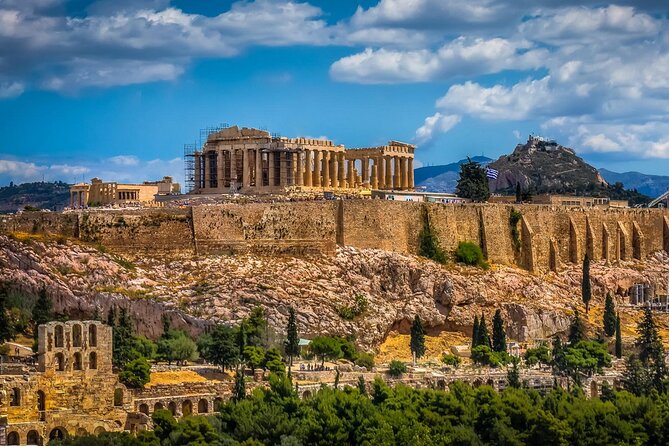
The Acropolis is famous, but it can also feel like a lot at once: stone, angles, crowds, and signs all competing for your attention. What makes this tour different is that you don’t just “see stuff.” You’re guided through the hill in a way that teaches you how the viewpoints connect, and then you immediately test your new understanding inside the museum.
On the hill, you’ll be shown where to look and what to picture—especially when it comes to the Parthenon era. Then the museum turns those mental images into something physical: you’re looking at related statues (Kores and Kouroi), dramatic figures like the Karyatides, and even excavations visible through glass floors. The result is a smoother story arc. You’ll leave with the sense that the museum isn’t a separate visit. It’s the explanation of what you just walked through above ground.
You can also read our reviews of more private tours in Athens



Meeting at the Acropolis entrance and setting a smart pace
This is a private tour, and it starts at the Acropolis area by the entrance (the meeting point is listed near XPCF+G9 Acropolis of Athens). Your guide meets you there and begins ascending with you right away. You’re not waiting around. You’re not starting cold with zero context. You begin with orientation and momentum.
The tour runs about 2 hours 30 minutes, with roughly 1 hour 30 minutes on the Acropolis and 1 hour in the New Acropolis Museum. That timing matters because it keeps the experience focused. You’ll get enough time to understand the major stops without turning it into a marathon.
One practical note: you should have strong physical fitness. The route is uphill and involves stairs and walking on uneven ground. If you’re the type who needs long rests or you’re managing mobility limits, this may be tougher than a more gradual route.
Acropolis Hill walk: Pericles-era storytelling from viewpoint to viewpoint
Your guide’s climb is designed around seeing the hill as a whole. Instead of treating the Acropolis as one monument, you’ll be guided across multiple named features and taught how they fit together during the Golden Age of Pericles. Even if you’ve read about Pericles before, it’s different when you’re standing where the city’s power was displayed in stone.
As you move upward, you’ll hear and see explanations tied to several landmarks and areas, including:
- Filopappos hill
- Herodium odeon
- Dionysius theatre
- Pnyx hill, described as the birthplace of Democracy
- Areopagus hill
Here’s what I think is genuinely useful about this approach: it helps you stop “spot-checking” each sight. You start linking them. The Acropolis becomes a vantage system, not a checklist.
You’ll also get help visualizing how the landscape used to operate, including where major buildings sat relative to each other. That can be a big deal because the modern city and modern angles can make ancient plans hard to imagine. A good guide acts like a translator for your eyes.
Before Propylaea: Wingless Nike and the Ancient Agora perspective
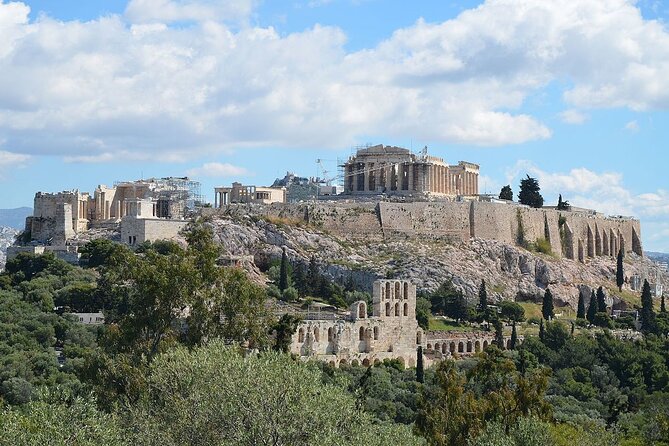
Near the approach to Propylaea, your guide stops to help you take in views toward the temple of Wingless Nike and the Ancient Agora. This is a clever moment because it shifts you from “what is on the hill?” to “what does the hill overlook?”
From these perspectives, you’ll get explanations connected to the philosophical schools associated with Socrates, Plato, and Aristotle. Even if you’re not a philosophy nerd, this is the kind of detail that changes how you perceive the site. It stops the Acropolis from being only art and architecture and brings it back to daily life and civic identity.
It also helps you understand the mindset of the place. This wasn’t built only for worship. It was built to project cultural authority, and the views are part of that.
Reaching the top: Propylaea, Parthenon views, and the Erechtheion/Karyatides contrast
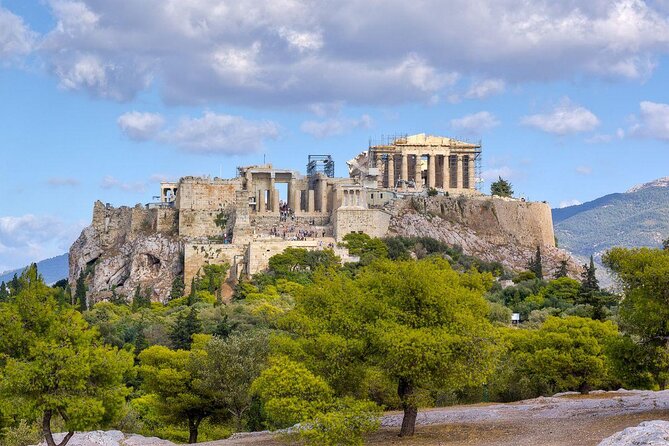
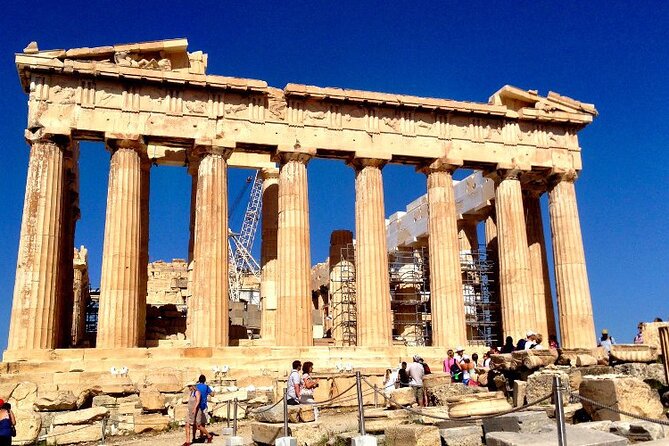
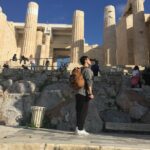
Once you walk through Propylaea, the visit hits its emotional peak. You’ll see the Parthenon and—opposite it—the Erechtheion, known for its Karyatides standing where you’d expect columns.
If you’ve seen photos of the Parthenon before, expect something different in person: the scale feels more controlled than you expect, and the geometry reads better when you’re standing in the line of sight. The guide’s job here is important. They point out what your eyes might otherwise miss, like how the different structures relate and what the statueship detail (Karyatides) is doing for the building’s visual rhythm.
A small drawback to keep in mind: this area can be busy. Even on a well-paced private tour, you may need to work with other visitors in close spots for photos. The benefit of having a guide is that you’re more likely to find the most workable viewing angles rather than just getting stuck wherever the crowd allows.
You can also read our reviews of more museum experiences in Athens


New Acropolis Museum: glass-floor excavations and the statue galleries that answer questions
After the hill, you’ll move to the New Acropolis Museum, where the tone changes from sunlight and stone to controlled lighting and close viewing. The museum stop lasts about 1 hour, and it’s structured so you aren’t just wandering.
One of the museum’s big strengths is how it uses space to explain context. You can look down through glass floor sections to see parts of excavations of the ancient city. That means the past is literally under your feet. It’s harder to dismiss as ruins in the distance when you can see the layers and shapes directly.
You’ll also focus on the museum’s acclaimed statue displays, including an amazing exhibition of Kores and Kouroi statues. These are the types of figures that often look similar in photos, but up close you’ll notice differences in pose and style—details that a guide can help you interpret. You’ll also see the Karyatides.
The top floor: Parthenon pediments and frieze views built for connection
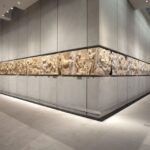
As you go up the museum levels, you’ll reach the top floor—an all-glass space where the views of the remaining pediments and frieze of the Parthenon connect to what you just saw outdoors. This is not an accident. The museum is designed to let you compare sculpture and setting in a way that feels logical, not random.
Then you get the payoff: excellent views of the Parthenon itself from inside. That’s a rare travel moment. You’re used to museums showing objects behind glass. Here, the building you came for is also part of the view, and it makes the whole story feel more coherent.
If you care about details—especially facial expressions, draped elements, decorative stone work—this is where the time feels best spent. Even with only an hour, the museum stop gives you a stronger payoff than a quick photo run.
Price and value: is $249.25 per person worth it?
At $249.25 per person, this is not a bargain tour. It’s a private-guide experience, and the price reflects that. What you’re paying for is certified guide time (and the structure of a two-stop day that links the hill with the museum).
Entrance fees add on. You should budget €30 per person for the Acropolis and €20 per person for the New Acropolis Museum, since admission tickets are not included. So you’re really comparing total cost, not just the tour price.
So when does it feel worth it?
- When you want help picking viewpoints and pacing yourself on a complex site
- When you prefer explanations that turn landmarks into a story (Pericles-era context, democracy references, philosophy links)
- When you’d rather pay for one strong guide than spend your time guessing what to look for
- When you want the museum connection right after the hill, while details are still fresh
When might you reconsider? If you’re comfortable navigating the Acropolis and museum with an audio guide or apps, and you don’t mind doing more self-guided figuring-out, you might save money. This tour is for people who want a guided translation of the site.
The guides: what the best experience tends to feel like
This kind of tour lives or dies on the guide. Two names from recent experiences that stand out are Konstandina and Vicky. The praise around them isn’t vague. People highlight facts-and-trivia level detail, strong English, and a pace that respects your interests. You can also see a theme: the best moments aren’t just seeing famous stones—they’re when the guide connects those stones to meaning without rushing you.
Also worth knowing: service animals are allowed, and the tour is near public transportation. That can help if you’re planning your own timing before and after.
Who should book this Acropolis + museum tour
I’d put this on your shortlist if you want:
- a guided climb with specific viewpoint stops
- a museum visit that answers questions raised outside
- an English-speaking guide who can handle questions and keep pace with your curiosity
It may not be ideal if:
- stairs and steep walking are difficult for you (the tour lists a strong physical fitness level requirement)
- you’re trying to minimize total spend, since entrance tickets are extra and this is a private guided format
- you’re looking for private transportation (not included here)
Should you book this Acropolis Hill and New Acropolis Museum tour?
I think you should book it if you’ll feel happier with a plan and an expert pointing out what matters. The value comes from the way the guide connects the hill’s landmarks (including democracy and philosophy references) to what the museum shows through glass floors, statues like Kores/Kouroi, and the top-floor Parthenon sculpture alignment.
I’d hesitate only if you’re on a tight budget or if the physical demands of the climb sound risky for your body right now. If you’re good with walking uphill and you want the story to make sense quickly, this tour format is a smart use of your Athens time.
FAQ
What is the duration of the Acropolis Hill and New Acropolis Museum tour?
The tour lasts about 2 hours 30 minutes.
How much does this tour cost per person?
The price is $249.25 per person.
Is this a private tour?
Yes. It’s private, and only your group will participate.
What’s included in the tour price?
The included item is certified tour guide services.
Are entrance tickets included for the Acropolis and the museum?
No. Entrance fees are not included. The Acropolis ticket is €30 per person, and the New Acropolis Museum ticket is €20 per person.
Where do you meet, and where does the tour end?
You meet near XPCF+G9 Acropolis of Athens, Athina 105 58, Greece, and the tour ends at the New Acropolis Museum.
What language is the tour offered in?
The tour is offered in English.
Is private transportation included?
No. Private transportation is not included.
Can I cancel for a full refund?
Yes. You can cancel up to 24 hours in advance for a full refund.


More Private Tours in Athens


More Tours in Athens


More Tour Reviews in Athens
- All Day Cruise -3 Islands to Agistri,Moni, Aegina with lunch and drinks included
★ 5.0 · 4,958 reviews