REVIEW · ATHENS
Greek Phyllo and Pie Cooking Class in Athens
Book on GetYourGuide →Operated by VizEat Ltd · Bookable on GetYourGuide
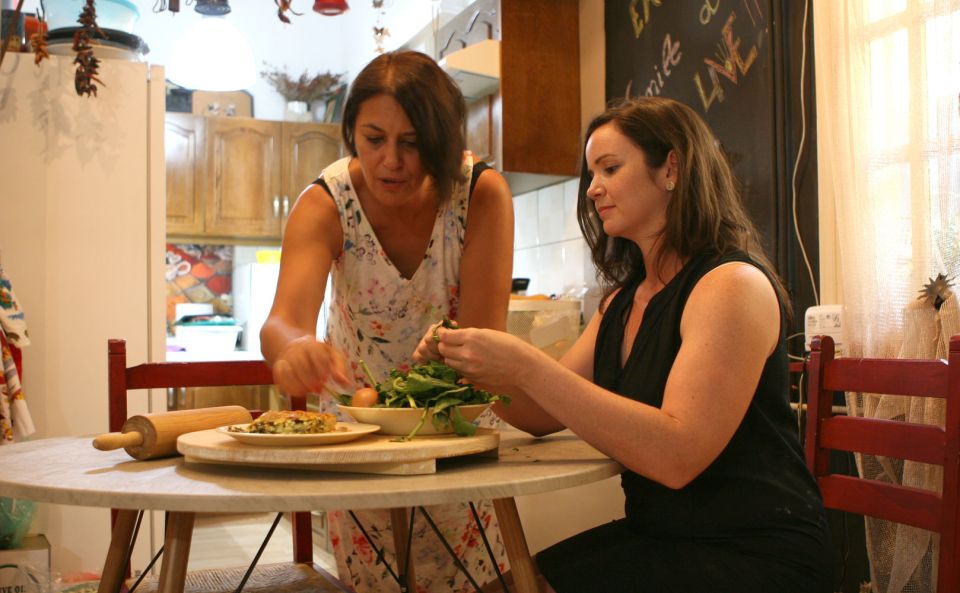
The dough starts at the center of Athens. This hands-on Greek phyllo and pie cooking class with Eirini (Ειρηνη) is built around making pastry from scratch in a small group. I especially like that you’re not just sampling food; you’re learning the process step by step.
Two standout perks for me: the phyllo dough from scratch experience and the limited group size (6 people). You’ll also get a proper welcome with homemade Greek cake and sweets, then you’ll taste your pies and finish with fruit and traditional desserts.
One consideration: the class is food- and alcohol-included (wine and ouzo), so if you have dietary restrictions or you don’t drink, plan to communicate your needs ahead of time.
In This Review
- Key things to know before you go
- Why this Athens phyllo class feels different than a quick tasting
- Arriving in central Athens: welcome sweets and a teacher-led pace
- Making phyllo dough from scratch with Eirini (Ειρηνη)
- Turning dough into traditional Greek pies (and actually tasting them)
- Wine and ouzo included: what it adds to the evening
- What you’re really paying for: value at $122 per person
- Who this class suits best (and who should skip it)
- Practical tips that will make your night smoother
- Should you book this Greek phyllo and pie class in Athens?
- FAQ
- How long is the Greek phyllo and pie cooking class in Athens?
- Where does it take place?
- How many people are in the group?
- Do I learn to make Greek phyllo dough from scratch?
- What food and drinks are included during the 3 hours?
- What languages does the host use?
- What are the cancellation rules, and can I pay later?
Key things to know before you go
- Phyllo dough from scratch with guidance from Eirini (Ειρηνη)
- Small group of up to 6 participants, so questions don’t get lost
- Wine and ouzo included as part of the evening
- Homemade Greek cake and sweets served on arrival
- You taste what you make, then end with fruit and traditional Greek desserts
- Central Athens location that’s easy to reach by public transportation
Why this Athens phyllo class feels different than a quick tasting
Most food experiences in Athens give you a taste. This one gives you the skill behind the taste.
You’ll work through Greek pie making with the real foundation: the phyllo dough. That matters because phyllo isn’t just one recipe. It’s technique—rolling, handling, layering—so learning it once (with a teacher in the room) is far more useful than eating your way through a menu. And because the group is limited to 6 people, you’re less likely to get stuck watching while others get help.
Another reason I like it: the evening isn’t only about the cooking part. You start with a homemade sweet welcome, then you move into the pie-making flow, and you finish with a meal-style wrap-up (fruit and traditional Greek desserts). It feels like a home-cooked Greek night in Athens rather than a rushed activity.
The vibe you’re aiming for here is practical and friendly. The host language options are English and Greek, so you’re not locked out if your Greek is basic.
You can also read our reviews of more cooking classes in Athens


Arriving in central Athens: welcome sweets and a teacher-led pace
The experience runs for 3 hours in central Athens, and the full address is shared on your confirmation voucher. That’s a small but real comfort: you can plan your route with the knowledge it’s central, then use the voucher for the exact door when you’re ready.
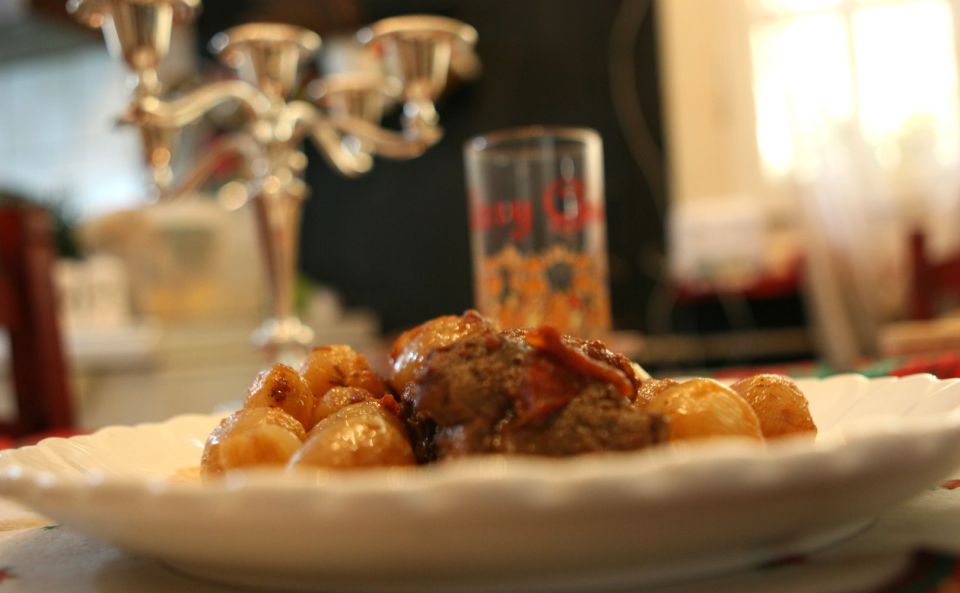
When you arrive, you’re met with homemade Greek cake and sweets. This is more than a nice touch. It sets expectations for how the evening will feel: relaxed, food-forward, and guided. You’re not spending the whole time hungry and waiting for the main event.
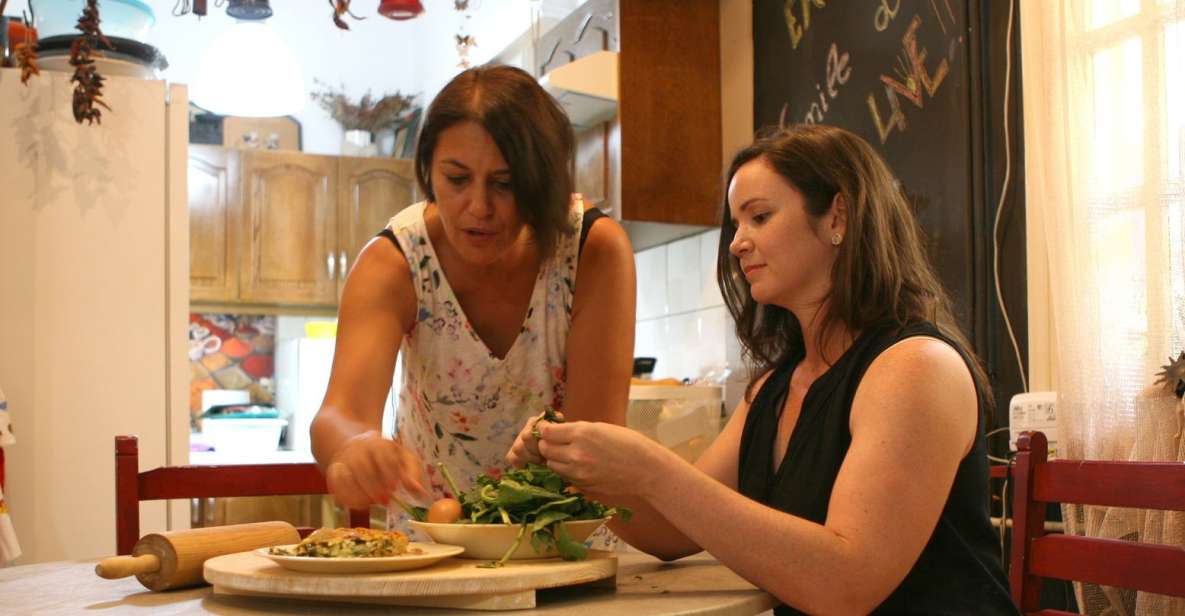
Then the night shifts into instruction led by Eirini (Ειρηνη). The class format is built around you doing the work. Because it’s capped at 6 participants, the teaching style can stay personal—questions and adjustments can happen while you’re actively shaping dough, not after the fact.
From a value standpoint, this matters: you’re not paying only for the final pie. You’re paying for a guided sequence—welcome sweets, hands-on dough, making pies, and a finish with fruit and dessert—so the time isn’t wasted.
Making phyllo dough from scratch with Eirini (Ειρηνη)
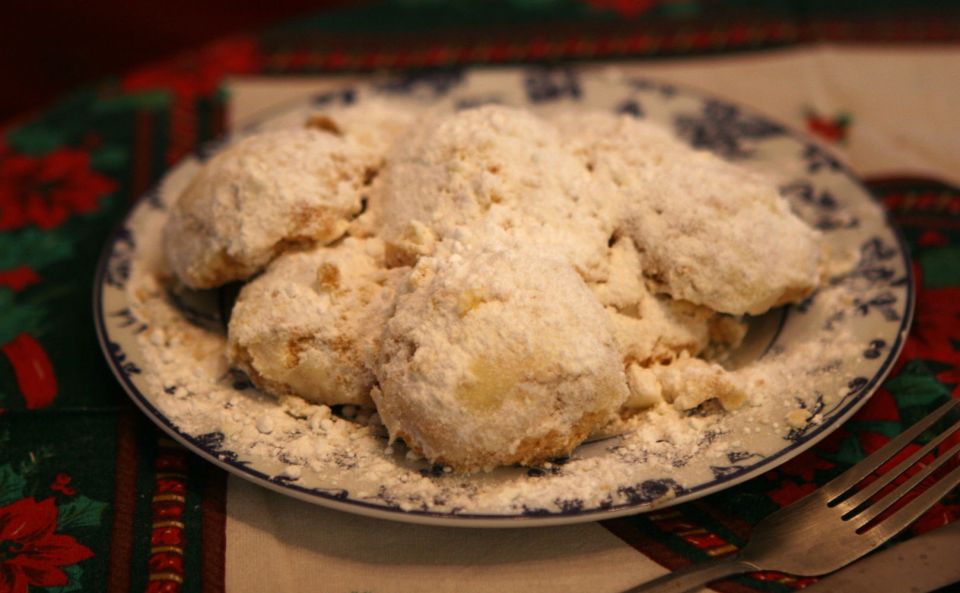
The headline skill here is the part most people want to try once they’re in Greece: making Greek phyllo dough from scratch.
This isn’t a short-cut class. You’ll learn how to make the dough completely from the beginning, then you’ll handle it as part of the pie-making process. That makes the experience feel tangible. You’ll leave with more than the memory of eating phyllo—you’ll understand the basic workflow behind it.
What I find smart about teaching phyllo in a class like this: the dough is a living thing. It changes with handling, temperature, and timing. Learning it with a host who can explain what to do and what to watch for helps you avoid the classic mistakes (like working too fast or treating the dough like it’s something it isn’t). Even if you’re new to pastry, a step-by-step approach helps you build confidence.
The host also supports both English and Greek. That matters because pastry instruction depends on clarity. When someone can explain in your preferred language, you spend less energy decoding words and more energy practicing the motions.
By the time you reach the pie-making stage, you’re not starting from zero—you already have the core component in your hands.
Turning dough into traditional Greek pies (and actually tasting them)
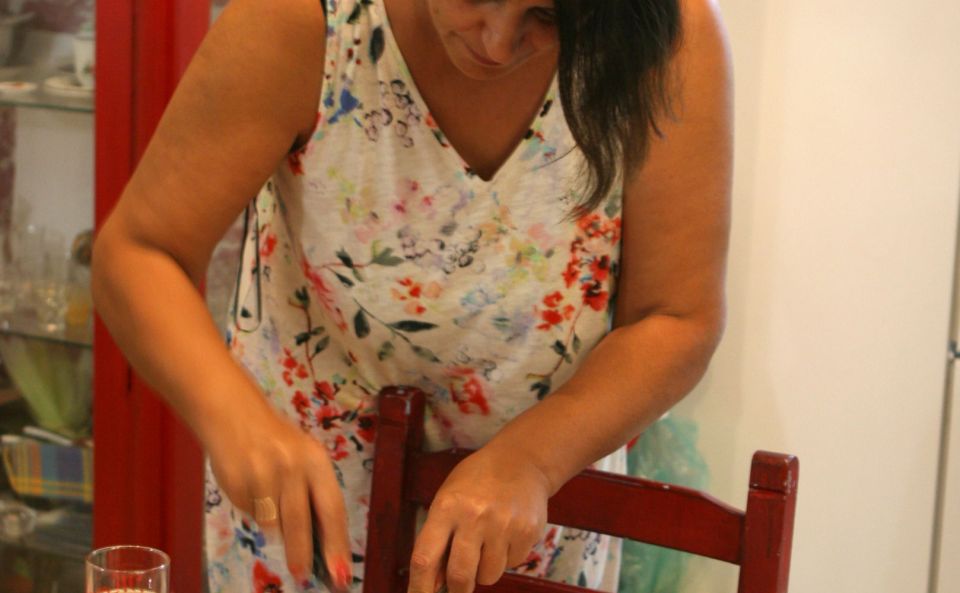
After the dough lesson, the class moves into making traditional Greek pies. This is where the work becomes satisfying. You’ll shape and build your pies using what you learned with the phyllo.
The best part is that you don’t end with theory or leaving the oven to someone else. You’ll have a tasting moment—your pies, your results, your chance to see how the dough behaves once it’s formed into a pie.
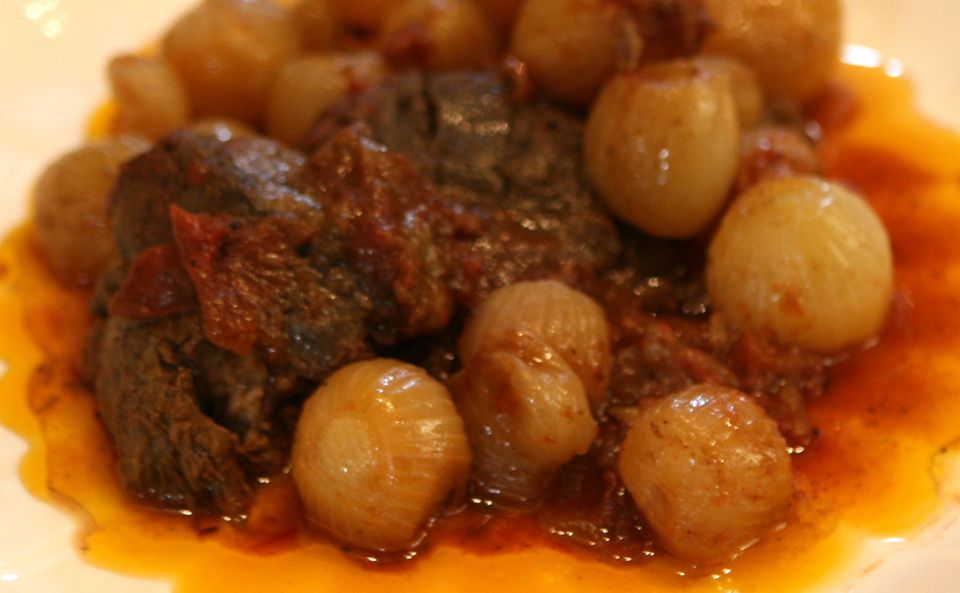
And then the food continues. After you taste your creations, you’ll enjoy fresh, local fruit paired with traditional Greek desserts. That’s a good pacing choice. It keeps the evening from feeling like one long stretch of heavy pastry only. Instead, you get a finish that feels more balanced—sweet, then lighter, then dessert again.
One more practical angle: this kind of class format works best when you’re comfortable participating. If you come expecting to mostly watch, you might feel slightly boxed in. But if you want to learn by doing, that hands-on structure is exactly the point.
Wine and ouzo included: what it adds to the evening
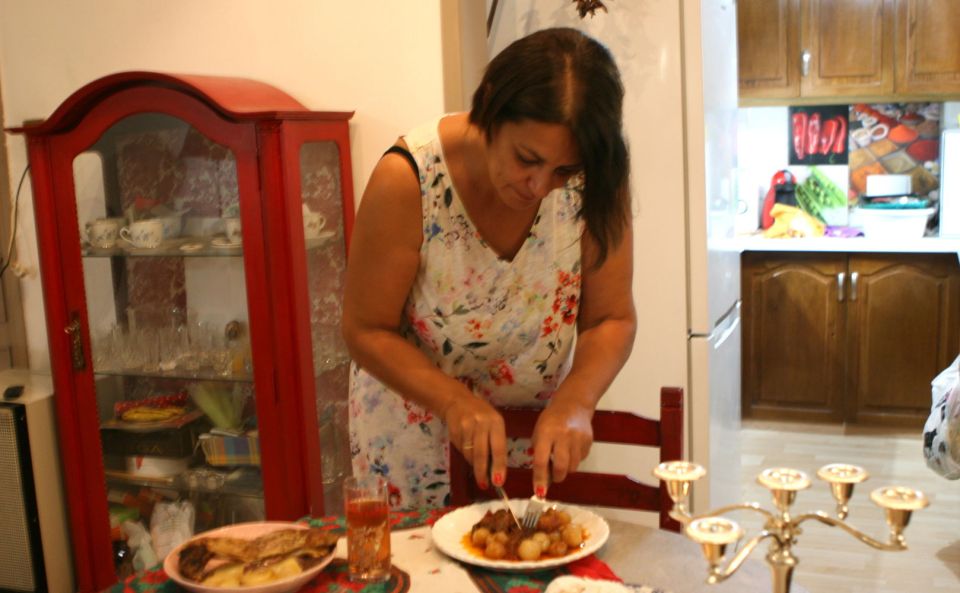
This class includes wine and ouzo. For many people, that’s not just a perk—it’s part of how Greek food culture actually gets experienced. Alcohol here is paired with the meal rhythm: welcome sweets, work time, tasting, then dessert and fruit.
Still, it’s wise to consider how you personally handle it. If you don’t drink, you may want to factor that into your expectations. If you do, it can make the experience feel more like a convivial home evening than a formal cooking lesson.
Either way, the bigger win is what the drinks represent: you’re sitting in an atmosphere where food, conversation, and process all belong together. That often makes beginners feel more at ease, because you’re not just performing a recipe—you’re being welcomed into a food moment.
You can also read our reviews of more tours and experiences in Athens




What you’re really paying for: value at $122 per person
At $122 per person for 3 hours, this isn’t a bargain cooking class. But it can be good value if you care about learning technique, not just eating.
Here’s why the price can make sense:
- Instruction for a skill: you’re learning phyllo dough from scratch, not assembling a pre-made ingredient.
- Small group: up to 6 participants means more attention during the hands-on portions.
- Included meal-style food: homemade sweets on arrival, tasting of your pies, then fruit and traditional desserts.
- Included drinks: wine and ouzo are part of the experience.
If what you want is a hands-on learning experience with a real teacher and a finish that feels like an actual night out, this pricing is easier to justify.
If your priority is simply a light snack tour or a low-effort activity, you might feel the cost more than the benefit. This is a participation class, not a passive stroll through Greek food.
Who this class suits best (and who should skip it)
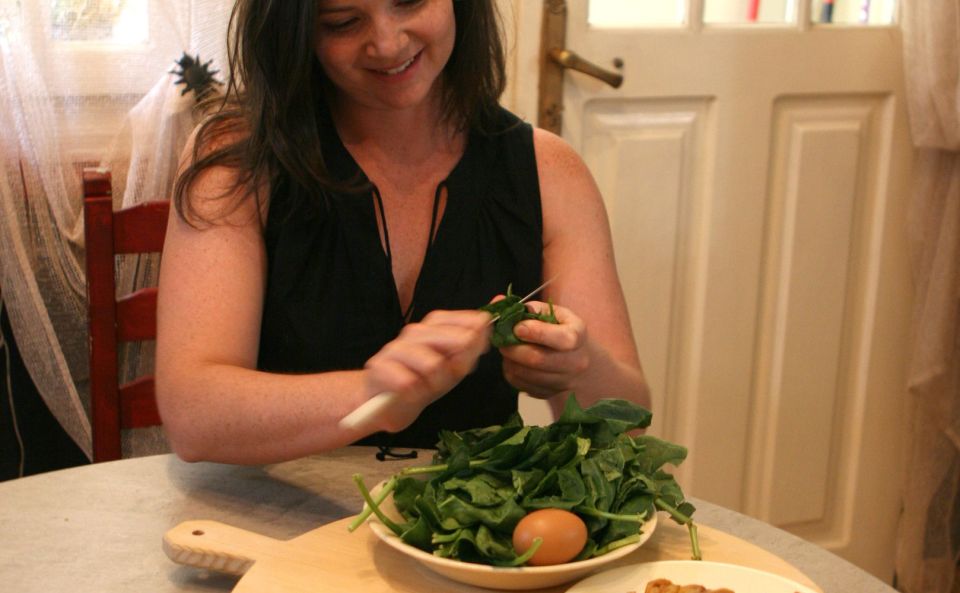
This Greek phyllo and pie cooking class in Athens is a strong fit if you:
- want a practical culinary skill you can use at home, not only photos and taste tests
- like small groups where you can ask questions
- enjoy Greek sweets as much as savory pies
- don’t mind a food-heavy evening that runs about 3 hours
It may be less ideal if:
- you want something mostly observational
- you’re dealing with food restrictions you’re not comfortable communicating in advance
- you prefer classes that exclude alcohol entirely
That last point isn’t a judgment. It’s just reality: wine and ouzo are included, and the schedule is built around that full experience.
Practical tips that will make your night smoother
Because the full address is provided on your confirmation voucher, make sure you save the voucher details right after booking. Central Athens is easy to navigate in general, but having the exact location helps you avoid last-minute stress.
Also, take the food part seriously. The experience includes cake, sweets, tasting, fruit, traditional desserts, and wine and ouzo. If you have an allergy, a special diet, or any restriction, you’ll want to communicate it ahead of time so the host can plan accordingly.
Finally, set expectations for languages. The host or greeter is listed for English and Greek. If you want the clearest instruction, use the language you’re most comfortable with during the teaching moments.
Should you book this Greek phyllo and pie class in Athens?
If your trip goal includes a memorable, hands-on Greek skill, I think it’s a solid yes. The combination of phyllo dough from scratch, a small group capped at 6, and a full sequence of eating (welcome sweets, tasting, fruit, and dessert) makes this more than a one-time meal.
Book it if you want to leave with confidence—knowing how to approach phyllo dough and Greek pies, not just knowing what they taste like.
Skip it if you want a low-commitment experience or you can’t work with a session that includes wine and ouzo and lots of sweets/desserts. In that case, look for a different style of class that matches your comfort level.
FAQ
How long is the Greek phyllo and pie cooking class in Athens?
The class lasts 3 hours.
Where does it take place?
It’s located in central Athens, and the full address is provided on your confirmation voucher.
How many people are in the group?
The group is limited to 6 participants, making it a small-group experience.
Do I learn to make Greek phyllo dough from scratch?
Yes. You’ll learn to make Greek phyllo dough completely from scratch.
What food and drinks are included during the 3 hours?
You’ll have homemade Greek cake and sweets on arrival, then you’ll taste the phyllo dough and your traditional Greek pies. After that, you’ll enjoy fresh local fruit and traditional Greek desserts. Wine and ouzo are included, too. If you have any food restrictions (allergy, special diet, etc.), you need to communicate them in advance.
What languages does the host use?
The host or greeter provides instruction in English and Greek.
What are the cancellation rules, and can I pay later?
You can cancel up to 24 hours in advance for a full refund. You can also reserve now and pay later (pay nothing today), based on available options.


More Workshops & Classes in Athens
More Cooking Classes in Athens
More Tour Reviews in Athens
- All Day Cruise -3 Islands to Agistri,Moni, Aegina with lunch and drinks included
★ 5.0 · 4,958 reviews