REVIEW · ATHENS
From Athens: 4-Day Peloponnese, Delphi, and Meteora Tour
Book on GetYourGuide →Operated by ARTYTOURS · Bookable on GetYourGuide
First thing: you’ll see Greece’s ancient core fast. This 4-day route strings together Ancient Olympia, Epidaurus, Delphi, and the UNESCO Meteora monasteries with Spanish-speaking licensed guides and handy headsets so you can actually follow the story. I especially like how the trip is built for momentum: mornings start early, key sites get a proper visit, and you’re not left scrambling for transport.
One note to keep in mind: the tour runs with a Spanish live guide, and the pace can feel tour-bus intense. Also, lunch isn’t included, so you’ll want a plan for food days like Delphi and Meteora.
In This Review
- Key things I’d circle before you book
- Four Days From Athens: What This Route Actually Delivers
- Meeting Point At Melina Mercouri: Where Your Day Begins
- Day 1: Corinth Canal, Mycenae, Epidaurus, and Ancient Olympia Dinner
- Day 2: Olympia Site and Stadium, Then Delphi’s Oracle at Apollo’s Center
- A timing heads-up from a real-world caution
- Day 3: Delphi to Meteora, Including a Traditional Greek Tavern Option
- Day 4: Two Meteora Monasteries, Orthodox Monastic Life, and the Rocks That Run the Show
- Hotels, Meals, Entry Fees, and the Real Value of the $742 Price
- Guide Language and Headsets: How to Make Spanish Work for You
- What to Bring (So You Don’t Hate Day 4)
- Who This Tour Suits Best
- Should You Book This 4-Day Peloponnese, Delphi, and Meteora Tour?
- FAQ
- Where do I meet the group in Athens?
- What language is the tour guide?
- Is lunch included?
- Are hotel rooms and meals included?
- Are entry fees included?
- How many monasteries do you visit at Meteora?
- Is this tour suitable for wheelchair users or mobility impairments?
Key things I’d circle before you book
- Meteora monasteries on UNESCO rocks: morning monastery visits plus big outlooks over the valley.
- Skip-the-line access: less time standing around, more time looking at stone and stadiums.
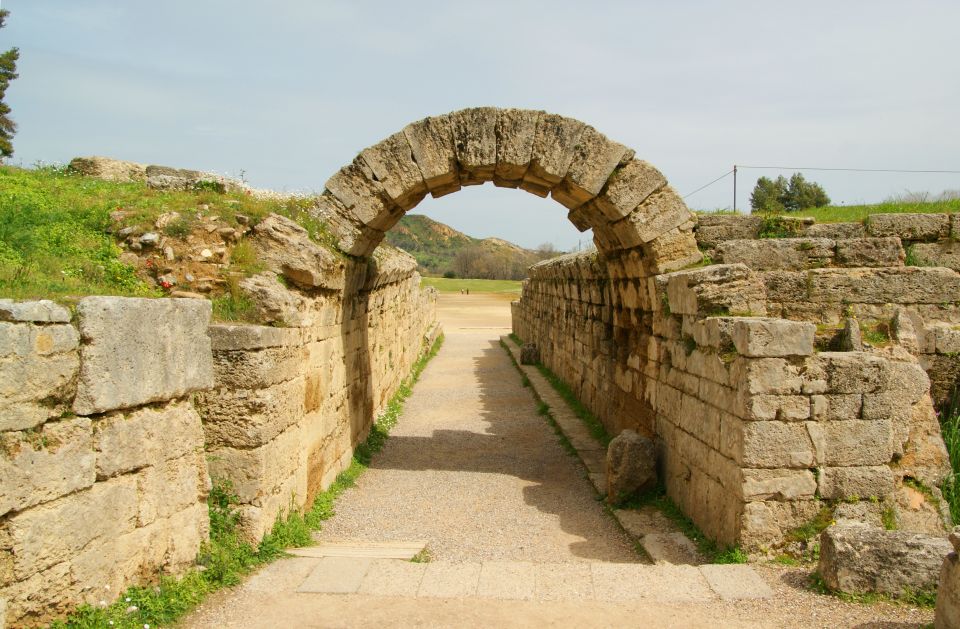
- Ancient Olympia stadium experience: you visit the arena where the Olympic games were held.
- Epidaurus Ancient Theater: a must-see stop, known for its acoustics.
- Headsets on the move: helps you hear the guide without crowding in.
- Hotel + meals bundled: 3 breakfasts and 3 dinners are included (with lunch extra).
Four Days From Athens: What This Route Actually Delivers
This is the kind of trip that works best when you want to cover a lot without doing logistics homework. You start in Athens and rotate through three big “why Greece matters” zones: the Peloponnese world of Mycenae and Olympia, the spiritual and political gravity of Delphi, and then the dramatic monastery landscape of Meteora.
The value isn’t just that you hit famous names. It’s that the itinerary groups places with clear themes. Peloponnese gives you the “state power + athletic tradition + healing culture” angle (Corinth Canal, Mycenae, and Epidaurus). Delphi shifts the mood toward prophecy and sacred administration. Meteora ends the journey with a totally different kind of Greece: Orthodox monastic life shaped by the terrain itself.
If you like having a guide connect the dots—gods, rituals, games, architecture—you’ll probably enjoy how the day-to-day schedule keeps moving while still giving structured time at each site. If you prefer slow wandering and lots of free time, you may find the rhythm a bit firm.
You can also read our reviews of more tours and experiences in Athens
Meeting Point At Melina Mercouri: Where Your Day Begins
Your meeting spot is straightforward, but you still need to show up ready. You meet in front of the Melina Mercouri monument, near the Acropolis metro station, and representatives board you onto the bus to meet your guide.
Why I’m mentioning this: first-day timing matters on multi-day tours. If you arrive late, you can lose the calm part of the morning and end up stressed before the history even starts. Comfortable shoes help here too—you’ll likely be moving around to find the right group and then loading the coach.
Day 1: Corinth Canal, Mycenae, Epidaurus, and Ancient Olympia Dinner
Day 1 is long on purpose, and it has a clear flow.
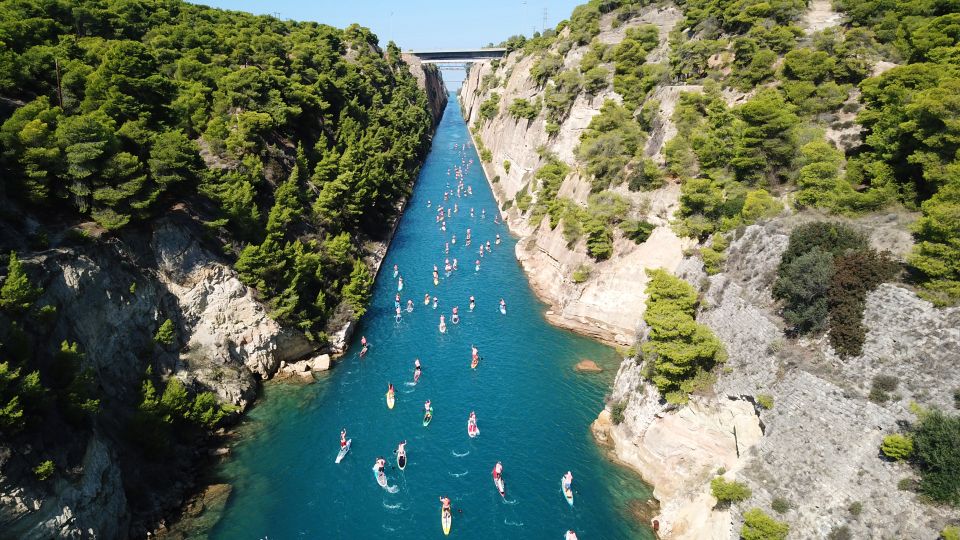
You start with a stop at the Corinth Canal. Even if you’re not the type who gets emotional about geography, it’s a quick visual reminder of why this region mattered for trade and movement. Then you head toward Argolis, the area tied to Mycenae.
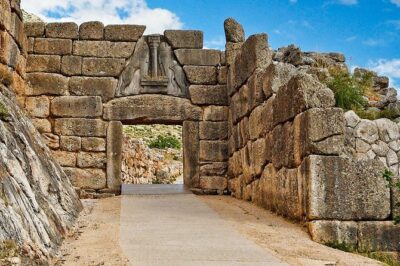
At Mycenae, you tour the archaeological site and museum. This stop tends to be a foundation stop. You’re seeing the material evidence behind the “this is where powerful Greek civilizations took shape” story—palace spaces, artifacts, and the kind of context that makes later sites feel less random.
Next comes Epidaurus Ancient Theater. This is one of those stops where you’ll want to actually pause and look at the structure, not just listen from the back row. Epidaurus is famous for its acoustics, and that matters more than you think when you’re learning how these theaters functioned as spaces for public experience, not just performances.
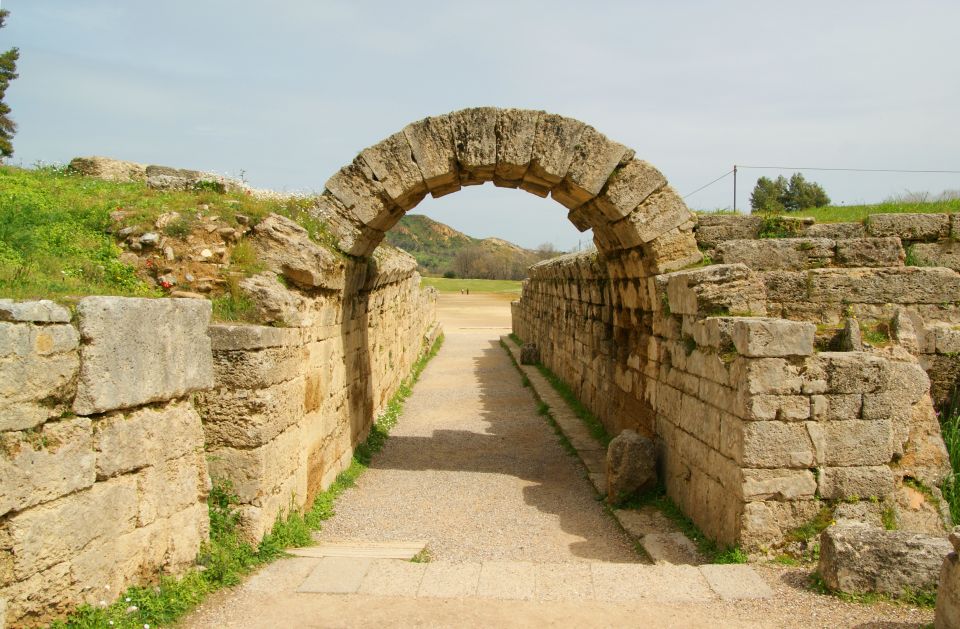
Then you finish Day 1 at Ancient Olympia for dinner and an overnight stay. You’re not touring the stadium in full that night, but the location sets expectations. When you’re in Olympia, you start to feel the scale of the place and why athletes, officials, and spectators kept returning to this specific ground.
Possible drawback for Day 1 travelers: after a full day of sites, you’ll likely feel your feet by dinner. Pack smart—blisters ruin “historical appreciation” faster than rain.
Day 2: Olympia Site and Stadium, Then Delphi’s Oracle at Apollo’s Center
Breakfast starts the day, then you check out and keep going. This is a tour that uses check-out times well: you’re not just transferring hotels. You’re transferring your focus from Olympia to Delphi.
You tour the Archaeological Site of Ancient Olympia, where the Olympic games were held. The big win here is that you’re not only looking at ruins—you’re visiting the context for the games themselves. Even if you’re not a sports-history nerd, the stadium setting makes the idea of competition feel real.
After the Olympia visit, there’s an optional lunch. You can eat, rest your legs, and reset before the bus journey to Delphi.
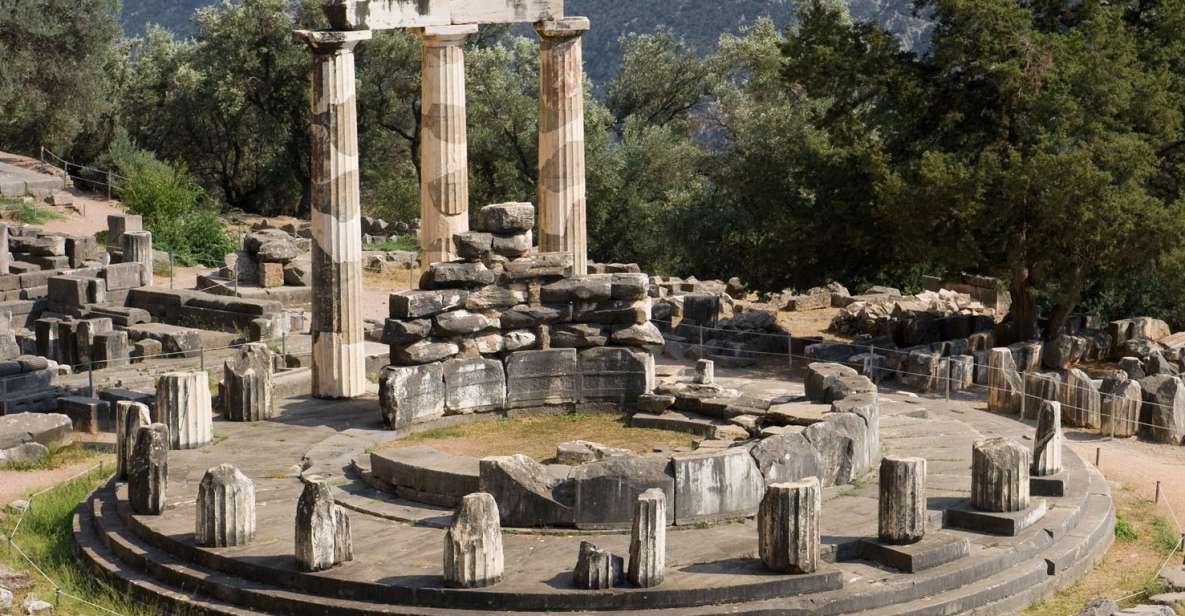
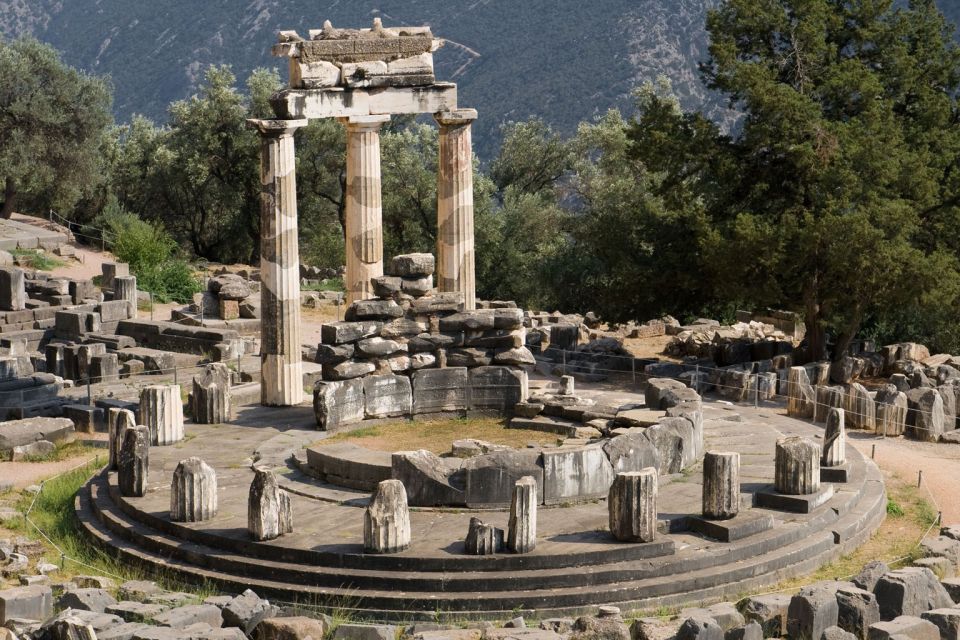
The arrival at Delphi is where the mood shifts. You tour Delphi’s Archaeological Site and Museum, then learn about the oracle dedicated to Apollo and Pythia, the High-Priestess, along with the spiritual concept of the Navel of the Earth.
This part is worth your attention if you like symbolism and systems. Delphi wasn’t just a cool site on a map; it was a place that shaped decisions, legitimacy, and belief across the Greek world. The combination of site + museum tends to help you understand what you’re looking at rather than treating the ruins like isolated set pieces.
Then you sleep in a hotel in Delphi for the night.
A timing heads-up from a real-world caution
In cases where weather turns or pacing runs too museum-heavy, you can lose precious time for outdoor viewing at Delphi. If you’re the type who came for the ruins first, I’d watch the schedule closely once there and ask what time the key outdoor sections are covered. Bring patience, and keep your priorities in mind.
- All Day Cruise -3 Islands to Agistri,Moni, Aegina with lunch and drinks included
★ 5.0 · 4,958 reviews



Day 3: Delphi to Meteora, Including a Traditional Greek Tavern Option
Day 3 begins with breakfast and another checkout. You tour Delphi again—this is the day that confirms what you did on Day 2 versus what you still need to see or connect.
After the Delphi site visit, there’s an optional lunch in a traditional Greek tavern. Lunch isn’t included, so this is one of your chances to plan a proper meal without improvising too much.
Then you head to Meteora and the tour stays overnight in Kalambaka.
The travel day matters here. Meteora is all about arrival impressions. You’re moving from “oracle and civic belief” into “monastery life shaped by vertical cliffs.” Even before you step into the monasteries, the scenery change is a big deal. It’s the kind of transition that makes the whole 4 days feel like more than boxes on a list.
Day 4: Two Meteora Monasteries, Orthodox Monastic Life, and the Rocks That Run the Show
Your final day is built around a morning visit to two monasteries.
This is the part where you’ll be glad you brought the right clothes. You’ll need to cover your shoulders and knees when visiting the monasteries. Comfortable shoes also matter because you’ll likely handle uneven stone and steps while you’re listening and looking.
What you’re doing in the monasteries goes beyond photos. You learn about ascetic life and Orthodox monasticism, and the setting itself does half the explaining. When you see how the buildings sit atop imposing Byzantine rocks, you understand why people chose isolation there. It’s a lived-in geography.
After the monastery time, there’s a stop for lunch and then the bus ride back to Athens.
If you want one “last image” to remember from the whole trip, this is it. Meteora isn’t just architecture. It’s viewpoint after viewpoint—wide, high, and slightly unreal.
Hotels, Meals, Entry Fees, and the Real Value of the $742 Price
At $742 per person for a 4-day trip, the question is what you’re buying besides the big-name sites.
Here’s what the package includes: transportation in an air-conditioned coach, hotel accommodation (3 or 4-star depending on the option), 3 breakfasts, 3 dinners, all entry fees, skip-the-line access, headsets, and WiFi on board.
That combination matters for value because it reduces decision fatigue. You don’t have to line up tickets, worry about a rail or car plan, or figure out where you’ll sleep each night. You can focus on walking through ruins and listening to the guide’s explanations.
What you should expect to pay extra:
- Lunch and drinks are not included.
- Accommodation tax is paid at the hotel reception. The amounts differ by star level and season (April to October costs more than November to March).
This is still a pretty solid deal if you’ll actually use the included meals and if you’re comfortable with the structure. If you prefer eating out every meal, the lunch add-ons can add up fast. If you’re traveling in cooler months, the accommodation tax mentioned for your season will be lower, which helps.
Guide Language and Headsets: How to Make Spanish Work for You
The tour guide language is Spanish, and that’s central to the experience. You’ll also have headsets, which helps a lot—especially at busy sites where you don’t want to crane your neck to hear.
If Spanish is not your strength, you’ll still get value from:
- Visual context at each site (ruins explain themselves).
- The museum and site pairing, which gives you object-level anchors.
- The fact that the day-to-day order keeps your attention on one major topic at a time.
Still, plan realistically. In one real booking experience, a traveler ended up with Spanish guidance even after expecting another language. If you care about language, verify your voucher and communication clearly before you go. Also, consider downloading offline translation tools so you can catch key terms like oracle, Apollo, Pythia, and the specific site names.
One more practical tip: on long coach days, the guide may talk constantly over the bus ride. That can be helpful, but it can also be tiring if you just want quiet. Bring something to make the time easier for you—music, earplugs, anything that helps you reset.
What to Bring (So You Don’t Hate Day 4)
This trip asks for comfort more than fancy gear. Bring:
- Passport or ID card
- Hat
- Comfortable shoes
Add your own practical extras:
- Water bottle (even if drinks aren’t included at lunch)
- A light layer for rain risk in shoulder seasons
- A small day bag so you’re not fiddling with belongings at each stop
And for monasteries specifically: remember the shoulders and knees coverage rule, or you may end up waiting or changing before you can enter.
Who This Tour Suits Best
This is a strong choice if you:
- Want an efficient Peloponnese + Delphi + Meteora route without planning buses or tickets.
- Enjoy a guide-led narrative and you like hearing the how-and-why behind ruins.
- Care about UNESCO-style stops and iconic ancient sites in one sweep.
- Prefer having your hotel and major meals handled.
It might be less ideal if you:
- Need easy wheelchair-friendly access (this tour is not suitable for people with mobility impairments or wheelchair users).
- Want lots of downtime and flexible pacing.
- Strongly dislike Spanish-only interpretation and can’t rely on visual learning.
Should You Book This 4-Day Peloponnese, Delphi, and Meteora Tour?
I’d book it if you want structure, big sites, and minimal logistical friction. The inclusion of entry fees, skip-the-line access, headsets, and hotel + dinners is where the value really lives. You’re paying for fewer headaches so you can spend your limited time where Greece is most impressive.
I’d think twice if language mismatch would stress you out, or if you know you’ll get cranky when a tour feels too packed. If that’s you, consider either confirming Spanish details early and packing for a busy pace, or choosing a slower itinerary.
If your plan is to see Olympia, Epidaurus, Delphi, and Meteora in one trip and let a licensed guide put the story together, this one does the job.
FAQ
Where do I meet the group in Athens?
You meet in front of the Melina Mercouri monument, close to the Acropolis metro station. Representatives meet you there and board the bus to connect you with your guide.
What language is the tour guide?
The live tour guide speaks Spanish.
Is lunch included?
No. Lunch and drinks are not included, though there are optional lunch stops during the days.
Are hotel rooms and meals included?
Yes. The price includes hotel accommodation in a 3 or 4-star hotel (depending on option), plus 3 breakfasts and 3 dinners.
Are entry fees included?
Yes. All entry fees are included, and you receive skip-the-line access.
How many monasteries do you visit at Meteora?
On the final morning, you visit two monasteries.
Is this tour suitable for wheelchair users or mobility impairments?
No. The tour is not suitable for people with mobility impairments or wheelchair users.
More 4-Day Experiences in Athens
More Tours in Athens


More Tour Reviews in Athens
- All Day Cruise -3 Islands to Agistri,Moni, Aegina with lunch and drinks included
★ 5.0 · 4,958 reviews