REVIEW · ATHENS
4-Day Tour of Mycenae, Epidaurus, Olympia, Delphi & Meteora
Book on GetYourGuide →Operated by CHAT TOURS · Bookable on GetYourGuide
A four-day train of ancient Greece.
It strings together UNESCO-level sites from Peloponnese to Delphi to Meteora, so you see legends turn into real places. Two things I really like: the pace is structured (so you’re not guessing what matters), and the licensed guide experience—plus headphones—keeps the stops clear and connected, especially at sites where the details can get confusing. One thing to consider up front: you’re trading “slow travel” for coverage, with long driving days and a strong chance of average-to-good hotel food rather than standout dining.
The big win here is how the tour mixes famous landmarks with the supporting moments that make the story click. You get the Mycenae power-center feeling, the Epidaurus theatre acoustics vibe, the Olympia athletic centerpiece, and then the Delphi oracle world—then ends on Meteora’s rock-top monasteries, which most people remember most. I also like that the itinerary includes practical extras, like a planned Corinth Canal photo stop and a Rion-Antirion bridge crossing day, so the route has scenery breaks, not just back-to-back ruins.
The main drawback is realistic: this is not a gentle loop. Expect long drives on windy roads, and you’ll likely be on a coach with a group that can feel bigger than you planned for. If you’re sensitive to motion or you hate waiting your turn at busy places, this one may feel like work instead of fun.
In This Review
- Key things to know before you go
- A 4-Day Route That Links Peloponnese to Meteora
- Day 1: Corinth Canal, Mycenae Gold, and Epidaurus’s Theatre
- Day 1 onward: Your first hotel night (and the Olympia possibility)
- Day 2: Olympia, the Stadium Focus, and Bridge-Watching to Delphi
- Day 3: Delphi’s Oracle Territory and the Charioteer Museum Highlight
- Day 4: Meteora Monasteries on Rock Tops and the Thermopylae Photo Stop
- Hotels, meals, and the half-board reality
- Value for $747: What you’re really paying for
- Practical tips that make the difference
- Should you book this tour?
- FAQ
- FAQ
- What does the tour price include?
- Are lunches included?
- Is there an extra fee I should expect?
- What should I wear for Meteora monastery visits?
- Where do I meet the group in Athens?
- Is this tour suitable for wheelchair users or limited mobility?
Key things to know before you go
- Licensed guide + headphones on major visits, so you can focus on what you’re seeing instead of guessing.
- Three nights in 4-star hotels on a half-board plan (breakfast and dinner at the hotel).
- Meteora monastery dress rules: men long trousers; women dress or skirts.
- Big-site coverage in just four days: Mycenae, Epidaurus, Olympia, Delphi, Meteora.
- Lunch is on your own, so plan for extra costs and timing.
- Not for everyone: mobility limitations, wheelchair users, motion sickness, claustrophobia, and people over 80 aren’t recommended.
A 4-Day Route That Links Peloponnese to Meteora
This tour is basically a “greatest hits” reel of ancient Greece, but with a useful twist: it doesn’t stop at ruins alone. It connects myth, religion, athletics, and everyday ancient life by moving you through the big cultural centers—then culminates with Meteora, where the setting itself does a lot of the storytelling.
The route starts in Athens and rolls west toward the Peloponnese. You’ll make time for signature views (Corinth Canal, plus bridge scenery) and then get deep into sites where Greece’s past feels physically present: stone seating in Epidaurus, the Olympia stadium area, and Delphi’s museum highlights.
If you want a trip that gives you a fast, coherent understanding without planning bus routes for days, this is the kind of itinerary that works.
You can also read our reviews of more tours and experiences in Athens
Day 1: Corinth Canal, Mycenae Gold, and Epidaurus’s Theatre
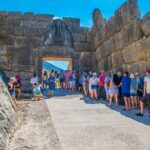
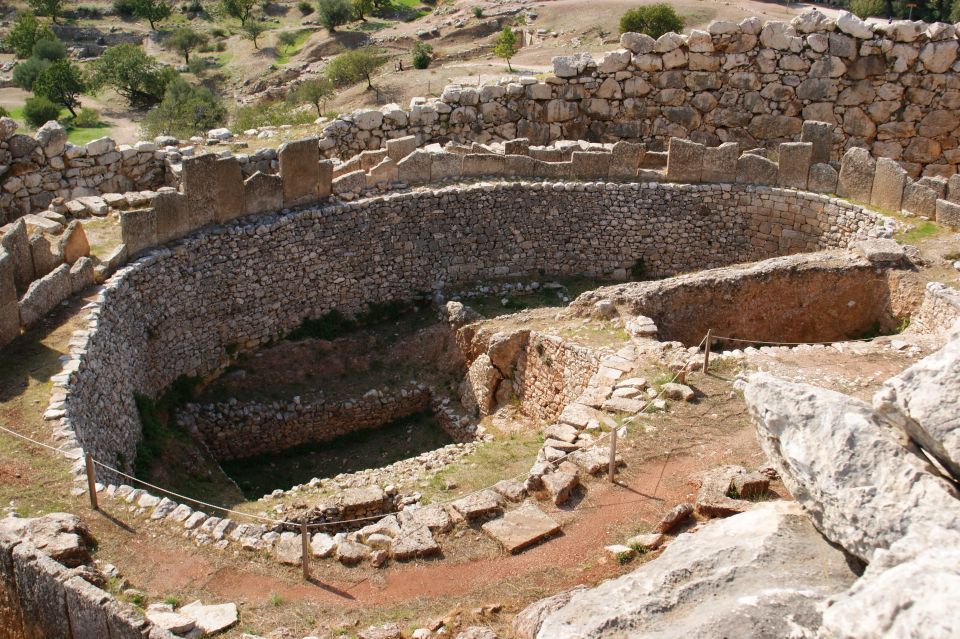
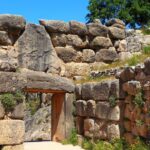
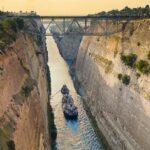
Day 1 starts with a scenic westward drive and a short stop at Corinth Canal, where the views make even the quick pause feel worthwhile. After that, you head to Mycenae, often described through Homer’s lens—think the mythical kingdom of Agamemnon and the feeling of power that comes from being a central player in the story.
At Mycenae, the guided time is where the value shows. It’s not just walking around; you learn how Mycenae fits into the wider Greek myth-and-history picture. You also get free time for lunch on your own, so you can either grab something simple nearby or pace yourself before the next stop.
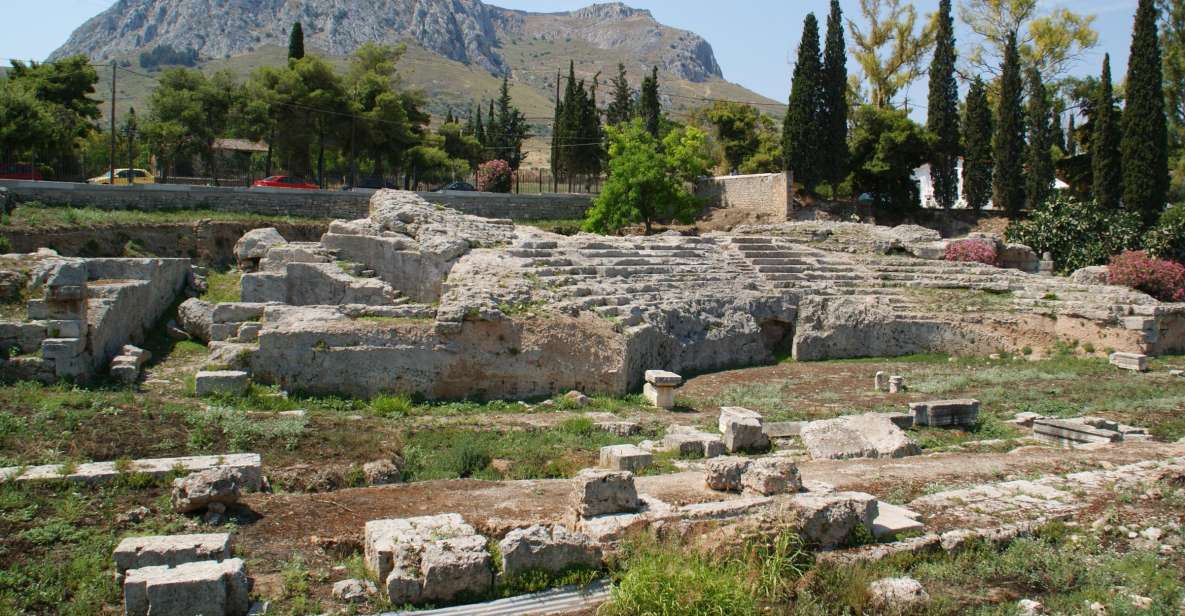
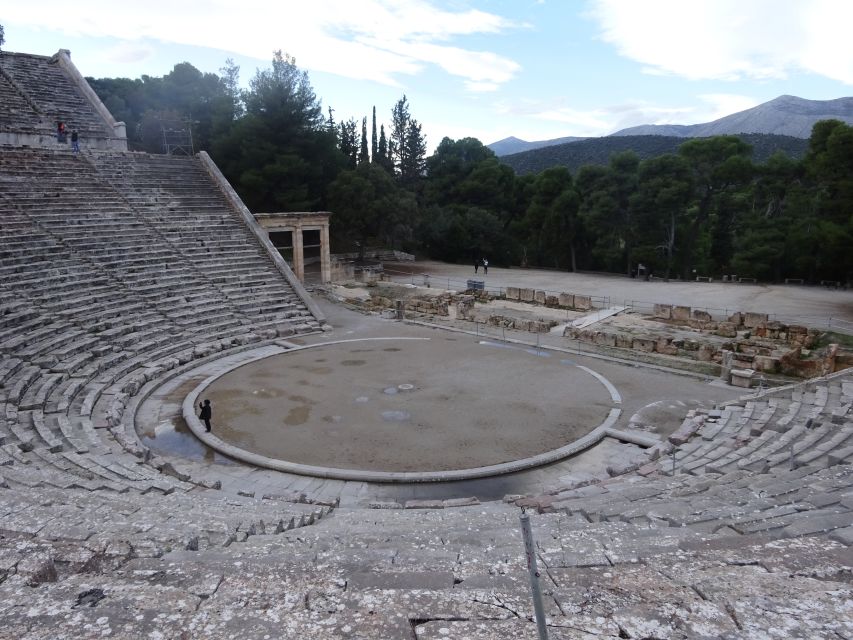
Then comes Epidaurus, with the theatre at Palaia Epidaurus (called Nesi on the headland). This is one of the strongest “wow” moments on the whole trip because the theatre is so well preserved and famous for exceptional acoustics. You’ll see the seating arrangement and limestone construction, plus the design of the stairways. Even if you’re not into theatre history, it hits because it’s still readable as a space built for performance.
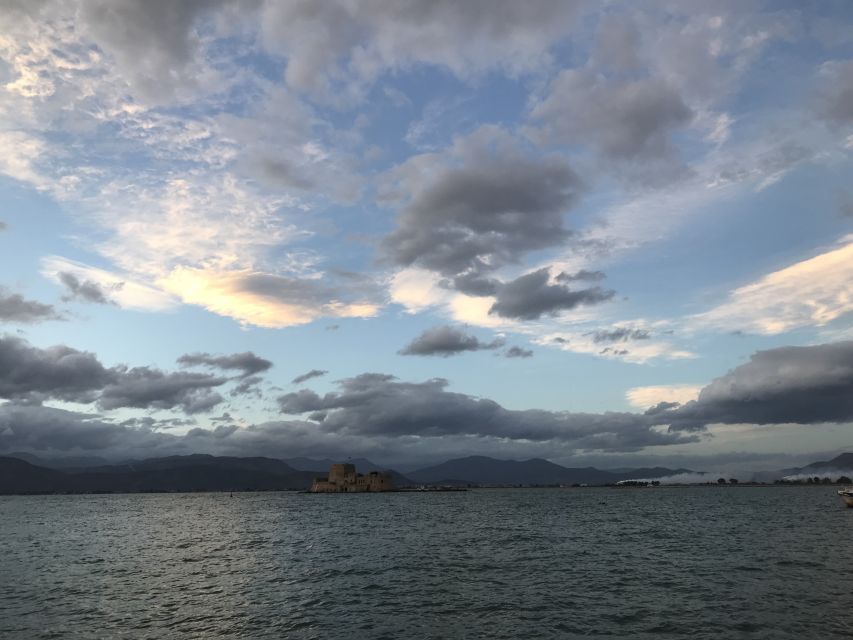
You’ll also stop in Nafplio for free time. It’s a good reset after the ancient-site focus—walk a bit, stretch your legs, and reset your brain before hotel check-in.
Practical takeaway for Day 1: wear comfortable shoes. You’ll be moving around ruins and open areas, and you want your feet ready for the next day’s longer driving.
Day 1 onward: Your first hotel night (and the Olympia possibility)
The tour is designed as three nights in 4-star hotels on a half-board basis. Dinner is at the hotel each night, and breakfast is included.
One important nuance: the itinerary notes that there is a possibility your first overnight could be provided in Olympia. That doesn’t change the big picture—this is still a structured route—but it can affect how you feel about timing and which towns you get the most evening atmosphere in.
Day 2: Olympia, the Stadium Focus, and Bridge-Watching to Delphi
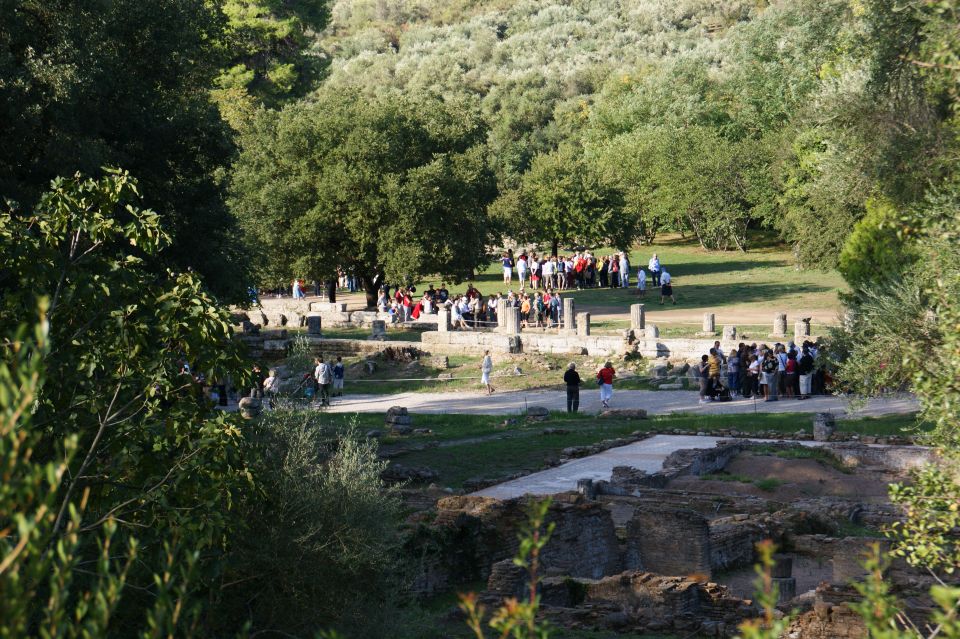
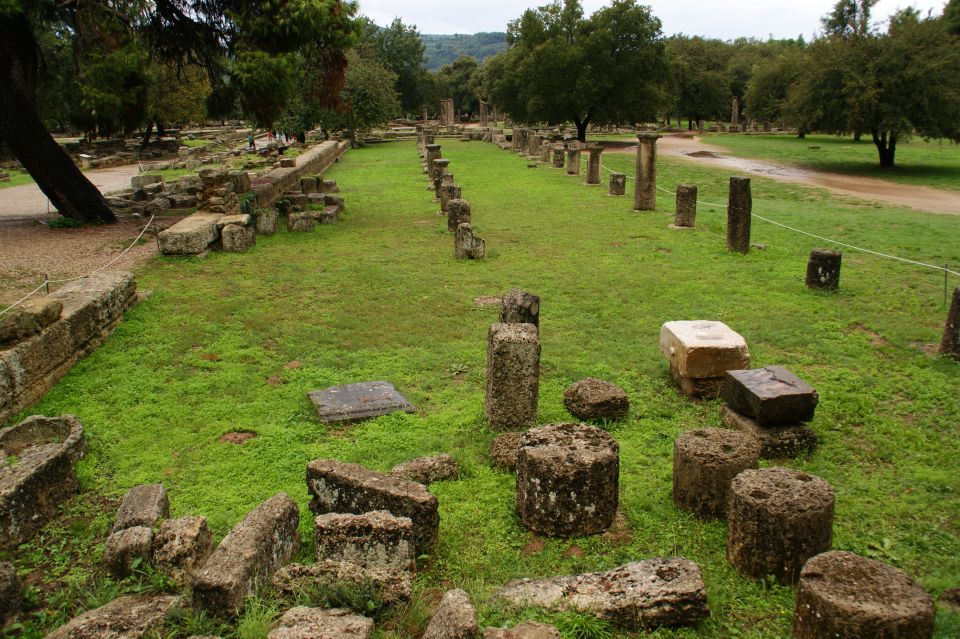
After breakfast, you head to Olympia, presented as the most celebrated sanctuary of ancient Greece and the religious and athletic hub tied to the Olympic Games honoring Zeus. This is the day where many people feel ancient Greece becomes physical and competitive, not just mythical.
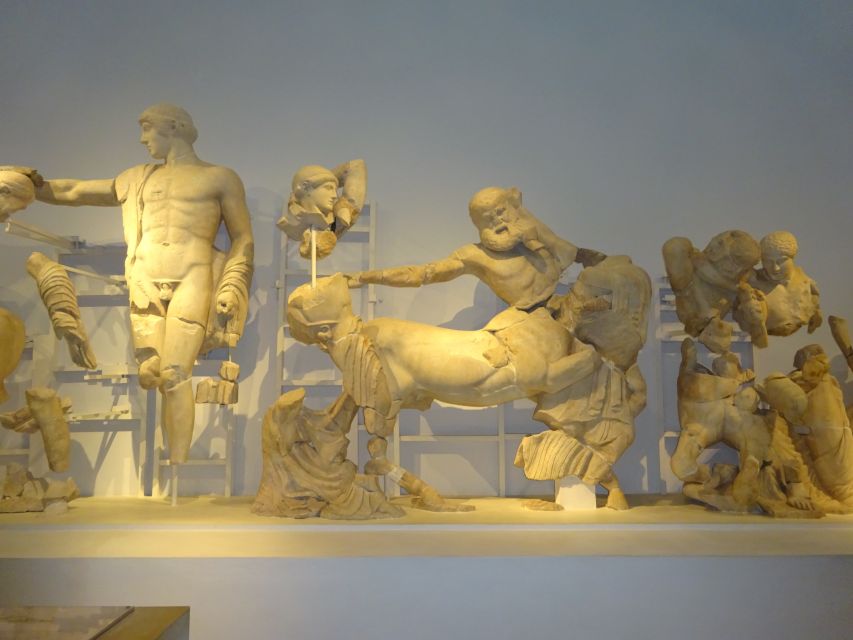
You’ll visit the Archaeological Site of Olympia and the museum with guided time. The stadium area is the main stage, and the museum context helps explain why this site mattered beyond one festival.
Then the route shifts into “Greece today” geography with a drive that includes the passage via Patras and the modern crossing from Rion to Antirion on the suspended bridge. It’s a different kind of engineering story from the ancient ones, and it gives your eyes something new between archaeological stops.
You’ll arrive in Nafpaktos for a drive-through moment (more of a scenery pass than a long stop), and then continue on to Delphi, with dinner and overnight.
Practical takeaway for Day 2: this is a full day built around big sites, so don’t treat it like a casual sightseeing stroll. If you’re prone to fatigue from motion or long coach rides, pace your energy on the bus and keep water and snacks in mind for your own comfort (lunch isn’t included).
Day 3: Delphi’s Oracle Territory and the Charioteer Museum Highlight
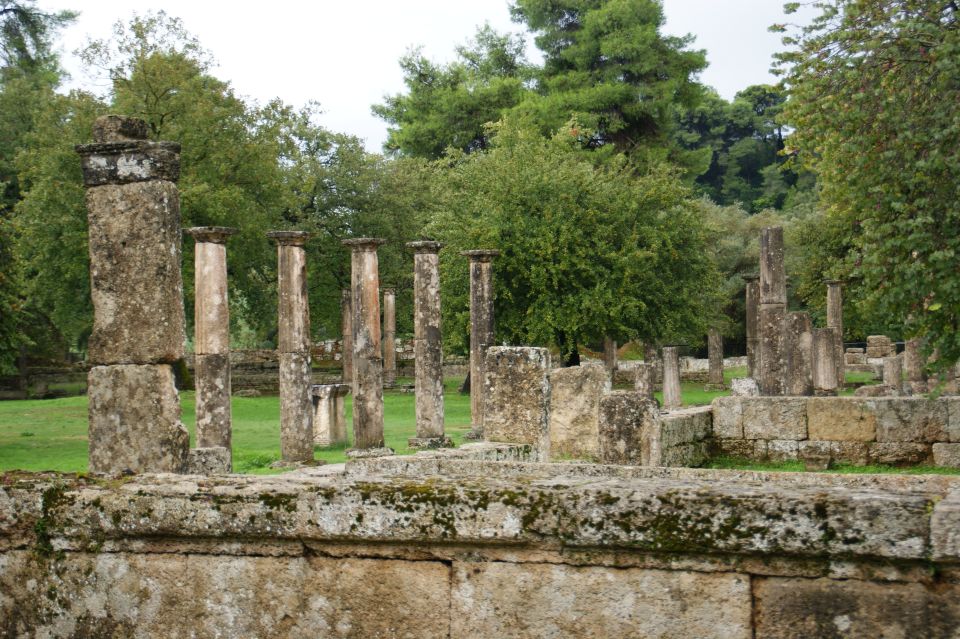
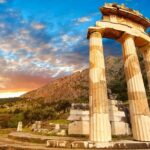
Delphi is one of those places where a guided approach really helps. You’re at the foot of Mount Parnassos, within the landscape formed by the twin rocks of the Phaedriades, and the sanctuary setting makes the oracle idea feel believable.
You’ll get guided time at the Delphi archaeological site and then also the museum. The museum visit is where you see one of the most specific highlights mentioned on this tour: the bronze statue of the Charioteer, dedicated to Apollo by Polyzalos, tyrant of Gela, dated to 478 B.C. after winning the chariot race at the Pythian Games. That’s not a vague “cool artifact.” It’s a story you can hold in your head, because the guide frames what it means and why it exists.
After Delphi visits, you continue to Kalambaka, with dinner and overnight—this is the staging town for Meteora the next day.
What to watch for on Day 3: museum time plus outdoor walking time can feel like a lot in one day. Bring your sun protection and plan for uneven ground. The good news is you’re transitioning to Meteora, so the payoff is close.
- All Day Cruise -3 Islands to Agistri,Moni, Aegina with lunch and drinks included
★ 5.0 · 4,958 reviews



Day 4: Meteora Monasteries on Rock Tops and the Thermopylae Photo Stop
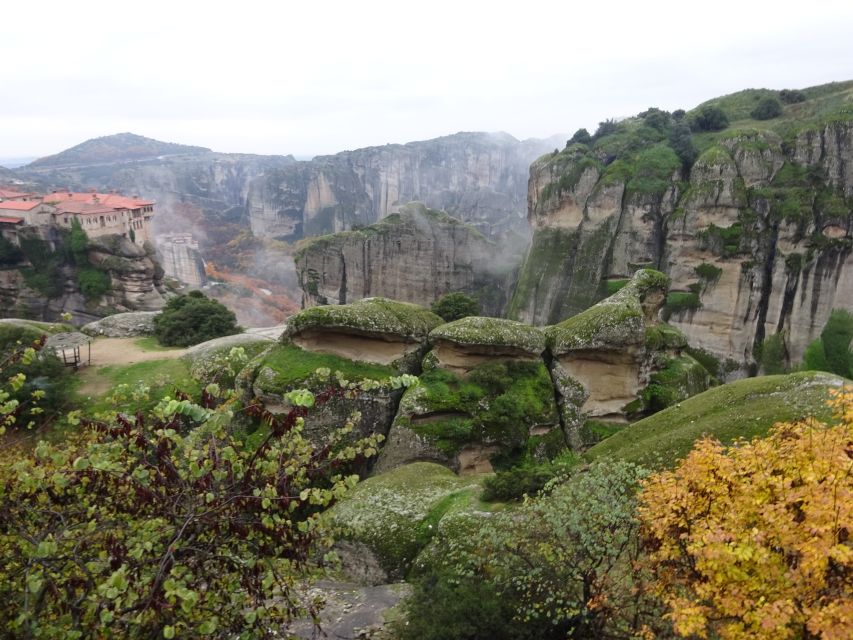
Meteora is the day most people remember. The tour explains it as the name for monasteries “suspended in air,” and it’s also the broader rock community of monasteries. You’ll visit two monasteries, which gives you enough variety in views and atmosphere without making the day impossible.
What makes Meteora special is the human engineering. Monks descended in nets or used retractable wooden ladders up to about 40 meters long to work fertile valleys below for agriculture. That backstory helps you understand why the monasteries developed as communities, including the Grand Meteoron becoming dominant by the end of the 14th century.
You also get the UNESCO angle here: the rock monastery phenomenon is recognized as a unique cultural heritage set within dramatic geology.
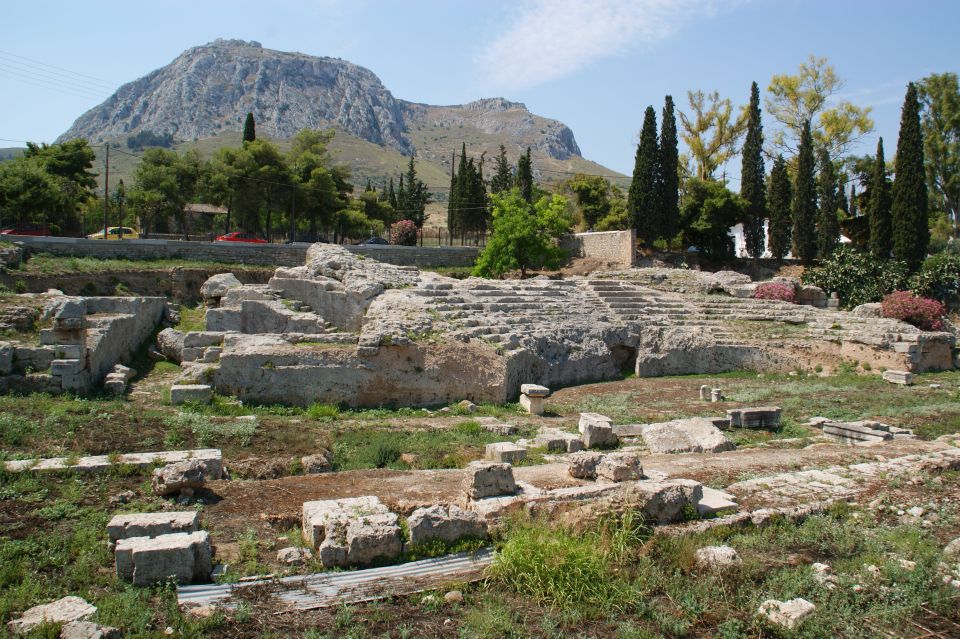
After the Meteora visits, you start the drive back to Athens. You pass through Thermopylae for a photo stop. This is quick, but it’s a useful emotional bookmark on the way home—because you’ve just done one of Greece’s most cinematic landscapes (Meteora), and now you’re back to another iconic scene in the national memory.
The tour returns to Athens around 19:00.
Meteora practical takeaway: pack the right clothes. The tour notes that at monasteries:
- men must wear long trousers
- women must dress or wear skirts
If you don’t meet that, you might end up scrambling to buy something at a hotel or being restricted at the entrance—so plan early.
Hotels, meals, and the half-board reality
You’ll stay 3 nights in 4-star hotels, with dinner and breakfast included. Hotels also get a solid amount of praise in the feedback you provided, with many people describing the accommodations as comfortable and the buffet meals as at least decent.
Still, there’s a pattern worth planning for. Hotel dinners and breakfasts are included, but lunch isn’t. That means:
- You’ll likely do a lot of buffet-style meals.
- If you’re picky about food, you may want to treat dinners as “included fueling,” not destination dining.
- Some meal stops have been called out as average in places, so don’t build expectations around restaurant excellence.
If you love food, this tour works best when you use your free time strategically—like the Nafplio free time—to grab an extra coffee or light lunch option on your own.
Value for $747: What you’re really paying for
At $747 per person for 4 days, you’re paying for the hard parts: long-distance logistics, a licensed guide, transport, and admission costs.
Here’s how the value stacks up based on what’s included:
- Entry fees to attractions and museums (major sites are rarely cheap).
- A licensed guide with headphones during visits, which matters at big sites like Olympia and Delphi where context changes everything.
- 3 nights in 4-star hotels.
- Breakfast and dinner at the hotel.
- Air-conditioned coach + driver, with Wi‑Fi on the bus.
What’s not included:
- Lunch and drinks.
- Environmental fee €10 per room per night, paid directly to the hotel reception.
So for the price, you’re buying convenience plus interpretation. This is the difference between seeing ruins as piles of stone and seeing them as places with purpose. If you’re the type who gets restless without a plan, the structure pays off fast.
If you’re the type who wants maximum freedom, minimum driving, and the best food at each stop, you may prefer a slower self-guided style trip.
Practical tips that make the difference
This tour gives you a lot of walking and a lot of clock management. Here’s how to keep it comfortable:
Shoes and clothing
- Wear comfortable shoes with good grip.
- Bring a sun hat.
- The tour also suggests a long-sleeved shirt and long pants—especially for Meteora rules.
Motion and day length
- The tour isn’t recommended for people with motion sickness or claustrophobia. Even if you’re usually fine, the long coach days on windy roads can wear you down.
- If you know you’re sensitive to buses, consider booking another style of travel.
Luggage and storage
- You’re allowed one medium suitcase and one small carry-on bag for multi-day tours.
- Oversize luggage isn’t allowed, and there are restrictions on what you can bring onto the vehicle.
How the guide can shape your experience
From the names mentioned—Eustasis, Rose, Xenia, Joy, Christina, Joy again, and others—the strongest comments keep circling back to storytelling and keeping everyone moving on schedule. That’s the main reason a tour like this lands well for history fans. If you don’t enjoy guided narration, plan to balance it with your own exploring during free-time pockets.
Should you book this tour?
I’d book this if you want a tightly organized, high-coverage introduction to ancient Greece that includes the key stops many people travel here for, plus Meteora on the final day. It’s also a good fit if you want a guide who can connect the dots—Homeric myth at Mycenae, theatre and acoustics at Epidaurus, the stadium focus at Olympia, and the oracle world at Delphi.
I’d think twice if you’re chasing a slow, flexible vacation with long meals out. Lunch and hotel-food repetition can feel limiting, and the long driving days aren’t for everyone—especially if you get motion sickness or dislike busy group logistics.
FAQ
FAQ
What does the tour price include?
The tour includes an air-conditioned bus, a licensed guide, headphones during attraction visits, entrance fees to attractions and museums, 3 night stays at 4-star hotels, dinner and breakfast at the hotel, Wi‑Fi on the coach and at the hotel, and hotel pickup service from selected central Athens hotels with bus access.
Are lunches included?
No. Lunch and drinks aren’t included. There is free time for lunch on your own on Day 1, and your other meal options will depend on the schedule.
Is there an extra fee I should expect?
Yes. An environmental fee of €10 per room per night is paid directly to the hotel reception.
What should I wear for Meteora monastery visits?
Men must wear long trousers. Women must dress or wear skirts. The tour also advises bringing long pants and a long-sleeved shirt for comfort.
Where do I meet the group in Athens?
The meeting point is Hotel Amalia Athens at 8:30 AM. Optional pickup is available from selected Athens central hotels where the bus can access, starting at 07:30 and ending at 08:15.
Is this tour suitable for wheelchair users or limited mobility?
No. It’s not suitable for people with mobility impairments or wheelchair users, and it’s also not recommended for people with claustrophobia, motion sickness, or for those over 80.
More 4-Day Experiences in Athens
More Tours in Athens


More Tour Reviews in Athens
- All Day Cruise -3 Islands to Agistri,Moni, Aegina with lunch and drinks included
★ 5.0 · 4,958 reviews