REVIEW · ATHENS
Athens: Traditional Greek Pastry Workshop
Book on GetYourGuide →Operated by Travel Love Athens · Bookable on GetYourGuide
That orange-syrup smell hits fast. In this Athens pastry workshop, I love the fact that you make Portokalopita step by step and taste it with the kind of Greek coffee locals actually enjoy. I also like how small the group is, so Chef Maria and her team can slow down when you need it. One drawback to plan for: there’s no transfer, so you’ll want to get to Psyri square on your own.
You’ll start in a traditional pastry shop in a lively Athens neighborhood and warm up with a quick look at local sweets before hands-on prep begins. Then Chef Maria guides you through the full process for siropiasto orange pie, from mixing to baking to that signature orange syrup soak. It’s a fun break from standard sightseeing because the focus stays on your hands, your questions, and the smells of the oven.
You’re in good shape if you like practical food experiences and you don’t mind getting a little flour on your sleeves. Wear comfy clothes that can get dirty, and treat this like a workshop, not a museum tour. If you want a pastry class that also covers lots of different desserts, this one may feel tightly focused (it’s mainly about Portokalopita).
In This Review
- Key highlights worth your attention
- Psyri square: where the workshop actually starts
- Chef Maria, Oral, and a small-group vibe you can feel
- Your mission: Portokalopita and the siropiasto orange pie method
- Step-by-step baking: mixing, syrup, and what you learn by doing
- Taste the result with Greek coffee, then bring some home
- Duration and pacing: 2.5 hours that don’t drag
- Price and value: is $106 worth it?
- Who should book this workshop
- Practical tips to make the most of your class
- Should you book the Athens Traditional Greek Pastry Workshop?
- FAQ
- Where is the meeting point for this workshop?
- How long does the workshop last?
- How much does it cost?
- Is it a small group?
- Who teaches the workshop, and what language is used?
- What do I make during the workshop?
- What is included in the price?
- What is not included?
- What should I wear or bring?
Key highlights worth your attention
- Portokalopita, made from A to Z with Chef Maria’s direct guidance
- Small group size (max 6) for real hands-on help
- Orange pie + syrup technique so you understand what makes it siropiasto
- Greek coffee tasting paired with your baked result
- Take-away tray included so you can bring some home (if you confirm what’s practical for your situation)
- English instruction with friendly, patient hosts like Maria and Oral
Psyri square: where the workshop actually starts
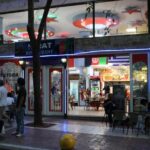
Meeting at Psyri square puts you in a part of Athens that feels lived-in, not staged for tourists. You’re not just joining a class in a kitchen somewhere anonymous; you’re showing up to a traditional pastry shop where people take sweets seriously. That matters, because the atmosphere helps you relax and focus once the mixing bowls come out.
From a practical angle, this is also one of the reasons I’d plan this early enough in your day (or after lunch). The workshop runs about 2.5 hours, so you don’t want to lose time hunting for the meeting spot. And since there’s no transfer included, build in extra margin the first time you’re navigating central Athens.
If you like knowing where you are before you arrive, you’ll probably appreciate that the team has helped past guests get their bearings with clear directions to the shop. I’d still recommend having the meeting-point address saved offline on your phone, just in case your connection is spotty.
You can also read our reviews of more tours and experiences in Athens
Chef Maria, Oral, and a small-group vibe you can feel
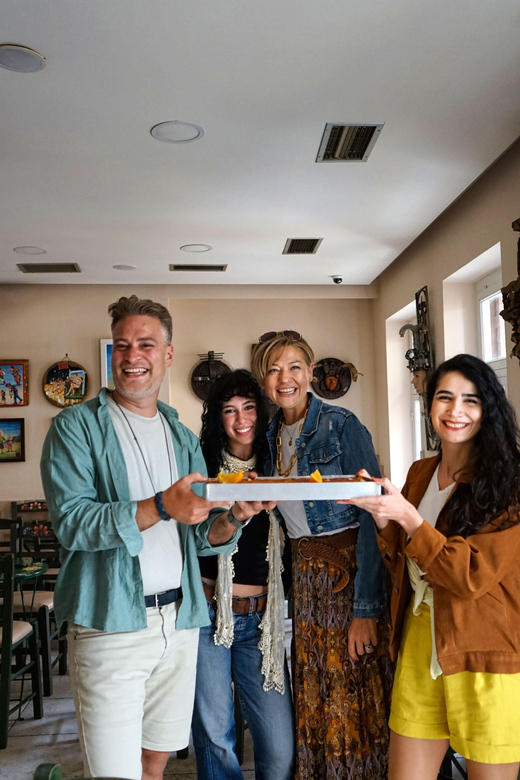
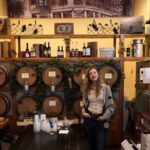
The magic here isn’t just the recipe. It’s the way the team teaches. Chef Maria leads the process, and Oral (and the wider team) help keep things running smoothly and answer questions as you work. In one case, a guide named Sarisoy helped the group settle in and make the experience feel even more comfortable.
Because the group is limited to 6 participants, you’re not stuck watching from the sidelines. You get time at the workstations, and you can ask why something works a certain way—especially during the trickier steps like getting the phyllo ready to absorb syrup evenly. That small group setup also makes the workshop feel more like a friendly class than a rushed production line.
One more real-world bonus: multiple guests described the hosts as welcoming and patient, and there’s at least one mention of accommodating mobility needs. That doesn’t mean every situation will be identical, but it’s a reassuring sign that the team pays attention to how people participate.
Your mission: Portokalopita and the siropiasto orange pie method
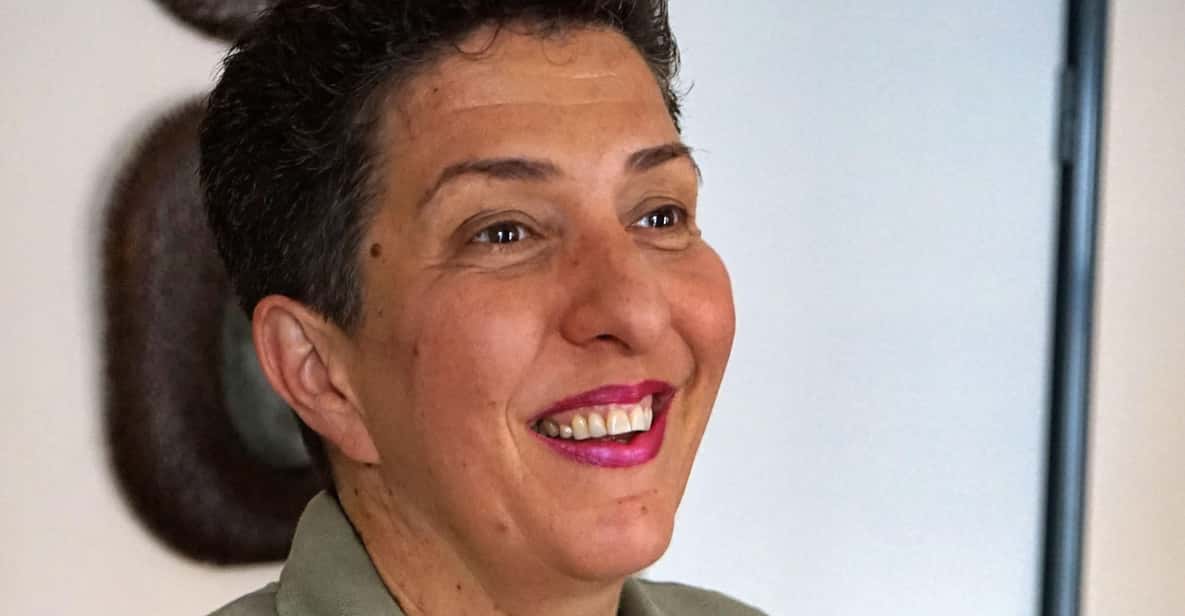
This workshop is built around one dessert: Portokalopita, described as a siropiasto orange pie. That Greek word “siropiasto” is the key idea. It’s not just a baked orange cake—it’s a cake (or pie) that soaks up syrup, so the flavor stays bright and the texture becomes tender.
You’ll learn the recipe from A to Z, which is the difference between watching someone else bake and actually understanding what to do. The process starts with an exploration of local sweets, then moves into making your own dessert under supervision.
Expect to handle the ingredients yourself. You’ll mix and prepare the batter and syrup components, then bake it fresh. After baking, you’ll taste what you made, and you’ll also take some home on a take-away tray.
Also, this is a recipe you can realistically repeat. Greek desserts like this are built from ingredients you can find in many countries (flour, eggs, sugar, phyllo, citrus). Even if exact brands differ, you’ll come away knowing the method and the why, not just copying a single outcome.
Step-by-step baking: mixing, syrup, and what you learn by doing
The heart of Portokalopita is the orange syrup and how it interacts with the baked pastry. That’s why the workshop isn’t only about mixing. You’ll also learn the sequence that makes the dessert work: what gets prepared first, what needs to cool or warm, and how the final bake sets up the syrup absorption.
From the details guests have shared, you’ll likely work through things like:
- whipping eggs with oil and sugar to reach a light, foamy consistency
- preparing the orange syrup that becomes the signature soak
- working with phyllo (filo) dough, including attention to how it’s handled so it absorbs well
The pastry shop team explains these steps in a practical way. In other words, they don’t just say do it. They explain what you’re aiming for—so you can recognize the right texture while you’re working.
A nice touch is that you’re not doing this in silence. Past participants described chatting with the hosts while waiting for baking times, and that kind of back-and-forth makes the class feel personal. It turns the workshop into an actual cultural moment, not just a cooking task.
One small caution: this is hands-on and you might get a little messy. Plan on comfortable clothes, and don’t wear anything you’ll regret staining. That’s not a warning to scare you—it’s the honest reality of working with dough.
Taste the result with Greek coffee, then bring some home
When the cake comes out, you’ll get to taste it with Greek coffee. This pairing is part of the experience because it changes how you perceive sweetness and citrus. If you like coffee drinks, this is a solid chance to see how Greeks balance strong coffee flavors with syrup-soaked desserts.
You’re also taking away your baked product. The listing includes a take-away tray, which is a big part of the value. Still, if you’re bringing it for someone specific or you have a storage/transport situation, I’d treat it as a good moment to ask the team exactly how they expect you to carry it.
That’s especially true because at least one guest wanted the take-home part to be clearer. That doesn’t mean it’s impossible. It just means you should confirm what will be packed and how much effort you’ll need if you’re walking back to your hotel.
If you want the social payoff, this is when it happens. The workshop wraps with tasting your work, and the hosts often keep the conversation going—so you end the experience with more than a recipe. You leave with a memory of the shop, the people, and the smell of orange syrup that has no interest in staying subtle.
- All Day Cruise -3 Islands to Agistri,Moni, Aegina with lunch and drinks included
★ 5.0 · 4,958 reviews






Duration and pacing: 2.5 hours that don’t drag
2.5 hours is a sweet spot. Long enough for real technique, short enough that it doesn’t swallow your day. The class is structured so you start with local sweets, then move into prep and baking, then finish with tasting.
Because this is hands-on, the pacing matters. You’ll want to arrive ready to work, not arriving late after a sprint through the city. If you keep your schedule calm around the workshop window, you’ll feel the difference immediately: less rushing, more learning.
Also, since it’s in English, you can ask questions freely during the process. That can be especially helpful for texture-related tips—like what consistency you should aim for when mixing or why the syrup timing matters.
Price and value: is $106 worth it?
At $106 per person for about 2.5 hours, the question isn’t whether you pay a fair price. It’s what you get for the cost. Here, the value is tied to the setup:
- ingredients are provided as a set
- you get supervision from a professional pastry chef
- it’s a real cooking workshop, not a demo
- you get Greek coffee
- you receive a take-away tray
That combination matters because you’re not paying just for the recipe. You’re paying for access to a working pastry shop environment, ingredient cost, and teaching time.
Is it cheaper than buying Portokalopita at a bakery? Sure—you can always buy dessert. But you’re not buying the same thing. Here you’re investing in a skill you can repeat and a method you can share with friends and family back home.
If you’re the type who enjoys cooking and wants a vacation story that isn’t just photos, this price starts to make sense. If you’re not into cooking at all and only want to taste, you might decide this is more activity than you need.
Who should book this workshop
I’d strongly consider it if you:
- want a hands-on Greek food experience in Athens
- like learning one focused recipe deeply
- enjoy small-group classes where you can ask questions
- want a true break from the standard walking-tour format
It’s also great for families, based on at least one experience shared by a parent and child. The class gives you something concrete to do—rolling up sleeves, mixing, waiting for baking, tasting your result.
You might pass if:
- you want a pastry class that covers many different desserts beyond Portokalopita
- you dislike getting even slightly messy
- you don’t have an easy way to reach Psyri square on your own since transfers aren’t included
Practical tips to make the most of your class
A little prep makes the workshop smoother.
- Wear comfortable clothes you don’t mind dirtying. Phyllo and dough work can be a little unpredictable.
- Bring your questions. If you’re curious about how syrup changes texture, ask.
- Plan your timing. 2.5 hours moves quickly once you’re mixing and baking.
- Take a photo of your finished setup—especially before you start tasting. It helps you remember proportions and technique for later. (Guests have specifically mentioned that photos are welcome during the process.)
- Confirm the take-away approach if you’ll have trouble transporting food. The tray is included, but it’s smart to understand what that looks like for you.
Finally, don’t treat it like a strict lesson only. The best part is that you’re with real people in a pastry shop. In past experiences, the hosts encouraged conversation—travel stories included—and that makes the class feel warm rather than mechanical.
Should you book the Athens Traditional Greek Pastry Workshop?
Yes, if you want a focused, hands-on Athens food experience where you actually learn the method. I’d book it for the Portokalopita technique, the small-group teaching, and the chance to finish with Greek coffee while eating what you made. At $106, the value comes from ingredients, chef supervision, and the fact that you leave with a take-away tray plus a repeatable recipe.
Skip it if you only want to taste without touching dough, or if getting to Psyri square without a transfer is a hassle for your day. But if you’re planning time in central Athens and you like cooking, this is one of those activities that turns into a real story you can share long after the last bite.
FAQ
Where is the meeting point for this workshop?
You meet at Psyri square.
How long does the workshop last?
The duration is 2.5 hours.
How much does it cost?
The price is $106 per person.
Is it a small group?
Yes. The group is limited to 6 participants.
Who teaches the workshop, and what language is used?
A professional pastry chef teaches, and instruction is in English.
What do I make during the workshop?
You make traditional Greek Portokalopita, described as an siropiasto orange pie, taught from A to Z.
What is included in the price?
Included: a set of ingredients, professional pastry chef supervision, the cooking workshop, Greek coffee, and a take-away tray.
What is not included?
Not included: transfer and anything extra.
What should I wear or bring?
Wear comfortable clothes and clothes that can get dirty.




More Workshops & Classes in Athens

More Tour Reviews in Athens
- All Day Cruise -3 Islands to Agistri,Moni, Aegina with lunch and drinks included
★ 5.0 · 4,958 reviews