REVIEW · ATHENS
Athens Private Walking Food Tour With Secret Food Tours
Book on Viator →Operated by Secret Food Tours · Bookable on Viator
Food in Athens tells stories fast. This private walking food tour strings together Greek cooking history and very practical street-level eating, with stops tied to Roman Athens and the Acropolis hillside. You’ll try dishes shaped by outside influences like the Ottoman world and the Roman Empire, without sitting in a museum chair.
I love how much you get for your time: all food is included, plus you’re not just sampling one thing at a time. And I like that the route is built around real neighborhoods and markets, so the tour feels like Athens at “human speed,” not a checklist. One thing to consider: it’s a walking tour that requires good weather, so plan for some pavement time (and wear shoes you trust).
In This Review
- Key Things to Know Before You Go
- Athens Street Food as History: Why This Walk Works
- Private Tour = Your Group’s Rhythm (Not a Mass Schedule)
- Monastiraki to Avissinias: Shopping Streets Before the First Bite
- The Market Stop: Seafood, Produce, and Street-Eat Energy
- Roman Ruins by Hadrian: Eating With the City’s Timeline in Mind
- Around the Acropolis Slopes: Labyrinth Streets and Neoclassical Edges
- The Full Menu: What You’ll Actually Taste
- Breads, Pastries, and the Athens Crunch
- Tzatziki and Fava: Creamy, Tangy, and Boldly Greek
- Seafood, Saganaki, Olives, and Olive Oil
- Dessert Finish: Bread Galaktoboureko
- How to Make the Most of Tastings (Even If You’re a Picky Eater)
- Timing and Walking Reality: What 3 Hours Feels Like
- Transportation and Practical Logistics (So You Don’t Lose Time)
- Price and Value: Is $397.59 Worth It?
- Who This Tour Suits Best
- Should You Book This Private Walking Food Tour?
- FAQ
- How long is the Athens private walking food tour?
- What’s included in the price?
- Where does the tour start and end?
- Is this tour private?
- Will I get confirmation after booking?
- Do I need good weather?
- What happens if the minimum number of travelers isn’t met?
Key Things to Know Before You Go

- Private pacing means the walk and stops can work around your group and walking speed.
- All tastings included, from breads and pastries to seafood, fava, olives, and dessert.
- Historic stops include a Hadrian-era complex tied to the city’s layered past.
- Monastiraki start point puts you close to transit and keeps the tour easy to plug into a day.
- Local guide energy is a big theme, with guides praised for patience and keeping everyone included.
Athens Street Food as History: Why This Walk Works
Athens is famous for ruins, but the city’s food is a parallel timeline. Even before you eat, the route sets you up to notice how old empires and trade routes left fingerprints on what people cooked—ingredients, techniques, and the habit of eating well outside the home.
This tour is interesting because it turns that idea into something you can actually taste. You’ll go from shopping streets and market stalls to Roman remains, then into older lanes near the Acropolis. Along the way, the guide connects the dots between what you’re eating and why it became part of everyday Athens.
You can also read our reviews of more walking tours in Athens

Private Tour = Your Group’s Rhythm (Not a Mass Schedule)
A private setup changes the whole feel. Instead of “everyone follows the leader,” you get a route that can flex for your group’s pace and preferences. That matters in Athens, where you’ll be crossing busy pockets of the city and stepping through narrow lanes that aren’t built for lingering at every corner.
Guides like Ilias and Thalia are repeatedly noted for patience and for making sure no one gets left behind, including when groups include different walking speeds. You’ll also get a “local life” angle that makes the city feel less like a stage set and more like a real place people live in.
Monastiraki to Avissinias: Shopping Streets Before the First Bite
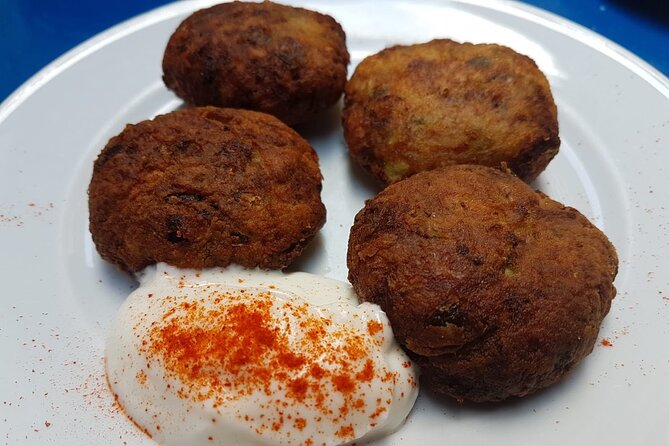
The tour starts at Monastiraki Flea Market near Ifestou Street, and that matters because Monastiraki is where visitors naturally gather. But the tour doesn’t just stay in the obvious tourist swirl. Early on, you’ll move through a principal shopping area with clothing boutiques, souvenir shops, and specialty stores—exactly the kind of street that shows you how everyday commerce feeds the food culture around it.
One highlight in this early stretch is the area associated with Avissinias Vintage Square, where you can spot antique and precious-item shopping. The practical takeaway: you’ll get your bearings in the neighborhood before the first major tastings, so when you later see markets and side streets, you understand where you are and why the places feel connected.
The Market Stop: Seafood, Produce, and Street-Eat Energy
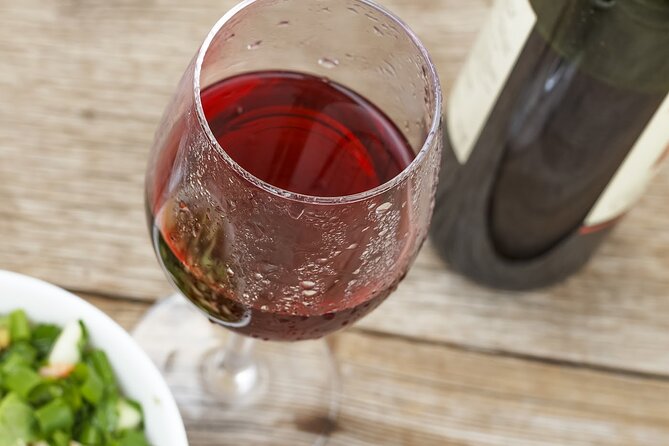
Next you’ll hit a bustling market area known for locally sourced seafood, meats, fruits, and vegetables. This is where the tour stops being theoretical. You’ll see ingredients in motion—people buying for dinner, vendors setting up, and food that looks like it came straight from today’s deliveries.
Market food has its own language, and the guide helps you read it. Instead of random “try this, try that,” the tastings are tied to the flavors Athens is proud of: creamy dips, warm breads and pastries, and simple pairings like cheese, oil, and olives.
If you’re the type who likes to understand what’s in the dish before you order later, this market stop is the part you’ll remember most. You’ll walk away thinking in ingredients, not just names.
Roman Ruins by Hadrian: Eating With the City’s Timeline in Mind
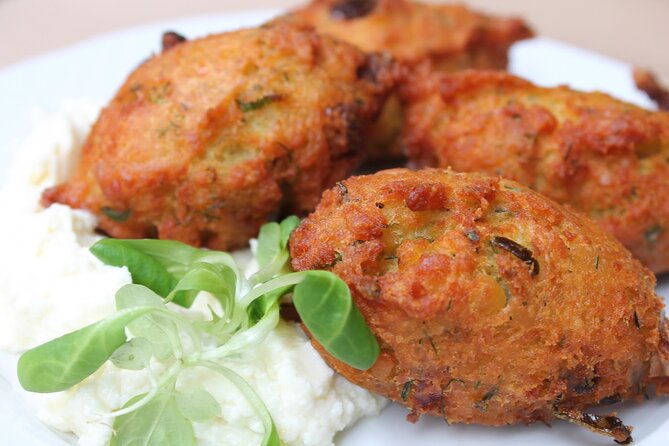
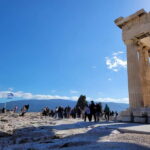
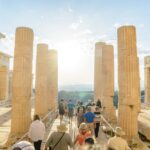
One of the most memorable jumps in the route is the stop at Roman ruins, including a library and cultural complex built in 132 CE by Emperor Hadrian. Athens already has a strong “ancient” aura, but this kind of stop gives you a specific landmark to hang the story on.
What I like about including this section is the contrast. You go from the energy of markets and food to the stillness of stone. That pause makes the food-history connection feel real, not forced.
The tour’s larger theme is that Greek cuisine didn’t evolve in isolation. Empires influenced ingredients and tastes, and Athens absorbed those shifts over centuries. When you later eat items linked to those layers—pastry styles, dairy-forward dishes, and the constant role of olives and oil—you’ll be more likely to notice how the flavors fit into a longer pattern.
You can also read our reviews of more food & drink experiences in Athens






Around the Acropolis Slopes: Labyrinth Streets and Neoclassical Edges
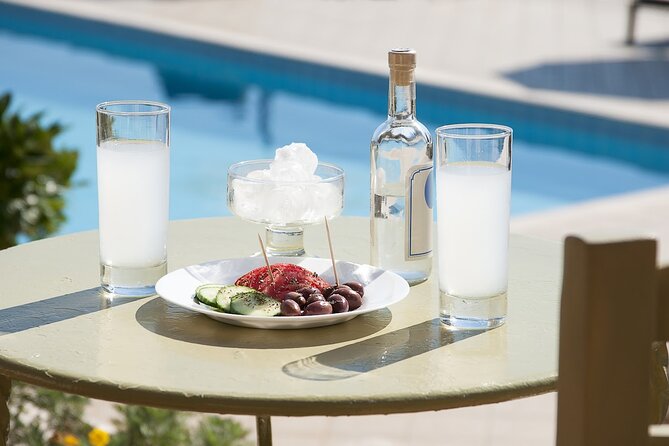
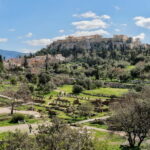
Later, you’ll move into an old neighborhood of Athens clustered around the northern and eastern slopes of the Acropolis. This is the area of labyrinthine streets—tight lanes, quick turns, and the kind of walking that makes Athens feel intimate even though it’s a big city.
You’ll also see neoclassical architecture mixed in with the older street grid. That combination is a good match for the tour’s food approach: traditional flavors that live inside an urban landscape that has kept reshaping itself.
This part tends to be where the tour becomes more than eating. It’s where you get those “I get why Athens is Athens” moments: the way people move, where sidewalks widen, and how neighborhoods create their own food habits over time.
The Full Menu: What You’ll Actually Taste
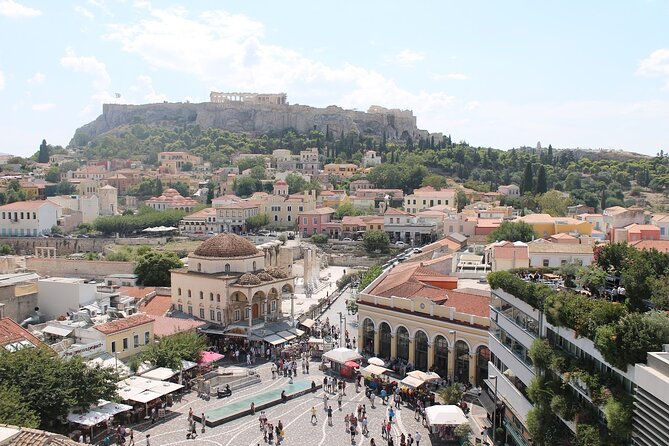
The price includes all food, and the tastings are more of a real meal arc than a few token samples. Here’s the lineup you can expect as part of the tour’s plan:
Breads, Pastries, and the Athens Crunch
You’ll start with koulouri, an Athens sesame bread often sold as a street snack. It’s a great first step because it’s simple, portable, and instantly connects you to the city’s everyday eating.
Then comes tiropita, a traditional cheese pastry. Cheese pastries are one of Greece’s comfort staples, and this one helps anchor the tour in savory, familiar textures before you move into dips and hot bites.
Tzatziki and Fava: Creamy, Tangy, and Boldly Greek
You’ll taste tzatziki, usually made with yogurt, garlic, and cucumber flavors. It’s cooling and bright, and it also acts like a “flavor map,” helping you pick out what comes next.
You’ll also get fava beans purée, a classic Greek preparation. The texture is smooth and filling, and the taste leans hearty rather than light. If you like savory spreads, this is one of the stops that can change how you think about beans.
Seafood, Saganaki, Olives, and Olive Oil
Seafood is part of the menu, with fresh seafood included. That’s a big value point in Athens, because seafood tastings can get pricey if you’re doing them à la carte.
You’ll also have saganaki cesaria. Saganaki typically points to cheese that’s fried or cooked until it gets a firm, browned edge. Pair it with the olives and olive oil tasting portion and you’ll get a strong sense of how Athens uses fat, salt, and brightness to build flavor.
Dessert Finish: Bread Galaktoboureko
To end, you’ll have bread galaktoboureko, a sweet dessert in the galaktoboureko family. It’s a warm, custard-style sweetness that gives the tour a satisfying finish after savory bites.
There’s also a secret dish included. That’s the fun part for people who like surprises, and it also helps prevent the tour from feeling like a predictable menu you can copy on your own the next day.
How to Make the Most of Tastings (Even If You’re a Picky Eater)

You don’t have to be a food superfan to enjoy this tour, but you do get better results if you play a small strategy game. Start by deciding what you want most: seafood, vegetarian plates, creamy dips, or dessert. Then let the guide’s flow do the rest.
Because the food includes vegetables, olives, and fava on top of seafood, you’re not locked into only meat-heavy choices. Still, if you’re sensitive to dairy, seafood, or specific ingredients, it’s smart to mention it early in the walk, before the tasting timing gets tight.
If you’re the type who takes photos, this tour is also set up for good stopping points along the route. Guides like Thalia are praised for bringing people to nice photo spots, so you’ll likely get moments to capture the neighborhood without breaking the food rhythm.
Timing and Walking Reality: What 3 Hours Feels Like
The tour runs about 3 hours. That’s a sweet spot for Athens, where distances can feel longer than they look and where you’re stopping often enough that you’re not covering huge ground in one go.
Because the itinerary includes markets and older lanes near the Acropolis slopes, plan for uneven sidewalks and short stair steps that can come out of nowhere. You’ll also be outside, so a light layer helps even when the sun is doing its thing.
One practical heads-up: the experience requires good weather. If weather turns, the tour may be offered on a different date or refunded. In practice, that means you should avoid booking this as your one “must happen no matter what” slot on a day forecast you can’t trust.
Transportation and Practical Logistics (So You Don’t Lose Time)
Transportation isn’t included, and the tour starts and ends back at the same meeting area near Monastiraki Flea Market. You’ll want to plan your day so you’re already in that area before you begin, or you’ll spend time fighting transit and streets instead of eating.
The good news is that the meeting point is near public transportation. Once you’re there, the tour structure keeps you moving in a tight Athens pocket rather than stretching across the whole city.
Also, gratuity isn’t included, so if you like tipping your guide, plan for that. For a private tour where your guide is heavily involved in pacing and food explanations, it’s a normal part of the cost picture.
Price and Value: Is $397.59 Worth It?
At $397.59 per person, this isn’t a bargain-style food tour. But it’s also not “pay for walking and hope the food is enough.” Your money is going toward a private guide, about three hours of hosting, and—most importantly—all food included.
Think of it like this: in Athens, if you start adding up breads, pastries, seafood plates, spreads like fava, olive oil tastings, and a dessert, you’ll quickly hit costs that feel similar to the tour price—especially if you’re trying to do it in a coherent way without wasting time hunting for places.
The private element is where the value gets sharper. You’re paying for a guide who can keep your group together, adjust to pace differences, and explain what you’re eating in context, including historic stops. If you’re traveling with kids, multi-generation family members, or mixed taste preferences, the privacy can turn the price into something that feels fair fast.
Who This Tour Suits Best
This is a strong match for:
- People who want more than tourist dishes and prefer local, neighborhood-style eating.
- Couples, friends, and families who want a slower, more personal walk with food stops.
- Anyone who likes history but doesn’t want it only in ruins—food is part of the story here.
It’s less ideal if you hate walking, can’t handle outdoor time in changing weather, or expect a tour built around major monument interiors. This is street-level Athens with a history backbone.
Should You Book This Private Walking Food Tour?
If you’re planning an Athens day where you want to understand the city through food, I’d say yes. The combination of full tastings, a private guide setup, and stops tied to real parts of Athens—Monastiraki, market streets, and Hadrian-era Roman ruins—makes it feel focused instead of random.
Book it if:
- You want food included and a structured route that saves you decision fatigue.
- You like the idea of learning while you eat, not before or after.
- Your group will appreciate a guide who’s attentive and patient, like Ilias and Thalia are described as being.
Skip it if:
- You have no tolerance for walking time.
- You need something indoor-only.
- You’re traveling on a day with shaky weather and no flexibility.
FAQ
How long is the Athens private walking food tour?
The tour runs for about 3 hours.
What’s included in the price?
All food is included. You’ll have koulouri, tiropita, fresh seafood, tzatziki, fava beans purée, saganaki cesaria, olives and olive oil tasting, bread galaktoboureko, and a secret dish. Transportation and gratuity are not included.
Where does the tour start and end?
It starts at Monastiraki Flea Market (Ifestou, Athina 105 55, Greece) and ends back at the same meeting point.
Is this tour private?
Yes. It’s a private tour/activity, and only your group participates.
Will I get confirmation after booking?
You’ll receive confirmation within 48 hours of booking, subject to availability.
Do I need good weather?
Yes. The experience requires good weather. If it’s canceled due to poor weather, you’ll be offered a different date or a full refund.
What happens if the minimum number of travelers isn’t met?
If the minimum isn’t met, the tour may be canceled, and you’ll be offered a different experience/date or a full refund.


More Walking Tours in Athens

More Tours in Athens




More Tour Reviews in Athens
- All Day Cruise -3 Islands to Agistri,Moni, Aegina with lunch and drinks included
★ 5.0 · 4,958 reviews