REVIEW · ATHENS
Athens: Kerameikos Stone House Cooking Class
Book on GetYourGuide →Operated by Mama's Roots · Bookable on GetYourGuide
Cooking Greek food in Athens feels personal. In Kerameikos, you’ll cook in a real stone house and eat what you make in a garden setting, not a factory-style kitchen. One of the best parts is how hands-on it is, with you doing real prep and learning the little technique steps that make Greek cooking taste like home.
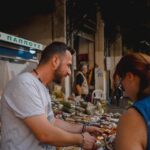
I especially love the market-and-ingredients approach. If you book a Tuesday, the Farmers’ Market is right in front of the place, and the group usually spends about 15 minutes choosing ingredients like locals do. The food you end up cooking starts smelling Greek before it even hits the cutting board.
One possible drawback: the class is fast-paced (by design). You may not watch every single dessert step start-to-finish because you’re already eating and moving through the menu, so if you want a slow, show-and-tell style dessert demonstration, plan to trade that for hands-on cooking time.
In This Review
- Key highlights at a glance
- Kerameikos stone house: why this Athens cooking class feels local
- Where the class starts: Mama’s Roots and a quick market rhythm
- The hands-on cooking flow: 3 to 3.5 hours that don’t drag
- What you cook: 6 Greek dishes that cover real everyday skills
- Yemista: oven baked tomatoes and peppers
- Spinach Cheese Rolls: mini pies with feta and phyllo
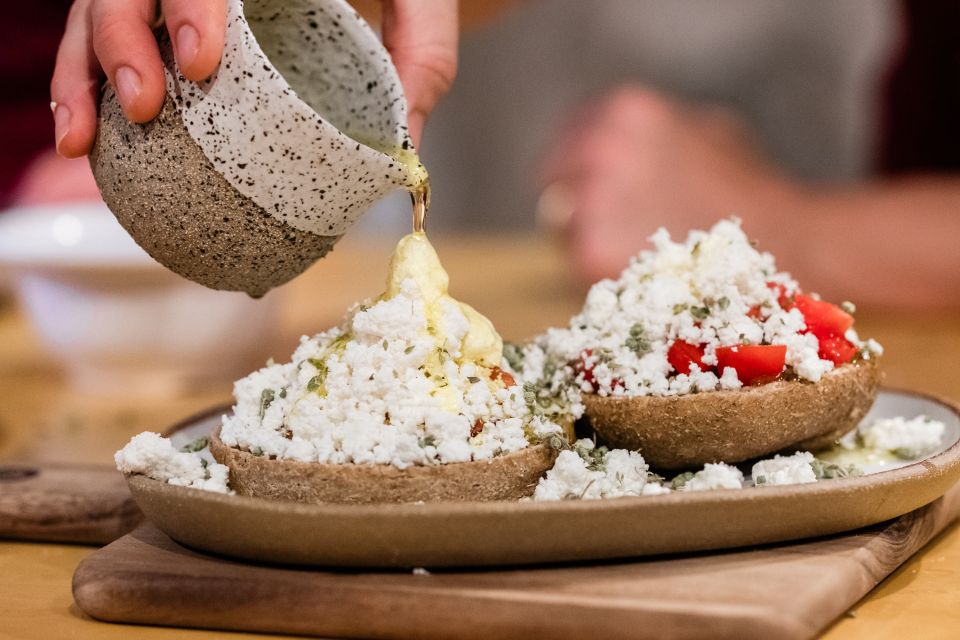
- Cretan Ntakos salad: barley rusks with olive oil, tomato, capers
- Kagiana: Greek scrambled eggs with tomato and feta
- Tzatziki sauce: garlic, yogurt, and cucumber
- Loukoumades: honey and cinnamon doughnuts
- The secret sauce isn’t just recipes: it’s technique, pacing, and stories
- The meal part: wine, courtyard eating, and leaving properly full
- Price and value: is $106 per person worth it?
- Logistics that matter: location, getting there, and what to wear
- Who this Athens cooking class suits best
- Should you book this Athens Kerameikos stone house class?
- FAQ
- Where do we meet for the Athens cooking class?
- How long is the cooking class?
- What dishes are included in the class?
- Is wine included?
- Do I get recipes to take home?
- What language is the instructor?
- Is there a market stop before cooking?
- Can I cancel for a full refund?
Key highlights at a glance
- Kerameikos in a 1920s stone house: an Athens neighborhood vibe, with the calm of a family home.
- Tuesday Farmers’ Market stop: usually about 15 minutes to pick fresh provisions right out front.
- Hands-on prep for 6 dishes: you won’t just watch; you’ll chop, roll, mix, and assemble.
- Crete and Peloponnese flavors on one menu: dishes like Yemista and Cretan Ntakos anchor the regional feel.
- Eat in the garden after cooking: the meal happens where the herbs and plants are.
- English instruction plus easy take-home recipes: recipes come digitally (often via QR code).
Kerameikos stone house: why this Athens cooking class feels local
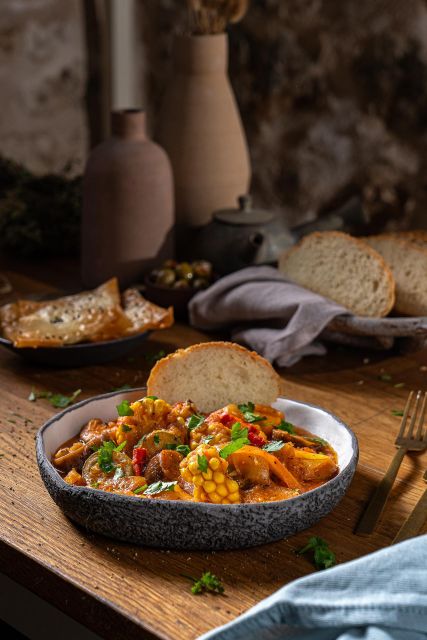
Kerameikos is one of Athens’ most fun areas to base a day: old neighborhood streets, tavernas, and plenty of places to grab a drink after. Yet this cooking class pulls you away from the noise and into something quieter and more personal. You meet at Mama’s Roots in Athens, in the heart of Kerameikos, and step into a 1920s stone house atmosphere that makes the whole session feel like you’ve been invited to someone’s home.
The building matters. Stone walls hold the character and the smell of cooking in a way a modern studio just doesn’t. The group works in a comfortable setup with both indoor and outdoor space, and you’ll likely eat in the courtyard/garden area. One practical detail from the experience: when the weather is warm, the meal can be held in air-conditioned space, so you’re not sweating through your tzatziki.
Another big reason this class works is the energy level. You’ll cook alongside an instructor and their assistant, and the session is built around participation. In different groups, you may work with instructors like Kostas or Elena, and the vibe stays consistent: friendly, step-by-step, and focused on getting you to the finish line without rushing.
You can also read our reviews of more cooking classes in Athens

Where the class starts: Mama’s Roots and a quick market rhythm
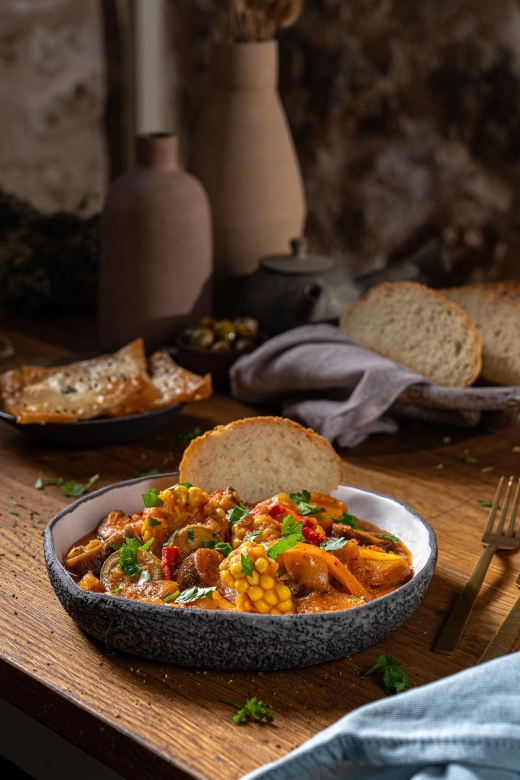
You meet at Mama’s Roots, and that’s also where the experience “begins” in a physical way. You’re not just collecting ingredients from a list. You’re walking into the role of cook.
Then comes the ingredient story. If you’re in the class on a Tuesday, the Farmers’ Market takes place right in front of the place. The group typically spends about 15 minutes there picking up what’s needed. This is short on purpose. You get enough time to select fresh produce, herbs, and key staples, without turning the day into a full market tour.
Even if you don’t book a Tuesday, you still benefit from the way the class handles sourcing. Instructors often talk about why ingredients matter and where they’re used across Greek regions. That makes you remember things like texture (how barley rusks behave), acidity balance (how capers and sour cheese work together), and the role of extra virgin olive oil as more than a finishing touch.
One detail I really like for planning: the class includes wine from local producers with the meal. That means the “food shopping” isn’t just about raw ingredients; it becomes part of the actual sitting-down portion of the afternoon.
The hands-on cooking flow: 3 to 3.5 hours that don’t drag
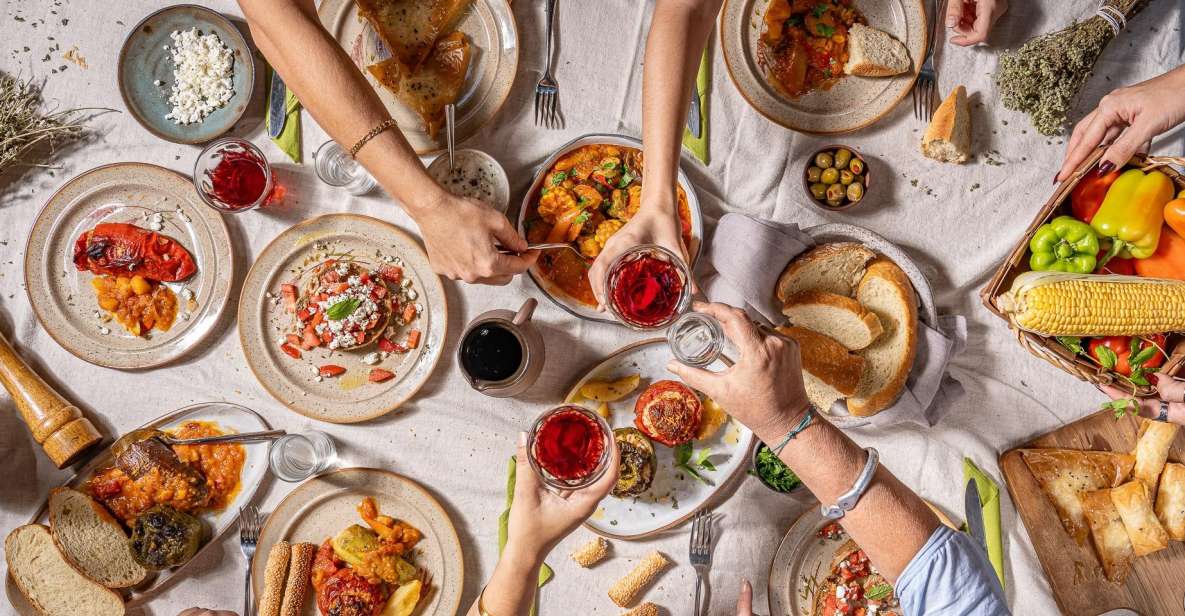
This is a 3 to 3.5 hour class, which is a sweet spot. Long enough to feel like you did something real, short enough that you won’t lose your whole day to chopping and waiting. The pacing tends to follow a logical rhythm: prep tasks happen in sequence, each dish builds on skills you already used, and the group gets to share the work rather than only doing one repetitive job.
Small group size is part of why it works. The experience is designed for small groups, and many participants report groups around 7 people. In that setup, instructors can actually correct technique—like how to roll phyllo evenly, how to season as you go, or how to keep eggs fluffy instead of overcooked.
Also, don’t underestimate the social side. Many people end the class feeling like they made a couple of friends. You’ll be cooking together, chatting during downtime between steps, and then eating the shared meal outside. If you want a cooking class where you leave with both recipes and new conversation, this checks that box.
What you cook: 6 Greek dishes that cover real everyday skills
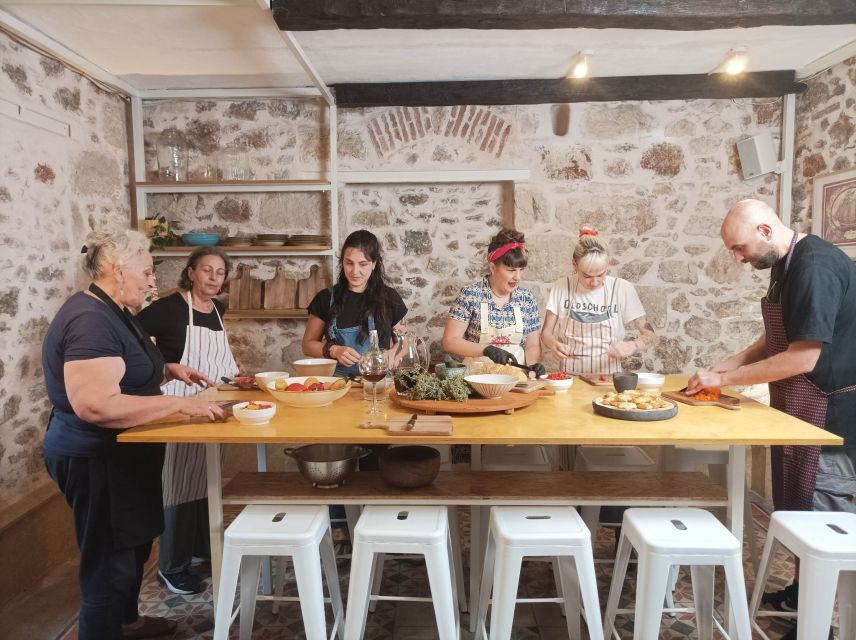
The menu is built around 6 traditional Greek dishes, and it can change with seasonal availability. But the “core” lineup you can usually expect includes:
Yemista: oven baked tomatoes and peppers
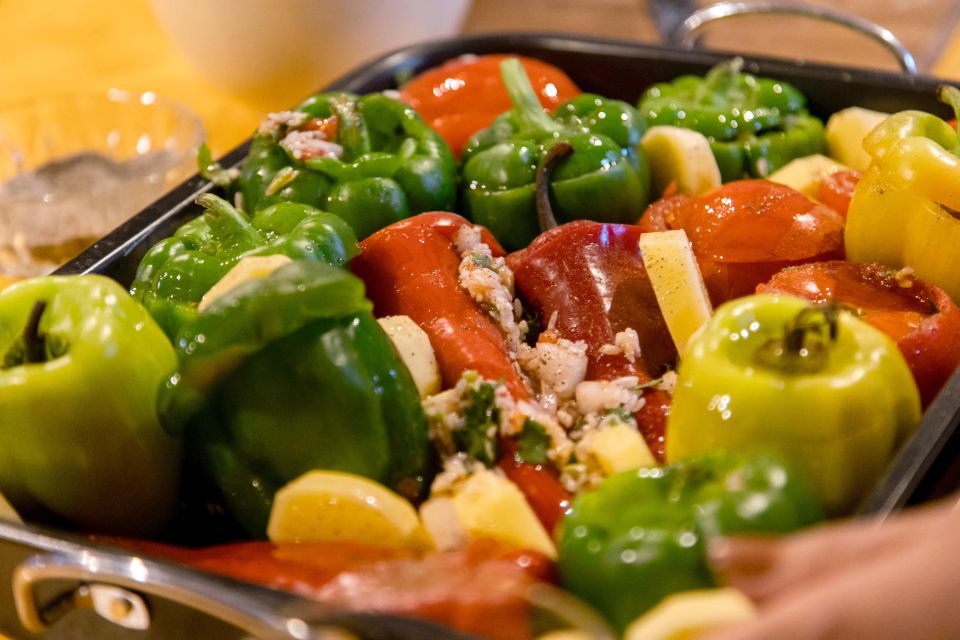
This is comfort food with structure: tomatoes and peppers stuffed with rice, vegetables, herbs, and extra virgin olive oil. It teaches you how to treat fillings properly—enough moisture for cooking but not so much that everything turns watery. If you like meals that feel hearty and not fussy, this one is a winner.
You can also read our reviews of more tours and experiences in Athens



Spinach Cheese Rolls: mini pies with feta and phyllo
These are crunchy mini pies made with feta cheese, fresh spinach, and herbs wrapped in phyllo dough and baked. This dish is where you learn a lot of practical kitchen technique fast: layering phyllo, portioning filling, and handling dough without making it tear. It’s also one of the most crowd-pleasing items, with many participants calling the spinach pie a favorite.
Cretan Ntakos salad: barley rusks with olive oil, tomato, capers
Ntakos is a clever lesson in “assembly food.” Crunchy barley rusks soaked in olive oil come together with diced tomato, capers, oregano, and sour mizithra cheese. It’s not just salad; it’s texture engineering. You learn how to get the crunch and the tang working together instead of letting everything turn soggy too quickly.
Kagiana: Greek scrambled eggs with tomato and feta
Kagiana teaches quick, everyday comfort cooking. Eggs get mixed with grated tomatoes, peppers, and feta cheese. It’s a good reminder that Greek cooking often uses simple ingredients with confident seasoning. You’ll come away with a method you can repeat at home, not just a “Greek word” dish.
Tzatziki sauce: garlic, yogurt, and cucumber
This one is pure Greek basics: garlic, yogurt, cucumber, and a method that matters. If you love tzatziki, you’ll likely be able to make it quickly after the class. Participants often mention the “under 5 minutes” feeling when they finally understand the pace and mixing order.
Loukoumades: honey and cinnamon doughnuts
Dessert is classic and fun: small round doughnuts with honey and cinnamon. One thing to know: you’ll be busy eating the meal you worked on, so you may not always see a full start-to-finish dessert production in extreme detail. But you still get the payoff: the sweet finish is part of the experience, not a separate event you attend later.
The secret sauce isn’t just recipes: it’s technique, pacing, and stories
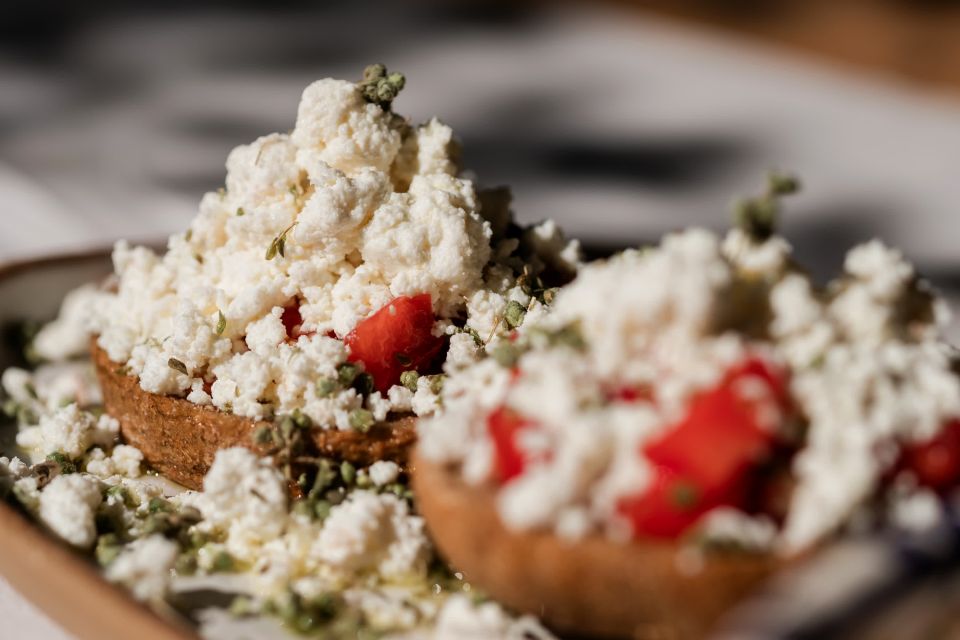
Greek cooking often comes down to technique that isn’t obvious until someone shows it to you. This class focuses on those practical points. Instructors explain ingredients and methods step-by-step, and they tend to connect dishes to specific regional influences—especially Crete and Peloponnese flavors—so your brain files the food under something meaningful.
You’ll also get real-life guidance that makes the dishes easier later. Think: portioning advice, when to stop mixing, and how to season while cooking rather than just at the end. People who want recipes that actually work at home tend to love that approach.
There’s also the storytelling element. Several groups mention hearing personal background from the host, plus ingredient origin explanations. That matters because it turns a recipe card into a mental model. You don’t just copy steps; you understand why they taste right.
The meal part: wine, courtyard eating, and leaving properly full
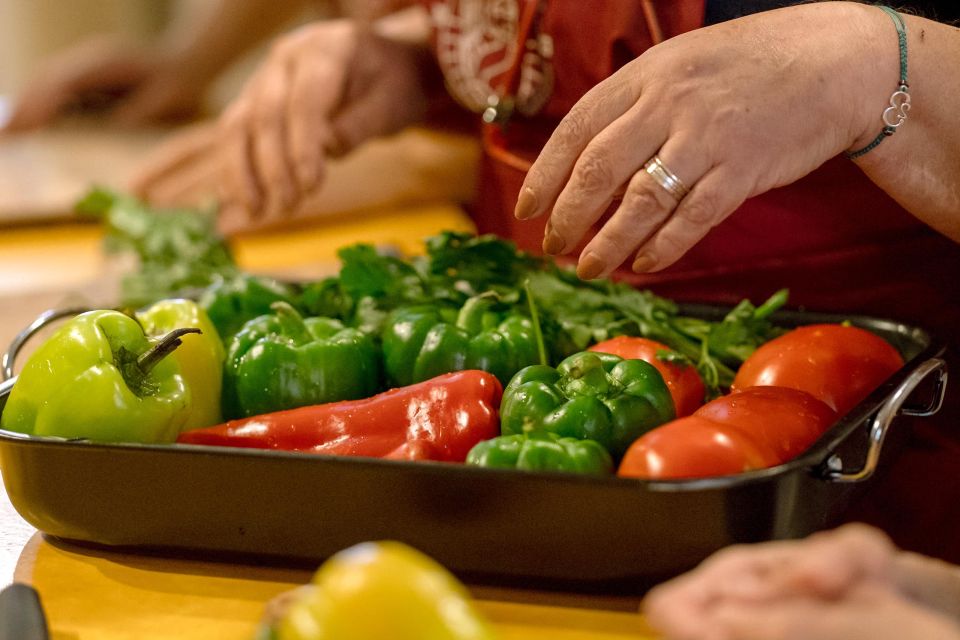
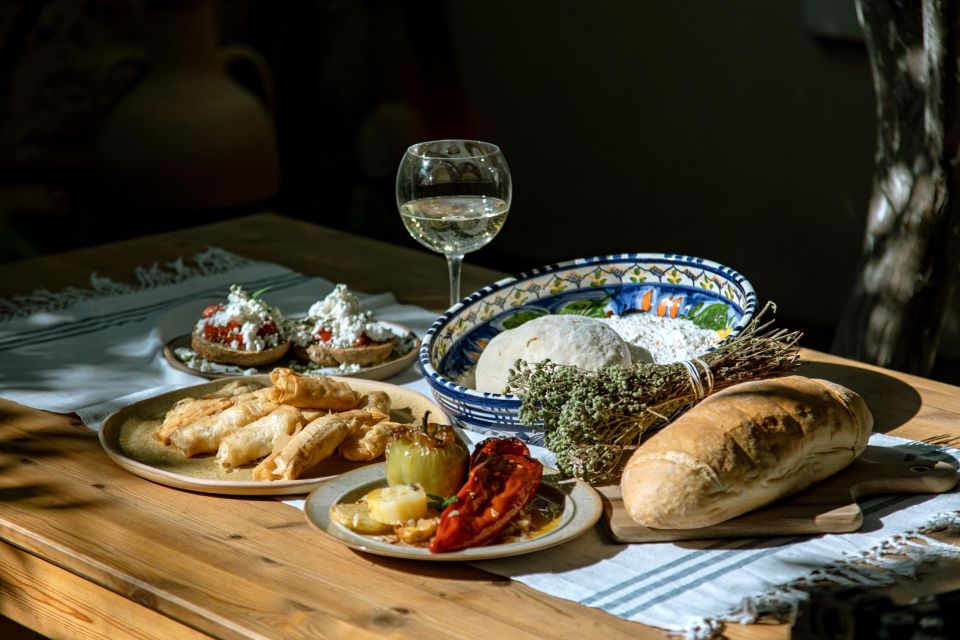
After the cooking, you eat. This is the best payoff: you finally sit down in the outdoor garden/courtyard area and enjoy what you made, not something plated elsewhere.
The meal often includes local wine. That changes the mood. It’s not wine tasting; it’s part of the table experience. You’ll likely notice that the wine is there to match the food you’ve just cooked—salty feta, tangy cheese, olive oil richness, and the sweet hit of loukoumades.
The setting also helps. Many participants describe a shaded courtyard feel, with garden plants and an atmosphere that makes Athens feel less like a big city for a while. You might even find small thoughtful touches like lemonade for the group at the start, and in warm weather, even bug repellent is sometimes offered.
One more practical note that’s worth your expectations: the class generates a lot of food. If you can’t eat it all, you may be able to take leftovers. More than one participant comments on packing up extra food because the meal is generous.
Price and value: is $106 per person worth it?
At $106 per person for 3 to 3.5 hours, this isn’t the cheapest thing in Athens. But it also isn’t just a cooking demo.
You’re getting:
- a hands-on class designed around participation
- 6 traditional dishes made by the group
- wine from local producers with the meal
- digital recipes you can take home (often shared digitally via QR code)
If you tried to replicate the experience by doing a restaurant lunch plus buying groceries plus chasing recipes online, you’d probably spend similar money and still miss the technique coaching. For me, the value comes from learning how to cook a range of dishes—stuffed vegetables, pastry/rolls with phyllo, a regional salad-style dish, sauce-making, and dessert—so you can build a Greek menu at home.
It’s also good value because you’re not doing it alone. Small groups are where the instructor can actually help, and the social factor makes it feel less like a ticket and more like a shared afternoon.
Logistics that matter: location, getting there, and what to wear
This is in Kerameikos, not the immediate Acropolis zone. If you’re staying near Monastiraki, many people find it walkable, often described around a 20-minute walk depending on your route and pace. If your Athens base is farther out, plan on a short taxi or metro hop plus walking.
Timing-wise, aim to show up ready. You’ll start cooking soon after meeting, and the class is built so you keep moving rather than waiting in line for stations.
What to wear is simple: comfortable shoes and something light. The class has both indoor and outdoor space, and even if you eat outside, the courtyard tends to be sheltered. Bring a light layer if you’re visiting when evenings cool off.
Who this Athens cooking class suits best
This class is ideal if you want an Athens experience that goes beyond eating your way through neighborhoods. You’ll get:
- real Greek dishes you can repeat at home
- technique guidance that makes those dishes less mysterious
- a small-group setting with a genuine home-kitchen feel
It also works well for first-timers who feel nervous in kitchens. Step-by-step instructions help, and the hands-on structure means you’ll likely be doing meaningful tasks rather than standing around.
If you hate cooking classes where you only watch, this is the opposite of that.
If you prefer highly specialized, chef-level culinary training, you might find it too “home style.” But if your goal is tasty, doable Greek cooking and a warm, memorable Athens afternoon, this fits well.
Should you book this Athens Kerameikos stone house class?
If you want a cooking experience that feels like you’re learning Greek meals from someone who cares, I’d book it. The combination of hands-on cooking, a small group, and a meal eaten in a real garden setting is a strong mix.
You should also book if you like practical recipes: the class gives you digital recipes to use later, and the menu covers everyday skills (stuffing, phyllo, egg cooking, yogurt sauce, and dessert).
Only skip it if you strongly prefer: very slow pacing, deep dessert production watching from start to finish, or you want a class in the most tourist-central area with zero walking. For most people, though, it’s one of the most satisfying ways to spend a half-day in Athens.
FAQ
Where do we meet for the Athens cooking class?
You meet at Mama’s Roots in Athens.
How long is the cooking class?
The duration is listed as 3 to 3.5 hours.
What dishes are included in the class?
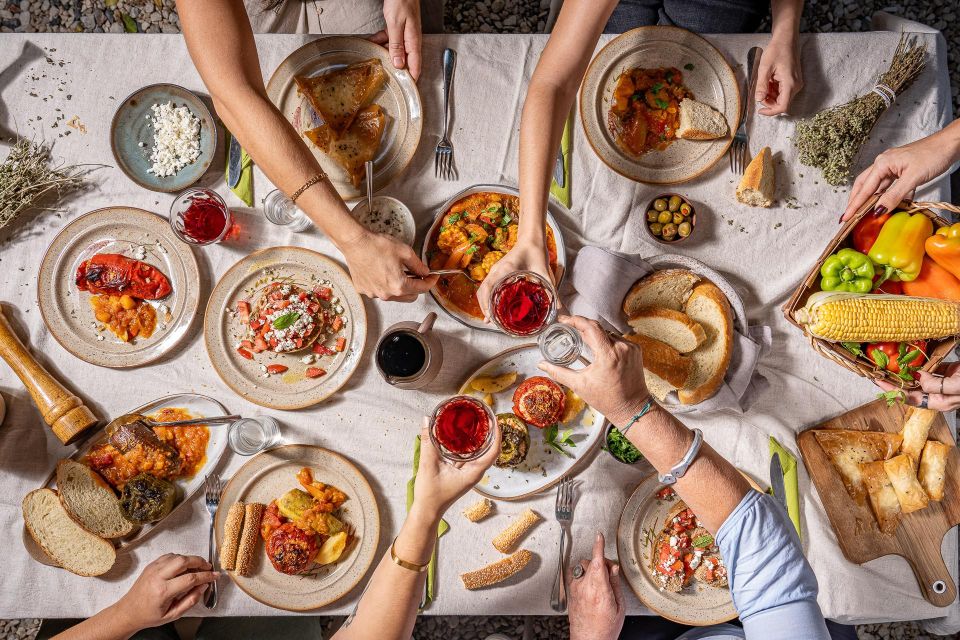
The menu typically includes 6 traditional Greek dishes: Yemista, Spinach Cheese Rolls, Cretan Ntakos salad, Kagiana (Greek scrambled eggs), Tzatziki Sauce, and Loukoumades. The menu can change based on seasonal availability.
Is wine included?
Yes. Wine from local producers is included to accompany the meal.
Do I get recipes to take home?
Yes. Recipes are provided in digital form.
What language is the instructor?
The class is taught in English.
Is there a market stop before cooking?
The Farmers’ Market is listed as taking place right in front of the place on Tuesdays, and the group usually spends about 15 minutes there to pick up fresh ingredients.
Can I cancel for a full refund?
Yes. You can cancel up to 24 hours in advance for a full refund.


More Workshops & Classes in Athens
More Cooking Classes in Athens
More Tour Reviews in Athens
- All Day Cruise -3 Islands to Agistri,Moni, Aegina with lunch and drinks included
★ 5.0 · 4,958 reviews