REVIEW · ATHENS
Marble Carving Workshop: Create Your own Symbol of Strength
Book on GetYourGuide →Operated by MarbleArt Athens · Bookable on GetYourGuide
A marble souvenir with a real story. This workshop is a hands-on trip into ancient Greek carving methods, where you create an original marble relief using traditional hand tools. I liked how the small setup (up to four people) makes it feel personal, and I also liked the guidance from the instructors, including Dimitri and Jimmy, who help you work steadily without rushing.
One thing to consider: marble carving takes effort. If you want something instantly easy, bring a simple design, because detailed drawings can be harder to carve cleanly, and the session involves standing for around two hours.
In This Review
- Key Highlights You’ll Feel in Your Hands
- MarbleArt Workshop in Central Greece: Why This Isn’t a Usual Souvenir Class
- Small Group Carving in a Dedicated Studio: The Upside of Up to Four People
- The 135-Minute Flow: What Happens From First Tool to Finished Strength Relief
- 1) Marble and stone carving history, with traditional tools
- 2) What’s inside the stone: rocks, marble, crystals, and natural enrichments
- 3) Symbols in stone: your personal meaning, from Cycladic idols to your own design
- 4) Tool basics: engraving, handling, and getting comfortable
- 5) Draw, then transfer the subject onto the marble
- 6) Traditional relief sculpture: multi-level depth and ancient hand technique
- 7) Add engraved letters for your signature
- 8) Color and patina-like finishing
- Tools, Tools, Tools: What You’re Learning Beyond the Final Piece
- Designing Your Personal Symbol of Strength: Keep It Simple, Make It Yours
- Finishing Touches: The Signature and the Patina-Like Color Effect
- Add-On Value: Looking Closely at Sculptures in Athens
- Price and Value: Is $88 Worth It?
- What to Bring and How to Prepare for Hand Carving
- Who This Workshop Suits Best (and Who Might Want a Different Activity)
- Should You Book MarbleArt’s Marble Carving Workshop in Athens?
- FAQ
- How long is the marble carving workshop?
- How much does it cost?
- Is it for beginners?
- What languages are offered?
- What do I make and take home?
- Is transportation included?
- What should I bring?
- Is the workshop wheelchair accessible?
- What’s not allowed during the workshop?
Key Highlights You’ll Feel in Your Hands
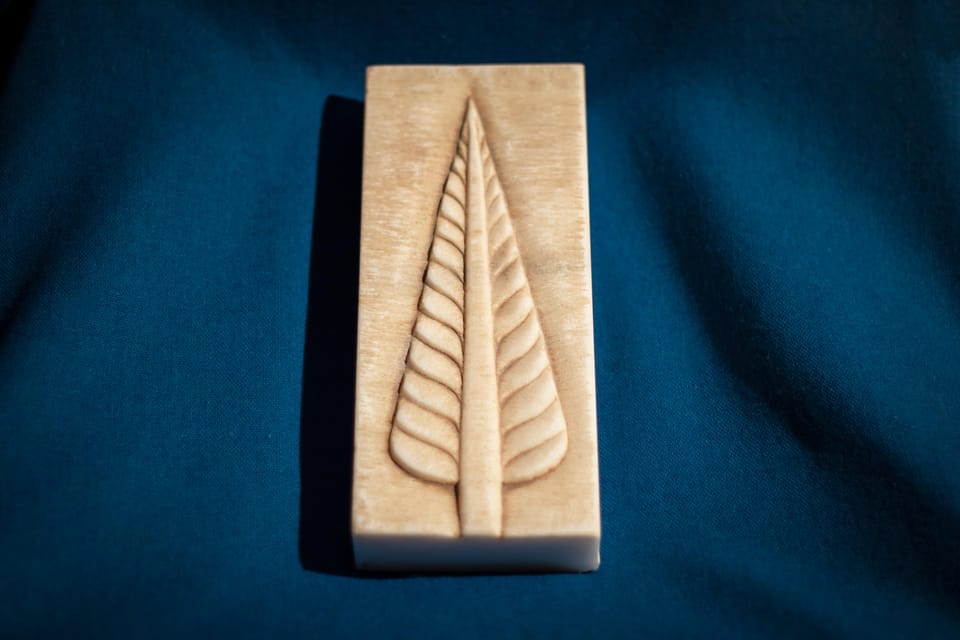
- Small groups (up to 4) mean you get real attention while you cut and shape your stone.
- Ancient-style tools and relief carving teach technique, not just crafts-store entertainment.
- Symbol talk before you start: personal meaning in stone, with examples like Cycladic idols.
- Multi-level depth for light and shadow so your carving actually looks sculpted, not flat.
- A take-home “strength” relief plus a signature step, so it feels like art, not a souvenir.
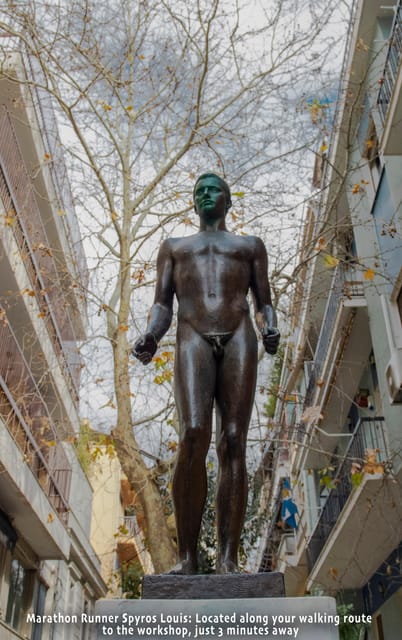
- A nearby sculpture walk is built in for those who want to look closely and photograph what Athens preserves.
MarbleArt Workshop in Central Greece: Why This Isn’t a Usual Souvenir Class
This is the kind of activity you do when you want something tactile and slow. You’re not just painting or assembling. You’re carving real marble with hand tools, in a space devoted to marble sculpture and traditional stone carving.
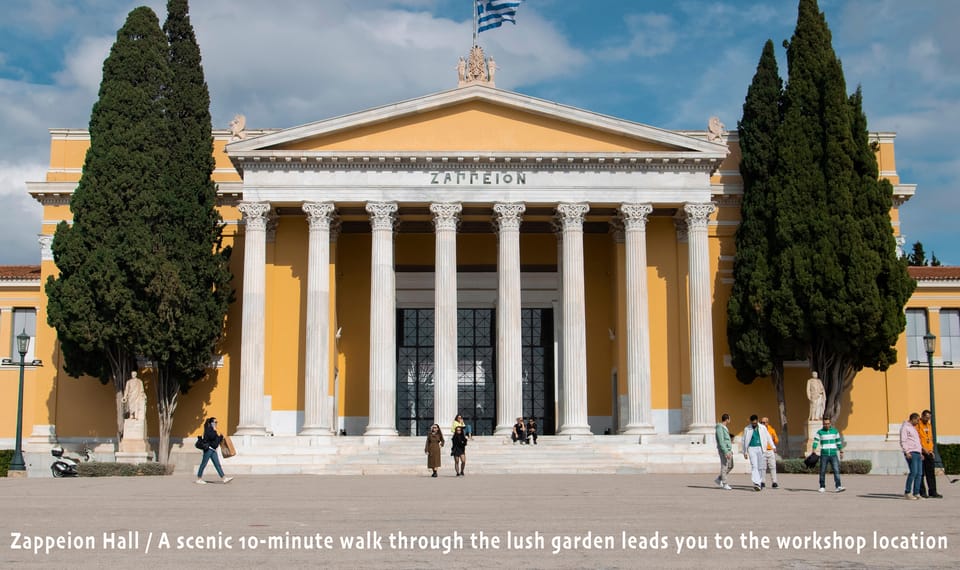
The setting matters. MarbleArt is a boutique museum/workshop environment with authentic works by local artists, made with traditional Greek hand tools. That creates an atmosphere where you can actually see what you’re aiming for, and you can connect your piece to the wider sculptural tradition you’ll see around Athens.
It also feels beginner-friendly in a practical way. The class starts with history and tool basics, then walks you through drawing, transferring the design, and carving in steps. You’re supported throughout, but you’re still the one making the marks.
You can also read our reviews of more tours and experiences in Athens



Small Group Carving in a Dedicated Studio: The Upside of Up to Four People
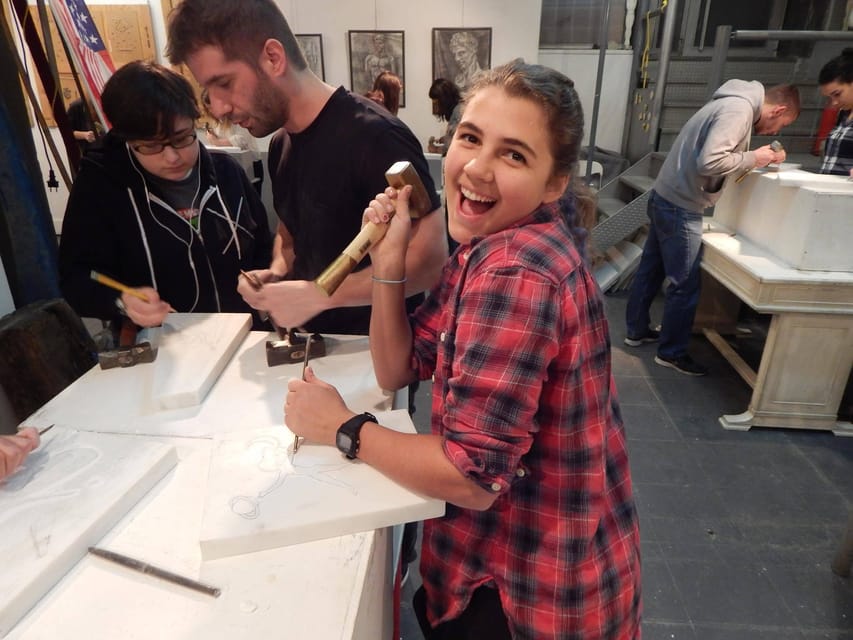
Group size is the hidden superpower here. Up to four people means you’re not competing for the instructor’s eyes. You can ask questions mid-process and get direct feedback while the marble is still soft enough to adjust your approach.
That matters because carving is not forgiving like clay. One rushed cut can change a line. When the instructors can watch closely, they can help you fix direction early, before it turns into a harder rescue later.
The workshop’s instructors bring strong academic and teaching credentials, including a guide with a PhD in Philosophy and Art of Ancient Greece and a teacher of marble sculpture connected to a university of fine arts. You don’t need to care about the titles, but you will notice the teaching style: structured, patient, and focused on process.
The 135-Minute Flow: What Happens From First Tool to Finished Strength Relief
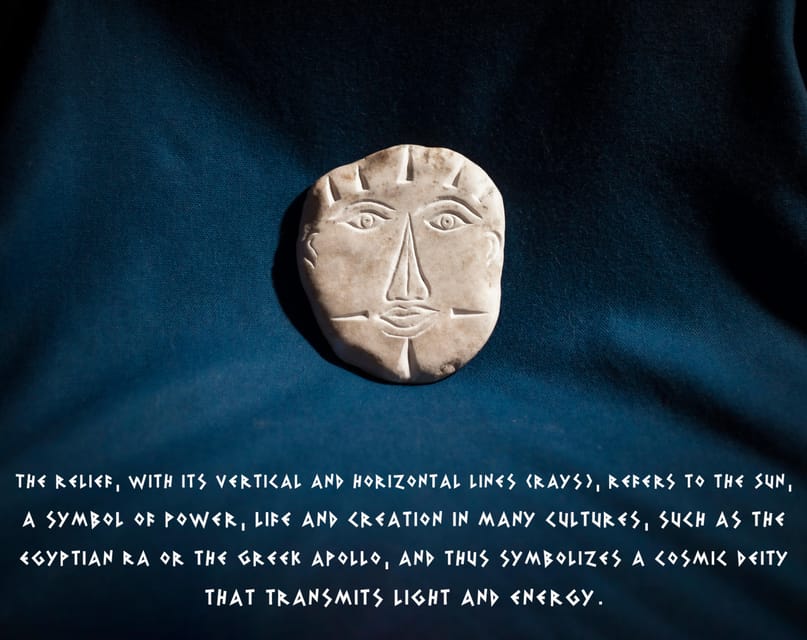
The session has a clear arc, and it’s designed so your brain understands the why before your hands try the how.
1) Marble and stone carving history, with traditional tools
You begin with context about marble and stone carving in ancient Greece. This isn’t just trivia. It sets expectations for the look of relief work and why ancient sculptors used depth and shadow instead of color alone.
2) What’s inside the stone: rocks, marble, crystals, and natural enrichments
Next comes material structure. You learn about rocks and marble, plus crystals and how stones may include natural enrichments. The idea is simple: your stone is a real physical object with behavior, and learning that helps you carve more confidently.
- All Day Cruise -3 Islands to Agistri,Moni, Aegina with lunch and drinks included
★ 5.0 · 4,958 reviews






3) Symbols in stone: your personal meaning, from Cycladic idols to your own design
Then the workshop turns symbolic. You talk about humanity’s relationship with personal symbols in stone and marble, with examples like Cycladic idols. This part is key because your final piece is framed as a personal symbol of strength relief, not just a decorative object.
4) Tool basics: engraving, handling, and getting comfortable
Before carving, you get familiar with the hand tools. This is where beginners usually relax, because the instructors show how to hold and move tools so you’re cutting, not just pressing.
5) Draw, then transfer the subject onto the marble
You discuss your subject, sketch it, and then transfer the outline onto the marble surface. This is one of those steps that makes the rest easier: once the design is in place, your carving becomes a sequence of controlled shaping rather than guesswork.
6) Traditional relief sculpture: multi-level depth and ancient hand technique
Now comes the main carving phase. You carve using hand tools exactly in the tradition of ancient Greek sculpture. The result is engraved and relief-like forms, with deepening on the surface.
The workshop emphasizes multi-level carving to highlight light and shadow. That’s the difference between something that looks “done” and something that looks sculpted. Your piece should catch light across layers, not just show one flat silhouette.
7) Add engraved letters for your signature
You then engrave letters for your signature. This step is more important than it sounds. It pushes your mindset from hobby to authorship, and it helps your work feel personal when you bring it home.
8) Color and patina-like finishing
Finally, you apply color to the marble surface to create a patina-like effect. This gives your relief a finished look and helps bring out depth. It’s also where you can see your carving shift from raw stone to an artwork you’ll be proud to display.
Tools, Tools, Tools: What You’re Learning Beyond the Final Piece
Even if you don’t become a stonecarver, you’ll leave with real skill knowledge: how hand tools work on stone and how relief carving differs from full 3D sculpting.
MarbleArt’s approach is very intentional. It’s not framed as a technical workshop for professionals. Instead, it’s cultural and artistic. You learn the method in a way that connects the craft to ancient sculpture, and you practice the steps with hands-on support.
One practical point from the way the instructors teach: they help you choose a design that you can actually carve well. A detailed inner pattern can become tough. Your best results usually come from simplifying shapes and committing to a clear plan.
Designing Your Personal Symbol of Strength: Keep It Simple, Make It Yours
Your piece starts as a symbol. The concept is personal, but the execution still has physics behind it. Stone needs control, so your drawing has to translate into grooves, layers, and depth.
If you want an easy path to a satisfying result, plan for simpler forms. Think of your design as areas that can become raised and recessed. Straight lines are often easier than tiny, tangled detail.
That said, this workshop is built for beginners. The instructors will support your drawing, help you transfer it, and guide you through carving so you don’t stall at the first tool stroke. Dimitri and Jimmy are specifically praised for being patient and for taking the time to help each student get the carving going the right way.
Finishing Touches: The Signature and the Patina-Like Color Effect
The signature step is small but meaningful. When you add letters, you’re claiming authorship. It’s the moment your project stops feeling like a class exercise and starts feeling like your artifact.
The color finish is also worth looking forward to. The patina-like effect helps your relief read clearly once it’s out of the workshop environment. Even if your carving is imperfect, color can bring forward shadows and make your layers look intentional.
Bring a camera. The lighting inside the workshop and the way depth shows up on marble relief is part of the fun, and you’ll want photos to remember what it looked like mid-process, not just the final state.
Add-On Value: Looking Closely at Sculptures in Athens
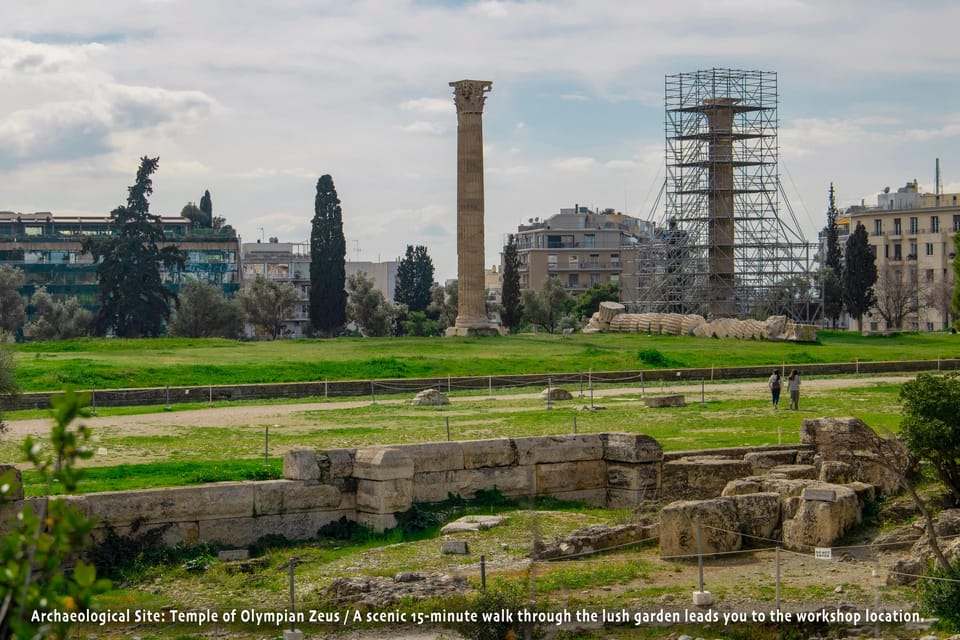
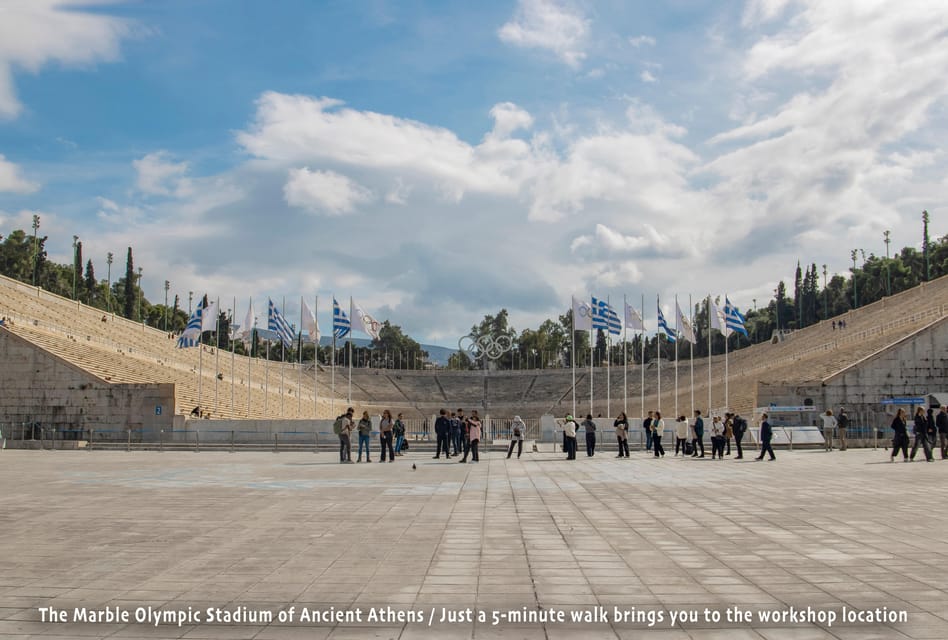
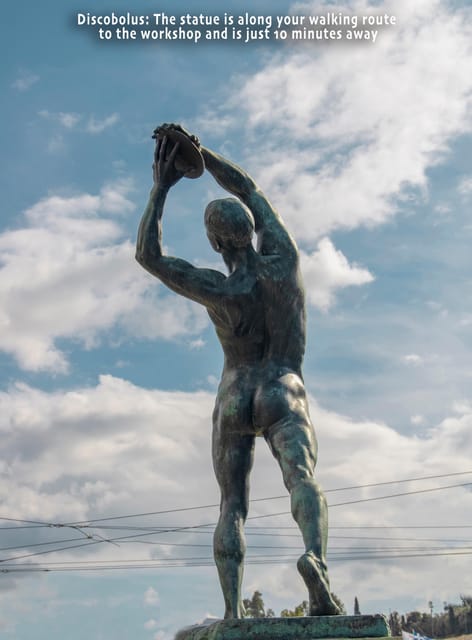
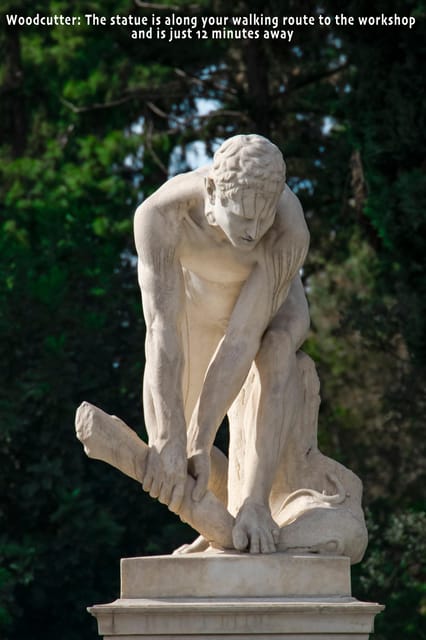
The experience doesn’t stop at your workbench. If you’re interested, you can walk to explore and photograph sculptures in the historical center of Athens where the workshop is located.
This adds a big layer of value. You’re carving ancient-style forms right before you go look at the real thing. That timing helps you see tool marks, depth choices, and how sculptors shaped shadows for legibility in stone.
If you’re the kind of visitor who likes to slow down, this is your sweet spot. You’ll probably look at nearby stonework differently after you’ve tried it yourself.
Price and Value: Is $88 Worth It?
At $88 per person for 135 minutes, you’re paying for three things that matter in a hands-on art workshop: instruction, materials, and time with a tool-intensive craft.
You’re not just paying for a finished souvenir. You take home your own original marble piece. Materials for sculpture creation are included. Most importantly, the class is capped at small group size, which makes the guidance more like a studio session than a mass activity.
Is it expensive compared to a typical museum ticket? Yes. But it’s less expensive than many private craft experiences, and it’s more satisfying than anything where you leave with a generic object.
Also, you’re paying for cultural context. The workshop ties carving steps to ancient Greek sculpture history and symbolism. That makes the value last longer, because you understand what you’re seeing on buildings and in museums.
What to Bring and How to Prepare for Hand Carving
The workshop is straightforward on what’s provided, but you should prepare for effort.
Wear comfortable clothes you can stand in for about two hours. Bring closed-toe shoes. Marble work can get dusty, and you’ll be focusing on precise movements.
A camera is encouraged, and you might want to bring protective gear beyond what’s offered. One helpful tip from participants: goggles may be provided, and bringing a mask can make you feel more comfortable.
Finally, come with an idea for your symbol. If you show up with a complex drawing, you might end up simplifying it on the spot. That’s not a bad thing. Simplification is how you get a carved result that actually looks good.
Who This Workshop Suits Best (and Who Might Want a Different Activity)
This works best for people who want a hands-on cultural activity in Athens. You’ll enjoy it if you like making things with your hands, learning from expert instruction, and taking home an original artwork.
It also suits couples and small friends groups because the class stays calm and personal. If you’re traveling with someone who wants something more meaningful than another photo stop, this is a strong match.
Skip it if you need wheelchair access. The workshop isn’t suitable for wheelchair users.
And if you hate physical effort or want a zero-frustration craft, adjust your expectations. Carving takes concentration. The payoff is real, but you have to be willing to work with your hands.
Should You Book MarbleArt’s Marble Carving Workshop in Athens?
Book it if you want an Athens experience that connects art history to action. The small group size, the traditional hand tools, and the step-by-step support make it one of the rare activities where beginners can actually finish something they’re proud to carry home.
Don’t book it if you’re chasing a quick, easy souvenir with zero effort. This is an activity with focus and steady work. It’s designed for people who don’t mind spending time shaping stone.
FAQ
How long is the marble carving workshop?
The workshop lasts 135 minutes.
How much does it cost?
The price is $88 per person.
Is it for beginners?
Yes. The workshop is aimed at beginners, and the instruction covers the history and tool basics before you start carving.
What languages are offered?
The instructor speaks English and Greek.
What do I make and take home?
You create a personal symbol of strength relief in marble, and you take your carved piece home.
Is transportation included?
No. Transportation to the workshop location is not included.
What should I bring?
Bring a camera. It’s also smart to wear comfortable clothing since you’ll be working for much of the session.
Is the workshop wheelchair accessible?
No, it is not suitable for wheelchair users.
What’s not allowed during the workshop?
Smoking is not allowed.



More Workshops & Classes in Athens



More Tour Reviews in Athens
- All Day Cruise -3 Islands to Agistri,Moni, Aegina with lunch and drinks included
★ 5.0 · 4,958 reviews