REVIEW · TEMPLE OF OLYMPIAN ZEUS ATHENS
Athens: Temple of Olympian Zeus Ticket and Audio Tour
Book on GetYourGuide →Operated by Clio Muse Tours · Bookable on GetYourGuide
Colossal ruins, told in your headphones. This Temple of Olympian Zeus visit pairs a pre-booked e-ticket with a self-guided audio tour on your Android or iOS, so you can move through the Great Propylon and those towering pillars at your own pace.
What I like most is how the audio narration turns scattered remains into a clear story, and how the route is easy to follow without constant phone signal. You get offline content and an offline interactive map, which matters in Athens when connectivity can be spotty.
One thing to consider: construction around the archaeological site exit starts on October 7, 2025, and the exit closes, with the accessible entrance temporarily serving as both entry and exit.
Key highlights to know
- Pre-booked e-ticket cuts ticket hassle so you can focus on the ruins
- Offline audio + offline map helps you avoid roaming anxiety
- Story-driven walk covers Zeus myths, a thunderstorm, and 700 years of construction
- Ends at the Balaneion for a look at an ancient public bathhouse
- Replay-friendly audio so you can go back to the parts you like
In This Review
- Temple of Olympian Zeus: e-ticket plus audio tour in plain Athens style
- From the Great Propylon to the 17-meter pillars
- The 700-year construction saga and why the ruins still work
- These myths aren’t random: they explain Athens’s power games
- Ending at the Balaneion public bathhouse
- Price and value: is $30 worth it?
- How the app works on your phone (and what to bring)
- Timing: when to go and how long you’ll really need
- Construction note: what changes around the exit after Oct 7, 2025
- Who should book this, and who should skip it
- Should you book the Temple of Olympian Zeus ticket and audio tour?
- FAQ
- How long does the Temple of Olympian Zeus ticket and audio tour take?
- Is there a live guide during the visit?
- Do I need to download the audio tour before arriving?
- Does the audio tour work offline?
- What languages are available for the audio tour?
- What phone types are compatible?
- What should I bring to enjoy the visit comfortably?
- Is the temple visit wheelchair accessible?
- Are pets or baby strollers allowed?
- Are there any free admission options for EU citizens or children?
Temple of Olympian Zeus: e-ticket plus audio tour in plain Athens style
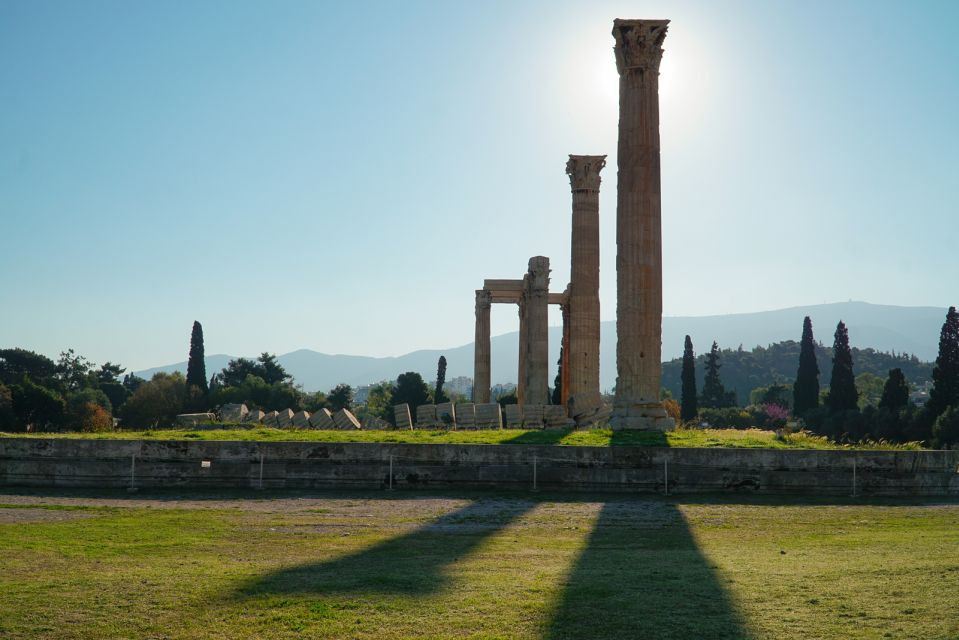
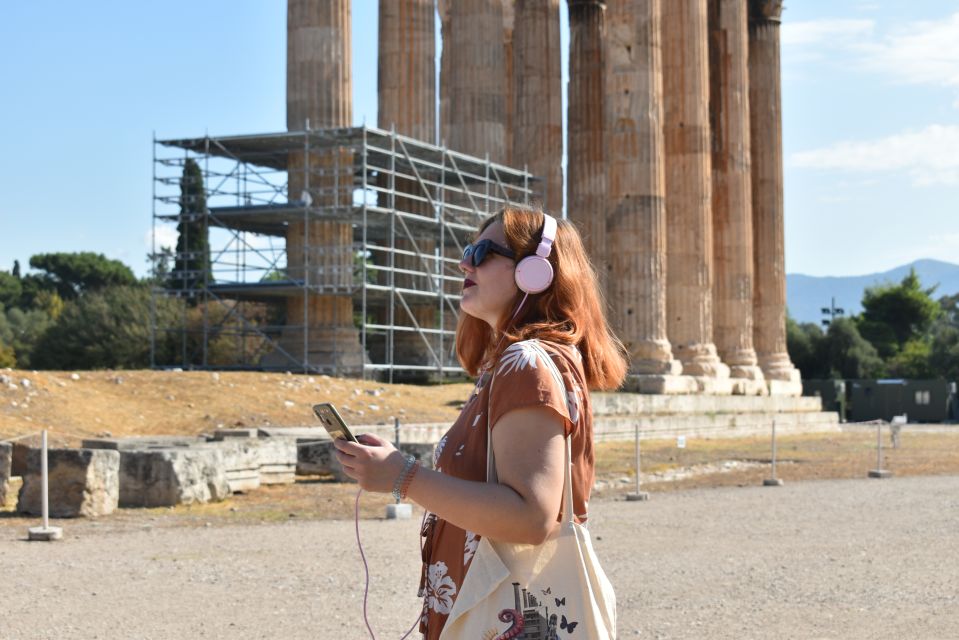
The Temple of Olympian Zeus is one of those Athens sites where the scale hits first, then the details start to click. Yes, you’re looking at ruins, but the big takeaway is how a huge plan and a powerful god shaped the city’s imagination for centuries. This experience pairs your ticket with a self-guided audio track, so you’re not just staring at stones.
Two practical wins make it feel smoother than a typical walk-up visit. First, you’re using an adult e-ticket you’ve already booked, which reduces the “wait and figure it out” stress. Second, the audio tour is delivered to your phone with offline content, so you can keep listening even if your signal drops.
The whole experience is designed for a short window too. Expect about 1 to 2 hours, depending on how long you pause to listen, look, and re-check the phone. And since there’s no live guide, you control the pace completely—quietly immersive for history nerds, casual enough for people who just want the core stories.
From the Great Propylon to the 17-meter pillars
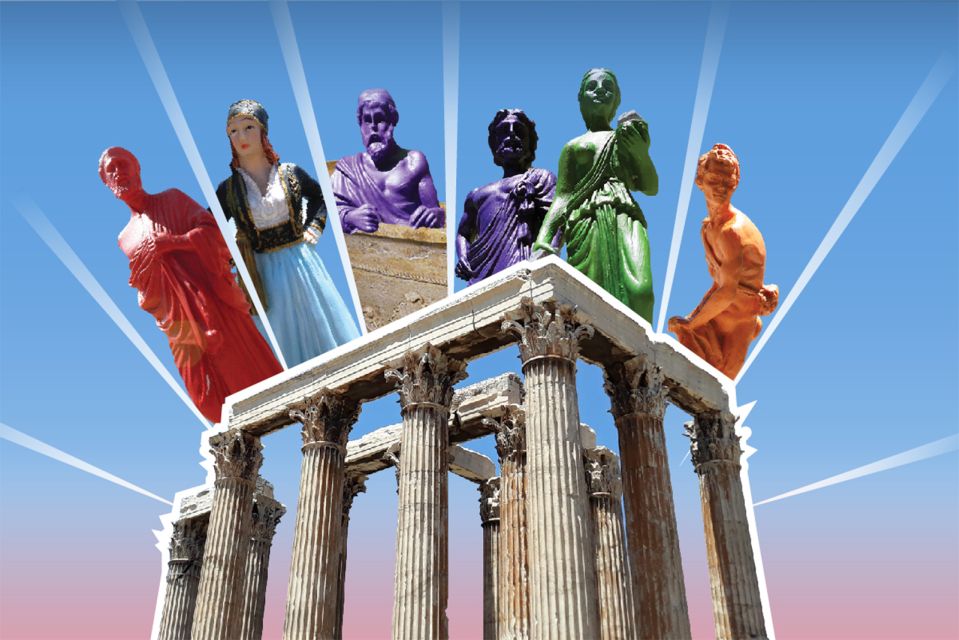
Your audio tour starts as you approach the Great Propylon. If you like Greek myth, this is where you get in the mood fast. The track brings you the story of the Great Deluge, framed as Zeus’s divine wrath—storms, punishment, and the sense that human life can be overturned overnight.
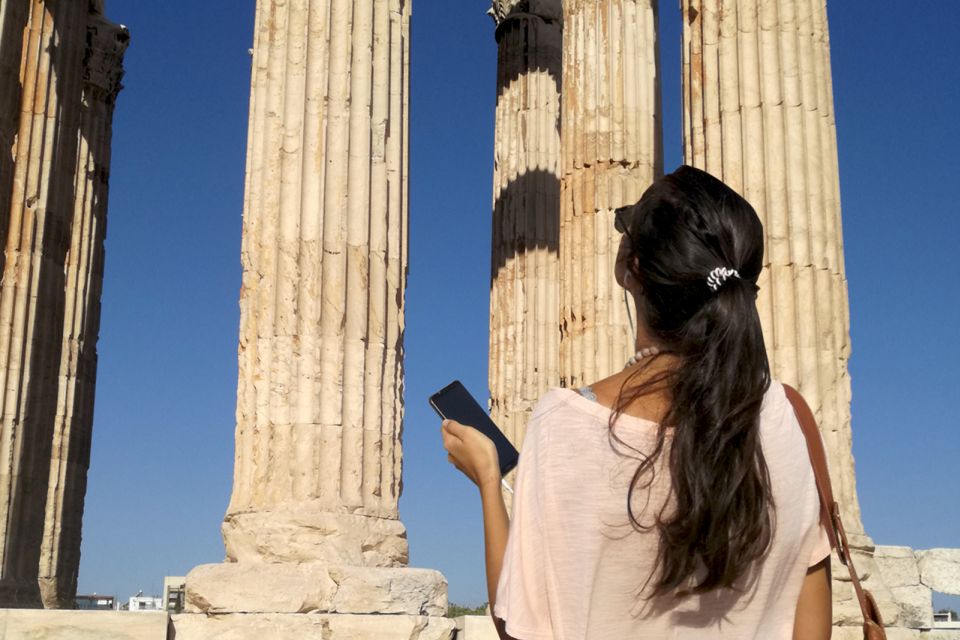
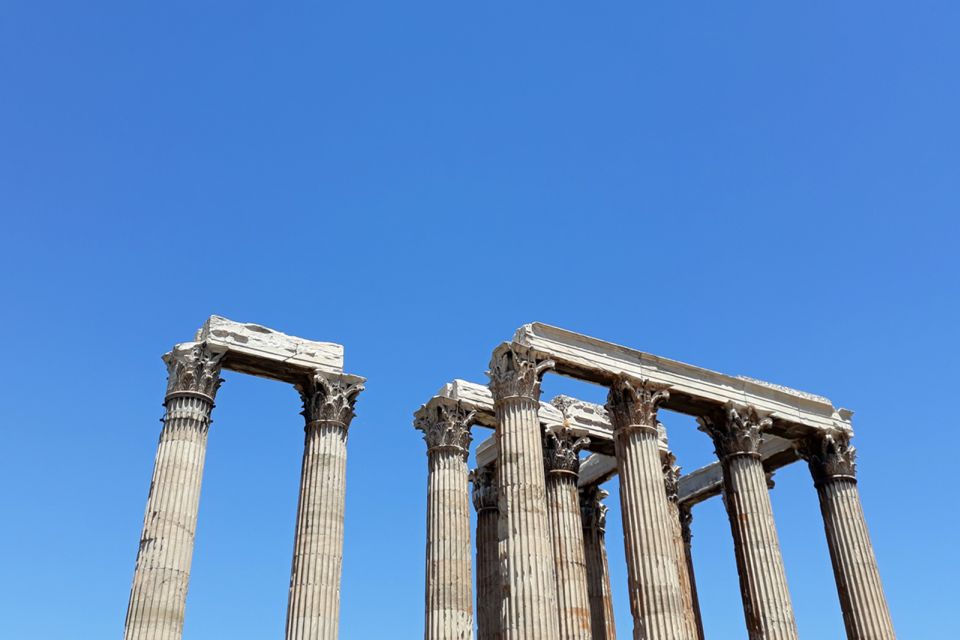
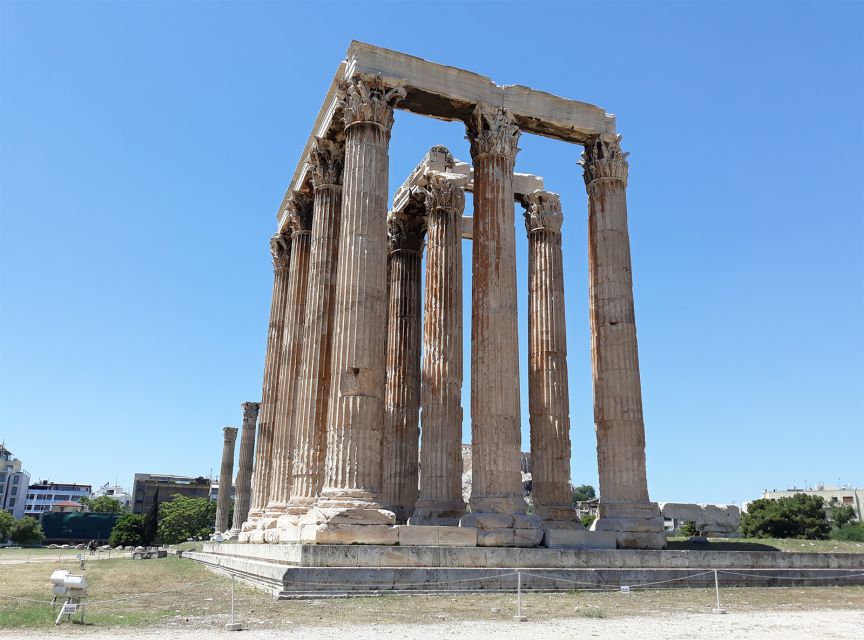
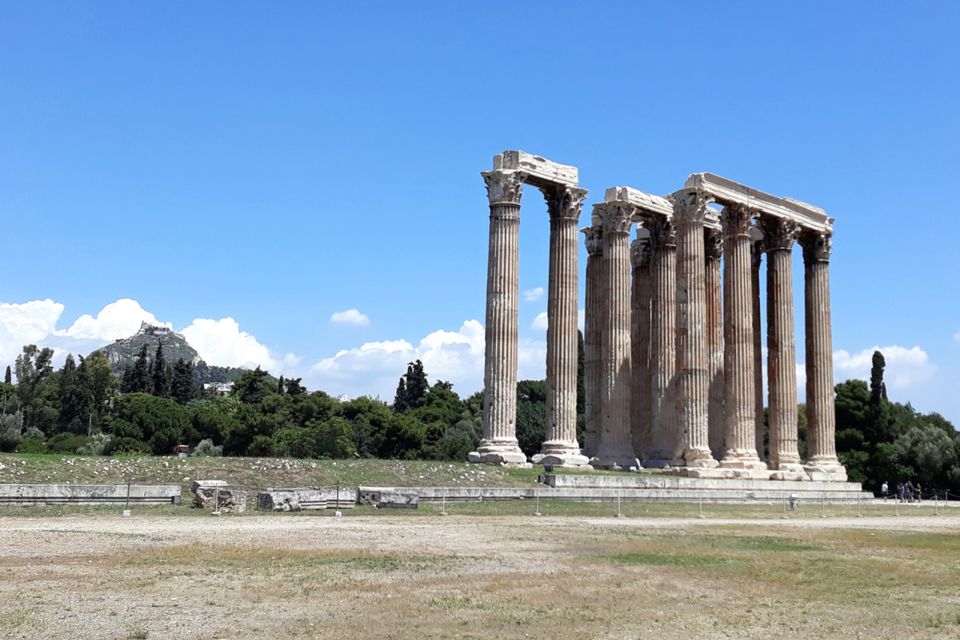
Then you move toward the main visual show: the massive pillars. The tour specifically calls out that these columns are about 17 meters tall, and hearing the explanation as you stand there changes the feeling from random fragments to a designed monument. You’ll also get a sense of why people treated this place like more than architecture—it was a statement about power.
The narration doesn’t just list names and dates. It keeps jumping between myth and politics, and it guides you through moments that shaped how Athenians talked about rule and divine authority. That’s the real value: you’re not only seeing what remains—you’re learning why it mattered.
The 700-year construction saga and why the ruins still work
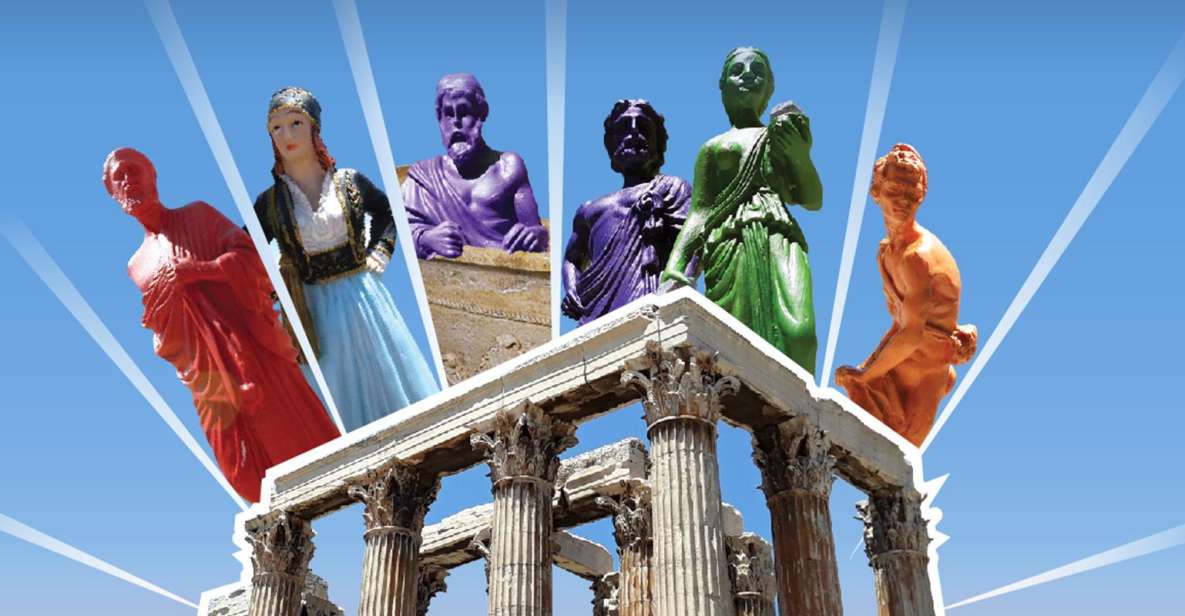
One of the best parts is the way the audio tour lays out the turbulent 700-year history of the temple. Even if you don’t memorize every date, the structure gives you a simple mental timeline: this was a grand plan that took generations, then it faced setbacks, then it faced damage again later.
The story also includes the temple’s fate through different eras of control. You’ll hear about efforts by an Athenian tyrant and a Roman emperor to frame their rule alongside Zeus’s celestial power. That comparison is useful because it explains why emperors cared about Greek religious architecture long after the original builders were gone.
You’ll also get a few darker turns that make the city feel human, not museum-still. The audio track brings up a bloodbath tied to the founding of Athens with Theseus, and it later references a ferocious thunderstorm that caused serious damage. If you’ve ever wondered why myths sound like they’re reporting real civic trauma, this part helps connect the tone.
Is it possible to find the history a little heavy if you’re tired or hot? Yes. The tour is story-heavy, and if you’re looking for quick sightseeing with minimal listening, you might feel the length of the content. Still, you can always pause, step back, and take the short version.
These myths aren’t random: they explain Athens’s power games
A lot of people visit this site and walk away with the headline: big temple, lots of columns, not much left. That’s true, but it’s incomplete.
This audio track helps you see a pattern: myths and religion were part of political branding. When you hear about rulers trying to stand next to Zeus, you understand why the monument mattered even when parts fell into ruin. It wasn’t only devotion; it was messaging. That makes the experience more satisfying because you can connect what you see to the bigger reason the site kept being relevant.
There are also very Athens-feeling details woven in. The audio references 19th-century Athens locals who had premonitions of disaster. Whether you take that literally or as atmosphere, it adds texture to the story of a site that keeps getting affected by time, weather, and human decisions.
And a small bonus: if you catch sight of a tortoise on site, enjoy it. It’s one of those odd little moments that makes ruins feel less frozen and more like a living public space.
Ending at the Balaneion public bathhouse
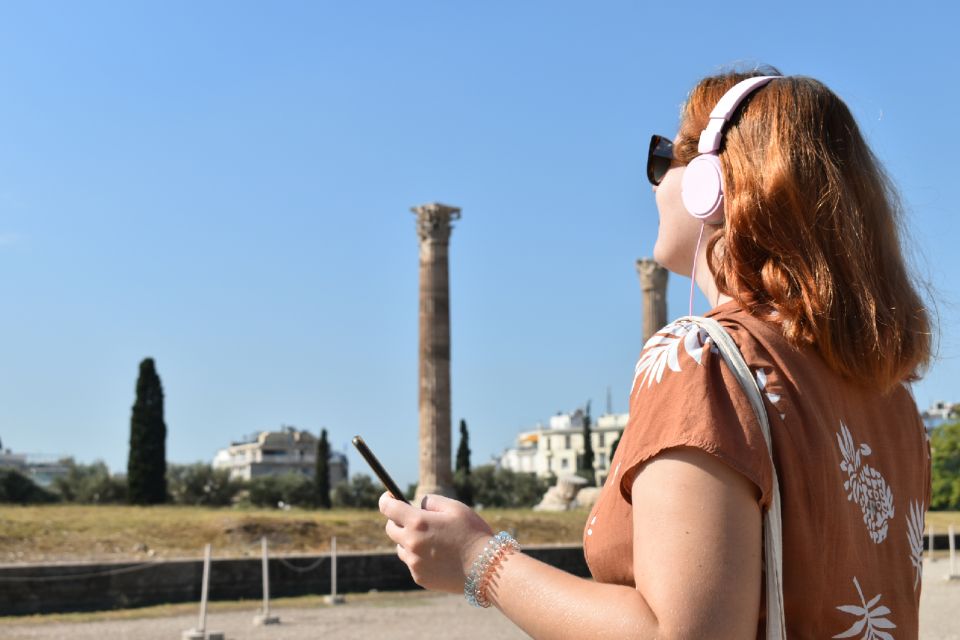
You don’t just stop at the columns. The tour finishes close to the Balaneion, an ancient Greek public bathhouse. That ending is smart, because it shifts you from sacred architecture to everyday life.
The audio explains the idea of public baths and how they relate to health and daily routine. You can stand there and picture people passing through for relief and social time, not only worship. It’s a reminder that a great city isn’t only temples. It’s also water, maintenance, routine, and community.
The contrast helps. Temples tell you what people wanted to believe. Baths help you understand what people actually did.
And there’s another practical note that makes the ending feel easier: the grounds have benches, including spots where you can sit and look back toward the area as you imagine the temple completed. If you’re planning your photos, build time for one of those sit-down pauses.
Price and value: is $30 worth it?
This experience runs about $30 per person, and whether it feels like a good deal depends on what you want out of Athens.
Here’s the value logic I’d use: you’re getting (1) an adult e-ticket to the Olympieion and (2) a self-guided audio tour with offline content. If you’ve ever paid for an audio guide that didn’t really match the site, this one aims to attach its narration directly to what you’re looking at—myths, construction drama, and the bathhouse ending.
If your goal is only a quick peek, the Temple of Olympian Zeus can feel underwhelming because much of the structure is gone. You may end up asking yourself why you didn’t spend the time elsewhere. That doesn’t mean it’s bad. It means you should know your style: do you like listening while you walk, or do you prefer the shortest possible route?
For people who enjoy self-guided learning (and don’t want to coordinate a live guide schedule), this price can feel fair. For people who dislike phone audio, it might feel overpriced for the amount of stone you can see.
How the app works on your phone (and what to bring)
You’ll need a smartphone and the right version to run the audio. The audio tour is for Android and iOS, and it is not compatible with Windows phones, older iPhones (including iPhone 5/5C), older iPods (fifth generation or older), older iPads (fourth generation or older), and iPad Mini first generation.
Download the app ahead of time if you can. You’ll get a secure promo code to access the tour after downloading. Then plan to use headphones—they’re not included, but you can bring basic wired ones or your own Bluetooth set.
Because the tour includes offline content and an offline interactive map, you’ll want your phone charged. Bring a charged device and keep the brightness reasonable. You don’t want low-battery drama while you’re trying to follow the story.
What else should you pack? Comfortable shoes are a must, plus sunglasses and a sun hat. Athens heat can turn a short outing into an exhausting one fast.
Timing: when to go and how long you’ll really need
The stated duration is 1 to 2 hours, and that range matches real behavior here. If you walk through while listening only lightly, you’ll hit the faster end. If you stop to replay sections, look carefully at what remains, and spend time at the bathhouse ending, you’ll be closer to the full two hours.
The site can also work well as a “second leg” after another major Athens stop. You might think of it as a myth-and-daily-life add-on, especially if you already have the Acropolis in your plans. The ruins here are significant, but they aren’t a full reconstruction of a complete temple.
My practical suggestion: aim for early morning or later afternoon if you can. Bring the hat. Even with benches nearby, you’ll enjoy the visit more when the light is softer and your phone battery has a chance to last.
Construction note: what changes around the exit after Oct 7, 2025
If you’re visiting after October 7, 2025, plan for changes. Construction work starts in front of the Olympieion Archaeological Site exit, and the exit will be closed. During that period, the accessible entrance temporarily serves as both entrance and exit.
In plain terms: your end-of-tour route might be different than you expect. You’ll want to look at your phone map and be ready for a detour at the end. It’s a small hassle, but it matters if you’ve got tight timing for the rest of your day.
Who should book this, and who should skip it
This is a strong match if you like:
- Greek myths and story-driven explanations
- Architecture context (why rulers and religion mattered)
- A self-guided format where you can go at your own speed
It’s not a great match if you:
- Want a fully guided experience with a live guide
- Don’t want to use your phone for audio
- Need wheelchair access (this activity is listed as not suitable for wheelchair users)
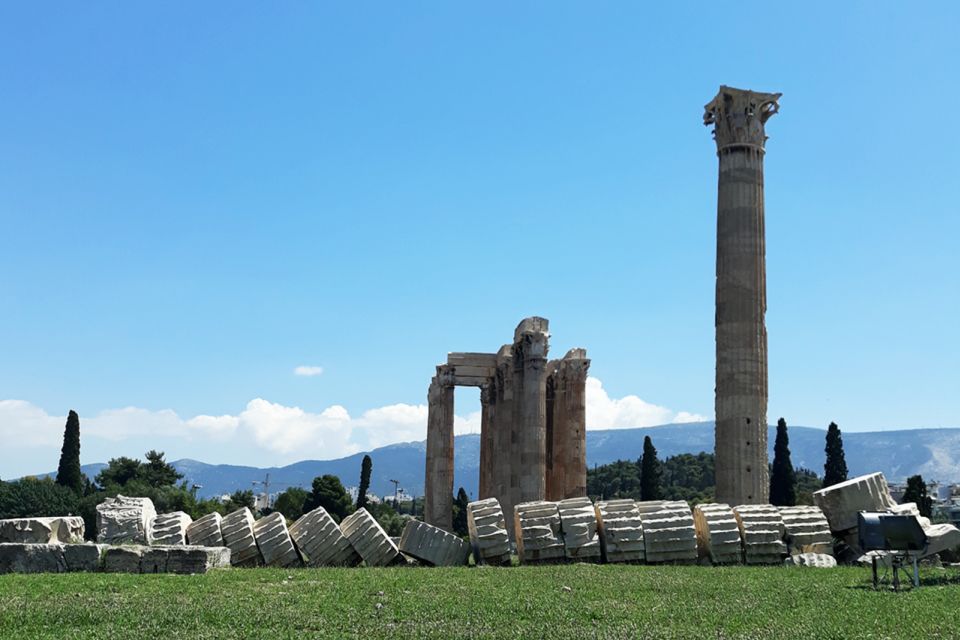
Also think twice if you only want the most dramatic visuals. One honest reality: there isn’t much of the temple left to see up close. The experience gets its power from the audio telling you what you’re missing and why it mattered.
Should you book the Temple of Olympian Zeus ticket and audio tour?
Book it if you want a smooth, ticket-in-hand visit with an offline audio guide that makes the ruins readable. The pairing of myths, construction history, and the bathhouse ending gives this place more depth than a quick exterior pass.
Skip it if you’re trying to do Athens on phone-light mode, or if you only care about seeing a fully intact monument. In that case, your time may be better spent elsewhere.
If you do book, come ready to listen: bring headphones, charge your phone, and give yourself the full hour plus time to sit. That’s when the story starts to feel like it belongs to the stones.
FAQ
How long does the Temple of Olympian Zeus ticket and audio tour take?
It runs about 1 to 2 hours, depending on the start time you choose and how long you spend listening.
Is there a live guide during the visit?
No. This is a self-guided experience with an audio tour on your smartphone.
Do I need to download the audio tour before arriving?
Yes. You download the digital audio tour to your Android or iOS smartphone and use a promo code to access it in the app.
Does the audio tour work offline?
Yes. It includes offline content and an offline interactive map to help you avoid roaming charges.
What languages are available for the audio tour?
English, French, German, Italian, Spanish, Greek.
What phone types are compatible?
It works with Android and iOS phones. It is not compatible with Windows phones, older iPhone models (including iPhone 5/5C and older), older iPod Touch models (fifth generation or older), older iPads (fourth generation or older), and iPad Mini first generation.
What should I bring to enjoy the visit comfortably?
Bring comfortable shoes, sunglasses, a sun hat, headphones, and a charged smartphone.
Is the temple visit wheelchair accessible?
No. The activity is listed as not suitable for wheelchair users.
Are pets or baby strollers allowed?
No pets and no baby strollers are allowed.
Are there any free admission options for EU citizens or children?
EU citizens aged 0–25 are entitled to free admission, but they must wait in line to show an ID card or passport. Children up to age 5 from non-EU countries may have free admission tickets upon presentation of a passport for verification.