REVIEW · ATHENS
Temple of Artemis, Temple of Poseidon and Athens Riviera -Private
Book on Viator →Operated by Ancient Greece Tours & Transfers · Bookable on Viator
Two temples, one day, big myth energy. This private outing strings together Vravrona and Cape Sounion with real coastal context, so the legends feel tied to places you can actually stand in. You also get a proper guide-voice for Greek history and myth, plus the simple comfort of hotel/port pickup and a WiFi-equipped private car.
What I like most is the mix of stops: you don’t just see ruins, you also get the story behind them—starting at Vravrona and then checking out the nearby museum. I also like the pacing at the coast: enough time to look closely, read the landscape, and still leave room for a relaxed lunch break along the Saronic Sea.
One drawback to keep in mind: entrance fees are extra (and the day runs about 7 hours including travel). If you prefer deep commentary at every pull-off, you may want to ask your driver-guide extra questions, since one guest wished for more on-the-road explanations.
In This Review
- Key highlights to watch for
- Private Athens Day: Artemis to Poseidon in a Single Coastal Loop
- Getting Oriented at Vravrona: Artemis’ Sanctuary Meets Saint George
- Temple of Artemis in Vravrona: The Bears, the Plague, and the Vravronia
- Brauron Archaeological Museum: Artifacts That Explain the Myth
- Cape Sounion and the Temple of Poseidon: Neptune’s Famous View
- Athens Riviera Drive and Lunch by the Saronic Sea
- Price and Value: What $289.65 Per Person Gets You
- Who This Tour Fits Best (and Who Might Feel Held Back)
- Should You Book This Artemis-and-Poseidon Private Day?
- FAQ
- What’s the total duration of the tour?
- Do I need to pay entrance fees for the temples?
- Is lunch included?
- Is this a private tour?
- Do you offer hotel or port pickup and drop-off?
- Is WiFi available during the drive?
- Is the museum admission included?
- Where does the tour go?
- What’s the booking timeline like?
- What happens if weather is poor?
Key highlights to watch for
- Vravrona’s unusual neighbors: the Artemis sanctuary sits beside the church of Saint George
- Wetland history: winter flooding once forced bridge-building that you can still see traces of
- Artemis myth details: the bears, the plague story, and the arkti (young girls) tradition
- Brauron Museum context: sculptures and objects that help you connect myth to daily life
- Cape Sounion’s sea drama: Poseidon temple views where the Saronic Sea meets the Aegean
- Athens Riviera time: scenic coastal driving plus a lunch stop by the water
Private Athens Day: Artemis to Poseidon in a Single Coastal Loop
This is a smart way to hit two of Greece’s most cinematic temple sites without rushing. You’re in a private, air-conditioned vehicle with a professional driver-guide who’s well versed in Greek history. That matters because these are not just “pretty ruins”—the meaning changes depending on what you notice: the sanctuaries, the coastline, the way people lived nearby, and how myths explained the world.
The day is built around a coastal route: Vravrona first, then the Brauron Museum, then Cape Sounion, and finally a drive along the Athens Riviera back toward Athens. The total time is about 7 hours, including travel, so it feels like a full-day outing rather than a quick “temples-and-gone” sprint.
You also get practical travel comforts that make a difference in real life: hotel/port pickup and drop-off, WiFi onboard, and bottled water. The group stays private—only your group goes along—so it’s easier to ask questions and set a pace that fits you.
You can also read our reviews of more private tours in Athens

Getting Oriented at Vravrona: Artemis’ Sanctuary Meets Saint George
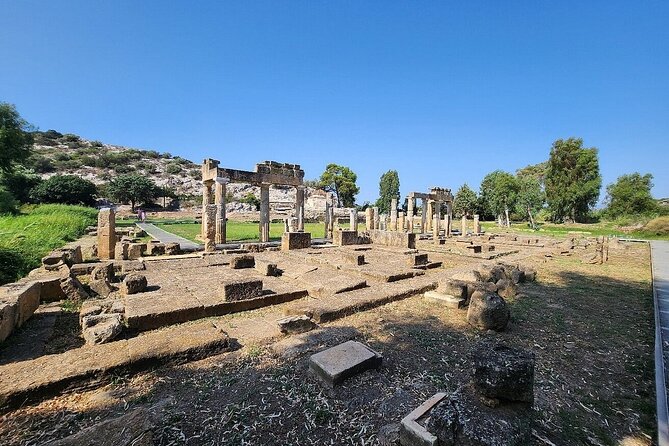
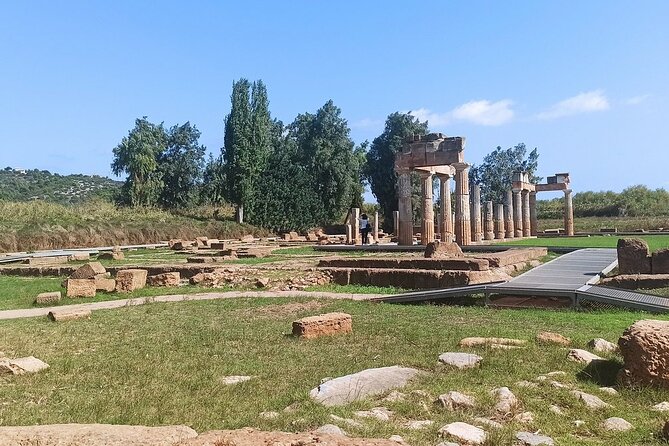
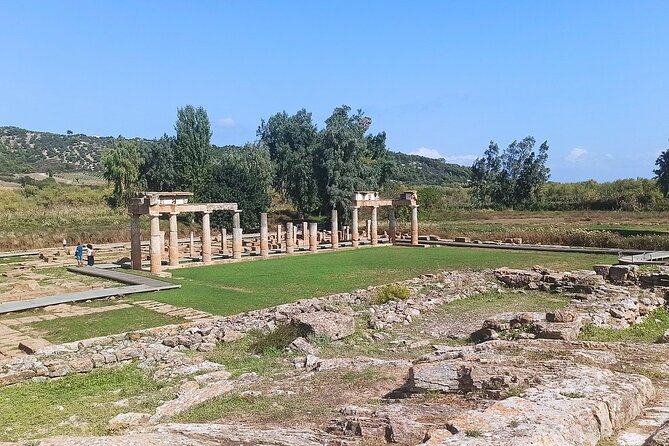
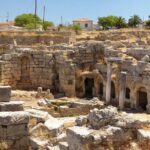
Vravrona is the opening act, and it’s a fascinating one because it’s not frozen in a single time period. You’re near the temple of Artemis/Diana, but you also find the church of Saint George close by. That close-by Christian heritage next to ancient sanctuary space gives you a clear visual lesson: sacred places tend to get reused.
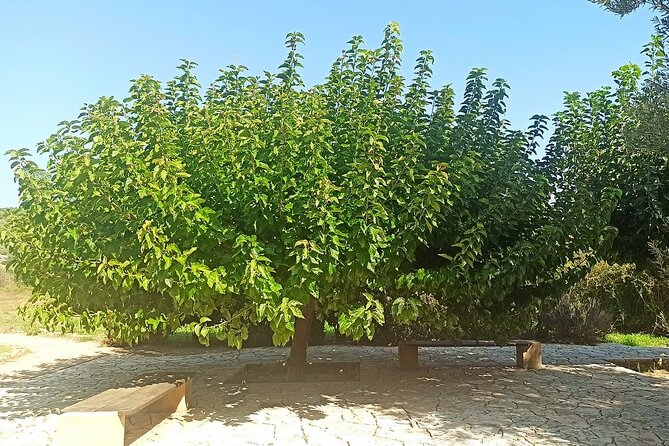
Another detail I love here is the wetland setting. Vravrona’s sanctuary was in a coastal wetland that flooded every winter. Bridges were built to handle the seasonal flooding, and traces of that infrastructure still show up. It’s the kind of practical engineering that doesn’t always get featured on “top ruins” lists, but it’s exactly what helps you understand why people chose this location in the first place.
The stop itself is short—about 15 minutes—but it works well as orientation. Think of it like getting your bearings fast: you see the setting, you get the vibe, and then you move on to the main Artemis temple area.
Temple of Artemis in Vravrona: The Bears, the Plague, and the Vravronia
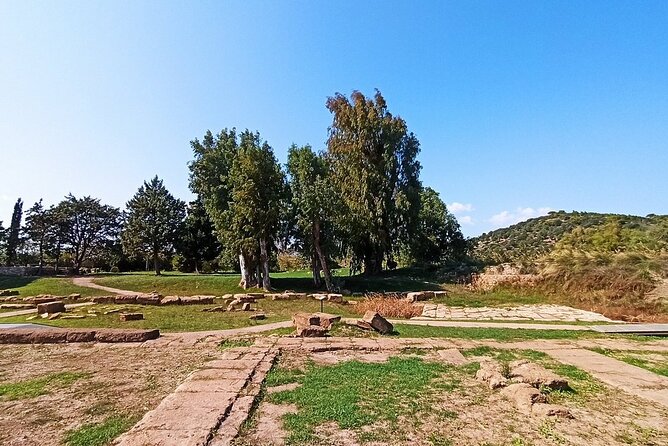
Then you get to the heart of it: the Temple of Artemis at Vravrona. Artemis is the goddess of hunters, animals, and childbirth, and Vravrona is famous because the myths tie her to this exact landscape.
Here’s what makes this site worth your time beyond the name. There’s a legend that Athens was hit with a plague because Artemis was angry over the killing of two young female bears. To appease her, Athenians sent young girls—aged 5 to 10—to serve in her temple. Those girls were part of the arkti tradition, meaning bears. It’s a myth that’s dark in concept, but it also reflects how strongly ancient people used ritual to explain crises and restore balance.
You’ll also hear about the Vravronia festivals, which were held here. Expect references to music, sports, and poetry recitations. Even if you’re not watching a performance in real time, that festival info changes how you read the space—suddenly it’s not only a monument, it’s a stage for ceremonies and community life.
Time on the Artemis temple area is about 45 minutes, which is just right if you like to look slowly. If you want more explanation while you’re walking, don’t be shy about asking your guide to point out what to focus on before you move on.
Brauron Archaeological Museum: Artifacts That Explain the Myth
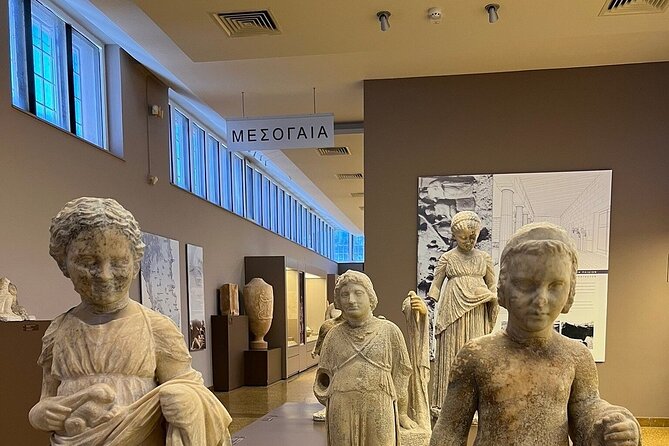
Between temple ruins, I like adding a museum stop, and this one does the job well. The Archaeological Museum of Brauron is small and focused, and it sits near the sanctuary of Artemis. That proximity matters because it keeps the story tight: you’re not switching to a different topic or era without a connection.
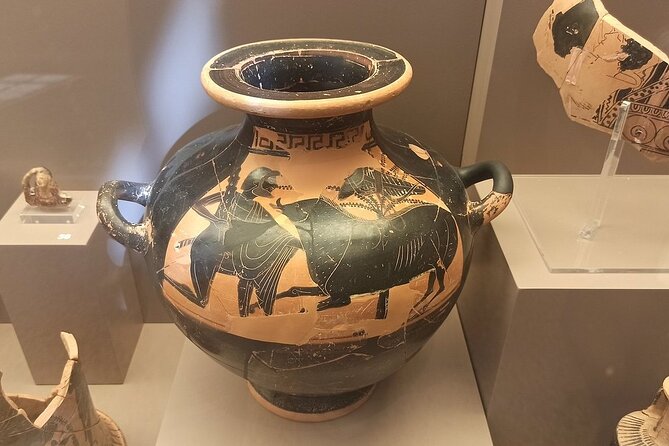
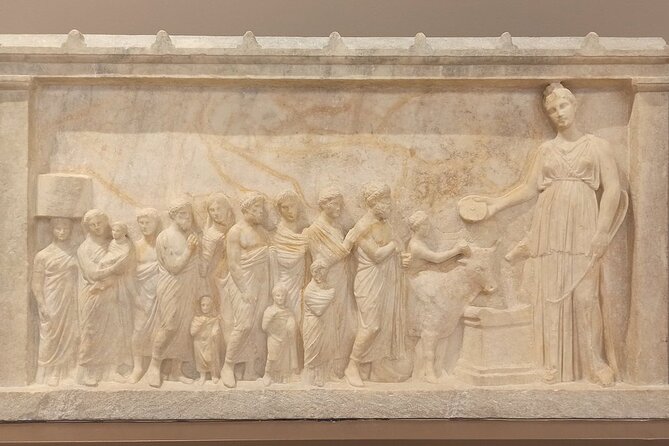
The museum covers a wide span—from prehistoric materials through Roman-era pieces. Highlights include sculptures tied to the “she-bears” theme and depictions of young devotees honoring Artemis. That’s the payoff: you’ve just heard about arkti and the bear symbolism, and then you see artistic representations that make the ideas feel more concrete.
One of the most memorable details from the background info here is the museum’s collection of ancient toys, especially toys associated with little girls. The link is Artemis, because in the tradition Artemis is tied to virginity and to how young girls were raised and prepared for marriage. In other words, this museum doesn’t just treat mythology like a school lesson—it connects it to childhood, education, and social roles.
Time inside is about 45 minutes. The admission isn’t included in the base price, so you’ll want to plan for museum entry separately. Still, even with that extra cost, this stop feels like the difference between “seeing sites” and understanding what you’re looking at.
Cape Sounion and the Temple of Poseidon: Neptune’s Famous View
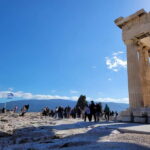
Now you move to the grand, dramatic payoff: the Temple of Poseidon at Cape Sounion. This is one of those places where your camera will do more work than you intended, because the coastline is part of the experience.
Poseidon is the Greek god of the sea—though in Roman times he was known as Neptune. That Greek-to-Roman connection can help you make sense of what you’re seeing if you’ve ever read Roman authors who describe the same gods under different names.
The temple area isn’t just the main columns. You’ll also notice remnants of nearby structures, including porticos and houses. There are even remains of another temple nearby, dedicated to Athena Souniada. So you can treat this as a broader sanctuary zone rather than a single isolated monument.
The biggest reason people love this stop is the view. Cape Sounion is known for panoramic scenery of the Greek islands, and the setting is especially striking because the Saronic Sea feeds into the Aegean. That’s why it’s often described as romantic. Even if you’re traveling solo or with friends, you’ll feel it when you look out and realize the whole horizon is part of the temple’s meaning.
Time here is about 1 hour. Admission is not included in the base price, so plan for an extra ticket purchase. The site is outdoors—weather matters—so dress with the coast in mind.
- All Day Cruise -3 Islands to Agistri,Moni, Aegina with lunch and drinks included
★ 5.0 · 4,958 reviews




Athens Riviera Drive and Lunch by the Saronic Sea
After Cape Sounion, you’ll head back with scenic driving along the Athens Riviera. This is where the day shifts from “monuments” to “coastline.” You’ll pass beaches and viewpoints, and it’s a nice chance to watch the light change as you travel.
Lunch is part of the plan: you’ll enjoy a meal at a favorite taverna or restaurant by the Saronic Sea. One important detail: food and drinks aren’t included in the price, so you’ll pay for what you order. The good news is you’ll be eating in the right setting—by the sea—rather than settling for whatever is closest to your hotel.
You also get about 2 hours 30 minutes of driving/return time in the overall schedule. That’s enough time to unwind, but it’s also the moment when you might wish for more commentary. If your guide offers it, listen closely; if not, ask a couple of questions about what you’re seeing as you drive—coastal geography changes the way these ancient sites make sense.
Price and Value: What $289.65 Per Person Gets You
At $289.65 per person, this tour is positioned for people who want comfort and expert guidance without joining a larger group. To judge value fairly, look at what’s included versus what costs extra.
Included:
- private air-conditioned luxury vehicle
- professional driver-guide with Greek history
- hotel/port pickup and drop-off
- WiFi onboard and bottled water
Not included:
- entrance fees to the Temple of Artemis and Temple of Poseidon (listed as EUR 20 per person)
- food and drinks
- tips/gratuities
- museum admission (it’s marked as not included)
So, your total real-world cost is the base price plus tickets plus your lunch choices. Is it “worth it”? For most people who care about context, yes—because you’re paying for:
1) two major temple areas in one day,
2) museum time to connect artifacts to the myths, and
3) the convenience of private transport rather than stitching together buses and ferries.
If you’re traveling as a couple or small group, private transport often makes the day feel smoother and more flexible. If you’re on a tight budget, you’d still be able to visit these areas independently, but you’d trade away the guide’s story and the easy pickup/drop-off.
Who This Tour Fits Best (and Who Might Feel Held Back)
This tour is ideal if you want a clear “myth-to-place” day. You’ll like it if you:
- enjoy Greek mythology but also want practical context (wetlands, sanctuary layouts, and festival ideas)
- prefer private comfort over crowded group schedules
- want both outdoor ruins and at least one indoor stop to reset your brain
It may feel less perfect if you:
- dislike long driving time (the day runs about 7 hours including travel)
- expect everything to be fully guided at all moments without asking questions
- want all entry fees included in the upfront price (temple tickets and museum entry are separate)
The good news is it’s private. That makes it easier to adjust: ask for more explanation, move at your pace, and spend your energy on what you care about.
Should You Book This Artemis-and-Poseidon Private Day?
I’d book this if you’re hoping for a day that mixes famous temple sites with real interpretive context. The combination of Vravrona’s Artemis story, a museum stop that connects myth to objects (including the she-bears theme and ancient toys), and the big coastal views at Cape Sounion is a strong recipe.
Do it if you value comfort and guidance: pickup/drop-off, a private car, bottled water, and WiFi remove the “logistics tax.” Add in the Athens Riviera drive and lunch by the Saronic Sea, and you get more than a checklist.
Hold off only if entrance fees and museum costs are a deal-breaker for your budget, or if you’re the type who wants every second packed with narration. In this format, the best results come when you engage—ask a question or two. That’s when the day really clicks.
FAQ
What’s the total duration of the tour?
It’s about 7 hours in total, including travel time.
Do I need to pay entrance fees for the temples?
Yes. Entrance fees for the Temple of Artemis and the Temple of Poseidon are not included and are listed as EUR 20 per person.
Is lunch included?
Lunch is part of the plan at a taverna or restaurant by the Saronic Sea, but food and drinks are not included in the tour price.
Is this a private tour?
Yes. It’s private, and only your group participates.
Do you offer hotel or port pickup and drop-off?
Yes. Hotel/port pickup and drop-off are included.
Is WiFi available during the drive?
Yes, WiFi is available onboard.
Is the museum admission included?
No. Admission to the Archaeological Museum of Brauron is not included.
Where does the tour go?
You’ll visit Vravrona (including the Artemis area), the Archaeological Museum of Brauron, Cape Sounion for the Temple of Poseidon, and then drive along the Athens Riviera with a lunch stop.
What’s the booking timeline like?
On average, this is booked about 100 days in advance.
What happens if weather is poor?
This experience requires good weather. If it’s canceled due to poor weather, you’ll be offered a different date or a full refund.

More Private Tours in Athens


More Tour Reviews in Athens
- All Day Cruise -3 Islands to Agistri,Moni, Aegina with lunch and drinks included
★ 5.0 · 4,958 reviews