REVIEW · ATHENS
Athens: History of Rebellion Walking Tour
Book on GetYourGuide →Operated by Culture Hunters · Bookable on GetYourGuide
Rebellion is the thread running through Athens. I love how the tour ties modern street politics to older struggles, so the city stops feeling like a postcard and starts feeling like a living argument. Exarchia is the standout, with real-world activism in the mix, but the route is mostly on your feet and it’s not for mobility needs.
I also like that the guide keeps the story clear—especially around turning points like the Greek Revolution era and today’s protest culture. If you’re hoping for a purely neutral, date-and-statue tour, this one may feel too opinionated for your taste; it’s built to make you think about social justice now, not just back then.
In This Review
- Key Points at a Glance
- From Ottoman Shadows to Today’s Protest Signs
- Starting at Monastiraki and Getting Your Bearings Fast
- Syntagma Square: Where the City Shows Its Opinions
- Passing Through Kolonaki and the Academy of Athens
- Exarchia: The Resistance Neighborhood You Can Actually See
- The Two Mystery Stops (and Why Off-Main Stops Matter)
- How Long It Takes and What the Walking Feels Like
- Price, Value, and What You’re Really Paying For
- Who This Tour Is Best For
- Should You Book Athens: History of Rebellion Walking Tour?
- FAQ
- How long is the Athens History of Rebellion Walking Tour?
- Where do I meet the guide?
- What is included in the price?
- What languages are the tours offered in?
- Is this tour suitable for people with mobility impairments?
- Where does the tour end?
Key Points at a Glance

- Ottoman-era resistance to modern protests: one continuous storyline that changes how you read Athens
- Exarchia, Athens’ resistance neighborhood: a practical look at activism, art, and community life
- Syntagma Square and Parliament area: why this spot keeps showing up in Greek political drama
- Multiple off-main-street moments: short side stops that help you see Athens beyond the usual headlines
- Small groups or private options: easier questions and more real conversation with your guide
- Worth it for context: you’ll leave with a better sense of why these neighborhoods and buildings matter
From Ottoman Shadows to Today’s Protest Signs
This is not a “greatest hits” walking tour. It’s a story tour, with Athens as the main character and rebellion as the recurring theme. You’ll start in the older, Ottoman-era mindset of the city and move forward to modern struggles tied to freedom, oppression, and public power.
The tour’s strength is that it treats rebellion as something Athenians practiced—sometimes with organizing, sometimes with protest, sometimes through art and stubborn community life. That matters because Athens can feel split: ancient monuments on one side, modern politics on the other. Here, you see the bridge.
And yes, you’ll hear references to the Greek Revolution era and the idea that it’s only about “200 years ago.” The point isn’t a history lecture. It’s to show how the mindset of resistance kept resurfacing, even when the circumstances changed.
You can also read our reviews of more walking tours in Athens

Starting at Monastiraki and Getting Your Bearings Fast
You meet in Monastiraki Square, in front of Pantanassa Church, with a guide holding a sign that says Athens City of Rebellion. From there, the walk quickly orients you with short stops and passes that help you place what comes next.
Early on, you move through central Athens where old trade routes and city bustle once overlapped. The experience doesn’t waste your time with long transfers; it’s designed for a steady flow of meaning as you go.
You should also plan for a mostly walking-and-standing format. The tour runs about 2.5 hours, and you’ll want comfortable shoes and water. If the heat is on (common in Athens), bring sunscreen and a sun hat, because this kind of tour doesn’t pause just because your legs need a break.
Syntagma Square: Where the City Shows Its Opinions
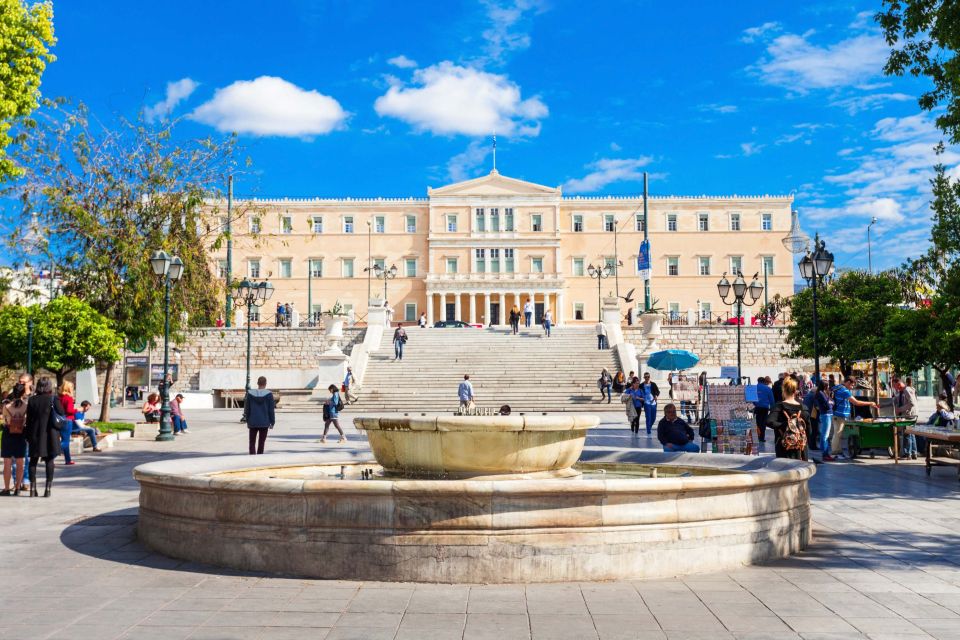
As you head toward Syntagma Square, you’re walking into a core symbol of modern Greece. This is where you start to understand why political energy in Athens doesn’t stay hidden—it spills out into the street.
You get guided time at Syntagma Square and then continue to the Hellenic Parliament area. Even if you’ve seen Parliament from a distance before, this tour frames it in a specific way: not as a distant government building, but as a stage where collective demands have played out.
Right nearby is the Tomb of the Unknown Soldier, with guided time there too. The tour’s interpretation helps connect sacrifice, national identity, and the way people believe the country should be run. It’s not just a memorial stop; it becomes part of the rebellion story—how a society remembers struggle and still argues about what comes after.
A practical note: this section is the most “public Athens” part of the walk. Expect crowds at peak times and plan to stay alert and respectful in sensitive spaces where you may be near security routines.
Passing Through Kolonaki and the Academy of Athens
Not every important stop is a protest stage. Part of the value here is how the route moves through different Athens moods without turning it into a random walk.
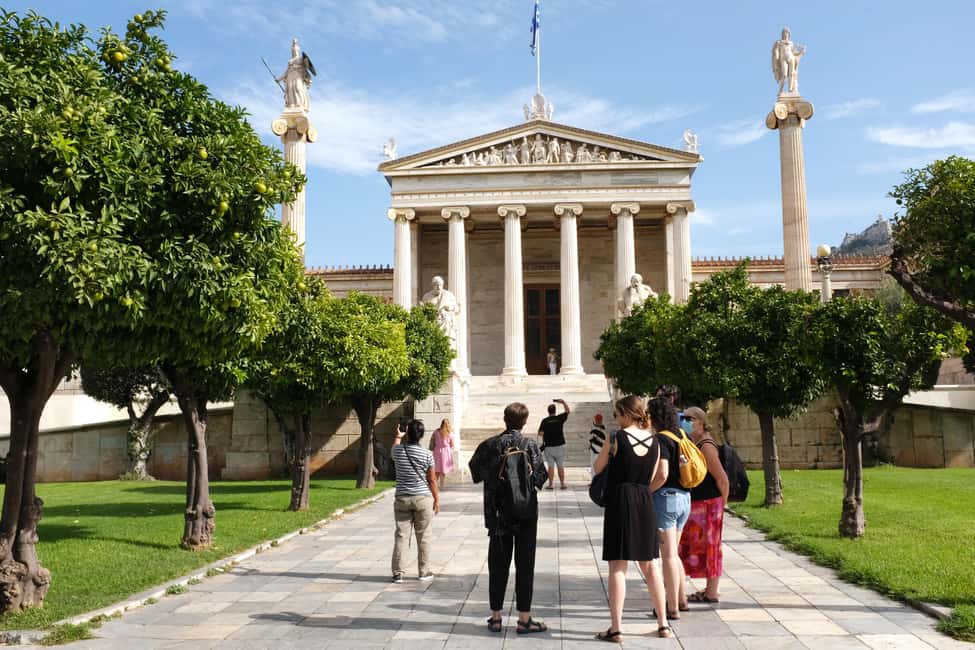
You’ll pass Kolonaki and then get guided time at the Academy of Athens. Kolonaki brings in a different tone—more upscale, more official-looking, more “classic Athens.” The Academy stop adds an intellectual layer, nudging you to think about how ideas and institutions interact with public pressure.
The tour uses these contrasts on purpose. When you watch the story progress from Ottoman resistance themes to modern activism, you start to notice that Athens isn’t one uniform culture. It’s a set of overlapping social worlds that sometimes cooperate and sometimes clash.
This section also helps if you’re pairing Athens with visits to ancient sites. After the marble and ruins, the Academy-and-adjacent stops remind you that modern Greece runs on institutions, arguments, and public debate—right in the middle of daily life.
Exarchia: The Resistance Neighborhood You Can Actually See
If there’s one reason to book this, it’s Exarchia. The tour treats the neighborhood as more than a concept. You walk through it with a guide who connects the streets to the political and social climate that shaped them.
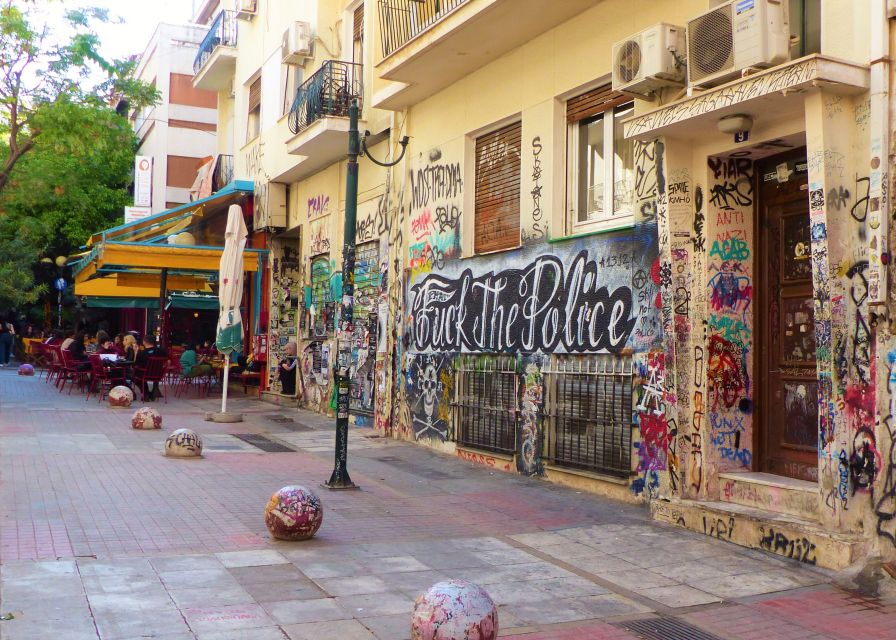
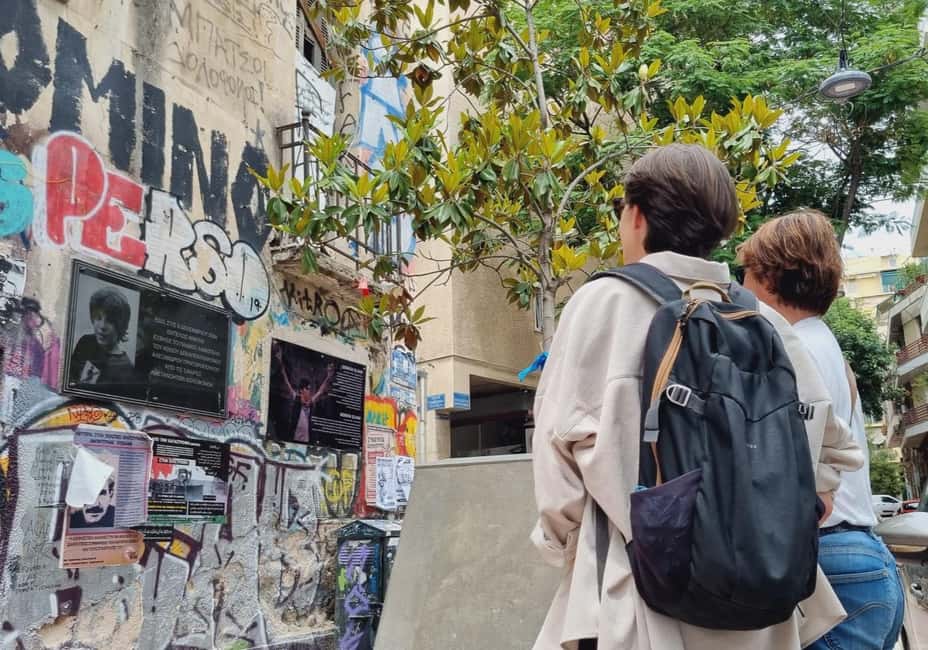
In Exarchia, the tour focuses on activism and community life—welcoming anarchists, refugees, the LGBT+ community, and artists—and explaining why the area became a hotbed for resistance. You’re not just looking at murals or street corners. You’re learning what the community built and defended.
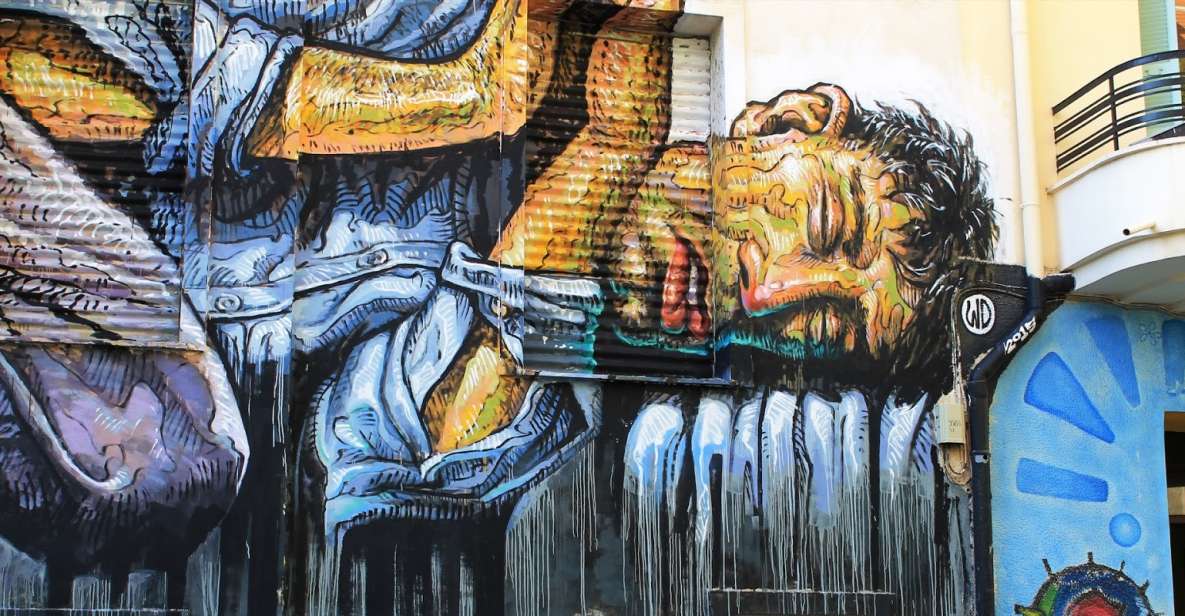
The guide’s approach matters here. Multiple people highlight how the tour makes you think critically about what you see—like graffiti and street art, including references to street artist WD. You’ll understand why street expression isn’t always decoration; sometimes it’s documentation, protest, and memory at the same time.
You also hear about ongoing tensions like police repression and gentrification pressure, and how residents try to protect a collectivist, anarchist culture. That’s a delicate topic, and the tour’s job is to keep it human and grounded rather than turning real neighborhoods into a spectacle.
This is also where the “deeper connection” promise becomes real. If you came to Athens wanting only architecture photos, Exarchia can feel like a different planet. If you came wanting to understand the city’s pulse, it clicks fast.
You can also read our reviews of more historical tours in Athens





The Two Mystery Stops (and Why Off-Main Stops Matter)
The walk includes a couple of special moments labeled as a secret stop and a couple of additional smaller stops. You won’t have a huge monument at every turn, and that’s kind of the point.
These shorter detours are where you get context that most casual sightseeing misses. They help explain how resistance and dissent live at street level: in small spaces, side streets, and the everyday geography of how people gather and speak.
These portions are also where you’ll likely have the most questions. With a guide walking you through less obvious spots, you can ask about what you’re seeing and how it connects to the big story—Ottoman rule themes, the Greek Revolution era, fascism and oppression references, and the protest culture around Syntagma.
If you’re a fast walker who hates pauses, these segments may feel like “extra time” rather than “must-see.” But if you like meaning, not just scenery, this is where the tour earns its keep.
How Long It Takes and What the Walking Feels Like
Total duration is 2.5 hours, and the tour notes that it’s not suitable for people with mobility impairments. Plan on steady walking and standing, with guided segments at several stops.
Group size is a big part of the experience quality. The tour offers private or small groups, which typically means you can ask follow-up questions instead of just hearing one-way commentary. From the way guides are described, conversation and empathy are part of the delivery, not a side feature.
Also, the tour includes English and French. If you’re choosing based on language comfort, I’d pick whichever one lets you fully follow explanations and ask questions without straining.
Price, Value, and What You’re Really Paying For
The price is $44.04 per person for a 2.5-hour guided walking tour. That’s a reasonable rate for Athens, but the real question is what you get beyond the price tag.
Here you’re paying for three things:
- Guided historical context that reaches from Ottoman-era resistance to present-day social justice
- A local point of view focused on Athens neighborhoods you might skip (especially Exarchia)
- A structured route that helps you understand why specific places matter politically, not just aesthetically
A lot of tours give you dates. This one is trying to give you connections—how different periods rhyme, how protest becomes routine, and how communities hold onto identity under pressure.
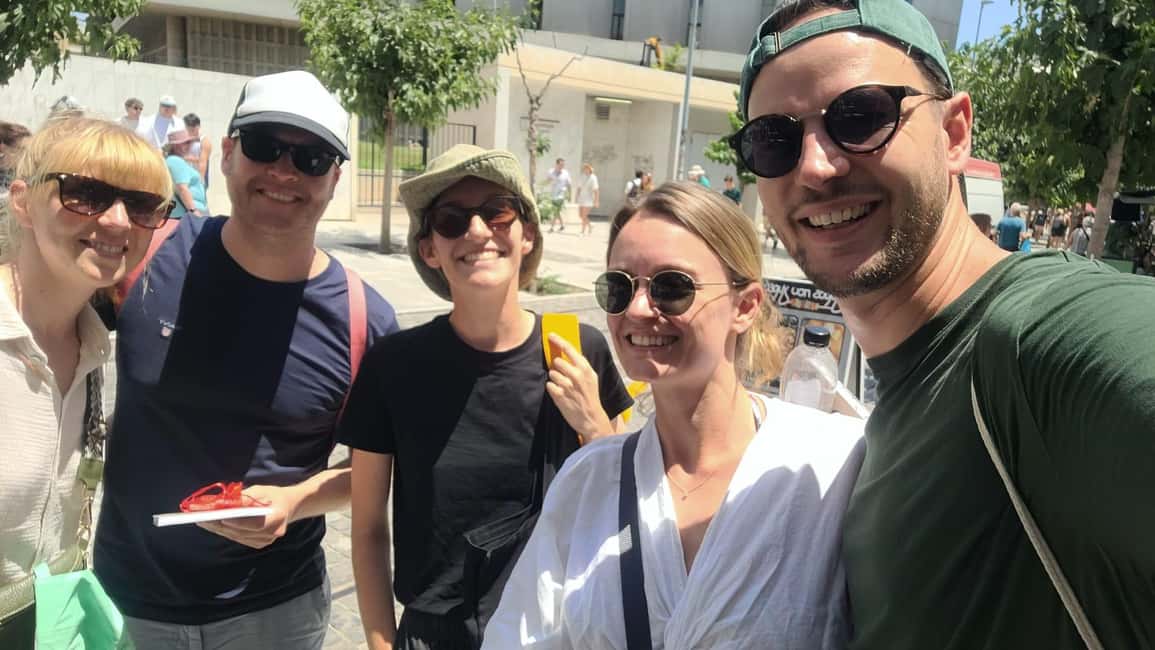
Guides like Maelle are repeatedly praised for clarity and empathy, with enough humor to keep the tone human even when topics get serious. You may also leave with practical suggestions for what to do next in Athens, including where to eat and what else to see.
Who This Tour Is Best For
This tour is a strong match if you:
- Like history that connects to the present
- Want to understand modern Greek politics in plain language
- Plan to spend time in neighborhoods beyond the main tourist circuits
- Appreciate guides who explain not just what happened, but why people acted the way they did
It’s also a good complement if you’re already doing ancient Athens. After the Acropolis-and-ruins day, this gives you a modern Athens “why it matters” lens. You’ll walk away with a better sense of what’s unresolved, what’s been fought for, and how streets reflect those arguments.
If you only want neutral viewpoints and don’t want politics mentioned directly, take a pass. This tour’s tone is built around rebellion and social justice.
Should You Book Athens: History of Rebellion Walking Tour?
I’d book it if you want Athens to feel like a real city, not just a museum. The combination of Ottoman-era context, Syntagma protest symbolism, and Exarchia’s community life gives you a rare full-circle perspective for a short time window.
Do consider the practical side: you’ll be walking and standing for around 2.5 hours, and the tour isn’t suitable for mobility impairments. Also, if you’re the kind of traveler who wants only “safe” sightseeing, this one may feel too focused on conflict and dissent.
If you’re curious, thoughtful, and ready to see Athens through a political and social lens, this tour is one of the best ways to get your bearings fast.
FAQ
How long is the Athens History of Rebellion Walking Tour?
It lasts about 2.5 hours. Starting times vary by availability, so check available slots when you book.
Where do I meet the guide?
Meet in Monastiraki Square in front of Pantanassa Church. The guide will have a sign that says Athens City of Rebellion.
What is included in the price?
The tour includes a walking tour and a live guide.
What languages are the tours offered in?
The tour is offered with live guides in English and French.
Is this tour suitable for people with mobility impairments?
No. It is not suitable for people with mobility impairments.
Where does the tour end?
The provided information has two versions: it says it ends back at the meeting point, but the itinerary also lists an end at Plateia Exarcheion (Exarchion Square). Double-check your confirmation message so you know the exact finish point.



More Walking Tours in Athens


More Tours in Athens




More Tour Reviews in Athens
- All Day Cruise -3 Islands to Agistri,Moni, Aegina with lunch and drinks included
★ 5.0 · 4,958 reviews