REVIEW · ATHENS
BEST 5-Day CLASSICAL GREECE Corinth Olympia Delphi Meteora & More
Book on Viator →Operated by WARMPENGUIN · Bookable on Viator
Classical Greece, tightly organized. This private 5-day route from Athens strings together major UNESCO stops with medieval detours, and it’s set up so you don’t waste time on logistics. You also choose among packages and vehicles, so the trip feels tailored instead of one-size-fits-all.
I especially like the comfort factor. The tour includes luxury transit (Mercedes sedan, minivan, or Sprinter style depending on group size) plus 4-star or boutique hotels with breakfast, which makes the long drives feel manageable. I also love the way evenings are planned for atmosphere, with real time in places like Monemvasia and Galaxidi, where you can slow down after big sites.
One watch-out: entrance fees for many sites cost extra, and the driver can explain things en-route but can’t go inside archaeological sites. If you want expert licensed guiding at multiple sites, you’ll need to add it.
In This Review
- Key Things You’ll Appreciate Most
- Athens to the Peloponnese: How This Tour Keeps You From Wasting Time
- Ancient Corinth, Mycenae, and Epidaurus: The Big Classical Trio to Start
- Ancient Corinth (Archaia Korinthos)
- Mycenae: Lion’s Gate and the Feel of Power
- Epidaurus and the Theatre That Actually Teaches Acoustics
- The payoff: Nafplio Lunch and a Sea-View Reset
- Possible drawback on Day one
- Mystras and Sparti to Monemvasia: Byzantium Ruins and Knight-Vibe Evenings
- Mystras (Byzantine UNESCO site)
- Sparti: A smaller stop with value
- Monemvasia: The Medieval Fortress Town You’ll Want to Loop Back To
- One practical consideration
- Olympia and Delphi Are the Anchors, but the Route Makes It Work
- Olympia: Where the Ancient Games Still Feel Present
- Rion-Antirion Bridge and the West Coast Turn
- Nafpaktos Old Port: A Great Lunch Stop
- Galaxidi: Evening at a Sea-View Village
- Delphi: Apollo, the Oracle, and the Museum That Connects the Pieces
- Arachova Lunch: Craft Shops and Valley Views
- Meteora: Monasteries on Pillars of Rock (And Why This Day Feels Special)
- Kalambaka Lunch and the Ride Toward Athens
- Thermopylae and the 300: The Final Stop With a Big Story Trigger
- Price and Value: What You’re Really Getting for $2,913.56
- Who This Tour Is Best For (and Who Might Want a Different Style)
- Should You Book This Classical Greece Tour?
- FAQ
- Is the tour based in Athens?
- How long is the tour?
- What kinds of vehicles are used?
- Are hotel stays included?
- Are entrance fees included?
- Can the driver guide inside archaeological sites?
- Is lunch included?
- Do I visit Meteora monasteries?
Key Things You’ll Appreciate Most
- Vasilios-level guidance: a professional, English-speaking driver can keep the story clear between stops, and his presentation style is a standout detail.
- A best-of route without the hassle: major classical anchors plus Meteora and Thermopylae, all handled for you.
- Medieval towns that break up the ancient grind: Nafplio, Monemvasia, Mystras, and Galaxidi give you variety in both scenery and pace.
- Plenty of built-in breaks: meal stops and longer town time help you avoid the constant rush that can happen on day trips.
- You control the depth: driver explanations are included, while licensed guides at specific sites are optional.
Athens to the Peloponnese: How This Tour Keeps You From Wasting Time

This is the kind of trip you’ll like if you want the highlights, not the planning headache. You start in Athens and then move outward across the Peloponnese and into central Greece, which means you’re packing a lot into five days without having to think about transfers, tickets, or route math.
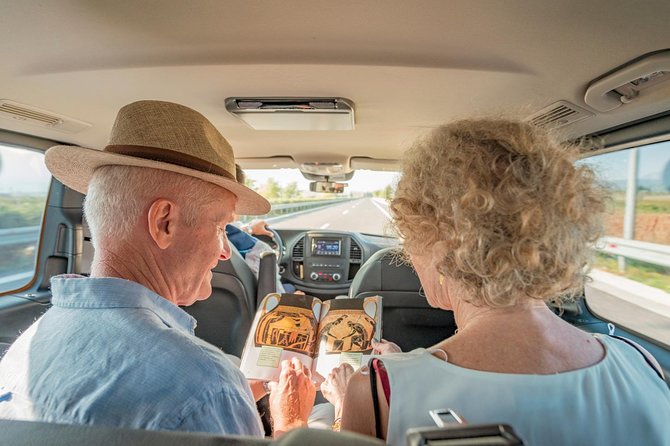
Because it’s private, the flow can feel more “you” than “everyone.” Your group travels together, and vehicle choice (from sedan up to a larger Mercedes option) depends on group size. That matters when you have long driving days—less fiddling, fewer waits, more time where you actually want to be.
The tour also uses mobile tickets, which is a small thing that can make a big difference when you’re on the move. You’ll still want to budget for entrance fees, but the paperwork side is kept simple.
You can also read our reviews of more tours and experiences in Athens
Ancient Corinth, Mycenae, and Epidaurus: The Big Classical Trio to Start
Day one hits three of Greece’s “you can’t skip this” places, and the order is smart. You ease out of Athens, then go straight into city-state history, then empire-era power, then healing mythology and theater craft.
Ancient Corinth (Archaia Korinthos)
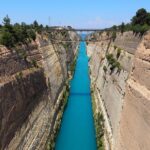
Ancient Corinth is a powerful opener because you get layers fast. You can stroll through areas connected to Classical Greeks, Roman Corinth, and even St. Paul. The site is preserved well enough that you can walk and still feel the urban rhythm—temples and street-level ruins rather than just scattered stones.
Practical note: this is typically a place where you’ll appreciate having at least some spoken context. The included driver can help you connect the dots while you walk.
Mycenae: Lion’s Gate and the Feel of Power
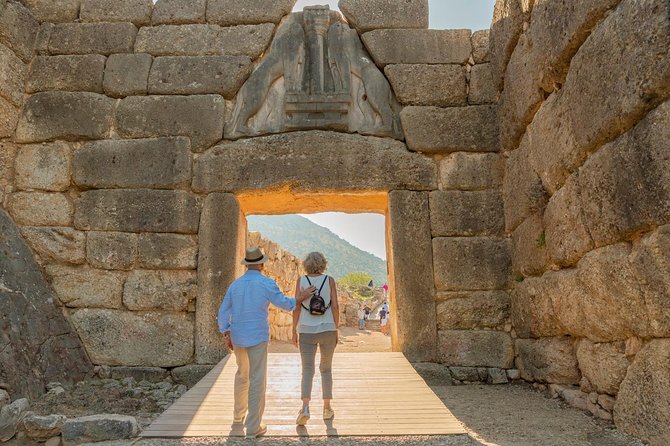
Next is Mycenae, and it’s an impressive jump in scale. You’ll pass through the city walls and enter at the Lion’s Gate, then explore the palace areas and the Treasury of Atreus. If you like the idea of myths tied to real architecture, this is where it clicks.
There’s also an on-site museum with artifacts uncovered from the area. That museum time is worth it if you want something more than a quick walk through ruins.
Epidaurus and the Theatre That Actually Teaches Acoustics
Then comes Epidaurus, where the “wow” factor isn’t only about ancient marble. It’s also about how the place works. You visit the UNESCO-listed Sanctuary of Asklepios, the ancient world’s first major healing center, and then go to the Theatre of Epidaurus, known for famous acoustics.
Even if you do nothing special with the theater, just standing there gives you a better sense of why people traveled for spectacles and worship.
- All Day Cruise -3 Islands to Agistri,Moni, Aegina with lunch and drinks included
★ 5.0 · 4,958 reviews




The payoff: Nafplio Lunch and a Sea-View Reset
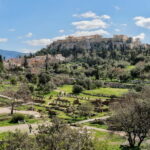
After the morning’s weighty sites, you head to Nafplio for lunch by the sea. Nafplio has that postcard-but-not-cliché feel—especially with views toward the Venetian castle of Bourtzi. It’s a good palate cleanser before you head to the medieval atmosphere of Monemvasia.
Possible drawback on Day one
This day is packed. If you’re sensitive to heat, long walks, or tight site-to-site transitions, plan to move slowly inside each complex and rely on breaks at cafes near entrances when you need them.
Mystras and Sparti to Monemvasia: Byzantium Ruins and Knight-Vibe Evenings
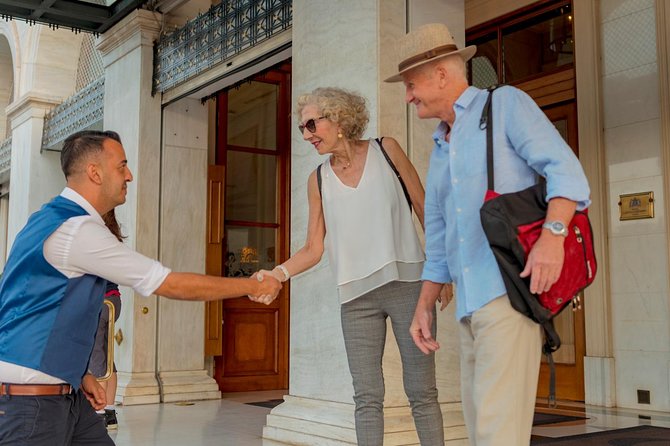
The second day slows your mental pace while still keeping the itinerary exciting. You start with ruins that show a different Greece—Byzantine power and hillside fortifications—then you head toward the kind of place you’ll want to wander without checking your watch.
Mystras (Byzantine UNESCO site)
Mystras is an 800-year-old ruin complex with palaces, churches, monasteries, residences, fortifications, and lots of “how did people live here” details. You get the sense of a city that was built and rebuilt over centuries, not just one moment frozen in time.
If classical sites feel too uniform to you, Mystras is a welcome change. It gives you streets and structures that feel more like a living world—just with the roof gone.
Sparti: A smaller stop with value
You also visit a local archaeological site in Sparti. This stop is shorter, so it’s not about major museum displays. It’s more about adding texture without consuming the whole day.
Monemvasia: The Medieval Fortress Town You’ll Want to Loop Back To
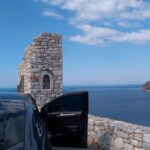
Then you reach Monemvasia, and it changes your travel mood. You enter via a long causeway and then cross into a fortress world with a single main access—cars can’t go in. Once you’re inside, you’re surrounded by winding cobbled streets and old captains’ houses and stone mansions that have been turned into small hotels, cafes, and eateries.
You’ll likely spend time wandering, sitting with a drink, and just letting the place work on you. Monemvasia is also where the tour’s “personal time” really shows: you’re not forced into a fast checklist after you arrive.
One practical consideration
Monemvasia is atmospheric, but it’s also steep and stone. Comfortable shoes matter more than you think, especially if you plan to explore beyond the main lanes.
Olympia and Delphi Are the Anchors, but the Route Makes It Work
Days three and four are where the trip becomes truly “classical Greece.” Olympia and Delphi do the heavy lifting, but the route between them also keeps the experience human, with bridges, ports, and evening food stops that feel local.
Olympia: Where the Ancient Games Still Feel Present
Olympia is one of those places where even a short visit makes you stop talking. You’ll see training and competition spaces connected to the Olympic Games of antiquity, plus the tunnel that leads you out into the stadium where athletes competed.
You also visit key structures like the Temple of Zeus and Hera and the workshop of Phidias, plus an extensive museum with masterpieces from the site. The museum is a big part of making Olympia feel complete, because the artifacts give you a clearer sense of what people valued and created.
If you like the human side of history, Olympia works because it’s built around motion—training, performance, spectacle.
Rion-Antirion Bridge and the West Coast Turn
After Olympia, you cross the Rion-Antirion Bridge—a major engineering landmark connecting the Peloponnese back to the Greek mainland. It’s short, but it’s a useful reset. You go from ancient sport sites to a modern way of spanning water, which helps your brain unclench before the next ancient landscape.
Nafpaktos Old Port: A Great Lunch Stop
Next you stop in Nafpaktos Old Port, a Venetian-style harbor scene that’s easy to love. It’s described as postcard pretty, and it’s also a smart place for lunch because it gives you seating, shade, and sea air without too much effort.
You’ll have time to walk and take in the port vibe rather than rushing straight back onto the road.
Galaxidi: Evening at a Sea-View Village

Galaxidi is where you switch from “major site day” to “eat well and stroll.” It’s a seaside village near the ancient port of Delphi, with less mass-tourism energy and more everyday charm. The plan gives you a full evening to wander pretty streets, pop into cafes, and choose an authentic meal.
If you care about dining, this is one of the tour’s quiet wins. Even just having a relaxed evening here makes the next morning’s Delphi visit easier to enjoy.
Delphi: Apollo, the Oracle, and the Museum That Connects the Pieces
Delphi sits on terraced slopes, and it’s a site that rewards patience. The plan gives you time to move through key areas tied to mythology and worship, including the Temple of Apollo where the oracle delivered prophecies, the Castalian spring, and the theatre and treasury buildings.
You’ll also see temples of Athena and areas associated with the Gymnasium, connected to athletes gathering before the Pythian games. Delphi feels like a place where religion and performance were intertwined.
The modern museum is a major bonus. The museum helps you understand what you’re seeing in the ruins by showing finds that stretch back far earlier than the main classical buildings.
Arachova Lunch: Craft Shops and Valley Views
On the way forward, you stop in Arachova for lunch. It’s known here for craft shops and views over the olive-filled Pleistos river valley. It’s not just a food stop. It’s also your chance to pick up small souvenirs without turning it into a full shopping mission.
Meteora: Monasteries on Pillars of Rock (And Why This Day Feels Special)
Meteora is one of the highlights you’ll remember even if you visited plenty of ruins before. The monasteries sit atop tall sandstone rock formations reaching up to 1,312 feet. That combination of geology and spiritual life makes it feel different from classic temple sites.
You’ll visit at least two monasteries, typically including Grand Meteora and either Varlaam or Agiou Stefanou. Seeing more than one matters here because each viewpoint changes your sense of scale.
Plan for walking, stairs, and lots of steps inside the monastery approach. The good news is that the scenery does half the job for you. Even when you’re tired, the rocks and views keep you engaged.
Kalambaka Lunch and the Ride Toward Athens
After Meteora, you’ll pause in Kalambaka for a traditional lunch in the town square. This is a nice way to break up the day before the long drive back toward Athens.
Lunch here helps you avoid the classic mistake: skipping food because you’re already thinking about the next stop. You’ll want energy for the last leg.
Thermopylae and the 300: The Final Stop With a Big Story Trigger
Then you head to Thermopylae. You’ll stop at the monument and enter a newly built visitor center that recreates the ancient battle where King Leonidas led the 300 Spartans in 480 BC.
It’s a smart finish. You end with a story people recognize, so everything you’ve seen across the trip—Athens-era legends, Spartans, and Greek identity—lands in one place.
After that, the plan includes a final pause for lunch or a break by the sea in local villages before you continue onward.
Price and Value: What You’re Really Getting for $2,913.56
This price is high at first glance, but the value logic is clearer once you look at what’s included. You’re paying for a private setup, a professional driver all day, hotel stays at minimum 4-star or boutique properties with breakfast, and included luxury transit (Mercedes sedan/minivan/Sprinter based on group size). That combination is expensive when you break it down yourself.
What’s not included is the part that can add up quickly on classical Greece: entrance fees. Many of the main archaeological sites also typically have admission costs, even if some smaller stops are listed as free.
Also note the guidance setup. The driver can explain as you go, but they cannot enter archaeological sites. If you want expert licensed guides at specific sites, you can add them, and that will increase the total.
One more value lever: lunch. You can add lunch later or choose a package that includes it. Platinum includes a 3-course lunch, while the standard lunch add-on offers traditional menus each day with vegetarian options available if you inform allergies.
So the question isn’t just the sticker price. It’s whether you want to outsource driving, timing, and hotel logistics while still having flexibility on added guides and meals.
Who This Tour Is Best For (and Who Might Want a Different Style)
This tour fits you well if you want a tight, high-impact route that still leaves room for real wandering. It’s a great match for couples, small families, and friend groups who like major UNESCO sites but also want breaks in towns that feel lived-in.
You’ll also like it if you appreciate a driver who can keep the story clear between monuments. The guide name Vasilios shows up as a standout in the experience’s best feedback, which lines up with how this tour is built: someone needs to connect the dots while you’re moving.
It might not be your best choice if you want to spend half a day per site reading every sign and chatting with an on-site expert at each stop. Here, you get strong context from the driver and optional licensed guides, but it’s not a full-day archaeology seminar for every ruin.
Should You Book This Classical Greece Tour?
If you want to see Corinth, Mycenae, Epidaurus, Olympia, Delphi, Meteora, and Thermopylae in one organized sweep—without hiring multiple drivers or stitching together your own hotel plan—this makes a lot of sense.
I’d book it if you:
- prefer private pacing over crowded group tours
- want both ancient landmarks and medieval atmosphere in the same trip
- like the idea of deciding later on licensed guides rather than paying for them everywhere
I’d hesitate if you:
- hate paying extra on top for admission fees
- need an expert guide inside every major site to enjoy it
FAQ
Is the tour based in Athens?
Yes. It starts in Athens, and pickup within Athens is offered. Pickup from areas outside Athens is also possible on request, with a possible supplement.
How long is the tour?
It lasts about 5 days.
What kinds of vehicles are used?
Depending on group size, the tour uses a Mercedes sedan, minivan, or other Mercedes-style option included under the package class.
Are hotel stays included?
Yes. You’ll have minimum 4-star or boutique hotels with breakfast.
Are entrance fees included?
No. Entrance fees are not included, though some stops are listed as free.
Can the driver guide inside archaeological sites?
Not in the sites themselves. The driver can explain en-route, but they cannot enter archaeological sites. Licensed guides are available on request for one or more sites.
Is lunch included?
Lunch can be added later on request or included in certain booking options. Platinum includes a 3-course lunch, and vegetarian choices are available if you inform them about allergies.
Do I visit Meteora monasteries?
Yes. You’ll visit at least two monasteries, typically including Grand Meteora plus Varlaam or Agiou Stefanou, and you’ll have time afterward in Kalambaka before heading toward Thermopylae.
If you want, tell me your travel style (fast highlights vs. slower site reading) and your month of travel, and I’ll suggest whether you should upgrade for licensed guides at 1–2 sites or keep it simple with the driver’s explanations.


More 5-Day Experiences in Athens


More Tour Reviews in Athens
- All Day Cruise -3 Islands to Agistri,Moni, Aegina with lunch and drinks included
★ 5.0 · 4,958 reviews