REVIEW · ATHENS
Athens: the Great Greek Philosophers Guided Tour in Spanish
Book on GetYourGuide →Operated by Secrets of Greece IKE · Bookable on GetYourGuide
Philosophy walking in Athens hits different. I like the way this tour links big ideas to specific places you can stand on, and I love that the story stays Spanish-language and guide-led, not just stone-and-sign photos. You’ll see key stops like the Statue of Platon, Aeropagus, and the Socrates Prison, while the guide connects them to the birth of philosophy and the personalities behind it.
One thing to consider: it’s a 150-minute walk, so if you’re not comfortable on your feet, you’ll feel it. Also, since the tour runs in Spanish, it’s best if you can follow a live conversation (or you’re willing to rely on the guide’s clear explanations).
In This Review
- Key takeaways before you go
- Starting at the Statue of Platon: your “classroom” in the city
- The walk that connects the Greek agora to the hill of Pnyx
- Aeropagus: where debate and consequences feel close
- Socrates Prison: the most memorable stop for the “price of thinking”
- How the guide teaches philosophy without turning it into homework
- What a 150-minute tour feels like in Athens (and how to handle it)
- Price and value: why $34 can be a smart buy
- Who should book this tour, and who should skip it
- Should you book the Athens Great Greek Philosophers guided tour (Spanish)?
- FAQ
- What language is the tour in?
- Where is the meeting point?
- How long is the tour?
- What does the tour cost?
- What is included in the price?
- What should I bring?
- Is food or drinks included?
- What are the main places you visit?
- Can I cancel and get a refund?
- Is there a reserve now and pay later option?
Key takeaways before you go
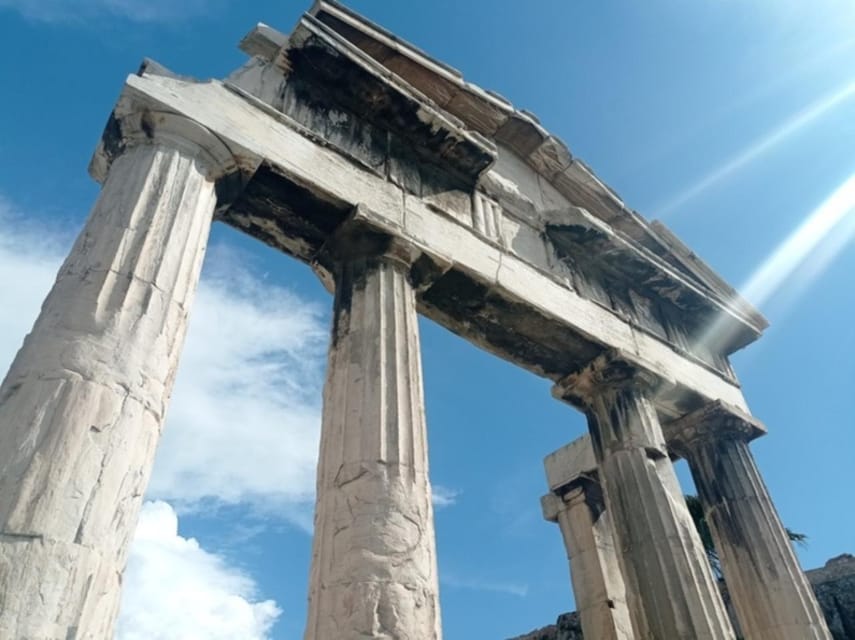
- Three major philosophy stops: Statue of Platon, Aeropagus, and Socrates Prison
- A story-driven route from the Greek agora to the hill of Pnyx
- Spanish live guide with a question-friendly teaching style
- Designed for context, not just sightseeing: why the places mattered to ancient society
- Bring water and comfy shoes for a full 150 minutes on your feet
Starting at the Statue of Platon: your “classroom” in the city
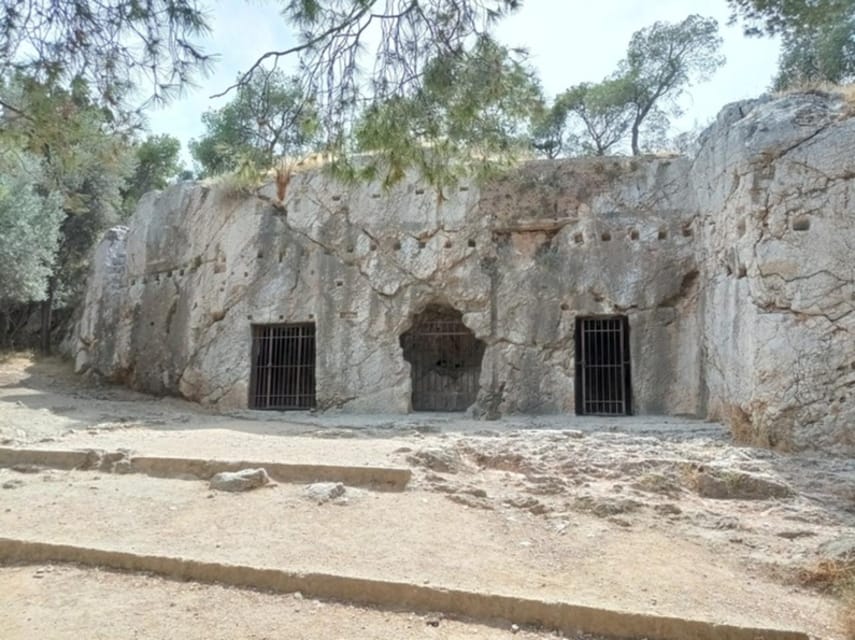
You meet in front of the Statue of Platon, and the timing matters. Arrive 10 minutes early so you’re not rushed into group orientation, especially with a live guide.
This stop is a smart way to begin. It sets the tone that you’re not collecting facts; you’re reading Athens like a text. In a good tour, the first minutes help you notice the connections. Here, that connection is philosophy as lived experience, not a distant subject.
If you’re the kind of person who likes “why this place, why now,” you’re going to be in the right mindset from the start. And if your guide is Gregory (a common name for this tour), you’ll likely appreciate the way he frames the story to make it stick.
You can also read our reviews of more guided tours in Athens


The walk that connects the Greek agora to the hill of Pnyx
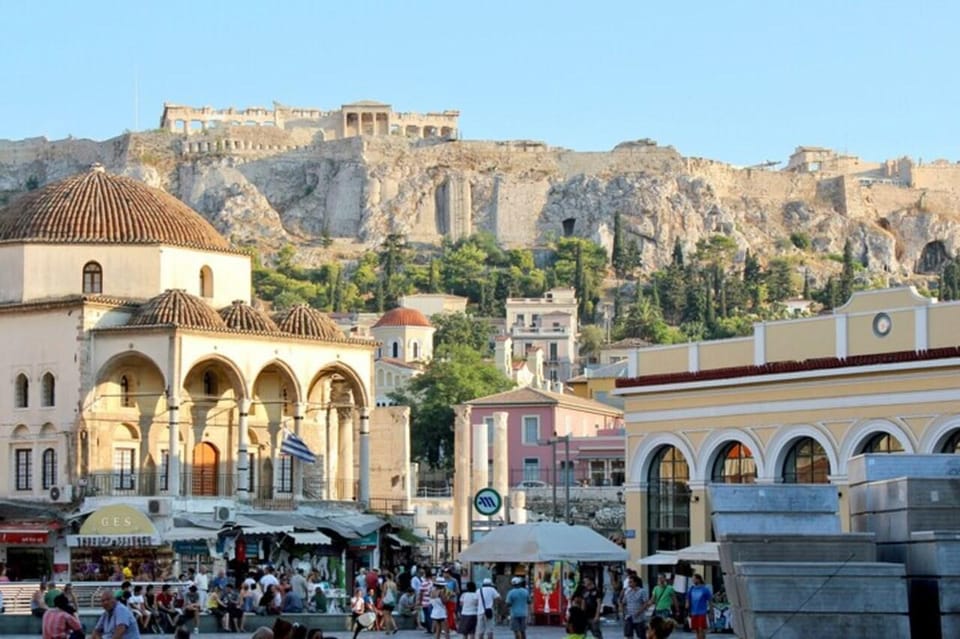
A big part of what you’ll do is follow the thread from the Greek agora to the hill of Pnyx. That’s not random walking. The tour is built to show how public spaces shaped ideas, and how those ideas shaped society.
Here’s why this matters for your trip: Athens can feel like a museum spread across streets. This route helps you turn the city into a timeline. Instead of bouncing from one famous site to another, you get a guided logic to the day—places first, thinkers second, and then the consequences of thinking.
You’ll hear how the guide explains the symbolism of the places you pass. That’s useful because it changes what you see. The stones don’t just look old; they start to feel purposeful.
Aeropagus: where debate and consequences feel close
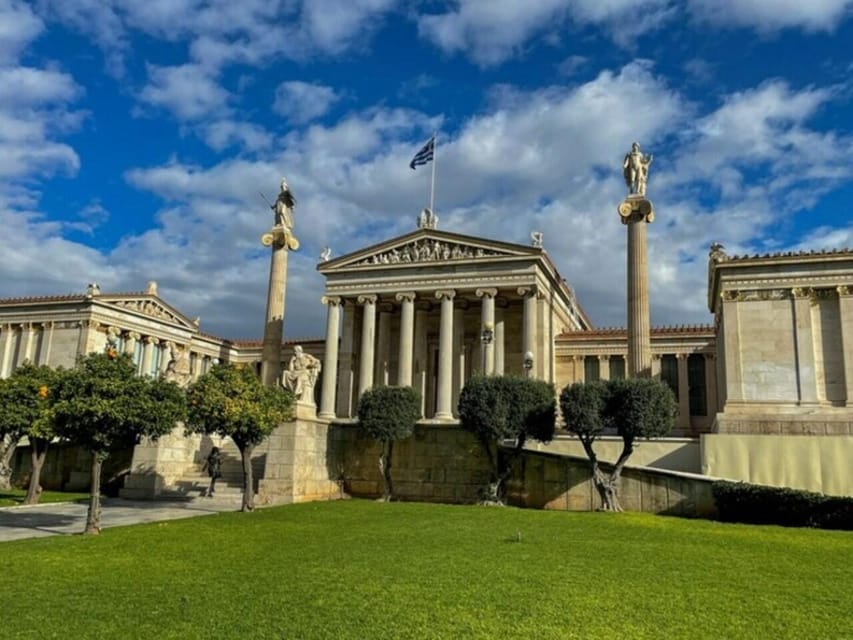
One of the named highlights is Aeropagus. On this kind of tour, the value isn’t only that it’s a famous spot—it’s how the guide uses it to connect philosophy to real civic life.
The tour’s theme is that wisdom isn’t always comfortable. You’ll hear that sometimes, being wise ends up paying dearly. That theme is a strong match for how Athens feels in person. The city has layers. And the story makes you pay attention to the layers, not just the architecture.
Practical note: Aeropagus is part of a continued walk. So pace yourself. If you go too fast early on, the middle of the tour can feel like work. If you keep a steady rhythm, the stops land better.
Socrates Prison: the most memorable stop for the “price of thinking”
The tour’s other major highlight is Socrates Prison. Even if you don’t know every detail of Socrates, this is the moment where the tour’s message usually clicks.
The guide emphasizes that philosophy wasn’t just an intellectual hobby. It had stakes. Standing in the story’s setting makes the ideas feel less abstract and more human. You can almost see how questions would create friction.
This stop is also a good test of whether the tour’s style works for you. If the guide is strong at storytelling (and from the way this tour is repeatedly described, that’s a key strength), you’ll leave this segment feeling like you understood Socrates through place, not through a textbook.
How the guide teaches philosophy without turning it into homework
This is where the best versions of this tour shine. The tour is guided in Spanish, but it’s also designed to be engaging. The guide talks about the birth of philosophy and connects it to personalities like Socrates, while also encouraging the group to think.
What I like about this approach for real visitors: it avoids the “lecture-only” trap. If the guide keeps asking questions, prompts discussions, and answers follow-ups, you get a more personal experience than a standard history walk.
If your guide is Gregory, you’ll likely notice a teaching style that’s friendly and a bit playful, with explanations made clearer through everyday comparisons. That matters because philosophy can sound lofty. Clear language helps you stay with it.
If you’re a beginner, this is the kind of tour that can help you form a first map of how the ideas connect. If you already know some classics, you’ll likely appreciate the way the route forces you to connect thinkers to locations, not just to names.
- All Day Cruise -3 Islands to Agistri,Moni, Aegina with lunch and drinks included
★ 5.0 · 4,958 reviews





What a 150-minute tour feels like in Athens (and how to handle it)
A 150-minute duration is long enough to feel like a proper experience, but short enough that you’re not trapped in a half-day plan. In Athens, that’s the sweet spot.
Still, you’re walking. Wear comfortable shoes and bring water, as the tour recommends. Even if the route doesn’t sound extreme, heat and stone sidewalks can turn “a short walk” into a slow grind.
Also, plan your mental energy. This is not just “look at this.” It’s a thinking tour. If you arrive exhausted, you’ll miss some of the connections the guide makes. If you arrive ready to listen and ask questions, the time passes quickly.
Price and value: why $34 can be a smart buy
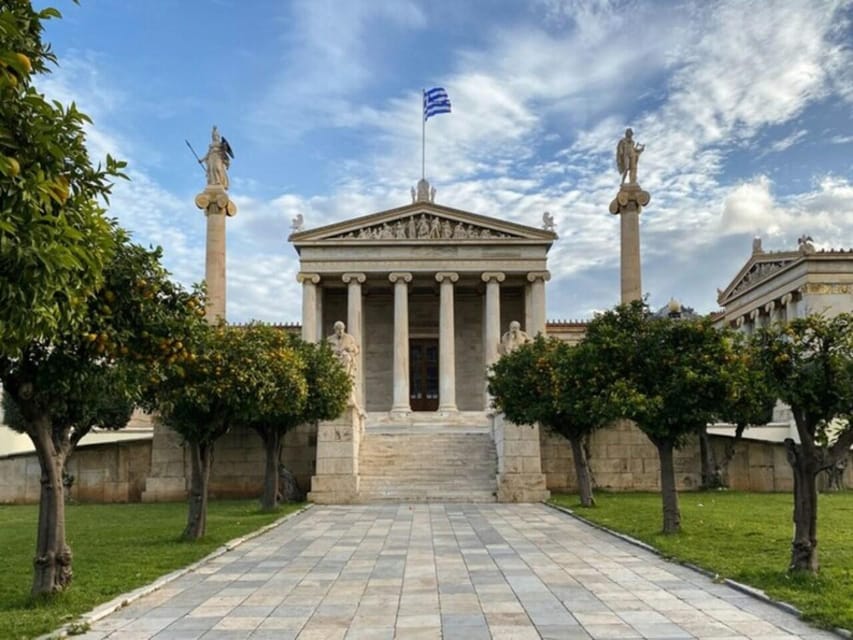
At $34 per person for 150 minutes with a live official tour guide, the value depends on what you want from Athens.
If you’re the type who enjoys a guided story, this price can be fair because it buys time with someone who can connect sites to ideas. You’re paying for interpretation, not just access. And in Athens, interpretation is often what turns “I saw it” into “I got it.”
If you prefer self-guided wandering with a phone app, then you might feel $34 is unnecessary. But if you want a structured route that links Platon, the agora, Pnyx, Aeropagus, and the Socrates Prison into one philosophy narrative, $34 is a reasonable price for that focus.
Who should book this tour, and who should skip it
This fits best if you want a deeper Athens experience without needing a degree in classics. It’s also great if you like interactive learning—people seem to enjoy it when the guide asks questions and keeps the pace engaging.
Book it if:
- you want a philosophy-themed walking tour with named stops
- you enjoy guided explanation tied to places, not just monuments
- you speak or understand enough Spanish to follow a live conversation
Consider skipping if:
- you’re strongly uncomfortable walking for 150 minutes
- you can’t follow Spanish well enough to enjoy the discussion-style teaching
- you want a pure photo-and-views route with minimal talking
Should you book the Athens Great Greek Philosophers guided tour (Spanish)?
If you’re torn, here’s the deciding question: do you want Athens as a story with reasoning behind it, or just a highlight reel? If you want reasoning, this tour is a strong match. It focuses on the birth of philosophy, key personalities like Socrates, and meaningful stops such as the Statue of Platon, Aeropagus, and Socrates Prison—so you leave with more than memories.
If Spanish is manageable for you and you’re set for a 150-minute walk, I’d book it. It’s the kind of experience where the guide’s teaching style can make philosophy feel practical and human—exactly what a city like Athens should do.
FAQ
What language is the tour in?
The tour is guided in Spanish.
Where is the meeting point?
You meet in front of the Statue of Plato. You should arrive 10 minutes before the tour begins.
How long is the tour?
The tour lasts 150 minutes.
What does the tour cost?
The price is $34 per person.
What is included in the price?
An official tour guide is included.
What should I bring?
Bring comfortable shoes and water.
Is food or drinks included?
No. Food and drinks are not included.
What are the main places you visit?
The tour highlights include the Statue of Platon, Aeropagus, and Socrates Prison, with the route connecting the Greek agora to the hill of Pnyx.
Can I cancel and get a refund?
Yes. Free cancellation is available up to 24 hours in advance for a full refund.
Is there a reserve now and pay later option?
Yes. You can reserve now and pay later.




More Guided Tours in Athens

More Tours in Athens

More Tour Reviews in Athens
- All Day Cruise -3 Islands to Agistri,Moni, Aegina with lunch and drinks included
★ 5.0 · 4,958 reviews