REVIEW · ATHENS
5-Day Best of: Nafplio Mycenae Epidaurus Olympia Zakynthos island Delphi Meteora
Book on Viator →Operated by EUDAIMONIA Private Tours · Bookable on Viator
This trip feels like Greece stitched together in five very different moods, from ancient arenas to sea-blue coves. I love how the itinerary groups the big UNESCO hits without turning them into a check-box sprint, and I love the food-and-drink focus that makes each day feel like real Greek life. One thing to weigh: you’ll do serious walking (999 steps in Nafplio, rocky stairways at Meteora), and the Zakynthos boat day depends on weather.
A big plus for me is the private, just-your-group approach. That means you’re not waiting behind crowds or losing time to tourist rhythms, and it also makes the day feel more flexible when timing gets tricky. The tour company’s planning style shows up in their responsiveness and customizing focus, and names like Nikos and Theo come up in their guest stories.
In This Review
- Key Highlights Worth Planning Around
- The Big Idea: UNESCO Power + Sea Time + Monastery Views
- Day 1: Corinth Canal, Mycenae, Nafplio, Epidaurus Theater
- Day 2: Olympia Ruins, Museum Statues, Then Zakynthos by Ferry
- Day 3: Navagio and Blue Caves, plus Flexible Zakynthos Options
- Day 4: Nafpaktos Coffee Stop, Delphi Oracle Area, and Meteora at Sunset Time
- Day 5: Great Meteoron, Varlaam, Holy Trinity, then a Thermopylae break
- Value and Costs: What You Pay For, What You Don’t
- Who This Trip Suits (and Who Might Want Something Different)
- Booking Advice: How to Make This Tour Feel Like Yours
- Should You Book?
- FAQ
- FAQ
- What time does the tour start?
- Is pickup offered?
- Is this a private tour?
- Are ferry tickets to Zakynthos included?
- Are the boat tours included?
- How much food is included?
- What happens at Meteora on the last day?
- Does the schedule depend on weather?
Key Highlights Worth Planning Around
- Corinth Canal stop, then Mycenae and Nafplio in a tight, efficient loop
- Epidaurus Theater with that legendary acoustics vibe
- Zakynthos ferry + optional boat time at Navagio and the Blue Caves
- Delphi includes the oracle area and the lesser-visited Tholos of Athena Pronaia
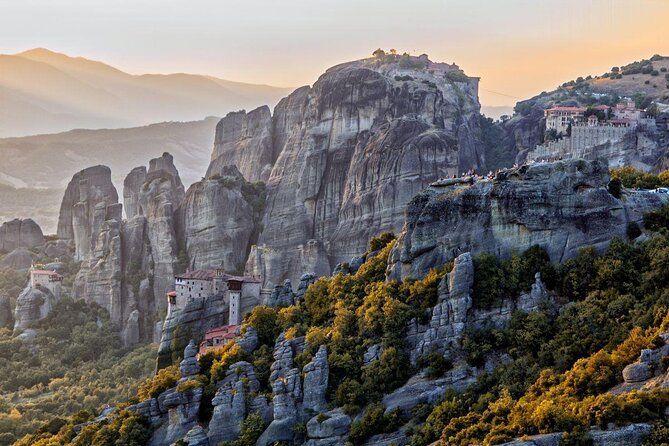
- Meteora monastery visits (2–3) with timing options like a sunset feel
- Lunch and drinks are part of the rhythm, not an afterthought
The Big Idea: UNESCO Power + Sea Time + Monastery Views
This is not a Greece sampler where you hop off a bus and disappear into a gift shop. The mix is smart: Peloponnese for ancient drama, Zakynthos for the postcard sea, Delphi for the oracle, and Meteora for monasteries hanging above the rocks. You get long sightseeing days, sure, but the pacing feels designed around what’s worth your attention.
What makes it feel “real” is the way the day-to-day is built. Yes, you’ll see the famous sites. But you’ll also get time in towns like Nafplio and Zakynthos, and you’re not boxed into a fixed tourist menu. Lunches are included, and the itinerary explicitly treats food and drink as part of the experience, not a break between stops.
The other key factor is privacy. If your group has a rhythm (morning people, slow walkers, photo hounds), the tour can be shaped around that. That matters a lot on a route this packed, because the difference between enjoying a site and rushing through it often comes down to minutes.
You can also read our reviews of more tours and experiences in Athens
Day 1: Corinth Canal, Mycenae, Nafplio, Epidaurus Theater
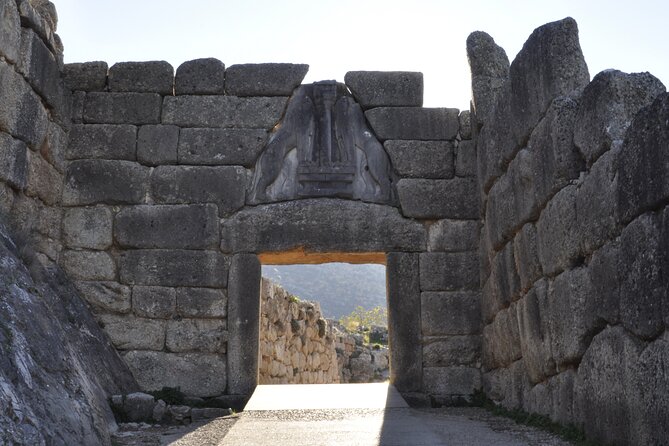
Day 1 sets the tone with a classic Peloponnese arc: land-sea-geography, then power-and-legend, then one of Greece’s most famous performance spaces.
Corinth Canal (quick photo stop)
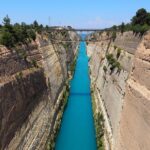
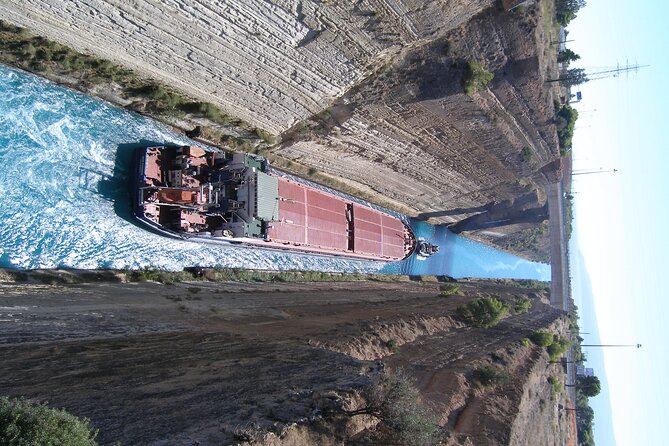
You only get about 15 minutes here, but it’s a useful reset. The canal slices through the Isthmus of Corinth and visually explains how the peninsula feels like its own world. It’s free, so don’t overthink it: think quick bearings and then straight into ruins mode.
Mycenae archaeological site (2 hours)
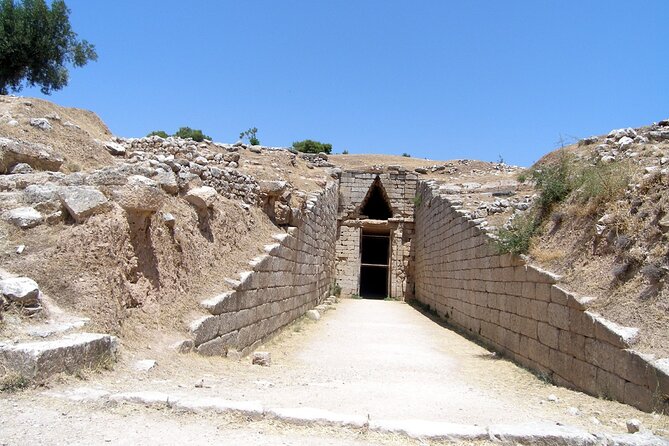
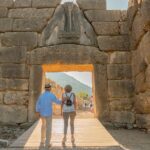
This is where you step into the story of Agamemnon and the Mycenean civilization. You’ll have about two hours to wander the archaeological grounds and also check the accompanying museum. Tickets are not included, so plan for that extra cost, but the time is there to do it properly instead of treating it like a drive-by.
Nafplio (2 hours)
Nafplio is one of those places where you can feel why people fall in love with Greece. You get a solid two hours, which is enough for a coffee, a stroll, and just letting the town set your pace. This is also a nice psychological break after Mycenae, because you’re not climbing ruins; you’re moving like a human again.
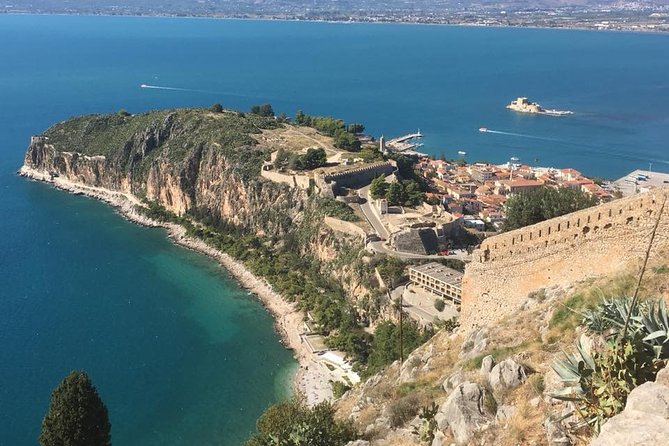
Palamidi Castle and the 999 steps (about 40 minutes)
If you want a view of Nafplio’s rooftops and coastline angles, this is the way. The castle walk includes the famous 999 steps down to the old town. That’s not a light stroll, so wear good shoes and expect your legs to feel it later in the day.
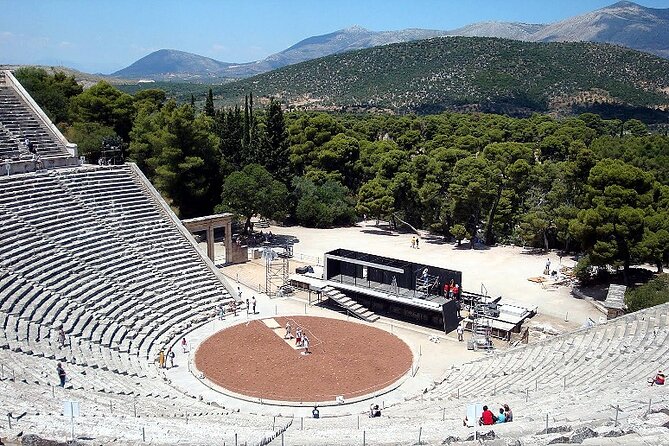
Epidaurus Ancient Theatre (2 hours)
Epidaurus is a UNESCO site and one of the best-preserved theaters in Greece. The highlight is the sense that it was built for sound to travel—people talk about the acoustics for a reason. Two hours gives you time to walk the grounds and take in the setting, not just sit and snap a few photos.
Practical tip: If you’re the type who hates stairs, you’ll still love Epidaurus, but you may want to pace yourself at Palamidi. You’ll enjoy the day more if you don’t treat it as a “hurt yourself for bragging rights” event.
Day 2: Olympia Ruins, Museum Statues, Then Zakynthos by Ferry
Day 2 is ancient athletics and art, followed by island check-in and an evening on your own.
Olympia archaeological site (2 hours)
Olympia hosted the original Olympic Games, and the ruins include training areas, a stadium, and temples tied to Hera and Zeus. This is the day’s big “wow” engine for anyone who likes sports history, religion-in-ruins, or just understanding how the ancient world organized itself.
Olympia museum (about 40 minutes)
The museum is shorter than the site, but it’s where you see major sculptures up close. One example called out in the tour details is the sculpted decoration of the marble temple of Zeus, plus the famous Hermes attributed to Praxiteles. Even if you don’t spend long in museums, this stop pays off.
Zakynthos transfer and town time
After Olympia, you head toward Kyllini Port for the ferry to Zakynthos. The crossing is about an hour, and you arrive in the afternoon range, check in, and then have the rest of the day free. That free time is valuable because it gives you room to eat where locals actually go—traditional tavern dinners are the idea here.
Practical tip: Build in some flexibility on day 2. Ferry days can shift slightly, and you’ll enjoy the island more if you’re not trying to cram a perfect sightseeing route right after check-in.
Day 3: Navagio and Blue Caves, plus Flexible Zakynthos Options
Day 3 is the sea day. It’s also the day most affected by weather, because the boat piece is built around conditions.
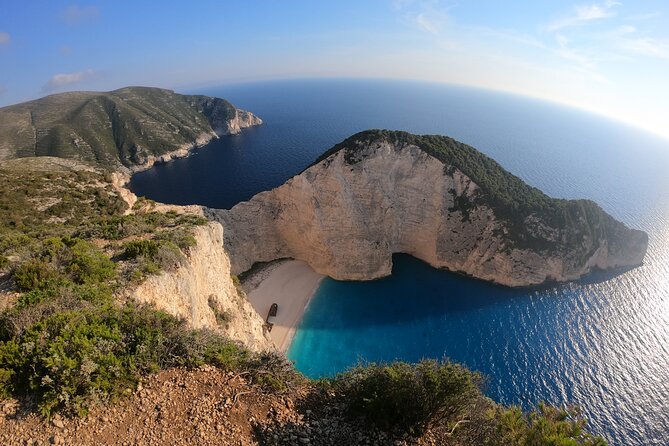
Boat time: Navagio and the Blue Caves (about 3 hours)
You’ll board the boat for Navagio Beach and the Blue Caves on the way back. At both locations you have the option to swim. Navagio gets about 45 minutes to explore the beach area, which is mostly the “get there, enjoy it, don’t lose time on the shore” kind of window.
The Blue Caves stop is shorter—more like a quick swim moment and some views from the water. The tour also flags that if weather makes the Navagio boat plan difficult, it can be replaced by a south-side Zakynthos experience, including Marathonisi and turtle-related swimming options depending on conditions.
Optional add-on: private boat
There’s an extra-cost option for a private boat that ranges in price depending on boat size and timing. If your group really wants control—timing, fewer people on board, more swim time—this is the path.
Zakynthos by car and the Navagio viewpoint (about 4 hours total on the car day block)
After the boat, you also do island exploration by vehicle toward the boat pick-up location area, plus photographing Navagio from above. This matters because Navagio photos from the cliff angle and from the beach can look totally different, even when it’s the same spot.
More flexibility: north/south combos or two boat tours (up to you)
The itinerary is intentionally flexible here. You can do coastline driving for views, join additional 2–3 hour boat tours for either north or south sides, or in some cases do two boat tours to cover both sides. The tour is set up so you can choose what kind of day you want: more time on land, more water time, or a balanced mix.
Lunch and drinks at Lithakia (about 1 hour)
Lunch and drinks are included as part of the Lithakia stop. This is one of those details I like because it turns a scenic day into a feed-yourself day, without forcing you into “find food somewhere” planning.
Practical tip: Plan for sunglasses and sunscreen, but also for something you can wear on a boat deck. If you’re adding a private boat, ask ahead what’s included so there are no surprises about duration and costs.
Day 4: Nafpaktos Coffee Stop, Delphi Oracle Area, and Meteora at Sunset Time
Day 4 is a “mythology and religion” day followed by spiritual rock towers. It’s also a day that can feel like two halves: Delphi first, then Meteora lighting.
Nafpaktos old port option (about 20 minutes)
You have a free-option stop in Nafpaktos to stretch your legs, grab a coffee by the water, and enjoy the Venetian castle area before heading on to Delphi. Even though it’s short, this is a smart break that keeps the long day from turning into a nonstop march.
Delphi: the sanctuary and oracle setting (about 1 hour)
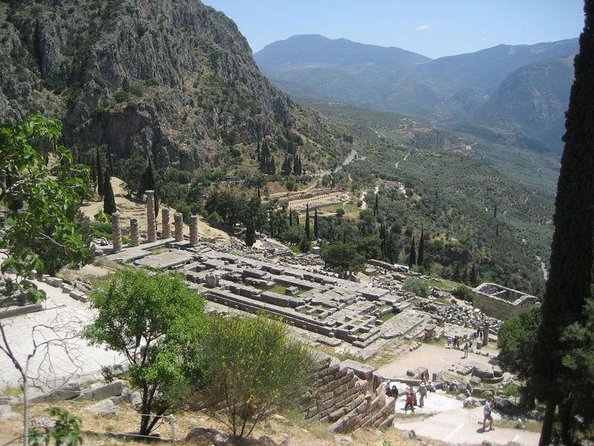
Delphi is where the oracle of Apollo spoke, and it sits in a dramatic natural setting. The tour framing also includes the omphalos idea—the navel of the world—so you get more than just ruins on a hill; you get a sense of what the site meant to the ancient Greeks.
Delphi Archaeological Museum (about 45 minutes, not included)
This museum stop is optional ticket-wise, but it’s a good one. It includes architectural sculptures, statues, and smaller objects connected to the sanctuary. The tour calls out pieces like the Charioteer and the Sphinx of the Naxians, dated to 560 BC.
Tholos of Athena Pronaia (about 25 minutes, easy to miss)
This is the kind of stop I personally appreciate because it’s not the mass-market highlight. The tour specifically notes it’s skipped by many agencies but is a key first photo from Delphi. It’s also where you can slow down and see the site from a different angle than the main path crowds.
Amfissa lunch stop (about 1 hour)
Lunch here is described as off the beaten path, with authentic choices and a treat from the driver/tour leader. Since lunch is included in the overall package, this is one more spot where you can stop worrying about where you’ll eat.
Meteora monastery area in the late day (about 1 hour, optional sunset timing)
If timing and delays allow, you make a first visit to Meteora’s monastery area in the softer evening light. The tour notes this can include a stop like St Stephan’s monastery. The point is the change in lighting, so you see Meteora before you “have to” commit to interior monastery rules the next morning.
- All Day Cruise -3 Islands to Agistri,Moni, Aegina with lunch and drinks included
★ 5.0 · 4,958 reviews




Day 5: Great Meteoron, Varlaam, Holy Trinity, then a Thermopylae break
Day 5 is Meteora in full. The number of monasteries visited depends on which ones are open and also on your fitness and time. That flexibility is honest—and helpful—because not all groups can move at the same speed on these stone steps.
Great Meteoron (about 1 hour, not included ticket-wise)
Great Meteoron is described as the oldest, biggest, and most important of the preserved monasteries. It’s built on an imposing rock, and that’s the draw: you get the scale of the place and why monastic life here became its own kind of fortress.
Varlaam (about 45 minutes)
Varlaam has a distinct backstory tied to a daring ascetic who climbed to the rock in 1350. The monastery includes churches and structures built over time, and it gives you a different feel from Great Meteoron—less “grand museum vibe,” more “lived-in sacred space,” even though everything is historic.
Holy Trinity (Agia Triada) (about 1 hour)
Holy Trinity is probably the most photographed, and the tour’s description leans into that. It also provides a date range for construction between 1458 and 1476, which helps you place it in the timeline of Meteora’s monastic expansion.
Thermopylae battlefield stop (about 30 minutes)
After monasteries, you switch gears back to Greek history. You take a break at the Thermopylae battlefield location with King Leonidas statue. It’s not meant to replace the deeper museum experiences of the area, but it gives you a strong context moment.
Return to Athens (Syntagma area)
The trip ends back in Athens, returning you to the city after a full set of days across the Greek mainland and island.
Value and Costs: What You Pay For, What You Don’t
The price is listed as $3,558.28 per person for a roughly five-day private itinerary. That sounds steep until you match it to what’s included: the ferry return tickets to Zakynthos, top-class accommodation with breakfast, and multiple included meals (breakfasts plus five lunches). You’re also getting in-car information booklets and bottled water, which sounds minor until you’re tired and don’t want to hunt for basics.
The big “extra” is the boat portion. Boat tour tickets are typically listed around 15–20€ per person, while private boat tours are priced much higher, with a range depending on boat size and timing. If you’re the type who cares most about sea time, budgeting for the boat is the smart move so you don’t feel surprised later.
Also note: many archaeological site and museum tickets are not included. The itinerary lists some admission as not included for places like Mycenae, Epidaurus, Olympia ruins and museum, and several Meteora monasteries. You’ll want to plan for that, but the trade-off is that you don’t overpay upfront just to cover optional or variable entry costs.
Where this tour feels like strong value is how it keeps the day structure tight. You’re not spending your time coordinating transfers, and you’re not making yourself the logistics manager while trying to enjoy UNESCO ruins and a serious island day.
Who This Trip Suits (and Who Might Want Something Different)
This is a good fit if you want a mix of big sights and local pacing, and you’re okay with a schedule that runs from early morning through late day. It suits groups who like history but don’t want to treat every stop like a lecture. It’s also a strong match if food matters to you—lunch and drinks are built in, and you’re not boxed into a set menu.
It may be less ideal if you want a slow, purely beach-and-breakfast vacation. You’ll be moving a lot. Meteora involves stairs and rock access, and Nafplio includes the 999-step walk. If your mobility is limited, you’ll still enjoy the scenery, but the “moderate physical fitness level” note is there for a reason.
Booking Advice: How to Make This Tour Feel Like Yours
Start by thinking about the Zakynthos day you want. The default plan includes boat access to Navagio and Blue Caves, plus flexible options for how much north vs south coastline you want. If you already know you’ll be happiest on water, budget for the boat tour costs (and consider the private option if it fits your group style). If you’re more land-and-view focused, you can lean into driving time too.
Second, choose comfortable shoes and pack for stairs. It sounds obvious, but in Greece, comfort becomes the difference between photos you love and a day you endure.
Third, plan your expectations for meals. Breakfast is included, lunch is included multiple days, and dinner is generally your choice during free time blocks like Zakynthos town. That’s a good structure: you get guided food time without being trapped in scheduled meals every night.
Finally, lean into the private nature of the tour. This route is big, but the private setup is meant to keep you from feeling like you’re stuck in the same pattern as everybody else.
Should You Book?
I’d book this if you want a private route that hits major UNESCO sites while still leaving room for town time and real meal breaks. The Zakynthos addition makes the trip feel less repetitive than many Peloponnese-only programs, and Meteora alone is worth traveling for—especially when you get both daytime and potentially late-day monastery views.
I’d pause if you strongly prefer low-activity travel, because the itinerary includes real stair and rock access and a full schedule across five days. Also factor in weather for the Zakynthos boat plan, since that’s part of why the experience stays authentic rather than artificially timed.
If you’re flexible, comfortable with some walking, and excited by the idea of mixing ancient Greece with island scenery and good lunches, this one is a strong match.
FAQ
FAQ
What time does the tour start?
The meeting time is 8:00 am.
Is pickup offered?
Yes, pickup is offered.
Is this a private tour?
Yes. It’s a private tour/activity, and only your group participates.
Are ferry tickets to Zakynthos included?
Yes. Return tickets for the ferry to and from Zakynthos island are included.
Are the boat tours included?
Boat tour tickets are not included. The listed boat tour ticket cost is about 15–20€ per person, and private boat options cost extra.
How much food is included?
Breakfast is included for four days, and lunch is included for five days. Lunch and drinks are also part of the Lithakia stop on Zakynthos.
What happens at Meteora on the last day?
You visit 2–3 monasteries that are open on the day, depending on fitness and available time. The itinerary specifically includes Great Meteoron, Varlaam, and Holy Trinity (Agia Triada).
Does the schedule depend on weather?
Yes. The experience requires good weather. If it’s canceled due to poor weather, you’ll be offered a different date or a full refund.
More 5-Day Experiences in Athens


More Tour Reviews in Athens
- All Day Cruise -3 Islands to Agistri,Moni, Aegina with lunch and drinks included
★ 5.0 · 4,958 reviews