REVIEW · ATHENS
Aristotle’s Philosophy Experiential Workshop, Lyceum, Athens
Book on GetYourGuide →Operated by Hellas Revival · Bookable on GetYourGuide
Aristotle gets practical when you play a card game. At Lyceum in Athens, an expert facilitator leads an interactive beginner workshop that turns Aristotle’s ethics into choices you can make in everyday life. You’re not sitting and copying notes; you’re moving, talking, and testing ideas together.
One thing to consider: the Lyceum entrance fee is not included (you pay on top), and the whole session is outdoors. If rain shows up, you’ll shift to shelter at the nearby Byzantine Museum café next door.
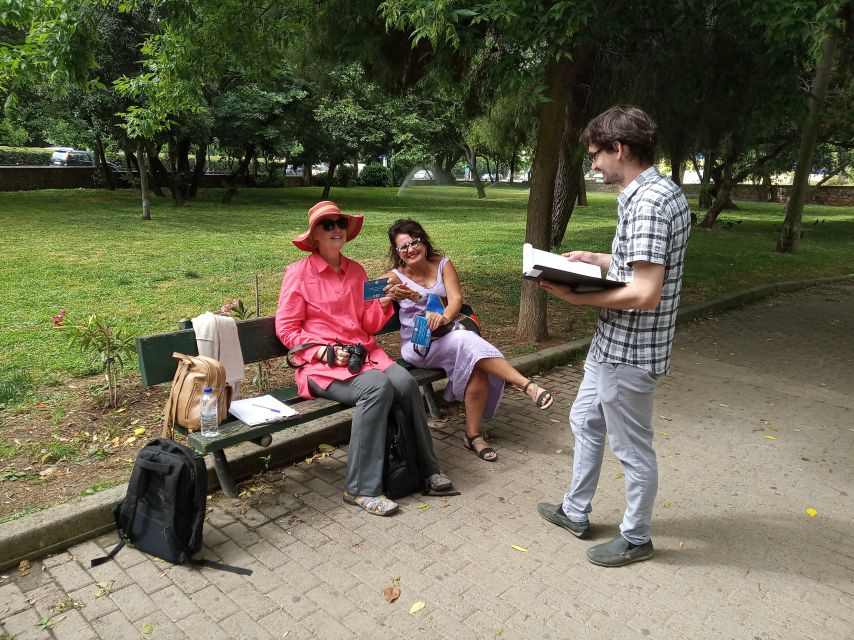
What I love most is the way the workshop asks you to participate, not just listen. You start in Rizari Park under shaded trees, then you get a chance to read aloud a few ancient Greek phrases, tied to Aristotle’s message.
In This Review
- Key highlights you’ll feel immediately
- Rizari Park warm-up: ancient Greek and the Socrates–Plato–Aristotle thread
- Walking the Lyceum ruins like a student of Aristotle
- The ethics card game: practicing virtues, not just memorizing them
- Golden Mean at the small amphitheater: eudaimonia made practical
- Price and value: what you really pay for
- Who should book this Aristotle workshop
- Tips for a smooth visit at a heritage site
- Should you book this Aristotle workshop?
Key highlights you’ll feel immediately
- Begin in Rizari Park: a relaxed start with context and short introductions
- Read aloud in ancient Greek: not required to be perfect, just part of the experience
- Walk the Lyceum ruins: you’re on the same ground where Aristotle taught
- A card game about virtues: Aristotle’s ethics taught through play
- Golden Mean at the small amphitheater: discussion uses real daily-life examples
- Beginner-friendly, not a guided tour: you focus on philosophy practice, not museum facts
Rizari Park warm-up: ancient Greek and the Socrates–Plato–Aristotle thread
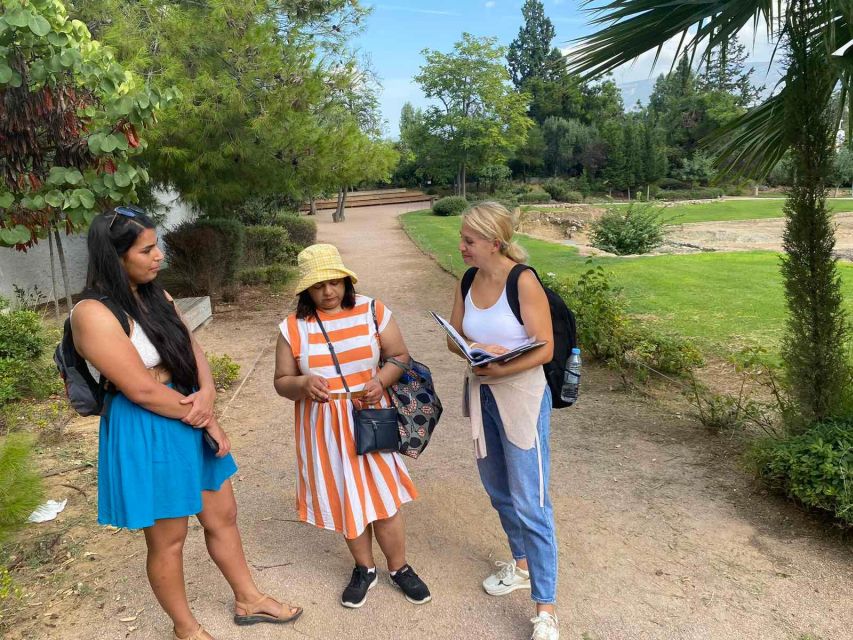
The workshop begins at Rizari Park, under shaded trees, which is a nice setup if you’re arriving before the midday heat. Instead of rushing straight to ruins, you get a human start: you introduce yourself, meet the group, and meet the facilitator who will guide you through the philosophy exercises.
Then comes the historical backbone, explained in a clear chain: Socrates taught Plato, and Plato taught Aristotle. This matters because Aristotle’s ethics didn’t come from nowhere. The session connects ideas across generations so the later concepts feel less like random school terms and more like a living line of thinking.
Here’s one of the most memorable parts: you may read aloud some of Aristotle’s phrases in ancient Greek. You’re not being tested. Think of it like a language-flavored bridge. Even if your pronunciation is rusty, the act of trying makes the session feel more personal, and it grabs your attention in a way that pure lecture can’t.
If you’re the type who likes structure, you’ll appreciate that this warm-up gives you a map before the walking starts. If you prefer freedom, you’ll still be guided, but the tone stays friendly and participatory.
You can also read our reviews of more tours and experiences in Athens



Walking the Lyceum ruins like a student of Aristotle
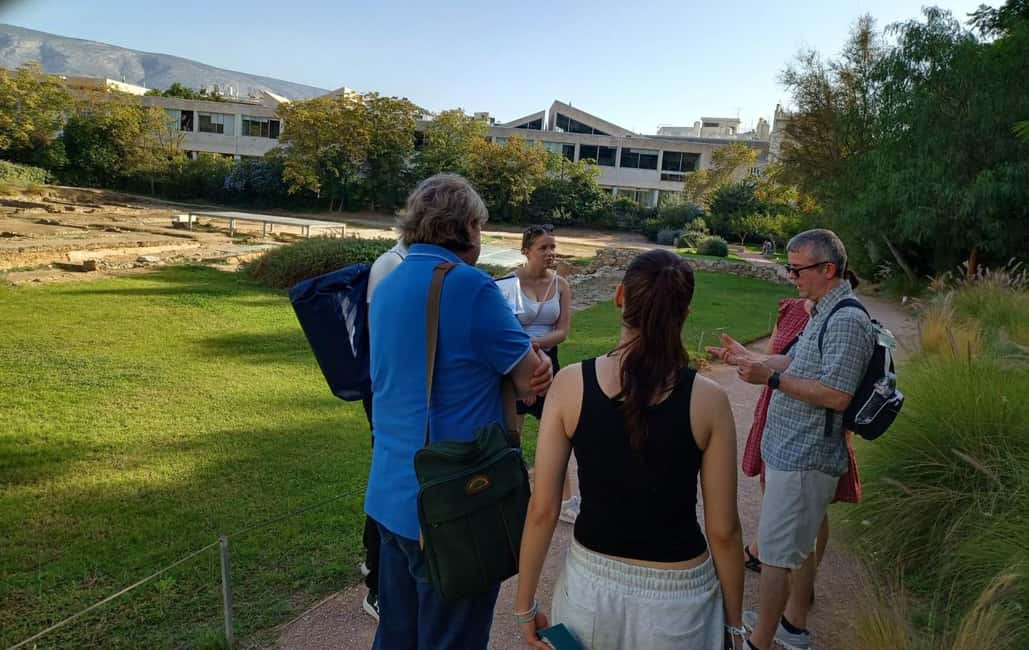
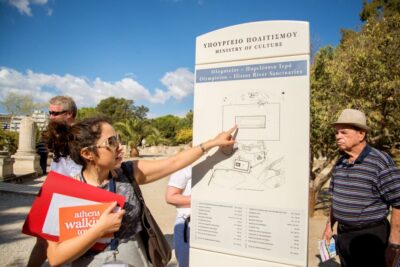
After the park introduction, you head to the nearby archaeological site of Lyceum, Aristotle’s own school. This is where the workshop really changes gears. You’re not just looking at stone. You’re walking around the ruins in the same setting where Aristotle walked with his students.
That shift from “viewing” to “following a route” does a lot. It keeps your attention on the ethics lesson while your feet do the sightseeing work. You also get to frame the site around ideas instead of dates, which is a smart approach for first-timers.
As you explore, you’ll play a card game during the walk. The point isn’t to turn the ancient world into a gimmick. It’s to help you connect Aristotle’s ethics to concrete behaviors. So while you move through the ruins, your thinking stays active: what counts as a virtue, where does balance show up, and how do habits shape your character?
A practical note: this is outdoors, so wear comfortable shoes with grip and plan for sun. If you’re sensitive to weather, bring something light for rain too, since the workshop can shift indoors if conditions force shelter.
The ethics card game: practicing virtues, not just memorizing them
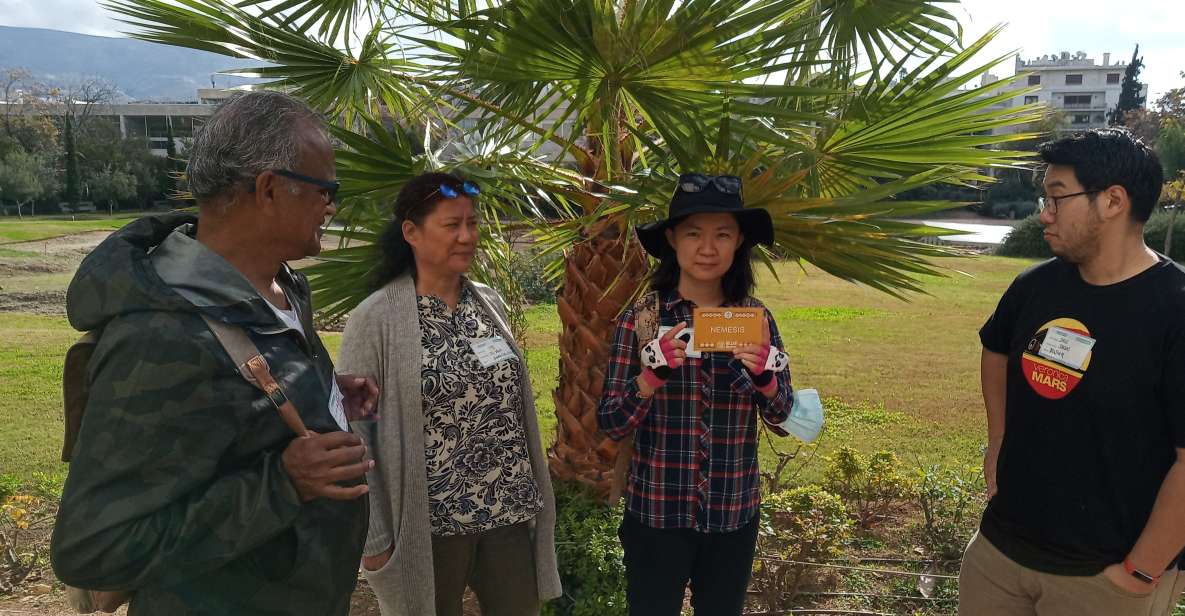
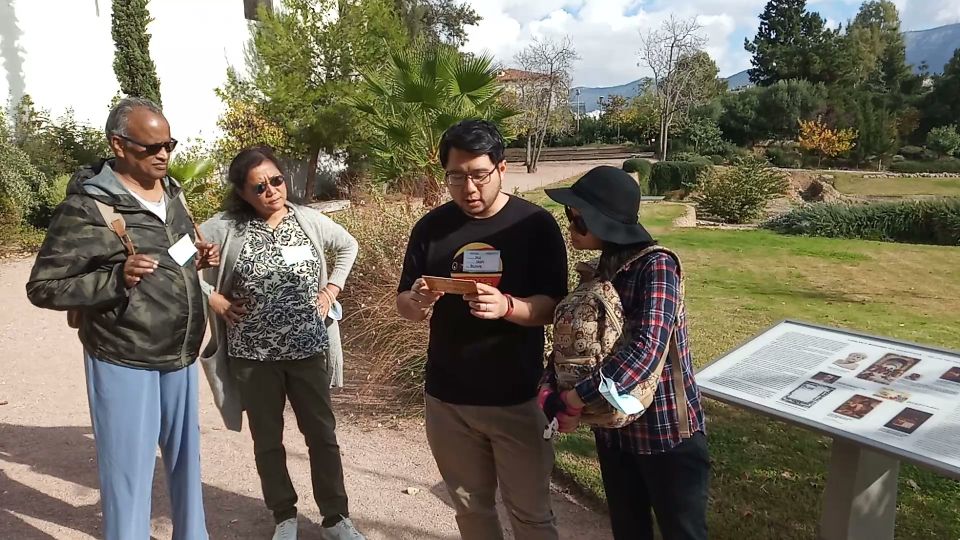
At the heart of the workshop is Aristotle’s ethics, focused on virtues and how you build a good life day by day. The workshop uses a card game to explore those concepts through interaction with other participants.
Here’s why that works so well for beginners. Aristotle’s ideas can sound abstract when they’re presented like theory homework. But when you’re moving pieces, making choices, and talking through scenarios, the concepts become easier to test against your own instincts.
You’ll be prompted to think about virtue as a kind of practiced excellence in everyday life. That fits what the workshop advertises as a path toward self-improvement and successful interaction with others. In other words, it’s not just about being “nice.” It’s about building character in ways that show up in real situations.
If you like discussions, you’ll probably enjoy the group dynamic. If you’re more introverted, don’t worry: you don’t need to dominate the conversation. The activity format helps everyone contribute at their own pace.
Also, since this is designed for people without previous knowledge of philosophy, you don’t need a background in Greek philosophy to keep up. You’re learning the ideas through guided play, not trying to decode a textbook on the spot.
Golden Mean at the small amphitheater: eudaimonia made practical
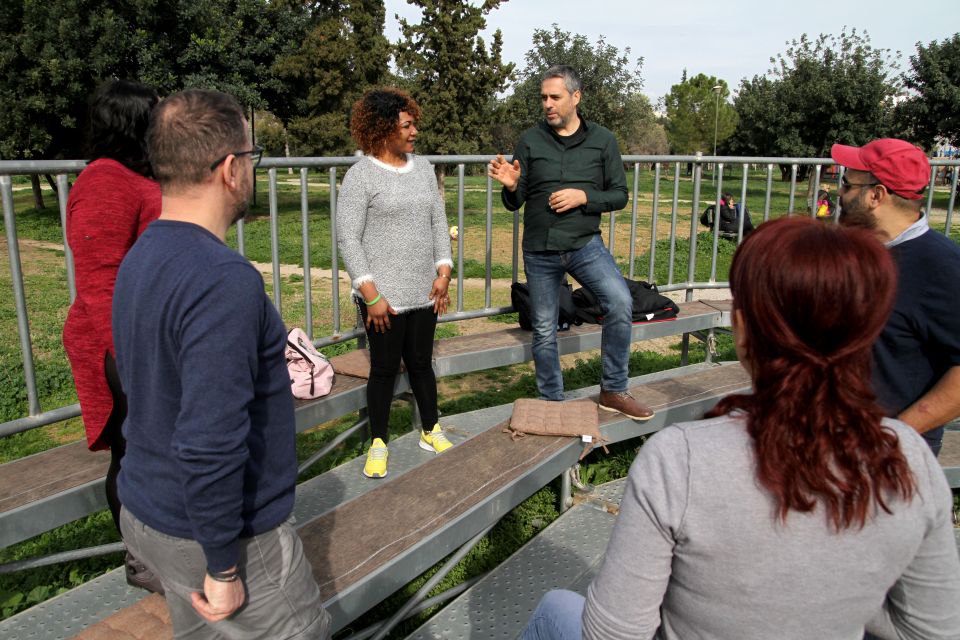
The session ends at a small amphitheater with a direct view of the excavations. This is a great place to finish because it gives you a “sit and synthesize” moment without making it feel like a classroom. You’re surrounded by the context of the site, so the final ideas land with more weight.
At this point, the facilitator discusses the Golden Mean. The idea is balance between extremes, applied through examples from modern daily life. You might recognize the patterns immediately: the too-much version of a behavior and the too-little version, and then the more constructive middle path.
This is where Aristotle becomes surprisingly current. The workshop frames the Golden Mean as a working tool for everyday judgment, not a vague moral slogan. It helps you ask practical questions like: what’s the disciplined middle that fits the moment, and how do you train yourself to choose it?
From there, you talk about eudaimonia, described here as the ultimate human goal. “Goal” is the right word because it turns ethics into direction. It asks you to think about what kind of person you’re building, and how your daily actions point toward that.
If you like closing a trip with meaning instead of just souvenirs, this ending will feel satisfying. It gives you something to carry back to your hotel room and try on in your actual routine.
Price and value: what you really pay for
The price listed is $90 per person for a 100–101 minute experience. That already includes the expert facilitator, all materials, and local taxes (24%).
What’s not included is the entrance fee for the archaeological site of Lyceum: 5 EUR for a full ticket or 3 EUR for a half ticket. So you should budget for that additional cost before you go, especially if you’re coming on a tight day schedule.
Is it worth it? For me, the value comes from how the workshop uses the site. You’re paying not just for access to ruins, but for guided philosophical practice in that setting: an interactive card game, structured discussions, and the chance to read aloud ancient Greek phrases. If you’d normally spend this time doing a standard audio-guided walk, this is a different use of your hour and change, with more mental engagement and less passive sightseeing.
- All Day Cruise -3 Islands to Agistri,Moni, Aegina with lunch and drinks included
★ 5.0 · 4,958 reviews






Who should book this Aristotle workshop
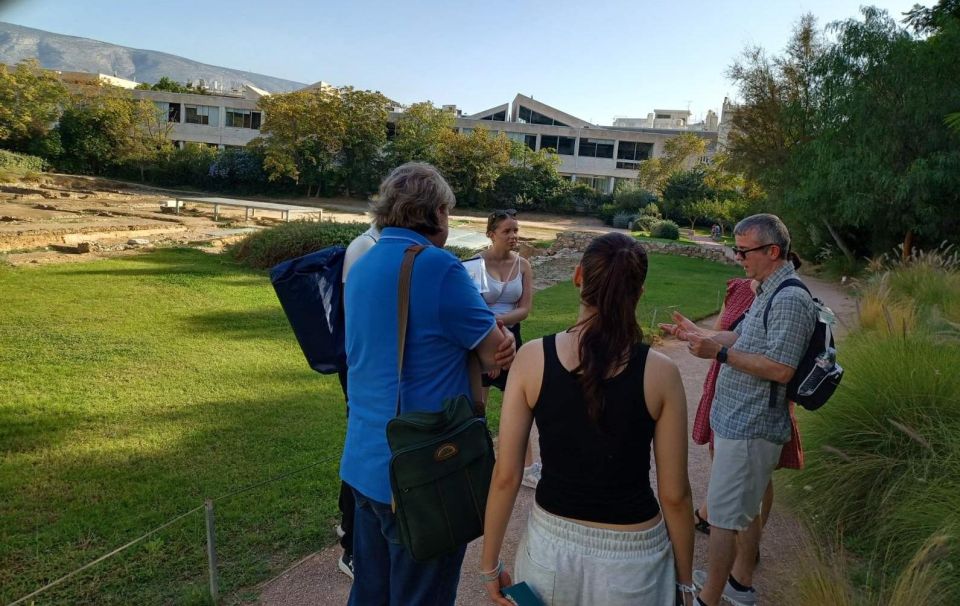
This workshop is a good fit if you want philosophy that feels usable, not academic. It’s explicitly for beginners and it’s not a guided tour in the classic sense. You’re there to learn Aristotle’s approach to virtuous living and apply it through interaction.
You’ll likely enjoy it if you:
- learn best by doing, talking, and thinking in small steps
- like the idea of connecting historical places to ideas about daily character
- want a structured, friendly group activity rather than a solo museum visit
It’s not suitable for children under 15. It also requires respect for a heritage site and outdoor patience, so plan for walking on uneven ground and time outdoors.
Finally, if you’re traveling with mobility needs, it is wheelchair accessible. The session takes place both in the park area and at the archaeological site, so you’ll still want to consider the physical terrain, but accessibility is explicitly supported.
Tips for a smooth visit at a heritage site
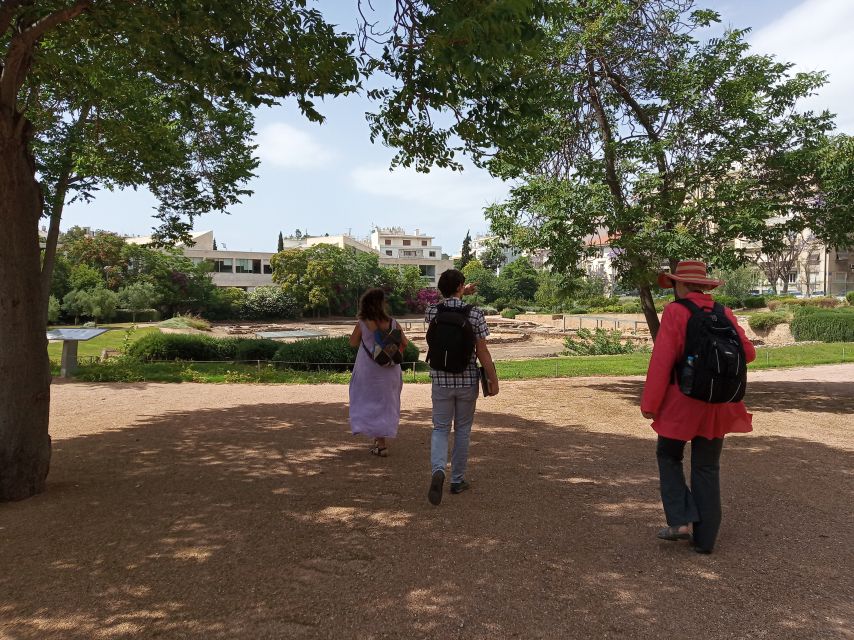
A few rules matter here. Since the workshop happens at a historical site, you must follow heritage etiquette: be respectful, keep things clean, avoid loud behavior, and follow the facilitator’s guidance on dress-code and photo/video conduct. The facilitator can terminate participation without refund if behavior is disrespectful toward the place or people.
Also note the practical restrictions:
- Smoking is not allowed
- Food and drinks are not allowed
- Luggage or large bags are not allowed
So pack light. Think small day bag, water if you can’t bring it in then rely on breaks outside the session (the activity itself doesn’t allow drinks), and wear layers since you’ll be outdoors.
If it rains, don’t panic. The workshop may continue at the nearby Byzantine Museum café next door. That’s a good plan because it keeps the session from being cancelled when skies turn.
One more useful detail: instructors are first aid trained, but by law they can’t provide medicines. If you have any personal needs, plan for them yourself.
Should you book this Aristotle workshop?
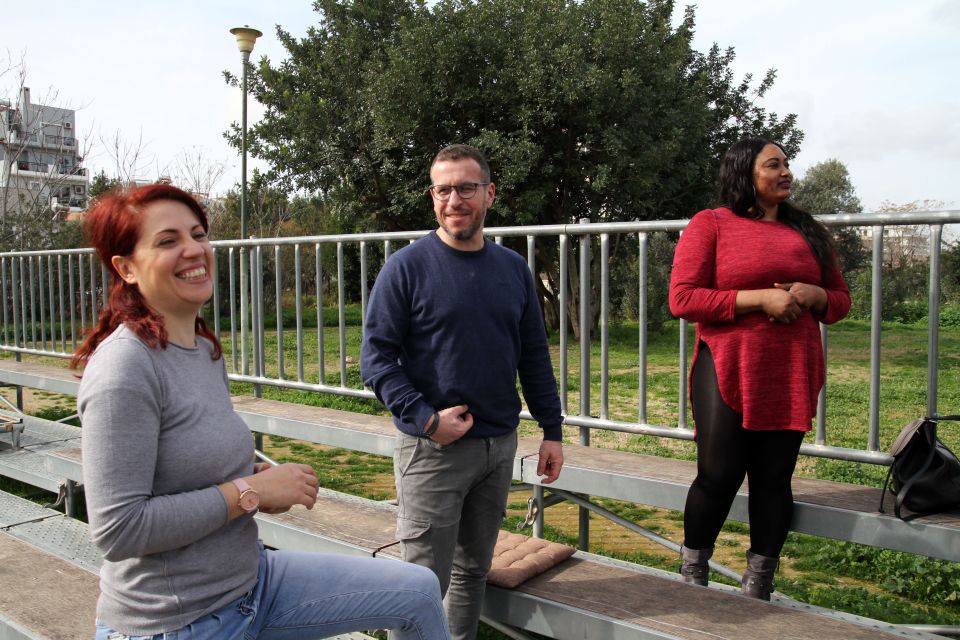
Book it if you want a philosophy experience that actually changes how you think, using the Lyceum setting as your classroom. The combination of walking the ruins, a virtues card game, and a final discussion on the Golden Mean is built for beginners who want clarity and participation.
Skip it (or choose something else) if you mainly want a traditional archaeological tour with lots of artifact explanations. This is not that. It’s a guided philosophy practice, not a museum lecture.
If you’re in Athens and you have 100–101 minutes with space in your day for outdoor walking and interaction, this is a smart, cost-aware way to get more meaning out of one of the city’s most important philosophy sites.

More Workshops & Classes in Athens



More Tour Reviews in Athens
- All Day Cruise -3 Islands to Agistri,Moni, Aegina with lunch and drinks included
★ 5.0 · 4,958 reviews