REVIEW · ATHENS
Acropolis of Athens, Acropolis Museum Skip The Line Private Sunset Guided Tour
Book on Viator →Operated by CRISPY LOCAL MONOPROSOΡΙ Ι.Κ.Ε. · Bookable on Viator
Athens feels different when you arrive with a plan, not a map app. This private, late-afternoon tour pairs skip-the-line access with an Acropolis Museum start, so you understand what you’re looking at before you climb. I like how it connects indoor masterpieces to the outdoor ruins, and I also like that the guide pace gives you time to ask real questions, not just shuffle forward with the crowd.
The main thing to consider is simple: you’re spending about two hours at the museum and about two hours at the Acropolis area, both of which are outdoors at the end. If you prefer a super-fast hit-and-run sightseeing style, the museum block might feel a touch longer than you’d like.
That said, if you want the best chance of enjoying the hilltop without wasting time in lines, this is a smart way to spend a 4:00 pm start in Athens.
In This Review
- Key highlights
- Why a 4:00 pm private plan makes the Acropolis easier
- Skip-the-line tickets: the payoff you feel right away
- Acropolis Museum first: natural light and glass-floor archaeology
- From Propylaea to the Parthenon: what you learn before you see stone
- Erectheion, Athena Nike, and Dionysus Theater on one route
- Herod Atticus Odeon and the sunset-ready hilltop finish
- Private guide attention: questions, pacing, and photo moments
- Value check: $320.46 per person and who it really suits
- Weather, timing, and what to pack for an outdoor-first finish
- Should you book this Acropolis Museum and Sunset tour?
- FAQ
- How long is the Acropolis Museum and Acropolis sunset tour?
- Where does the tour start and where does it end?
- What time does the tour begin?
- Is this tour private?
- What language is the tour offered in?
- Are admission tickets included?
- What happens if the weather is bad?
Key highlights
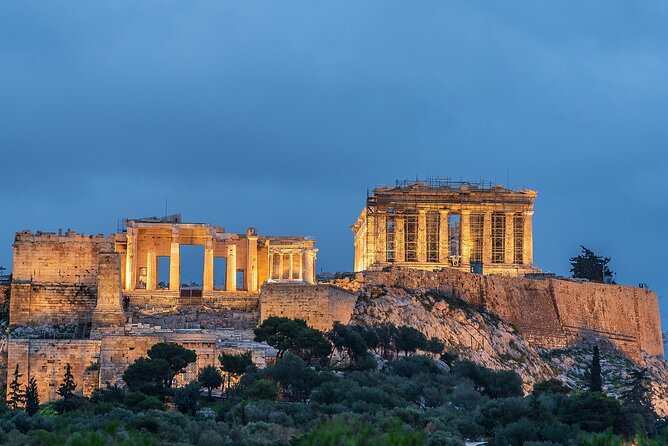
- Skip-the-line tickets help you beat crowds and make better use of your afternoon
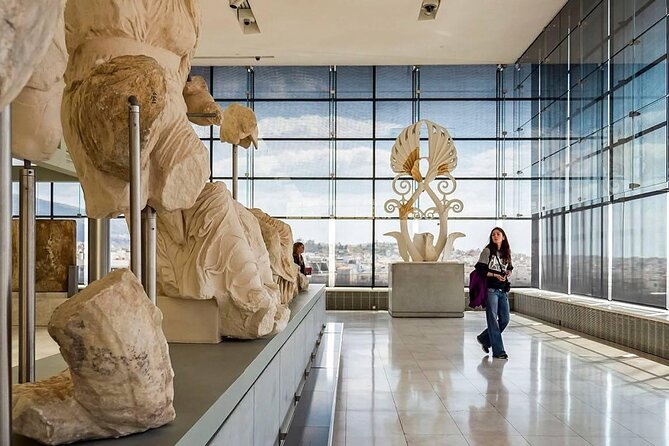
- Acropolis Museum first: original temple pieces displayed with natural light
- Glass-floor archaeology is visible under your feet while you move through exhibits
- Private guide attention means you can ask questions and get clear explanations
- A one-route Acropolis circuit ties together Propylaea, Parthenon, Erechtheion, and more
- Sunset timing in the tour name lines up well with the famous views from the sacred rock
Why a 4:00 pm private plan makes the Acropolis easier
A 4:00 pm start is a gift in Athens. You’re not fighting the busiest daytime rush, and you’re more likely to feel like you’re sightseeing at a human speed. The tour also ends up on the Acropolis hilltop near the end of the experience, which pairs nicely with the classic golden-hour mood that people come for.
The private format matters here. With only your group participating, you’re not guessing when you’ll be able to ask follow-up questions. Instead, the guide can adjust pacing around you—stopping when something clicks, slowing down when you want details, or moving on when you’d rather keep the flow.
One more underrated benefit: it’s easier to plan the rest of your day. You meet at the Acropolis Museum area and finish at the Acropolis. That “start here, end there” rhythm helps you avoid backtracking, especially if you’re combining this with a dinner plan in central Athens.
You can also read our reviews of more guided tours in Athens


Skip-the-line tickets: the payoff you feel right away
Skip-the-line can sound like a buzz phrase, but here it’s practical. The Acropolis and the museum both draw heavy foot traffic, and line time is just dead time. This tour includes skip-the-line service and admission for the museum and the Acropolis, so you can spend your energy on seeing, not waiting.
Think about what “skip-the-line” really buys you on a half-day tour:
- You’re less likely to lose your place in the route.
- You can actually enjoy the sequence the guide built—museum first, then the hilltop.
- You’re more likely to have energy left for photos and questions at the end.
You’ll also get a mobile ticket, which is the kind of small modern convenience that keeps things smooth. If you’ve ever stood around trying to sort paperwork while other groups vanish ahead, you’ll understand why that’s worth caring about.
Acropolis Museum first: natural light and glass-floor archaeology

The tour starts at the Acropolis Museum for about two hours, and it’s a strong choice. The museum is ranked among the top museums in the world, but the real reason I’d do it first is that it teaches you how to “read” the Acropolis ruins.
This isn’t just a room of artifacts. The tour experience highlights how original surviving masterpieces from the Acropolis temples are displayed using natural light. That changes how you see the shapes and surfaces—especially the stone details that can feel hard to pick out when you’re standing far away outside.
You also get to see excavations under glass floors and walkways. That’s one of those moments that makes the site feel alive. Instead of the Acropolis being only ruins on a cliff, you understand there’s a layered story under and around them—what was found, what was rebuilt, and what’s still revealed by archaeology.
The museum’s design is part of the story too. The building was designed by Bernard Tschumi (Swiss architect) and Michalis Photiadis (Greek architect). The guide can help connect that modern design to the way the museum presents ancient materials in a way that’s easier to understand.
If I had one caution for planning: this museum time is fixed at around two hours. One group suggested trimming it a bit, so if you’re a fast museum walker, you’ll want to mentally prepare for a slightly structured pace.
From Propylaea to the Parthenon: what you learn before you see stone
After the museum, the route moves back toward the Acropolis with multiple major stops. Propylaea is the next named stop, and you’ll get guided information there. Then comes the Parthenon area, also with guided context.
Here’s why this sequence works: you’re not trying to identify monuments from scratch while your mind is distracted by stairs, crowds, and viewpoints. The museum gives you the background, and the hilltop gives you the scale.
The tour’s plan also notes that admission for Propylaea and the Parthenon stops is free within the tour framework. That matters for your budgeting, and it also means the guide can keep the momentum instead of dealing with extra ticket steps at each point.
On the Acropolis itself, you’re visiting a UNESCO World Heritage site. The guide frames it as more than a photo stop—history, mythology, and storytelling all get tied into what you’re looking at. The Acropolis ruins sit on a jagged clifftop, often called Athens’ sacred rock, and the view overlooks the modern city. Even if you’ve seen images before, standing there helps you understand the dramatic placement.
One practical tip: if you’re the type who loves to ask questions, this is where the private format pays off. You can stop and get clear answers about what you’re seeing without worrying about holding everyone else up.
Erectheion, Athena Nike, and Dionysus Theater on one route
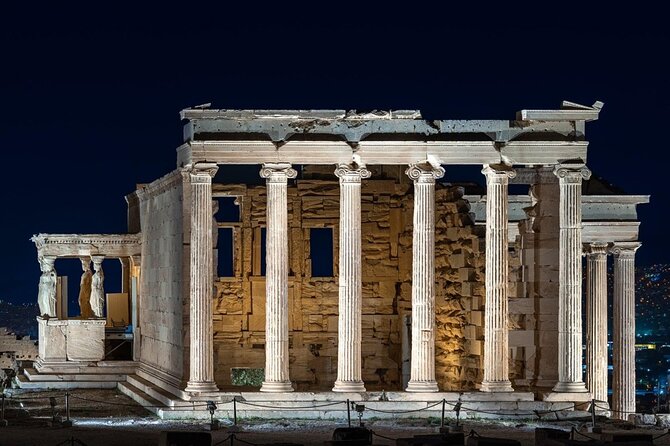
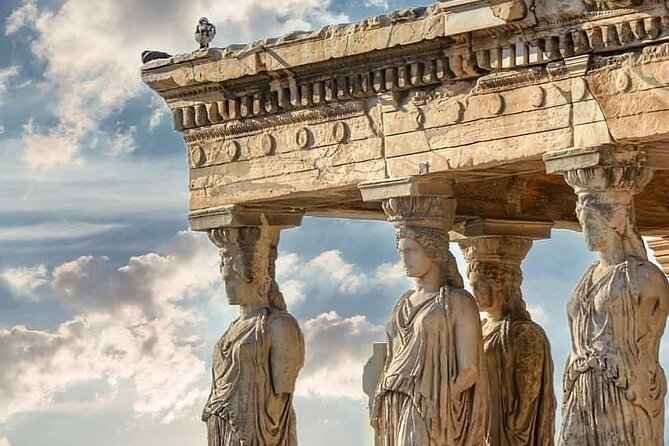
The route keeps moving through a set of major named highlights: Erectheion, the Temple of Athena Nike, and the Theatre of Dionysus. Each of these stops is listed with information provided by the guide, and the tour plan indicates admission is free for these parts.
Even without extra ticket friction, these are the kinds of moments where a good guide changes everything. Ruins can look like random stone piles if you don’t know what to look for. With guided explanations, you tend to notice architectural differences, placement, and why each spot mattered in its own way.
I especially like how this part of the experience is structured around understanding, not just location-hopping. Erectheion and the Temple of Athena Nike are often where people slow down for details and photos. With a guide in front, you’re more likely to spend time looking at the right features instead of just taking quick shots and moving on.
The Theatre of Dionysus brings another layer: the idea of performances and civic life tied to a physical space. The guide’s storytelling approach is built for this—helping you connect the concept to what’s actually around you.
Because these stops are part of one connected route, you don’t have to keep restarting your mental framework. You’re moving from one guided context to the next.
You can also read our reviews of more private tours in Athens



Herod Atticus Odeon and the sunset-ready hilltop finish
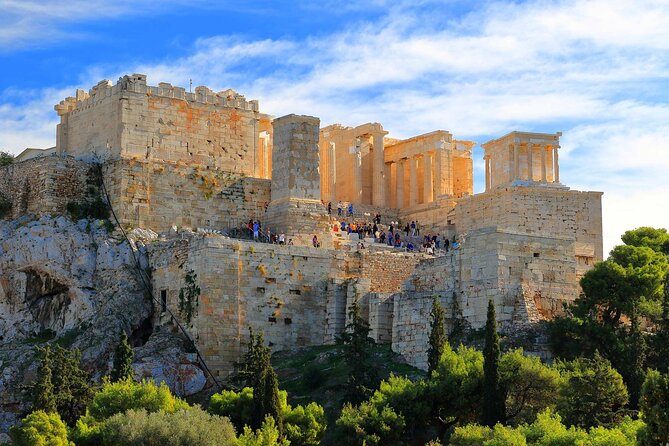
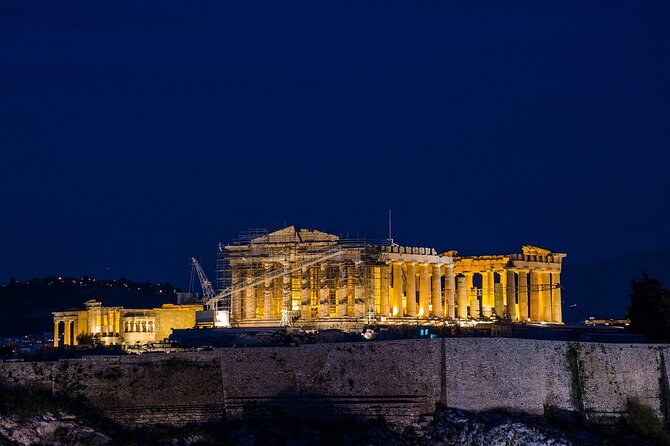
Two more named highlights appear as you keep climbing and crossing the Acropolis complex: Herod Atticus Odeon and the broader Acropolis area itself (where the tour ends). The tour’s title also signals a sunset focus, and the timing supports that goal: the experience starts at 4:00 pm and wraps up at the Acropolis.
Herod Atticus Odeon is a great example of why timing matters. A hilltop view feels more alive when the light shifts. Even if you’re not a “sunset photographer,” you’ll likely enjoy the way the stone and the city look as daylight softens.
The final part is also where you get the biggest payoff for the earlier sequence. Remember those museum visuals and explanations? You’ll see more because you’ve already learned the language of the site. The guide’s walkthrough at the Acropolis itself is framed as a journey into history and myth, and the ruins date back to as early as 510 BC. That big time span feels more real when you stand in the same space that people once gathered around.
The tour ends at the Acropolis, Athens 105 58 area. So it’s well set up if you want to keep exploring afterward—just be ready for your legs to feel it. Even if the guide keeps things efficient, the Acropolis is still a lot of walking and uneven terrain.
Private guide attention: questions, pacing, and photo moments
The best part of a private tour is rarely a single monument. It’s the way the guide handles the group. In this tour style, you get that guided attention without being rushed or bundled into the herd.
One named guide that received standout praise is Maria. Her style was described as knowledgeable and thorough, with a “you can ask anything” vibe. The key practical benefit: by the time the group reached the Acropolis, they already understood what they were looking at. That makes the walk more enjoyable and turns the whole site from confusing to clear.
Pacing also matters. On one version of this experience, the guide paused for group pictures. That’s not guaranteed for every group, but it’s a good sign of flexibility—your guide isn’t only counting steps. With private time, you’re more likely to get the moments that make a trip feel personal.
If you’re traveling with anyone who learns better by conversation—kids, seniors, or anyone who just hates vague sightseeing—this is exactly the kind of format that helps. You can ask questions about symbolism, layout, and what specific pieces mean in context, instead of guessing.
Value check: $320.46 per person and who it really suits

This tour runs about 4 hours and costs $320.46 per person. That’s not a budget price, so you’ll want to be honest about what you’re buying.
Here’s the value logic that makes sense:
- You get skip-the-line help where lines can waste your most useful sightseeing hours.
- You get admission tickets included for the Acropolis Museum and the Acropolis portion.
- Multiple named sites along the route are part of the tour plan with free admission for those stops.
- You’re paying for private guide time, not just entry.
So who is this for? I’d say it’s a good fit if you:
- Want a smaller, question-friendly experience instead of a group scramble.
- Have limited time in Athens and hate spending it stuck in lines.
- Prefer learning while you walk, especially for ancient sites that can feel confusing without context.
- Are okay paying for convenience, rather than spending time figuring things out on your own.
Who might hesitate? If you’re traveling with a flexible schedule and you enjoy figuring sites out independently, you might be able to do it cheaper. But you’ll likely trade off some of that guided clarity and the time saved by skip-the-line access.
Weather, timing, and what to pack for an outdoor-first finish
The tour experience requires good weather. That’s a real consideration because the Acropolis portion is outdoors, and the experience is built around that outdoor route.
If weather looks questionable, treat it as a planning signal. You’ll want a contingency mindset for your afternoon. The good news is that the tour plan is designed to work with the conditions—when weather isn’t cooperative, it’s offered with a different date or full refund.
For a smooth outing, pack like you’re walking a hill:
- comfortable shoes that handle uneven ground
- a light layer for temperature shifts
- sunscreen and water, since late afternoon can still be bright
Also, since you’re meeting at the museum and starting at 4:00 pm, plan your earlier hours so you’re not sprinting across Athens at the last minute. You’ll enjoy it more when you arrive calm and ready to focus.
Should you book this Acropolis Museum and Sunset tour?
If your goal is to see the Acropolis without the usual stress, I’d book it. The combination of skip-the-line, a guided museum start, and a private format hits the sweet spot between convenience and meaning. You’ll get the context that makes the ruins actually readable, not just photogenic.
I’d also book it if you want a tour that feels like a story. The guide-led approach—history, mythology, and storytelling—works best when you’re not constantly stopping to look things up. And the museum first plan is the kind of smart sequencing that most self-guided visits skip.
Hold off if you hate structured pacing or you’re determined to do everything at your own speed. Also, keep weather in mind since the experience depends on it.
Bottom line: for a once-in-a-while Athens trip, this is the kind of guided experience that saves time and turns your Acropolis visit into a clearer, more satisfying walk.
FAQ
How long is the Acropolis Museum and Acropolis sunset tour?
The tour lasts about 4 hours.
Where does the tour start and where does it end?
It starts at the Acropolis Museum (Dionysiou Areopagitou 15, Athina 117 42, Greece) and ends at the Acropolis (Athens 105 58, Greece).
What time does the tour begin?
The start time is 4:00 pm.
Is this tour private?
Yes. It is a private tour/activity, so only your group participates.
What language is the tour offered in?
The tour is offered in English.
Are admission tickets included?
Admission tickets are included for the Acropolis Museum and the Acropolis portions. Other listed stops on the route show admission as free within the tour plan.
What happens if the weather is bad?
This experience requires good weather. If it’s canceled due to poor weather, you’ll be offered a different date or a full refund.



More Guided Tours in Athens


More Tours in Athens


More Tour Reviews in Athens
- All Day Cruise -3 Islands to Agistri,Moni, Aegina with lunch and drinks included
★ 5.0 · 4,958 reviews