REVIEW · ATHENS
4 Day Private Tour, Mycenae, Nafplio, Olympia, Delphi, Meteora
Book on Viator →Operated by Private Tours Greece · Bookable on Viator
Four days, five ancient showstoppers, one smooth drive. I love how this route hits the heart of Greek myth and sport, with Delphi’s oracle and Olympia’s original stadium on the same trip. I also like the private pacing: you’re not stuck in a crowded bus schedule, and you can linger when a spot grabs you. One thing to consider: the big-site admissions and licensed tour guides are not included, so you’ll want a budget for entry fees (and guide add-ons if you want extra context).
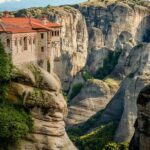
The highlight that really sells this tour is Meteora at golden hour, when the monasteries look unreal against the rocks. I also appreciate the food-and-drink breaks that make the drive feel like a story, not just a checklist—think olive oil and wine tasting at Olympia, plus honey sweets at a local farm. The main logistics are straightforward, but you’ll cover a lot of ground, so comfy shoes and patience for long driving days matter.
You can choose 3-star or 4-star accommodation, and rooms are arranged as double-sharing, triple-sharing, or a single room depending on your group. I’d plan your energy for the steep sections: some stops include serious steps, and Meteora involves climbing stairs to reach the monasteries.
In This Review
- Key things that make this tour worth your time
- A route built around Greece’s biggest names, not random stops
- Getting started in Athens: pickup, timing, and how the day actually moves
- Day 1: Corinth Canal views, Epidaurus acoustics, Nafplio’s steps, Mycenae walls, and Olympia by night
- Stop 1: Corinth Canal (quick photo break)
- Stop 2: Ancient Theatre of Epidaurus
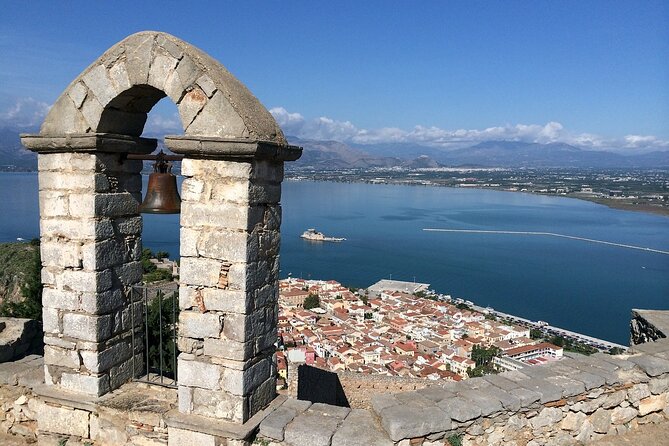
- Stop 3: Nafplio, first capital vibes, and a choice of ways to see Bourtzi
- Stop 4: Mycenae Archaeological Site
- Stop 5: Olympia overnight
- Day 2: Ancient Olympia, tasting in motion, a seaside pause, then onward to Delphi
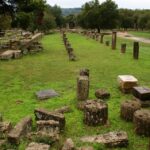
- Ancient Olympia: the Games origins, the oath, and the stadium still in place
- Market of Ancient Olympia: wine and olive oil tasting break
- Klio’s Honey Farm: coffee, honey desserts, and a calmer rhythm
- Nafpaktos (listed as Naupactus): a short seaside pause
- Delphi overnight
- Day 3: Delphi’s oracle complex, Arachova cheese, Kalambaka’s rock-shadow sunset
- Delphi Archaeological Museum area: Oracle, stadium, theatre, and the Charioteer
- Arachova: formaela and the energy of a mountain town
- Kalambaka: arrival at the foot of Meteora rocks and a sunset moment
- Day 4: Meteora monastery steps, Varlaam and St. Stephan, then Thermopylae’s Leonidas stop
- Meteora: monasteries on the rocks (Varlaam, then St. Stephan)
- Thermopylae farewell stop: Leonidas memorial at Thermopiles
- Price and logistics: is $2,052.07 per person good value?
- Where licensed guides can make or break your experience
- The physical side: stairs at Nafplio and Meteora
- Who should book this private tour
- Should you book this 4-day private tour from Mycenae to Meteora?
- FAQ
- What does the tour price include?
- Are admission tickets included for the sites?
- What kind of hotels can I choose?
- Do you pick up from Athens hotels or the airport?
- Is this a private tour?
- What should I plan for regarding stairs?
Key things that make this tour worth your time
- Private car with an English-speaking driver: door-to-door pickup and a calmer pace through the long hauls between regions
- Delphi and Olympia in one package: you see both the oracle-world and the Olympic-world without backtracking
- Meteora sunset built into the experience: the rocks and monasteries are the final act—and it’s timed for atmosphere
- Tastings that feel local, not touristy: olive oil and wine in Olympia, honey-based treats on a family-style stop
- Room choice that fits your budget: 3-star or 4-star hotels, plus city tax handled separately
- Driver comfort for multi-site days: more time at stops, less time figuring out transportation yourself
A route built around Greece’s biggest names, not random stops
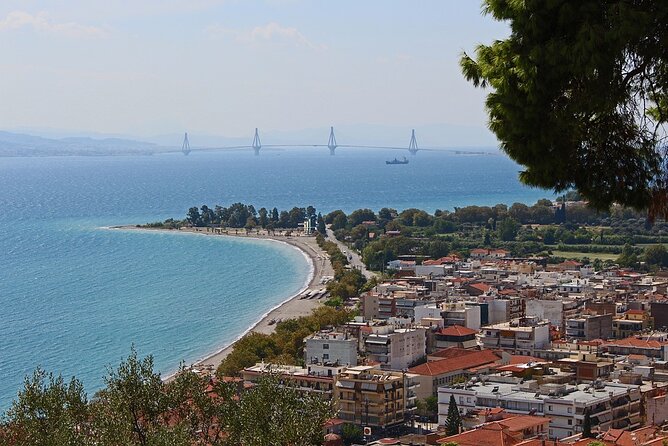
This is a classic “best hits” Greek itinerary, but with the practical benefit of privacy. You’re traveling between some of the most famous ancient sites in the country—Mycenae, Olympia, Delphi, and Meteora—plus the pretty coastal town of Nafplio.
What makes it feel like more than a checklist is how the route connects ideas. You move from ancient theatres (Epidaurus) to ancient power centers (Mycenae), to ancient games and oaths (Olympia), to prophecy and Apollo (Delphi), and then to the vertical monastery world of Meteora. Even the food stops fit the theme of local production and tradition.
You can also read our reviews of more private tours in Athens

Getting started in Athens: pickup, timing, and how the day actually moves
Your day starts at 8:30 am, with pickup offered either from your hotel or from Athens Airport. That matters because it cuts out the stress of coordinating separate taxis or trains before you even leave the city.
The tour runs as a private experience, meaning only your group participates. That usually translates into less waiting at each stop and more flexibility with timing, especially on days with multiple sites.
You’ll receive tickets and the program digitally (via mobile device or chat), and the operator recommends using WhatsApp for quick communication. If you’re the kind of traveler who likes everything written down, you can ask for a printed version.
Day 1: Corinth Canal views, Epidaurus acoustics, Nafplio’s steps, Mycenae walls, and Olympia by night
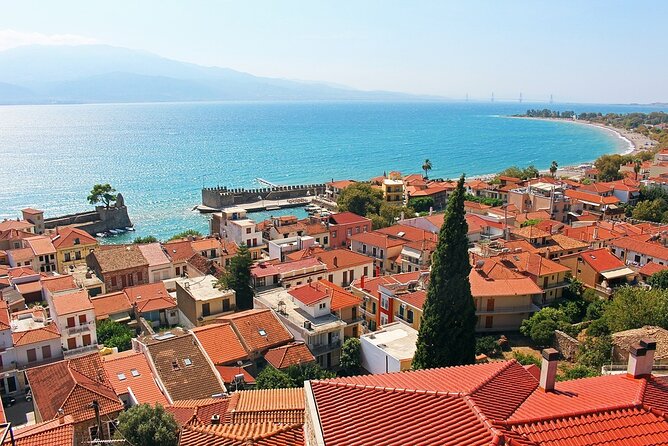
Day 1 packs a lot into one sweep, but it’s structured around major visual payoffs.
Stop 1: Corinth Canal (quick photo break)
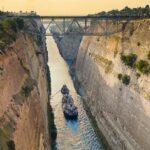
You’ll make a short stop at the famous Canal of Corinth, right along the Attica coastline route. The viewpoint you get from the canal bridge is dramatic: it’s listed as about 80m high and 6km long. Even if you only have minutes, it’s a great reset moment—your brain switches from Athens traffic mode to Greece-at-last mode.
Stop 2: Ancient Theatre of Epidaurus
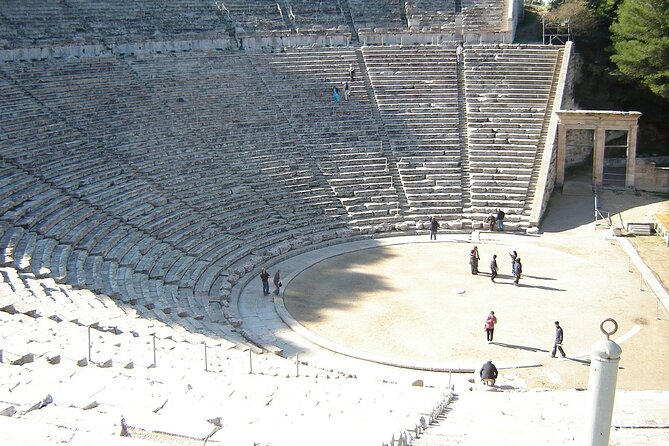
Next comes the Ancient Theatre of Epidaurus, dating back to the 4th century BC. The big reason this place gets attention is its acoustics—built so sound carries in a way that feels almost magical if you stand in the right spots.
Practical note: this site requires an admission fee, since it’s marked as not included. Bring sunscreen or a hat; outdoor theatres can get exposed in daylight.
You can also read our reviews of more tours and experiences in Athens
Stop 3: Nafplio, first capital vibes, and a choice of ways to see Bourtzi
After Epidaurus, you reach Nafplio, one of the most attractive towns in Greece and its first capital. You get about 2 hours of free time for lunch and wandering.
Two options help you tailor the visit:
- Visit Palamidi castle, reachable by climbing 999 steps
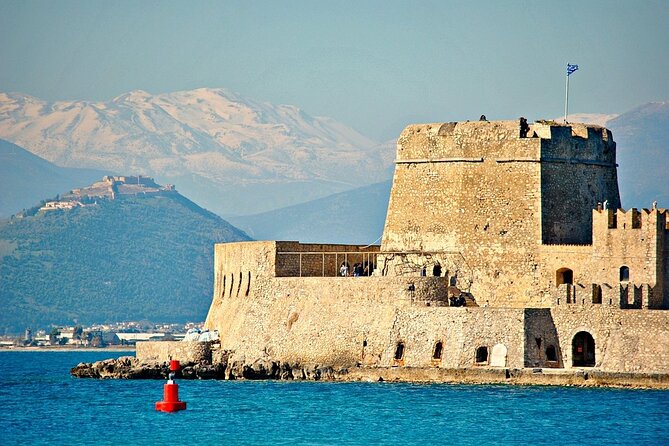
- Or, if you prefer less stair work, take a small boat to see Bourtzi out in the bay
If steps are a problem for your group, Nafplio is still a good stop—just shift your focus to the waterfront streets and viewpoints rather than the climb.
Stop 4: Mycenae Archaeological Site
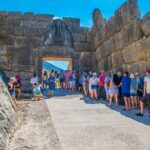
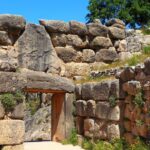
Then it’s back into deep-time at Mycenae, a major archaeological site tied to myth and power. You’ll see the Lion Gate, Cyclopean Walls, the Palace, and the tomb of Agamemnon.
This stop is 2 hours—enough time to walk the main areas without turning it into a sprint. Again, admission is not included, so budget for tickets if you want everything covered on the day.
Stop 5: Olympia overnight
The day ends with arrival at Olympia, the birthplace of the Olympic Games. You’ll stay overnight here, which is smart: you wake up close to the next day’s ancient stadium action instead of spending extra hours in transit.
Day 2: Ancient Olympia, tasting in motion, a seaside pause, then onward to Delphi
Day 2 is about connecting ancient sport to everyday Greek tastes, then transitioning toward Delphi’s prophecy energy.
Ancient Olympia: the Games origins, the oath, and the stadium still in place
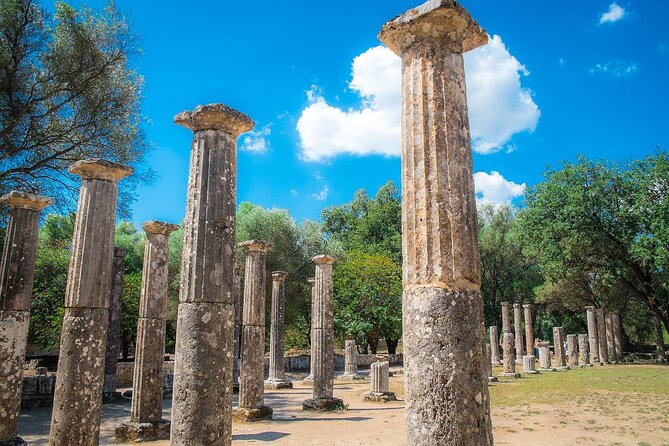
You start with Ancient Olympia, including major landmarks such as:
- the gold-and-ivory Statue of Zeus (as part of the historical story you’ll learn there)
- the Council House where athletes took the Olympic oath
- the Treasury houses
- the Gymnasium and Palestra
- and the stadium area, where marble starting blocks remain positioned
The pace here is usually one of the reasons this itinerary feels worth it. It’s not just walking ruins—you’re guided through what those spaces meant when the games were real.
Admissions are not included (per the tour notes), so plan accordingly.
Market of Ancient Olympia: wine and olive oil tasting break
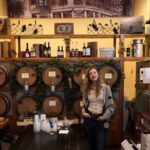
After the ruins, you get a more playful stop: a Market of Ancient Olympia with tasting. It’s described as a flea market-style stop where you can enjoy free wine and olive oil tasting, plus sampling Greek olives.
This kind of break helps you avoid the museum fatigue that hits after multiple archaeological sites in a single day. It also helps you take the day in through more than sight.
Klio’s Honey Farm: coffee, honey desserts, and a calmer rhythm
Next is Klio’s Honey Farm, shaded under trees, with coffee/juice and hand-made local desserts made with honey from the farm. Even if you don’t think you’re a sweets person, honey deserts are a fun way to taste a tradition that belongs to this region’s production—not a generic shop stop.
Nafpaktos (listed as Naupactus): a short seaside pause
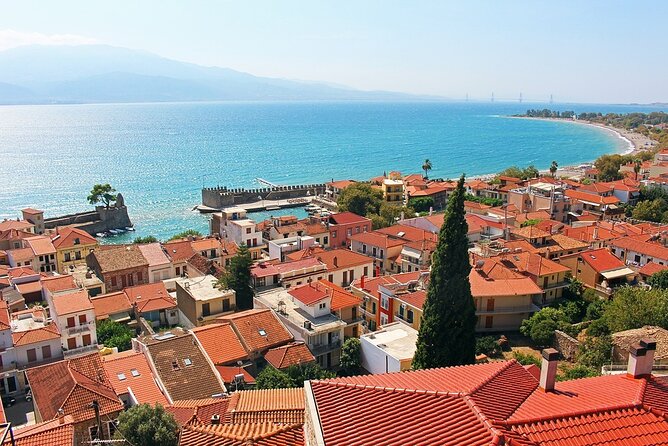
You also get a short stop in Nafpaktos, a seaside town near a Venetian castle and beside the Venetian port. This is free-time territory for lunch, designed more as a breath than another deep dive.
Delphi overnight
You then reach Delphi for the night. That sets you up for a full morning focused on the oracle site and museum.
Day 3: Delphi’s oracle complex, Arachova cheese, Kalambaka’s rock-shadow sunset
Day 3 is where you go from “ancient sites as architecture” to “ancient sites as stories.”
Delphi Archaeological Museum area: Oracle, stadium, theatre, and the Charioteer
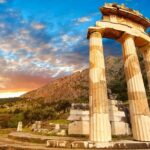
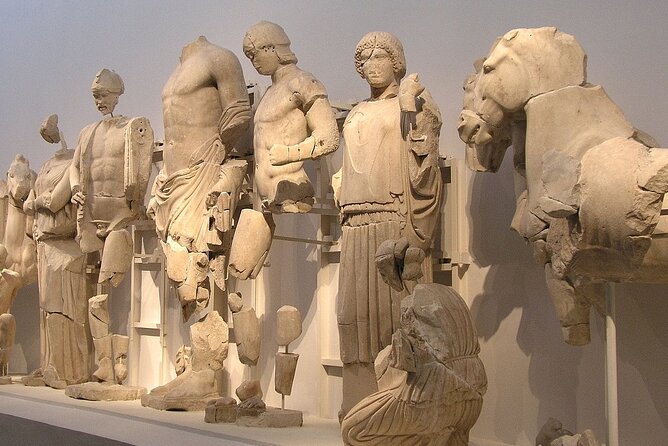
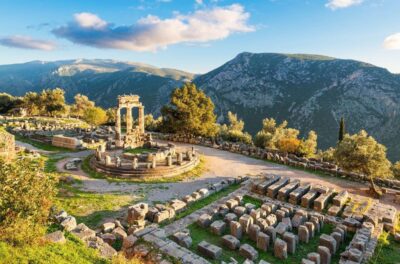
After breakfast, you visit the Delphi archaeological site, including the Ancient Oracle, the stadium, and the Ancient Theatre (listed as able to seat more than 5,000). The tour also includes the Museum of Delphi, where you can see the Charioteer, described as one of the best bronze statues.
A key value here is that the tour keeps Delphi’s storyline together: the oracle sanctuary, the performance spaces, and the museum piece. You don’t just look at stones—you connect what you’re seeing to what people believed and did there.
Admission is not included for Delphi’s stops.
Arachova: formaela and the energy of a mountain town
Next you head to Arachova, a mountainous village at about 1,000 meters altitude. You’ll have around 1 hour here and a chance to try cheese formaela in different forms.
If you want a break from long ruins walks, Arachova does that well. The town atmosphere helps reset your senses before Meteora’s heights.
Kalambaka: arrival at the foot of Meteora rocks and a sunset moment
Then you reach Kalambaka, built near the base of the Meteora rocks. The itinerary includes a sunset opportunity around the monasteries’ rock area, giving you the classic view before the big monastery day tomorrow.
Sunsets are quick on tours, but Meteora’s shape makes even a short timing window feel important.
Day 4: Meteora monastery steps, Varlaam and St. Stephan, then Thermopylae’s Leonidas stop
This is the day that earns the camera roll.
Meteora: monasteries on the rocks (Varlaam, then St. Stephan)
You’ll visit Meteora in the morning for about 4 hours. The experience is described as monasteries perched between earth and sky on massive rock pillars, with priceless religious treasures inside.
The stops include:
- Varlaam (or similar), founded in the 16th century, on a rock listed at about 380m
- Monastery of St. Stephan, founded in the 15th century, with a museum area inside the monastery
Admissions are not included for these monastery visits.
Practical reality check: even when the itinerary gives you a set of monasteries, you’re still dealing with stairs and uneven terrain. If your group has mobility concerns, you can often manage it by choosing which monastery to focus on and moving at a slower pace.
Thermopylae farewell stop: Leonidas memorial at Thermopiles
On the way out, you get a short stop at Loutra Thermopilon in the Kamena Vourla area and at Thermopylae. You can see the statue of Leonidas, placed there as a memorial of the battle of the 300 Spartans against Persian forces (as described in the itinerary).
Then your driver drops you back at your hotel in the late afternoon.
Price and logistics: is $2,052.07 per person good value?
The headline price is $2,052.07 per person for an approximately 4-day private tour. For Greece, that’s not a budget option, but it can be good value if you’re comparing it to piecing together private transport plus site tickets and your own driving stress.
Here’s what you’re paying for that tends to justify the cost:
- A private car with an English-speaking driver for the full multi-day route
- 3 nights accommodation
- Multiple included experiences: Meteora sunset tour, olive oil and wine tasting in Olympia, and honey-farm tasting
- Breakfast (3), which matters when mornings start early
- The convenience of pickup from your hotel or Athens Airport
What you should budget separately:
- Admissions for many of the big sites (Epidaurus, Mycenae, Olympia, Delphi, Meteora are marked as not included)
- Licensed tour guides, since those are not included
- Hotel city tax: €15 per person for 4-star hotels or €12 per person for 3-star hotels
So the real value question becomes: do you want a turnkey plan with a private driver and tastings built in? If yes, it’s easier to justify the price. If you’d rather DIY every site, you’ll likely spend less on your own—but you also lose the comfort and timing control.
Where licensed guides can make or break your experience
The tour includes an English-speaking driver, but it specifically notes that licensed tour guides are not included. That doesn’t mean you’re left with nothing; it means you’ll get the driving and coordination, while the deeper site interpretation may cost extra.
If you care a lot about context—why Epidaurus mattered, what the myths at Mycenae connect to, and what Delphi’s sanctuary represented—this is where paying for a licensed guide can be worth it. Delphi and Meteora especially benefit from someone who can explain the symbolism and layout while you’re standing in the right spots.
The driver is also a key part of the day. In practice, having someone who can answer questions during long drives improves the whole rhythm, not just the stops.
The physical side: stairs at Nafplio and Meteora
This tour is listed as “most travelers can participate,” but you do have two major physical considerations baked into the itinerary.
- Nafplio Palamidi castle is described as reachable by 999 steps. Even if you don’t go all the way, it’s a clear signal that this is a stair-heavy option.
- Meteora monasteries are accessed on top of steep rocks and require climbing steps once you’re there. Varlaam and St. Stephan involve walking and stair sections.
My advice is simple: wear shoes you trust, carry water when you can, and consider splitting your energy—choose the stair climbs that matter most to you, and let the other viewpoints do the rest.
Who should book this private tour
This one is a good match if you want:
- A private route with minimal coordination
- Big-name sites in a single trip: Mycenae, Olympia, Delphi, Meteora
- A comfortable pace with breaks built in (tastings, market time, seaside pause)
- The option to manage comfort levels with 3-star vs 4-star hotels
It may not be ideal if you prefer ultra-light itineraries with minimal driving, or if your group wants every admission and guide interpretation included in the base price.
Should you book this 4-day private tour from Mycenae to Meteora?
If your dream is to see the major Greek anchors—oracle-world at Delphi, games-at-Olympia, myth-and-walls at Mycenae, and the monasteries at Meteora—this is a strong way to do it. The private driver, tastings, and Meteora timing help it feel like a real experience rather than just a road trip of monuments.
Book it if you’re okay budgeting for site admissions and potentially adding licensed guide time at the key stops. Skip it (or adjust expectations) if you want fully included entrances and you’re trying to avoid long driving days.
FAQ
What does the tour price include?
The price includes a private car with an English-speaking driver, 3 nights accommodation, breakfast on 3 mornings, a Meteora sunset tour, and tastings in Olympia (olive oil and wine) plus a honey farm stop with honey tasting.
Are admission tickets included for the sites?
No. Admissions are listed as not included for most major stops such as Epidaurus, Mycenae, Ancient Olympia, Delphi, and Meteora. Some stops are marked as free, like the canal of Corinth quick stop.
What kind of hotels can I choose?
You can choose between 3-star or 4-star accommodation. Hotel city tax is listed separately as €12 per person for 3-star or €15 per person for 4-star.
Do you pick up from Athens hotels or the airport?
Yes. Pickup is offered from your hotel or from Athens Airport, and the tour starts at 8:30 am.
Is this a private tour?
Yes. It’s described as a private experience, with only your group participating.
What should I plan for regarding stairs?
Some stops include steep walking. Nafplio’s Palamidi castle is reachable by climbing 999 steps, and Meteora monasteries are reached on top of large rocks, so expect stairs and uneven, uphill walking.


More Private Tours in Athens


More Tours in Athens



More Tour Reviews in Athens
- All Day Cruise -3 Islands to Agistri,Moni, Aegina with lunch and drinks included
★ 5.0 · 4,958 reviews