REVIEW · ATHENS
Delphi and Meteora, 2-Days Private Tour
Book on Viator →Operated by CATTAXI · Bookable on Viator
Ancient Greece feels real when you ride from one myth-stacked site to the next. This private tour packs Delphi and Meteora into two full days with professional guidance where it matters most, plus a friendly English-speaking driver like Panos who keeps things moving. The big trade-off: you’ll pay extra for most site admissions, and the days start early.
I especially like the pacing. You’re not herded around, and you still get the payoff spots explained well. Delphi’s Sanctuary of Apollo and Delphi Archaeological Museum have enough to absorb that a guide changes everything. Meteora, with its monastery climbs and cliff-top views, is the kind of place where timing and walking comfort matter.
If you like comfort, you’ll be happy. There’s air-conditioning and you can have Wi‑Fi in the vehicle. Just keep in mind this isn’t a sit-on-a-bench tour all day; you need to handle uneven terrain at least some of the time.
In This Review
- Key Highlights Worth Planning For
- Two Days, Two Ancient Worlds: Delphi to Meteora
- Price and Value: What $1,381.61 Per Person Buys You
- Day 1: Delphi Archaeological Museum and Temple of Apollo
- The practical downside to know
- Arachova Reset: Mountain Views and a Real Break
- Thermopylae Museum: Leonidas and the Hot Gates
- Overnight in Kalabaka: Dinner Plans and Next-Day Views
- What I like about this overnight setup
- Day 2: Meteora Monasteries at Cliff Level
- Great Meteoron: the main stop
- Rousanou / Saint Barbara and Varlaam
- Holy Trinity (Agia Triada)
- Getting Around Without Stress: Private Vehicle, Wi‑Fi, and Driver Style
- What to Know Before You Go: Timing, Walking, and Admission Fees
- Early starts are real
- Walkers needed (at least some)
- Admissions and meals add up
- Extra guiding is an option
- Who This Tour Suits Best (and Who Should Rethink It)
- Should You Book This Delphi and Meteora Private Tour?
- FAQ
- Is this tour private or shared?
- What’s included in the price?
- Are admission tickets included for Delphi and Meteora?
- Will we be able to choose the departure time?
- Where does pickup happen?
- How many Meteora monasteries will we visit?
- Is there Wi‑Fi during the drive?
- What about meals and drinks?
- Is the tour suitable for children?
- Is the tour accessible for limited mobility?
Key Highlights Worth Planning For
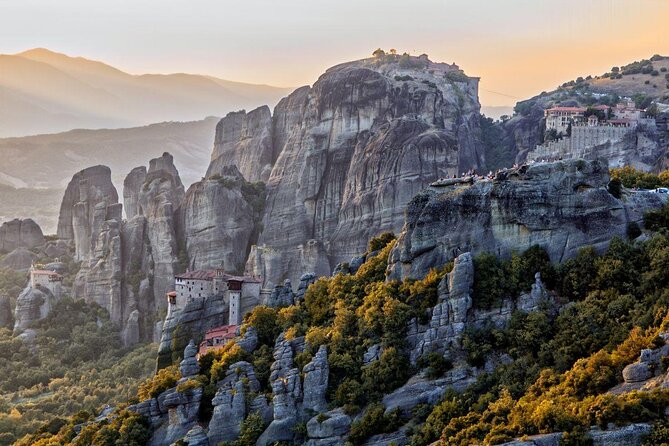
- Two expert-guided blocks: Delphi (archaeology focus) plus at least two Meteora monasteries
- Hotel night in Kalabaka with breakfast so you’re not rushing back to Athens after Meteora
- Panos-level driving: an English-speaking professional driver who stays out of the sites and gives practical tips
- A real route, not a scattershot list: Delphi + Temple of Apollo + Thermopylae + Arachova + Meteora
- Wi‑Fi in the vehicle if you want it for navigation, messages, or saving photos
Two Days, Two Ancient Worlds: Delphi to Meteora
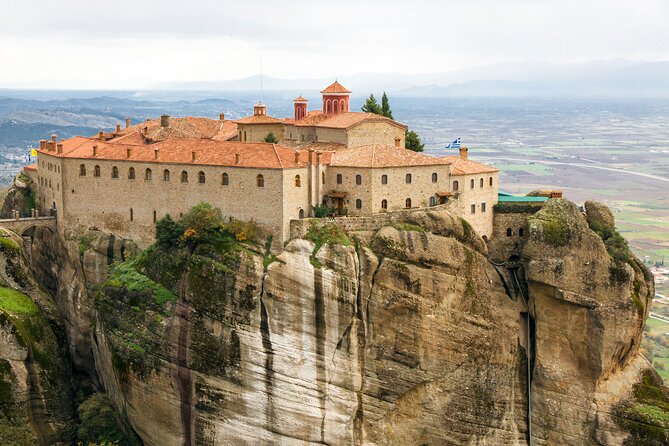
This is a serious itinerary in a good way. You leave Athens early, spend Day 1 in central Greece with Delphi and a history stop at Thermopylae, then sleep in Kalabaka for the next day’s Meteora monasteries. It’s designed to minimize backtracking and maximize daylight.
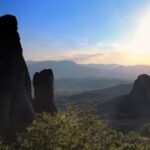
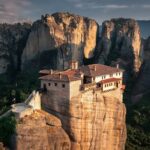
Delphi gives you the ancient “why” behind the myths. Meteora gives you the “how is this possible” feeling. Both are UNESCO-level experiences in their own way—Delphi for its sacred role, Meteora for the monasteries perched above the valley like they were built by someone with a serious imagination.
And because it’s private, you control the tempo. If you want a slower coffee stop in Arachova or you need a couple minutes to catch your breath during a climb, you can usually build it in without breaking a group schedule.
You can also read our reviews of more private tours in Athens

Price and Value: What $1,381.61 Per Person Buys You
Let’s talk money honestly, because this one isn’t cheap. The price is high, but the inclusions are doing real work:
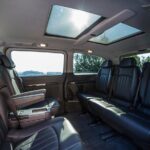
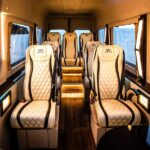
- Private transportation in a car/minivan with air-conditioning
- Fuel and tolls covered
- Breakfast included and hotel accommodation for one night
- Professional guide at Delphi plus professional guidance at two Meteora monasteries
- Mobile ticket and a setup that includes pickup from Athens/Piraeus areas (plus airport/ports)
- A driver who gives information and tips but doesn’t crowd the sites
What’s not included matters for budgeting:
- Admission fees for Delphi museums/archaeological sites and Meteora monasteries (and any museums)
- Meals beyond breakfast, plus coffee, drinks, and snacks
- Gratuity (left to your discretion)
- Optional extra guide time at other sites (for a small extra charge)
So the value equation is: you’re paying to compress two big regions into a smooth private circuit, with a guided experience where it counts, and without the stress of transit planning.
If you’re traveling solo or as a duo, you may feel the cost more. If you’re a small group (up to 3 in a sedan, 4–6 in a minivan on request), the per-person impact usually feels more reasonable.
Day 1: Delphi Archaeological Museum and Temple of Apollo
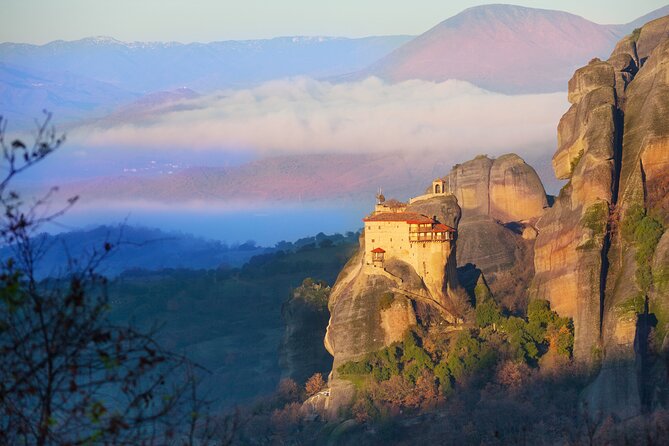
Day 1 starts with Delphi’s main event. You’ll begin at the Delphi Archaeological Museum with a professional guide. Plan for a long, meaningful block—about 3 hours. This isn’t just “see ruins.” It’s where you get the context for why Delphi mattered: it was considered the religious center of the ancient Greek world and the seat of Pythia, the great oracle.
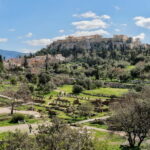
The ruins are set on the slopes of Mount Parnassus, overlooking that dramatic sense of place. Delphi feels like a “destination” even before you start walking. And because Delphi is recognized as a UNESCO World Heritage Site, it’s also a reminder that you’re looking at something globally significant, not a random stop.
From the museum, you head to the Temple of Apollo area. This is the center of a larger archaeological complex that includes things like the treasuries, theatre, and stadium. You’ll also visit the museum elements here, including well-known pieces like the Delphic Charioteer and the statue of Antinous (the lover of Hadrian).
Timing-wise, this stop is about 1 hour, with admission fees not included. If you want to get the most from it, wear shoes you can trust and don’t rush the details. Even in an hour, the setting helps you understand the scale of the place.
The practical downside to know
Delphi’s best moments often come from looking closely at sculpture and layout. If you hate museums or you’re short on patience for reading context, you might find the guided parts more time than you expected.
Arachova Reset: Mountain Views and a Real Break
After Delphi, there’s a breather in Arachova, about 1 hour. It’s a mountain resort town known for winter skiing, but in any season it works as a viewpoint and a chance to reset.
This stop is intentionally simple: relax, enjoy the views, and grab coffee at cafés you can actually step into. That matters because it breaks up a day that’s already heavy with ancient sites and history.
If you tend to snack late, this is a good time to do it. You’re not just buying coffee—you’re buying energy so you can handle the next history stop without getting cranky.
You can also read our reviews of more tours and experiences in Athens

Thermopylae Museum: Leonidas and the Hot Gates
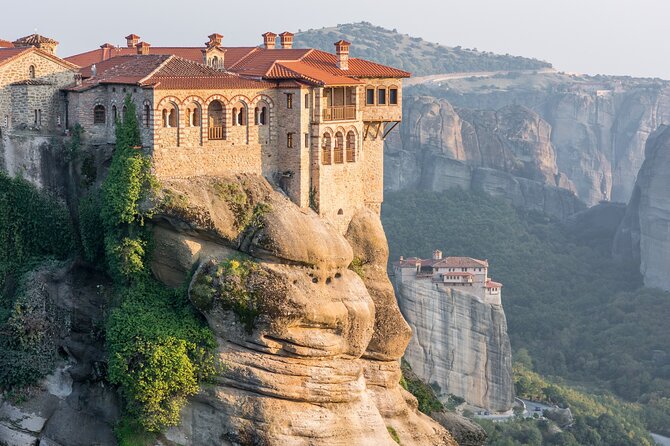
Next up is the Thermopylae Museum and site—about 1 hour. This is where the story shifts from Delphi’s oracle world to the clash of empires.
Thermopylae is the famous “Hot Gates,” tied to the stand of Leonidas and the 300 Spartans against Xerxes’ forces of Persia. You’ll see the strategic idea: the Spartans and allies drew the Persian army into a narrow pass between cliffs and the sea. They were defeated, but their resistance helped other Greek city-states mobilize and later defeat the Persians at Salamis.
If you’re a history fan, this stop will click fast. If you’re not, still try to pay attention to the geography. Thermopylae is one of those places where the setting explains the tactics.
And yes, admission fees are extra here too, so keep your budget in mind.
Overnight in Kalabaka: Dinner Plans and Next-Day Views
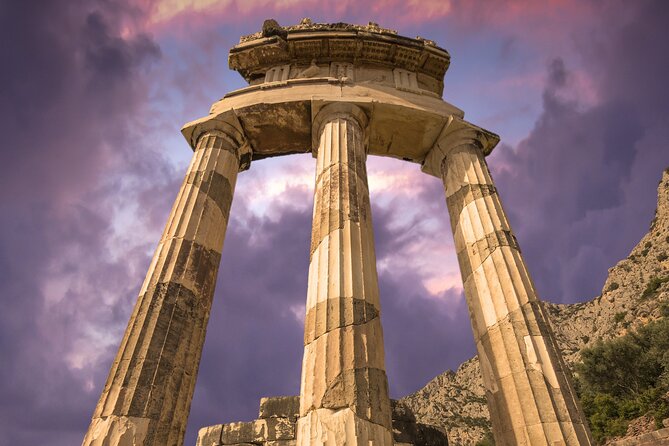
After Thermopylae, you reach Kalabaka and stay overnight—about a 10-hour day that includes the ride and arrival. You’ll have dinner and get a look at the monasteries you’ll visit the following day.
Accommodation and breakfast are included for each passenger. That’s important because Meteora is best experienced when you’re not arriving tired and rushed.
What I like about this overnight setup
Meteora can feel busy if you do it as a long day-trip from Athens. Sleeping in the area makes it calmer. It also gives you a chance to see those monasteries from the valley before you climb up close.
Just remember: dinner and drinks aren’t listed as included, so plan to pay for that meal yourself.
Day 2: Meteora Monasteries at Cliff Level
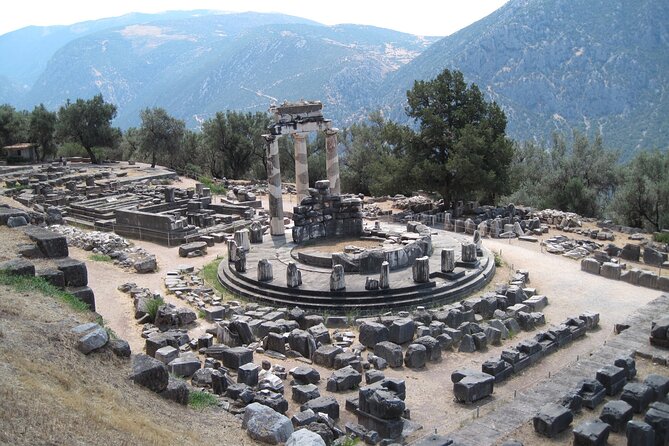
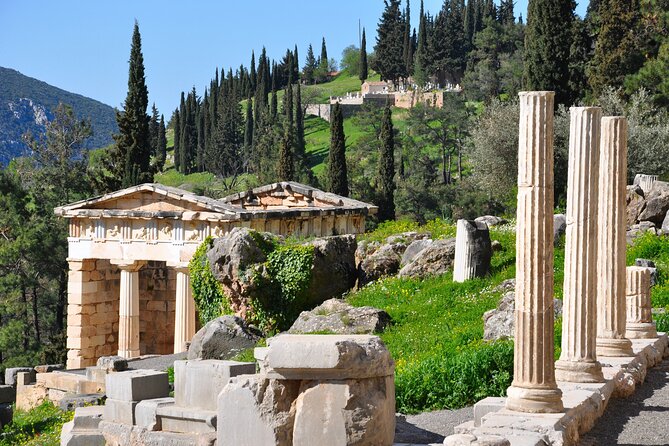
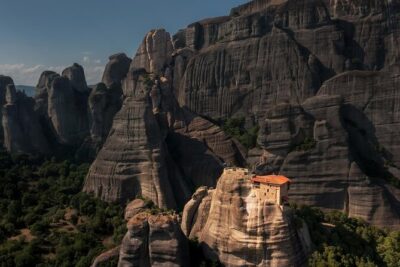
Day 2 is Meteora, and it’s the part most people remember. The plan is to visit at least three monasteries, and depending on time, more. Two monasteries are guided with a professional guide.
You also get included meal time on the schedule: you’ll have a meal and then return to Athens late in the afternoon.
The monasteries mentioned in the route include:
- Great Meteoron
- Monastery Varlaam
- Holy Trinity (Agia Triada)
- Monastery of Rousanou (also spelled Rousanos; it’s the Saint Barbara monastery listing)
What this means in practice: you won’t just drive to one viewpoint. You’ll experience the monastery circuit and the “fairytale cliff” feel that made Meteora famous.
Great Meteoron: the main stop
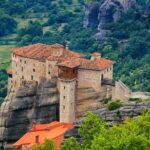
Expect the longest dedicated block here—about 1 hour 30 minutes—and at least part of the visit is guided. Great Meteoron is often the anchor monastery people want to see first, and the time allows you to absorb the architecture and setting without feeling like you’re sprinting.
Admission fees aren’t included, so budget that in.
Rousanou / Saint Barbara and Varlaam
You may also visit Rousanou (Saint Barbara) and Varlaam, each with guided time options mentioned in the schedule (around 1 hour for each segment listed).
This is one of those days where you’ll feel your legs. Meteora isn’t just photogenic from one spot. It’s built on movement and careful footing.
Holy Trinity (Agia Triada)
You can also include Holy Trinity (Agia Triada), again with about 1 hour listed for the segment. The guide is scheduled for two monasteries at minimum, but if time allows, you’ll be able to see additional sites.
Getting Around Without Stress: Private Vehicle, Wi‑Fi, and Driver Style
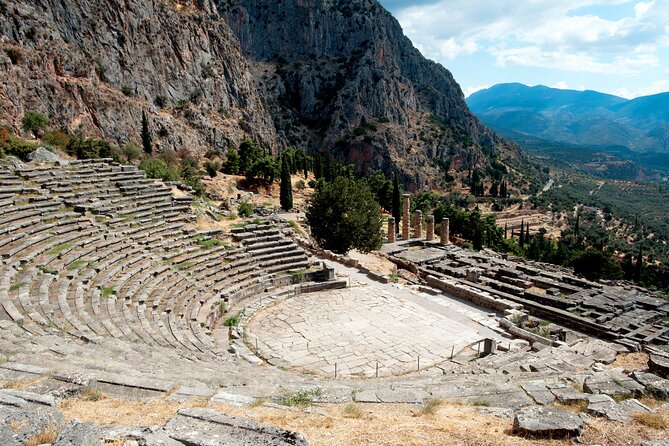
This tour is wholly private, meaning only your group rides in the vehicle. That matters more than it sounds. In Greece, traffic and route timing can be unpredictable, and having your own schedule flexibility makes the experience feel smoother.
Your driver is professional and friendly, and they speak English. The key detail: the driver provides information and tips but does not enter the sites. That’s a good division of labor. It keeps the timing sane and makes the guided blocks more focused.
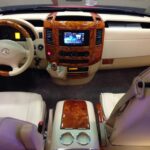
Also, the vehicle has air-conditioning and Wi‑Fi in the vehicle if you like. Wi‑Fi won’t replace offline maps, but it can help with messaging, quick research, or photo uploads once you’re back on stable signal.
If you’re traveling with patience issues, that setup helps. Delphi and Meteora both involve lots of walking and short time blocks. A driver who knows how to time stops makes a big difference.
What to Know Before You Go: Timing, Walking, and Admission Fees
A few practical notes before you commit.
Early starts are real
The departure time is usually between 6:00am and 9:00am, based on your preference. The tour window also lists early pickup hours (6:30am–8:30am across the operating season). Plan your day as an early-riser mission.
If you hate waking up early, you’ll probably suffer on Day 1. If you can handle mornings, you’ll get the upside: calmer streets and better chances for smooth site timing.
Walkers needed (at least some)
You must be able to walk on unpaved or uneven terrain. The driver will do their best to see most sites, but the tour isn’t described as step-free. If you have mobility challenges, you’ll want to consider how comfortable you are with uneven ground and monastery stairs/paths.
Admissions and meals add up
Admission fees for archaeological sites, museums, and monasteries are not included. Coffee, drinks, snacks, and meals (outside breakfast) are also not included. This is normal for private tours, but it affects the final budget.
A good strategy: set aside spending for admissions plus a couple lunches or snacks.
Extra guiding is an option
The tour includes professional guiding for Delphi and for two Meteora monasteries. If you want extra guidance in other sites, that may be available for a small additional charge.
Who This Tour Suits Best (and Who Should Rethink It)
I’d recommend this tour if you want:
- A private Athens-to-Delphi-to-Meteora route that’s planned tightly but not rushed
- Real guidance for the heavy-hitting sites (Delphi and at least two monasteries at Meteora)
- One night in Kalabaka so Meteora isn’t a long, exhausting day-trip
It’s also a strong pick for couples and small groups who want flexibility without giving up structure.
You might want to reconsider if:
- You’re on a strict budget and don’t want to pay extra for admissions and meals
- You can’t handle early mornings
- Uneven terrain is a big problem for you
Should You Book This Delphi and Meteora Private Tour?
If you’re choosing between doing this on your own and taking a private setup, this tour is a clear “yes” when you value time, guidance, and stress-free logistics. The price hurts, but you’re buying a smooth plan, included hotel night with breakfast, private vehicle transport, and expert guiding where it matters most.
I’d book it if you want Meteora to feel like more than a photo stop and Delphi to feel like more than a pile of stones. And if you end up with a driver like Panos, you’ll likely appreciate the human touch—useful tips, calm handling, and a sense that someone is watching the clock so you don’t have to.
If you do book, plan your budget for admissions and meals, wear good shoes, and treat Day 1 like the start of a two-day mission: Delphi first, then history at Thermopylae, then sleep well for Meteora.
FAQ
Is this tour private or shared?
It’s a wholly private tour. Only your group participates.
What’s included in the price?
Breakfast, hotel accommodation for one night with breakfast, private transportation with air-conditioning and Wi‑Fi in the vehicle, fuel and tolls, and a professional guide at Delphi and two Meteora monasteries.
Are admission tickets included for Delphi and Meteora?
No. Admission fees for archaeological sites, museums, and monasteries are not included.
Will we be able to choose the departure time?
Departure time is usually between 6:00am and 9:00am based on your preference.
Where does pickup happen?
Pickup is available from all hotels in Athens and Piraeus, Athens International Airport, the port and cruise terminal, or the address you provide. Transportation to and from your central hotel and those locations is included.
How many Meteora monasteries will we visit?
You’ll visit at least three monasteries (or more if time permits). Two monasteries are guided with a professional guide.
Is there Wi‑Fi during the drive?
Yes, Wi‑Fi is available in the vehicle if you like.
What about meals and drinks?
Coffee, drinks, snacks, and meals are not included (breakfast is included). You’ll have meal time during the itinerary.
Is the tour suitable for children?
Children and youth under 18 must be accompanied by an adult. Youth (12+) are charged at the adult rate.
Is the tour accessible for limited mobility?
You must be able to walk on unpaved or uneven terrain. The driver will do their best to help you see most sites, but the tour is not described as fully accessible.
More Private Tours in Athens
More Tours in Athens


More Tour Reviews in Athens
- All Day Cruise -3 Islands to Agistri,Moni, Aegina with lunch and drinks included
★ 5.0 · 4,958 reviews