REVIEW · ATHENS
Athens: 2 Days in Meteora with 2 Guided Tours and Hotel Stay
Book on GetYourGuide →Operated by Meteora Thrones - Travel Center · Bookable on GetYourGuide
Meteora hits you fast, then won’t let go. This 2-day trip from Athens is built around sunset over the rocks and guided time at several of the six monasteries, with a live local guide doing the explaining as you go.
What I liked most was how practical it feels. You’re not just staring at scenery—you’re learning how the monasteries sit here, why people built them up on these cliffs, and where to stand for photos that actually show the scale.
I really loved two things: the sunset tour with strategic stops for wide views and photos, and the fact that you’ll have a real local guide (people like Vaso and Giannis have led these tours) walking you through the sights with clear, usable context.
One consideration: the timing can feel long on the back end. After the second day, you may get a chunk of free time in Kalabaka, and then you’ll return to Athens late—around 10:30 PM is mentioned for some departures—so plan on a fuller travel day.
In This Review
- Key things that make this Meteora package worth it
- Why Meteora takes two days (not one)
- Getting there from Athens: what you’re actually signing up for
- Day 1: the sunset program and how to get the best photos
- The Byzantine Church stop: why it matters beyond the rocks
- Your overnight in Kalabaka: breakfast and logistics that actually help
- Day 2 choice: monastery by bus or a hike with a monastery stop
- Option 1: Panoramic monasteries by minibus
- Option 2: Scenic hiking tour with monastery on the way
- Monasteries, steps, rules, and how not to get turned away
- Audio guide and what it replaces
- Entrance fees and the cash-only reality
- What $141 gets you, and whether it’s a good value
- Small-group guides: why names matter here
- Should you book this Meteora 2-day program?
- FAQ
- What does the tour include for the 2 days?
- How big is the group?
- Are monastery entrance fees included?
- Will I have a guide inside the monasteries?
- What should I wear for the monasteries?
- Do I need anything for the audio guide?
- Where do I meet the bus in Athens?
- What about food during the trip?
Key things that make this Meteora package worth it
- Small-group max of 15 keeps the pace human and makes photo stops easier.
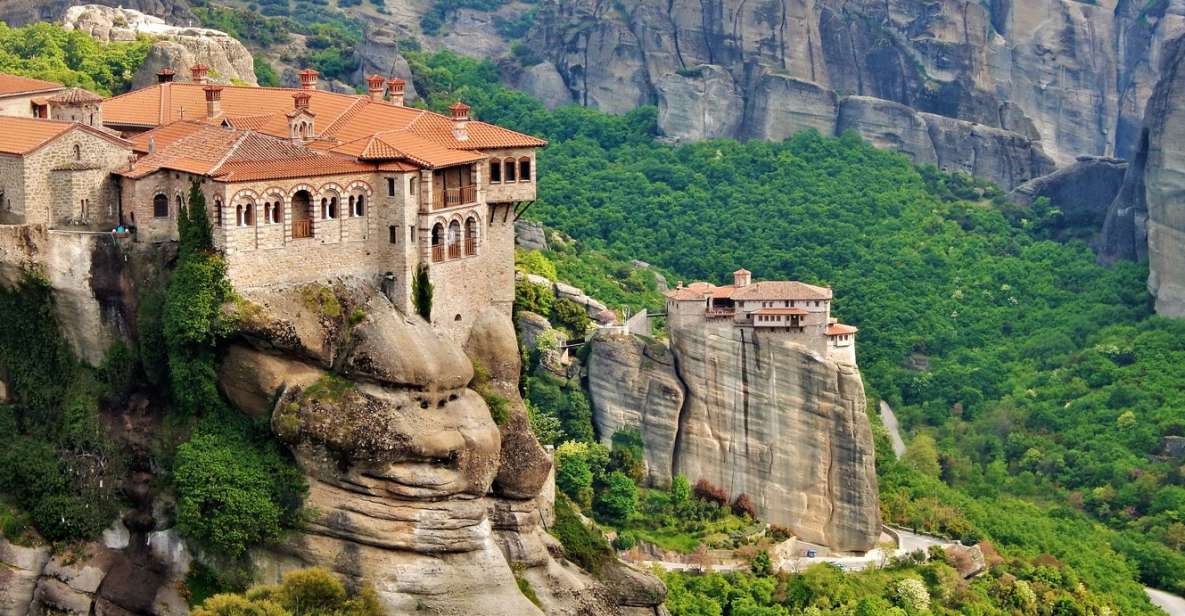
- Sunset on Meteora Rocks is the big visual payoff, with panoramic viewpoints planned in.
- Live local English-speaking guides plus a smart audio guide means you get both conversation and flexible listening.
- See the monasteries + Hermit Caves instead of picking just one highlight.
- Air-conditioned coach/minibus with Wi‑Fi and USB chargers makes the long ride feel less painful.
- Hotel with breakfast included saves you time when you’re trying to make the most of two days.
Why Meteora takes two days (not one)
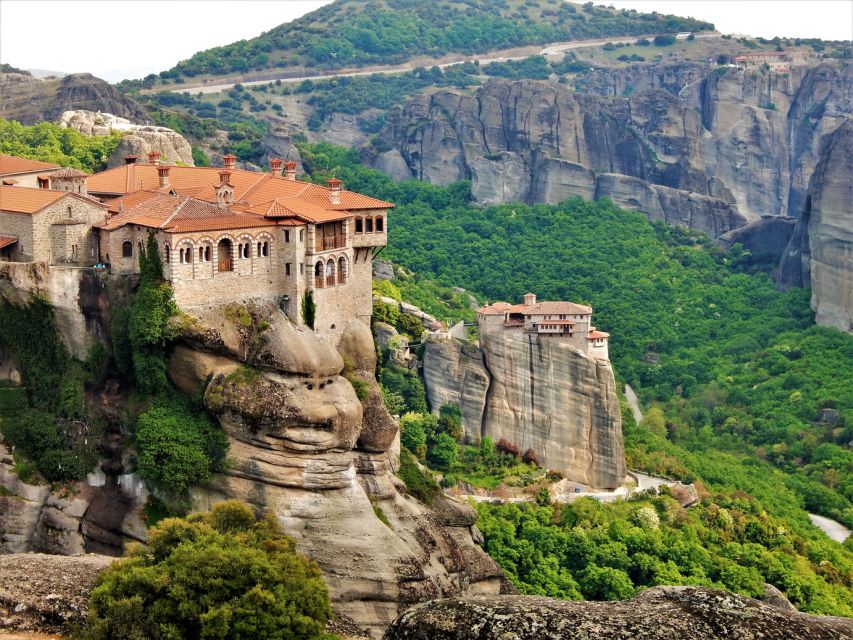
Meteora isn’t just “pretty rocks.” It’s a full system—steep cliffs, isolated valleys, and monasteries built high enough to be protected, but reachable by prayer and persistence. The easiest way to get the real wow factor is to do it with time for both light and pace.
On this 2-day format, day one gives you that first hit of scale at sunset. Day two then shifts you into deeper monastery visits and either more walking time (hike option) or a focused minibus circuit that hits the iconic sites without you trying to solve logistics alone.
If you’re deciding between one day and two, I’d choose two unless you love rushing and you don’t mind missing the way Meteora changes from afternoon glare to evening glow.
You can also read our reviews of more guided tours in Athens
Getting there from Athens: what you’re actually signing up for
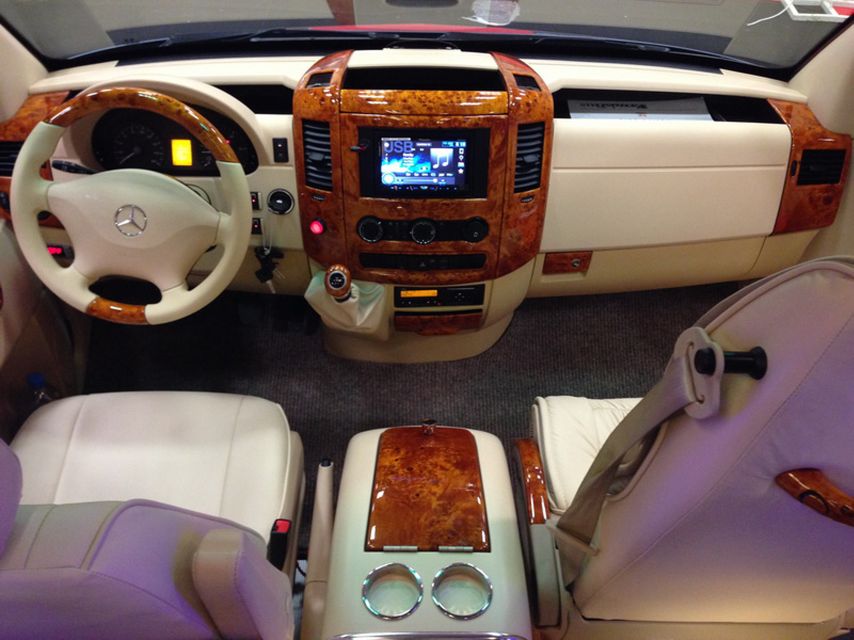
You start with an early 08:00 AM departure from Larissis Station. The meeting point is outside the station area, across the street on Theodore Diligianni Street, and the tour operator says to arrive about 15 minutes early.
This isn’t a quick hop. You’re doing a round trip by air-conditioned coach bus, and the tour includes stops for meals on the way (breakfast, lunch, dinner are not included, but the group typically stops so you can buy food). The upside is comfort and organization: you avoid figuring out buses or trains, and you get a driver plus a schedule that’s built around the Meteora viewing times.
If you’re the type who likes a calm start, this works well. If you hate being on a bus, you’ll want to treat the ride like part of the experience rather than time you wish you were elsewhere.
Day 1: the sunset program and how to get the best photos
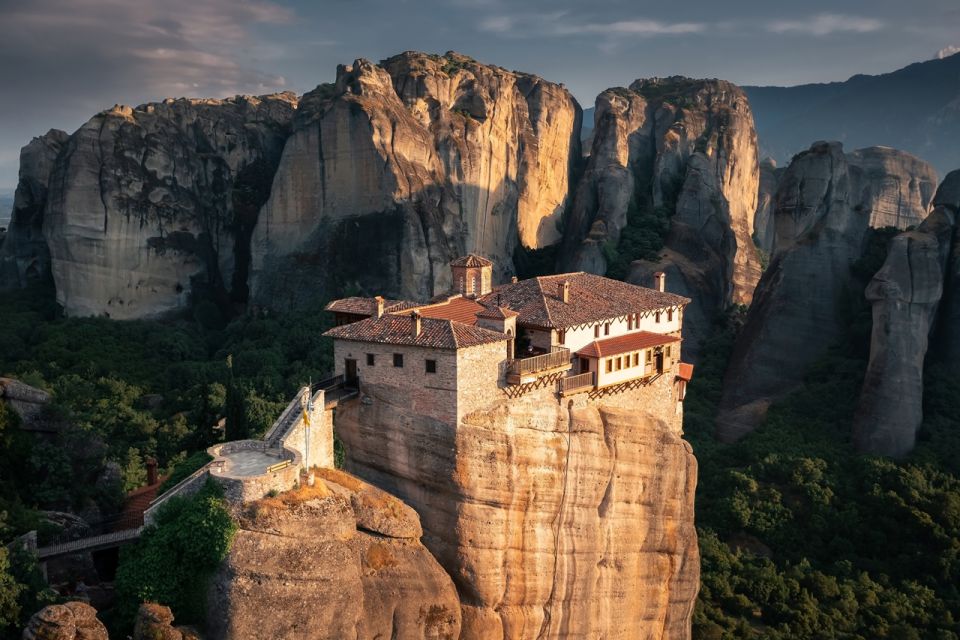
Day one is built around a long afternoon that ends with a sunset viewing experience from panoramic rock points. The idea is simple: you’ll get early monastery context, then save your biggest “wow” for the last light.
Before sunset, your guided time typically includes a clifftop monastery and a stop tied to the region’s spiritual roots, plus photo breaks. The guide helps you place yourself—where the viewpoint gives you depth, where the rock formations frame the monasteries, and when the wind makes photos harder (it can get gusty near viewpoints).
At sunset, the payoff is the layering: the cliffs, the monastery structures, and the way the sky and rock color shift in minutes. You’ll want to bring your phone charge, wear shoes you can move in comfortably, and use the audio guide when you’re waiting at viewpoints so you’re not just staring and guessing.
A practical tip: plan to keep your camera/phone accessible. Sunset timing moves fast, and you don’t want to be digging for batteries while the group is taking position.
The Byzantine Church stop: why it matters beyond the rocks
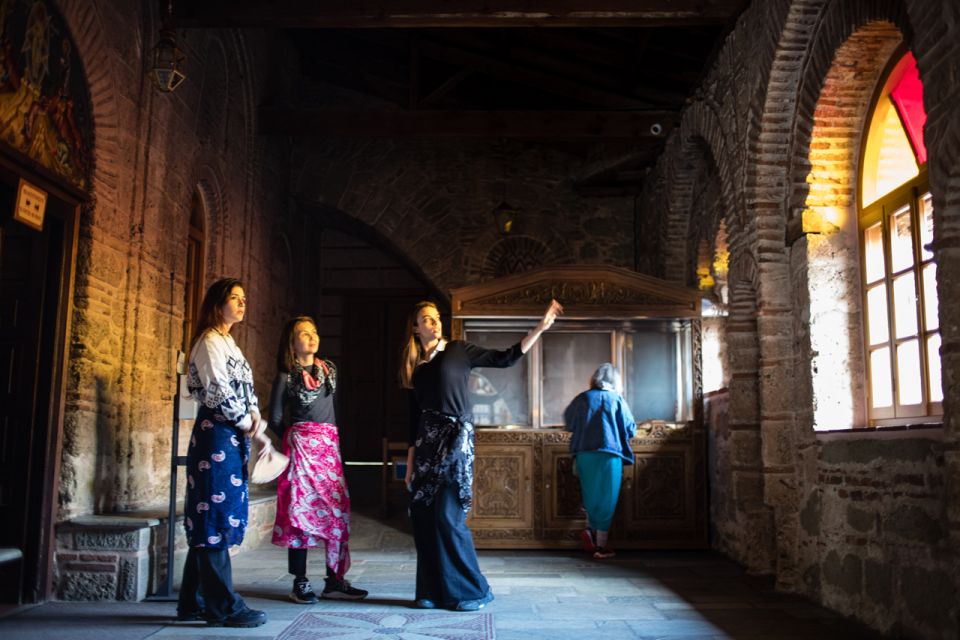
Between the clifftop views and the evening viewpoint, you’ll also visit the Byzantine Church of the Virgin Mary in the old town area of Meteora/Kalabaka. It’s not the cliff-perched monastery at the top of every Instagram feed—but it gives you an important “anchor” stop.
Why this works: monasteries in Meteora weren’t just isolated monuments. They were tied to people living below—prayer, community, and the local Orthodox tradition. The guide’s explanations help you connect what you’re seeing high on the rocks with what’s going on in the towns and churches at ground level.
If you only did rock-and-steps, Meteora could feel like a set of impressive ruins. This added stop adds meaning and order.
Your overnight in Kalabaka: breakfast and logistics that actually help
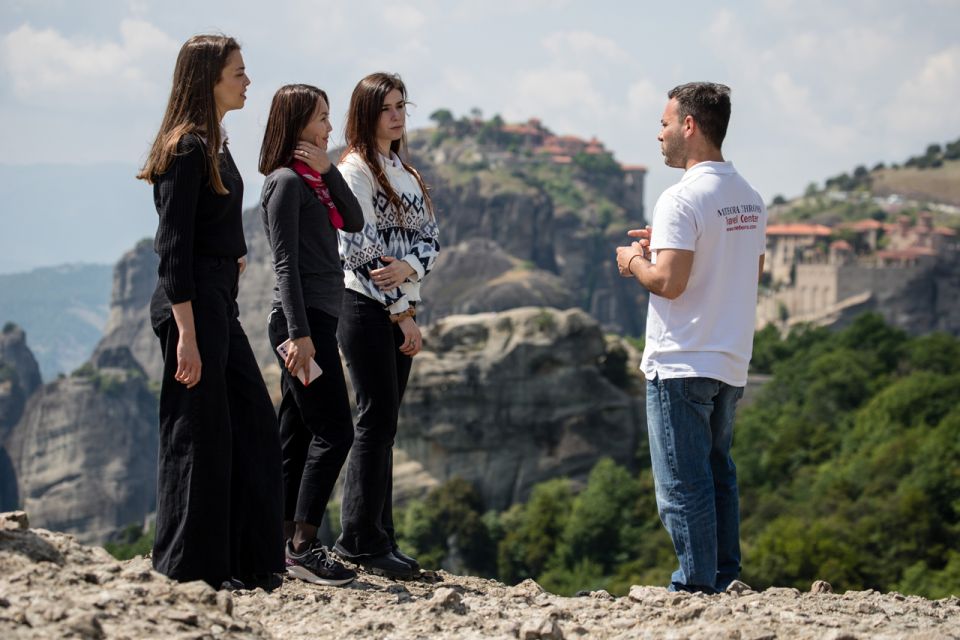
After day one, you sleep in Kalabaka, and the package includes breakfast at a 3-star or 4-star hotel depending on what option you select. In real terms, that’s a big deal: you’re leaving the hotel ready to go instead of hunting for food and timing yourself.
Some travelers have noted that room sizes can be on the smaller side in certain options, but breakfast is frequently praised as a solid start. Hotels named in people’s experiences include places like Hotel Alexiou (with positive comments about breakfast) and other similarly positioned properties in Kalabaka.
Here’s the practical mindset: you’re not coming for five-star room service. You’re coming for early access, clean rest, and a base that makes day two feasible.
You can also read our reviews of more tours and experiences in Athens

Day 2 choice: monastery by bus or a hike with a monastery stop
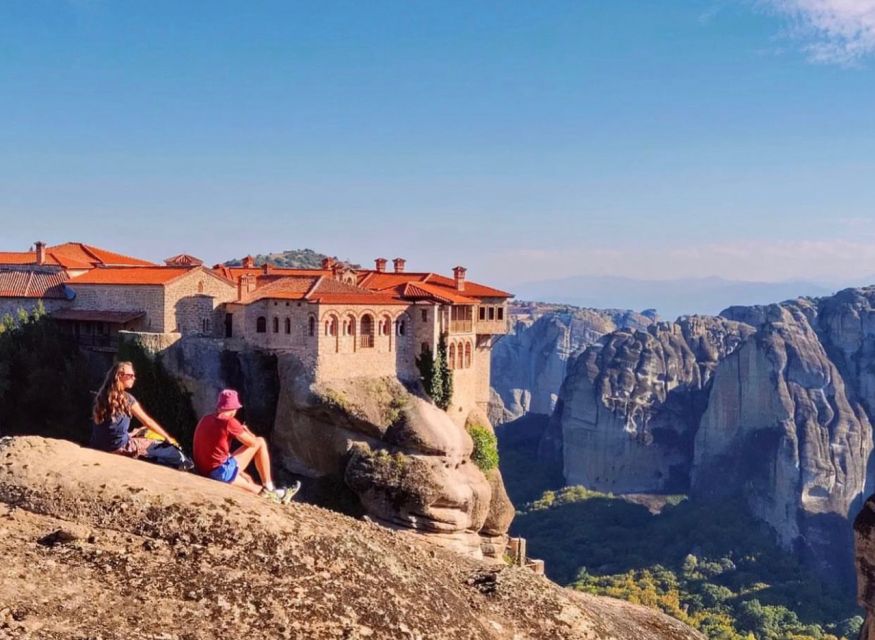
Day two is where Meteora gets more physical and more complete. You have two common paths:
Option 1: Panoramic monasteries by minibus
This route is designed to hit several of the most iconic monasteries by small-group minibus. The plan typically includes a total of three monasteries plus panoramic viewpoints. The advantage is efficiency: you see more in less time, with less commuting friction.
This is the choice I’d make if you want maximum monastery coverage without committing to a longer hike day.
Option 2: Scenic hiking tour with monastery on the way
The hike option follows trails past rock formations and includes a monastery visit along the route. Based on what people report, the hike is not usually an extreme scramble, but it can still be a genuine walk, and you’ll likely deal with uneven terrain and stairs to monastery areas.
If you want views you can’t get from the road—angles where the monasteries sit into the cliff walls—this is the track that tends to feel more personal.
A good move: tell your guide what kind of day you want—photo time, slower pace, or more walking. In at least one experience, guides adjusted plans based on road conditions, which is a reminder that local judgment matters here.
Monasteries, steps, rules, and how not to get turned away
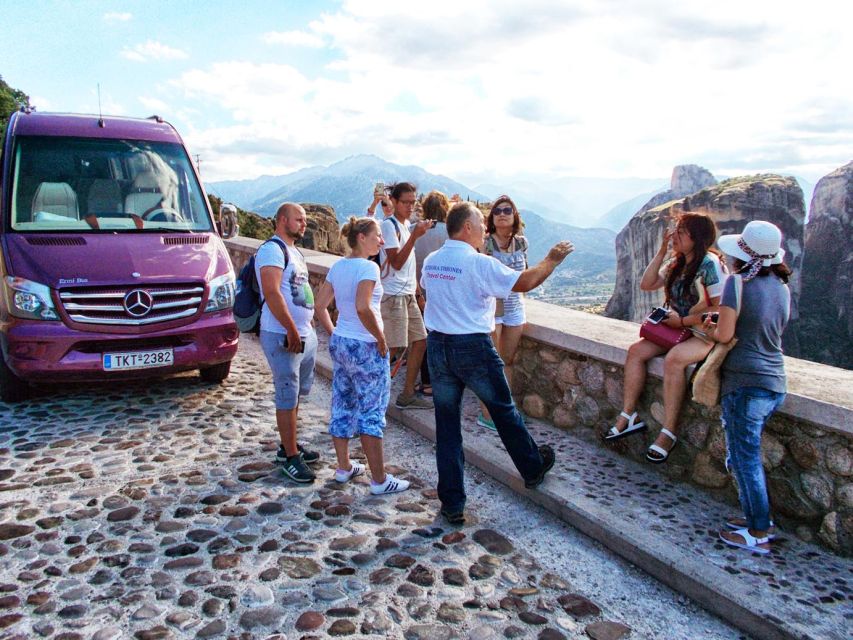
Meteora’s monasteries are active religious sites, so entry comes with rules. You must dress correctly:
- Women: skirt at or below the knee (or longer). No pants, no shorts, no sleeveless tops.
- Men: no sleeveless clothing and no shorts over the knee.
If you’re coming from Athens with a summer outfit, this is the one part you can’t wing. Bring something you can layer quickly—lightweight long skirts, a breathable wrap, or the kind of pants you can use as a practical substitute for “not shorts.”
Also, monastery visits involve stairs. Even if you’re taking the minibus option, you’ll still walk and climb. Shoes with good grip matter.
Audio guide and what it replaces
You get a smart audio guide in multiple languages (English, Spanish, French, Italian, German, Dutch, Portuguese, Polish, Russian, Japanese, Korean, Chinese). The audio guide info says to bring earpads and use a smartphone.
One more important detail: there’s a note that you won’t have a guide walking inside each monastery for you. Instead, you’ll rely on the audio guide and the live guide’s explanations outside/around the sites.
Entrance fees and the cash-only reality
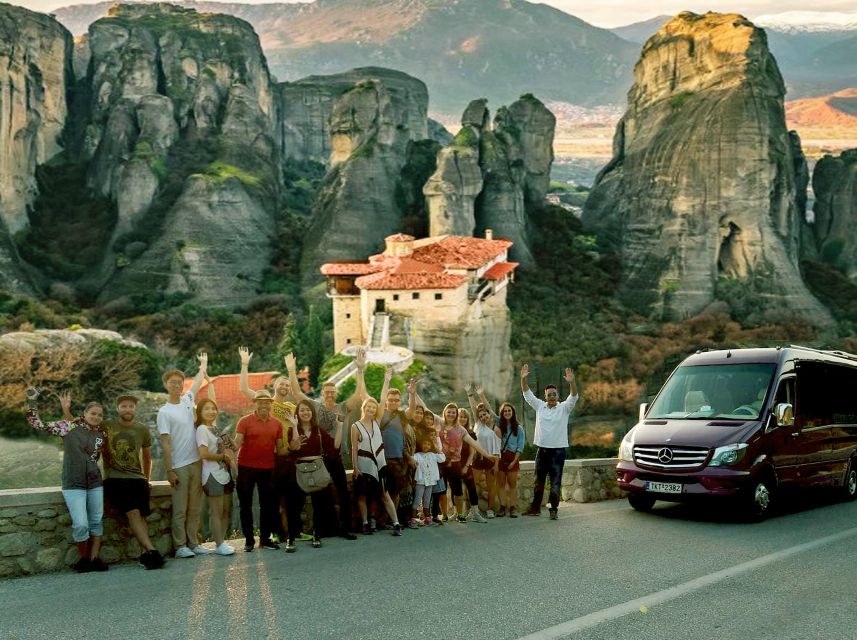
Monastery entrance fees are not included. The tour information says it’s €5 each, and it’s cash only. Since fees stack across multiple sites, it helps to show up ready instead of scrambling.
If you’re budgeting, don’t treat €5 as “one-time.” You’re likely paying more than once in two days.
What $141 gets you, and whether it’s a good value
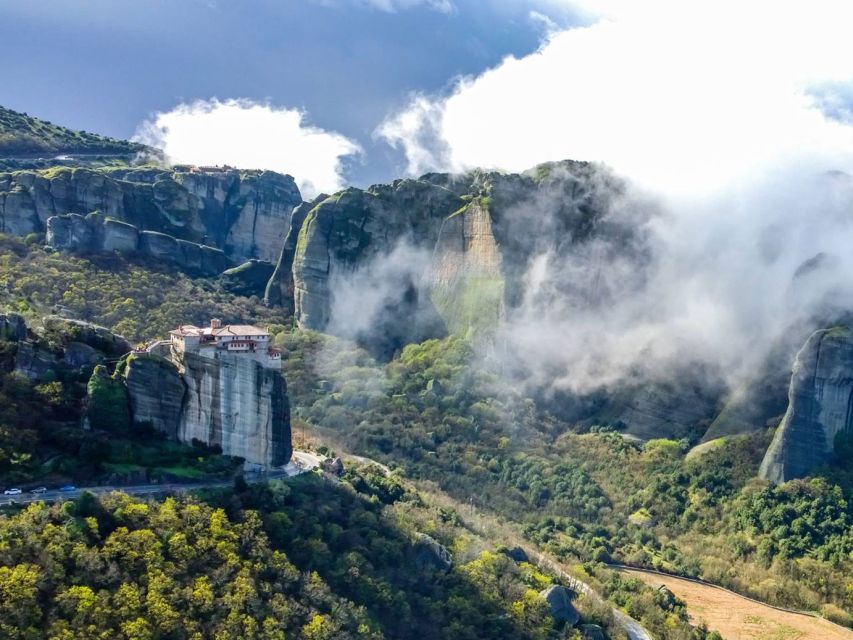
At $141 per person for 2 days, the value mainly comes from how much is bundled:
- Roundtrip Athens ↔ Meteora transfer by air-conditioned bus
- Hotel with breakfast
- Two guided blocks: about 4 hours for the sunset day and about 4 hours for the second day (either panoramic monastery circuit or morning hike)
- Live local English-speaking guide
- Small group (max 15)
- Smart audio guide, plus Wi‑Fi and USB chargers on the bus
- A local Meteora map
Where you’ll spend extra: monastery entrances (cash-only), plus meals. The tour includes meal stops, but food isn’t included.
For me, this is the sweet spot: you’re paying to remove stress. You’re not only buying views—you’re buying correct timing, correct guiding, and the ability to cover multiple monasteries without turning Meteora into a self-planned bus-and-map project.
Small-group guides: why names matter here
This kind of tour lives or dies by the guide. In these experiences, guides named Vaso, Giannis, Nancy, Clement, Antonio, and Chris show up again and again as people who explain the sites clearly and keep things organized without feeling scripted.
What you should take from that: don’t just look at the route. Look for the guide’s style. If you care about photo placement, how the monasteries fit into the cliffs, and practical advice for what to do next, you’ll want to match with a guide who thinks in real time.
Should you book this Meteora 2-day program?
Yes, if you want a high-impact Meteora visit without doing logistics gymnastics. This is a smart pick for first-timers because you get both the sunset magic and a second day that can include multiple monasteries plus Hermit Caves, all with small-group guidance and included hotel breakfast.
I’d be cautious if:
- you hate late days and can’t handle a long block of waiting time before the return bus
- you’re coming without a plan for monastery clothing rules (bring the right layers)
- you’re expecting fully guided “inside everything” with no audio or timing pressure (that’s not how this package is structured)
If your goal is to see Meteora properly in two days—sunset, monasteries, and the feeling of why people built up here—this one is a strong choice.
FAQ
What does the tour include for the 2 days?
It includes roundtrip transfer from Athens to Meteora by air-conditioned bus, hotel accommodation with breakfast, two guided tour days (one focused on sunset and one on monasteries/hiking), a live English-speaking local guide, a smart audio guide, visits to popular monasteries and the Hermit Caves, and the Byzantine Church of the Virgin Mary. It also includes hotel pickup/drop-off in Meteora and Wi‑Fi and USB chargers on the bus.
How big is the group?
It’s a small group limited to 15 participants.
Are monastery entrance fees included?
No. Entrance fees to monasteries are not included. The tour information says they are €5 each and cash only.
Will I have a guide inside the monasteries?
No. Entrance visits rely on the audio guide available in many languages, and the live local guide provides information outside the monasteries and during the guided portions.
What should I wear for the monasteries?
You’ll need to follow the dress rules: women require skirts to at least the knee (no pants, no shorts, no sleeveless tops). Men can’t wear sleeveless clothing and shorts over the knee are prohibited.
Do I need anything for the audio guide?
Yes. The tour information says to bring earpads and a smartphone to use the smart audio guide.
Where do I meet the bus in Athens?
Meet at Larissis Station. Look for the Meteora Thrones – Travel Center logo on the front door. The bus departs at 08:00 AM, and you should be there about 15 minutes early outside the train station area across the street on Theodore Diligianni Street. No bus ticket is required—just give your name to the driver.
What about food during the trip?
Food is not included, but there are stops on the way from/to Athens for breakfast, lunch, and dinner so you can buy meals.

More Guided Tours in Athens

More Tours in Athens

More Tour Reviews in Athens
- All Day Cruise -3 Islands to Agistri,Moni, Aegina with lunch and drinks included
★ 5.0 · 4,958 reviews