REVIEW · ATHENS
Athens: Museum of Cycladic Art Entry Ticket
Book on GetYourGuide →Operated by Museum of Cycladic Art · Bookable on GetYourGuide
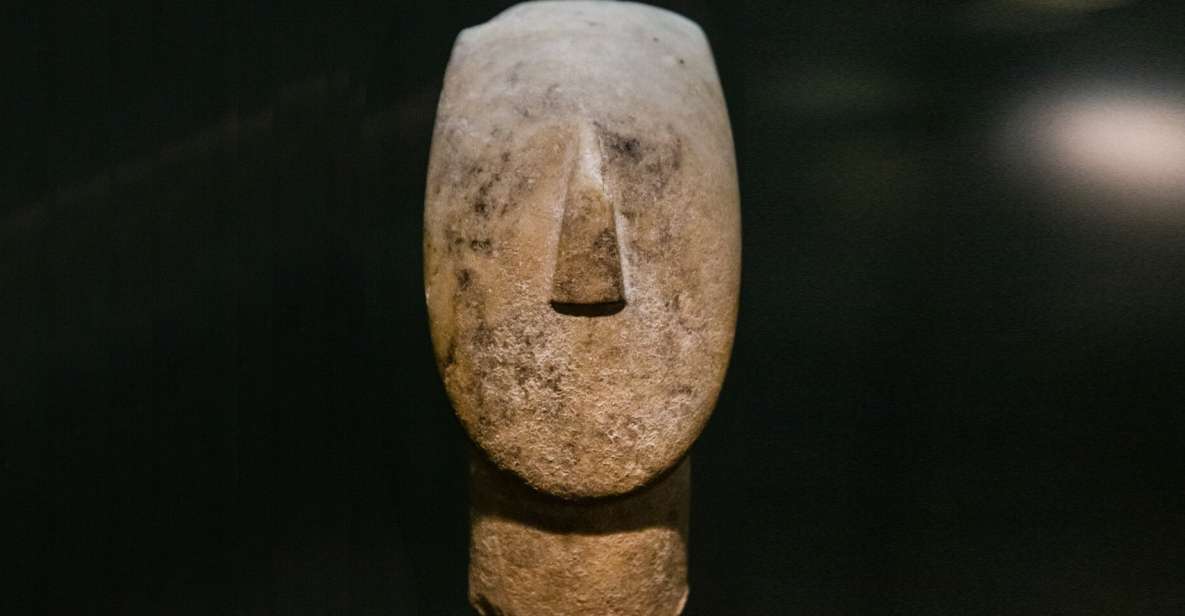
Marble figures from 2300 BC change your angle. In Athens, the Museum of Cycladic Art turns prehistory into something you can actually see and track—art, tools, pottery, and culture in one focused stop.
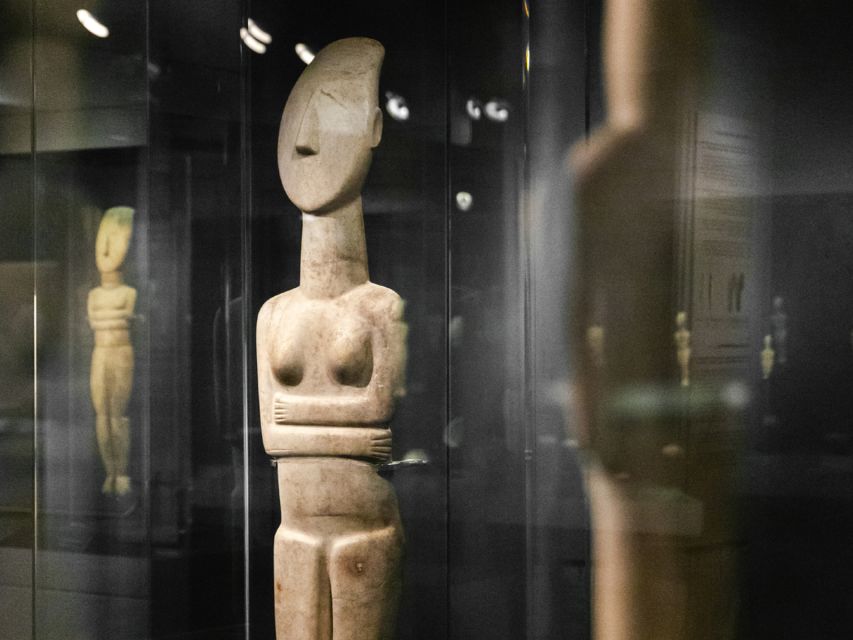
Two things I really like: the iconic Cycladic marble figurines (dating to around 2300 BC), and the way the museum links art to daily life across time, not just aesthetics.
One practical consideration: when I’d plan a visit, I’d check for renovation noise—there have been periods with loud building work that can shrink your time inside.
In This Review
- Key highlights before you go
- Entering Athens with a museum built for looking closely
- Ticket value: what’s included in your $14 entry
- Four floors, three big storylines: how the museum is organized
- The Cycladic galleries: marble figurines and the myths behind them
- Second-floor route: Greek history told through art and technology
- Fourth-floor stop: everyday life in Classical Athens
- Ancient Cypriot Art: when cultures mix, you can see it
- Navigating on-site: pace, apps, and the real-world friction
- The café break and the no-food rule
- Who this ticket suits best (and who may not love it)
- Price check: why $14 feels fair here
- Should you book the Museum of Cycladic Art ticket?
- FAQ
- How much does an Athens: Museum of Cycladic Art entry ticket cost?
- How long is the visit with this ticket?
- Is the ticket for the permanent collections only?
- What’s included with the entry ticket?
- Is a guided tour included?
- Where do I enter the museum?
- Is the museum wheelchair accessible?
- Is WiFi available inside?
- Can I bring food and drinks into the museum?
Key highlights before you go
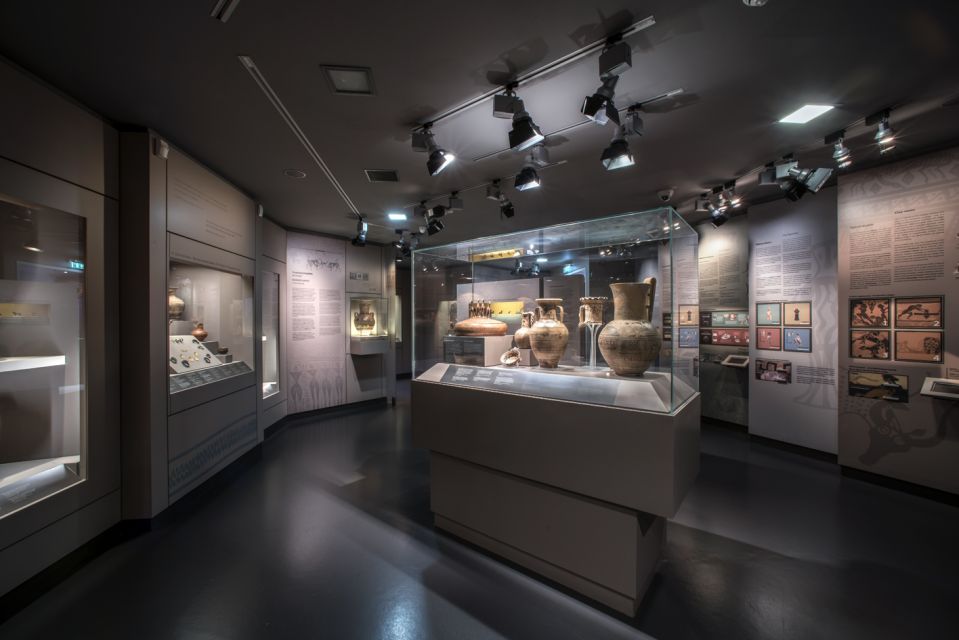
- Iconic marble figurines from about 2300 BC that show the skill of Early Bronze Age artists
- Aegean prehistoric stories and myths that help explain what you’re looking at
- Greek art across time (from painted vases to coins and jewelry) as you move through the rooms
- Ancient Cypriot Art with local, Greek, Egyptian, and Near Eastern influences side by side
- Clear floor-by-floor themes that make it easy to plan your own pace
- Cycladic Café inside the museum for a food break after you’ve had your art fix
Entering Athens with a museum built for looking closely
The Museum of Cycladic Art sits near the center of Athens, an easy walk from Syntagma Square and the Syntagma Metro station. Enter at the main entrance, and expect the museum to feel like a real Athens building—set up for wandering, not rushing. If you’re arriving on foot, you’ll find the location convenient because you can tack this onto a broader day of sightseeing without losing your whole afternoon.
This ticket is for the museum’s permanent collections, and the building runs on a four-floor layout. It’s also wheelchair accessible, so you can expect step-free access where the museum supports it.
You can also read our reviews of more tours and experiences in Athens

Ticket value: what’s included in your $14 entry
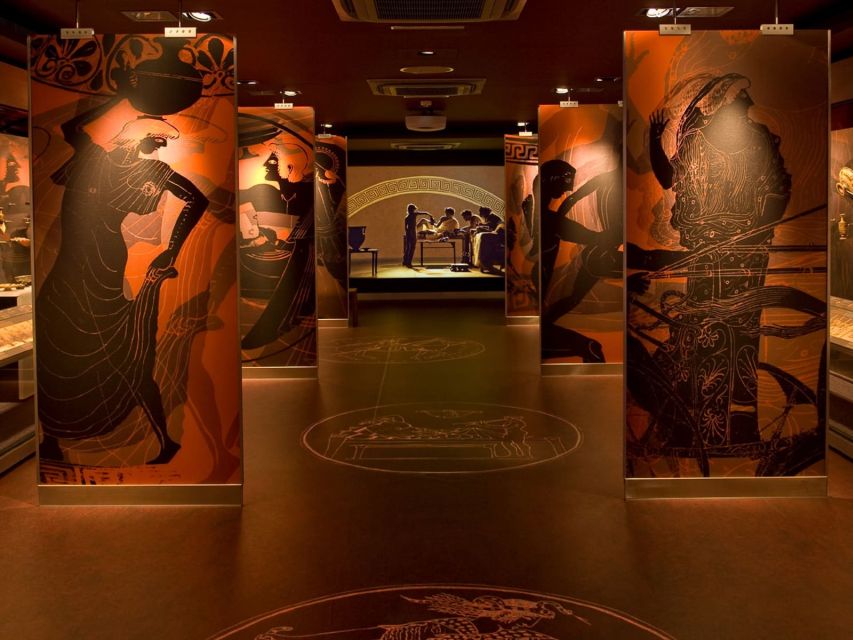
For about $14 per person and a 1-day valid entry window, you’re paying for access to the museum’s core exhibitions—not a staged program. That matters, because the art here works best when you slow down and read labels at your own speed.
Your entry includes:
- access to the permanent collections
- free WiFi
- a Clio Muse Tours experience available via QR code
A guided tour is not included, so don’t expect a lecturer to connect the dots for you. The good news: the museum’s information panels are designed to do a lot of the explaining, and the QR option gives you another layer when you want it.
One more rule to plan around: food and drinks are not allowed inside. If you want a break, the museum has a café option on-site (more on that below), but plan to keep outside snacks out of your bag.
Four floors, three big storylines: how the museum is organized
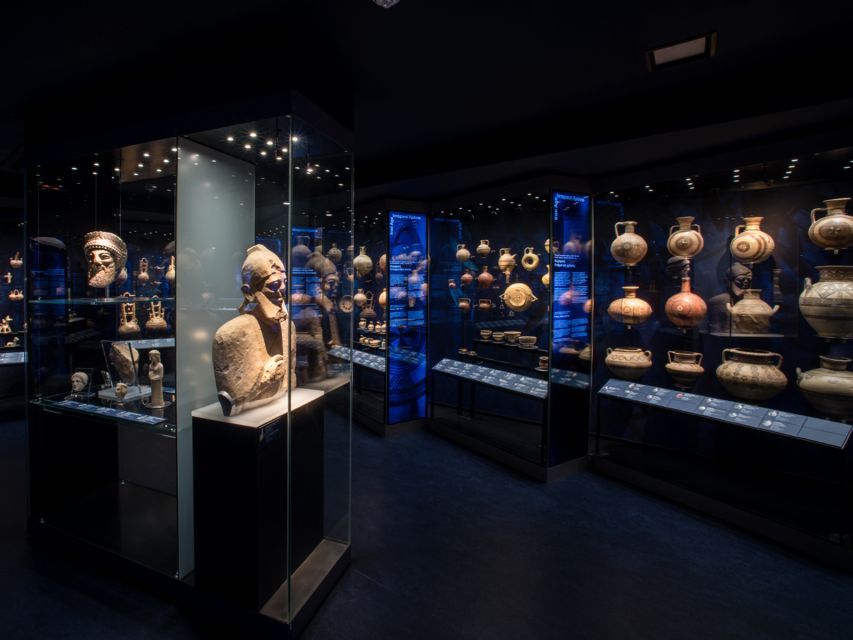
The museum is built around a “time-and-region” approach. You’re not just seeing random masterpieces—you’re seeing how styles and technology change as societies change.
Here’s the structure you can use to stay oriented:
- Cycladic focus: the distinctive Early Bronze Age culture of the central Aegean shows up through marble carvings and figurines, plus tools, weapons, pottery, and vases.
- Ancient Greek art arc: painted vases, terracotta figurines, bronze vessels, stone sculptures, coins, gold jewelry, and glass items span a wide timeline—from the 2nd millennium BC to the 4th century AD.
- Ancient Cypriot art: a major collection (one of the largest outside Cyprus) spans from the 4th millennium BC to Medieval times and shows how Cyprus blended multiple Mediterranean traditions.
If you like museums where the floors feel purposeful, this one usually delivers. If you’re the type who wants a guide to point out everything worth your time, you may want to rely more heavily on the QR tour.
The Cycladic galleries: marble figurines and the myths behind them
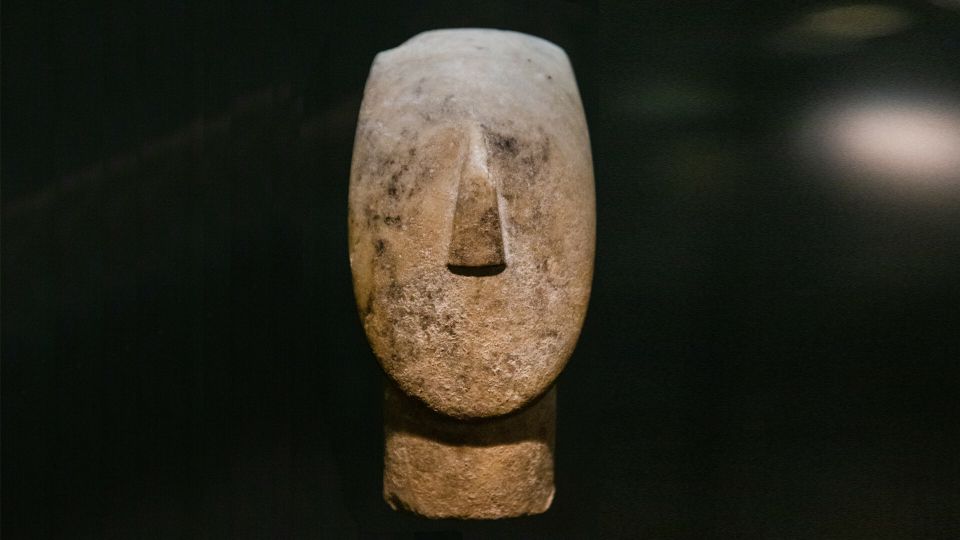
The heart of the Cycladic experience is the museum’s collection of Early Bronze Age material. This is where you’ll see the kind of marble art and figurines that often get described as iconic for a reason.
What makes this part of the museum especially worth your attention is that the objects aren’t treated like isolated “pretty things.” You also get story context—Aegean prehistoric myths and explanations that help you make sense of why these figures look the way they do, and what they might have meant in their original world.
As you walk through, look for the patterns:
- How figurines keep repeating certain body and face features
- How craftsmanship shows up in the stone work
- How tools, weapons, and pottery sit beside art so you get the full culture picture, not just statues
And yes, it’s not all tiny objects. You’ll also see vases and other artifacts that help you connect styles to real life. If you’re trying to get more than “cool museum photos,” this is the section that usually gets the most mileage.
Second-floor route: Greek history told through art and technology
On the 2nd floor, the museum offers a comprehensive overview of historical, artistic, and technological developments across ancient Greek civilization. This is the part where the museum helps you understand Greek culture as a system—production, materials, design, and changing social structures.
One of the most useful ways to approach this floor is to treat it like a timeline you can walk. You’ll see a range of media—so it’s easier to track change even if you don’t remember dates. As you move along, you get a sense of how Greek city-states and society evolve.
Practical tip: don’t try to read every label word-for-word. Instead, pick a thread. For example, follow the progression of:
- how artists represented figures or scenes
- how materials show different levels of technique
- how objects connect to daily use versus ceremonial use
That way, the floor becomes a story you’re assembling, not a scroll you’re trying to finish.
You can also read our reviews of more museum experiences in Athens





Fourth-floor stop: everyday life in Classical Athens
The 4th floor shifts tone. You get a more direct look at everyday life in Classical Athens, which is a great match if you’re also doing ruins and temples elsewhere in the city.
This is where the museum can complement a typical Athens itinerary. You see the objects and cultural signals behind the Athens you’re used to imagining. It helps fill in the gaps between marble monuments outside and the lived-in reality inside your museum rooms.
If you tend to get museum fatigue, this floor can be a smart final “focus” because it feels grounded. You can spend less time decoding and more time relating objects to real daily rhythms.
Ancient Cypriot Art: when cultures mix, you can see it
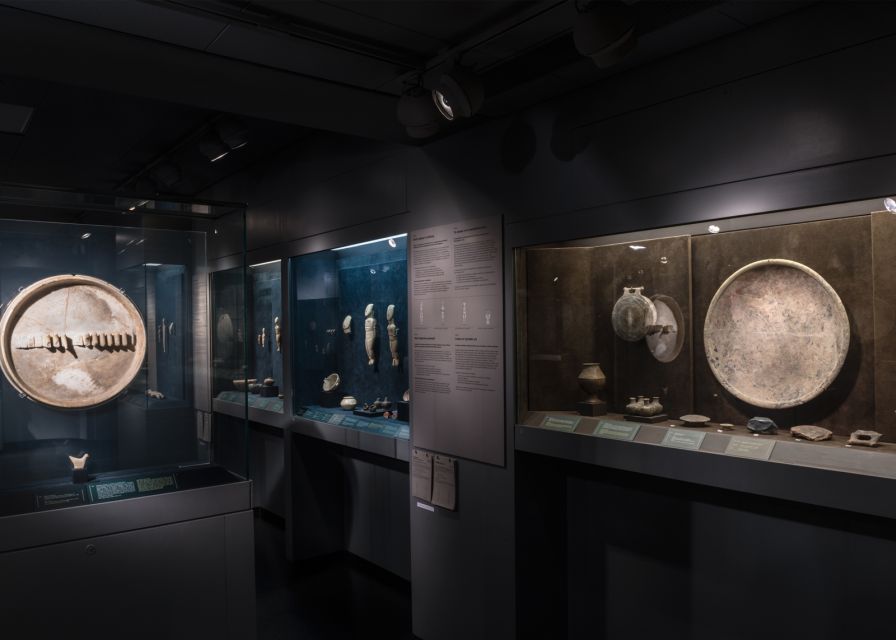
The Ancient Cypriot collection is big, varied, and unusually telling. The museum frames Cyprus as a crossroads, where local traditions mixed with Greek, Egyptian, and Near Eastern influences.
What you can expect to find here includes:
- prehistoric figurines
- Archaic and Classical sculptures
- inscriptions
- bronzes and coins
- gold jewelry
- glasswork
- ceramics from very early periods through Medieval times
To make this wing work for you, don’t treat it as one style. Treat it as cross-training. You’re looking for overlaps: materials and motifs that feel familiar from elsewhere in the Mediterranean, plus forms that feel distinct to Cyprus.
If you like art history where you can actually see cultural connections without needing a textbook, this part of the museum is a strong reason to book even if you’ve already visited other Athens museums.
Navigating on-site: pace, apps, and the real-world friction
Most visitors can get through the permanent exhibitions in a solid window—about 1.5 to 2 hours is a common pace. The layout helps: you’re moving through floors with distinct themes, not wandering random rooms with no sense of direction.
Still, plan for two real-life friction points:
1) Noise from renovations can happen. There have been periods where building work made the experience less relaxing over time. If you’re sensitive to loud sound, consider bringing earplugs and keep your expectations flexible.
2) QR-based object help can be hit-or-miss. The museum includes a QR tour experience, but some people find that locating specific pieces through the app can take effort. If that sounds like you, use the QR guide as a supplement, not your only plan. Start with the floor’s main theme, then use QR for the objects that catch your eye.
If you want a smooth strategy, start from one thematic end and move through in order. One common approach that tends to work well in multi-floor museums is beginning on the top floor when you want a slower, more “overview” feeling, then working down.
The café break and the no-food rule
The museum includes the Cycladic Café, so you can take a breather without leaving the building. The café is set up for Cycladic flavors using natural products and virgin ingredients, which gives you a different taste from the typical museum coffee routine.
Just remember: food and drinks aren’t allowed inside as outside items. That rule matters if you’re used to carrying snacks. If you want something to eat, plan to use the café option on-site instead.
Who this ticket suits best (and who may not love it)
This entry ticket is best for people who enjoy objects and want context—art plus archaeology-style explanation—without committing to a full guided tour.
You’ll likely enjoy it if:
- you like to compare styles and materials across time
- you’re interested in Aegean and Cypriot prehistory and how it connects to later Greece
- you want a calmer museum day with a clear floor structure
You might be less thrilled if you’re traveling with very young kids who prefer hands-on activities, because this is still an artifacts-and-labels kind of visit. Also, if you hate reading at all, you may find some rooms feel like they run long.
Price check: why $14 feels fair here
At around $14 per person, the price feels reasonable for a museum that covers multiple cultures and long time spans. You’re not only buying entry to one theme; you’re getting:
- Cycladic Early Bronze Age material
- a big swath of Ancient Greek art objects
- a major Ancient Cypriot art collection
Add in free WiFi and the Clio Muse Tours QR option, and the ticket becomes more than just a doorway to galleries. It’s a DIY learning experience where you can choose how much interpretation you want.
If you were considering a guided tour elsewhere, this ticket can be the better value move because you can keep control of timing and pacing. The trade-off is that you’ll do more of the connecting yourself (or through the QR tool).
Should you book the Museum of Cycladic Art ticket?
Yes, I think you should book this ticket if you want an Athens museum day that’s more focused than the big mainstream options. The combination of Cycladic marble figurines, the Aegean context, and the Ancient Cypriot Art wing is a strong triangle of reasons to go.
But book with a small caution: check ahead about renovations if you’re planning a long stay. If you’re going during a construction period, bring earplugs and plan shorter sessions.
Also, if you like a calm pace, this fits well. You can usually do it in about 1.5–2 hours for the permanent collections, then still have time for the city outside.
FAQ
How much does an Athens: Museum of Cycladic Art entry ticket cost?
The price is listed as $14 per person.
How long is the visit with this ticket?
The activity is listed as 1 day. The ticket is valid for one day, and you can check availability for starting times.
Is the ticket for the permanent collections only?
Yes. The included access is entry to the museum’s permanent collections.
What’s included with the entry ticket?
Your ticket includes entry to the permanent collections, free WiFi, and Clio Muse Tours with a QR code.
Is a guided tour included?
No. A guided tour is not included.
Where do I enter the museum?
Enter at the main entrance, which is about a five-minute walk from Syntagma Square and the Syntagma Metro station.
Is the museum wheelchair accessible?
Yes. The activity is listed as wheelchair accessible.
Is WiFi available inside?
Yes. Free WiFi is available.
Can I bring food and drinks into the museum?
No. Food and drinks are not allowed.


More Museum Experiences in Athens
More Tickets in Athens



More Tour Reviews in Athens
- All Day Cruise -3 Islands to Agistri,Moni, Aegina with lunch and drinks included
★ 5.0 · 4,958 reviews