REVIEW · ATHENS
Athens: City Highlights Bike tour
Book on GetYourGuide →Operated by Athens by bike · Bookable on GetYourGuide
Athens can feel like a maze on foot. This bike loop gives you the city’s shape fast, with views that hit from street level and from quick photo stops near major landmarks. You meet close to the Acropolis Metro—and guides like Jim and Maria are known for keeping the ride upbeat and easy to follow.
Two things I really like: you get a comfortable bike with a helmet plus a safety briefing, so you can focus on the sights instead of traffic stress. And the route blends the big names (Olympian Zeus, Panathenaic Stadium, Acropolis area) with side streets in places like Thiseio and Plaka, where Athens feels lived-in rather than museum-quiet.
One consideration: this tour is built for orientation and photos, not deep site visits. You won’t enter archaeological sites, so if you’re craving long explanations inside the monuments, you’ll want to pair this with a separate history-focused experience.
In This Review
- Key highlights worth caring about
- Acropolis Metro to your first viewpoint: why this meeting spot works
- The ride experience: safe streets, photo stops, and a pace that fits
- Stop-by-stop: from Temple of Olympian Zeus to the Presidential Palace
- National Observatory viewpoint, Thiseio’s café lanes, and Kerameikos by bike
- Plaka and the long view: catching the city’s “layers” on one ride
- Cathedral break and local stops: where the ride turns into real Athens
- The Acropolis side finish: Hadrian’s Arch, Olympian Zeus, and the skyline payoff
- Bike type and guide style: what to confirm before you go
- Who should book this Athens bike highlights tour
- Should you book it
- FAQ
- Where is the meeting point?
- How long is the Athens City Highlights Bike tour?
- What’s included in the tour price?
- Will we enter archaeological sites?
- Is it suitable for kids and different fitness levels?
- Is it safe and suitable for people with medical conditions?
Key highlights worth caring about
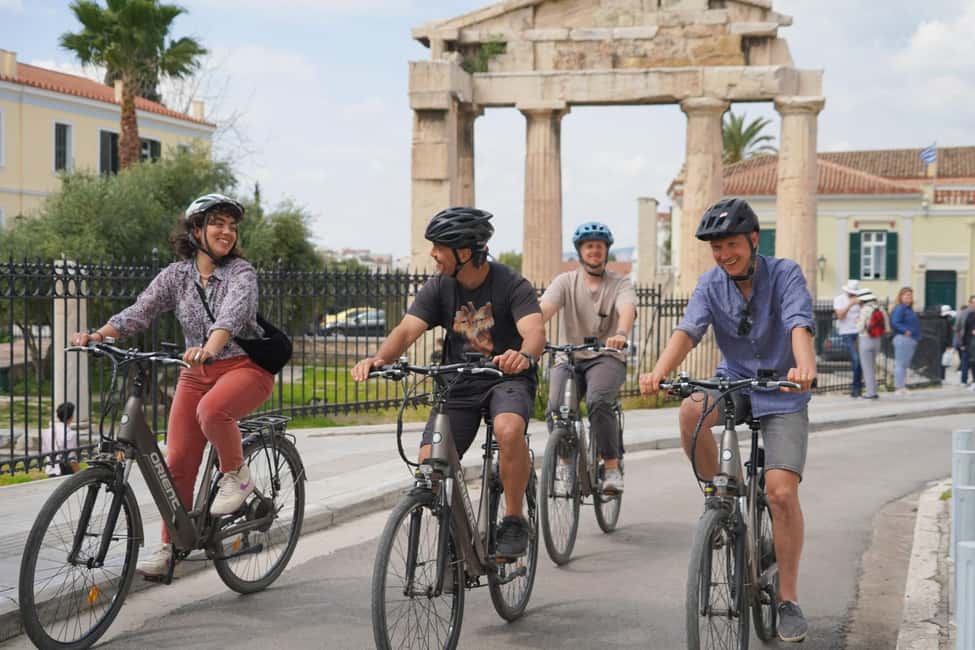
- Meet at Acropolis Metro (about 60m away), so you avoid a long trek before the ride
- Easy, practical route that’s designed for all fitness levels if you can cycle comfortably
- Hidden viewpoint moments, including a photo stop at the National Observatory area
- Neighborhood time that feels local, like Thiseio’s pedestrian streets and Plaka’s market lanes
- Timed photo moments, including a stop to see the change of the guards from outside
- Real city guidance, with an Athens city suggestions list to help you plan the rest of your stay
Acropolis Metro to your first viewpoint: why this meeting spot works
The whole experience starts in a smart place: right near the Acropolis Metro station. If you’ve landed in Athens and everything feels spread out, that matters. You’re not spending precious energy figuring out how to get to the “right” side of town. You just arrive, grab the bike and helmet, and get briefed on the route and safety basics.
Before you roll, you’ll get equipped and hear a safety briefing. That’s not just a legal formality. It sets the tone for the ride—what to expect, where the quieter lanes are likely to be, and how the group will handle stops for photos. It also helps explain why so many people say the tour feels smooth and well-managed.
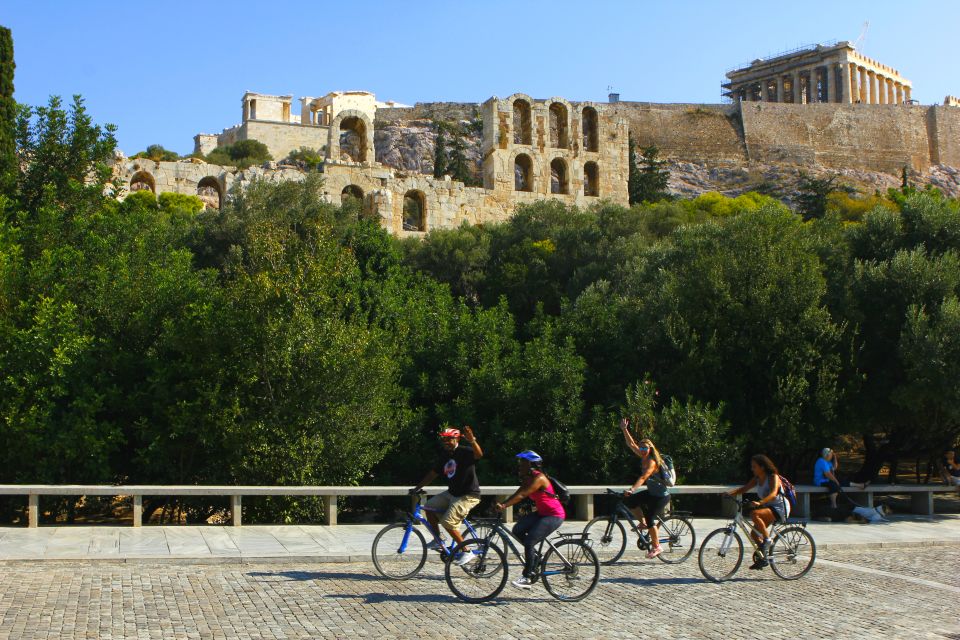
You’ll then head toward a first big payoff: a viewpoint connected to the National Observatory area. The idea here isn’t just a landmark. It’s that classic Athens trick—seeing the Acropolis from a spot that feels like it belongs to locals, not tour buses. You’ll get a chance to take photos from a hidden angle with big views, which is exactly what you want early on. It gives your brain a reference point for the rest of the loop.
You can also read our reviews of more cycling tours in Athens


The ride experience: safe streets, photo stops, and a pace that fits
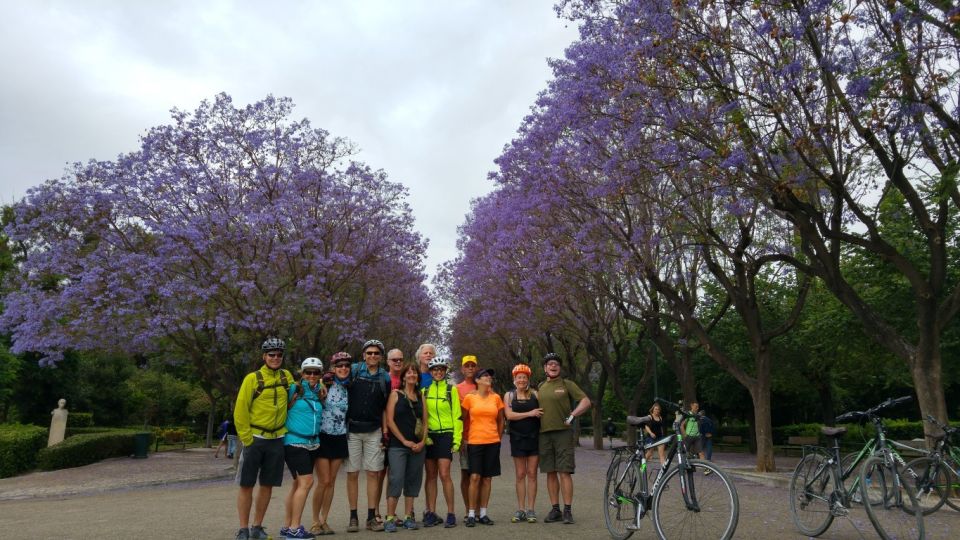
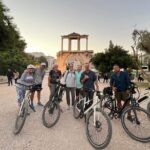
This tour is designed for all fitness levels as long as you can cycle. The route is described as safe, and multiple rider comments point out that the ride is easy and close to flat. In plain terms: you’re not signing up for a workout event. You’re using cycling to cover more ground than walking would allow.
The tour also avoids the “tour bus” problem. You’re not stuck in one place. You’re moving through neighborhoods, turning corners, and seeing how Athens layers old and new. When you’re on a bike, you can slow down for streets that pedestrians might breeze past—or for overlooks where you can actually frame the skyline.
Expect informative commentary from your guide, but keep your expectations aligned. The tour is not about a deep history lecture or long museum-style explanations. It’s about getting the city’s layout—where things are, how the neighborhoods connect, and which views are worth remembering. That’s a valuable skill in Athens, where the sights can feel close on a map but take time to reach.
One nice bonus: guides often share practical tips. Some rider accounts mention extra restaurant addresses and “where to go next” suggestions. That’s the real-world value you can use immediately after the ride, especially if it’s your first or second day.
Stop-by-stop: from Temple of Olympian Zeus to the Presidential Palace
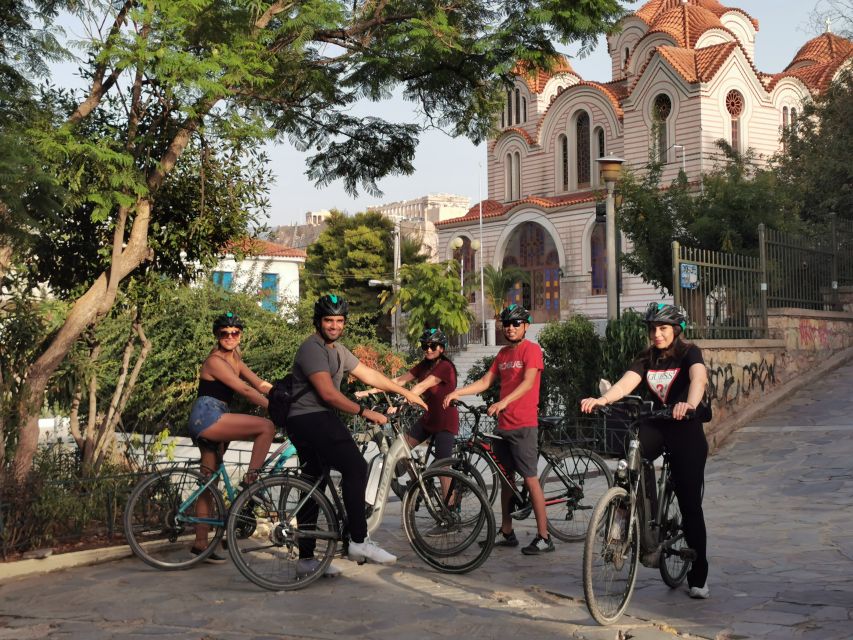
The loop starts with a quick hit at Temple of Olympian Zeus—mostly a photo stop, with a little scenic riding on the way. Even if you’ve seen pictures online, seeing the scale in person helps. It also sets up the rest of the route, because it points you toward how the Acropolis area dominates the city’s visual rhythm.
Next comes the Zappio District area, which you pass through. It’s a transitional part of the ride—still useful because it shows you how the city “moves” between grand sites and lived-in streets.
Then you’ll reach the Presidential Palace area for a photo stop. The big draw here is the chance to catch the change of the guards from outside. The itinerary is set up so you can time it, and riders clearly value that moment because it’s visual and easy to understand even without a long explanation. You’ll get that official, ceremonial feel without needing to plan it separately on your own.
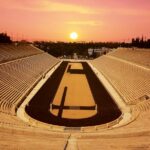
After that, you head to Panathenaic Stadium. Again, it’s framed as a photo and sightseeing stop. This is one of those Athens moments where you can see why people connect it to the Olympics—without turning your whole afternoon into a research project. It’s also a helpful break in the ride flow: you stop, look, take photos, and then you’re back moving through the city.
Then you roll through the wide pedestrian area near the Zappeion hall before a final quick visual moment outside the Presidential Mansion area. These stretches give you time to take in the architecture and the scale of the public spaces, and they help you understand why Athens feels both historic and political in its layout.
National Observatory viewpoint, Thiseio’s café lanes, and Kerameikos by bike
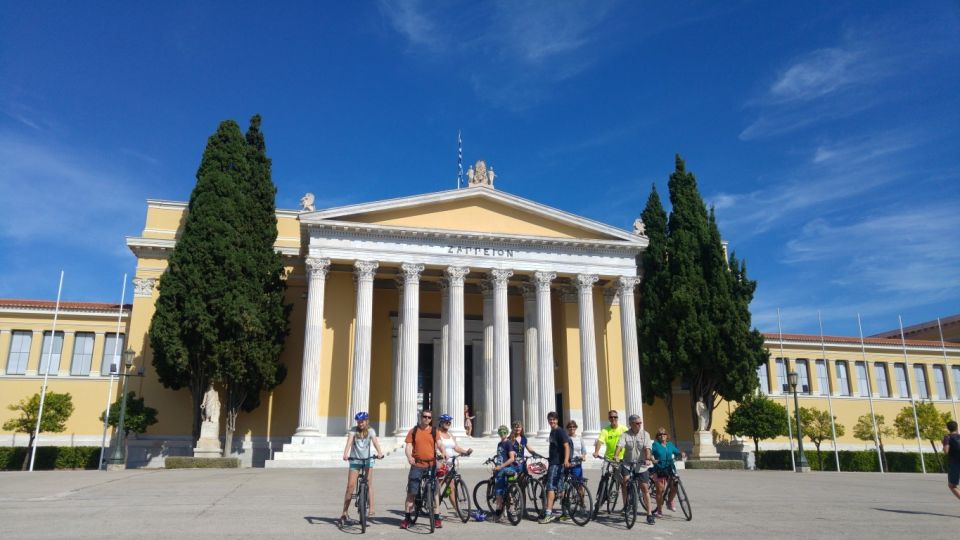
This is where the tour starts to feel extra Athens. You don’t just “see” famous things—you get scenes.
From the early landmark phase, the ride shifts toward the National Observatory photo stop area. That hidden viewpoint concept matters more than it sounds. On many tours, you only get the famous angles. Here, you also get at least one view that feels like a local’s camera roll.
Then you move along the path toward Thiseio—a pedestrian area known for coffee shops and great views of the Acropolis. Being on a bike doesn’t prevent you from enjoying the atmosphere. It actually helps because you arrive without the stress of parking or walking long distances under the sun. You can grab a few photos, absorb the neighborhood vibe, and then keep rolling.
From there, you cycle by the ancient cemetery of Kerameikos. Even though the tour doesn’t include entering archaeological sites, the route passing near this area still gives you a sense of place. You start to connect the dots: the modern city sits over layers of older Athens, and the neighborhoods don’t just look like scenery—they’re part of the same geography.
Plaka and the long view: catching the city’s “layers” on one ride
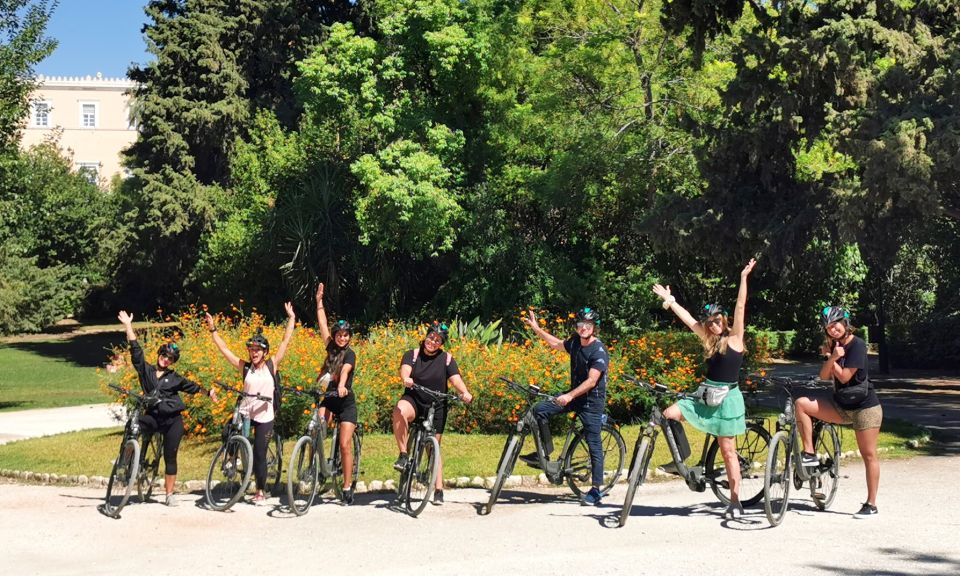
After Thiseio, you’ll make your way toward Plaka via the area near the Greek and Roman Agoras. You’ll cycle next to the agoras on your way. Even from the road, it helps you picture where the tourist lanes are versus where the everyday lanes are. In other words: it teaches you what to prioritize later.
Plaka is the picturesque part of Athens with the aligned souvenir markets at the foot of the Acropolis. This isn’t about buying anything. It’s about learning the geography. You can see where Plaka begins, where it funnels you toward the Acropolis slopes, and which sections feel more crowded than others.
One thing I appreciate about including Plaka and these adjacent areas is that your next day becomes easier. After this ride, you’re not guessing which streets lead to what. You’ve already felt the connections by bike.
Then the itinerary continues through more hidden paths and lesser-known viewpoints—those moments that help Athens stop being just “a list of monuments.” You see more of how people actually move through the city, even if the tour itself keeps things at a sightseeing pace.
You can also read our reviews of more city tours in Athens
Cathedral break and local stops: where the ride turns into real Athens
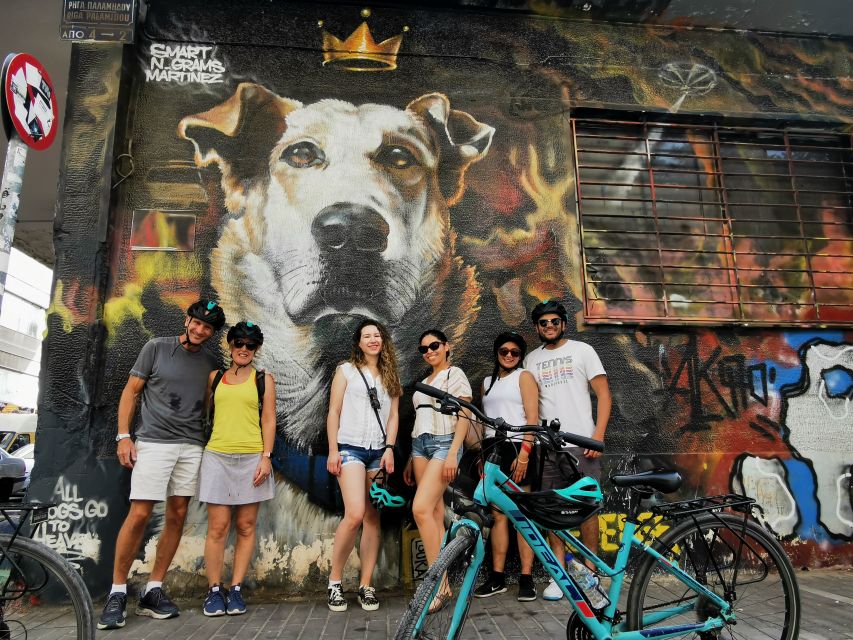
Midway through, you’ll have a short break at the Athens Orthodox Cathedral / Metropolitan Cathedral area for a refreshing coffee or beverage. This is a smart move. A bike tour can trick you into thinking you’re done after the stops. But the break gives you hydration and a chance to reset before the final portion of the loop.
You also get photo opportunities and quick looks that make sense once you know what to spot. You’ll pass through or pause near key church and square spaces, including the Metropolitan Church of Athens stop. These are the kinds of places where you understand Athens as a current-day city, not only an ancient one.
From there, you continue toward stops that help you build your mental map:
- Filopappou for photos, plus a walk (about 15 minutes). This is a helpful pause because it breaks up the bike time with a bit of strolling.
- Monastiraki for a photo stop and scenic views. Monastiraki is famous, but seeing it from the flow of the ride makes it easier to return on foot later with purpose.
- Temple of Hephaestus for a photo stop. It’s not presented as a long visit. It’s more like a “bookmark” moment—one more major landmark to help you orient yourself.
The best part of these local stops is how they connect. You start to notice the city’s structure: higher points, downhill sightlines toward the Acropolis, and neighborhood centers where people gather.
The Acropolis side finish: Hadrian’s Arch, Olympian Zeus, and the skyline payoff
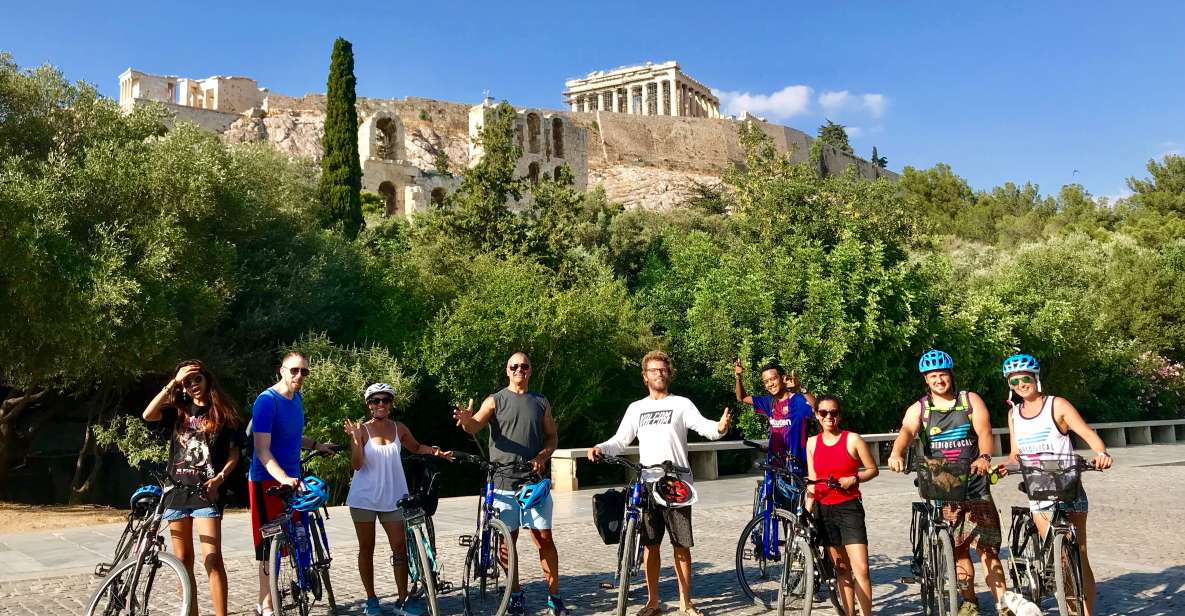
The tour ends near Temple of Olympian Zeus, with time for memorable photos. This is where the bike loop pays off: you revisit the area with better context, because earlier you already learned what direction matters and what views to trust.
You’ll also get pictures with Hadrian’s Arch and the Acropolis above. That pairing is powerful because it shows the contrast Athens is known for—layers of time stacked in one skyline frame. By the time you reach the finish, you’ve already moved through neighborhoods like Plaka and Thiseio, passed through areas connected to the agoras and Kerameikos, and caught ceremonial moments by the Presidential Palace.
So the final views don’t feel random. They feel earned.
And since the tour ends back at the meeting point area, it’s easy to continue your day. You can head out on your own without figuring out a new pickup system or rerouting across town.
Bike type and guide style: what to confirm before you go
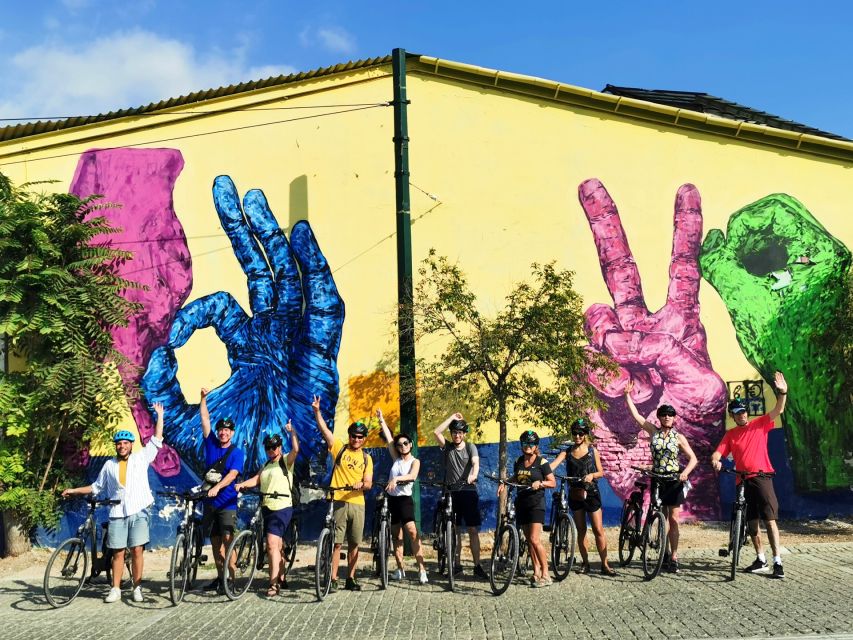
One practical thing to double-check is the bike setup. Some rider accounts mention electric-assist bikes, and others mention regular bikes. If you care about that comfort factor—especially in a city with hills—confirm what you’re actually booked for.
Also, guide energy varies, but the constant is that you’ll be kept safe and moving. Past guide names that pop up in rider stories include Jim, K, Maria, Marios, Karolus, Yannis, Dimitris, Alex, Kostas, and Karolus-like spellings. A few rider notes highlight extra personality—one account mentions an operatic voice moment during the ride. That kind of humor and flair is more than entertainment. It makes the short stops feel connected rather than rushed.
Finally, know that the leader may modify the itinerary due to unforeseen circumstances like traffic rules. That’s normal for city touring. It also means you shouldn’t plan an extremely tight schedule immediately after the tour. Keep a little buffer so you don’t feel like you missed something because of daily conditions.
Who should book this Athens bike highlights tour
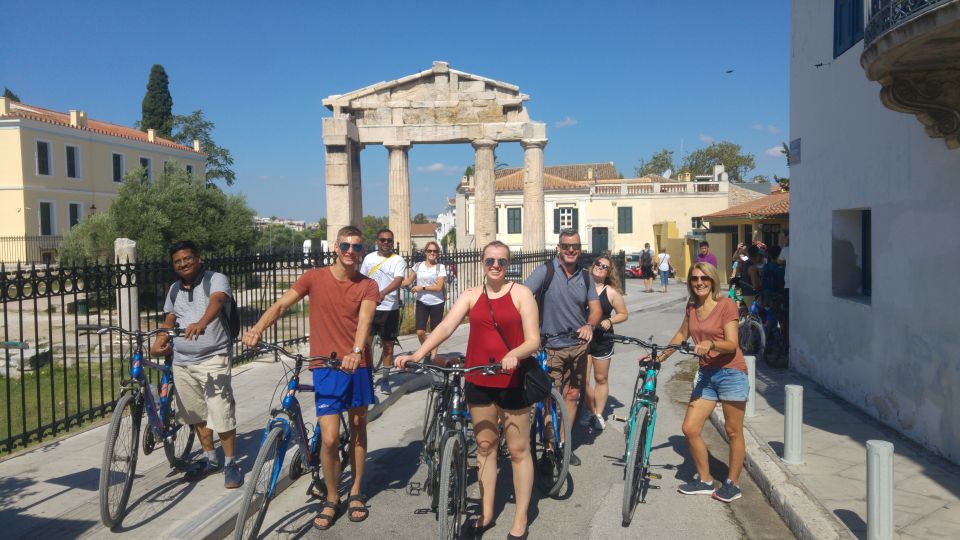
This is a strong choice if you:
- Want an efficient first-day orientation around the Acropolis area
- Like seeing neighborhoods (Thiseio, Plaka, Monastiraki) instead of only monument checkpoints
- Prefer a short, manageable sightseeing window (about 2.5 hours)
- Value a guide who shares practical tips for where to eat and where to go next
It’s not the best fit if you:
- Want to go inside archaeological sites (this tour does not enter them)
- Need step-free or mobility-friendly access (it’s not suitable for people with mobility impairments)
- Have medical limitations like heart problems or other serious medical conditions
Should you book it
If this is your first time in Athens and you want to feel oriented fast, I’d book it. The price is low for what you get: bike and helmet, a live English guide, and an Athens suggestions list, all in a compact 2.5-hour format. That makes it a good value “foundation” tour.
But if you already know Athens well and you’re mostly craving in-depth historical site visits, you may prefer a different kind of tour. Think of this ride as your map in motion: it helps you decide what to explore later, where to spend time, and how to navigate the city with confidence.
FAQ
Where is the meeting point?
The meeting point is about 60m away from the metro station Acropolis, at Athanasiou Diakou 16 str & Syggrou ave, 11742 Athens. Add the postal code 11742 if you use Google Maps.
How long is the Athens City Highlights Bike tour?
It runs for 2.5 hours. Starting times vary, so check availability for the times offered.
What’s included in the tour price?
The tour includes a bike and helmet, a guide, and an Athens city suggestions list.
Will we enter archaeological sites?
No. The tour focuses on seeing sights and photos and does not include entry into archaeological sites.
Is it suitable for kids and different fitness levels?
It’s suitable for all fitness levels as long as you are able to cycle, but the minimum age is 12. It’s not suitable for children under 12.
Is it safe and suitable for people with medical conditions?
The route is described as safe with a safety briefing and helmet use. It is not recommended for travelers with heart problems or other serious medical conditions, and it’s not suitable for people with mobility impairments.

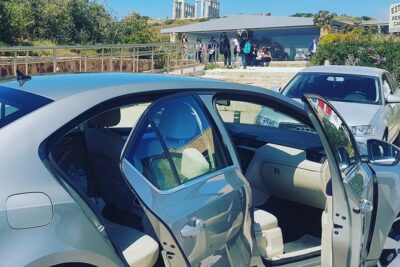
More Cycling Tours in Athens
More Tours in Athens



More Tour Reviews in Athens
- All Day Cruise -3 Islands to Agistri,Moni, Aegina with lunch and drinks included
★ 5.0 · 4,958 reviews