REVIEW · ATHENS
Ancient Agora: Audiovisual self-guided tour with 3D models
Book on GetYourGuide →Operated by Culture App · Bookable on GetYourGuide
Ancient Agora turns Athens into something you can actually picture. This self-guided audiovisual tour uses text, audio, images, videos, plus 3D models and 360° views to explain what you’re standing next to. I like how it focuses on the Agora’s big themes—politics, commerce, religion, and the birth of democracy—without making you chase a guide around.
Two things I really appreciate: the structured content for 16 monuments (written and audio) plus strong “see-it” tools like 3D models, panoramas, and videos for many of those stops. I also like that you’re not stuck to one visit time; the content stays usable during and even after your visit, as long as you have the app downloaded.
One consideration: this is very phone-and-internet dependent. You’ll need a smartphone with enough storage, and you’ll get the most value if you download the tour on Wi‑Fi before you go.
In This Review
- Key highlights before you download
- How the self-guided app tour works in the Agora
- Why the Ancient Agora is worth your time
- Temple of Hephaistos: the monument that anchors your walk
- Following the Agora’s map: monuments you’ll understand by categories
- What the 3D models and 360° views actually do for you
- How long it lasts and how flexible it feels
- Price and value: what $7.89 buys you (and what it doesn’t)
- Practical tips that prevent common headaches
- Who should book this Ancient Agora self-guided audio tour
- Should you book?
- FAQ
- FAQ
- Is the Ancient Agora entrance fee included?
- How long is the tour valid after I activate it?
- Do I need an internet connection during my visit?
- What language options are available for the audio guide?
- What content is included with the $7.89 price?
- Do I need to bring my own smartphone and headphones?
- How much storage space does the tour need on my phone?
- What devices does the self-guided tour support?
- Where do I find opening hours and entry ticket details?
Key highlights before you download
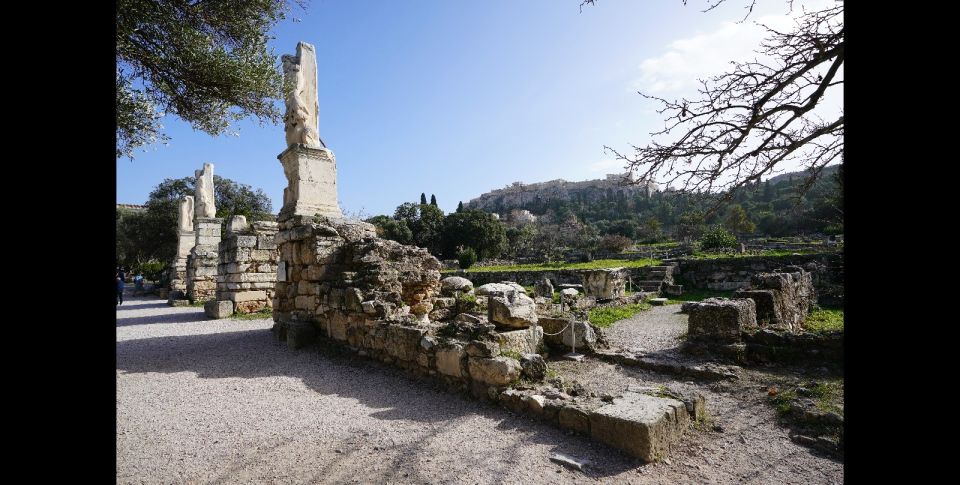
- 3D models + 360° views help you understand ruins that are hard to read at ground level
- Audio and text for 16 monuments so you can choose how you want to learn
- A focus on democracy and public life—the Agora’s role in politics, courts, trade, and worship
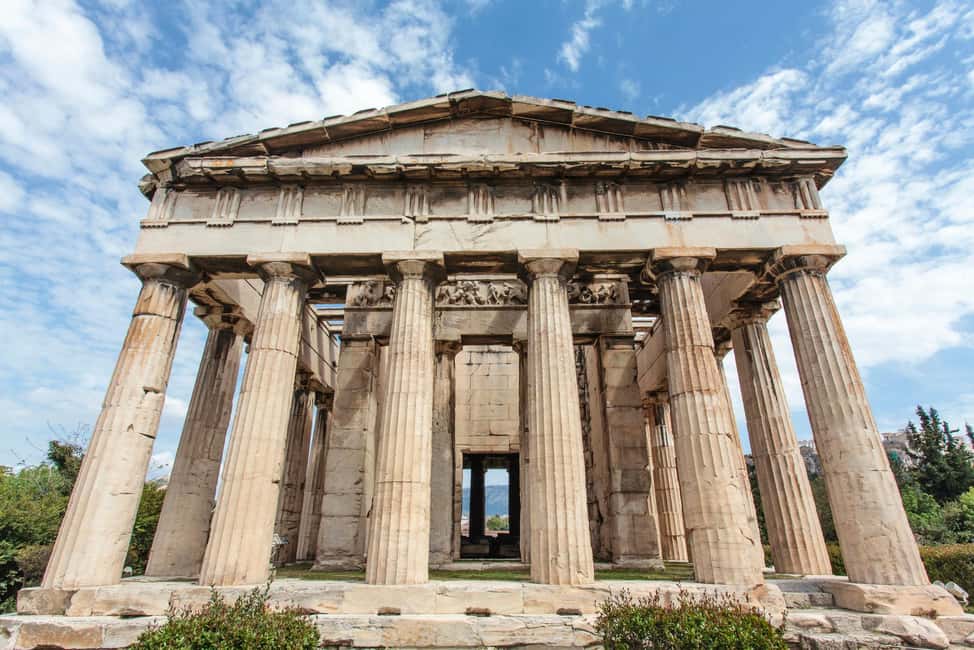
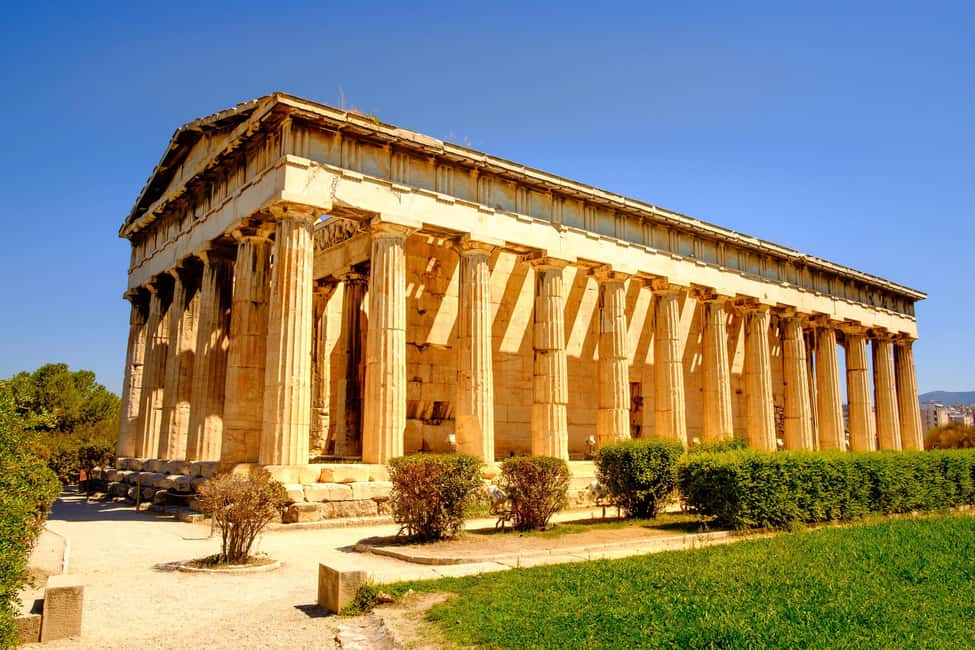
- Temple of Hephaistos gets special attention as one of Greece’s best-preserved temple sites
- Socrates and philosophers are part of the story, connecting ideas to places
- A built-in map helps you identify monuments as you walk
How the self-guided app tour works in the Agora
This tour is designed for you to walk the Ancient Agora at your own pace, while your phone acts like a knowledgeable assistant. You’ll follow the site using an integrated map that helps you identify monuments, and then you trigger the content as you reach each stop. That approach matters in Athens, where ruin layouts can be confusing—and where crowds and time pressure can make a guide feel rushed.
Plan to use internet access while you’re using the tour effectively. The good news is you can (and should) download the content while you’re on Wi‑Fi first, so your visit doesn’t depend on spotty signal. The app also needs about 200MB of storage, so check you have room before you leave.
Expect an email after booking from Culture App with download instructions—check your spam folder too. The tour can be used anywhere anytime, including before and after you visit. That makes it easier to get your bearings before you arrive, or to revisit the explanations later if something clicks.
If you’re the type who hates tech friction at historic sites, here’s the reality: bring a fully charged smartphone and earphones (headphones aren’t included). Also, confirm you meet the requirements: iOS 11.0+ or Android 5.1+.
You can also read our reviews of more guided tours in Athens


Why the Ancient Agora is worth your time
The Agora is not just “some old stones.” It was the heart of ancient Athens, where people met, traded, handled civic business, and participated in religious events. The tour keeps repeating that this was a place of daily public life as much as it was a place of temples.
The biggest theme you’ll see is democracy. The content specifically points you to the place where democracy was established for the first time in world history. Standing in that zone changes the story from abstract textbook lines into something spatial—you can almost feel how public debate and decision-making would have shaped everyday routines.
You’ll also get the administrative side: the Agora as the hub of civil administration and political activity, not only philosophy and spectacle. That’s why the tour’s structure—courts, stoas, fountains, workshops, sanctuaries—works so well. It helps you connect roles and spaces: who gathered, where business happened, and where communities practiced faith.
And then there’s the intellectual thread. The highlights call out the places where Socrates and philosophers taught, which is a powerful contrast to think about. You’re not only learning about politics; you’re learning where ideas were likely discussed, tested, and repeated out loud.
Temple of Hephaistos: the monument that anchors your walk
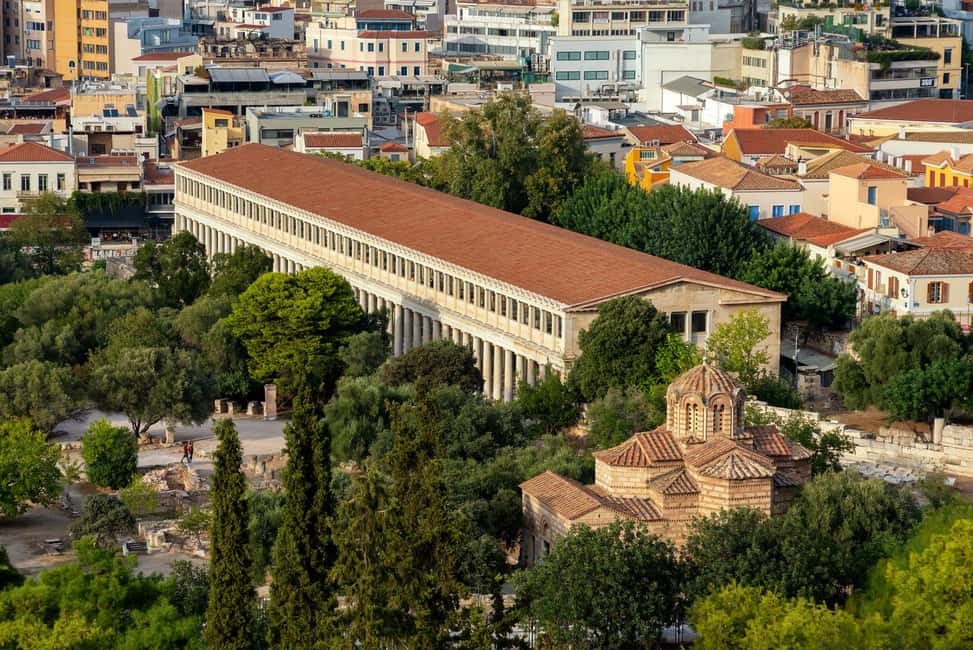
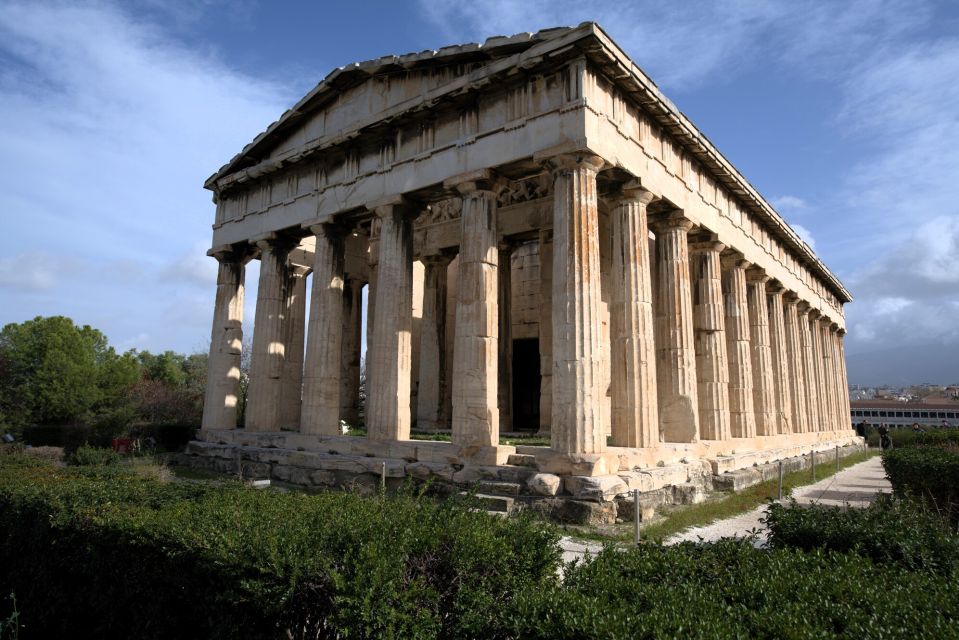
If you only pay close attention to one stop, make it the Temple of Hephaistos. The tour flags it as Greece’s finest preserved temple, and that matters because well-preserved sites act like reference points. When you can still read the shape, proportions, and overall structure, it’s easier to understand the nearby remains that are less complete.
Here’s what the audiovisual approach does for you at places like this: ruins can feel like puzzles, but 3D models and videos can show how the space may have looked in use. The tour provides 3D models for 14 monuments and videos for 14 monuments, so you’ll often get an “imagined reconstruction” view side-by-side with what you can see now.
You’ll also benefit from 360° panoramas (again, provided for 14 monuments). Those views help you judge sight lines and layout, which is often what separates a “cool photo stop” from actual understanding. In other words, you’re not just reading about the Agora—you’re learning how people moved through it.
If you’re short on time, you can still make this visit work. The tour doesn’t require a rigid schedule. You can linger here, trigger the content, and then keep walking with the other stops acting as supporting chapters.
Following the Agora’s map: monuments you’ll understand by categories
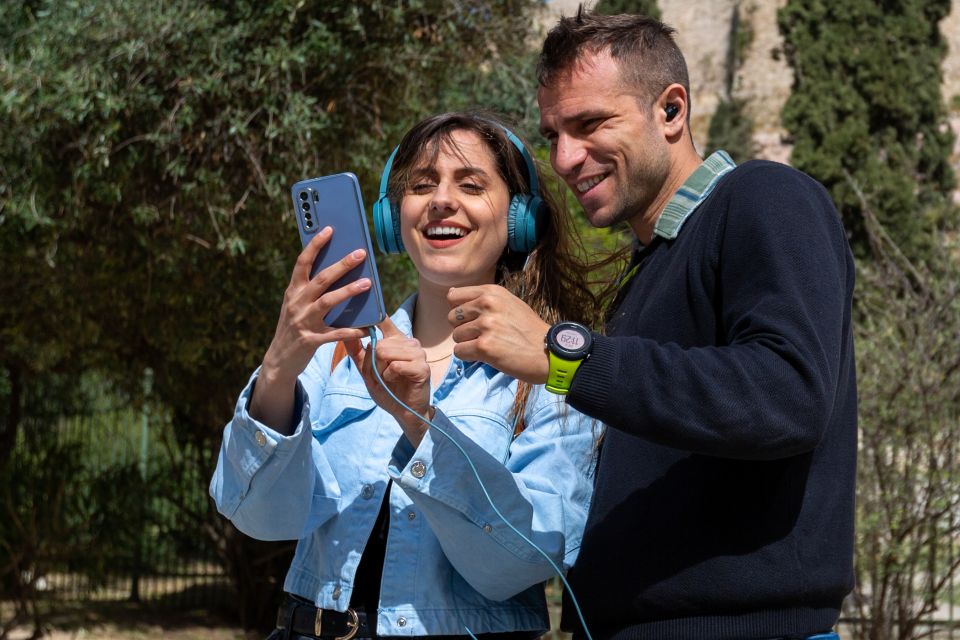
The tour’s content is organized around monument identification and themes. You don’t need to memorize ancient names before you start, because the integrated map guides your progression. The tour provides written historical information for 16 monuments, audio for 16 monuments, and then richer media (3D, 360°, and immersive videos) for 14 monuments.
Even without a formal “guided itinerary,” you can think of the Agora in zones:
- Civic and administrative spaces: These explain how the Agora functioned as a public service and political hub. You’ll learn why meetings weren’t separate from governance—they were part of governance.
- Courts and public decision-making: The tour ties the legal side to the broader political identity of Athens.
- Stoas and gathering spaces: These are where you can picture crowds meeting and moving under sheltered areas.
- Temples and sanctuaries: The religious layer is crucial. The Agora wasn’t only for politics; it was also where people participated in cult life and festivals.
- Fountains and workshops: These details round out the picture by showing the practical, everyday economy behind the famous philosophers and politicians.
Also note this: the tour includes “related stories” for 13 monuments. That means the app isn’t only stating facts. It’s connecting what you’re seeing to the human pattern behind it—how these places fit together as one working city center.
The Agora is famous for big ideas. This tour makes sure you don’t miss the supporting cast: commerce, daily errands, public worship, and civic process.
What the 3D models and 360° views actually do for you
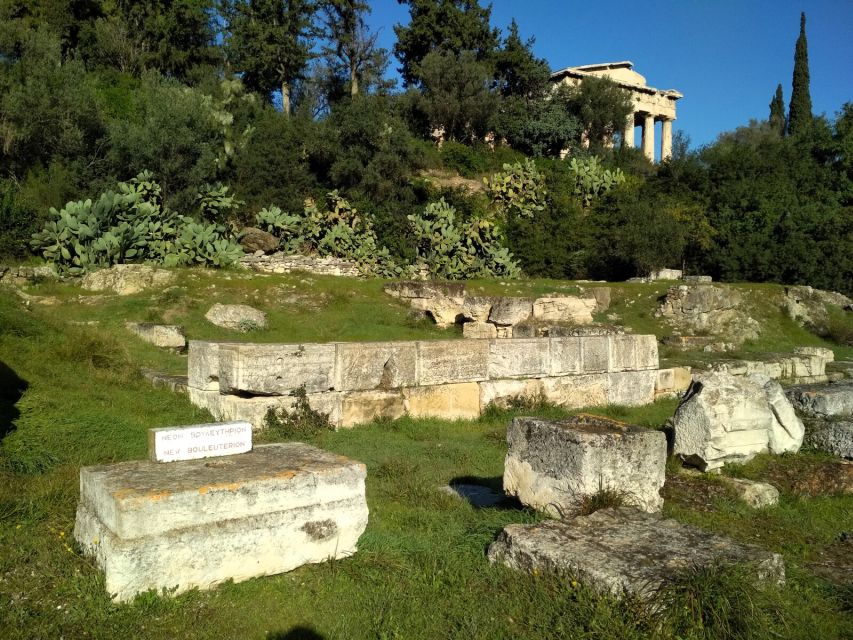
A 3D model can be fun. But at the Agora, it can also be genuinely practical. Many structures survive only partially, so without context, your brain fills in gaps randomly. The app helps you replace guessing with guided interpretation.
Here’s how the toolset supports understanding:
- 3D models (14 monuments): Great for reconstructing scale and placement. You can get a sense of how a structure would have fit into the surrounding space.
- 360° panoramas (14 monuments): Useful for spatial awareness. You’ll better understand what people would have seen walking through the Agora.
- Videos (14 monuments): Often the fastest way to grasp a key idea when a ruin doesn’t clearly show its original form.
- Audio and text (16 monuments): You can switch learning modes. If you want to absorb while walking, use audio. If you want details, switch to the written content.
I especially like that the tour mixes media types. When every explanation is audio-only, you can miss important visual cues. When it’s text-only, you’re stuck reading while you should be watching your surroundings. This format gives you options without turning the visit into a study session.
One more plus: the app also includes images and provides content like immersive videos for many stops, which can help you stay oriented as you move between monuments that look similar from a distance.
You can also read our reviews of more tours and experiences in Athens






How long it lasts and how flexible it feels
Your purchase works for 5 days from the first activation. That’s a big deal in Athens, where plans can change. You could use the tour on a quiet arrival day, or you could split your learning into two shorter walks instead of forcing it into one long session.
Because the self-guided format can be used anywhere anytime—before, during, or after your visit—you can tailor it to your energy level. If you’re tired, you can trigger fewer stops and come back later. If you’re curious, you can keep exploring after you’ve finished the main loop.
This flexibility also helps you if you’re juggling museums and other ruins in Athens. The Agora is central, so it’s easy to pair with other plans. The tour being reusable means you don’t lose your money if you can’t do it all in one sitting.
Price and value: what $7.89 buys you (and what it doesn’t)

At $7.89 per person, the value mostly comes from the amount of content you get, not from the price alone. You’re paying for a self-guided learning system with:
- identification and navigation via an integrated map
- written info for 16 monuments and audio for 16 monuments
- 3D models, 360° views, and videos for 14 monuments
- related stories for 13 monuments
- a gift: 68 written and audio information pieces about ancient Greek culture and facts
What you should not assume: the entrance fee is not included. The ticket you likely need at the site has pricing of €10 full and €5 reduced (full details are linked on the provider’s site). So treat the app price as the interpretive layer, and plan on paying the entry cost separately.
Also, your smartphone and earphones are on you. That’s not a deal-breaker, but it’s real. If you show up without a charged phone or without earphones, you lose parts of the experience. Bring what you need.
Finally, note the product is internet-dependent for best results. If your phone battery is weak or you arrive without downloading content on Wi‑Fi, the experience can feel clunky. With a little prep, this becomes a very cost-effective way to learn.
Practical tips that prevent common headaches
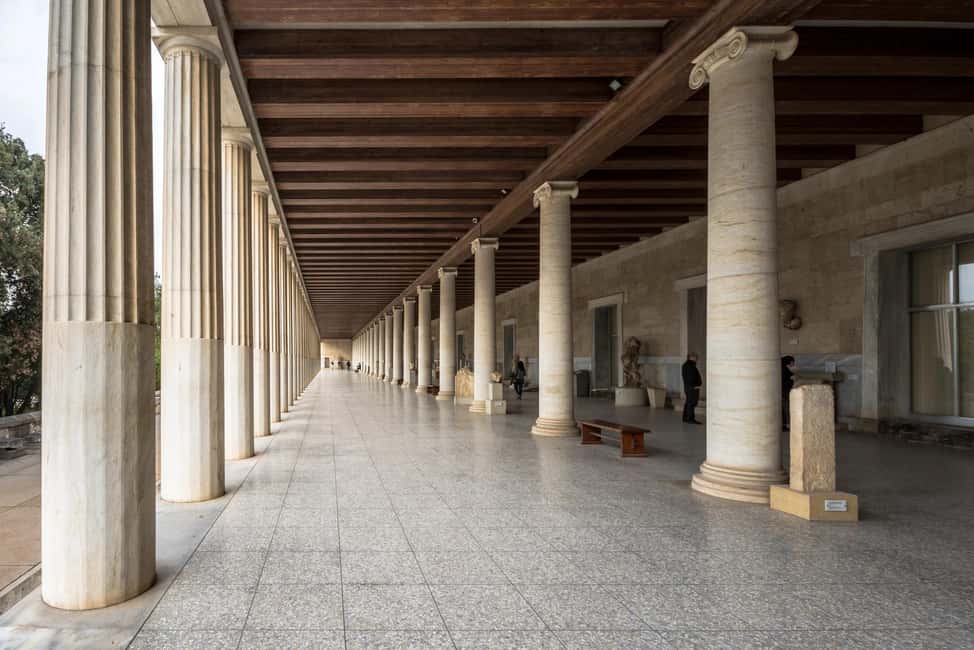
I like self-guided tours most when they feel frictionless. Here are the practical things that will keep your day smooth:
- Download on Wi‑Fi before you go. The instructions recommend it, and it reduces stress during your walk.
- Bring earphones for the audio guide experience. Headphones aren’t included.
- Charge your phone fully before starting. You’ll be triggering media across multiple monuments.
- Make sure you have about 200MB free storage. That’s part of the install and content footprint.
- Use the app with the right device. iOS 11.0+ and Android 5.1+ are required.
- Check the download email. After booking, Culture App emails instructions; check spam too.
- Know your entry hours and tickets separately. For opening days/hours and entry tickets, you’ll need to check the linked site on odysseus.culture.gr.
One more small thing: the paid price isn’t refundable after downloading the content, so decide thoughtfully once you’re ready to commit your phone to the tour.
Who should book this Ancient Agora self-guided audio tour
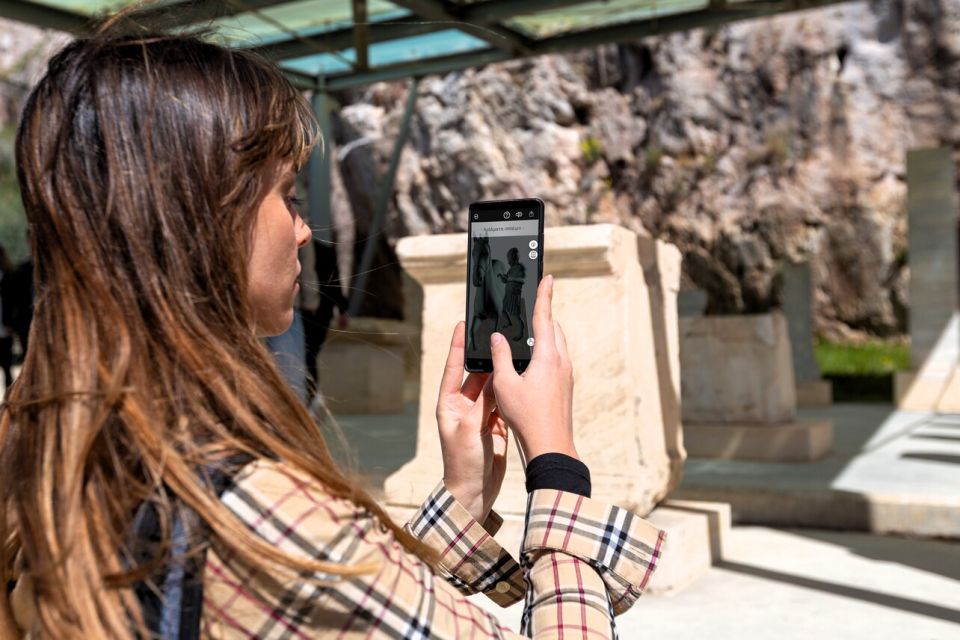
This is a great fit if you:
- want to walk at your own pace and avoid waiting for a group
- like learning through visuals, not just reading plaques
- enjoy reconnecting “big history” to the places where it happened
- need a tour that works on your schedule, not the tour operator’s
It’s also a solid choice if you’re traveling solo or with friends who don’t want everyone locked into one conversation.
I’d hesitate if you:
- hate using your phone outdoors (battery stress, low comfort with apps)
- don’t plan to download ahead and rely on internet during your walk
- expect an in-person guide to answer spontaneous questions (this is explicitly guide services-not-included)
Should you book?
If you want an Agora experience that explains democracy, civic life, philosophy, and religion in a way your brain can actually map onto the ruins, this is worth your time. The big selling point is the mix of audio + text and the fact that many stops have 3D models, 360° views, and videos—tools that turn scattered stone into a readable city plan.
One last decision tip: if you’re the kind of traveler who often feels lost at archaeological sites, book it and download the content on Wi‑Fi first. If you’re already comfortable self-navigating ruins and you’re only chasing a couple photo stops, you might not need the full app.
FAQ
FAQ
Is the Ancient Agora entrance fee included?
No. The entrance fee is not included. The listed entrance pricing is €10 full and €5 reduced.
How long is the tour valid after I activate it?
The tour is valid for 5 days starting from your first activation.
Do I need an internet connection during my visit?
Internet access is required to use the tours effectively. The instructions also say to download the content while on Wi‑Fi prior to your visit if possible.
What language options are available for the audio guide?
The audio guide is available in English, Greek, German, Spanish, Italian, French, Dutch, and Chinese.
What content is included with the $7.89 price?
You get monuments identification with an integrated map, written and audio information for 16 monuments, 3D models for 14 monuments, 360° panoramic views for 14 monuments, immersive videos for 14 monuments, and related stories for 13 monuments. You also get a gift: 68 written and audio information pieces about ancient Greek culture and facts.
Do I need to bring my own smartphone and headphones?
Yes. Smartphone or headphones are not included. You’ll need your smartphone and earphones to use the audio guide.
How much storage space does the tour need on my phone?
You need approximately 200MB of storage space.
What devices does the self-guided tour support?
The self-guided tour requires iOS 11.0 or later and Android 5.1 or later.
Where do I find opening hours and entry ticket details?
For opening days/hours and entry tickets, you should visit the website listed in the activity information: http://odysseus.culture.gr/h/3/eh355.jsp?obj_id=2485




More Guided Tours in Athens

More Tours in Athens



More Tour Reviews in Athens
- All Day Cruise -3 Islands to Agistri,Moni, Aegina with lunch and drinks included
★ 5.0 · 4,958 reviews