Athens feels different when there are no walls. This open-air motorcycle sidecar tour trades bus windows for sky views, so you get close to the city’s older streets and viewpoints without feeling boxed in.
I especially like the way Anafiotika and Plaka are handled: you’re guided through narrow lanes by someone who rides those streets daily, and the stops are paced so you can actually look around and take photos. I also love the Lycabettus hill photo stop, because the ride ends with a panoramic payoff over Athens. A possible drawback: the ride is not suitable for pregnant women or people with back problems, and you’ll want to be comfortable sitting on a motorcycle sidecar with wind in your face.
In This Review
- Key things that make this Athens sidecar tour worth it
- Why the Motorcycle Sidecar Feels Like a Better Athens Day
- The 1.5-Hour Route: What the Timing Really Means
- Anafiotika’s Narrow Lanes: Built Fast, Remembered Forever
- Plaka’s Quiet Streets: A Slow Walk Around the Acropolis Area
- Acropolis and Neapoli: Seeing More Without Standing in One Place
- Mount Lycabettus: Pine Climb, Then City Views That Set the Tone
- Safety, Comfort, and the Gear You Actually Get
- Value and Price: What $199 for Up to Two Really Buys
- Who Should Book This Sidecar Athens Tour
- Should You Book This Tour?
- FAQ
- How long is the Acropolis & Lycabettus sidecar tour?
- How much does the tour cost and how many people can go?
- Is this a private tour or a group tour?
- What vehicle is used and where do I sit?
- What’s included in the price?
- Where do I meet the driver?
- Is the tour wheelchair accessible?
- Who should not book this tour?
Key things that make this Athens sidecar tour worth it
- Anafiotika by motorcycle: narrow streets that most cars can’t pass through
- Plaka’s quieter lanes: traditional buildings and old-city stories around the Acropolis
- Lycabettus at the right moment: pine-forest climb, then time for photos and a view
- Open-air sightseeing: no roof or windows to spoil your line of sight
- Safety and comfort included: helmets, goggles, and gloves are provided
Why the Motorcycle Sidecar Feels Like a Better Athens Day
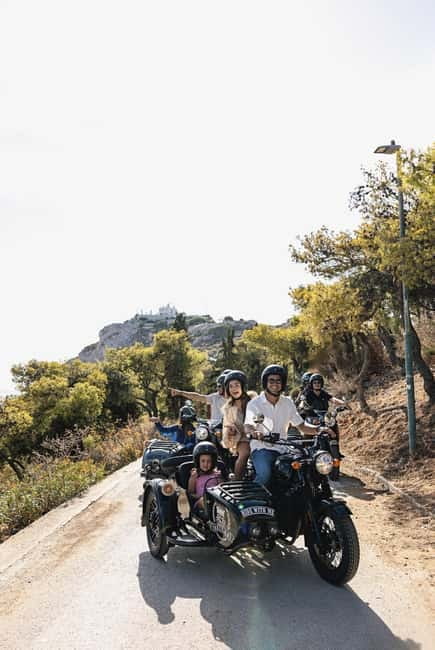
I get it: Athens can turn into a queue-and-crowd day fast. This tour tries a different approach. Instead of sticking you in a vehicle with big glass panes and a strict “look out here” routine, you ride in an open setup that keeps your eyes on the city. Wind is part of the experience, but so is that immediate feeling of speed and proximity.
The other big win is access. A motorcycle sidecar can squeeze through streets that buses and regular taxis can’t. That’s how you end up in places like Anafiotika, the maze-like neighborhood below the Acropolis, where the streets are narrow enough that only the right kind of vehicle makes sense.
And because the driver is an Athens local who rides his bike daily (over 10 years) and also works as an educated tour guide, you’re not just being transported. You’re being guided through how the city “ticks”—with anecdotes and historical notes tied to what you’re actually seeing.
You can also read our reviews of more tours and experiences in Athens.


The 1.5-Hour Route: What the Timing Really Means

This tour is set up as a tight loop for maximum variety without turning into a half-day slog. The total duration is about 1.5 hours, and it’s structured around quick photo stops plus one longer view break.
Here’s the practical idea of the pacing:
- You start near Achilleos 65, then head to the areas beneath the Acropolis first.
- You get a short, focused photo stop in Anafiotika.
- You switch to Plaka for a small stretch of slower time, so you can browse the quiet streets and take photos without rushing.
- You pass by the Acropolis area and Neapoli from the street, not as a long museum-style visit.
- You finish with Lycabettus, where the payoff is a view and some breathing room.
If you’re the type who likes to walk a little but also wants real sightseeing momentum, this length hits a sweet spot. If you want a deep, sit-down historical tour of major monuments, you’ll probably pair this with another Athens visit rather than treating it as your only plan.
Anafiotika’s Narrow Lanes: Built Fast, Remembered Forever
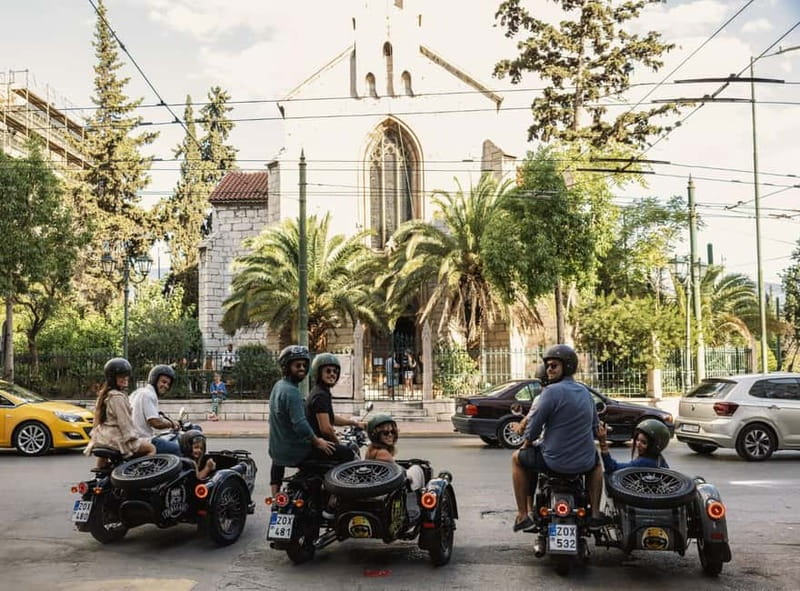
Anafiotika sits below the Acropolis, and it has a “how is this even here?” vibe. The tour’s approach matters: the streets are small and winding enough that you really feel why you’re on a motorcycle sidecar instead of a car.
What makes this stop interesting is the story connected to its construction. Anafiotika is described as the oldest neighborhood of Athens, built over a short time—reportedly put together overnight by residents who worked on the marble restorations of major Acropolis monuments. That context turns the sightseeing from pretty streets into a sense of time travel.
In practice, you get a 15-minute photo stop. That’s long enough to step out, find a couple of angles, and notice details like the stair-like street patterns and the way the neighborhood hugs the hillside. It’s also short enough that you don’t spend the whole tour standing in one spot.
I like that the tour doesn’t oversell Anafiotika as some distant “secret.” Instead, it gives you access and a story, then moves you on so the rest of Athens stays in view.
Plaka’s Quiet Streets: A Slow Walk Around the Acropolis Area

Plaka is one of those neighborhoods where you can spend hours, but it’s easy to lose track when crowds are heavy. This tour keeps Plaka calmer by choosing the quieter lanes rather than treating every street like a highlight reel.
Plaka is described as a neighborhood that takes you back about 300 years, to the period when modern Athens began taking shape. You also pass traditional buildings and you’ll see ancient Greek and Roman monuments along the route. The key is that you’re viewing these layers while traveling through the area, not only stopping at one major site.
There’s also a linguistic bit that I find genuinely useful, because it changes how you see the streets. Plaka’s name is connected to Arvanite colonists during the Turkish occupation. In the Arvanites language, it’s said to mean old city. Whether you treat that as a perfect etymology lesson or a cultural clue, it helps you understand why Plaka feels like a living old-town quarter rather than a theme park.
You’ll get around 20 minutes of free time in Plaka. That’s your window to:
- wander a bit at your own pace,
- grab photos from the side streets,
- and decide whether you want a coffee, snack, or just more looking.
One small caution: because the tour focuses on riding and short pauses, you won’t get long, guided explanations at every corner. If you want lots of food and culture talk, you might find that you’ll need to ask questions during the ride or add time elsewhere.
Acropolis and Neapoli: Seeing More Without Standing in One Place
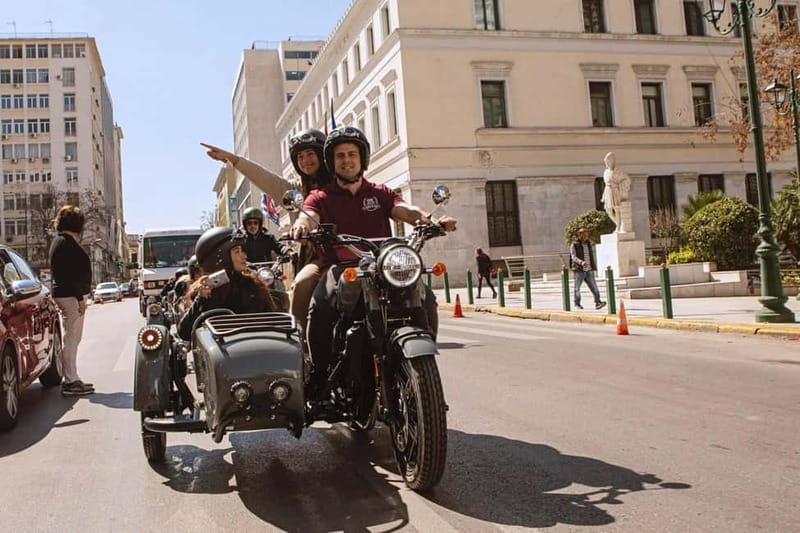
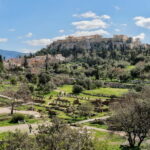
This is not a long Acropolis visit. You’ll pass by the Acropolis of Athens for about 10 minutes, plus you’ll pass by Neapoli for another short stretch.
That sounds quick, but it works for a sidecar format. You’re using the vehicle’s mobility to get a sense of positioning—how the Acropolis sits above the city, and how neighborhoods like Neapoli fit into the surrounding street grid.
Think of this segment as orientation. It helps you understand what you’ll later want to explore on foot. If you’re only in Athens for a short time, the quick views can be enough to make your next decision—where to go deeper—feel obvious.
- All Day Cruise -3 Islands to Agistri,Moni, Aegina with lunch and drinks included
★ 5.0 · 4,958 reviews



Mount Lycabettus: Pine Climb, Then City Views That Set the Tone
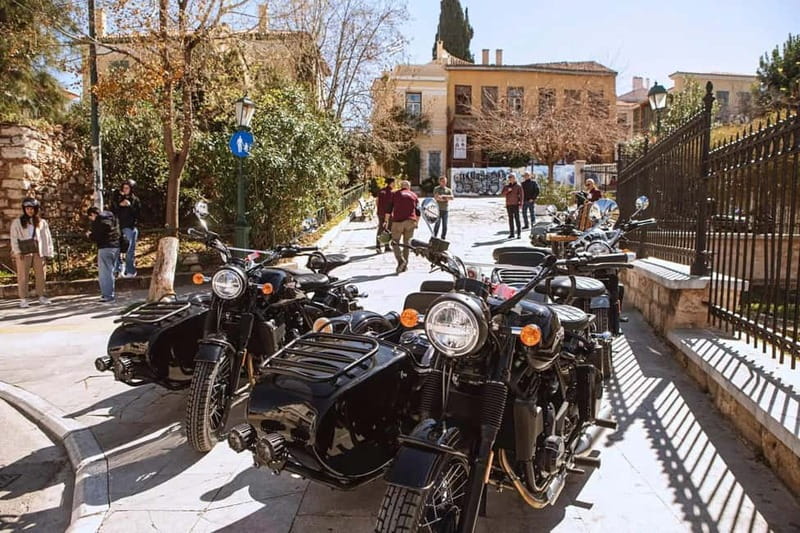
Lycabettus hill is the finish that justifies the ride. The tour describes completing the climb through pine forest, and the stop timing makes sense: you get a 30-minute photo stop and free time, which is exactly what you need because views are best when you’re not rushing.
You’ll see the idea of the name too. The tour notes the hill’s ancient word origin: Lycava, described as hiding at an annual celebration of an ancient god. Even if you only remember it as a fun naming story, it adds a mythic layer to a place that otherwise feels like a straightforward viewpoint.
What I like about how this tour handles Lycabettus is the sequence:
- You build up excitement in the old neighborhoods first.
- Then you move upward for that big open-air payoff.
Also, it’s a good reminder that Athens isn’t just stones and sites. It’s a city of viewpoints, and Lycabettus is one of the most recognizable ways to see how everything stacks up.
Safety, Comfort, and the Gear You Actually Get

This tour gives you the basic riding kit: helmets, goggles, and gloves, plus a USB mobile phone charger. They also include coffee and/or tea. That may sound like small stuff, but for an open-air ride it helps a lot. Your hands stay comfortable, your eyes stay protected, and your phone battery doesn’t get killed by photos and video.
Seating is part of the fun, and it’s also practical. The setup carries up to two passengers per bike: one in the sidecar seat (described as the more comfy option) and one behind the driver. You can swap places at stops, so you’re not locked into one experience the whole time.
If you’ve never done a motorcycle sidecar tour, it’s normal to feel a little unsure at first. One of the strongest pieces of feedback tied to this tour style is that it feels safe, and the drivers ride with clear confidence. The fact that the drivers are described as daily cyclists/bikers matters here. You’re not just getting a driver who can navigate traffic; you’re getting someone used to balancing speed, tight streets, and rider comfort.
Two notes to keep it real:
- The ride is open-air by design, so you’ll feel wind and sun more than on a closed vehicle.
- It’s not suitable for pregnant women or people with back problems, based on the tour’s own suitability notes.
Value and Price: What $199 for Up to Two Really Buys

The price is $199 per group up to 2, and the tour is private. That matters, because you’re not splitting attention or comfort with a larger group.
Here’s how I think about value:
- If you go with two people, you’re essentially paying for a one-and-a-half-hour local-guided sightseeing ride with proper riding gear and included drinks.
- The access is part of the value: Anafiotika and the quieter Plaka lanes work better with this kind of vehicle than with standard cars.
- You’re also paying for the driver’s two roles: local navigation plus guided interpretation.
Could you see these places on your own by walking? Yes, partly. But you’d spend more time moving across steep or maze-like streets, and you wouldn’t get the same “from street-level angle” viewpoint experience that a sidecar ride provides.
If you’re a solo traveler, the private format can still be a good deal because you’re paying for your own route pacing rather than squeezing into a larger tour. That said, your best value is usually when you split the cost with one person.
Who Should Book This Sidecar Athens Tour

This tour fits best if you:
- want an open-air way to see Athens without feeling trapped behind windows,
- like being guided through small streets instead of only hitting big monument entrances,
- and prefer a short, focused outing over a long guided day.
It’s also a good match for people who dislike large groups. The tour is private, and the small carry capacity helps it feel more personal.
You might skip it if:
- you can’t ride comfortably in a sidecar setup,
- you have back issues,
- or you’re traveling with someone pregnant (the tour notes it’s not suitable).
Should You Book This Tour?

If you want Athens in a format that feels lively, local, and photo-friendly, this is an easy yes. The combo of Anafiotika, quiet Plaka lanes, and a Lycabettus view stop is a strong use of a short time window. I especially like that the tour gives you stories tied to the streets you’re riding through, not just generic landmark talk.
That said, go in with the right expectations. This is not a slow, deep monument tour. You’re getting street-level orientation, open-air views, and a local perspective designed for movement. If you’re the kind of traveler who wants detailed stop-by-stop explanations and long cultural discussions, plan to add a longer walking tour or museum time elsewhere.
FAQ
How long is the Acropolis & Lycabettus sidecar tour?
The tour lasts about 1.5 hours.
How much does the tour cost and how many people can go?
It costs $199 per group up to 2 people (private group).
Is this a private tour or a group tour?
It’s listed as a private group experience.
What vehicle is used and where do I sit?
You ride in a motorcycle sidecar setup with two passengers per bike: one in the sidecar seat and one behind the driver. You can change places at stops.
What’s included in the price?
Helmets, goggles, gloves, a USB mobile phone charger, and coffee and/or tea are included.
Where do I meet the driver?
The tour meets at Panellinion Parking Vintage Café, and it ends back at that same meeting point.
Is the tour wheelchair accessible?
The activity is listed as wheelchair accessible, but it is also noted as not suitable for people with back problems.
Who should not book this tour?
It’s not suitable for pregnant women and not suitable for people with back problems.
More Tour Reviews in Athens
- All Day Cruise -3 Islands to Agistri,Moni, Aegina with lunch and drinks included
★ 5.0 · 4,958 reviews