REVIEW · ATHENS
Unexpected Athens Orientation Tour
Book on Viator →Operated by Alternative Athens · Bookable on Viator
Athens, but from street level. This Unexpected Athens orientation tour stitches together Syntagma, Kolonaki/Lykavittos, Exarchia, Psiri, and Monastiraki so you understand how modern Athens actually works. I love the small-group feel (max 12) and how the guide connects what you see to stories you’d never pick up on your own. I also love that it’s a focused walk—about four hours—so you leave with your bearings fast. One thing to consider: it’s real walking, with some uphill, so comfy shoes matter.
If your first day in Athens feels like information overload (Acropolis, photos, repeat), this is a calmer route that explains the city you’re living in today. You’ll get a local guide plus a fun Athens map, and the tour is offered in English with a mobile ticket you can keep on your phone. Near public transit makes the start easy, and the finish at Monastiraki helps you slide right into dinner plans.
What makes it especially satisfying is the mix of neighborhoods: upscale Kolonaki, student-heavy Exarchia, and the lively food-and-street-art lanes of Psiri and Monastiraki. Guides who’ve led this experience include people like Nikolas, Leo, Simos, Antigoni/Antigone, and Elissavet, and the common thread is clear explanations tied to everyday Athens—not just monuments.
In This Review
- Key things that make this tour work
- A smart first step: why this orientation beats a museum day
- Price and what you actually get for $64.12
- Your walking game plan (and how to avoid sore feet)
- Stop 1: Syntagma Square and the Greek Parliament crossroads
- Stop 2: Kolonaki and Lykavittos—where Athens looks polished
- Stop 3: Exarchia—politics, students, and cheap eats
- Stop 4: Psiri—street art and the evening-food switch
- Stop 5: Monastiraki—Hadrian’s Library, a Turkish-era clue, and a metro-surprise
- Guides, pacing, and why the story clicks
- Who this tour is best for (and who should pick something else)
- Should you book Unexpected Athens?
- FAQ
- How long is the tour, and where does it start and end?
- How much does it cost?
- What’s included in the price?
- Are food and drinks included?
- What group size is this tour?
- Can I cancel for free?
Key things that make this tour work
- Small group (max 12): easier questions, fewer gaps in the story.
- Neighborhood jump-cuts: you see Athens in different “moods” in one outing.
- Modern Athens focus: you learn how the city became itself, not just what’s ancient.
- Off tourist-trail streets: you trade crowds for lived-in corners.
- Syntagma to Monastiraki flow: you end where lots of people want to eat and explore next.
- Walking with pacing: strategic stops mean you don’t just march nonstop.
A smart first step: why this orientation beats a museum day
This is an orientation tour in the truest sense. Instead of loading you with dates and statues, it walks you through the city’s neighborhoods like they’re chapters. By the end, you’re not just thinking of Athens as one big sight—you understand it as a set of areas with different personalities, costs, politics, and daily rhythms.
I especially like the way it gives you contrast. Syntagma is the loud, official center. Kolonaki is polished and pricey-feeling. Exarchia has a very different energy—more student life and budget-friendly spots. Psiri shifts again, with the buzz of evening food and street art. Then Monastiraki lands you in a place built for browsing, bargains, and quick detours.
The payoff is practical: you’ll know what direction to head later, what areas feel worth lingering in, and what vibe you’re walking into. That’s huge in Athens, where two streets can feel like two different cities.
You can also read our reviews of more tours and experiences in Athens.


Price and what you actually get for $64.12
At $64.12 per person for about four hours, the value mostly comes from three things: time, a live guide, and a compact route.
First, four hours is long enough to see five distinct areas without feeling rushed, but short enough to keep your legs and patience intact. Second, you’re paying for interpretation. Athens is full of layers, and a good guide helps you read those layers—buildings, storefronts, street patterns, and the social cues in each neighborhood. Third, the tour includes a local guide and a fun Athens map, which helps you keep the story going after the walk.
What’s not included is also important. Food and drinks aren’t part of the price. That means you’re free to choose what you actually want to eat, but you should plan a water break and be ready for a coffee stop if your guide suggests one.
Your walking game plan (and how to avoid sore feet)
This is a walking tour. Expect hills and some uphill climbs—people mention steep spots and a longer walk than they first guessed. If you’re even slightly worried about stairs or slopes, treat this as a “shoes-first” outing.
My practical advice:
- Wear comfortable, grippy shoes. Don’t rely on flip-flops or thin-soled sneakers.
- Bring a bottle of water. Even with breaks, the day can heat up.
- Go at your own pace. The tour is small, so you won’t feel like you’re trapped inside a fast-moving herd.
The good news: the group stays small (max 12), so it’s easier for the guide to slow down for questions and regroup without turning the whole walk into chaos.
Stop 1: Syntagma Square and the Greek Parliament crossroads
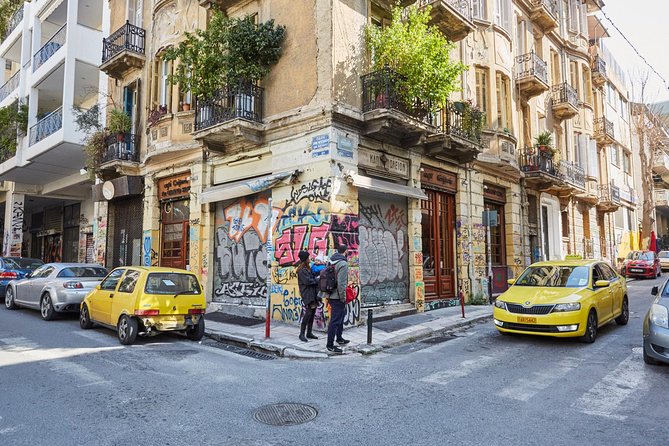
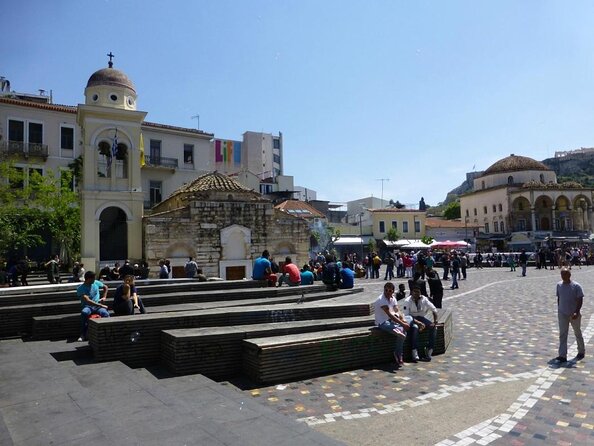
You start in Syntagma Square (Plateia Syntagmatos), right where Athens feels most central and most official. The Greek Parliament sits here, in a building that used to be the Royal Palace—so even the architecture carries a story about who held power and how Greece imagined itself.
This stop is about energy. You’re at the busiest crossroads of central Athens, with people constantly streaming through. It’s a great “reset moment” because it teaches you how the city funnels movement—where locals pass through quickly, where visitors tend to linger, and how major streets connect.
What you get:
- A clear sense of the city’s core layout.
- Context for what you’re seeing around the Parliament area.
- A lively start that wakes you up before the hills and neighborhoods.
A drawback to watch for: if you’re sensitive to crowds and noise, Syntagma can feel intense. It’s short on the schedule (about 30 minutes), but it’s not the quiet Athens of rooftops and back alleys.
Stop 2: Kolonaki and Lykavittos—where Athens looks polished
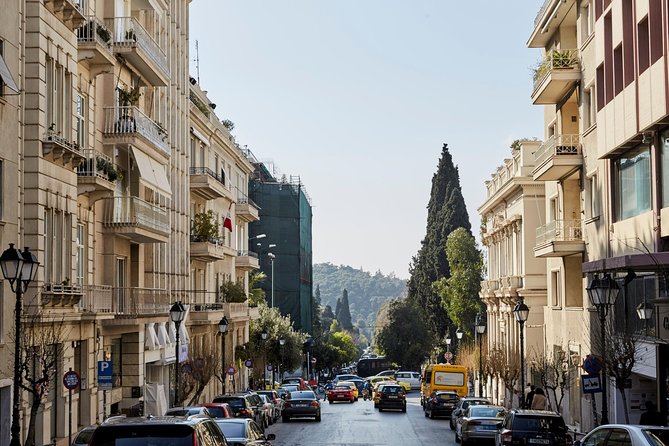
From Syntagma, the tour moves toward Kolonaki and Lykavittos, and you can feel the shift almost immediately. Kolonaki has been the upscale neighborhood of central Athens for generations. You’ll see the result in the streets: chic cafés, boutique-style shopping, and a more well-to-do vibe.
Even if you’re not shopping, Kolonaki is valuable because it helps you map Athens by “feel.” It’s one of the easiest places to notice how neighborhoods differ in lifestyle and everyday choices. And the Lykavittos side adds an extra layer—think views, higher ground, and a neighborhood that people often associate with the city’s upper elevations.
What you’ll likely do with your guide here:
- Learn why Kolonaki became the place for high-end tastes.
- Spot how cafés and shops reflect local habits.
- Understand how “upscale” neighborhoods still connect to the city’s broader story.
Consideration: this is not the stop for people who want only gritty streets and street-level chaos. If your ideal Athens is artisan workshops and bargain lanes, Kolonaki may feel more “polished” than you expect. But that contrast is exactly why the tour works.
- All Day Cruise -3 Islands to Agistri,Moni, Aegina with lunch and drinks included
★ 5.0 · 4,958 reviews




Stop 3: Exarchia—politics, students, and cheap eats
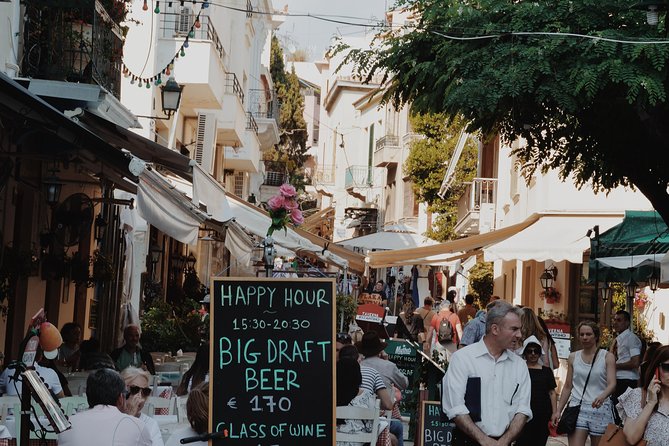
Then the tone changes again at Exarchia. This is the politically charged district right in central Athens, known for progressive social ideas. It also has a very practical side: dozens of very affordable tavernas, bars, and snack-shops.
What I like about Exarchia on a guided walk is that it doesn’t reduce the area to slogans. It’s explained through what you see: student presence from nearby institutions, and the way everyday eating and socializing shapes a neighborhood’s mood.
You’re there for about an hour, which is enough to:
- Understand the district’s reputation and why it developed.
- See how budget-friendly venues create a different crowd.
- Get a sense of street culture without needing to chase it alone.
Possible drawback: Exarchia can feel intense if you’re not used to politicized streets. The good part is that with a guide, you’ll get context instead of just vibes. Keep an open mind, and you’ll usually come away with a clearer picture of modern Athens beyond postcard views.
Stop 4: Psiri—street art and the evening-food switch
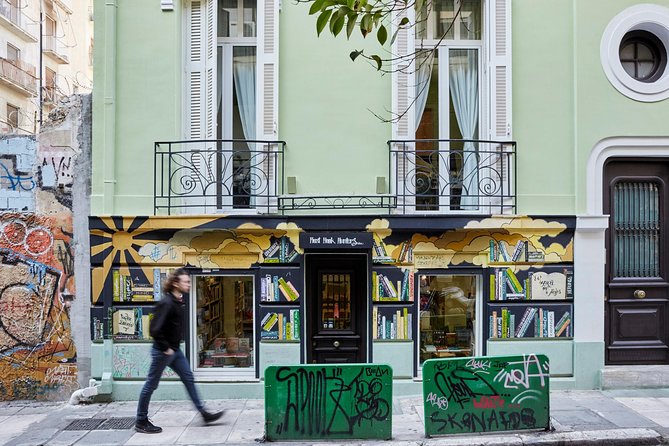
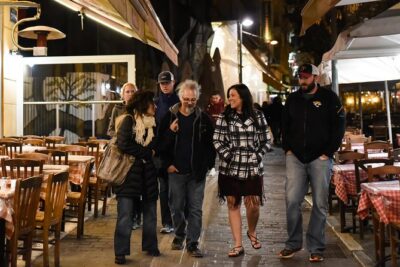
Psiri is where the tour leans into modern Athens fun. It’s been shaped by local craftsmen working small shops, and now it’s one of the city’s hottest spots for evening food and drink. You also start seeing how Athens treats walls as a canvas—street art shows up as a key part of the neighborhood’s identity.
This stop is about an hour, and it’s a sweet time window because Psiri is the kind of place where you can easily wander off-route if you’re on your own. The guide keeps you oriented while letting you notice the details: how streets are laid out, how the crowd moves at night, and how the neighborhood’s past connects to what’s happening now.
Why it’s a smart stop for first-timers:
- You get street-level Athens you’d miss if you only chased ancient ruins.
- You learn what people actually come here for—food, drinks, and art.
- You see a living city where modern culture is visible on the surfaces.
Drawback: Psiri can get busy, especially later in the day. On a morning orientation, it still teaches you the neighborhood, but the full nightlife energy is more for later. If you love street art, you’ll likely want to return after your walk.
Stop 5: Monastiraki—Hadrian’s Library, a Turkish-era clue, and a metro-surprise
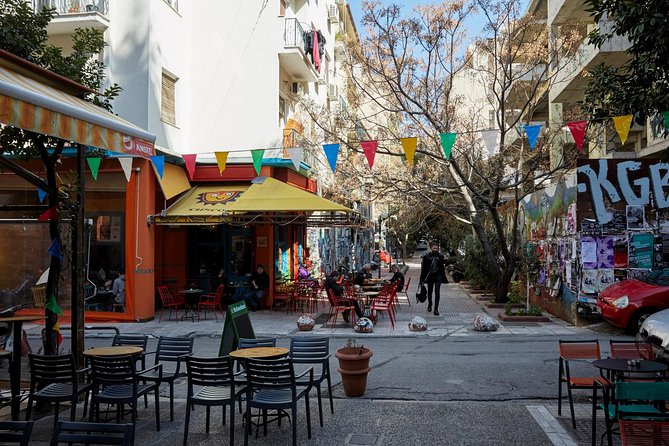
The tour ends in Monastiraki, around 30 minutes of time in the antique and flea-market area. This is a place where browsing is the point. You can feel it in the streets: small stalls, souvenir energy, and quick turns into side alleys.
The Monastiraki area also connects you to history in a different way than the big headline ruins. In this zone, you’ll hear about Hadrian’s Library, and you’ll also notice traces of an Ottoman-era mosque among the modern market life.
Then comes a detail that makes this stop memorable: an underground river hidden in a metro station. Even if you don’t ride the metro during the tour, knowing that this kind of hidden infrastructure exists under the city changes how you picture Athens. You start thinking in layers—top streets, old structures, and the city’s underground engineering.
What to watch for:
- This is the stop where you’ll want to linger, so protect your energy earlier.
- If you’re shopping for souvenirs, arrive here with a plan; it’s easy to lose time.
Guides, pacing, and why the story clicks
The single most praised part of this tour is the guide. People mention guides like Nikolas, Nico, Mary Kate, Antigoni/Antigone, Simos, Leo, and Elissavet, and the common theme is strong explanations plus a friendly, responsive style.
That matters because Athens can feel confusing if you only see famous sites. The guide’s job is to translate what you see into meaning. You start recognizing patterns: how the city organizes social life, how wealth and politics show up in neighborhoods, and how modern culture sits beside older layers.
Pacing also comes up a lot. Even when the walk is longer than expected, the route tends to include breaks (one person even mentions a coffee pause). That helps you keep your energy for the hills and the end-of-tour browsing.
Who this tour is best for (and who should pick something else)
You’ll enjoy this tour most if you:
- Want a first-day orientation that helps you navigate later.
- Prefer learning through neighborhoods instead of only big monuments.
- Like the Athens that people live in: cafés, student areas, street art streets, market corners.
- Want a small group walk where you can ask questions.
You might skip this one if:
- You only want ancient ruins and major archaeological stops.
- You’re not comfortable with a walking route that includes uphill segments.
- You expect food to be included (it isn’t).
Should you book Unexpected Athens?
I’d book it if you want Athens that feels human and modern, not just ancient dates. For $64.12, you get a long-enough walk, a real local guide, and a map you can use right after. Plus, ending in Monastiraki is a smart move—you’re placed where the evening starts making sense.
If you’re choosing between this and a purely ancient-sites tour, pick this one when you want context. Pick an antiquities-focused option when you want maximum ruins-per-hour. Either way, Athens rewards the mix.
FAQ
How long is the tour, and where does it start and end?
It runs for about 4 hours. You start at Syntagma Square (Plateia Syntagmatos) and end in Monastiraki.
How much does it cost?
The price is $64.12 per person.
What’s included in the price?
A local guide is included, along with a fun map of Athens. Admission at the listed stops is free.
Are food and drinks included?
No. Food and drinks are not included.
What group size is this tour?
It’s a small-group tour with a maximum of 12 travelers.
Can I cancel for free?
Yes. You can cancel up to 24 hours in advance for a full refund. If you cancel less than 24 hours before the start time, the amount paid is not refunded.

More Tours in Athens


More Tour Reviews in Athens
- All Day Cruise -3 Islands to Agistri,Moni, Aegina with lunch and drinks included
★ 5.0 · 4,958 reviews