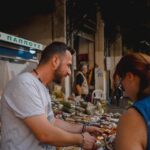
Greek cooking starts at the market. This private class in Athens puts you face-to-face with a chef-instructor, so you can pick ingredients and learn the local way before you ever turn on the oven. You’ll choose your main dish, either Yemista or Moussaka/Pastitsio, and build the rest of the meal around classic starters like Greek salad, tzatziki, and spicy feta spread.
I love the structure: you don’t just follow steps, you learn why each piece matters. The lesson on how Greek families eat salad, plus the hands-on prep for tzatziki and the spicy feta spread, makes it feel like a real meal at home, not a show. One thing to plan for: it’s weather-dependent, since the market part needs good conditions.
In This Review
- Key highlights you’ll feel in the moment
- Market-to-table cooking in central Athens
- Where you meet and why the location matters
- Town Hall stop: getting the Athens rhythm behind the food
- Omonoia and Kafekopteia Loumidi: shopping like a local
- Kotzia Square: where you commit to Yemista or Moussaka/Pastitsio
- The kitchen lesson you’ll actually use: Greek salad, bread, tzatziki, spicy feta
- Yemista: stuffed tomatoes and peppers with herb-and-sweet balance
- Moussaka or Pastitsio: choosing your baked comfort classic
- Dessert that closes the loop: Greek cheesecake, vegan option available
- What makes it truly private: learning pace and personal guidance
- Price and value: what $156.53 buys you for 4 hours
- Who this fits best (and who should rethink it)
- Should you book this Athens Yemista and Moussaka private class?
- FAQ
- What dishes will I cook on this tour?
- Is this tour private?
- How long does the experience take?
- Do I get to choose lunch or dinner?
- Is the tour offered in English?
- Is there a vegan option?
- Where does the tour start?
- Is there a mobile ticket?
- Does the tour run in any weather?
- Is the activity near public transportation, and can service animals attend?
Key highlights you’ll feel in the moment
- Private, chef-instructor attention from start to finish
- Choose your main: Yemista, or Moussaka/Pastitsio
- Starter lessons that actually stick (Greek salad, tzatziki, spicy feta spread)
- Central Athens stops tied to real neighborhoods and squares (Town Hall, Loumidi Omonoias, Kotzia Square)
- Vegan options included for spicy feta spread and the Greek-style cheesecake
- Lunch or dinner timing so you can fit it into your day
Market-to-table cooking in central Athens
This is the kind of Greek food experience that makes sense fast: Athens gives you ingredients everywhere, but this tour helps you see what to buy and how to treat it. You start by selecting items, then you cook a full meal built on everyday Greek flavors—tomatoes, peppers, cucumbers, herbs, garlic, and cheese.
What makes it practical is the mix of theory and doing. You’re not stuck with only a recipe card. You’ll learn small habits you can repeat later, like how to assemble Greek salad so it tastes right (not just chopped pretty). And because you’re doing it privately, you can ask the basic questions that group classes often rush past.
Also, the setup works well for first-timers. If Athens is your first Greek trip, this gives you a clean introduction to the food language. If you’ve been already, you’ll still like the “why this ingredient” moments—pine nuts, raisins, and herbs in Yemista aren’t random. They’re the flavor logic.
You can also read our reviews of more private tours in Athens

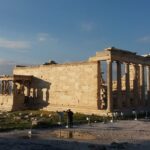

Where you meet and why the location matters
You meet at Το Ψαράδικο Του ΚωστήΒαρβάκειος, Κεντρική Ιχθυαγορά Αθηνών, 72, Athens 105 51. That’s in a central zone, and the tour is listed as near public transportation, which is a big deal in Athens. You don’t want to burn your whole day fighting taxis or timing buses.
This matters because the whole experience is designed around a short window—about 4 hours—so you need to arrive with confidence. A central meeting point helps you do that. You’ll also have a mobile ticket, which is one less thing to manage on the day.
If you’re planning around other activities (Acropolis first thing, Plaka strolling later, or a museum in the afternoon), the option to choose a lunch or dinner session can help you avoid stuffing everything into the same block.
Town Hall stop: getting the Athens rhythm behind the food
One of the first stops is the Town Hall (Municipality of Athens) area. This isn’t a food market in the simple sense, but it does something useful: it puts you in the civic and everyday Athens setting where people actually move through the city. That context helps the shopping part feel less like a tourist detour and more like a normal errand.
In a cooking tour, these “non-kitchen” stops can be underrated. Here, the benefit is momentum. You get oriented in the center of Athens while your guide keeps the focus on ingredients and local habits. It also helps that Athens isn’t laid out like one attraction cluster; knowing how squares and streets connect makes your later exploring easier.
If you’re tight on time, this is also a good sign. You’re not only spending time in one single marketplace. You’re gathering ingredients and learning while the city itself frames the route.
Omonoia and Kafekopteia Loumidi: shopping like a local
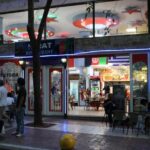
Next you’ll visit Kafekopteia Loumidi – Ypokatastima Omonoias. The name hints at the type of stop it likely represents in Athens: a neighborhood food stop tied to daily life. Even if you don’t know Greek, you can usually tell fast when you’re near places locals use, not just places built for photos.
This is the moment where you learn what to look for before you cook: ripe produce, herbs with real fragrance, and ingredients that will hold up through heat and seasoning. The tour emphasizes picking ingredients like ripe tomatoes, crisp cucumbers, and aromatic herbs. That matters because Greek cooking often relies on freshness and balance, not heavy tricks.
And when someone shows you what “good” looks like in the market, it changes your meals after the class. You’ll shop differently later. You’ll also waste less money if you’re buying for dinner at your rental apartment.
Kotzia Square: where you commit to Yemista or Moussaka/Pastitsio
The itinerary includes Kotzia Square. It’s the kind of public space where the city’s layers feel visible at once—shops, movement, and that Athens “everything is close” vibe. For a cooking class, a square stop can be a smart pivot point: it’s where you transition from ingredient collecting into your cooking choice.
This is also where your main decision becomes real. You’ll cook either Yemista or Moussaka/Pastitsio (your choice). That decision isn’t just menu variety. It’s a different Greek comfort style:
- Yemista is built around stuffed vegetables, especially plump tomatoes and peppers, filled with a mixture of rice, pine nuts, raisins, and aromatic herbs.
- Moussaka and Pastitsio are baked comfort dishes that rely on layering and rich flavors.
If you’re wondering which to pick, think about what you want to learn best. If you want a dish that showcases ingredient freshness and stuffing technique, choose Yemista. If you want a classic baked centerpiece you can recreate for guests, choose Moussaka/Pastitsio.
You can also read our reviews of more shopping tours in Athens
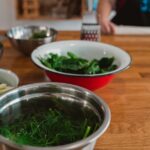

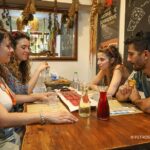
The kitchen lesson you’ll actually use: Greek salad, bread, tzatziki, spicy feta
Before the mains, you’ll build the meal like a Greek home-style spread. The sample menu is very clear about what you’ll taste and learn:
Authentic Greek salad starter (with a lesson on how you should eat it). The guide explains how real Greek families eat salad at home. In practice, that means it’s not just a side salad for show. It’s part of the meal rhythm: crisp vegetables, good oil, and the right handling so flavors stay bright.
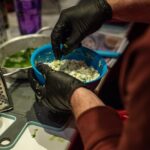
Tzatziki. You’ll make creamy cucumber, garlic, and dill dip. It’s cool, refreshing, and it works with pita and veggies without overpowering your main dish.
Spicy feta spread (vegan option available). This adds a punchy contrast to the creamy starters. It’s also a great reminder that Greek spreads aren’t all mild. They can bring heat and attitude.
You’ll also enjoy rustic, aromatic bread and either Greek salad or Ntakos (a hearty Greek option). Ntakos is the kind of dish that teaches you about texture—bread and toppings working together—so you can recreate it rather than just eat it once.
Even if you’re not a “cook every day” person, these starters give you a usable kit of flavors. After the class, you’ll know what to buy and how to assemble a meal that feels Greek without needing a complex cookbook.
Yemista: stuffed tomatoes and peppers with herb-and-sweet balance
If you choose Yemista, expect a dish that smells like late summer even when you’re cooking indoors. The core idea is stuffed tomatoes and peppers, filled with a fragrant mix of rice, pine nuts, raisins, and aromatic herbs.
The reason this matters for you is balance. Greek stuffing fillings often mix savory and sweet notes, and the raisins plus pine nuts are not random add-ins. They help the filling taste complete, even after baking.
This dish also teaches you technique. You’re learning how to portion and fill without turning the vegetables into mush. You’re learning how the flavors cooperate while the rice cooks and absorbs seasoning. It’s the kind of lesson that makes your future stuffed-vegetable dinners more confident.
Moussaka or Pastitsio: choosing your baked comfort classic
If you choose Moussaka or Pastitsio, your cooking focuses more on the structure of baked Greek comfort food. The tour offers both options, and your exact pick sets the style of your main course.
Here’s what I like about this choice for real-life travel value: baked mains are “meal-builders.” When you get the technique right, you can turn leftovers into an easy next-day lunch. And because this is private, you can ask for clarification on the steps that usually confuse people with Greek baked dishes.
The tour frames these dishes as comforting and classic, and the starters leading into them are chosen to support that. Tzatziki cools the palate, Greek salad keeps things fresh, and spicy feta spread adds contrast so the baked main doesn’t feel heavy.
Dessert that closes the loop: Greek cheesecake, vegan option available
To finish, you’ll have Greek-style cheese cake for dessert. The listing also notes a vegan option, which is excellent if your travel group has dietary needs.
Dessert is more than a sweet ending here. It helps you connect the meal theme: dairy and richness show up in the main dishes and then again in dessert, so the overall flavor arc feels intentional. And since the class is about learning, you’ll have a better chance of recreating the dessert later rather than just remembering that it was good.
What makes it truly private: learning pace and personal guidance
Because it’s a private tour, you’re not getting rushed by the clock the way you might in a group cooking class. The chef-instructor gives personal attention, which means:
- you can ask basic questions without feeling silly
- you can go slower if a step needs explanation
- you can make adjustments if something smells off or textures don’t look right
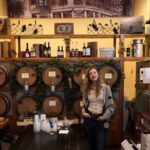
One of the strongest signals from the experience is the warmth. The chef-instructor Dionysia is described as making people feel instantly comfortable, and she’s been accommodating with help when needed, including arranging transportation from a cruise port to the class for some visitors. Even if you aren’t on a cruise, that kind of responsiveness matters for peace of mind.
Price and value: what $156.53 buys you for 4 hours
At $156.53 per person for about 4 hours, you’re paying for a packed meal education, not just dinner. You’re getting:
- ingredient selection in a central area
- instruction from a chef-instructor
- a full menu of starters plus a main (Yemista or Moussaka/Pastitsio) and dessert
Is it expensive compared to buying groceries and cooking at home? Yes, because you’re paying for the teacher, the planning, and the included food. But in Athens, you can eat well for less money if you’re only after taste. What you’re really buying here is skill plus shopping confidence.
Also, the fact that it’s commonly booked ahead (around 89 days) is a hint that the experience is in demand. Popular cooking classes in central Athens tend to fill, and private time with a chef can be limited—so paying for it early usually means fewer last-minute compromises.
Who this fits best (and who should rethink it)
This tour is a strong match if you:
- want a hands-on way to learn Greek classics beyond restaurant eating
- like market-based experiences and want to know what to pick and why
- enjoy comfort food with real structure (stuffed vegetables or baked mains)
- care about diet options, since vegan alternatives are built into the plan for spicy feta spread and the cheesecake
You might want to rethink it if:
- you dislike market walking or outside time and prefer purely indoor activities, since the experience requires good weather
- you want a very slow, long meal. This is about a tight teaching window, not a multi-hour sit-down restaurant night
Should you book this Athens Yemista and Moussaka private class?
I think you should book it if you’re the type of traveler who likes learning how meals are built. The “market to table” approach gives you a practical advantage: you’ll come away knowing what to buy and how to handle it. The private format is the real multiplier. It turns a typical cooking class into something closer to cooking with a chef friend who explains as you go.
If you’re on the fence, pick based on your main choice. Yemista is the way to go if you want stuffed tomatoes and peppers and that herb-and-sweet balance. Choose Moussaka/Pastitsio if you want classic baked comfort and a centerpiece you can recreate.
If good weather is in doubt, keep that in mind. Otherwise, this is an efficient, satisfying way to spend half a day in Athens with food skills you can carry home.
FAQ
What dishes will I cook on this tour?
You’ll cook either Yemista or Moussaka/Pastitsio. The experience also includes starters like Greek salad, tzatziki, and spicy feta spread, plus dessert.
Is this tour private?
Yes. It’s a private tour/activity, and only your group participates.
How long does the experience take?
It lasts about 4 hours.
Do I get to choose lunch or dinner?
Yes. You can choose between lunch or dinner sessions.
Is the tour offered in English?
Yes, it’s offered in English.
Is there a vegan option?
Yes. Vegan options are available for the spicy feta spread and for the Greek-style cheesecake dessert.
Where does the tour start?
It starts at Το Ψαράδικο Του ΚωστήΒαρβάκειος, Κεντρική Ιχθυαγορά Αθηνών 72, Αθήνα (Athina) 105 51, Greece.
Is there a mobile ticket?
Yes, the tour includes a mobile ticket.
Does the tour run in any weather?
It requires good weather. If it’s canceled due to poor weather, you’ll be offered a different date or a full refund.
Is the activity near public transportation, and can service animals attend?
It’s near public transportation, and service animals are allowed.


More Shopping Tours in Athens
More Private Tours in Athens


More Tour Reviews in Athens
- All Day Cruise -3 Islands to Agistri,Moni, Aegina with lunch and drinks included
★ 5.0 · 4,958 reviews