REVIEW · ATHENS
Greek dance lessons
Book on GetYourGuide →Operated by GOGO ELECTRIC · Bookable on GetYourGuide
Plaka comes alive with Greek dance. In a 1.5-hour class near Acropolis Metro, you learn Aegean and Ionian folk steps and get costume and jewel clues for how Greek regions express themselves through movement.
What I like most is that it’s not just watching. You’re actually dancing with guidance from an experienced teacher, and the lesson ties the choreography to real cultural meaning.
The only catch: the lesson is a real hands-on workout for your feet and timing, so you might need patience if counting rhythm is new to you.
In This Review
- Key highlights worth your attention
- From Acropolis Metro to George Finlay’s Flower Yard
- Why Greek Folk Dance Feels Different Than a Fitness Class
- What You’ll Learn in 1.5 Hours: Steps, Timing, and Confidence
- Costume and Jewel Stories: What You Learn by Looking Closely
- The Teacher, Languages, and the Pace for Beginners
- Comfort and Practical Tips Before You Go
- Price and Value: Is $73 Worth 90 Minutes?
- Who Should Book This Greek Dance Lesson in Athens?
- Should You Book This Experience?
- FAQ
- Where is the meeting point?
- How long does the Greek dance lesson last?
- How much does it cost?
- What languages are the instructors?
- Is the lesson beginner-friendly?
- What regions do the dances come from?
- What’s included in the price?
- Is there free cancellation?
- Is the activity wheelchair accessible?
Key highlights worth your attention
- Plaka walk to the Finlay building: you start near Acropolis Metro and move through the old-town alleys to George Finlay’s preserved four-floor property.
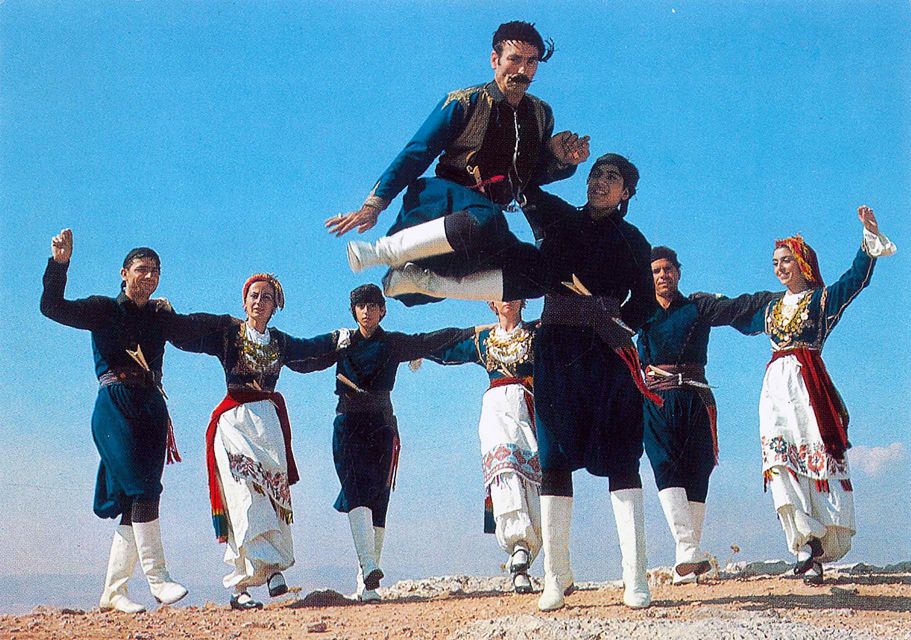
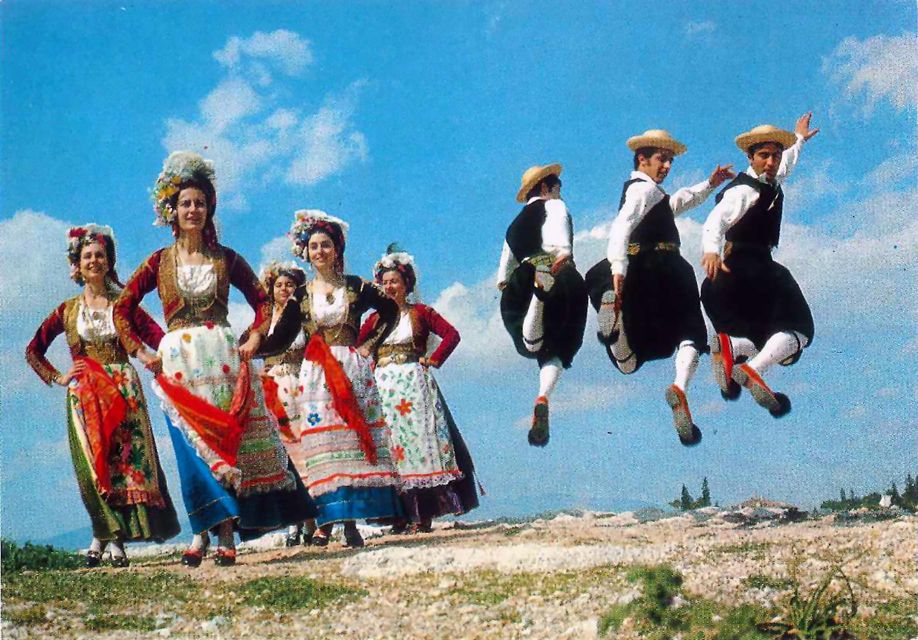
- Recognizable folk dances from multiple Greek areas: you focus on dances from the Aegean, Ionian, and mainland.
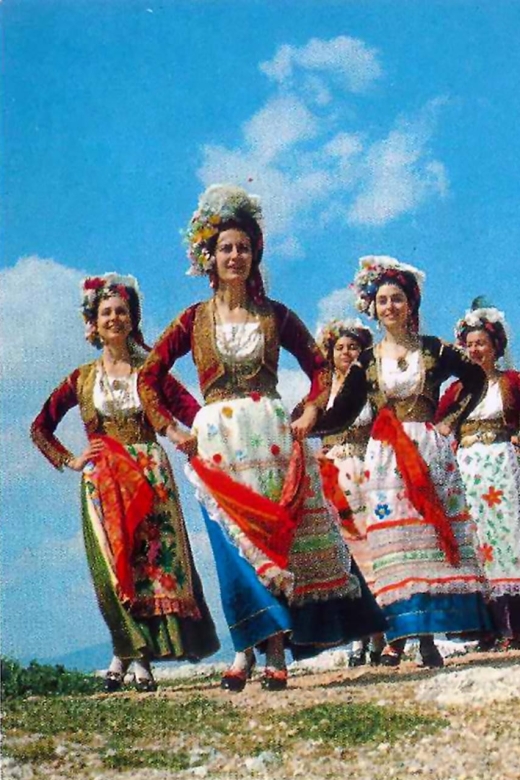
- Costumes aren’t a side quest: you learn how outfits and jewels connect to region and tradition.
- Beginner-friendly approach: the format is described as easy and fun, with lessons aimed at first-timers.
- A short lesson with strong cultural context: ancient dance meaning shows up as you learn steps.
From Acropolis Metro to George Finlay’s Flower Yard
This experience starts in central Athens, very close to Acropolis Metro Station. You’ll gather at an office in an 18th-century building, then walk about 3 minutes through Plaka, the old-town maze of pretty alleys and close-up street life.
After that short stroll, the dance lesson happens at the property of George Finlay, a British historian connected to the Greek Revolution. The setting is a well-preserved four-floor building with a flowery yard. That matters more than you might think. Greek folk dancing feels more natural when you’re not stuck indoors in a studio box. The atmosphere helps your brain switch from sightseeing mode into participation mode.
If you’re hoping for a long day of wandering and museum stops, this isn’t that. It’s focused: meet, walk, dance.
You can also read our reviews of more tours and experiences in Athens



Why Greek Folk Dance Feels Different Than a Fitness Class
Greek dance isn’t treated here like a trendy “activity.” It’s taught with the idea that dance has always been a language.
You’ll hear the cultural backdrop: ancient Greeks believed dance was created by the gods and linked it to cults and religious events. Later on, you’ll connect that to why Greeks dance in everyday life too—expressing feelings, singing along, celebrating seasons, and welcoming changes in the year.
That context changes how the lesson lands. Instead of thinking, I’m just learning steps, you’re more likely to think, this step has a reason. Even when you’re still shaky, you can feel the story the dance is trying to tell.
What You’ll Learn in 1.5 Hours: Steps, Timing, and Confidence
You’ll spend 1.5 hours with an experienced dance teacher, learning well-known Greek folk dances. The emphasis is on dances connected to the islands of the Aegean and Ionian Seas, plus dances from mainland Greece.
The instruction is described as an easy and fun way to learn. In practice, that usually means you’ll get a structure that beginners can follow: learn the basic pattern, repeat, and build just enough comfort to keep moving without constantly freezing.
One thing to set your expectations: folk dances often involve counts, turns, and coordinated group timing. If you feel like you have zero rhythm, don’t panic. Part of the charm is that this style of learning is forgiving. You’re not being graded. You’re being brought into the pattern.
Think of this as a “get your body talking” lesson. You’ll leave with real steps you can remember—not just a cultural talk.
Costume and Jewel Stories: What You Learn by Looking Closely
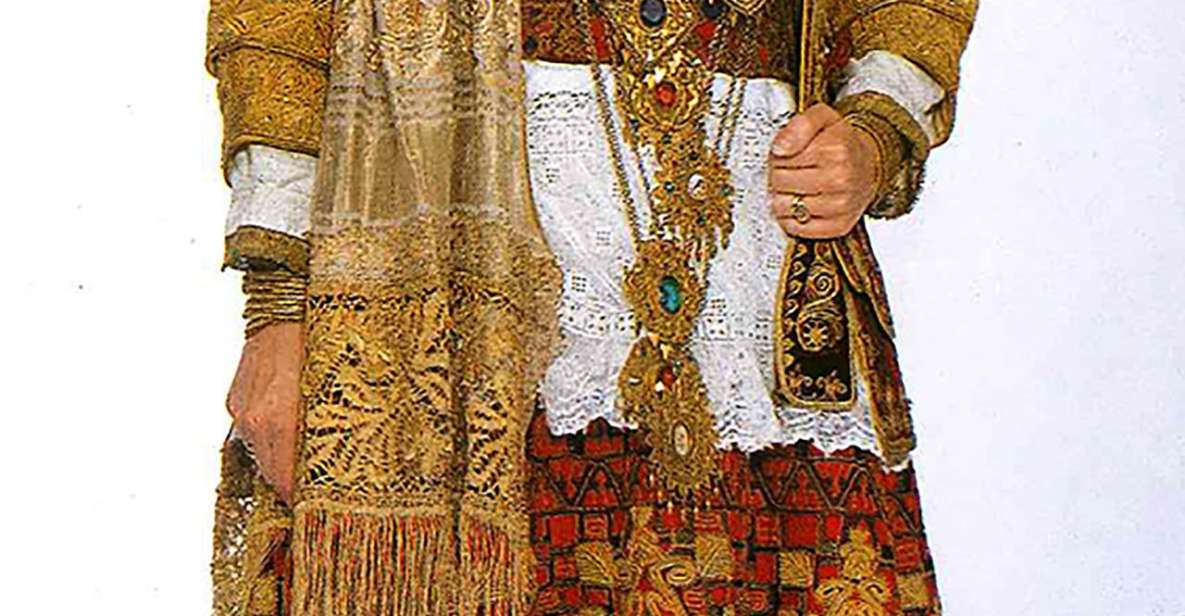
The lesson doesn’t stop at movement. A big part of the experience is discovering Greek costumes and the special jewels that adorn them.
And it’s not just a quick costume peek. You’ll get general clothing information about Greek costumes as part of the lesson. That’s valuable because Greek folk outfits aren’t random. They reflect regional identity—what people wore, what signaled status or role, and how communities dressed for celebrations.
So while you’re learning dance patterns, you’re also training your eye. You start noticing details that most visitors miss: ornamental emphasis, the way jewelry and fabric work together visually, and the sense that each region has a recognizable look.
If you like photography, this is a great angle. You’ll come away more prepared to identify what you’re seeing in Greek cultural events, rather than treating costumes as a blur of color.
The Teacher, Languages, and the Pace for Beginners
The class is led by an experienced dance teacher, and instruction is available in English and Spanish. That language support matters in dance. When you’re learning footwork, you don’t want to guess what the teacher means by a quick cue.
The overall structure is short and practical: 1.5 hours total. That compact timing is a plus if your schedule is tight around Athens landmarks. It’s also a reason the pace can feel like a cheerful sprint. You’ll have to stay mentally switched on.
From what people highlight, the teaching style lands well for beginners. It’s designed so you can join in without prior training. Even if you’re not naturally coordinated, you’re given a pathway to keep up—step after step, repetition after repetition.
If you’re the type who likes learning through doing, you’ll probably have a great time. If you prefer to observe first and dance later, you might find the hands-on format challenging. Still, the lesson is set up as easy and fun, so you’re not thrown in at a complicated level.
- All Day Cruise -3 Islands to Agistri,Moni, Aegina with lunch and drinks included
★ 5.0 · 4,958 reviews






Comfort and Practical Tips Before You Go
Even though the class is described as easy, you should dress for movement. You’ll be dancing for 90 minutes, which means you’ll want footwear and clothes that let you move comfortably and safely.
Here are sensible things to consider:
- Wear comfortable shoes with good grip for turning and stepping.
- Choose breathable clothes you don’t mind sweating in.
- If you’re sensitive to crowds or physical closeness, keep in mind it’s a participatory lesson, not a solo performance.
Also, plan your arrival so you can enjoy the Plaka walk without rushing. It’s only short, but it sets the tone.
Price and Value: Is $73 Worth 90 Minutes?
At $73 per person, you’re paying for more than movement practice. You’re getting an experienced instructor-led lesson, cultural context about Greek dance meaning, and the costume-and-jewels component.
Here’s the value logic I’d use to decide:
- You’re not just getting a demo. You’re getting guided dancing in a structured 1.5-hour session.
- You’re getting cultural interpretation tied directly to what you learn, including the ancient meaning of dance and how it connects to Greek life.
- You’re getting specific included content about costumes and jewels, plus general clothing info. That’s often missing from pure dance classes.
If you love hands-on cultural experiences—and especially if you’re already spending time in Athens center—this is a solid way to turn a normal trip day into something physical and memorable.
The main reason $73 might not feel worth it is if you’re only interested in watching performances. This lesson is designed for participation.
Who Should Book This Greek Dance Lesson in Athens?
This class fits best if you:
- Want a beginner-friendly activity that teaches real steps, not just trivia.
- Like culture you can feel in your body—music, movement, and regional identity tied together.
- Are staying near central Athens and want something compact and easy to schedule around other sights.
It can also work well for couples or friends who enjoy laughing while they learn. Folk dance has a way of turning awkward moments into shared humor.
If you’re traveling with a strict “only fully accessible activities” requirement, pay close attention here. The info you’re given includes both a note that it’s wheelchair accessible and also a listing that it’s not suitable for wheelchair users. That mismatch means you should confirm directly with the operator before booking.
Should You Book This Experience?
I’d book it if you want a practical, fun way to learn Greek folk dance basics while picking up costume-and-regional context you can use during the rest of your trip.
Skip it if you want a long sightseeing day, a quiet lecture, or a high-detail dance workshop that goes deep into technique for advanced students. This is about getting you into the dance world quickly and meaningfully—within 1.5 hours.
If your schedule allows it, this is the kind of experience that gives you a story you can tell later: you didn’t just look at Greek culture. You learned a piece of it.
FAQ
Where is the meeting point?
You’ll meet at the tour office in an 18th-century building, very close to Acropolis Metro Station (about a 3-minute walk).
How long does the Greek dance lesson last?
The duration is 1.5 hours.
How much does it cost?
The price is $73 per person.
What languages are the instructors?
The instructor is available in English and Spanish.
Is the lesson beginner-friendly?
Yes. The experience is presented as an easy and fun way to learn well-known Greek folk dances.
What regions do the dances come from?
You’ll learn dances connected to the Aegean and Ionian islands and mainland Greece.
What’s included in the price?
Included items cover the Greek dance lesson, learning about Greek costumes and the jewels that adorn them, and general clothing information, plus culture of different Greek regions.
Is there free cancellation?
Yes. You can cancel up to 24 hours in advance for a full refund.
Is the activity wheelchair accessible?
The information includes both that it is wheelchair accessible and that it is not suitable for wheelchair users. If you use a wheelchair, confirm the situation with the provider before booking.

More Workshops & Classes in Athens



More Tour Reviews in Athens
- All Day Cruise -3 Islands to Agistri,Moni, Aegina with lunch and drinks included
★ 5.0 · 4,958 reviews