REVIEW · ATHENS
Exarcheia walking tour: The other side of Athens
Book on Viator →Operated by Eureka Athens · Bookable on Viator
Athens has two faces, Exarcheia is the other. This 2.5-hour Exarcheia walking tour pairs a private guide with five landmark stops, plus a coffee pause that makes the neighborhood feel lived-in rather than staged. I love how the street art and protest-era stories come with clear explanations, not just photos.
The second thing I liked is the pace: you move from Omonia Square to the National Technical University (Polytechnio events), then into Plateia Exarcheion where the walk turns into a real neighborhood experience. If you get Agathi, her energy keeps the social and political history understandable. The one drawback to consider: it’s still a walking tour with a moderate fitness level and some hills/viewpoints, so warm weather can make it feel longer than it is.
In This Review
- Key details that matter
- Why Exarcheia feels like the other Athens
- From Omonia Square to the Polytechnio-era landmark
- Plateia Exarcheion: street art, social change, and a café pause
- The Trilogy of Athens buildings near Panepistimiou and Stadiou
- Old Parliament area finish: tips, cafés, and final context
- Price and value: what $48.06 buys you in real terms
- Who should book this Exarcheia walking tour
- Tips to make the walk easier (and more enjoyable)
- Should you book this tour or pass?
- FAQ
- FAQ
- Where does the tour start?
- What time does the tour begin?
- How long is the walking tour?
- How big is the group?
- Is coffee or tea included?
- Are the admission tickets included?
- What language is the tour offered in?
- Is the meeting point and route easy to reach with public transport?
- What kind of fitness level do I need?
- Do they provide any hygiene products?
Key details that matter
- Small-group, private-guide format (up to 8 people) keeps the conversation moving and questions welcome.
- Five focused stops in Exarcheia and nearby landmarks gives you both the local neighborhood story and the bigger city context.
- Coffee or tea break in a local spot helps you see the neighborhood like Athenians do.
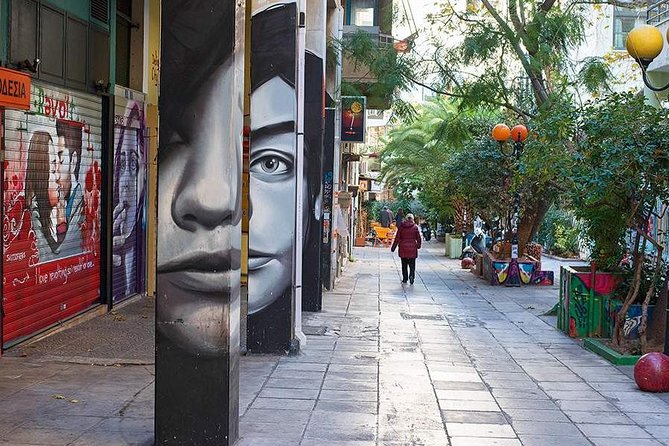
- Street art plus viewpoint time means you get both art and the physical sense of the area.
- Admission coverage is mostly free for the stops listed, with the final Old Parliament museum area not included.
- Mobile ticket and good public-transport access make it easier to plan your day.
Why Exarcheia feels like the other Athens

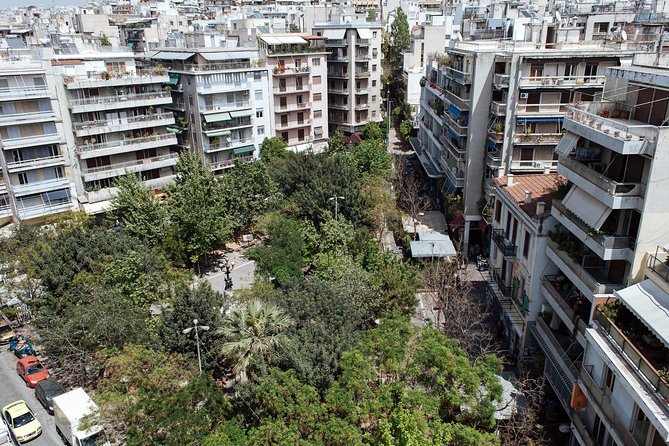
If you only see Athens from the big-ticket sites, you miss the city’s argument with itself. Exarcheia is where that argument shows up in public: in murals, in student life, in the way people use the streets. This walking tour is built for that reality. You’re not just collecting landmarks; you’re learning how a neighborhood shaped by protest, culture, and constant change became part of modern Athens’ identity.
I especially liked that the guide keeps switching between perspectives. One moment you’re standing in a place tied to Greece’s modern turning points. The next, you’re walking through current streets and talking about how the area changed over time. That mix makes Exarcheia feel human. It also helps you understand why the neighborhood can come across as controversial to outsiders, while still being a strong community space for locals.
And the best part? The tour doesn’t try to “clean up” the neighborhood into something easy. It gives context so you can look at what you see with better eyes. You’ll leave knowing what you just walked through, not just where you went.
You can also read our reviews of more walking tours in Athens

From Omonia Square to the Polytechnio-era landmark
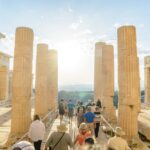
You start at Omonia Square, one of the city’s central, older crossroads. This matters because it sets the tone: Athens’ mainstream energy is right next to the alternative edge you’re about to enter. The early part of the walk is short, but it helps you orient. You’re moving from a classic central hub toward Exarcheia’s distinct atmosphere.
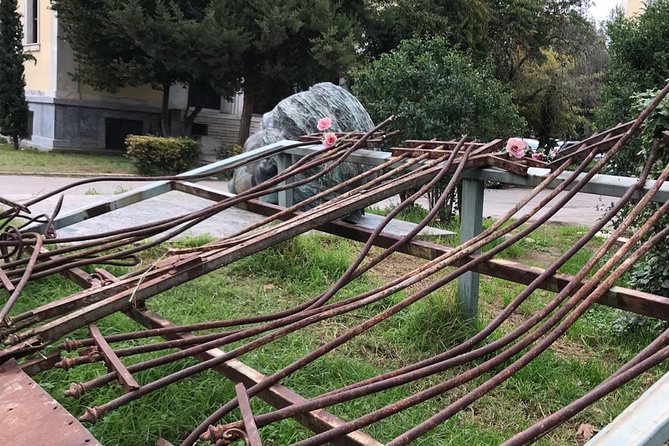
Then you head to the School of Architecture, National Technical University of Athens, the historic Polytechnio landmark. This is one of those places where the stone and the setting feel ordinary until the story lands. The guide connects the building to modern Greek history and explains why it has dramatic significance. Even if you’re not a “politics museum” person, you’ll probably find this stop hits because it’s not theoretical. You’re looking at real architecture tied to real events.
What I found useful here is how the guide keeps the facts grounded while still pointing out what makes the site meaningful today. This is the kind of stop that makes the rest of the neighborhood walkthrough make sense, because you understand the emotional and historical background that many locals carry with them.
Practical note: the first stretch is easy enough to settle in, but you’re still walking. Comfortable shoes help from minute one.
Plateia Exarcheion: street art, social change, and a café pause
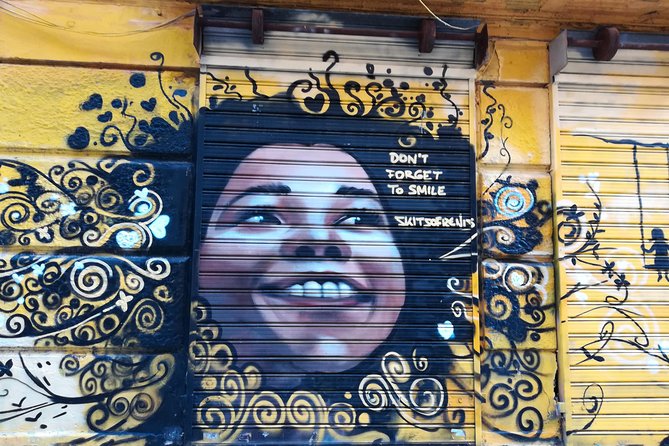
This is the tour’s heart. You reach Plateia Exarcheion, and the timeline shifts into “neighborhood living.” The guide talks about how Exarcheia changed from the early 19th century onward, then moves through its role during World War II and into today’s history and culture. If that sounds like a lot, it is—but the format keeps it digestible, with frequent pauses to look around as the story evolves.
Here’s what you’ll actually experience on the ground:
- You’ll see how the neighborhood’s spirit comes through in street art and public space.
- You’ll hear about how student and professional life shaped the area’s character.
- You’ll get a hill/viewpoint moment for panoramic looks over the city.
That viewpoint part is more than a photo break. It gives your brain a map. Once you can see the city layout from above, the stories about the neighborhood’s position and evolution feel less abstract.
And then comes the best reset: a short coffee or tea break at a local favorite place. This is where the tour earns its value. You’re not just walking past cafés—you’re being pointed to a spot where the neighborhood rhythm is the point. Even if you don’t know Greek history, this break helps you understand the social side of Exarcheia: it’s not just politics. It’s daily life too.
One thing to keep in mind: you’ll likely want to linger at the street-art walls. The schedule is tight enough to stay on track, but it leaves room for looking and asking questions.
The Trilogy of Athens buildings near Panepistimiou and Stadiou
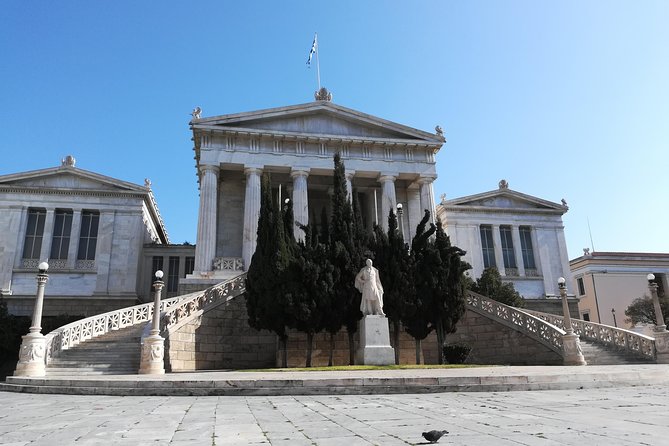
After Exarcheia’s more scrappy energy, the tour shifts into “big Athens” architecture—without losing the thread. You walk through Panepistimiou and Stadiou streets, and stop outside three of the most famous institutional buildings around: the Academy of Athens, the University of Athens, and the National Library of Greece. They’re often discussed together as the Trilogy of Athens buildings.
This part works for two reasons:
- It shows how Athens builds identity through institutions—learning, research, culture, national memory.
- It gives you a chance to compare that with what Exarcheia has been doing socially and politically at the neighborhood level.
The guide explains the significance of these buildings and what they symbolize for Athens today. You might not memorize every detail, but you’ll walk away understanding why these landmarks matter and how they “talk” to the city around them.
A small drawback here: you may be tempted to skim if you’re mostly there for street art. The trick is to listen for the contrasts. This stop is there to help you connect the modern Athens story in one continuous walk, not to replace the Exarcheia experience.
Still, it’s a strong pairing. Exarcheia gives you the street-level narrative; this area gives you the institutional one. Put together, the city feels more complete.
Old Parliament area finish: tips, cafés, and final context
The tour ends at the Old Parliament building, in the area connected with the National History Museum. This finish is clever because it lands you in another zone where Athens feels like it’s living rather than staged. The guide points out the café and bar scene around the Old Parliament—places with that laid-back, modern vibe.
One practical detail: the museum admission is not included. That’s not a dealbreaker, but it’s worth knowing so you can decide on the spot if you want to pay extra. If you love museum time, this is where you can add it. If you’d rather keep exploring outside, you can simply use the area as your starting point for independent wandering.
What I liked about ending here is the “transition.” You go from intense history and neighborhood culture to a calmer finish where you can regroup, grab something to drink, and keep going on your own. And the guide’s final tips help a lot if you want to explore like a local rather than randomly picking the first street that looks good.
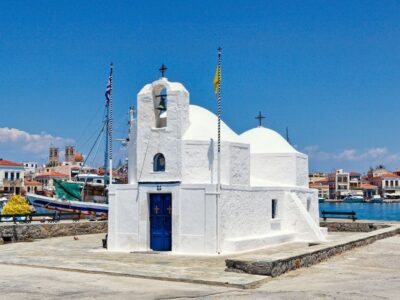
- All Day Cruise -3 Islands to Agistri,Moni, Aegina with lunch and drinks included
★ 5.0 · 4,958 reviews



Price and value: what $48.06 buys you in real terms
At $48.06 per person for about 2 hours 30 minutes, this tour sits in the fair-value range—especially because it’s not just a walk with a map. You get a private guide experience designed for a small group (up to eight), plus coffee and/or tea, and hygiene items like hand sanitizers and face masks.
Also, the stops are mostly set up with admission ticket free entries, with the final Old Parliament museum area not included. That matters more than it sounds. It reduces “surprise” costs and lets you plan without guessing how much entry fees will add up.
If you’re deciding between a generic walking tour and something more focused, the difference here is context. The guide’s job is to give you meaning behind what you’re seeing—especially around Exarcheia, where the stories are tied to social change, protests, and community identity. You’re paying for interpretation and pacing, not just movement.
Who should book this Exarcheia walking tour
This tour is a great fit if you:
- Want Athens that feels current, not just classical.
- Care about Greek social and political history in a way you can actually follow on foot.
- Enjoy street art and want it explained in context.
- Prefer small groups and direct Q&A over crowded “see and go” sightseeing.
It’s also a smart choice if you like food breaks that feel local. The coffee or tea stop isn’t an afterthought; it’s part of how the tour teaches you the neighborhood rhythm.
I’d think twice if you:
- Have very limited walking stamina (there’s a moderate fitness requirement and you’ll reach viewpoints).
- Only want purely ancient sites and don’t care about modern history or neighborhood culture.
Tips to make the walk easier (and more enjoyable)

A few practical things make this kind of tour smoother:
- Wear comfortable shoes. You’ll be on city streets for a long stretch.
- Bring a light layer. Weather can shift in Athens, and the tour runs best in good conditions.
- If you’re sensitive to heat, aim to hydrate before you start. You’ll be walking enough that you’ll feel it.
- Don’t over-plan the rest of your day. You’ll likely want time to extend the café or Old Parliament area after the tour ends.
Also, since the tour is English-language and guided by a mobile ticket, you can keep your planning simple. Just show up, meet the group at Omonia Square, and let the walk do the work.
Should you book this tour or pass?
Book it if you want to understand Athens as a living city with real debates, real communities, and real changes over time. The combination of Exarcheia’s street-level culture, the Polytechnio landmark context, the viewpoint moment, and the Trilogy of Athens buildings makes it feel like a full narrative in one afternoon. You’ll also appreciate that the tour ends in a practical place for continued exploring.
Pass on it if your ideal Athens day is only ancient monuments with minimal walking and minimal modern history. This tour is built around the modern side of the city, including political and social context.
If you’re on the fence, here’s a good rule: if you enjoy asking why a place looks the way it does, you’ll enjoy this. If you only want postcard stops, you’ll probably get more from a classical-focused route.
FAQ
FAQ
Where does the tour start?
The tour starts at Omonoia Square, Athina 104 31, Greece.
What time does the tour begin?
It starts at 10:00 am.
How long is the walking tour?
It lasts about 2 hours 30 minutes.
How big is the group?
The group is limited to a maximum of eight travelers, and you’ll have a private guide.
Is coffee or tea included?
Yes. The tour includes coffee and/or tea.
Are the admission tickets included?
Most stops list admission as free, but the National History Museum (Old Parliament) stop has admission not included.
What language is the tour offered in?
The tour is offered in English.
Is the meeting point and route easy to reach with public transport?
Yes. The tour is near public transportation.
What kind of fitness level do I need?
You should have a moderate physical fitness level.
Do they provide any hygiene products?
Yes. The tour includes hand sanitizers and face masks.

More Walking Tours in Athens

More Tours in Athens


More Tour Reviews in Athens
- All Day Cruise -3 Islands to Agistri,Moni, Aegina with lunch and drinks included
★ 5.0 · 4,958 reviews