REVIEW · ATHENS
Best of Greece: 7-Day Tour to Real Greece of the Peloponnese, Delphi and Meteora
Book on Viator →Bookable on Viator
One week turns the Peloponnese into a movie. What I love most is the jump from major UNESCO sites (Corinth Canal, Mycenae, Epidaurus) to easy, human-scale time in places like Nafplio. The second big win for me is the comfort side: breakfasts and lunches are included, so you keep moving without spending energy on constant planning.
One consideration: this is not a sit-and-ride schedule. Days include solid walking and climbs, like 999 steps up to Palamidi Castle, plus cave and monastery stops where good footing matters.
In This Review
- Key things that make this tour worth your time
- Peloponnese in one sweep: where big ruins meet real town life
- Nafplio to Monemvasia: coastline coffee, cliff monasteries, and a fortress on sea rock
- Mani Peninsula and Byzantine Mystra: pirate-era towns, caves, and views over olive country
- Olympia and Arcadia: the ancient games, then the stone villages
- Kalavrita to Galaxidi: caves, a rack railway, and seaside evenings
- Delphi and Meteora: from Apollo’s oracle to monks and misty rock towers
- Thermopylae and the ride back to Athens
- Price and what you’re really paying for (and what to budget separately)
- Who this tour fits best (and who might want a different pace)
- Should you book this Best of Greece tour?
- FAQ
- Are entrance fees included in the tour price?
- What meals are included during the 7 days?
- Is pickup offered from Athens hotels and nearby ports?
- How physically demanding is the itinerary?
- Do I need to hire a licensed guide separately?
- What is the cancellation policy?
Key things that make this tour worth your time
- A true door-to-door pickup range across Athens hotels, the airport, Piraeus/Nafplio ports, and even Hydra (with possible extra cost).
- Meal coverage that changes the tone of the trip: breakfast almost every morning, lunch every day, and bottled water in the car.
- Ancient sites plus real towns: big archaeology (Olympia, Delphi) followed by seaside coffee breaks and stone villages in the mountains.
- Meteora timing flexibility: you visit the Meteora monasteries on Day 7, with a possible earlier evening visit if timing works.
- Guides that seem to run on local detail: the operator’s leadership and guides (like Nikos, Theo, and Panayiotis) are repeatedly praised for smooth communication and choosing great places to eat.
Peloponnese in one sweep: where big ruins meet real town life
This is the kind of itinerary where you get your bearings fast. In seven days you move from the Peloponnese’s ancient power centers into coastal towns, medieval fortresses, and mountain villages—then you finish with Delphi and Meteora.
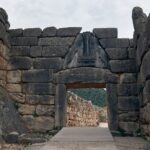
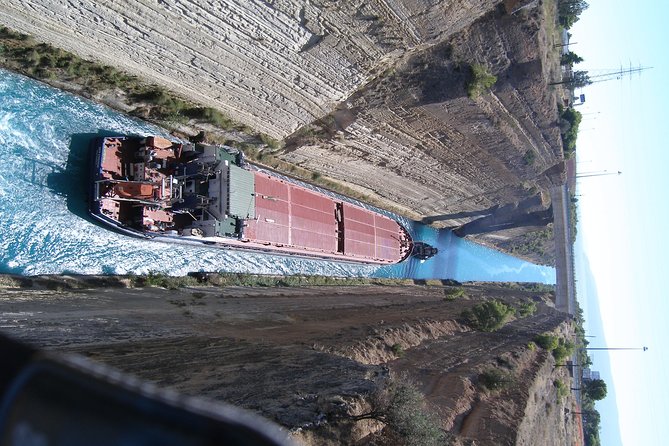
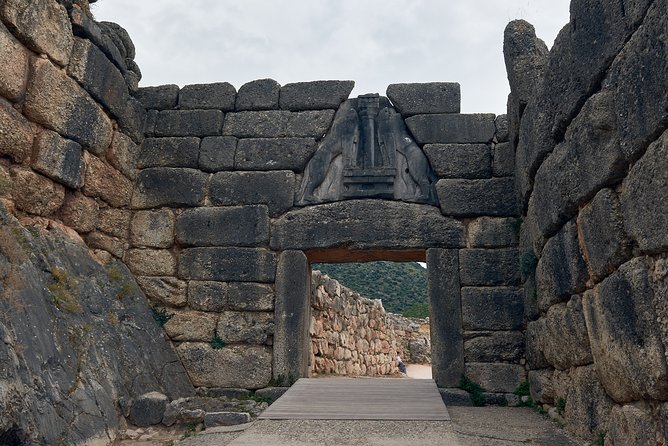
Day 1 starts by setting the stage with the Corinth Canal, the narrow cut that visually underlines what makes the Peloponnese feel like its own world. From there you go straight into the Mycenae story—UNESCO-level ruins tied to the era of Agamemnon—and then you switch gears to Nafplio, one of Greece’s prettiest bases for walking and relaxing. I like that contrast: you don’t just park yourself at monuments; you also get time to breathe in a town that feels romantic without trying too hard.
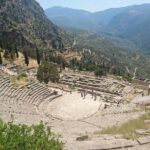
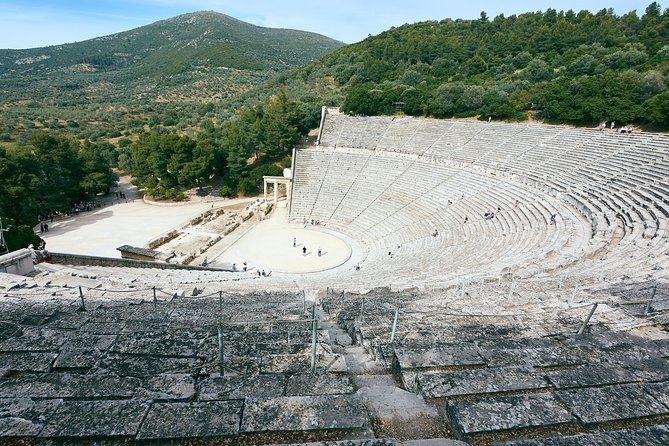
From Nafplio you climb into Palamidi Castle. The payoff is the panoramic view and the satisfying sense of earning it (yes, the steps are real). After that comes Epidaurus, famous for its ancient theatre and the acoustics people talk about because they’re worth hearing about. Even if your Greek is limited, standing in that space with the logic of the theatre in front of you makes the site feel clear.
Practical note: Mycenae, Epidaurus, and the medieval stops involve a lot of standing and walking. If you’re the type who likes to take photos while moving slowly, this plan works well. If you need frequent long sit-down breaks, you’ll want to plan for it.
You can also read our reviews of more tours and experiences in Athens

Nafplio to Monemvasia: coastline coffee, cliff monasteries, and a fortress on sea rock
Day 2 is built around scenic driving with stops that feel like chapters, not checkboxes. After leaving Nafplio, you get a coastal stretch with Greek coffee by the water, then you head into the Parnon mountain range. That coffee stop matters more than it sounds—because it’s the moment when the tour slows down and lets you see the country you’re about to tour.
You’ll also pass through Leonidio, a town people know for its local eggplant. Then there’s the Monastery of Panagia Elona, perched in a cliff-hugging spot with views over the red rock scenery. The monastery stops are short, but that’s part of the charm: you’re not fighting with a long queue or a full museum experience, you’re just catching a view and a sense of how life adapted to terrain.
Lunch time is another highlight of the tour structure. You go to Kosmas, in the mountains near Mount Parnon, for a traditional lunch under the huge plain trees near the main square. This is one of those choices that often gets missed on large group tours: it’s not just food, it’s atmosphere—lunch becomes part of the travel story.
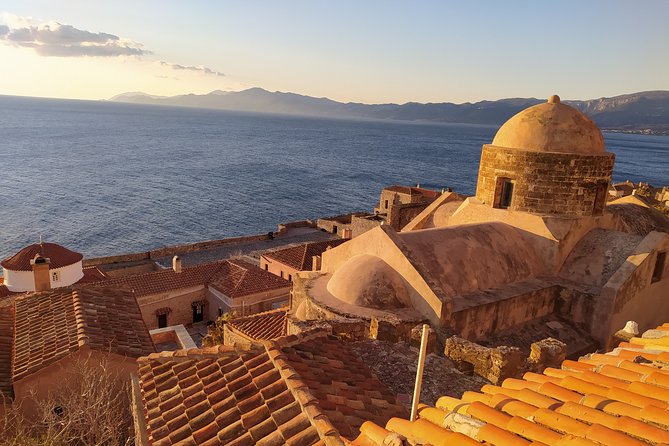
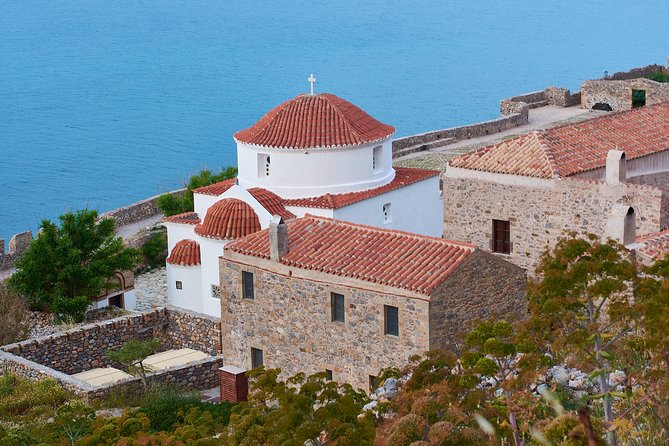
Then comes Monemvasia Castle town. The key detail is that this medieval fortress is carved on the back side of a sea rock. Even from a glance, you can understand why it’s so dramatic. It also makes a great contrast after two days of driving inland: you go from red mountains and cliff monasteries back to the sea.
Watch for: this is an active day. Even when stops are short, the walking adds up—especially around castle towns where paths can be uneven.
Mani Peninsula and Byzantine Mystra: pirate-era towns, caves, and views over olive country
Day 3 takes you into the Mani Peninsula, one of the wild, characterful corners of Greece. This is where the scenery starts feeling rugged in a more honest way—less polished, more real.
You can include the Caves of Diros, experienced from an expertly guided boat. The tour description points out the lighting and variety of formations, and that combination is usually what makes the cave visit feel special rather than just dark. If you’re considering this stop, remember it’s a cave experience: you’ll want decent comfort with enclosed spaces and boat seating.
After that you’ll see Areopoli, a typical stonebuilt town shaped by a history where pirates were a permanent threat. It’s the kind of place where you can feel why fortifications mattered.
Mystra is the big Byzantine anchor of the day. The Archaeological Site of Mystra is described as a Byzantine castletown with views over Sparta and Laconic olive groves. Even without getting technical, what you’ll notice is how the site reads like layers—architecture built for defense, then built for a different kind of life on top of that.
There’s also Vathia as an optional alternative to Diros, described as a highly photographed abandoned village with stunning views. If you’re not sure which to pick, decide based on your energy: Diros is physical and enclosed; Vathia is more about stepping into an atmospheric, open-to-the-elements place.
Finally, the Leonidas Monument is a quick stop tied to the story of Thermopylae—molon labe isn’t just a quote here, it’s part of the way the area frames the memory of the battle.
Olympia and Arcadia: the ancient games, then the stone villages
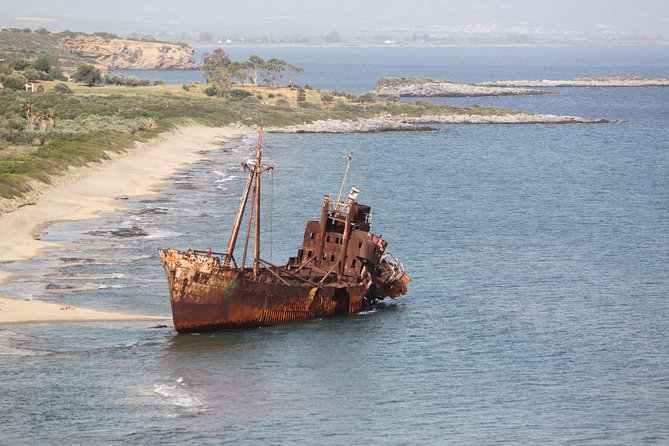
Day 4 is where you hit Olympia. The Archaeological Site of Olympia includes training areas, a stadium, and temples dedicated to Hera and Zeus. The key value here is order: the ruins aren’t random. You can start mapping the old athletic world onto what you see, which makes the time feel more meaningful.
The Olympia Museum is the next step, and it’s often the difference between just seeing stones and understanding what those stones represented. You’ll have a chance to see major sculptures, including decoration from the marble temple of Zeus and the famous Hermes carved by Praxiteles. If you like art history, this stop can land hard—in a good way—because museums let you zoom in on details.
Then you head toward Arcadia, ending the day in the stone-built village of Dimitsana. Dimitsana is described as one of the most beautiful stone villages in central Peloponnese, and it’s also a popular all-year destination. From a traveler’s point of view, that means you’re not arriving somewhere dead or inconvenient—you’re arriving somewhere that still has life.
Expect: evenings here are calmer than the big ruins. This is a good day to slow down and actually let the architecture and the mountain air settle.
Kalavrita to Galaxidi: caves, a rack railway, and seaside evenings
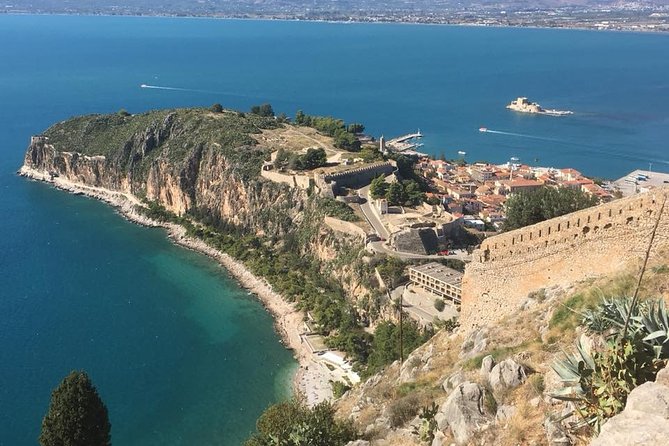
Day 5 brings you into a different kind of Greece: mountains, caves, and rail heritage, then a coastal shift near the end of the day.
You start with Kastria Cave of the Lakes, described as mythical and rare for its galleries and formations. This type of stop works well when you’ve already covered ancient sites earlier—because now you’re experiencing time differently. Instead of human-built layers, you see nature’s layers.
Next is Kalavrita, where lunch happens. You’ll explore the town on foot before or after lunch. That timing is useful: you get enough movement to feel oriented, but you’re still not rushed into a long museum day.
Then there’s the Odontotos Rack Railway (Diakopto to Kalavrita). The description emphasizes how the track was constructed to fit into the natural environment, using stone and wood from the area. Even if you don’t go into the engineering details, you’ll feel why people find this ride memorable: it’s not just a way to get somewhere. It’s a moving viewpoint.
There’s also a quick option for Nafpaktos for coffee and views of the Venetian Castle, depending on time. After that you arrive in Galaxidi for an early evening by the water. This is your decompression moment: you’ve done caves, trains, and mountain driving—now you get locals’ pace and a simple waterfront mood.
- All Day Cruise -3 Islands to Agistri,Moni, Aegina with lunch and drinks included
★ 5.0 · 4,958 reviews




Delphi and Meteora: from Apollo’s oracle to monks and misty rock towers
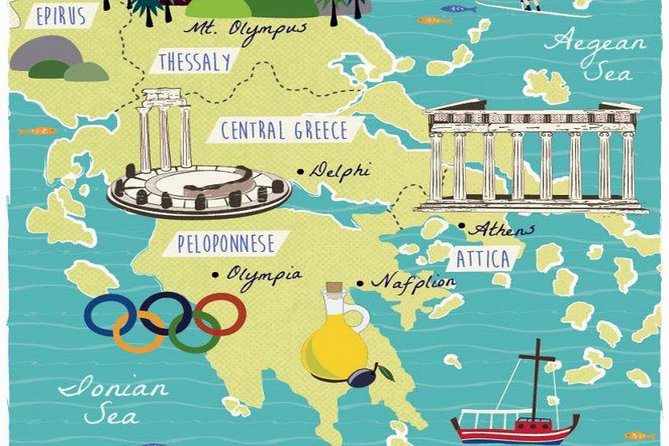
Day 6 is built around Delphi, and it’s one of Greece’s best “big meaning” places. You start at the Archaeological Museum of Delphi, which focuses on the sanctuary’s history—architectural sculptures, statues, and smaller objects. The Charioteer and the Sphinx of the Naxians are called out in the tour description, and these are the kinds of objects that turn Delphi from a word into an experience.
Then you go into Delphi Ancient Town itself. The sanctuary is where Apollo’s oracle spoke, and you’ll learn about the omphalos—the so-called navel of the world. What makes Delphi work for most people is the combination of sacred story and actual physical setting. The place doesn’t feel generic.
You’ll also stop at the Tholos of Athena Pronaia. This is positioned as a first-photo moment for Delphi searches but one that many people miss. That tells you something important about how the tour operates: it doesn’t just take you where the crowds go. It tries to hit the moments you’d be likely to skip if you were self-planning.
Lunch is at Amfissa, described as totally off the beaten path, with authentic choices. Then the day can include an optional early Meteora visit—only if there are no unexpected delays—aiming for sunset light and possibly St Stephan’s monastery if there’s time.
Day 7 then makes it complete with Meteora monasteries that are open on specific days: Great Meteoron, Varlaam, and Holy Trinity. The core detail is still the setting—the towering rock formations over Kalampaka—and the way the monasteries sit on top like they were placed there. You also get a full, no-rush feeling by visiting multiple sites instead of just one.
Pro tip: wear shoes with grip. The terrain around monastery access points can be uneven.
Thermopylae and the ride back to Athens
The final day closes the loop with Thermopylae and then returns you to Athens (Syntagma).
Thermopylae is a short break at the battlefield location with the Leonidas statue. The battle story matters here because it’s not abstract: the statue placement keeps the focus on the moment and the people behind it. You don’t need to be a scholar to feel what the area represents.
Then you head back to Athens. Coming from Meteora and Delphi, Thermopylae gives you that “Greece holds its memory in public places” feeling. It’s a fitting last chapter before city life.
Price and what you’re really paying for (and what to budget separately)
At $5,046.26 per person for 7 days, you’re paying for a private experience that covers transport, premium lodging, and meals—not just sightseeing. The tour includes bottled water and an in-car information booklet, plus breakfast (6) and lunch (7). The description also says it includes the best accommodation at each location, even including a 5-star unique hotel.
That value can be easier to see when you compare it to the common alternative: booking hotels yourself while trying to coordinate long drives, meals, and entrance fees across multiple regions. Here, the schedule is doing that work.
The main extra cost is entrance fees. The tour notes €120 per person for sites (entrance fees not included). That’s important because it’s not a small add-on if you’re budgeting tightly. Still, it’s also normal for a program loaded with UNESCO ruins and major archaeological stops.
Another possible add-on is a professional/licensed guide. The tour description lists it as optional. If you’re the type who wants deeper context while inside museums and major sites, this might be worth considering.
Who this tour fits best (and who might want a different pace)
This tour fits you if you want:
- A lot of Greece in a short window, without turning it into a frantic race.
- Included meals and strong accommodations, so you can spend your energy on sites and walking.
- The mix of ancient landmarks and real towns—Nafplio and Galaxidi-style evenings matter here.
You might prefer a different approach if:
- You struggle with walking and steps (Palamidi’s climb is the clearest example).
- You want fewer long drives and shorter days.
If you’re traveling as a pair and you value having a consistent driver/guide dynamic, this private format is a big advantage.
Should you book this Best of Greece tour?
I’d book it if your dream week includes Peloponnese drama, Delphi meaning, and Meteora’s rock-monastery visuals, and you want your lunches and mornings handled. The biggest selling point for me is not just the headline sites—it’s the way the day plans balance ancient ruins with small-town breaks, and the comfort layer (meals, water, and high-end stays) that makes the trip feel smoother than the price tag suggests.
Do it with eyes open: budget for €120 in entrance fees, wear good shoes, and be ready for walking days. If that sounds like your kind of trip, this is one of the more satisfying ways to see mainland Greece without constantly reorganizing everything yourself.
FAQ
Are entrance fees included in the tour price?
No. Entrance fees are not included, and the tour notes a budget of €120.00 per person for admissions.
What meals are included during the 7 days?
Breakfast is included for 6 mornings, and lunch is included for 7 days. Bottled water is also provided in the car.
Is pickup offered from Athens hotels and nearby ports?
Yes. Pickup is offered from any Athens hotel or Airbnb, the Athens airport, Piraeus and Nafplio port, or Hydra island. The tour notes that some locations may involve an extra cost.
How physically demanding is the itinerary?
The tour calls for moderate physical fitness. You’ll likely do a fair amount of walking, and some stops include climbs, such as the 999 steps at Palamidi Castle.
Do I need to hire a licensed guide separately?
A professional/licensed guide is listed as optional. You’ll also have an in-car tour information booklet, but the licensed guide part is not included by default.
What is the cancellation policy?
You can cancel up to 6 days in advance for a full refund. Cancel 2–6 days before for a 50% refund, and cancel less than 2 days before for no refund.

More 7-Day Experiences in Athens

More Tours in Athens


More Tour Reviews in Athens
- All Day Cruise -3 Islands to Agistri,Moni, Aegina with lunch and drinks included
★ 5.0 · 4,958 reviews