REVIEW · ATHENS
Semi-Private Balkans Tour; From Athens to Sarajevo or Belgrade
Book on Viator →Operated by Choose Balkans · Bookable on Viator
This route flips the Balkans in two weeks. You get a small-group, semi-private style trip that strings together seven countries and a stack of UNESCO sites, with the driving and planning handled for you.
The day-to-day mix is the real hook: ancient Greek sanctuaries, Ottoman streets, communist-era stories, and war-scarred Sarajevo—without you charting bus times or border paperwork.
What I like most is that the tour doesn’t ask you to micromanage. Private transportation and a professional guide mean you spend your energy on the stops, not on logistics. I also like how many key items are covered—hotel nights (3-star), breakfasts, and entry tickets—so budgeting feels more predictable.
One possible drawback: this is a “see a lot” itinerary. Even with private driving, the pace and back-to-back borders mean you’ll want comfy shoes and realistic expectations for down time—especially if you’re the type who likes to linger.
In This Review
- Key things to know before you go
- UNESCO starts in Greece: Delphi plus Meteora’s rock-top monasteries
- Ioannina’s castle streets, then Albania’s Stone City magic in Gjirokastër
- Berat’s 1001 windows: mosques, churches, and the Onufri color story
- From lake oases to Ohrid: St. Naum’s spring water and the church-city feel
- Tirana with locals: byrek breakfast, bazaar bargaining energy, and Bunk’Art 2
- Kruja and Kosovo’s Prizren: fortresses, old bazaars, and Ottoman-era stonework
- Shkodër’s Rozafa Castle and a slow-food farm lunch stop
- Montenegro coast to Kotor: Sveti Stefan photo stop and the old town maze
- Mostar and Blagaj: Stari Most, bazaars, and Buna River spring scenery
- Sarajevo layers: Ottoman and Austria-Hungarian sides plus Latin Bridge
- The final day: airport transfer in Sarajevo or the option to continue in Belgrade
- Price and logistics: does $5,142.79 actually feel worth it?
- Who this tour suits (and who should think twice)
- Should you book this semi-private Balkans tour?
- FAQ
- How long is the tour?
- Where does the tour start?
- Which countries are included?
- What’s included in the price?
- Are lunch and dinner included?
- What end-of-trip airport or city transfer options are available?
- How large is the group?
- What should I know about cancellation and room setup?
Key things to know before you go
- Max 10 travelers keeps the group feel personal, not cattle-car sightseeing
- Athens pickup kicks you off without a scramble, then you’re off to UNESCO highlights fast
- Breakfast included every day (13) helps when lunches and dinners aren’t part of the package
- A lot of borders and long drives means this works best if you tolerate moving days
- 7 countries in one arc gives you context for the region, not just isolated photo stops
- Sarajevo or Belgrade drop-off at the end lets you choose how you continue your trip
UNESCO starts in Greece: Delphi plus Meteora’s rock-top monasteries
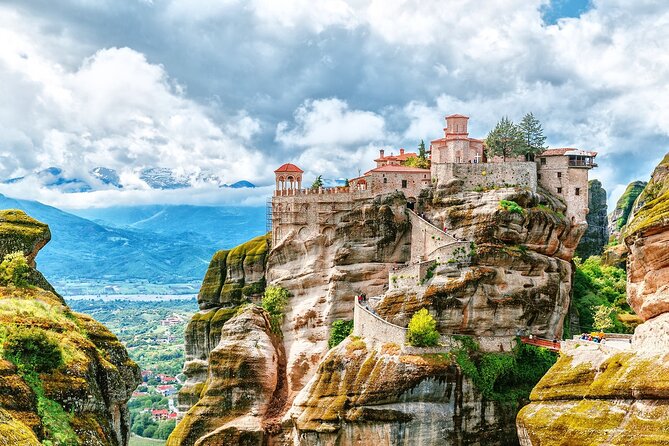
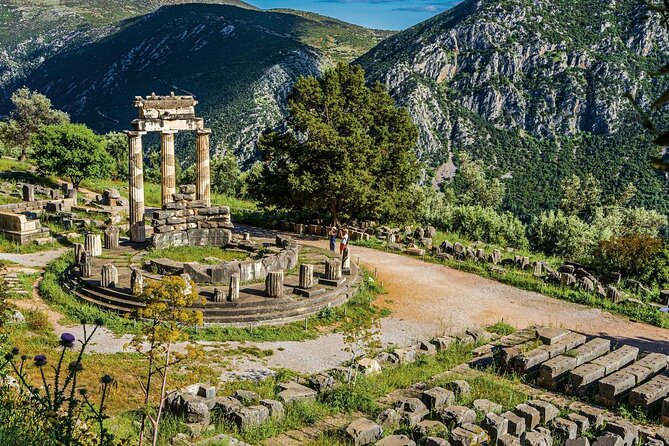
Your tour begins in Athens, but the first real payoff comes quickly. You’ll be picked up from your hotel and driven to Delphi, the UNESCO site tied to the ancient Greek world. Delphi isn’t just ruins laid out in rows—it feels like a place people still talked about for centuries. Expect big-name stops like the Temple of Apollo, the Treasury of the Athenians, and the Theatre and Stadium. The museum details matter too: the tour highlights famous sculpture work such as the Charioteer (dated to 475 B.C), which helps you see the site as more than “pretty stones.”
Then the route moves on to Meteora, another UNESCO heavyweight—monasteries built on top of dramatic rock formations. This day is timed for the kind of sunset that makes photographers act dramatic (in a good way). Meteora is one of those places where the view does half the explaining. If you’ve ever wondered how monks could choose such an inconvenient home, you’ll get why once you look at the scale of the rocks and the sky.
Small practical tip: plan on a “layers” approach. Even when the day is warm, rock-top places and sunset can feel cooler, fast.
You can also read our reviews of more private tours in Athens

Ioannina’s castle streets, then Albania’s Stone City magic in Gjirokastër
After Greece, the tour pivots into the Byzantine-and-Ottoman flavor you’ll keep seeing across the region. In Ioannina, you get the old town atmosphere with cobbled streets and visible traces of earlier eras in the architecture. The standout is Ioannina Castle, where you’ll wander through a maze of narrow lanes inside the fortress walls. This is the kind of stop that rewards slow strolling, especially if you enjoy small cafés and people-watching.
From there, you head to Gjirokastër—often called the Stone City. This is UNESCO status territory, built in a way that makes every hilltop house feel fortress-like. The tour frames it around the castle as the anchor, plus the preserved medieval feel of the town. You also get the Gjirokastër Bazaar area, where handmade crafts line the streets and the town’s cascade down the hills helps the whole place feel theatrical.
Skenduli House is another useful stop here because it gives you the “how people lived” angle. When a town is made of stone and slopes, a well-preserved home helps you understand why the architecture developed the way it did—practical, defensive, and built for the climate.
Value angle: you’re not just paying for a bus ride. The day is structured so the story changes from empire layers (Ioannina) to fortified living (Gjirokastër).
Berat’s 1001 windows: mosques, churches, and the Onufri color story
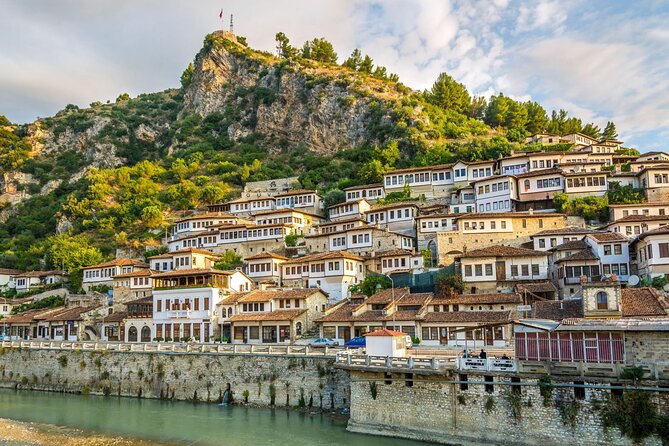
Berat has a simple nickname—Town of 1001 windows—and it’s earned. You’ll walk through narrow stone streets where the houses stack on steep hillsides, giving you that layered-window view. Berat is also a place where you can still picture earlier eras. The tour notes Illyrian settlement roots and later transformation into a castle city, plus the fact that residents still live inside the historic castle walls.
The visit includes Berat Castle and several cultural stops that go beyond the postcard view. The Berat Castle area gives you fortification and museum time; then you’ll add church and mosque sites, plus the sense of what’s been preserved from different periods, including communist-era remnants.
The Onufri Museum stop (National Iconographic Museum Onufri) adds a neat specific touch: Onufri is tied to the reddish tones used in church painting across the Balkans. If you like art history, this is one of those moments where you stop thinking of icons as generic religious images and start seeing technique.
Practical note: Berat’s streets are steep. That means the “included walking” days are easier if you wear shoes with decent grip.
From lake oases to Ohrid: St. Naum’s spring water and the church-city feel
North Macedonia enters with a nature pause. Driloni National Park gives you a calm reset: springs feed into a small lake, with greenery and willow trees making it easy to slow down. Then comes Tushemisht, described as a hidden kind of stop that balances scenery with hospitality (short, but with a genuine travel vibe instead of a check-the-box feel).
Next is St. Naum, right at the source of the River Crni Drim, linked to Lake Ohrid. This spot is inside a protected national park area, and the tour emphasizes the clarity of the spring water and the reflected views of greenery and peaks. It’s a strong contrast to the fortress towns earlier in the trip.
Then you arrive in Ohrid itself. Ohrid and Ohrid Lake are UNESCO-listed, and the tour frames Ohrid as one of the oldest settlement areas in Europe. The time in the city focuses on viewpoints and major religious sites—Church of St. John, Church of St. Nicolas, and Halveti Hayati Tekke (a mosque). Ohrid’s reputation as a city with many churches is built into the tour’s explanation: 365 Orthodox churches, tied to the idea of one per day.
One consideration: Ohrid is visually impressive, but the day can feel like “more places, less sitting.” If you like long museum sessions, use your free time wisely for the calm corners rather than trying to hit everything at once.
Tirana with locals: byrek breakfast, bazaar bargaining energy, and Bunk’Art 2
In Tirana, the tour shifts from stone towns to modern street life and food culture. You’ll meet with a local companion, and that matters because the tour leans into everyday neighborhoods instead of only big-ticket sights.
The morning starts with Byrek at a small local stop—simple, but exactly the kind of meal that makes a city feel lived-in. Then the itinerary moves through Çam bazaar, tied to the Çam community with roots in the area around Çameria. After that, you’ll explore markets, alleyways, and street life with chances to try desserts and coffee culture with locals. The tour includes a coffee tasting focused on Albanian coffee, which is a small detail but a good one. It gives you a taste of daily rhythm, not just sightseeing.
Then comes New Bazaar and the lunch-feeling part of the tour: Qofte (meatballs) with bread for non-vegetarians, and a vegetarian-friendly alternative with baked bread and Gjize (cottage cheese). There’s also Albanian Raki tasting included—so yes, you’ll learn how people talk about it, not just sample it.
Bunk’Art 2 is the history anchor. It’s a former nuclear bunker connected to Enver Hoxha’s regime and was converted into a museum. The tour highlights the story through video and exhibits about life and the communist army’s daily reality. This stop helps you understand how Albania’s modern identity was shaped.
Humor-to-know: this day can feel like a buffet of experiences. Pace yourself; you’ll want energy left for the later coast days.
- All Day Cruise -3 Islands to Agistri,Moni, Aegina with lunch and drinks included
★ 5.0 · 4,958 reviews
Kruja and Kosovo’s Prizren: fortresses, old bazaars, and Ottoman-era stonework
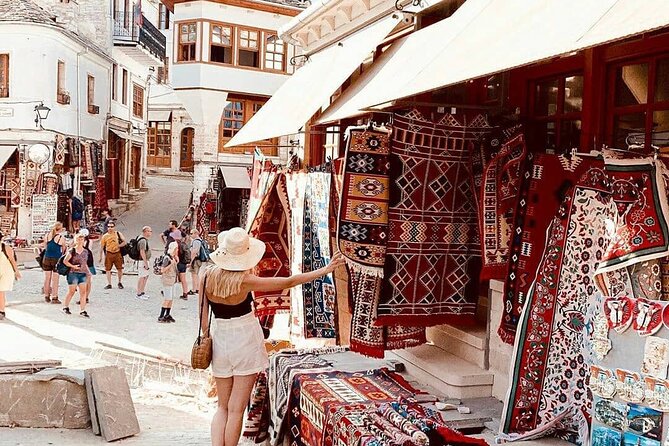
Kruja is the next Albanian chapter and it connects to resistance against Ottoman expansion in the 15th century. You’ll visit the Kruja area first, then the Medieval Old Bazaar, described as one of the biggest and oldest in the Balkans. This is a strong place for souvenirs that don’t feel mass-made—carpets, jewelry, and handmade items show up in the market streets.
Kruja Castle is the military-and-strategic side of the story. The tour notes hidden paths locals used to move out quietly during enemy periods, which gives the fortifications a more human meaning.
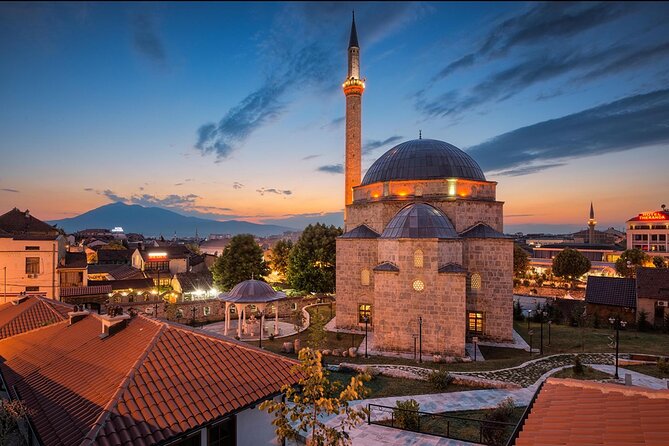
After Kruja, the tour crosses into Kosovo and heads to Prizren, called a cultural capital of the region. Prizren’s identity in this tour is about tolerance, layered history, and the old town’s bridges and river-running-through-it feeling. It also notes the Sinan Pasha Mosque with its arabesque patterns, plus Kalaja Fortress for panoramic views.
In Kosovo, the tour also includes a second day of exploration around Gjakova, Decan, and Rahovec. Gjakova’s bazaar story focuses on survival and rebuilding after wars, then returns to the point that it’s a place to shop and eat while browsing craft shops. Decan Monastery is UNESCO-listed, known for frescoes and still-active monastic life with organic food production. Rahovec then adds the vineyard angle—grapes cultivated since Illyrian times and fine wine production, with a wine festival noted for September.
If you love food culture: this stretch gives you both religious heritage and what people do with the land.
Shkodër’s Rozafa Castle and a slow-food farm lunch stop
This part of the trip slows down just enough to feel fair. You’ll drive to Shkodër, tied to its lake name and long habitation history. The tour includes Rozafa Castle for the scenery where the lake and three rivers meet before heading toward the Adriatic. It also flags Venetian influence in architecture, and even mentions a February carnival possibility and handmade Venetian masks made locally.
Then you get a special stop in the countryside: Mrizi i Zanave, a slow-food agro-tourism farm. The tour includes a farm tour, a story about how it created jobs in the area, and how it preserves regional bio products. You’ll also get free time for a traditional lunch or the option to buy fresh produce from the farm.
This combination works well because it gives you contrast: a big-historic fortification viewpoint, then a grounded food-and-farm experience where the story is practical.
Practical takeaway: if you tend to skip lunch on busy days, this is one of the best meals on the trip to plan for. It’s included, and it’s built around local production instead of a standard tour restaurant.
Montenegro coast to Kotor: Sveti Stefan photo stop and the old town maze
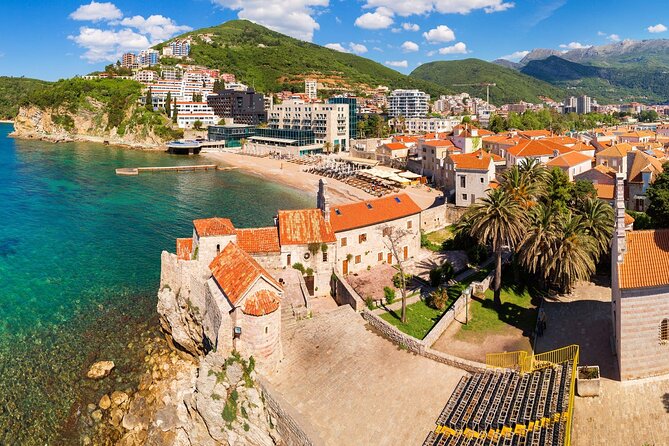
Montenegro’s coast days start with a viewpoint near Sveti Stefan. The tour notes Sveti Stefan as historically a fishing town on a small island and explains that the island has become an exclusive resort, so you can’t visit it as you might a public island. Still, the view is described as picture-worthy just from the shore and viewpoint area.
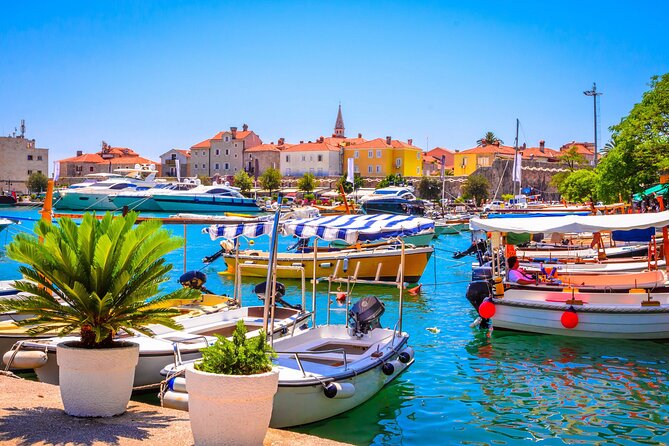
Then you go to Budva, split between Old and New sections. The tour takes you into Old Budva’s historical center—churches like St. Ivan and St. Mary, plus the medieval feel of the old town streets.
From Budva you head to Kotor, UNESCO-listed, where the tour emphasizes the old town as a maze of cobblestone lanes designed to confuse intruders. You’ll walk through the old streets and visit Saint Luke’s Church, which the tour ties to local unity and identity.
One small caution: cobblestones add up. If you’re not used to uneven streets, bring shoes that won’t murder your feet by day 12.
Mostar and Blagaj: Stari Most, bazaars, and Buna River spring scenery
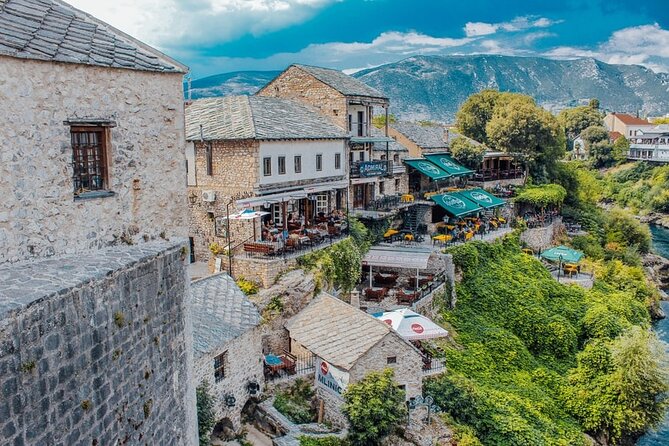
Crossing into Bosnia and Herzegovina, the tour goes straight to Mostar. You’ll visit the Old Bridge (Stari Most), UNESCO-listed and built in a typical Islamic architectural style in the 16th century. From there you wander the Old Bazaar, with lively alleyways and a sense of old-meets-new that you notice as you walk.
The tour also points out memorial details like stones with Don’t Forget around the town, which keeps the experience from becoming only aesthetic.
Then you head to Blagaj tekija, a monastery complex outside Mostar on the foot of a cliff, with blue water in front. The tour connects it to the Ottoman medieval town feel and notes the spring of the river Buna. If you like places where water shapes the entire mood of the site, you’ll likely remember Blagaj long after Kotor’s cobblestones.
Value angle: Mostar and Blagaj together give you both a famous icon and the quieter natural setting that makes the region feel more than its headline attraction.
Sarajevo layers: Ottoman and Austria-Hungarian sides plus Latin Bridge
The final full city day is Sarajevo, and it’s handled with an emphasis on layers. You’ll drive from Mostar, then walk on uneven terrain during the tour. The itinerary includes visible reminders of the Yugoslav War like bullet holes and cannon marks.
The tour covers Sarajevo’s Ottoman and Austria-Hungarian parts, including bazaars, markets, mosques, churches, and synagogues. It frames Sarajevo as a place with multiple religious communities side-by-side—described as the European Jerusalem.
You’ll also visit Latin Bridge and learn how WWI was triggered there in Sarajevo’s heart. The tour explains the bridge’s naming because it connected the Catholic quarter on one side (Latinluk) to the other side. Then you’ll get time to eat in the Old Town and try local meat dishes and desserts.
If you only do one thing with your free time: slow down and eat. Sarajevo’s food is one of the easiest ways to end the trip with something memorable and practical.
The final day: airport transfer in Sarajevo or the option to continue in Belgrade
On the last day, you’ll have breakfast and then be transferred either to Sarajevo Airport or, by preference, to Belgrade. The tour notes that a Sarajevo airport drop-off free of charge is only possible on day 14. If you prefer Belgrade, you’re transferred there instead.
This is a handy wrap-up because it prevents that last-day scramble to find your own ride after two weeks of driving. It also lets you choose your next step—fly out quickly from Sarajevo, or keep going by shifting to Serbia.
Price and logistics: does $5,142.79 actually feel worth it?
At $5,142.79 per person for about 14 days, this isn’t a bargain tour. So the real question is what you’re buying.
You’re paying for:
- 13 breakfasts plus 3-star hotel stays (the package is based on double/twin/triple/quad occupancy)
- Private transportation across a lot of borders
- A professional guide for the walking and site context
- Entry tickets for the sites you’ll visit, plus tourist taxes and road costs (including petrol and international car insurance)
If you translate it into a rough daily cost, you’re looking at around $365 per day on average—before you add lunch and dinner, which are not included.
Where the value really shows up is that you’re not just hopping between countries. You’re getting context: religious architecture differences, fortress town design, communist-era memory, and the modern food culture that ties it together. Also, the group limit of up to 10 makes it easier to ask questions without feeling lost in a crowd.
The tradeoff is pace and meal budgeting. You’ll still need to plan lunch and dinner on your own for most days.
Who this tour suits (and who should think twice)
This tour suits you if:
- You want a structured route through the Balkans and hate travel planning stress
- You like history but also want real city life moments—markets, bazaar streets, and food stops
- You can handle long drives and uneven walking terrain
- You want a semi-private feel with up to 10 travelers
You might think twice if:
- You want lots of slow time for reading, museums, or beach days
- You’re very budget-sensitive since lunches and dinners aren’t included
- You dislike itineraries that stack major sights back-to-back
A small note from past experiences: the tour team has been praised for guide support and friendliness, including named guides such as Ervin, Julian, and Eri Veseli. And the office communication support has been noted as easy to work with, which matters when you want your trip to run smoothly.
Should you book this semi-private Balkans tour?
If you want a confident first trip into the West Balkans—Greece through Albania, Kosovo, Montenegro, Bosnia, and Serbia—this one is built for you. You’ll see top UNESCO hits like Delphi, Meteora, Ohrid, and Mostar, but you’ll also get the side streets: castles with stories, bazaars where craft is still the point, and food culture that makes the region feel human.
Book it if you can handle a fast pace and you’re fine managing your own lunches and dinners. Skip it if you want a slow, self-paced vacation where every day has breathing room.
Either way, plan your shoes, keep a little budget ready for meals, and treat the driving days as part of the education—not just transit.
FAQ
How long is the tour?
It runs for about 14 days, starting at 9:00 am.
Where does the tour start?
The tour starts in Athens, with hotel pickup offered.
Which countries are included?
The route covers Greece, North Macedonia, Kosovo, Albania, Montenegro, Bosnia and Herzegovina, and Serbia.
What’s included in the price?
Breakfast at the hotel for 13 days, 3-star hotel accommodations, private transportation, a professional tour guide, tourist and road taxes, petrol, and international car insurance. Entry tickets for sites that are visited are included as well.
Are lunch and dinner included?
No. Lunches, dinners, drinks, and snacks are not included.
What end-of-trip airport or city transfer options are available?
On the last day, you’ll be transferred to Sarajevo Airport or to Belgrade based on your preference. Sarajevo airport drop-off free of charge is only possible on day 14.
How large is the group?
The maximum group size is 10 travelers.
What should I know about cancellation and room setup?
The experience is non-refundable and cannot be changed for any reason. Pricing is calculated based on staying in 3-star hotels with double/twin/triple/quad room occupancy.


More Private Tours in Athens


More Tours in Athens


More Tour Reviews in Athens
- All Day Cruise -3 Islands to Agistri,Moni, Aegina with lunch and drinks included
★ 5.0 · 4,958 reviews