REVIEW · ATHENS
Private Luxury Tour: Mystic Pilgrimage – Kerameikos to Eleusis
Book on Viator →Operated by Pericles Century · Bookable on Viator
One road. Two sacred cities. And zero hurry. This private luxury trip traces the Sacred Way pilgrimage route from Kerameikos to Eleusis while your English-speaking driver-guide turns monuments, myths, and ruins into a clear story. I love that you get pickup + air-conditioned comfort so the day feels easy, and I love how the stops connect like chapters instead of random sightseeing. One drawback to plan for: site entrance tickets and official on-site licensed guiding are not included, so you’ll want to budget time and money at a few stops.
In many editions, the star is the storytelling—drivers like Pericles and Dimitris have a gift for making the Eleusinian Mysteries feel human, not textbook dry. You’ll also get practical extras on the ride: WiFi on board and bottled water, which is nice when Athens weather is doing its thing. If you want the inside of every museum explained by a licensed archaeologist, this format may not satisfy that itch.
In This Review
- Key things to know before you go
- A private ride that turns the Sacred Way into a story
- Kerameikos: city walls, potters’ quarter, and the Sacred Way’s start
- Dipylon Gate and the Pompeion: where processions gathered
- Kerameikos Museum: artifacts that make the cemetery human
- The Sacred Way in fragments: where modern Athens covers ancient ritual
- Daphni Monastery: UNESCO mosaics plus a spiritual reset
- Skaramagkas and the Sanctuary of Aphrodite: brief outside views
- Eleusis approach: the ancient bridge and the feel of arrival
- Eleusis archaeological site: Propylaea, wells, the Ploutonion, and the Telesterion
- Archaeological Museum of Elefsina: artifacts tied to Demeter and Persephone
- A traditional taverna in Eleusis: the practical ending that feels right
- Price and logistics: where the $129 value really shows
- Who this tour suits best (and who should skip)
- Should you book Mystic Pilgrimage: Kerameikos to Eleusis?
- FAQ
- How long is the private tour?
- Where does pickup and drop-off happen?
- Is lunch included?
- Are entrance fees included for archaeological sites and museums?
- Is there a licensed guide inside the sites?
- What vehicle do we ride in?
- Does the tour include bottled water and air conditioning?
- Is it really private?
- What if the weather is bad?
- What is the cancellation window for a full refund?
Key things to know before you go
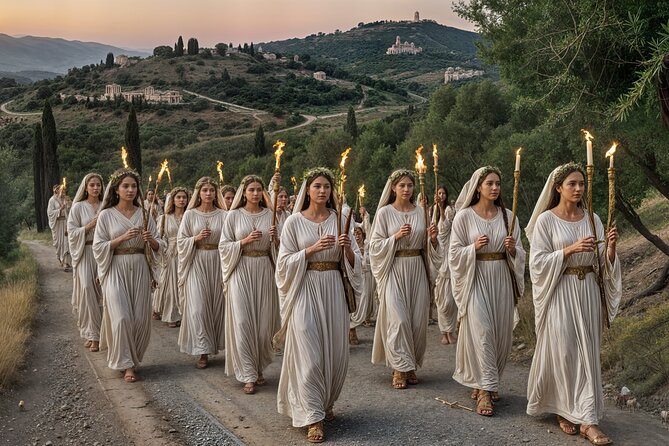
- Private door-to-door pickup from your hotel or the Athens port, with drop-off after the loop.
- Driver-guides handle the history in English, but you’re not paying for an official licensed guide inside the archaeological sites.
- A mix of paid and free stops: some sections are free (like parts of the Sacred Way fragments), while others charge entry.
- Time is short at many sites (often 10 minutes), so this works best if you like “see it, learn the meaning, move on.”
- Daphni Monastery is a standout: UNESCO site and famous for its mosaics, including Christ Pantocrator in the dome.
- Eleusis ends with a taverna lunch stop where the meal is on you (but the setting is part of the payoff).
A private ride that turns the Sacred Way into a story
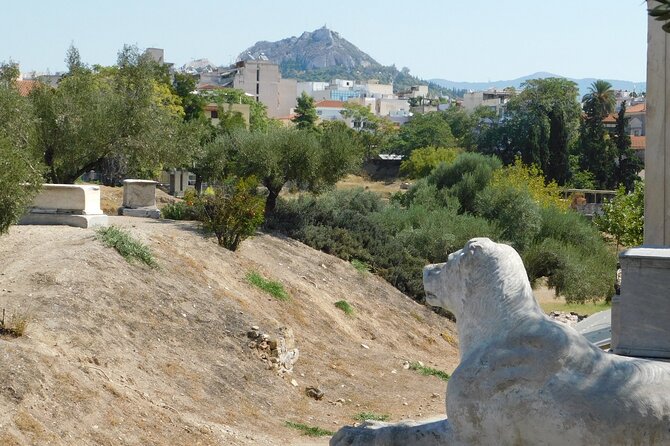
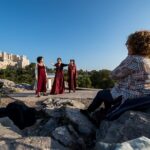
This tour is built for pace and context. Instead of you trying to map the route yourself, you’re driving the same corridor pilgrims once used—Kerameikos to Eleusis—while your driver keeps the thread moving from one monument to the next. It’s not a “wandering all day” itinerary. It’s a “hit the best anchors, then understand why they mattered” itinerary.
The luxury part is practical: AC, bottled water, and WiFi mean you arrive ready to look closely, not frazzled. And since it’s private, you’re not dealing with the stop-start chaos that comes with large bus groups.
The format also explains why some stops feel quick. Many of the key sites are spread out, and the day includes driving time. If you want to linger for an hour inside a museum, you’ll be happier adding extra time on a separate visit.
You can also read our reviews of more private tours in Athens

Kerameikos: city walls, potters’ quarter, and the Sacred Way’s start
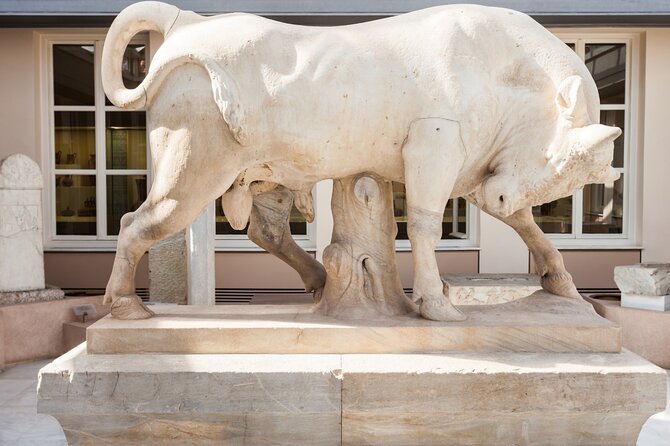
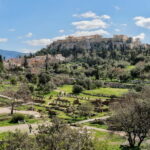
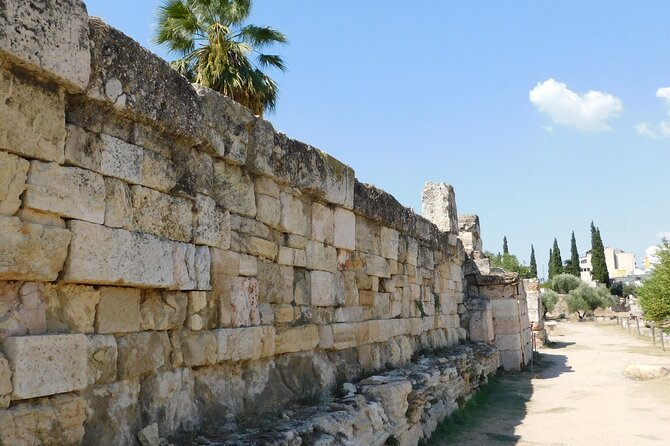
Your day begins at the Archaeological Site of Kerameikos, a place that quietly does a lot. In ancient Athens it was tied to burials, city defenses, and the potters’ quarter—so even before you reach Eleusis, you’re already in the spiritual backstory. You’ll walk among remains of the city walls and funerary monuments, then follow the Sacred Way route in the area where the Panathenaic procession once passed.
This is also where Kerameikos Museum helps your brain. The on-site museum holds artifacts like pottery and funerary objects, which makes the cemetery feel less abstract and more lived-in. Even if you only spend about half an hour total at the museum, it’s the kind of stop that turns random stone ruins into something you can picture.
Tip for comfort: wear shoes that handle uneven paths. Kerameikos is not a smooth promenade, and you’ll want to move confidently without rushing.
Dipylon Gate and the Pompeion: where processions gathered
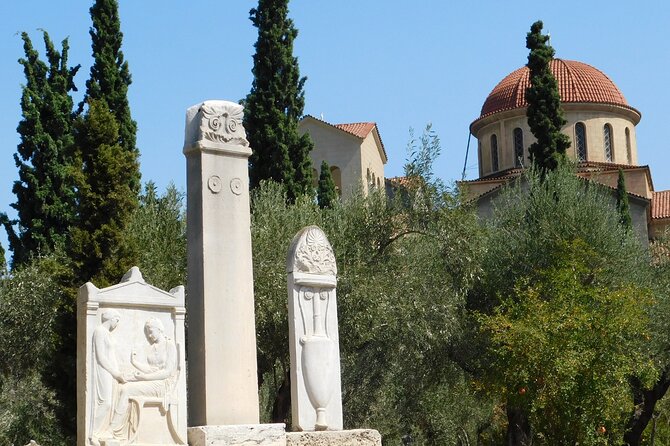
Next comes the Dipylon Gate area, the largest and most important gateway of ancient Athens. It’s the big “arrival point” in your mental map—merchants, travelers, and sacred processions passed through here. Even with only remnants visible, your driver-guide can help you reconstruct the momentum of that scene.
Right after, you visit the Pompeion, another Kerameikos-linked stop tied to the Panathenaic preparations. The point of visiting these back-to-back is simple: they show you the “before” of a major festival. You’re seeing the staging ground, not just the ceremonial endpoint.
This section is short—about 10 minutes for each site—but it’s efficient. If you’re the kind of traveler who likes quick highlights with a story attached, you’ll probably love this flow.
Kerameikos Museum: artifacts that make the cemetery human
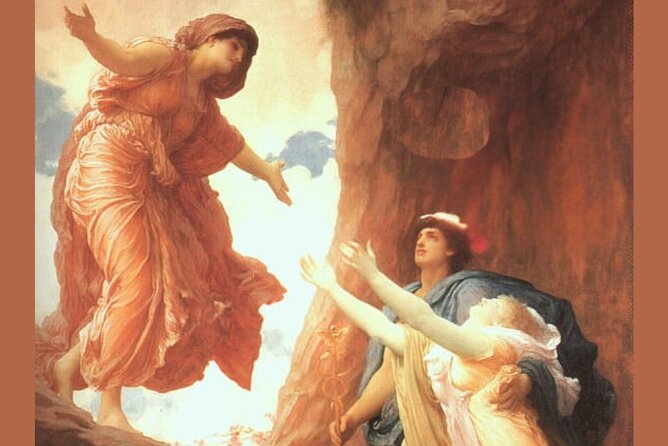
If you like detail, the Kerameikos Museum is your best “pause” moment in the morning. The collection includes pottery, funerary stelae, and grave goods—things that connect Athens’ daily life to its beliefs about death and ritual. This is where the symbolism stops being a concept and becomes an object you can look at.
One realistic note: entry tickets are not included. Your tour covers transportation and the driver-guide’s explanations, but you’ll likely need to pay for admission where required.
If you’re trying to keep your day smooth, plan your budget for a few paid entrances. It keeps you from feeling surprised later.
The Sacred Way in fragments: where modern Athens covers ancient ritual
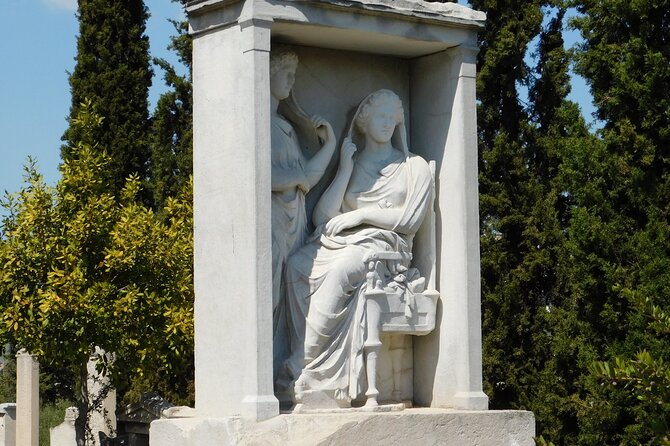
After leaving Kerameikos, the tour turns toward the parts of the ancient route that are still visible in the modern city. Two related stops focus on the Iera Odos (Sacred Way) remains.
One is a discovered fragment near the Kifisos River crossing point, with surviving stone piers that suggest multiple arches. You’re not looking at the whole bridge, but what’s here tells a clear story about travel, logistics, and pilgrimage. It’s also a fascinating reminder that archaeology sometimes shows up because cities build over the past.
Then you walk along remnants of the Ancient Sacred Way (Iera Odos) in the Aigaleo area. This segment matters because it’s the pilgrimage road to Eleusis tied to the Eleusinian Mysteries. You’re walking a line that once carried sacred objects and thousands of pilgrims.
These walk-through moments are typically short and often free. Still, they’re the places where the tour name actually makes sense: you feel like you’re stepping into the route itself, not just standing beside a museum label.
You can also read our reviews of more tours and experiences in Athens



Daphni Monastery: UNESCO mosaics plus a spiritual reset
One of the best stops on the whole circuit is the Monastery of Daphni, a UNESCO World Heritage Site built in the 11th century. It’s famous for its Byzantine art and especially its mosaics, including Christ Pantocrator in the dome. It’s also a quieter change of pace from the more direct archaeological scanning.
Why this works within a “myth and history” tour: pilgrimage isn’t just ancient marble. It’s also how later eras kept the sacred corridor alive through religion, art, and architecture.
This is also one of the free stops, which helps the budget. Even if you only have about half an hour, prioritize looking up at the dome and taking in the mosaic scenes. Your driver-guide can point out what to watch for so you’re not just photographing walls.
Skaramagkas and the Sanctuary of Aphrodite: brief outside views
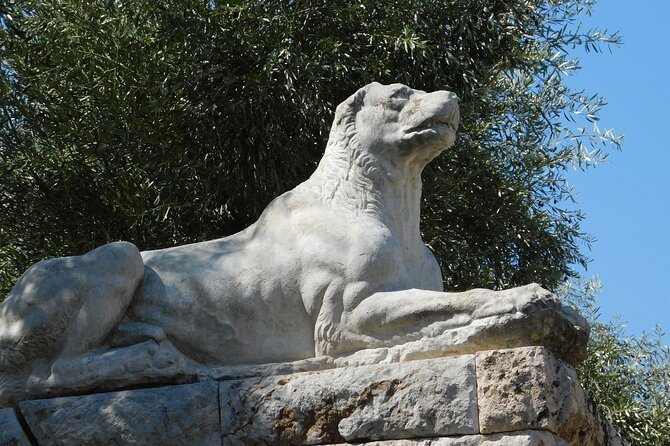
The Sanctuary of Aphrodite in Skaramagkas is another stop along the Sacred Way corridor. Today, you mostly see remnants, but the site connects the route to worship connected with love and beauty. It’s the kind of stop that adds variety so the day doesn’t feel like a single-track march.
There’s a practical access detail: entry to the inside of the sanctuary is open to the public on weekends, while on weekdays you generally see it from the outside during a brief stop. That means your expectations should match the day you travel.
This is a good spot for photos and a quick myth note. If you want to spend big time here, this tour probably isn’t your best match.
Eleusis approach: the ancient bridge and the feel of arrival
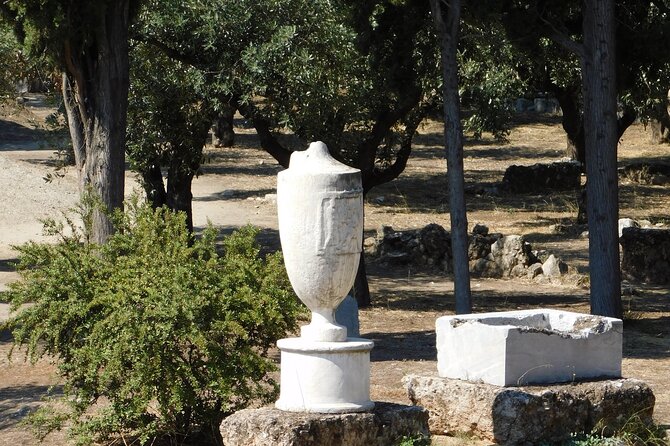
As you move toward Eleusis, you get a Roman engineering stop: a well-preserved bridge near the Sanctuary area. It’s built from Piraeus limestone and dates to Hadrian’s reign (125 AD). The bridge measures about 50 meters long and 5.30 meters wide, with four arches in the central section and additional inclined approaches.
Even though it’s “just a bridge,” it’s an anchor for understanding the pilgrimage route’s real-world needs. Eleusis wasn’t only sacred. It was also accessed through roads, crossings, and infrastructure that had to last.
This stop is free. Quick, yes. But it’s the kind of detail that makes the story feel grounded.
Eleusis archaeological site: Propylaea, wells, the Ploutonion, and the Telesterion
Eleusis is where the day turns from “cool stops” into “why this mattered.” You’ll explore the Archaeological Site of Eleusis, centered on the religious world of Demeter and Persephone and the Eleusinian Mysteries.
One highlight is the Great Propylaea, the monumental entrance to the sanctuary. Built in the 2nd century CE under Marcus Aurelius, it resembles the Propylaea of the Acropolis and uses Doric columns. Even in ruins, it signals a shift—people stepping from everyday life toward something divine.
Then come the smaller myth points that make the site feel like a living story:
- Kallichoron Well: tied to Demeter’s search and named for the women’s dancing tradition meant to comfort her. The name translates to well of the beautiful dances.
- The Ploutonion: a cave associated with Hades and described as a mythical entrance to the Underworld, connected with the descent of Persephone.
The biggest “wow” structural moment is the Telesterion, the grand hall at the heart of the Mysteries. It hosted initiation ceremonies and sits within the sanctuary precinct. Your time here is short—often about 10 minutes—but the meaning your driver explains is the point: you’re learning how these spaces worked for ritual.
Important budgeting note: many of these archaeological site and museum stops have admission tickets that are not included in the tour price. Some pieces are free, but the main Eleusis archaeological experience usually costs.
Archaeological Museum of Elefsina: artifacts tied to Demeter and Persephone
After ruins, the museum helps you process what you saw. The Archaeological Museum of Elefsina is set within the ancient site area and focuses on artifacts connected to Demeter and Persephone rituals. You’ll see things like statues, sacred offerings, and reliefs tied to the Mysteries.
If you’re the type who likes objects after reading about them, this is a great match. The museum stop is typically longer than most individual ruin stops—around 30 minutes—so it gives you a chance to absorb.
Again: admission is not included. If you’re trying to keep your budget controlled, check in advance so you don’t get hit by multiple tickets in one day.
A traditional taverna in Eleusis: the practical ending that feels right
At the end of the tour, you’ll stop for lunch in a traditional taverna in Eleusis. The meal itself is not included, but the tour includes the time block for it, typically around 45 minutes.
This is also when the day’s theme clicks. You’re walking sacred spaces, then sitting in a normal Greek meal rhythm. Eat what looks good, and don’t try to “save room” for later. After several hours of walking-and-looking, you’ll want the comfort food.
Price and logistics: where the $129 value really shows
At $129, you’re paying for the private ride, the AC comfort, and a driver-guide to keep the narrative straight. That’s a real value if you’re comparing against the time and hassle of DIY transit plus the mental effort of connecting the dots.
Where you should budget extra is exactly where the frustration showed up in one complaint: entry fees and the lack of a licensed guide inside the sites. In other words, you’re not buying full, museum-style guiding at every doorway. You’re buying transportation and storytelling from your driver-guide along the route.
Still, the format can feel excellent if you’re realistic about what a driver-guide can cover. When the guide is strong—many guests highlight Pericles specifically—the day can feel like myth and history come alive without you needing extra layers.
One more practical detail: group size affects the vehicle. For 1–4 people you ride in a luxurious sedan; for 5–7 people it’s a comfortable mini van. Either way, you get onboard WiFi and bottled water.
Also, the tour uses a mobile ticket and offers convenient pick-up and drop-off from your hotel or the port. That reduces the “how do I even start this day” stress.
Who this tour suits best (and who should skip)
I’d book this if you want a guided, story-driven route that links Kerameikos to Eleusis without crowd pressure. It’s a great fit for couples, small families, and history lovers who like mythology and appreciate efficient time.
You might skip it if you’re expecting an official licensed guide inside every paid site and museum. You’ll get a lot of interpretation from the driver-guide, but you won’t be paying for an inside expert for every stop.
It’s also a smart choice for anyone who values comfort. The AC, water, and private pacing matter on a long day.
This tour has strong satisfaction too, with a 4.9 rating and 95% recommended. That’s not magic, but it’s a hint that the format works for most people.
Should you book Mystic Pilgrimage: Kerameikos to Eleusis?
If your goal is to follow the Sacred Way route with context, comfort, and a driver-guide who can connect the mythology to the stones, I think this is a solid pick. Just treat entrance fees as part of the plan, not a surprise. Wear good shoes, bring sunscreen, and expect the day to be active even if it feels easy.
If you want ultra-deep museum guiding inside every ticketed site, you’ll likely feel like something is missing. In that case, you could pair this with a separate site visit later when you have extra time.
FAQ
How long is the private tour?
The tour runs about 5 to 6 hours, including driving time between locations.
Where does pickup and drop-off happen?
Pickup and drop-off are offered from your hotel or from the Athens port.
Is lunch included?
Lunch in Eleusis is not included in price. The tour schedules a taverna meal stop, and you pay for your own food.
Are entrance fees included for archaeological sites and museums?
No. Entry fees are extra and not included in the tour price.
Is there a licensed guide inside the sites?
No. The tour does not include a licensed guide to accompany you into archaeological sites. Your driver-guide provides the explanations.
What vehicle do we ride in?
For groups of 1–4, you’re transported in a luxurious sedan. For groups of 5–7, you ride in a comfortable mini van.
Does the tour include bottled water and air conditioning?
Yes. You get an air-conditioned vehicle, bottled water, and onboard WiFi.
Is it really private?
Yes. It’s a private tour/activity, and only your group participates.
What if the weather is bad?
The experience requires good weather. If it’s canceled due to poor weather, you’ll be offered a different date or a full refund.
What is the cancellation window for a full refund?
Free cancellation is available up to 24 hours in advance of the start time for a full refund.
More Private Tours in Athens


More Tours in Athens



More Tour Reviews in Athens
- All Day Cruise -3 Islands to Agistri,Moni, Aegina with lunch and drinks included
★ 5.0 · 4,958 reviews