REVIEW · ATHENS
Athens: Acropolis Visit and City Night Tour
Book on GetYourGuide →Operated by Secrets of Greece IKE · Bookable on GetYourGuide
You get two different Athens in one ticket: ancient stone, then glowing streets. This 5-hour combo pairs an afternoon Acropolis guided walk (started from the southeast side to avoid the busiest entrance) with a night circuit built for city views and big-photo moments. I especially liked the way the guide connects myths to the ruins, and I liked the practical pace that gives you time to linger after. The main thing to plan around is that Acropolis site tickets are not included, and you must match the right time slot.
Boring museum tours don’t do much for me. This one keeps changing scenes—Parthenon, theaters, then neoclassical Athens lit up at night—so your brain stays switched on. If you dislike walking on uneven stone paths, you’ll want to think carefully before booking.
In This Review
- Key points to know before you go
- An Afternoon Acropolis Primer, Then Athens at Night
- Acropolis: Parthenon Views from the Southeast Start
- Temples and Theaters You’ll Pass (and why they mattered)
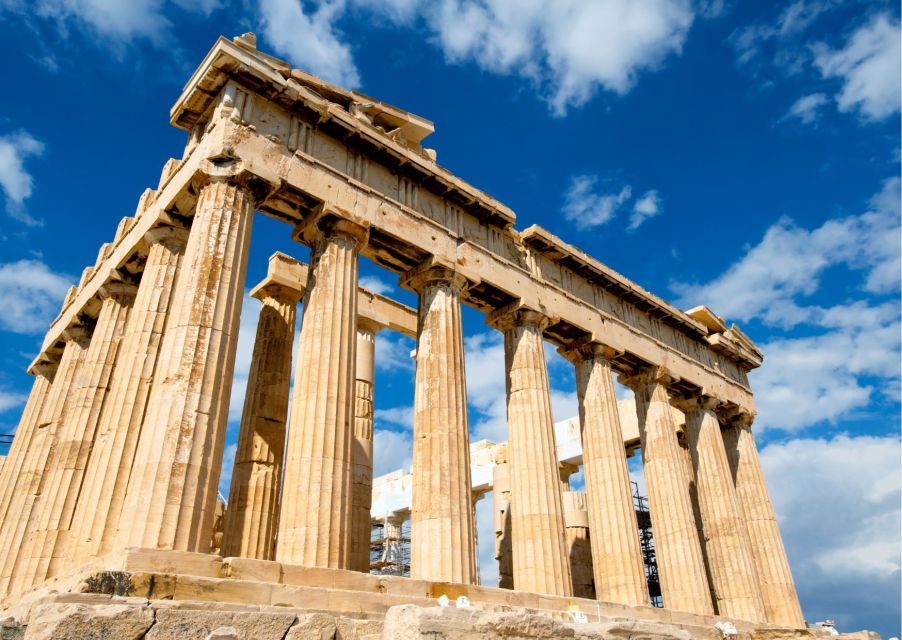
- Parthenon and Propylaea
- Theatre of Dionysus
- Erechtheion and the myths behind it
- Odeon of Herodes Atticus
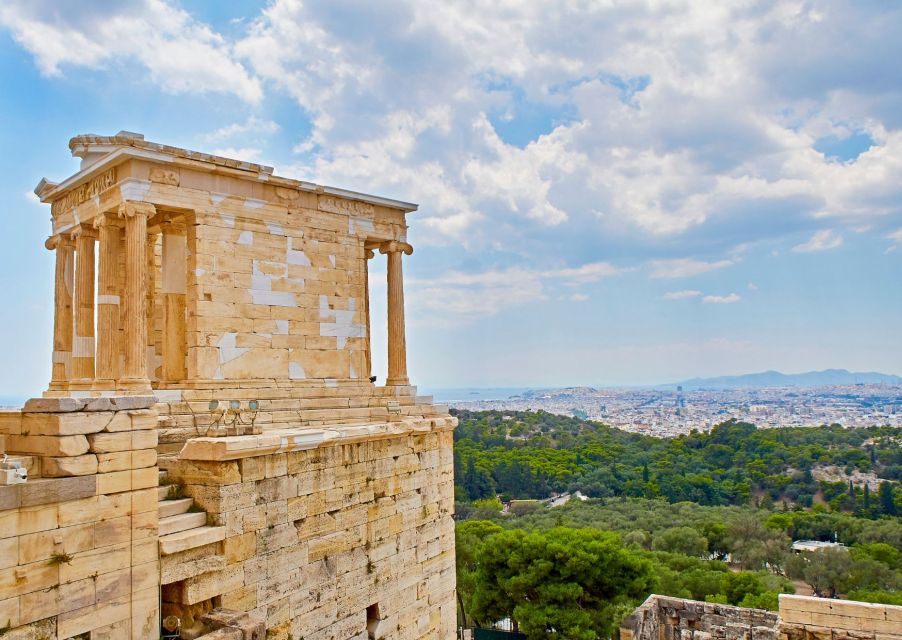
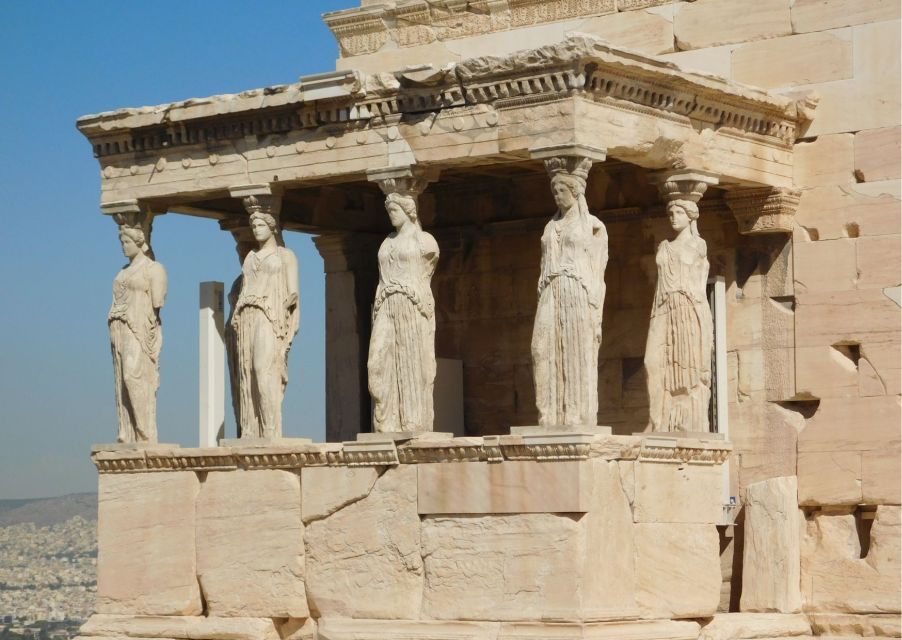
- Caryatids and Temple of Athena Nike
- Free Time on the Hill: How to Use It
- Night Athens Route: National Library to the Greek Agora
- National Library, University, and Academy of Athens
- Syntagma Square and the Presidential Guard
- National Gardens area and Zappeion
- Panathinaiko Stadium: Modern Olympics with ancient DNA
- Hadrian’s Arch and the Temple of Zeus
- Metropolitan Cathedral and Little Mitropolis
- Monastiraki Square and the Greek Agora views
- Price and Tickets: Where the Value Really Comes From
- Logistics That Actually Affect Your Day
- Who This Tour Fits Best (and who should pick another plan)
- Should You Book This Tour?
- FAQ
- What is the duration of the Athens Acropolis and Night City Tour?
- How much does it cost per person?
- Is the Acropolis entrance ticket included?
- What language is the guide?
- Where do I meet for the afternoon and evening parts?
- What are the Acropolis ticket time-slot requirements?
- What footwear and items are not allowed?
- Is the tour suitable for wheelchair users?
Key points to know before you go
- Southeast-side start at the Acropolis to reduce time in the main-entry bottleneck
- Legend-and-ruins commentary that turns temples into stories you can remember
- A night route from National Library to Monastiraki covering major sights in one flow
- Time to explore the Acropolis after the guided portion at your own pace
- Spanish-language guiding plus an official, licensed guide for the full experience
An Afternoon Acropolis Primer, Then Athens at Night
This is a smart Athens plan if you want the big hits without spending your whole day in logistics. You start on the Acropolis in the afternoon, when the light is still good and the site is often less crowded than peak hours. Later, you shift gears into night mode, cruising past Athens’ landmarks so you can see how the city looks after dark.
What makes the combo work is timing and contrast. In the afternoon, you’ll be focused on classical Greece—Athena’s sanctuary, the gateways, the theaters, the carved details. At night, the city changes tone: neoclassical facades, central squares, and viewpoints where the Acropolis becomes the backdrop to modern Athens.
The only real drawback is the ticket situation. You have to arrange Acropolis archaeological site tickets in advance, and the tour time needs the correct time slot.
You can also read our reviews of more city tours in Athens


Acropolis: Parthenon Views from the Southeast Start
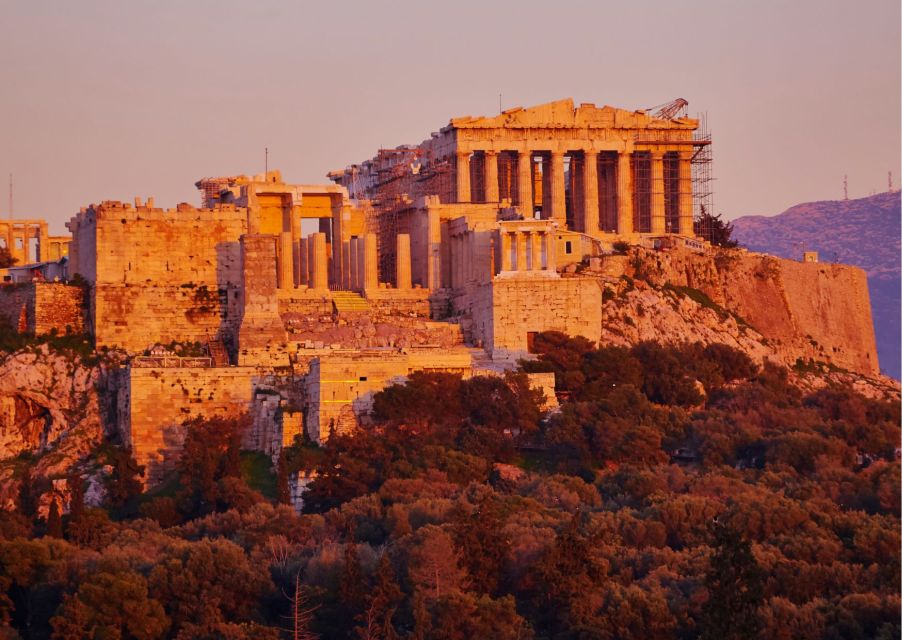
Your guided walking portion begins from the southeast side, not the main entrance that tends to be busier. The goal is simple: get you onto the hill and into the monuments with less waiting, so you spend more time looking and listening.
From there, your guide leads you through the layout of the site, explaining the legends and why each building ended up where it did. If you’ve ever felt like the Acropolis is just a pile of impressive rocks, this kind of walkthrough helps you connect the dots: what you’re looking at, who it honored, and what role it played in civic life.
I also like the fact that you see the highlights rather than rushing past them. You’re guided to the Parthenon and Propylaea (the monumental gateway), plus other major landmarks that shape the feel of the whole complex.
Practical note: the tour has rules—no high-heeled shoes—so plan for real walking footwear. The site is outdoors, so dress for the weather.
Temples and Theaters You’ll Pass (and why they mattered)
The Acropolis portion is built around key stops, and the order matters because each place clarifies the next. Here’s how the sights fit together in a way that’s easy to understand.
Parthenon and Propylaea
The Parthenon is the headline, and your guide’s job is to help you read it beyond the postcard view. You’ll also see Propylaea, which functions like a dramatic threshold. It’s the moment where the city’s ordinary world gives way to the sacred space up on the hill. Getting that transition explained makes the architecture feel intentional, not random.
Theatre of Dionysus
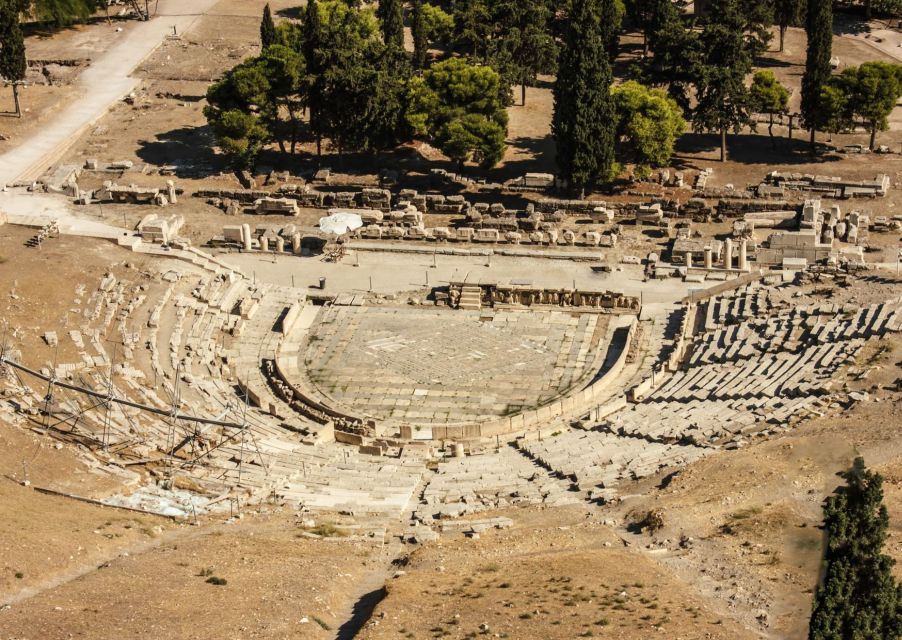
Next comes the Theatre of Dionysus, known for seating 17,000 spectators and for hosting festivals tied to the Greek god Dionysus. This stop helps you realize the Acropolis wasn’t only about worship. It was also part of public culture—audiences, performance, and big communal events.
You can also read our reviews of more evening experiences in Athens




Erechtheion and the myths behind it
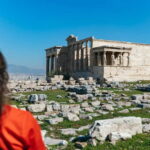
The Erechtheion is next, named after the demigod Erechtheus. This is a great example of why a myth-focused guide helps. You’re not just sightseeing. You’re learning the story attached to a particular piece of sacred space, and that changes how you look at the building.
Odeon of Herodes Atticus
You’ll also see the Odeon of Herodes Atticus, a reminder that ancient Athens used built spaces for gatherings and events. Even if you don’t sit in the seats (you probably won’t, depending on your route and crowd levels), the point lands: stone was designed for people.
Caryatids and Temple of Athena Nike
Two stops that are small but memorable are the Caryatids stone carvings and the Temple of Athena Nike, described as the smallest temple. The Caryatids give you a sense of how sculpture and building worked together. The tiny scale of the Temple of Athena Nike is a nice lesson: not every sacred structure had to be huge to matter.
If you want extra value from this part, use the time your guide gives you to look slowly at details. The whole complex is made to reward close attention.
Free Time on the Hill: How to Use It
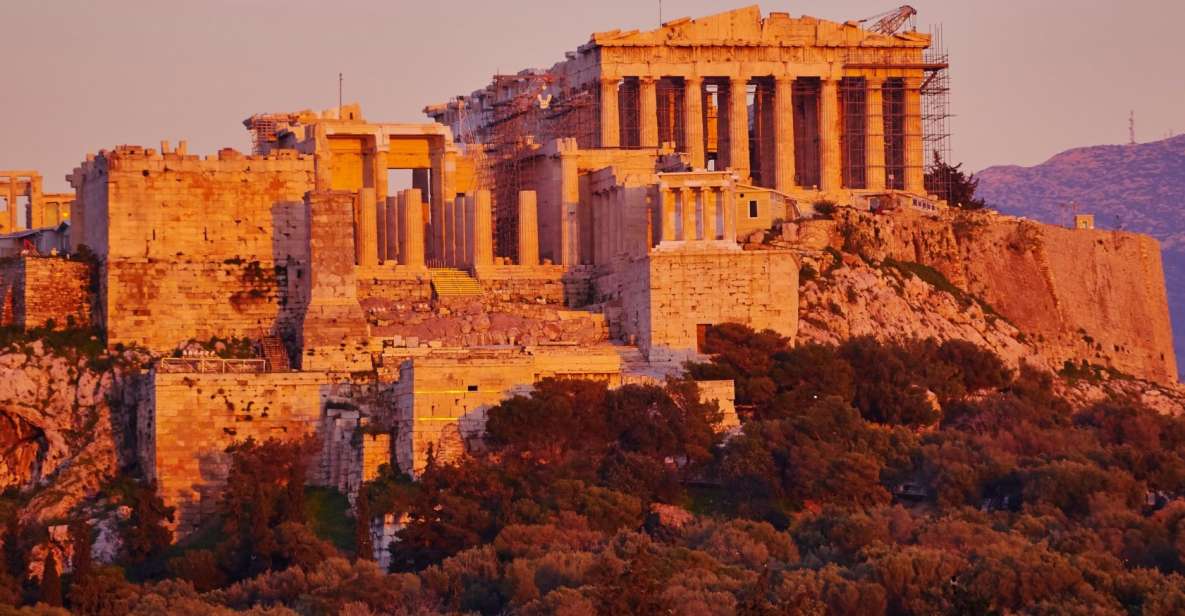
After the guided portion, you get free time to stay longer and explore the exceptional site at your own pace. This is a big plus. A lot of tours treat the Acropolis like a conveyor belt. Here, you have a buffer to linger where you felt something click—maybe that’s the Parthenon viewpoint, maybe it’s the smaller temples, maybe it’s the carvings.
One neat extra detail from past Spanish-guided experiences: a guide named Bárbara was praised for carrying a folder with simulations so you could imagine how the Acropolis looked in its day. That’s exactly the kind of tool that helps during your free time, because once you can picture the original look, your eyes start sorting what’s missing and what survived.
A practical tip: if you’re taking photos, use the guide portion to learn where the best angles are. Then switch to free time for the shots you actually want.
Night Athens Route: National Library to the Greek Agora
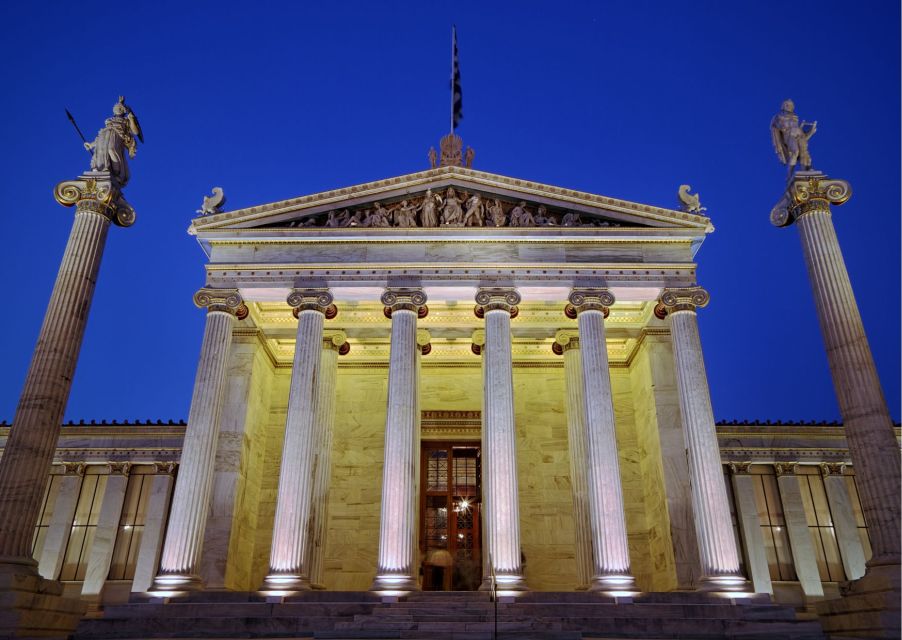
After your Acropolis time, the night tour starts at the National Library of Greece (a major landmark on Panepistimiou 32). From there, the route is designed to show Athens in layers—education buildings, politics, the Olympics legacy, Roman-era architecture, then the classic city-core vibe near Monastiraki.
National Library, University, and Academy of Athens
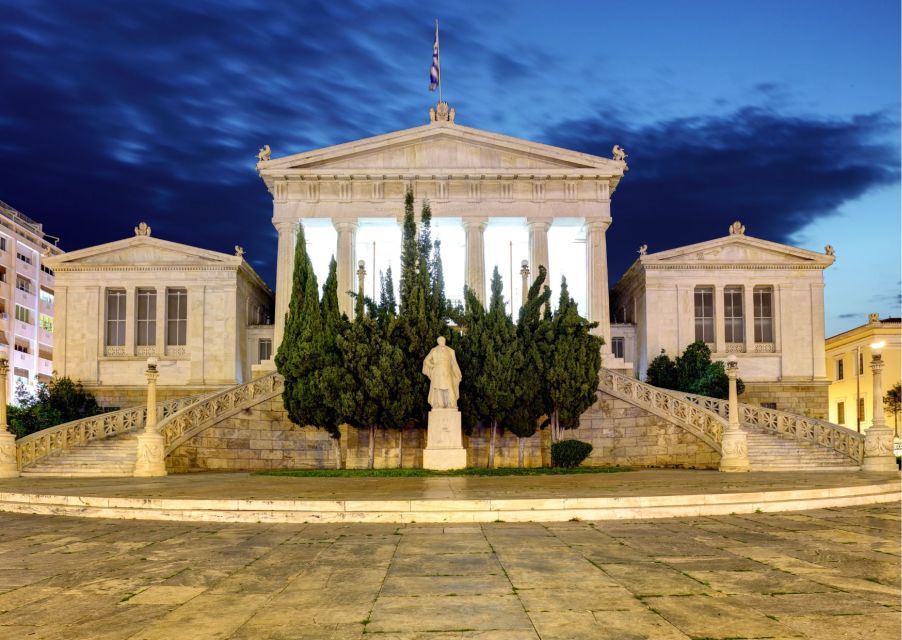
You’ll start with the neoclassical “trilogy” effect: the National Library, plus the University and the Academy of Athens. This is a smart opening because it shows Athens isn’t only ancient. It’s a modern capital that grew into its own architectural identity.
Syntagma Square and the Presidential Guard
Next up is Syntagma Square, where you’ll pause to see the Greek Parliament and the presidential guard. Even if you don’t follow ceremony details, this stop gives you a clear sense of the city’s political center.
National Gardens area and Zappeion
You’ll also pass through the National Gardens area, including the Zappeion and its surrounding Olympic-era context. This portion matters because it connects Athens’ ancient Olympic roots to what the city chose to revive in modern history.
Panathinaiko Stadium: Modern Olympics with ancient DNA
You’ll visit the Panathinaiko Stadium, described as the first Olympic stadium in modern history. This is one of the most compelling bridges between ancient and modern Athens on the route. You’re standing in a place meant for sports spectacle, but it carries echoes of the older games.
Hadrian’s Arch and the Temple of Zeus
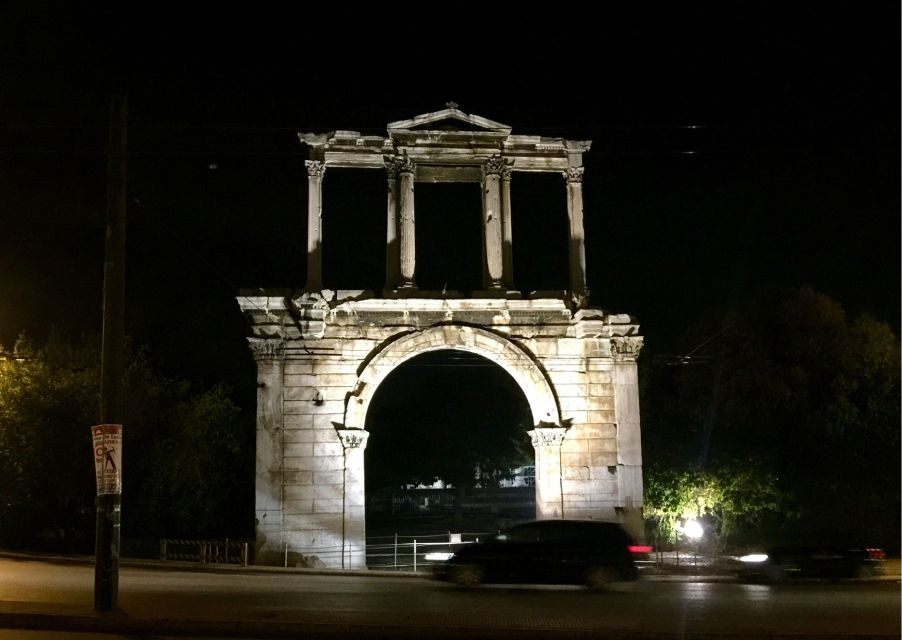
Then comes a time jump back into Roman-era Athens via Hadrian’s Arch and the Temple of Zeus. It’s helpful that the night tour includes these, because many first-time visitors only focus on the Acropolis. You get a broader map of how different rulers left their marks.
Metropolitan Cathedral and Little Mitropolis
You’ll see the Metropolitan Cathedral and the Little Mitropolis next. These stops add texture to the city’s religious and architectural mix—again, not just ancient ruins, but how Athens keeps evolving.
Monastiraki Square and the Greek Agora views
The tour ends in the area of Monastiraki Square, with the Greek Agora and impressive views of the Acropolis. This ending is practical and emotional: you finish with the classic landmark still visible, lit and looming over the modern neighborhood energy.
Price and Tickets: Where the Value Really Comes From
At $53 per person for 5 hours, this tour is priced like a value-heavy city plan—especially because you get two guided experiences stitched together: Acropolis in the afternoon, then a night loop across central Athens.
The catch: Acropolis site tickets are not included. That means your total cost will depend on how much you pay for the entry ticket, and you also need to handle the timing correctly.
Here’s the part that matters most for avoiding stress:
- You must buy Acropolis tickets before the activity starts.
- Ticket time slots are tied to the tour time.
- In low season, for the 15:00 tour, you need a ticket for 15:00–16:00.
- In high season, for the 17:00 tour, you need 17:00–18:00, and for the 17:45 tour, you need 18:00–19:00.
I recommend buying online ahead of time. If you can’t get online tickets due to availability, the provider says they can help. If you end up needing the ticket office, plan to go early to the South entrance area—about 30 minutes earlier—then move to the meeting point, which is within a couple minutes’ walk.
One more format note: the guide is Spanish. If you’re not comfortable with Spanish, this could limit how much you soak up—especially during the legend-and-myth storytelling portion.
Logistics That Actually Affect Your Day
This is where a lot of tours fall down. This one is clearer than many, but you still need to pay attention.
Meeting points
- Afternoon meeting: Acropolis metro station, arriving 10 minutes before start.
- Evening meeting: National Library of Greece (Εθνική Βιβλιοθήκη, Panepistimiou 32, Athina 106 79).
What you’re allowed
- No high-heeled shoes
- No baby strollers or baby carriages
- No food and drinks
Who should think twice
- Wheelchair users: the tour is listed as not suitable.
None of this is surprising for Athens, but it matters because it shapes comfort. If you like your sightseeing cushioned, this won’t feel like that. If you’re okay with standing, walking, and taking in sights in the open air, you’ll likely enjoy the flow.
Language and guidance also matter. One review praised Juan for knowing a lot about the history of both the monuments and the city, calling the route “stupendo.” Another suggestion from a Spanish review was that the guide could add general context like population or everyday economic facts to situate the city more. That’s not required for enjoying the monuments, but it’s a good reminder: if you want that kind of context, you might add it yourself before you go (a quick read, a map glance, or a simple guidebook page).
Who This Tour Fits Best (and who should pick another plan)
This experience makes the most sense if you fall into one of these groups:
You want a first-timer friendly Athens hit list. You’ll see the most important Acropolis monuments and then a night route that shows major central Athens landmarks.
You enjoy stories as much as photos. The tour is built around legends and historical explanation, so if you like connecting myth, politics, and architecture, you’ll get more out of it.
You like timing strategy. Doing Acropolis in the afternoon and Athens at night is an efficient way to use daylight and then enjoy the city lit up.
It may not be ideal if:
- You need an English-language guide (the tour is Spanish).
- You’re uncomfortable with walking on an archaeological site.
- You’re hoping the price includes Acropolis entry (it doesn’t).
Should You Book This Tour?

I’d book it if you want a compact Athens day that doesn’t turn into a scavenger hunt. The biggest reasons are simple: the Acropolis guided walk is structured, and the night tour ties together Athens’ modern identity with your Acropolis context at the end. Also, you get free time on the hill, so it doesn’t feel like you’re being rushed through everything.
Before you hit reserve, do two things:
- Check you can get the correct Acropolis ticket time slot for your tour time.
- Confirm your Spanish comfort level, because the guiding is in Spanish.
If those boxes work for you, this is a solid value way to experience Athens across time—classical Greece by day, and a modern capital that still carries the Acropolis in view at night.
FAQ
What is the duration of the Athens Acropolis and Night City Tour?
The tour lasts 5 hours.
How much does it cost per person?
The price is listed as $53 per person.
Is the Acropolis entrance ticket included?
No. Acropolis archaeological site tickets are not included, and you must buy them before the activity starts.
What language is the guide?
The tour is guided by a licensed guide in Spanish.
Where do I meet for the afternoon and evening parts?
Afternoon: meet at the Acropolis metro station (arrive 10 minutes early). Evening: meet at the National Library of Greece, Panepistimiou 32.
What are the Acropolis ticket time-slot requirements?
You must match your ticket to your tour time slot. For example, for a 15:00 tour in low season you need 15:00–16:00. In high season, a 17:00 tour needs 17:00–18:00 and a 17:45 tour needs 18:00–19:00.
What footwear and items are not allowed?
High-heeled shoes are not allowed. Baby strollers and baby carriages are not allowed. Food and drinks are also not allowed.
Is the tour suitable for wheelchair users?
No, it is listed as not suitable for wheelchair users.
If you want, tell me what time of year you’re going and whether you prefer the earlier or later slot—I can help you pick the smoothest timing around the Acropolis ticket time windows.



More City Tours in Athens



More Tours in Athens




More Tour Reviews in Athens
- All Day Cruise -3 Islands to Agistri,Moni, Aegina with lunch and drinks included
★ 5.0 · 4,958 reviews