REVIEW · ATHENS
Unexpected Athens Orientation Tour
Book on GetYourGuide →Operated by Alternative Athens · Bookable on GetYourGuide
Athens teaches fast when you walk it. This unexpected 4-hour orientation connects ancient streets, Ottoman neighborhoods, and modern institutions into one clear route. Two things I really like: the WWII prison stop that adds weight to the city story, and the way the tour keeps you moving with a pace that feels calm.
I also like that you get a practical map showing the city’s changes across about 2,500 years, not just a list of sights. You’ll get a strong sense of how today’s Athens grew from earlier layers—ancient, then Ottoman, then Western European ideas.
One thing to consider: it’s a walking tour, and there’s a major site (the WWII prison) that’s closed on Mondays and Tuesdays. If you’re on one of those days, you may feel like part of the tour’s darkest chapter is skipped.
In This Review
- Key moments that make this Athens walk worth your time
- A 4-hour orientation that ties Athens together
- Where you start: Syntagma or Kolonaki, then a guided march to Monastiraki
- Syntagma and Kolonaki: the European capital story in real buildings
- Exarcheia: a neighborhood stop that changes your angle
- Psiri: Ottoman footprints you can still read
- Monastiraki and the ending square: the old-city hub with a new context
- The 19th-century landmarks: royal power and industrial-era Athens
- WWII prison: the stop that gives the tour gravity
- Ancient rivers and tombs: the bridge between then and now
- Omonia and Kotzia Square plus the central markets
- How the included map helps you after the tour
- Price and value: $62 for a full city logic lesson
- Guides and pacing: the real reason the reviews stay high
- Who should book this Athens orientation walk
- Should you book it?
- FAQ
- What is the duration of the Unexpected Athens Orientation Tour?
- How much does it cost?
- What languages are the guides?
- Where does the tour start?
- What’s included in the price?
- What should I bring?
Key moments that make this Athens walk worth your time
- World War II prison visit for a grounded look at modern Greek history (closed Mon and Tue)
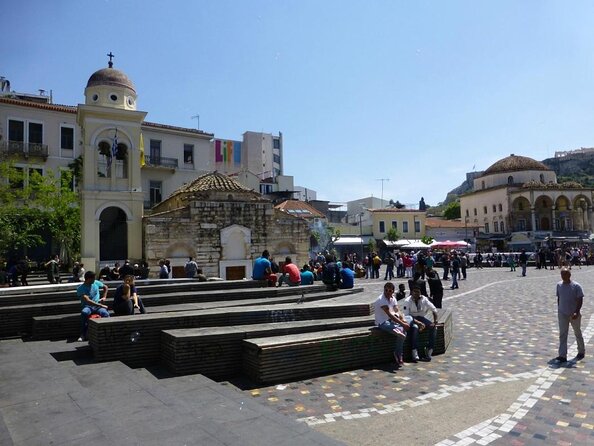
- Ottoman neighborhoods in Psiri and Monastiraki where the old city footprint still shows
- Institution stops like the Parliament, Academy, University, and National Library
- 19th-century landmarks linked to royal palaces and industrial-era Athens
- Ancient river and tomb stops that bridge the ancient-to-modern gap on foot
- Small-group feel and guides who set a comfortable rhythm for the walk
A 4-hour orientation that ties Athens together

Athens can feel like a head-spinning mix: marble, motorbikes, modern ministries, old alleys, and sudden viewpoints over rooftops. This tour helps you connect those pieces. You’re not just doing photos. You’re learning how the city’s “then” and “now” fit side by side, street by street.
The tour is built for real orientation. With Athens spanning over 3,400 years, it’s easy to drown in dates. Instead, the guide uses visible landmarks—big public buildings, neighborhoods, and everyday squares—to explain the logic behind the city’s growth. You come away with mental maps, not just facts.
And because it’s only about 4 hours, it works well early in your trip. You’ll understand what you’re seeing later when you go back on your own.
You can also read our reviews of more tours and experiences in Athens.


Where you start: Syntagma or Kolonaki, then a guided march to Monastiraki
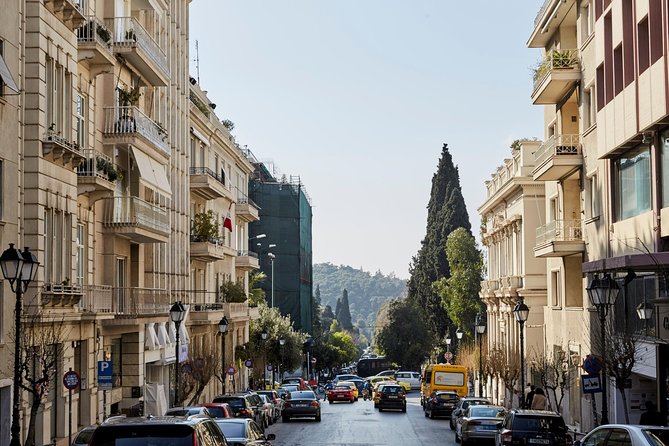
You’ll start from one of two options. If you choose Syntagma Square, you begin right where many people orient themselves in central Athens. If you pick Kolonaki, you start in a more upscale area, then work toward the older core.
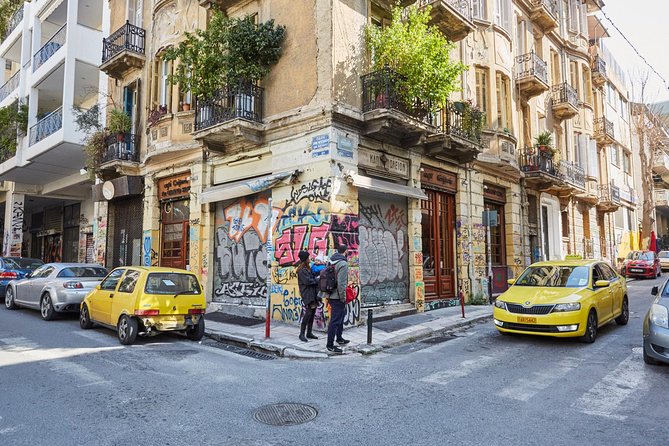
From there, the route flows through a series of Athens neighborhoods that many visitors zip past without context. You’ll pass through Exarcheia, then move into Psiri, and eventually end around Monastiraki Square. That final landing zone matters. Monastiraki is a natural “hub” for continuing your evening—markets nearby, plenty of places to sit, and easy transit connections.
In practice, the structure is simple: each stop builds on the last. So you’re not waiting through long stretches of random sightseeing.
Syntagma and Kolonaki: the European capital story in real buildings
After you meet up and get oriented, the walk uses the civic Athens you can spot immediately. The tour includes major landmark buildings such as the Parliament, the Academy, the University, and the National Library.
Why does this matter? Because these aren’t just pretty. They show how modern Athens shaped itself to look and function like a European capital. The guide’s job is to connect the symbolism—where government, education, and public culture sit—with the older city underneath.
If you tend to skip “government buildings” on vacations, this is your fix. You’ll see why these buildings are part of the city’s identity, not just background architecture.
Exarcheia: a neighborhood stop that changes your angle
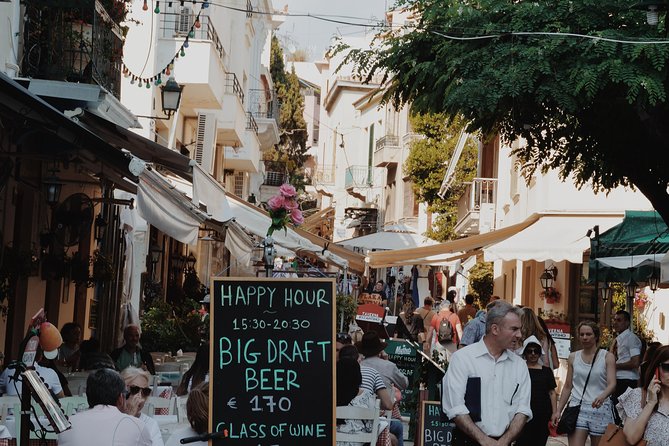
Exarcheia is often known for its attitude and its role in modern Athens culture, but the tour uses it for something more useful than vibes. During the Exarcheia portion, you’re learning how older streets and local life fit next to modern political and social currents.
This is also where the guide’s pacing earns points. Several guides connected to this tour—like Andreas, Simos, Antigoni, and Christina—are repeatedly praised for keeping the walk at a rhythm that doesn’t feel like a sprint. That matters because you’ll cover a lot of ground on foot.
If you want Athens that feels lived-in, this is where you start noticing street patterns and how people actually move around the city.
Psiri: Ottoman footprints you can still read
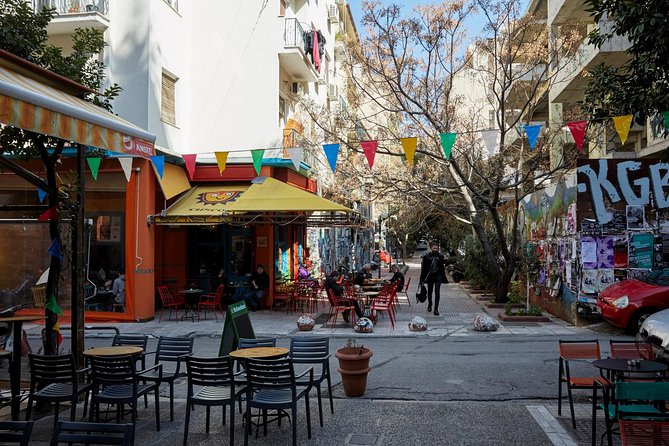
Psiri is one of those areas where the past is not behind glass. The tour takes you through preserved Ottoman neighborhoods, so you can see how layers of influence didn’t simply replace each other. Sometimes they mixed. Sometimes they stayed stubbornly separate.
For me, the value here is practical. Once you learn what to look for—street layout, neighborhood feel, and the way areas connect—you’ll notice it even when you’re not on a guided stop. And you’ll stop treating Athens as one continuous sightseeing strip.
Psiri also helps connect the story to everyday life. You’re no longer only dealing with monuments. You’re dealing with how people built communities over time.
- All Day Cruise -3 Islands to Agistri,Moni, Aegina with lunch and drinks included
★ 5.0 · 4,958 reviews




Monastiraki and the ending square: the old-city hub with a new context
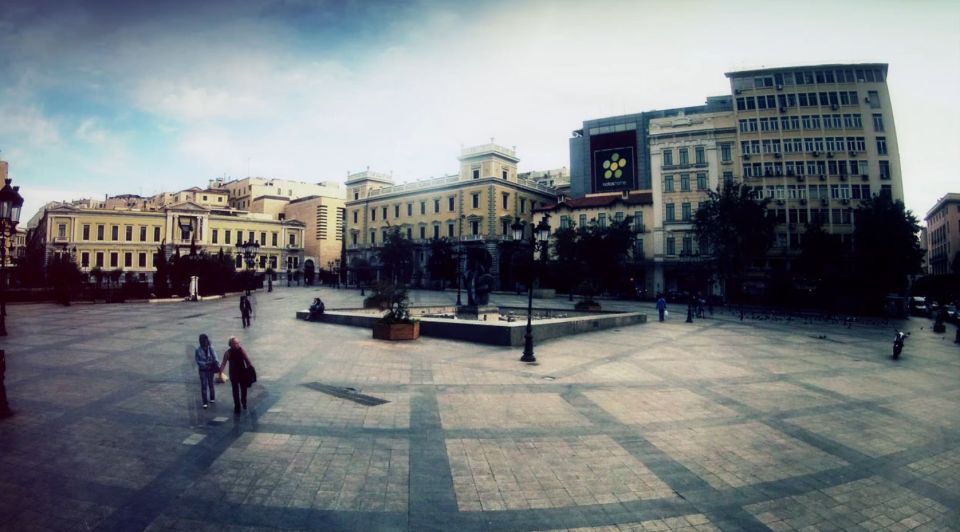
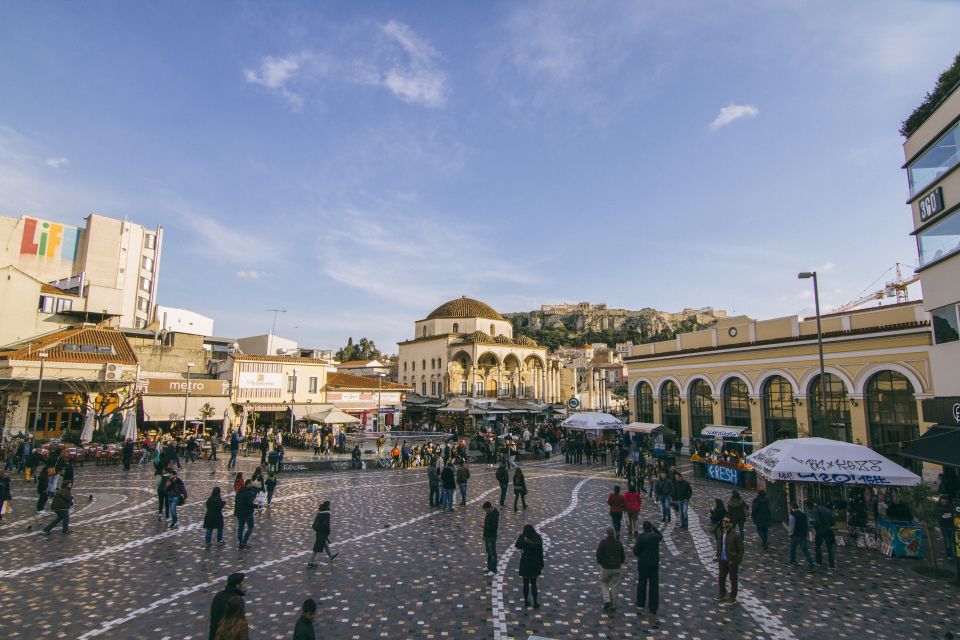
As you move toward Monastiraki, the tour finishes in an area that feels like a crossroads. Monastiraki Square is a smart ending point because it gives you an easy place to transition from “learning mode” to “wander mode.”
The tour also includes time in Monastiraki itself, including the feel of the area shaped by long-term occupation and change. With the guide framing what you’re seeing, Monastiraki becomes more than markets and souvenirs. It turns into a map you can understand.
If you’re the type who likes to walk after tours to keep momentum, this ending choice works well.
The 19th-century landmarks: royal power and industrial-era Athens

One of the tour’s standout themes is the jump into the 1800s. You’ll visit 19th-century landmarks tied to the industrial revolution and royal palaces. That’s a big shift from what most people associate with Athens.
This part makes sense because Athens didn’t only build on ancient ruins. It also modernized fast. Royal palaces and industrial-era landmarks show how the city tried to define itself in a newer European style while still living on top of older layers.
If you like architecture and city planning, you’ll probably enjoy this section most. If you’re expecting only ancient columns, this is a surprise in a good way.
WWII prison: the stop that gives the tour gravity
The tour includes a descent to a notorious prison of World War II. This is the kind of stop that changes the temperature of the whole walk. Up to this point you’re learning how Athens evolved. Here, you’re seeing the human cost of the modern era.
Important detail: the prison is closed on Mondays and Tuesdays. So if your schedule lands on one of those days, ask what changes. The tour may still keep a strong route, but you might miss this particular contrast.
Even with that caveat, this part is widely valued because it doesn’t treat history like a postcard. It adds context you can carry into your museum visits later.
Ancient rivers and tombs: the bridge between then and now

A nice trick in this tour is that it doesn’t rely only on statues and big ruins. You’ll watch ancient rivers still flowing, and you’ll also visit tombs from a foregone era.
This is useful because it shows Athens as a living city. Water systems and burial traditions link generations. You get a sense that time doesn’t stop at a museum entrance.
Also, it gives you variety in what you’re looking at. It’s not all major façades. You’re seeing the quieter infrastructure and the places tied to earlier lives.
Omonia and Kotzia Square plus the central markets
The route passes by Omonia Square and Kotzia Square and moves through central market areas. These are the “glue” stops between big sights.
Why I like including squares and markets: they help you understand the city’s rhythm. Even if you’re not shopping, the guide can explain how these spaces fit into the broader story of Athens. It also helps break up the walk so you can reset your brain between heavier historical segments.
If you’re planning where to eat after, these market-area strolls can point you toward neighborhoods that feel more local and less staged.
How the included map helps you after the tour
You get a city map highlighting the transformations of Athens through about 2,500 years. That’s not just a souvenir. It’s the tool that helps you keep the route straight once you’re back on your own.
Use it right away. I’d suggest taking a few minutes at the end to mark what you want to see again: a building from the institutional section, a neighborhood you liked, or a square you want to revisit at night.
Even if you only remember two or three spots clearly, the map helps you build a personal Athens plan instead of relying on random day trips.
Price and value: $62 for a full city logic lesson
At $62 per person for about 4 hours, this tour sits in a midrange price zone for Athens walking tours. What makes it feel fair is how much ground it covers and how many different time periods it connects.
You get:
- A guided walk in English or French
- A thematic route linking ancient, Ottoman, and modern civic Athens
- Key stops that most standard “highlights” walks skip, like the WWII prison and the Ottoman neighborhood focus
- A map designed for understanding the city over time
It’s not billed as a museum-ticket day. It’s more like a city orientation you can build on. If you’re trying to get value fast, that’s where this one shines.
Guides and pacing: the real reason the reviews stay high
One pattern you’ll notice in this tour is that the guides are repeatedly praised for pacing and engagement. Names that come up include Simos, Andreas, Antigoni, and Christina.
What that means for you: you’re less likely to feel dragged through stops that don’t connect. The walk tends to feel structured, with explanations that match what you’re actually seeing around you.
This also matters for first-timers. A strong guide helps you avoid the common Athens mistake: seeing a lot, remembering little, and missing the story that makes the sights meaningful.
Who should book this Athens orientation walk
This tour is a great match if you:
- Want an Athens introduction beyond the usual ancient-only route
- Like history that’s tied to neighborhoods you’ll actually walk later
- Prefer a structured walk where each stop has a reason
- Appreciate architecture and institutions, not just ruins
- Want a guide to help you choose what to do next
It’s also a good fit if you’ve been to Athens before and you want new angles. The tour focuses on gaps between time periods and on the city’s less obvious layers, so it can still feel fresh.
If your schedule is tight on walking time or you dislike going up and down through different central neighborhoods, you might consider a lighter option instead. And if you’re in Athens on a Monday or Tuesday, plan for the fact that the WWII prison won’t be available.
Should you book it?
I think you should, if your goal is to understand Athens fast and walk away with a usable mental map. The combination of Ottoman neighborhoods, institutional Athens, 19th-century landmarks, and a WWII prison stop creates a tour that feels more like city literacy than sightseeing.
Book it early in your trip so you can take the story with you as you explore museums and ruins on your own. If you’re on Monday or Tuesday, just be aware that the prison visit may not happen, and adjust your expectations accordingly.
FAQ
What is the duration of the Unexpected Athens Orientation Tour?
The tour lasts about 4 hours.
How much does it cost?
It costs $62 per person.
What languages are the guides?
The guide offers English or French.
Where does the tour start?
You can start at either Syntagma (Constitution) Square or Kolonaki, depending on the option you book. The exact meeting point may vary.
What’s included in the price?
You get an English or French-speaking guide and a city map highlighting Athens transformations through about 2,500 years.
What should I bring?
Bring comfortable shoes, since it’s a walking tour. Food and drinks are not included, and gratuity is optional.



More Tours in Athens


More Tour Reviews in Athens
- All Day Cruise -3 Islands to Agistri,Moni, Aegina with lunch and drinks included
★ 5.0 · 4,958 reviews