REVIEW · ATHENS
The Apostle Paul’s Missionary Journey in Athens and Corinth
Book on GetYourGuide →Operated by Colours of Greece · Bookable on GetYourGuide
Paul’s trail turns Athens into a living Bible study. This private day ties together the Ancient Agora of Athens and the preaching spot on the Areopagus with Corinth’s ruins, all in about eight hours.
I also love the practical side: air-conditioned sedan comfort plus WiFi and bottled water. The possible drawback is that entrance fees and a licensed guide inside the archaeological sites are not included, and some walking is self-guided.
In This Review
- Key takeaways before you go
- What this Paul-and-Corinth day trip really is
- Price and pacing: how $79 buys a full 8-hour plan
- Getting started in Athens: pickup, a calm start, and a meaningful church stop
- Ancient Agora and Areopagus: where public ideas get real
- Ancient Agora of Athens (self-guided time)
- Areopagus (sightseeing)
- The transfer to Corinth: a long road with useful context
- Isthmus Canal: a quick stop that adds a big-picture view
- Kechries Port and Corinth’s setting: Paul’s meetings in physical space
- Acrocorinth fortress views: the best kind of self-guided time
- Archaeological Museum of Ancient Corinth: when context turns into clarity
- Ancient Corinth: ruins, rhythm, and the freedom to linger
- Driver-led context vs licensed guides inside ruins
- The comfort factor: why the vehicle and timing matter more than you think
- Food and local recommendations: a bonus that actually helps
- Who should book this Paul and Corinth tour
- Should you book?
- FAQ
- How long is the Apostle Paul’s Missionary Journey in Athens and Corinth tour?
- Where does pickup happen, and where do you return?
- Is this a private tour?
- What’s included in the price?
- Are entrance fees to archaeological sites and museums included?
- Do you get a licensed guide inside the archaeological sites?
- What should I bring?
Key takeaways before you go
- Paul-focused stops in Athens: Saint Dionysius the Areopagite photo stop, then the Agora and the hill area linked to his preaching.
- Corinth in the spotlight: you’ll spend most of your time there, including fortress views from Acrocorinth.
- Transport that makes the day easier: hotel pickup and drop-off, WiFi onboard, and bottled water for a long route.
- Self-guided doesn’t mean lost: you get structure from your driver, then freedom to move at your own pace inside key areas.
- Guides bring it to life: names that came up include Michael, Ruslan, Giannis/Gianni, Konstantinos, and Nick, often praised for clarity and helpful recommendations.
What this Paul-and-Corinth day trip really is
This isn’t a quick drive-by. It’s a single-day route that connects Athens and Corinth through the lens of the Apostle Paul’s work and travels, using major archaeological settings that shaped how people lived, talked, and believed in the ancient world.
You’re basically doing two things at once: getting context for Paul’s message in a Greek city built on debate, and then shifting to Corinth’s reality as a bustling Roman-era port and trading hub. That contrast is the whole point, and it’s what makes the day feel coherent instead of random sightseeing.
And since it’s a private group with a professional English-speaking tour driver (not just a bus driver reading off a script), you can ask questions while you’re traveling. In practice, that means you’re not stuck waiting for a formal lecture after you’ve already left the site.
You can also read our reviews of more tours and experiences in Athens.


Price and pacing: how $79 buys a full 8-hour plan
At $79 per person for an 8-hour day, the value is mostly in logistics and time. You’re not paying to sit at your hotel while someone else coordinates transport. You’re getting a planned route that includes transfers, photo stops, and multiple significant locations on both sides of Athens to Corinth travel.
Here’s the balancing act to keep in mind: a chunk of the day is self-guided. That’s not a deal-breaker—many people like having breathing room to photograph, linger, or speed up—but it does mean you should come ready to read signage and make use of what your driver tells you before each area.
Also, entrance fees are not included. Site costs can add up, especially if you visit museums and major ruin areas. Before you go, check current ticket prices for the specific sites included, so there are no surprise totals at the gate.
Getting started in Athens: pickup, a calm start, and a meaningful church stop
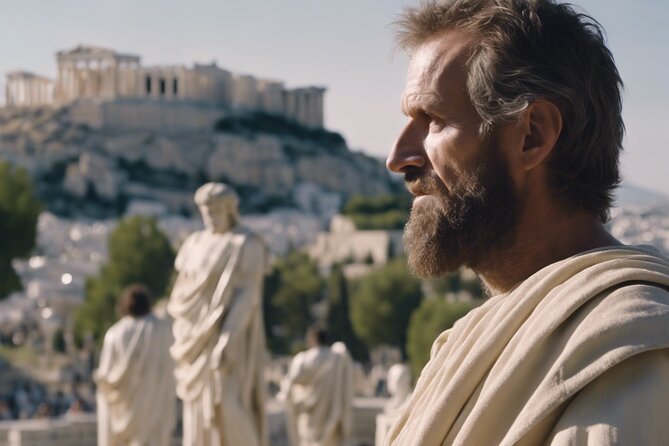
The day begins with pickup in Athens and a short transfer to the first religious-and-cultural anchor. One of the first moments is the Holy Church of Saint Dionysius the Areopagite, with a photo stop that sets the tone.
What I like about this kind of start is simple: it gives you a modern way to think about ancient Athens. You get a bridge between what the city looks like now and what Paul’s audience would have been surrounded by then—crowds, ideas, public space, and a strong sense of identity tied to philosophy and civic life.
Even if you’re not chasing a particular religious experience, this early stop helps the rest of the day click into place.
Ancient Agora and Areopagus: where public ideas get real
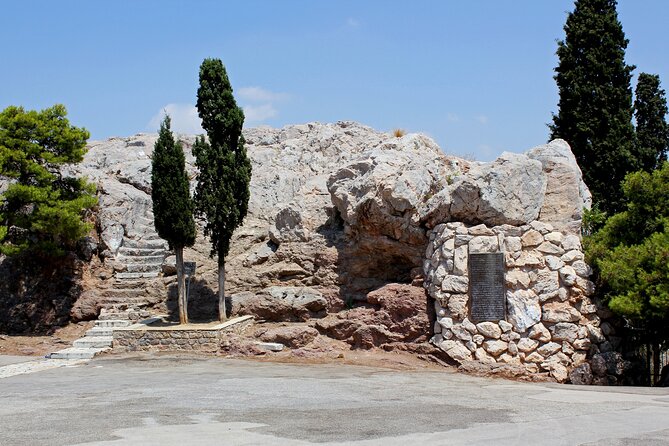
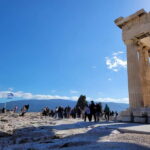
This is the heart of the Athens portion: the Ancient Agora of Athens and the preaching area associated with the Areopagus.
Ancient Agora of Athens (self-guided time)
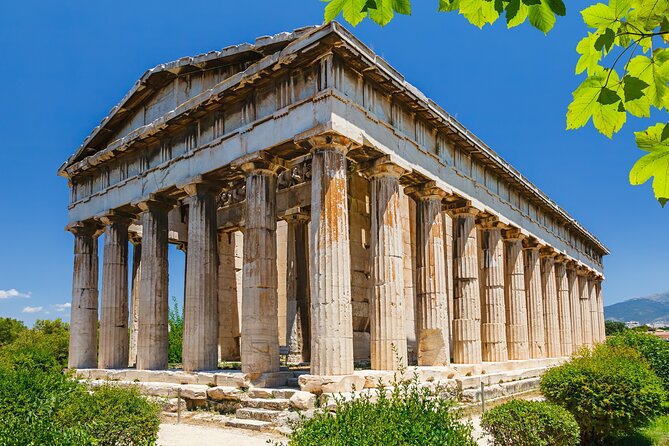
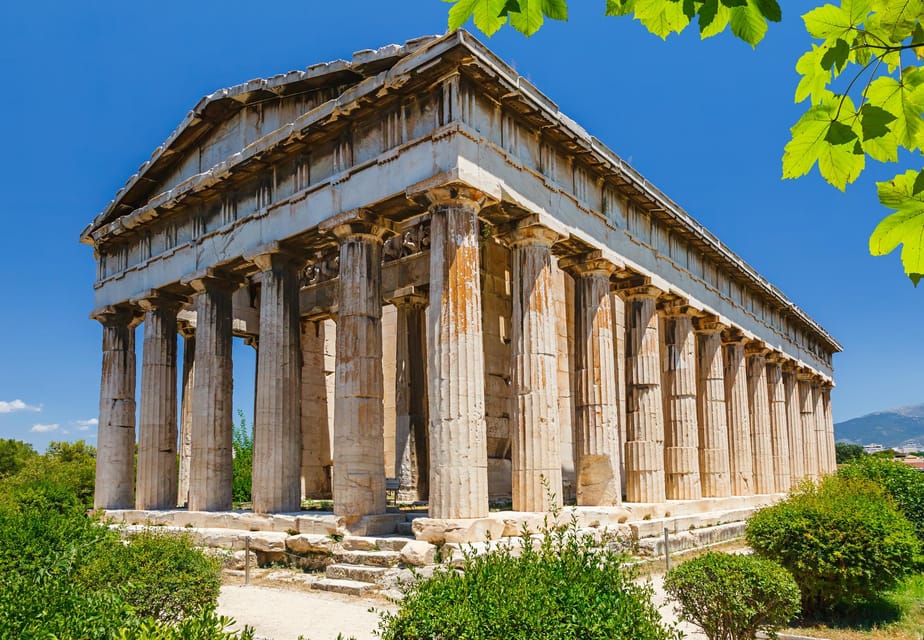
You’ll have about an hour to explore the Agora at your own pace. This is exactly the right amount of time for a self-guided visit because the Agora is huge, but it’s also visually clear. You can focus on the main sections, take photos, and read what’s available without feeling like you’re rushing through every corner.
What makes it valuable for this specific theme is that the Agora wasn’t only a place to shop. It was a place for talk, persuasion, and public identity. That’s the environment where Paul’s ideas would have met skepticism, curiosity, and debate.
- All Day Cruise -3 Islands to Agistri,Moni, Aegina with lunch and drinks included
★ 5.0 · 4,958 reviews




Areopagus (sightseeing)
Then you’ll head to the Areopagus area for sightseeing. Expect about 30 minutes, plus photo moments depending on conditions.
One practical note from real-world experience: sometimes there’s work happening on or around the Mars Hill/Areopagus area, which can affect how much you can do and see. If that happens on your day, don’t stress. Your driver’s context usually helps you make sense of what you can access, even if certain angles or approaches are limited.
The transfer to Corinth: a long road with useful context
Once Athens winds down, you’ll spend time traveling toward Corinth. The drive time matters here because it turns the day from a checklist into a guided story.
Your driver is there in the car, not off somewhere else. This is when you can ask follow-up questions about Paul, early Christianity in Greece, or how Greek Orthodox traditions connect to place and memory today.
It’s also when the small comforts pay off: WiFi onboard, bottled water, and an air-conditioned vehicle keep you comfortable through a long stretch of road time. That sounds minor until you’re actually sitting in the heat with a full day ahead.
Isthmus Canal: a quick stop that adds a big-picture view
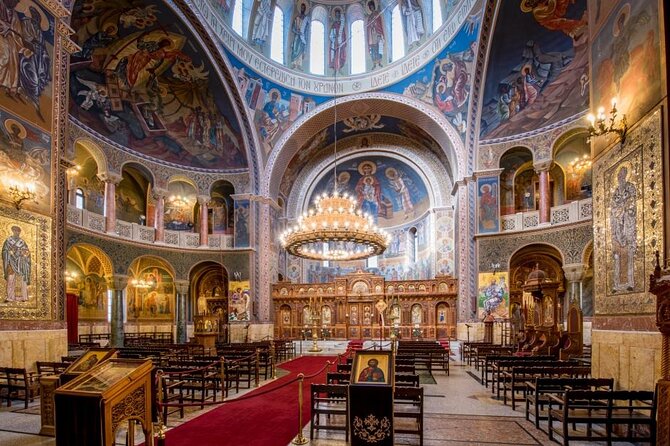
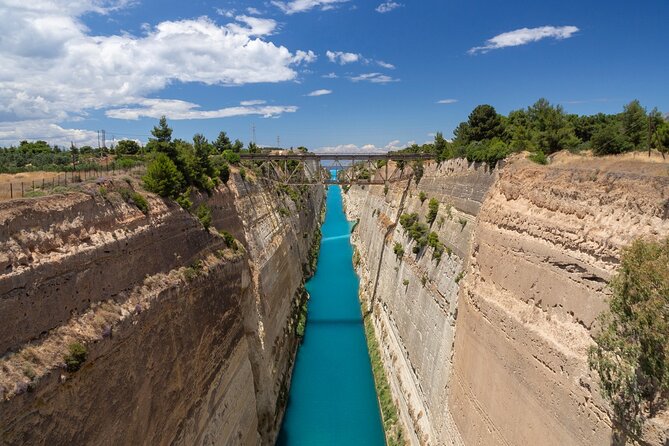
Before you go deeper into Corinth, there’s time at the Isthmus of Corinth, including the Isthmus Canal area for sightseeing.
You’ll have about 20 minutes. This isn’t the kind of stop where you want to build your whole day around details—it’s more for orientation. It’s the geography lesson that helps you understand why Corinth mattered so much. Ports and routes changed everything: what came in, what went out, and what kinds of people ended up living and working there.
If you like seeing how real terrain shapes history, this is a worthwhile breather.
Kechries Port and Corinth’s setting: Paul’s meetings in physical space
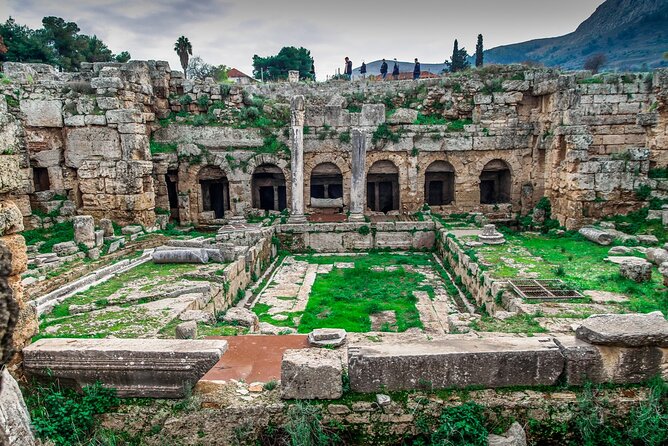
Next comes Kechries Port, with sightseeing time of about 20 minutes.
This stop is memorable because it ties directly to early Christian-era connections associated with Paul’s travels. One guide point that stands out: the excavations at the ancient port of Kechries are linked to Paul’s meeting of Aquila and Priscilla, which adds a very personal weight to what can otherwise feel like just another ruin area you pass through.
Even when you’re not standing in the exact same place Paul stood, you’re still walking a setting where the logic of travel and community was the same. Ports are where people bring ideas with them. That’s why this location works so well for a Paul-focused tour theme.
Acrocorinth fortress views: the best kind of self-guided time
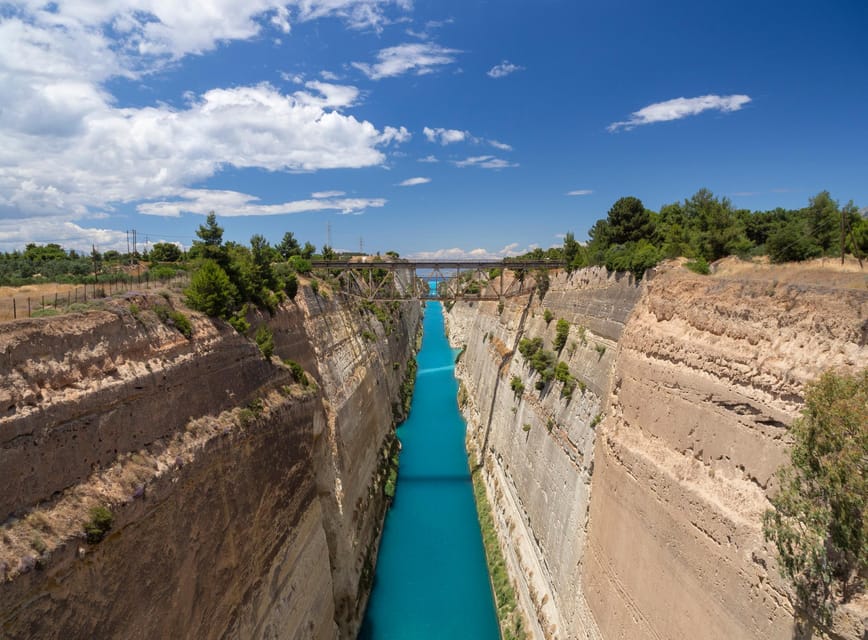
After Kechries, you’ll move toward Acrocorinth. You get about 30 minutes for a self-guided visit.
Acrocorinth is the type of place where you don’t need a long script. The value is in the sightlines. This is where you get a sense of the region and how a fortress position makes sense—control, observation, and defensive advantage.
In practical terms, self-guided time here is great because you can pause, look around, and decide what to photograph without feeling you’re holding up a larger group. Just wear comfortable shoes. You’ll be walking and climbing more than you might expect for an 8-hour day.
Archaeological Museum of Ancient Corinth: when context turns into clarity
Then you’ll have about 45 minutes at the Archaeological Museum of Ancient Corinth for self-guided time.
Museums are where many people either lose interest or suddenly understand what they’re seeing outdoors. This one helps because it can give you labels, timeline context, and material culture details that make the ruins more than just stone outlines.
A smart way to use your museum time is to pick two or three things you want to connect to what you saw in the ruins, then look for supporting objects or descriptions. With only 45 minutes, you’ll get more satisfaction by being intentional than by trying to read everything.
Ancient Corinth: ruins, rhythm, and the freedom to linger
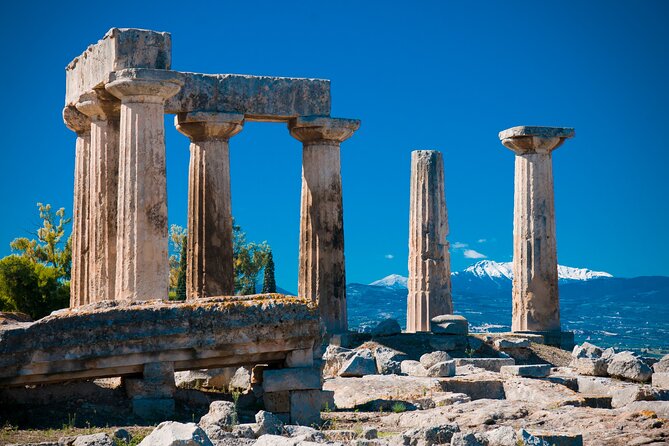
You’ll spend about an hour at Ancient Corinth for self-guided exploration, with an additional transfer segment afterward for the trip back to Athens.
This part often feels like the climax. It’s where the day’s theme becomes visible: public buildings, market life, and the kind of city structure that shaped how early messages spread.
One detail worth knowing: you may find the Corinth portion takes more of the day than Athens. That can be a good thing. Corinth is easier to experience as a whole because it’s more spatially dramatic when you’re standing in the ruins, especially if you’re comparing it to Athens where the Agora and hilltop areas feel more like idea-based landmarks.
Driver-led context vs licensed guides inside ruins
Here’s a key practical distinction: your tour includes a professional English-speaking tour driver with history knowledge, but it does not include a licensed guide to accompany you inside the archaeological sites.
So how does that affect your experience?
- The driver will help you understand what you’re looking at and why it matters.
- You’ll still be responsible for reading signage and using museum labels during self-guided time.
- If you’re the type who wants a person at your shoulder for every step inside a ruin, you might find you want additional site guidance on top of this tour.
That said, the comfort of this format is that it’s flexible. You can move at your pace, and you’re not trapped in a slow walking group rhythm. Many people like this balance, especially for a day with multiple locations.
The comfort factor: why the vehicle and timing matter more than you think
This is a long day. Athens to Corinth takes time, and then you’re walking and viewing multiple sites. That’s why I think the included transport features are a big deal, not small perks.
You get:
- hotel pickup and drop-off
- an air-conditioned vehicle
- WiFi onboard
- bottled water
- a setup that uses sedan vehicles for groups of 1-4 people
Across guide feedback, the strongest praise tends to cluster around three practical themes: comfortable transport, smooth pacing without feeling rushed, and guides who stay engaged instead of going quiet once the drive starts.
In real-world terms, when you’re paying to see a lot in one day, comfort is what lets you enjoy it. Otherwise, you’re mentally spending half the day dealing with heat, fatigue, or hunger.
Food and local recommendations: a bonus that actually helps
One underrated part of this kind of tour is what the driver suggests between the major stops. Multiple guide experiences pointed to good food recommendations and helpful guidance for what to do near your hotel.
This matters if you arrive in Athens and want your first day to feel organized. A reliable driver can help you avoid the trap of eating somewhere convenient but forgettable, and they can suggest practical timing so you’re not stuck in lines or bad schedules later.
Who should book this Paul and Corinth tour
This works best if you want:
- a structured, Paul-themed route across two major ancient cities
- a private day with comfortable transport
- context from your driver plus freedom during self-guided time
- a reasonable introduction to Corinth that doesn’t require planning every stop yourself
It’s especially good for couples, families, and small groups who prefer asking questions directly in the moment. If you’re traveling with kids or you have mobility limits that make long museum marathons difficult, the self-guided timing and clear stop durations can be a better fit than a tour that forces you to follow only one pace.
Should you book?
Book it if you like your ancient history connected to a specific storyline. The Paul/Athens/Corinth connection makes the day feel like one narrative instead of random ruins.
Pass or consider alternatives if:
- you need a licensed guide inside every archaeological site
- entrance fees would be a problem for your budget
- you dislike self-guided segments and want constant narration at every step
If your goal is a well-timed, comfortable day that takes you to the main Paul-relevant places in Athens and Corinth, this $79, 8-hour format is a solid value—especially for small private groups where the driver can tailor the flow to what you’re most curious about.
FAQ
How long is the Apostle Paul’s Missionary Journey in Athens and Corinth tour?
It lasts about 8 hours.
Where does pickup happen, and where do you return?
Pickup is in Athens, and you return to Athens at the end of the tour.
Is this a private tour?
Yes. It’s a private group tour.
What’s included in the price?
The tour includes hotel pickup and drop-off, an air-conditioned vehicle, WiFi onboard, a professional English-speaking tour driver, and bottled water.
Are entrance fees to archaeological sites and museums included?
No. Entrance fees are not included.
Do you get a licensed guide inside the archaeological sites?
No. A licensed guide inside the sites is not included. You’ll have self-guided time in multiple locations.
What should I bring?
Wear comfortable shoes.


More Tour Reviews in Athens
- All Day Cruise -3 Islands to Agistri,Moni, Aegina with lunch and drinks included
★ 5.0 · 4,958 reviews