REVIEW · ATHENS
Athens: Philosophy Experience at Plato’s Academy Park
Book on GetYourGuide →Operated by Hellas Revival · Bookable on GetYourGuide
Plato shows up in real ruins. This interactive dialogues workshop at Plato’s Academy Park is built for beginners and uses the Digital Museum as a quick on-site briefing, so you’re ready to think and talk, not just listen. One catch: the Digital Museum can change hours or be closed without notice, so you may need to roll with a slightly different start.
I love that the format is active—walking the ruins, then using Socrates-style questioning to help you build ideas in real time. You’re not asked to memorize Plato; you’re asked to practice thinking like a philosopher, then test those ideas in a short debate game. The tone is serious about ideas, but it’s also designed to feel productive and joyful.
Practical note: you meet outside the Plato’s Digital Museum entrance with a Hellas Revival sign, then you finish back at that same spot. Since this is a historical site, expect rules around respectful behavior, dress, noise, and cleanliness—mess that up and the facilitator can end your participation without a refund.
In This Review
- Key moments that make this Plato experience worth your time
- Why Plato’s Academy Park is the right room for this kind of philosophy
- Meeting at the Plato’s Digital Museum entrance with Hellas Revival
- From museum notes to the Academy ruins: seeing the Gymnasium area
- Socrates’ maieutic questioning: how the dialogues really work
- The Allegory of the Cave as a modern thinking exercise
- The debate game: testing Plato’s idea of what philosophers do
- What $90 buys you (and why the value isn’t only about the ruins)
- Practical tips so you’re comfortable and get the most from the workshop
- Should you book the Plato’s Academy philosophy workshop?
- FAQ
- Where does the workshop start and end?
- How long is the experience?
- Is the workshop offered in English?
- Is this for beginners?
- What if Plato’s Digital Museum is closed?
- Is it wheelchair accessible?
- What should I bring?
- Is a guided tour included?
Key moments that make this Plato experience worth your time
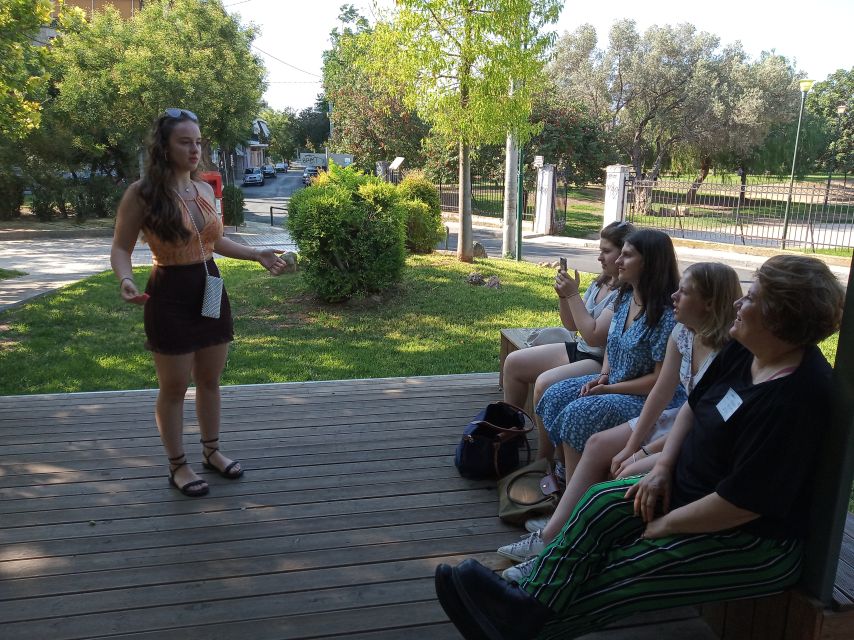
- A free Digital Museum start that helps you gather the right background before you talk
- Academy Park walking + Gymnasium ruins to connect philosophy to place
- Socrates’ maieutic questioning used in plain English, aimed at discussion, not lecturing
- Allegory of the Cave as a lived exercise through dialogues and opinion-sharing
- A modern-life debate game based on how Plato thinks a philosopher should act
- Small-group pacing that lets beginners and more curious thinkers stay involved
Why Plato’s Academy Park is the right room for this kind of philosophy
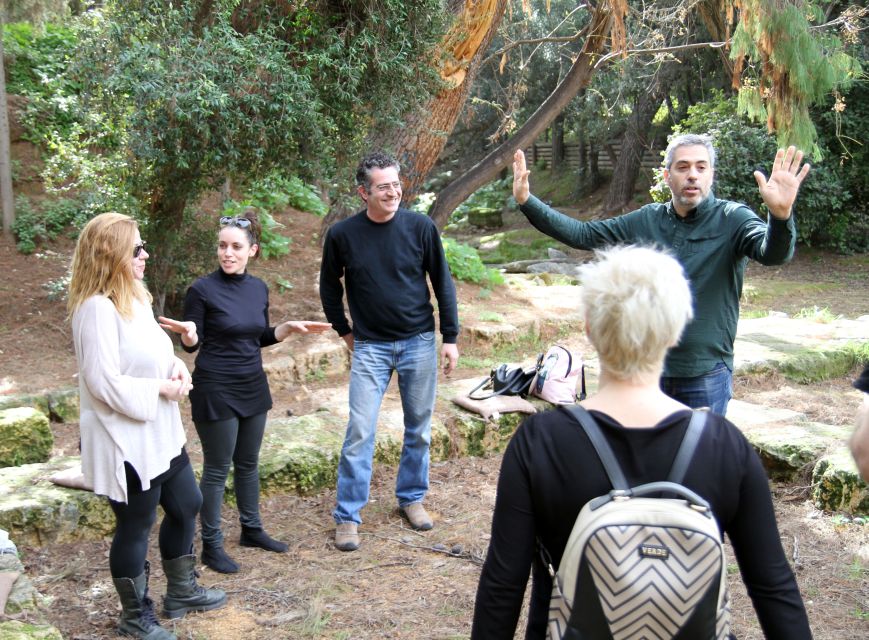
Plato’s ideas can sound distant until you meet them in the setting that created them. Here, the message isn’t delivered from a podium; it’s staged around the actual Academy park area, with time to look, notice, and then talk.
This matters because philosophy is a practice, not a trivia contest. The workshop nudges you into asking better questions and checking your assumptions—things you can carry into modern life, whether you’re debating ethics online or sorting through everyday decisions.
And since it’s explicitly a beginner-friendly session in plain English, you’re not stuck decoding jargon. You should come away with more self-awareness about how your beliefs form, not just a recap of Plato’s theories.
You can also read our reviews of more tours and experiences in Athens.


Meeting at the Plato’s Digital Museum entrance with Hellas Revival
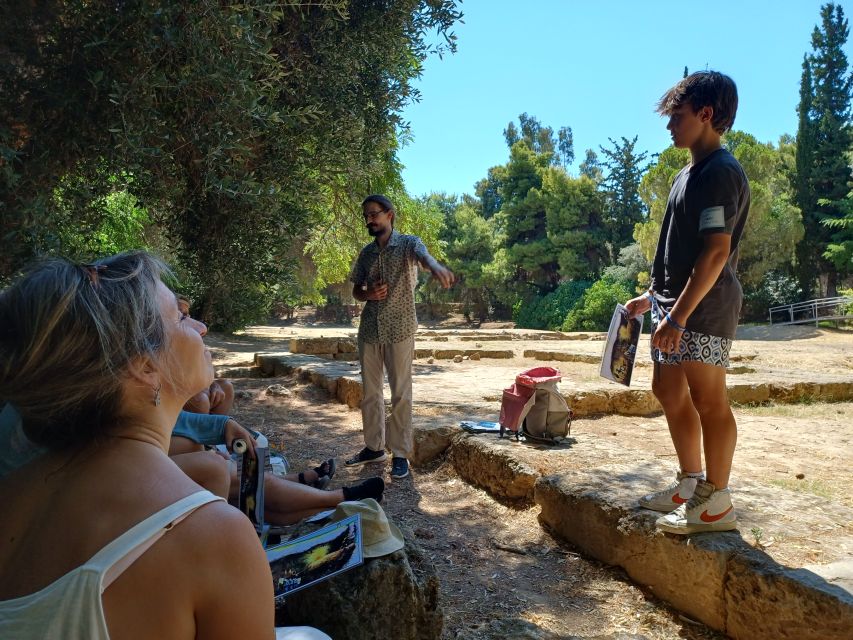
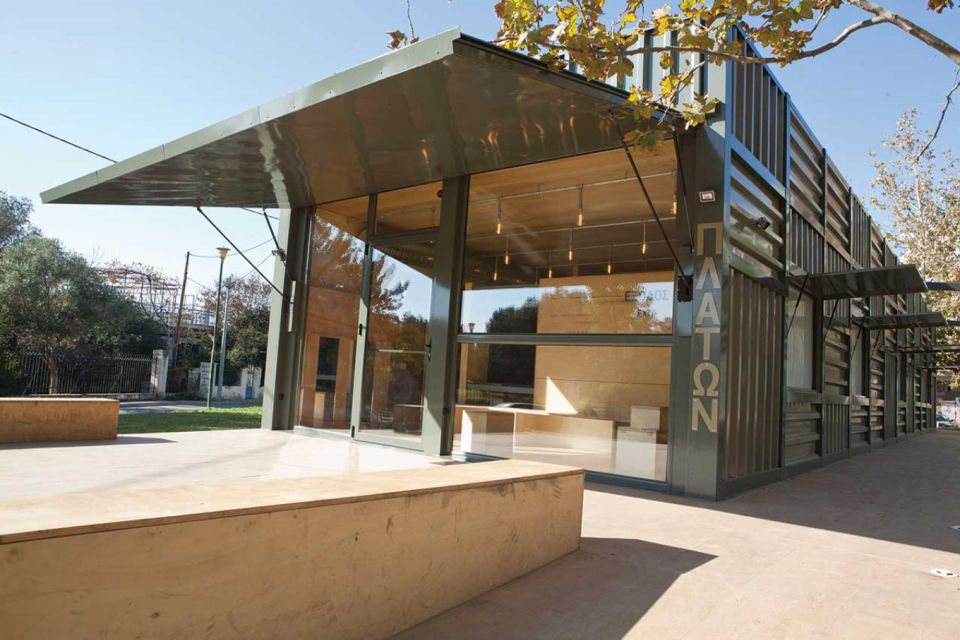
The experience starts outside the Plato’s Digital Museum entrance, where the instructor waits holding a Hellas Revival sign. It’s a simple setup, but it also tells you the workshop’s rhythm: you’re going to start with context, then move fast into discussion.
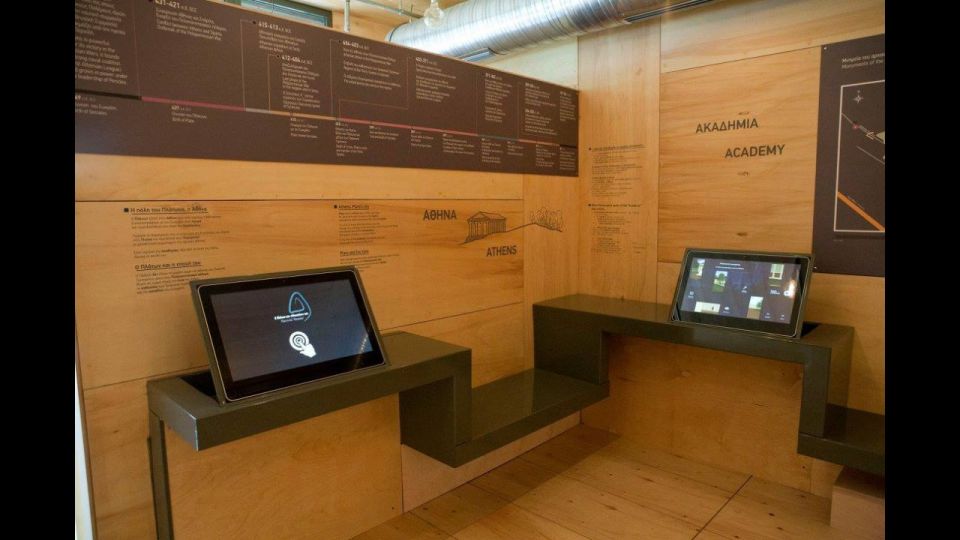
The first stop is a short exploration of the Plato’s Academy Digital Museum, and the entry is described as free as long as it’s open and operational. The goal is not sightseeing for its own sake—you’ll gather specific information about Plato’s life and works and about his Academy. That prep becomes your raw material later when you share what you learned and build the discussion together.
Here’s the consideration I’d plan for: the Digital Museum schedule can change, and it can sometimes be closed without any announcement. If that happens, you may still do the rest of the workshop, but the exact emphasis could shift since the initial information-gathering step might be shortened or adapted.
From museum notes to the Academy ruins: seeing the Gymnasium area
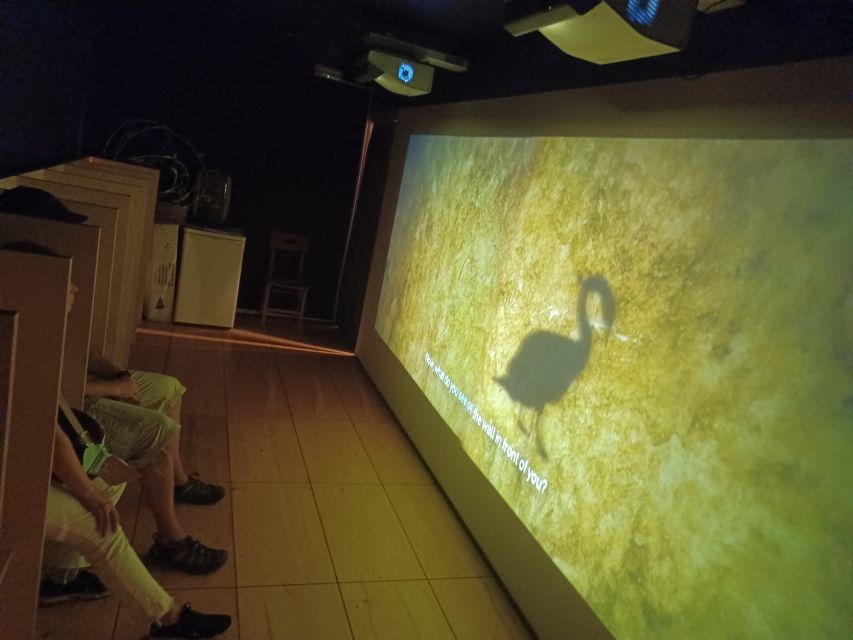
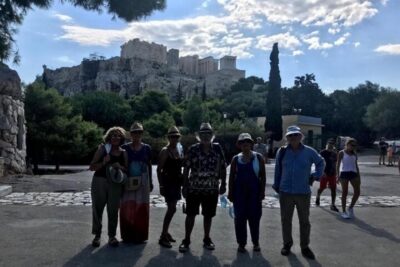
After the museum briefing, you walk through the archaeological park of the Academy. This is where the experience stops being abstract. You’re shown the setting that hosted the world’s first Academy, and you’ll work your way toward the ruins of the ancient Gymnasium.
Even if you’re not a history buff, you’ll feel the difference between reading about Plato and standing near the physical footprint of where an idea-world grew. The ruins give your questions weight: you’re not only talking about education and thinking—you’re doing it in the place built for those conversations.
One more practical detail: excavation sometimes happens in Plato’s Academy Park. In that case, you’ll see the ancient Gymnasium ruins from a short distance and then settle in a different spot in the park. That’s not a problem, but it is something to keep in mind if you’re hoping for a perfect photo angle or a specific view.
Socrates’ maieutic questioning: how the dialogues really work
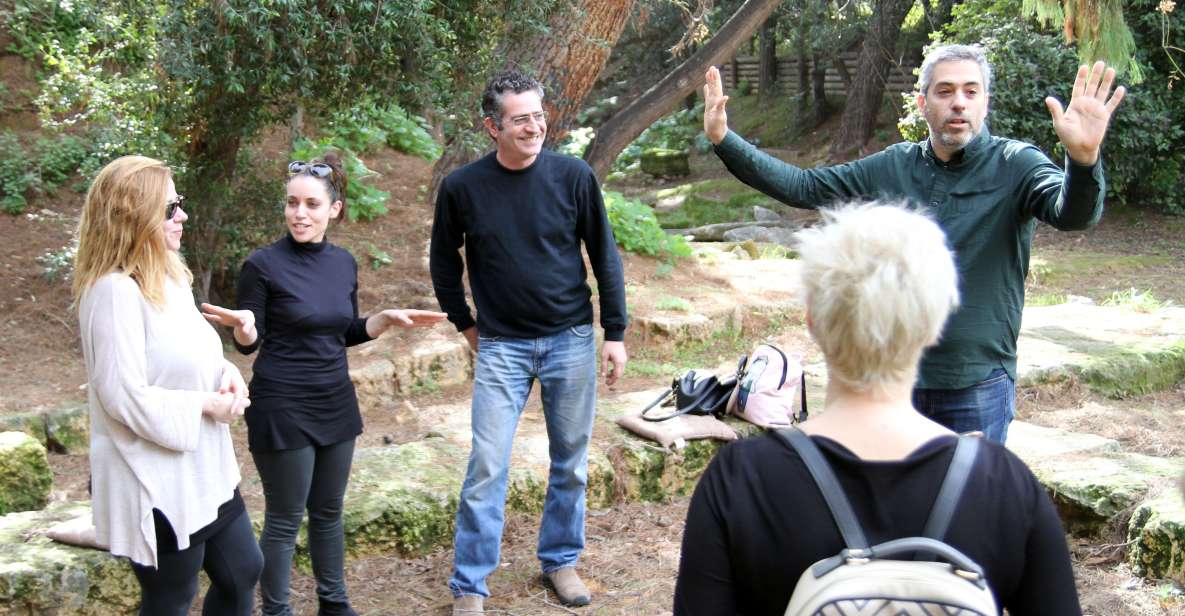
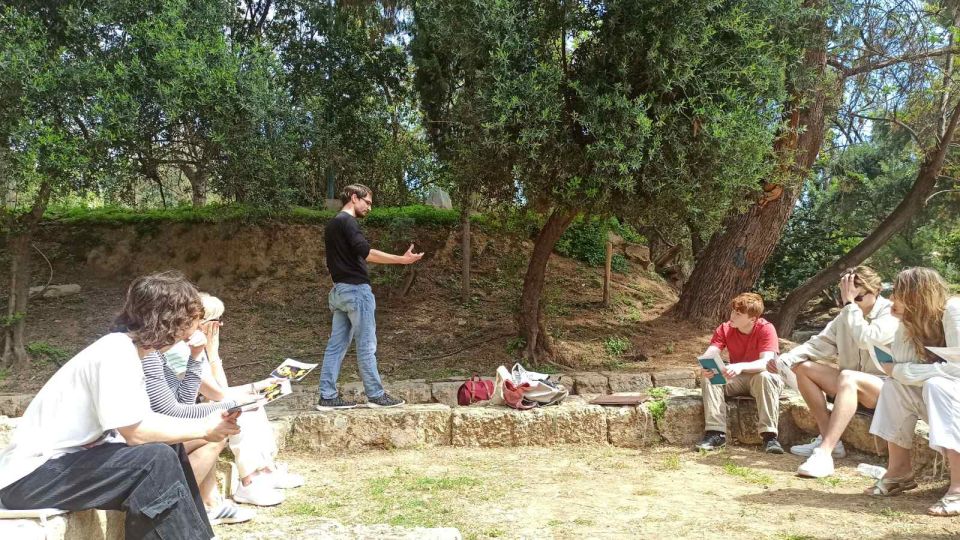
The heart of the workshop is a discussion-based philosophy quest built around Plato’s Allegory of the Cave. The key is that you’re guided into dialogue, not dragged through a lecture. You’ll exchange opinions, beliefs, experiences, and views, and the instructor keeps the conversation structured.
The teaching method is described as Socrates’ maieutic art—often described as a midwife-like approach. In plain terms, it means the facilitator helps you draw ideas out of your own thinking, rather than just telling you the answers. Expect techniques that resemble Platonic dialogue style: asking, reframing, and testing what you claim.
I like this approach because it forces clarity. When you’re answering a question publicly, you notice where your thinking is fuzzy. And when someone asks follow-ups in a respectful way, you learn to refine your reasoning without shutting down.
Also, because the workshop is designed for beginners, the instructor should be keeping language simple. You’re meant to participate even if you came in with zero prior philosophy background. That’s a big value point for a short two-hour experience—no one is left behind.
The Allegory of the Cave as a modern thinking exercise
The Allegory of the Cave can sound symbolic and distant until you practice it as a discussion prompt. Here, you’ll discover deeper meanings through guided dialogues, not just a summary of the myth.
The practical question you’ll keep running into is: what are your personal caves? The workshop’s framing pushes you to connect Plato’s questions to modern life. That could mean how information shapes you, how group opinions form, or how comfortable you are when beliefs get challenged.
And because you’ll be sharing your own viewpoints, you get something more useful than a lecture. You get a mirror for your own assumptions. You’ll leave with a clearer sense of how to think when you’re uncertain—and how to argue without turning it into ego.
This is also where the small-group format matters. If the group is active and the facilitator keeps things moving, you spend your time thinking instead of waiting your turn to ask a question you won’t get to.
- All Day Cruise -3 Islands to Agistri,Moni, Aegina with lunch and drinks included
★ 5.0 · 4,958 reviews




The debate game: testing Plato’s idea of what philosophers do
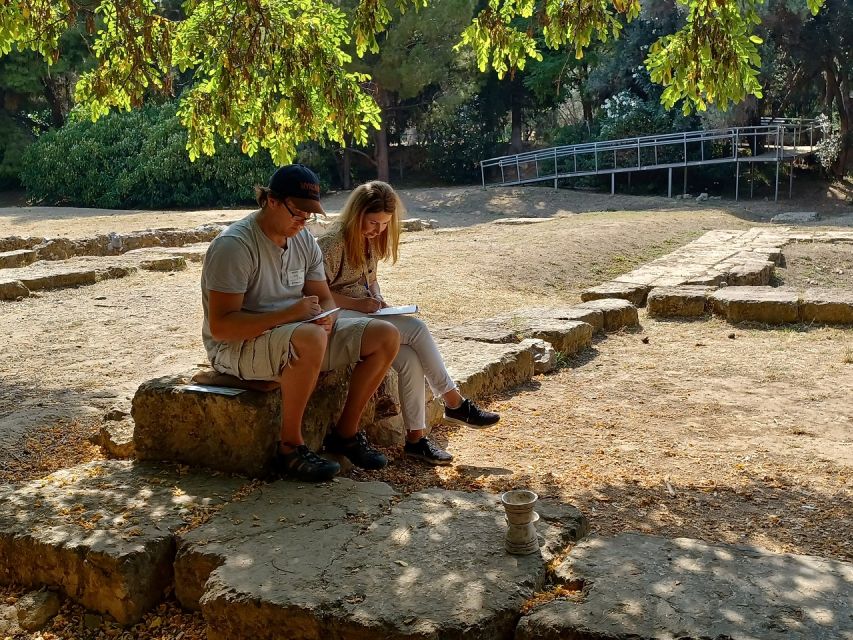
The workshop ends with a short debate game. You’ll speak on a modern life case study, and the discussion is based on Plato’s opinion of how a philosopher should act.
This is a smart final step because it turns philosophy into a decision-making test. You’re not only interpreting a text; you’re trying to apply values to a realistic scenario. And because it’s game-like, it’s less intimidating than a formal debate, even if you’re not used to speaking in groups.
You should plan to participate out loud. The activity is built for conversation, so you’ll get the most value if you’re willing to say what you think—even if you change your mind along the way.
What $90 buys you (and why the value isn’t only about the ruins)
At $90 per person for a two-hour session, you’re paying for structure and guidance, not just entry fees. The included items are an expert facilitator, all materials, and local taxes (listed as 24%).
What you should notice: it’s not a guided tour in the classic museum-walking sense. The payoff is the workshop experience—discussion, dialogues, debate prompts, and instructor-led techniques that help you turn ideas into your own reasoning.
So the value comes from three things:
1) the setting (Academy Park and the Gymnasium ruins area),
2) the method (Socrates-style questioning and dialogue techniques),
3) the format (interactive small-group participation in plain English).
If you only want a passive overview of Plato, you might not feel fully satisfied here. But if you want a short, structured way to practice critical thinking and self awareness, this is the kind of activity that can stick with you longer than a standard walk.
Practical tips so you’re comfortable and get the most from the workshop
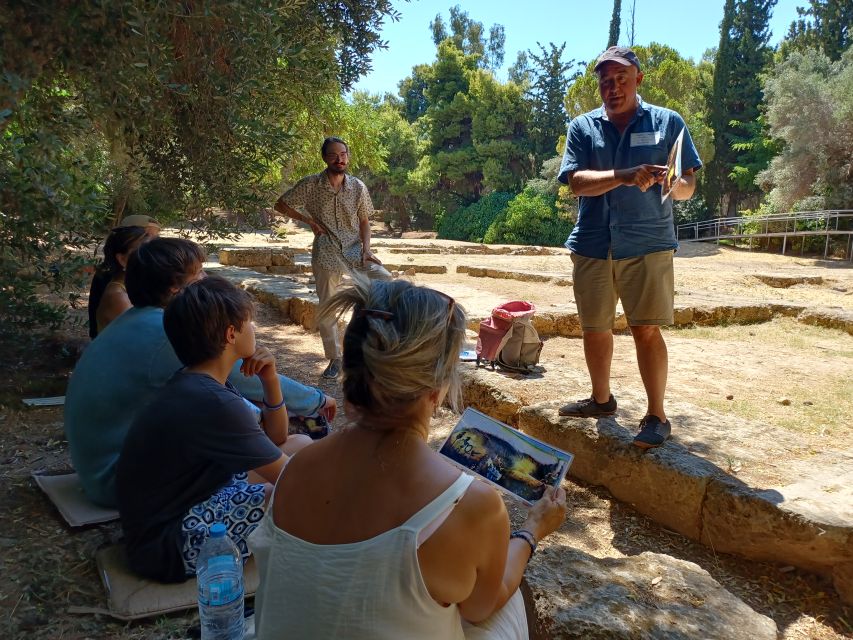
This is outdoors and at a historical site, so comfort affects your attention span. Bring comfortable shoes—there will be walking around the park area. Bring water, and pack a sun hat, especially if your start time is in bright hours.
Clothing matters too. The workshop notes respectful conduct rules, including soberness, cleanliness, photo/video etiquette, and dress-code expectations. If you show up in a way that conflicts with those expectations, the facilitator can terminate your participation without refund.
One more heads-up: since the activity is in a public space, you consent to photo/video shooting that may occur, including potential future publication. If you don’t want that, the guidance says you can withdraw your consent by contacting in writing before the workshop.
Language-wise, you’re covered: the instructor is English-speaking, and the workshop is described as plain English with no difficult terminology. That’s ideal if you want to participate without feeling like you’re outside your comfort zone.
Should you book the Plato’s Academy philosophy workshop?
Book it if you want philosophy in a form that’s active and practical. You’ll get the best results if you enjoy conversation, like being guided with questions, and want a beginner-friendly bridge into Plato’s ideas—especially the Allegory of the Cave.
Skip it if your ideal day is mostly quiet sightseeing or if you hate public speaking. Also, if the Digital Museum hours are unpredictable for your dates, treat that free museum element as a bonus rather than a guarantee.
If you come for the ruins, you’ll leave with more than pictures—you’ll leave with questions sharpened, and with a modern way to think about belief, perception, and how to argue in good faith.
FAQ
Where does the workshop start and end?
You meet the instructor outside the Plato’s Digital Museum entrance, outside the entrance area, and you finish back at the same meeting point.
How long is the experience?
The workshop is listed as 2 hours, with starting times depending on availability.
Is the workshop offered in English?
Yes. The instructor is English-speaking.
Is this for beginners?
Yes. It’s described as a basic philosophy workshop suitable for people without previous knowledge, using plain English.
What if Plato’s Digital Museum is closed?
The museum schedule changes constantly and it can sometimes be closed without any announcement. In that case, the workshop may adjust how the start is handled since the museum visit is part of the prep step.
Is it wheelchair accessible?
Yes, wheelchair access is listed as available.
What should I bring?
Bring comfortable shoes, a sun hat, water, and comfortable clothes.
Is a guided tour included?
No. It’s described as an educational interactive workshop, not a guided tour.



More Tour Reviews in Athens
- All Day Cruise -3 Islands to Agistri,Moni, Aegina with lunch and drinks included
★ 5.0 · 4,958 reviews