REVIEW · ACROPOLIS OF ATHENS
Acropolis & Acropolis Museum PRIVATE Expert led Guided Tour
Book on GetYourGuide →Operated by WARMPENGUIN · Bookable on GetYourGuide
You feel ancient Athens get real, fast. This private expert-led walk connects the Acropolis and Parthenon to the objects you’ll later see in the Acropolis Museum, with a guide who can explain what you’re looking at (and why it mattered).
I especially like the mix of big monuments plus the stories behind them, from theatre origins to temple myths. And you get a true private feel, where questions land instantly instead of getting lost in a group shuffle.
The second thing I like is how the museum turns outdoor ruins into something you can understand with models, videos, and interactive displays. One possible drawback: site admission tickets cost extra and this is not wheelchair friendly, so the walking parts can be a deal-breaker if mobility is limited.
In This Review
- Key highlights to look forward to
- Meeting at Makrigianni 7: where the tour actually starts
- What makes this private tour worth paying for
- Theatre of Dionysus: the stage behind the myths
- Propylaea and the kind of details you remember
- Nike, Erechtheion, and Poseidon vs Athena
- Parthenon: art, architecture, and how to look like a pro
- Odeon of Herodes Atticus: performance still alive
- Acropolis Museum: where ruins become understandable
- Finish near the Ancient Agora: a natural next step
- Price and value check: what $163 buys you
- Who this tour fits best (and who should reconsider)
- Should you book this Acropolis & Museum private tour?
- FAQ
- How long is the tour?
- Where do I meet the guide?
- Are tickets or admission fees included?
- What is included in the tour price?
- What languages are available for the live guide?
- Is the tour wheelchair accessible or are pets allowed?
- Is there free cancellation?
Key highlights to look forward to
- State-accredited licensed archaeological expert leads your group and keeps the pace manageable.
- Acropolis first, museum second so the artifacts have instant context, not guesswork.
- Theatre of Dionysus + Odeon of Herodes Atticus connects ancient performance culture across centuries.
- Temple-to-temple myth threading (Athena vs Poseidon, Nike, Erechtheion) makes the monuments stick.
- Propylaea details you won’t get from signs including how sunlight would have played off a bronze spear tip.
- Finish near the Ancient Agora if you want to keep going after the last photo.
Meeting at Makrigianni 7: where the tour actually starts
Your tour meets at Makrigianni 7 (Athina 117 42), close to the Acropolis Museum. Your guide will be holding a sign with your name, so you spend less time wandering and more time getting oriented.
This location is handy for one more reason: it puts you in the right neighborhood for the day’s rhythm. You’ll be moving from the museum area up to the Acropolis viewpoints, then coming back down into a more walkable city zone.
You can also read our reviews of more guided tours in Acropolis Of Athens


What makes this private tour worth paying for
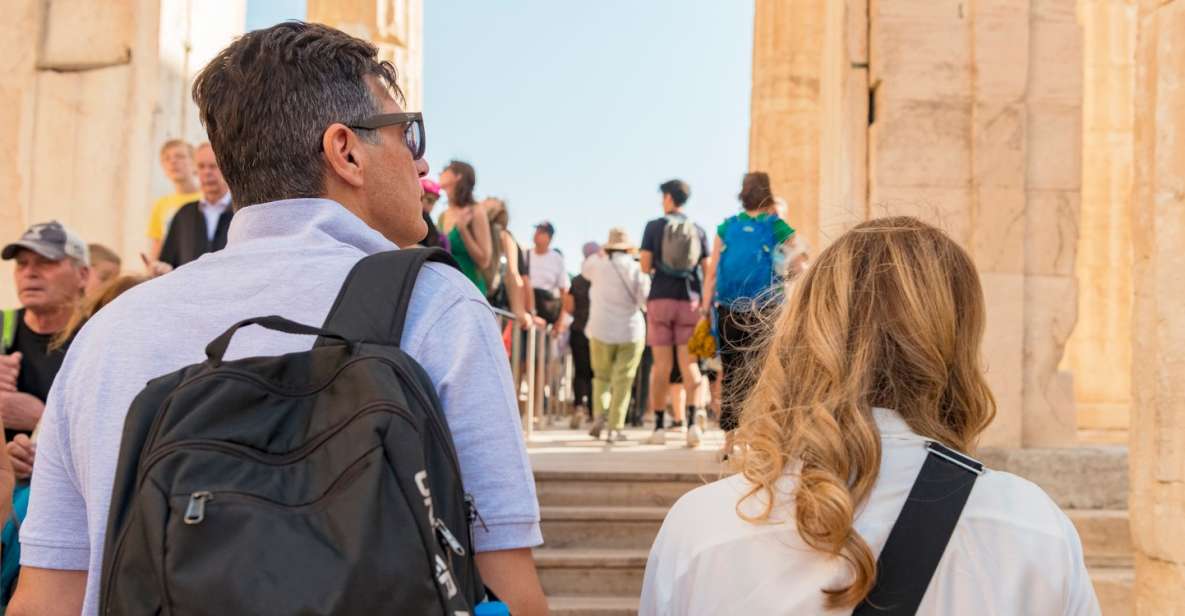
For $163 per person, you’re paying for time with a licensed archaeological expert and a group size that stays small enough for questions. That matters at the Acropolis, where the difference between a good visit and a great one is often the context: what you’re seeing, what it replaced, and what it signaled to ancient Athenians.
Also, the private format is built for real pacing. The plan gives short guided stops (many at about 15 minutes each) so you’re not stuck in a long “listen to the guide” slog. Based on the guide styles highlighted by different named guides in the tour feedback (people like Aleksandra and Vicky), the best sessions tend to include both clear explanations and patience when something slows you down.
Just keep in mind what the price does not include. Admission fees are not included, and you may need to reply after booking so the team can arrange skip-the-line tickets for the right time slot. If you ignore messages, entry delays can become your problem.
Theatre of Dionysus: the stage behind the myths
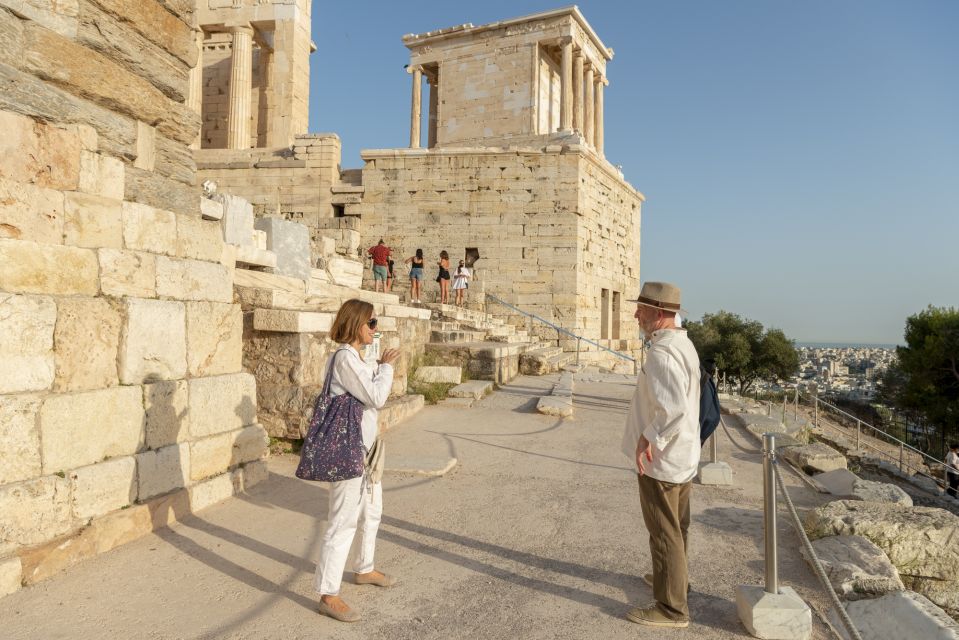
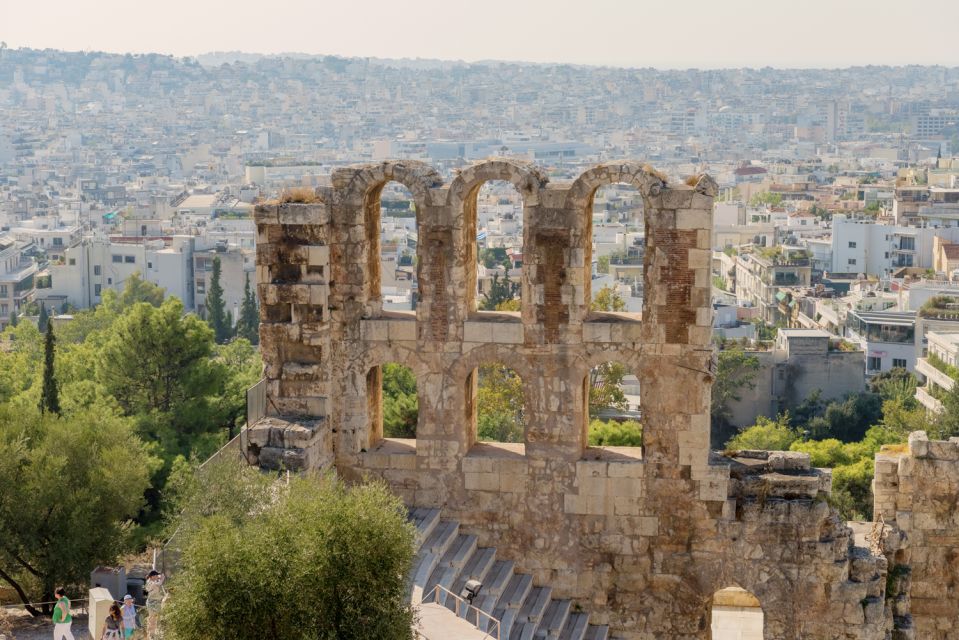
You start with the Acropolis circuit, and one of the first wow stops is the Theatre of Dionysus. The tour frames it as the world’s oldest theatre, and it gives you a reason to picture real people performing there about 3,000 years ago.
Even if you’re not a theatre person, you’ll likely enjoy the perspective shift. The Acropolis isn’t just stone and temples. It’s also a cultural machine—songs, plays, civic identity. When your guide explains the theatre’s place in that system, the rest of the site feels less random.
Possible snag: you’ll want comfortable shoes. This area is full of uneven surfaces and steady walking, so plan like you’re touring a historic work site, not strolling a flat promenade.
Propylaea and the kind of details you remember
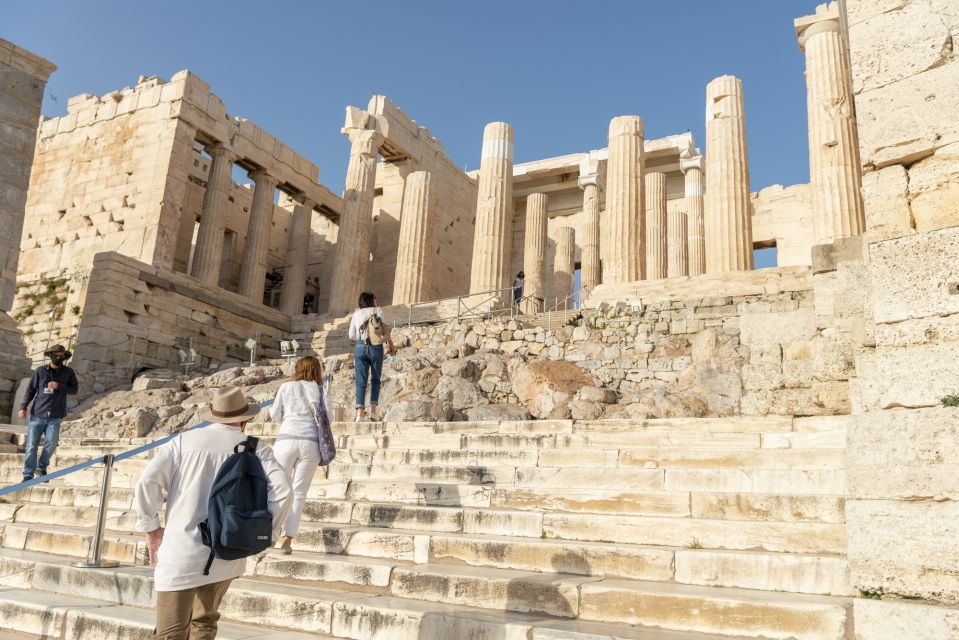
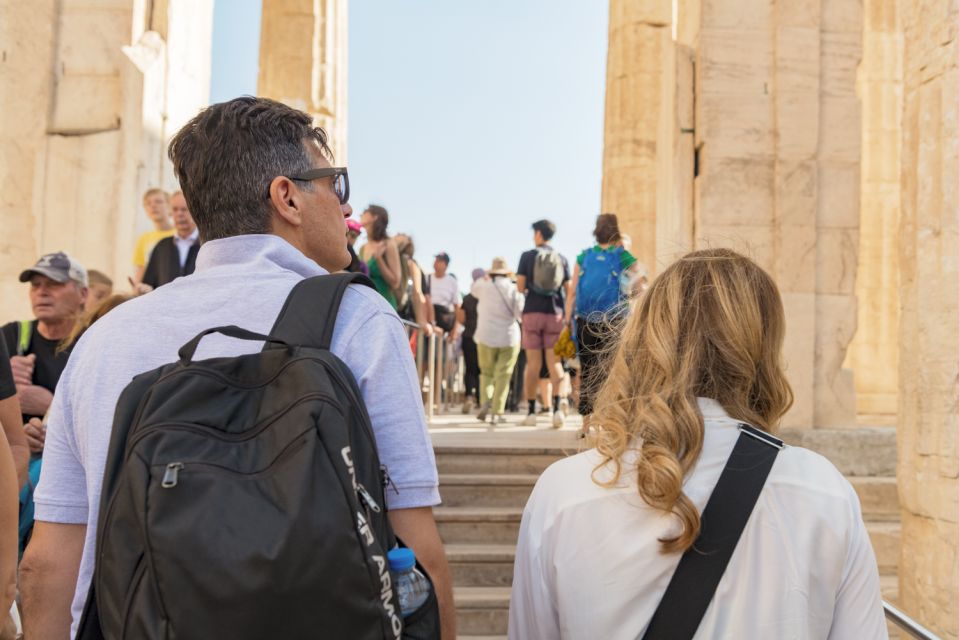
Next comes the Propylaea, the monumental entrance. Here the tour gets delightfully specific: you hear how sunlight would have glinted from the bronze spear tip of the statue of Athena that once stood there. The guide also ties that image to sailors leaving from Cape Sounion, roughly 70 km away, for war and trade across the ancient Mediterranean.
That’s the kind of detail that makes the Acropolis feel like a lived-in city. You’re not just viewing architecture; you’re being asked to imagine light, movement, and memory—what people saw and what it meant when they arrived.
The short guided timing (around 15 minutes for this stop) is also a plus. It’s enough time to understand the idea, but not so long that you lose attention to heat or crowds.
Nike, Erechtheion, and Poseidon vs Athena
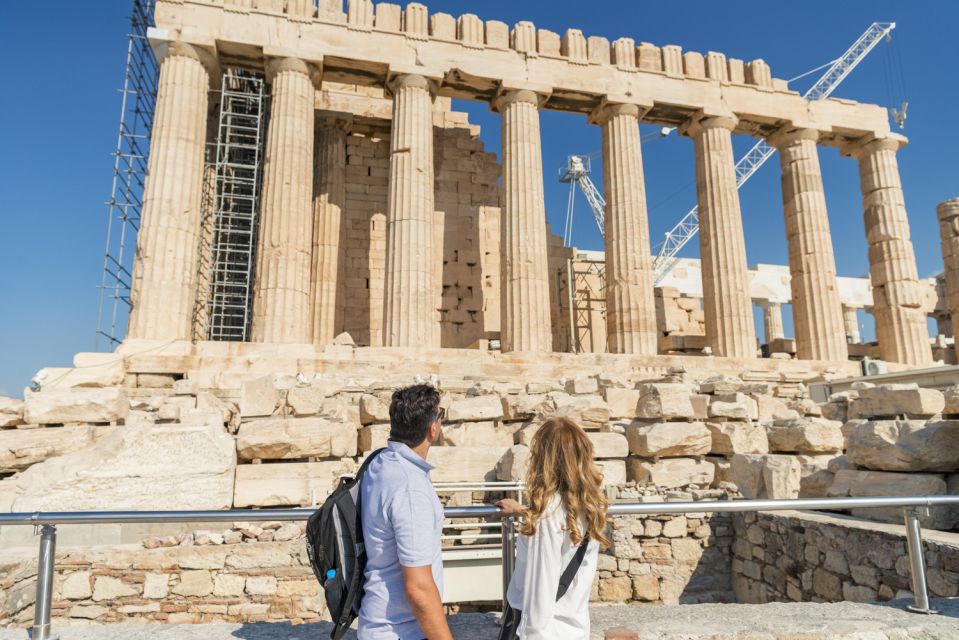
The route continues to the Temple of Athena Nike. The guide’s focus here is on the secrets of the place, and it’s the kind of stop where a good guide can make you notice tiny design choices instead of treating it like a quick picture spot.
Then you move to the Erechtheion, where mythology takes the wheel. You’ll hear about the struggle between Poseidon and Athena, and how that story is tied into what the temple represented. That myth connection matters because it helps you see the Acropolis as a map of beliefs, not just a museum of styles.
If you enjoy mythology, this is a highlight zone. If you’re not into mythology, still give it a fair shot, because the guide usually uses these stories to explain why the buildings looked the way they did and how Athenians used them.
Parthenon: art, architecture, and how to look like a pro
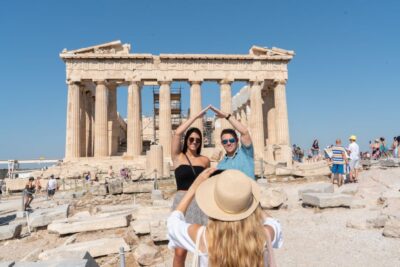
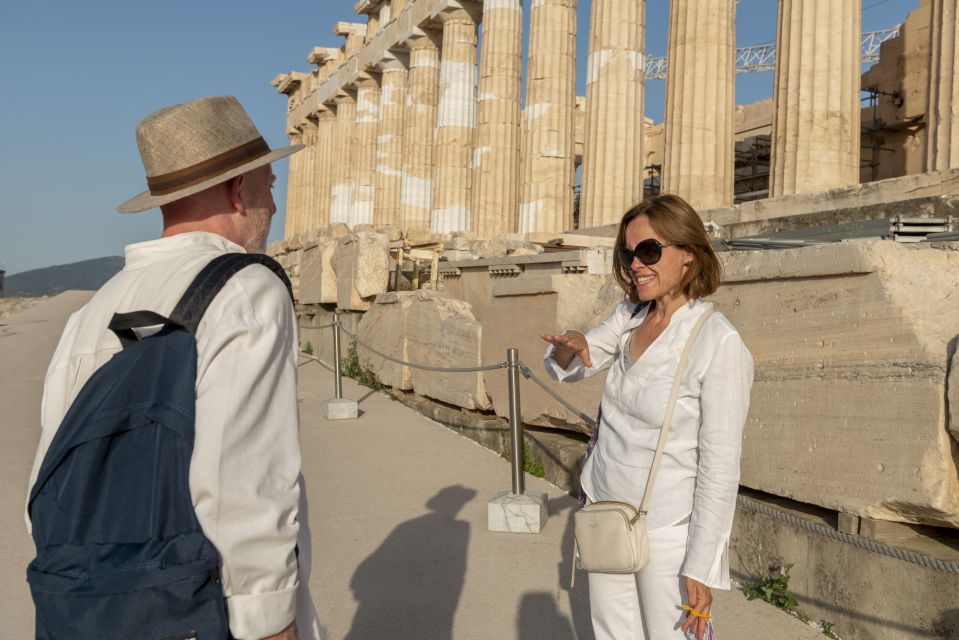
The Parthenon is the obvious star, but the value here is how you look at it. Your guide treats it as a masterpiece of art and architecture, and you get context for the design choices instead of only admiring the scale.
You’ll also likely pick up a way to interpret what you see from different angles. After temple stops, the tour builds in time for panoramic views over Athens, and your guide helps connect that view to the depth of time and cultural significance.
Practical note: the Parthenon area can feel busy even early or on calmer days. A private guide can help you reposition for photos without turning your visit into a scavenger hunt.
Odeon of Herodes Atticus: performance still alive
After the temple sequence, you head down through the olive trees to the Odeon of Herodes Atticus. This stop is framed as a theatre still in use during the summer, so you get a neat time loop: from the earliest stage culture to a performance space that remains active.
This is a great moment to slow down a bit. The walk downhill tends to reset your energy, and the setting makes it easier to enjoy the scale without staring at stone for too long.
Acropolis Museum: where ruins become understandable
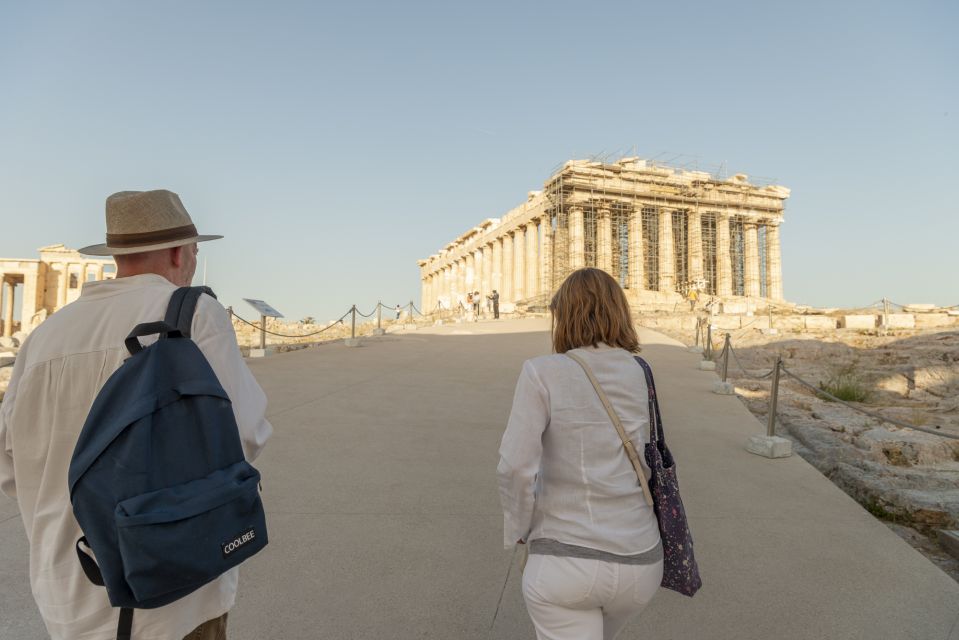
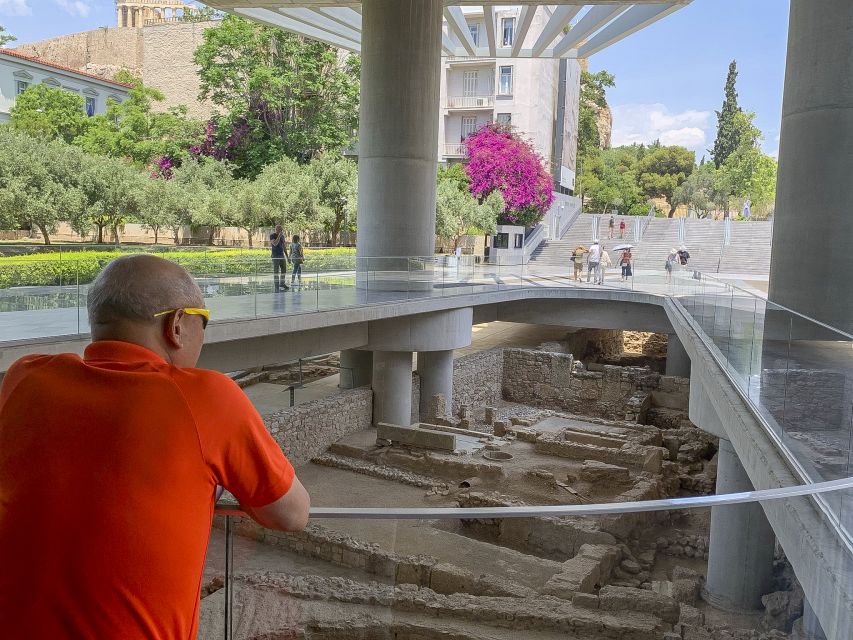
The tour then shifts indoors to the Acropolis Museum, described as state-of-the-art and designed to preserve major finds from the Acropolis. What I like here is that the museum doesn’t ask you to guess. It uses models, videos, and interactive installations to help explain how the Golden Age of Classical Greece worked.
Your guide highlights the museum’s must-see pieces and answers questions about ancient Greek life, not just about objects in isolation. That’s important because the Acropolis is a site of layers. The outdoor stones tell part of the story, and the museum fills in what’s missing: context, preservation, and interpretation.
Another smart part: your time in the museum is guided (about 1.5 hours in the full option). That’s long enough to do the key stops without turning it into a marathon.
If you’re tempted to skip the museum, I get the impulse. But the whole point of this tour is the link between what you see outside and what you later understand inside.
Finish near the Ancient Agora: a natural next step
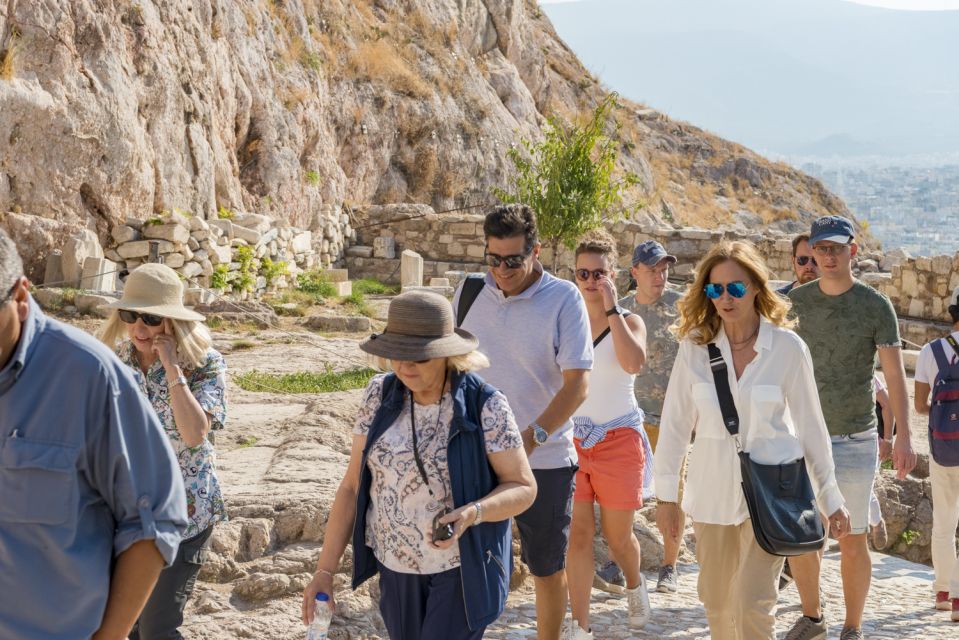
The tour can end at or near the Ancient Agora of Athens. This matters because it keeps the day coherent. Once you’ve learned how civic life and myth shaped the Acropolis, it’s natural to move to the space tied to philosophers, democracy, and major classical-era temple remains.
Even if you don’t do more walking afterward, having the day end on the Agora side gives you options: you can keep exploring on foot or use the area as a jumping-off point.
Price and value check: what $163 buys you
Let’s talk value honestly. At $163 per person for a private, expert-led experience lasting about 1.5 to 3 hours, you’re buying three things:
- A licensed archaeological guide (not just a generic guide with a phone full of facts).
- A private group dynamic, which means more questions, less waiting, and pacing that fits your day.
- Skip-the-line help, since admission tickets are handled on request so your guide can have them ready for the right time slot.
What you are not buying is the admission itself. Ticket costs and admission fees are not included, so budget for those add-ons. Also, there’s no hotel pickup or drop-off included, so you’re responsible for getting to Makrigianni 7 on time.
So who gets the best deal? You probably will if:
- You care about architecture and symbolism, not just photos.
- You want answers fast instead of reading on tiny signs.
- Your group is small enough that the private format actually feels private.
If you’re traveling solo and happy with a self-guided visit, you may find cheaper options. But if you want the Acropolis to click into place as a story, the guide time is the real product.
Who this tour fits best (and who should reconsider)
This tour is ideal for people who want history + myth + archaeology in one day without doing homework. It’s also a strong fit for families and mixed-age groups if your guide adapts the pacing, since multiple highlighted guide experiences mention patience and keeping people engaged.
Two groups should reconsider:
- Anyone who needs wheelchair access, since the tour is listed as not suitable for wheelchair users.
- Anyone traveling with pets, since pets are not allowed.
And one more reality check: it’s a walking day on uneven terrain with uphill elements. If you have mobility limits or stamina concerns, plan your timing carefully and consider whether the full route is too much.
Should you book this Acropolis & Museum private tour?
I’d book it if you want more than a checklist. This tour is built to connect the Parthenon and Acropolis myths to what you’ll see in the Acropolis Museum, and it does it with a licensed archaeological expert who can tailor explanations as you go.
Skip booking if your goal is only photos and you’re confident doing it all independently. But if you want the why behind the stone—and you value a private pace—this is a solid use of money in Athens.
FAQ
How long is the tour?
The duration is listed as 1.5 to 3 hours, depending on the option you choose.
Where do I meet the guide?
You meet at Makrigianni 7, Athina 117 42, and the guide will have a sign with your name.
Are tickets or admission fees included?
No. Ticket costs and admission fees are not included. The provider can arrange skip-the-line tickets on request after booking, and you’ll be contacted to confirm time slots.
What is included in the tour price?
Included: a licensed archaeological guide, the tour time depending on the option chosen, and a private tour exclusive to your group.
What languages are available for the live guide?
The tour offers live guidance in English, German, Italian, and Greek.
Is the tour wheelchair accessible or are pets allowed?
Pets are not allowed. The tour is listed as not suitable for wheelchair users.
Is there free cancellation?
Yes, free cancellation is offered up to 24 hours in advance for a full refund.