REVIEW · PIRAEUS
Paul’s Biblical and Ancient Corinth Half-Day Tour
Book on GetYourGuide →Operated by Kostantinos Kourgialis · Bookable on GetYourGuide
Paul’s Corinth feels real fast once you’re on the ground. This tour strings together the Corinth Canal and Acrocorinth with the kind of story-driven guiding that makes the Bible feel like it happened yesterday. I love the photo-friendly pace and the way your guide connects sites like Kenchreai and the early Christian references to Paul’s 51 A.D. stay. One thing to plan for: monument tickets and lunch are not included, so you’ll want a little extra cash and patience with timelines.
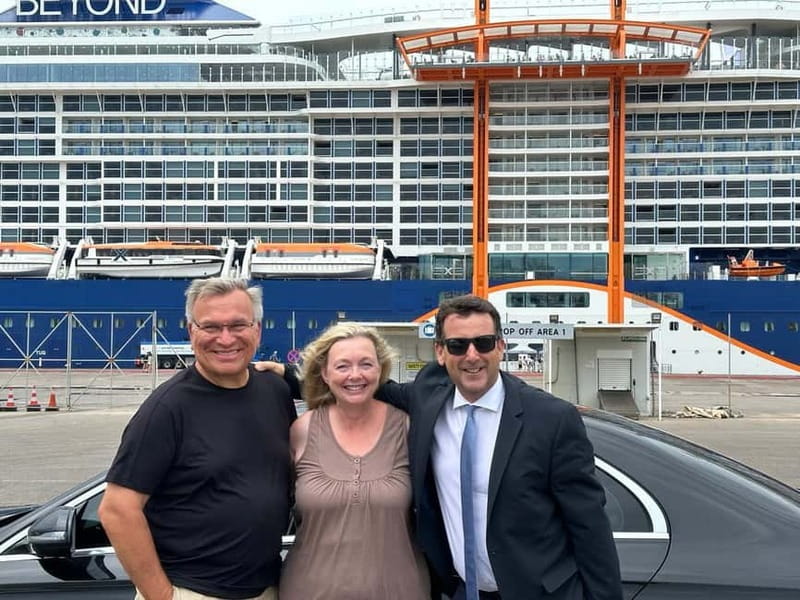
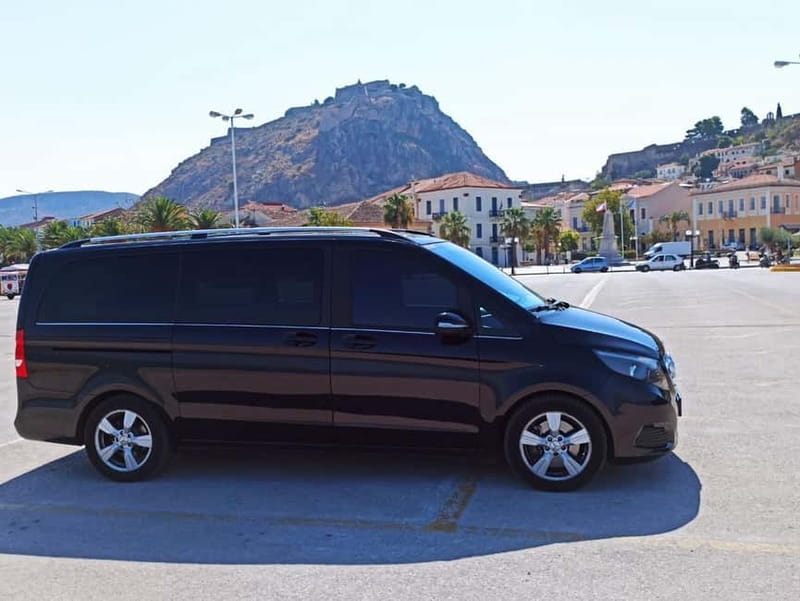
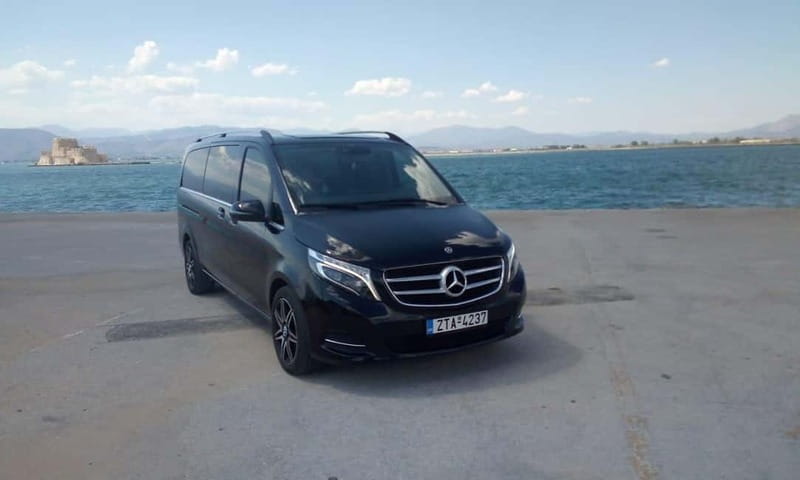
The logistics are smooth and very personal, with a black Mercedes electric limousine or mini van and a small group capped at 11. Guides like Kostas and Fotis (and others, including George, Michael, and Nick) are strong on both history and Christian context, and you’ll get picked up with a name sign. If you’re the type who hates time in the car, you should know this is still a full 6 hours day out of Athens/Piraeus area.
In This Review
- Key highlights worth your attention
- A half-day route that follows Paul’s footsteps in Corinth
- Luxury Mercedes pickup and small-group pacing that actually works
- Corinth Canal to Temple of Apollo: why the geography hits harder in person
- Ancient Corinth archaeology and the museum: where the details start clicking
- Kenchreai harbor feel, monasteries, and the logic of Akrocorinth
- The Paul-era church references, Erastus, and what your guide should explain
- Tickets and lunch: what you’ll pay extra for
- Value at $145: what you’re really getting for the money
- Who this tour is best for (and who should skip it)
- Should you book Paul’s Biblical and Ancient Corinth half-day tour?
Key highlights worth your attention
- A Paul-focused route across major locations from his Corinth stay, not a random hits-and-runs circuit
- Luxury, low-stress transport in a Mercedes electric limousine/mini van with pickup by name
- Crowd-smart timing and photo stops built into the route so you’re not sprinting between sites
- Kenchreai and the ancient harbor feel gives you context beyond the ruins you see in guidebooks
- Akrocorinth viewpoints that make the geography of Paul’s world make sense
- Erastus and Paul-era church references help you connect inscriptions and early-Christian sites to the bigger story
A half-day route that follows Paul’s footsteps in Corinth
Corinth is one of those places where you don’t just see stones. You understand why people talked, traded, argued, and—according to the Christian tradition—formed early communities there. This tour is built around that idea: you visit the key stopping points tied to Paul’s time in the city around 51 A.D., and your guide does the hard work of turning “I saw a ruin” into “I get the setting.”
I like the emotional logic of the itinerary. You start with a major piece of geography—the Corinth Canal—and then you move through Ancient Corinth, the Temple area, and toward the high ground at Akrocorinth. That order matters. It mirrors how you’d get your bearings if you were arriving in the region, learning where things connect, and realizing the city wasn’t just one location. It was movement: roads, harbors, bridges, and routes of travel.
Also, the guide role is central here. Your driver isn’t just driving. Many guides (Konstantinos Kourgialis is the provider behind the scenes, and guides you may get include Kostas, Fotis, George, Michael, and Nick) share detailed commentary at each stop and keep the day moving at a pace that doesn’t feel frantic. The small group size also helps. When you’re not jostling for space, you can actually look around and ask questions.
You can also read our reviews of more tours and experiences in Piraeus
Luxury Mercedes pickup and small-group pacing that actually works
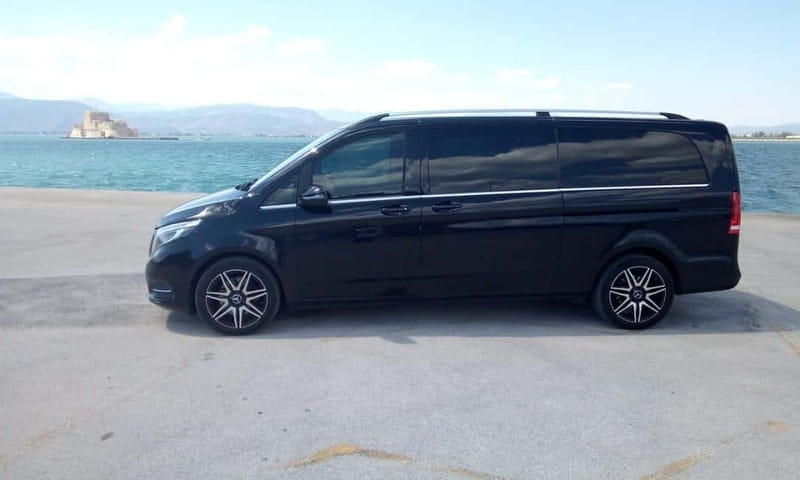
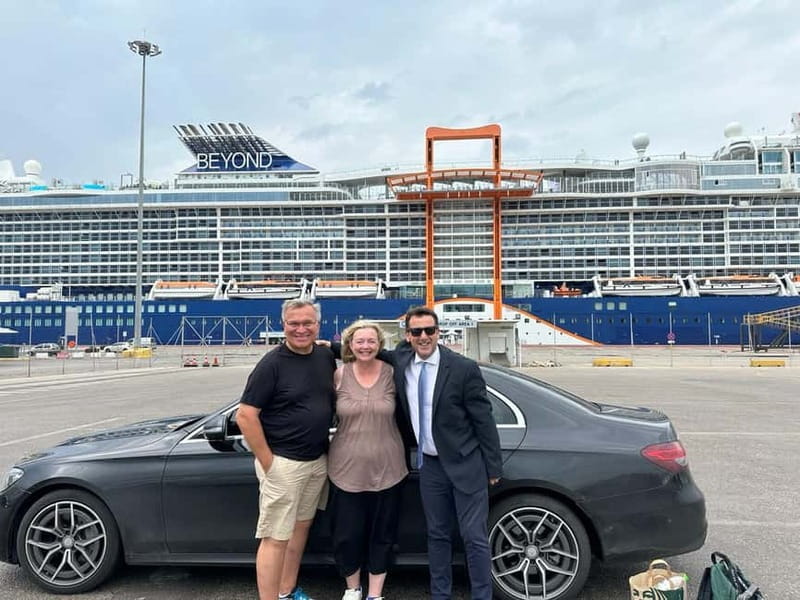
Let’s talk about what you’ll feel in your body during this tour. The day is long enough to be meaningful—6 hours—but it’s paced like a real afternoon, not a factory line. You’re picked up from one of five options (Piraas, Attica, Spata, Laurium, Rafina). You’ll wait for a black Mercedes vehicle, and the driver will have a sign with your name.
The vehicle choice is part of the value. You’re in a Mercedes electric limousine or mini van, which keeps the ride comfortable and helps on a warm day. You also get that “less stress” effect: you’re not coordinating buses or trains, and you’re not navigating transfers with limited time.
And yes, there’s a genuine reason this matters for an archaeology-heavy day. When you’re tired, you stop paying attention. With a comfortable vehicle and a guide who knows when to pull over for photos, you stay in the moment. The reviews I’ve read for this tour are packed with the same theme: safe, smooth driving and smart stopping points.
One practical note: the tour includes wheelchair accessibility, so that’s a plus if you’re planning with mobility needs. If you want a specific seating setup or prefer fewer stairs, it’s smart to mention it when you confirm your pickup time.
Corinth Canal to Temple of Apollo: why the geography hits harder in person
The first big stop is the Corinth Canal. It’s a photo stop plus time to walk a bit and take in the engineering. Even if you don’t care about canals on a general sightseeing day, this one has a way of changing your mental map. Corinth wasn’t isolated; it was a junction of routes, and the canal underlines that. Your guide explains how the broader region functioned as a crossroads for movement.
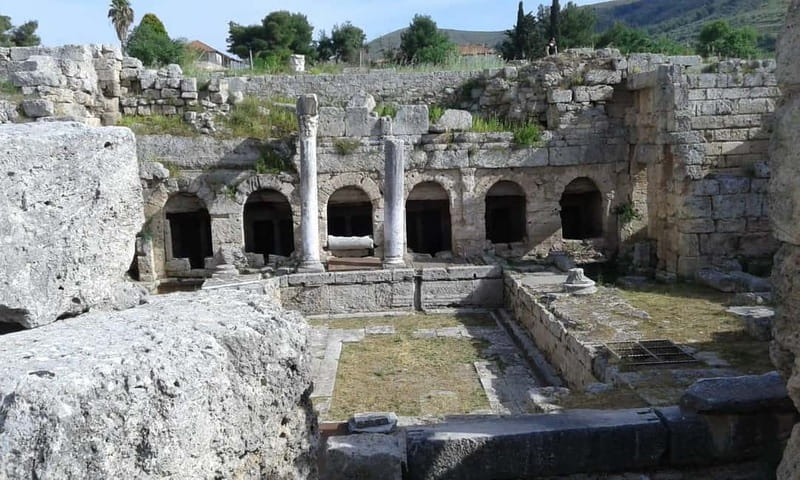
After that, you head into Ancient Corinth with a photo stop and about an hour to visit and sightsee. Then you move toward the Temple of Apollo area in Corinth for another photo stop and a shorter sightseeing window.
Here’s the real payoff. On your own, it’s easy to treat a temple site like a standalone object. With a guided Paul-focused route, it becomes context. You start thinking in terms of who met where, why travelers passed through, and how a city that traded and moved people around would also be full of ideas—religious and otherwise.
Time-wise, the tour uses short segments that keep you from getting overwhelmed. The walks are not described as marathon distances, and there’s built-in time at each place. Still, if you’re sensitive to heat or uneven ground, wear shoes you trust.
Ancient Corinth archaeology and the museum: where the details start clicking
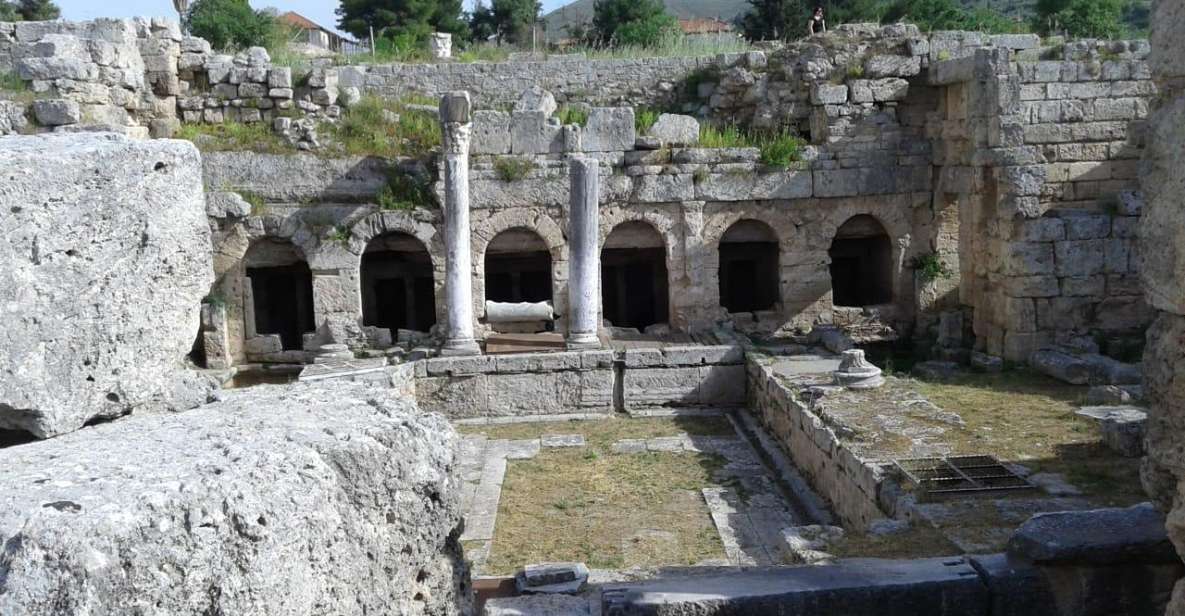
The heart of the day is Ancient Corinth, plus the Archaeological Museum of Ancient Corinth. Museum time is the difference between surface sightseeing and real understanding. Ruins tell you what existed. A museum helps you interpret what you’re looking at and why it mattered.
At Ancient Corinth, you get about an hour for visiting and sightseeing. That’s enough to walk, read what you can, and let your guide connect dots without rushing you through like a timed ticket line.
Then you get museum time—about an hour—to add depth. You’ll also get help with interpretation. Your guide can point out how artifacts and site layout relate to everyday life, travel, and the story framework tied to Paul’s presence in the region.
If you’re the kind of traveler who likes to know what something is before you photograph it, this segment is a win. If you’re more of a “just show me the view” traveler, you’ll still enjoy it because it keeps your brain from going numb. It turns the day from a checklist into a narrative.
Drawback to consider: museum hours and site conditions can affect your rhythm. This is not a “see everything in perfect order” kind of tour. It’s designed for a smart sequence and enough time at each stop, but you’ll still be at the mercy of weather and on-site flow.
Kenchreai harbor feel, monasteries, and the logic of Akrocorinth
One of the most meaningful stops is Kechries (Kenchreai). This is tied to the ancient harbor, and that harbor context matters because Paul’s travels weren’t land-only. The Christian tradition here includes a link between Paul’s journeys and this coastal area. In plain terms: you see a different side of Corinth, the side connected to arrivals and departures.
After Kechries, the route includes a stop at a Monastery. The data doesn’t specify which monastery, but the tour format suggests a short walk-and-look pause—about 30 minutes—where you get a calmer moment and, often, a better perspective.
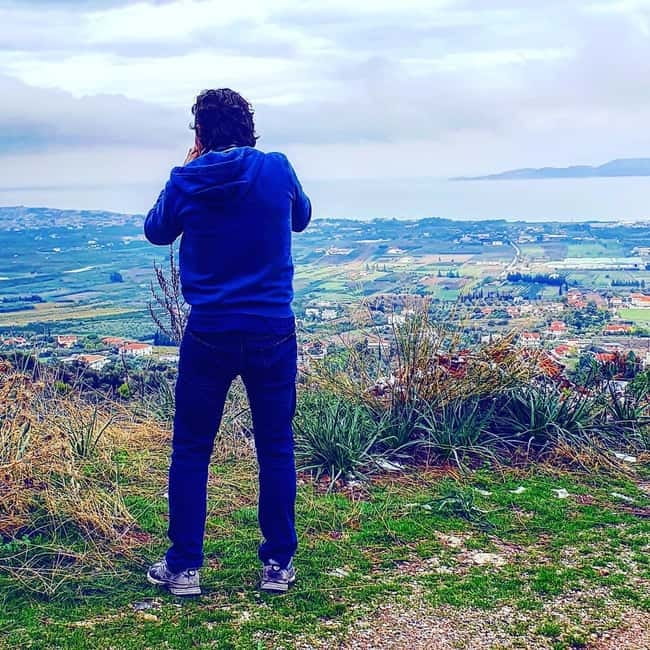
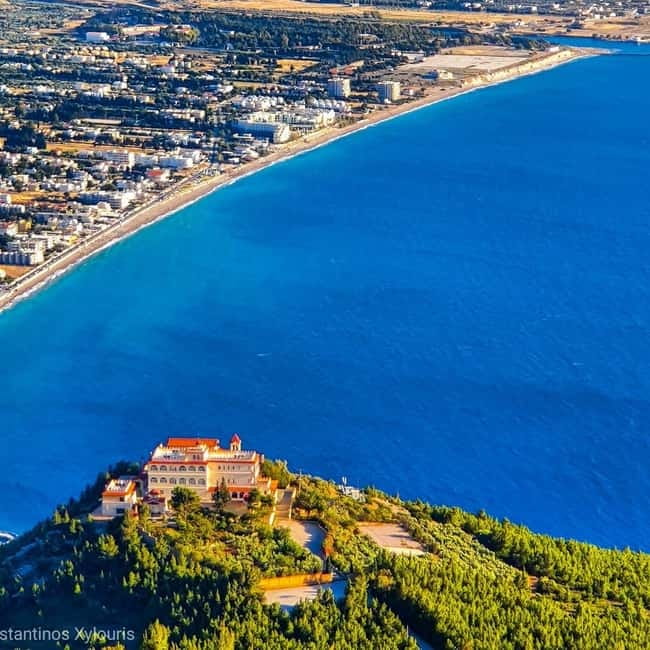
Then comes Akrocorinth, the high ground above the city. This stop is a big reason people love the tour, and for good reason. From the heights, the region starts to make sense. You can feel how a city’s layout and roads shape movement and communication. It’s also where a strong guide can turn geography into story—especially for Paul, whose work depended on networks and travel routes.
Also, guides on this tour are known for doing more than the itinerary suggests. Some groups mention special drives or extra viewpoints, and that’s exactly what you want from a half-day private-style group tour: flexibility without chaos.

The Paul-era church references, Erastus, and what your guide should explain
The tour isn’t shy about faith-and-history connections. One stated highlight is the Church of Paul, and the itinerary includes time at the church area in Acrocorinth.
This is where the tour becomes more than sightseeing. If you care about the Christian context, you’ll appreciate the way guides explain the meaning of sites tied to Paul’s work—how early believers were discussed, where the story is placed geographically, and how inscriptions and archaeology support the narrative.
One detail that stands out in the reviews is the sign of Erastus. If your guide points it out, take a slow look. Inscriptions can feel small in photos, but in person they hit differently. It’s that rare moment where you can connect a physical text to the world that Paul’s letters and travels would have influenced.
You might also hear about early Christian activity around baptisms, but don’t expect every guide to phrase it the same way. The important thing is that your guide treats these sites with care, connects them to the broader Corinth story, and explains what you’re looking at so you don’t leave with only vague impressions.
Practical tip: at the stops tied to inscriptions and church references, pause before you start photographing. Give your eyes time to read what’s available, then shoot. You’ll remember it better that way.
Tickets and lunch: what you’ll pay extra for
Two things are clearly not included: lunch and tickets for the monuments.
That means you should plan for two separate costs:
- Monument entry/tickets for the sites you visit
- A meal during your day
Guides often recommend good local spots, and some groups mention getting excellent traditional Greek food after the ruins. Still, since lunch isn’t included, you should budget time for it—or bring a simple plan like water plus a quick snack—so you’re not hungry during later stops.
If you’re trying to keep costs down, factor in that tickets can vary by site. Ask your guide or confirm what’s required before you arrive, so you aren’t scrambling.
Value at $145: what you’re really getting for the money
At $145 per person, the headline question is: is it worth it versus hiring a regular taxi or self-guided day? For me, it comes down to three things you can’t easily buy on your own:
- A guide who stitches the story together as you move around Corinth
- Efficient transportation with comfort built in (Mercedes electric limousine/mini van, door-to-door pickup/drop-off)
- A pace that respects photos and attention, not just speed
Also, the group limit (up to 11) helps you get more out of each stop. If you’ve ever done a crowded bus tour, you know the feeling: you see things, but you don’t absorb them. This tour aims to avoid that.
There’s one more value angle. The time windows are set to give you meaningful stops like Corinth Canal, Ancient Corinth, the museum, Kechries, and Akrocorinth. It’s not an all-day marathon, and it’s not a rushed “drive-by.” You’re getting a compact story arc.
So if you have only a half-day and you care about Paul, Corinth, and early-Christian context, this pricing often makes sense.
Who this tour is best for (and who should skip it)

You’ll love this if:
- You want a Paul-focused day in Corinth, not generic ruins
- You prefer English commentary and explanation at each stop
- You want a comfortable, small-group format with pickup handled for you
- You like faith-and-archaeology connections explained in a practical way
You might not love it if:
- You’re only interested in postcard views and don’t care about inscriptions or context
- You dislike paying extra for monument tickets and lunch
- You’re extremely time-sensitive and need an ultra-short tour (this one is still a 6-hour block)
This tour also works well for families with teens, since the story framework helps kids and adults follow along without feeling like it’s just walking in circles.
Should you book Paul’s Biblical and Ancient Corinth half-day tour?
If you’re on the fence, here’s how I’d decide. Book it if you want your day in Corinth to feel organized, story-driven, and comfortable—especially with a small group and guides who name sites, explain significance, and help you find the “why” behind what you’re seeing.
Skip it if you don’t want to pay for monument tickets, or if you’re happy with a self-guided drive-by of the highlights. In that case, you could build your own day. But if Paul and Corinth are on your list as more than just background scenery, this tour is one of the better ways to make the place click in a limited time.