REVIEW · MARATHON GREECE
From Athens: Marathon Battlefield Half Day Private Tour
Book on GetYourGuide →Operated by GREECE ATHENS TRANSFERS & TOURS · Bookable on GetYourGuide
If you love Greek legends, this route hits hard. This private half-day Marathon tour is built for speed without feeling rushed, taking you from Athens to the battlefield landscape, museum stops, and even the dam and lake. You also get myth-flavored storytelling along the way, including a stop framed as a spiritual center of the universe in ancient Greek mythology.
I especially like two things: the comfort of an air-conditioned luxury vehicle with onboard WiFi and charging, and the chance to see the Marathon battlefield area that ties directly to the famous 490 BC story. One thing to consider: there is no licensed guide inside the sites, so you’ll rely on your driver’s commentary while you’re on the move and then read/explore on your own in museums.
Timing is tight in the best way. It’s a smart pick when you want a memorable Marathon overview in about 4 hours, but you still want to control pacing in a private group.
In This Review
- Key highlights at a glance
- Why a half-day Marathon escape works (especially when you’re short on time)
- From Athens pickup to a luxury ride: what “private” feels like here
- The Athens stadium stop: connecting Pheidippides to the modern city
- Marathon Battlefield and the mound: where the story becomes physical
- Archaeological Museum of Marathon: a smart use of limited time
- The spiritual center stop and Marathon scenery beyond ruins
- Marathon dam and the lake: a surprising payoff on a legend tour
- Price and value: is $141 per person worth it?
- Who should book this private Marathon tour (and who should skip)
- Should you book this Marathon Battlefield half-day private tour?
- FAQ
- How long is the Marathon Battlefield half-day private tour?
- What’s included in the price?
- Is a licensed guide included inside the sites?
- Where are the pickup and drop-off locations?
- How long does it take to drive from Athens to Marathon?
- How much are museum tickets for the Archaeological Museum of Marathon?
Key highlights at a glance
- Private luxury transport with WiFi, phone charging, bottled water, and a snack
- UNESCO-linked Marathon battlefield area, including the battle ground and a mound
- Museum time that actually fits, with a stop at the Archaeological Museum of Marathon
- Myth + meaning on the route, framed as a spiritual center of the universe in ancient Greek mythology
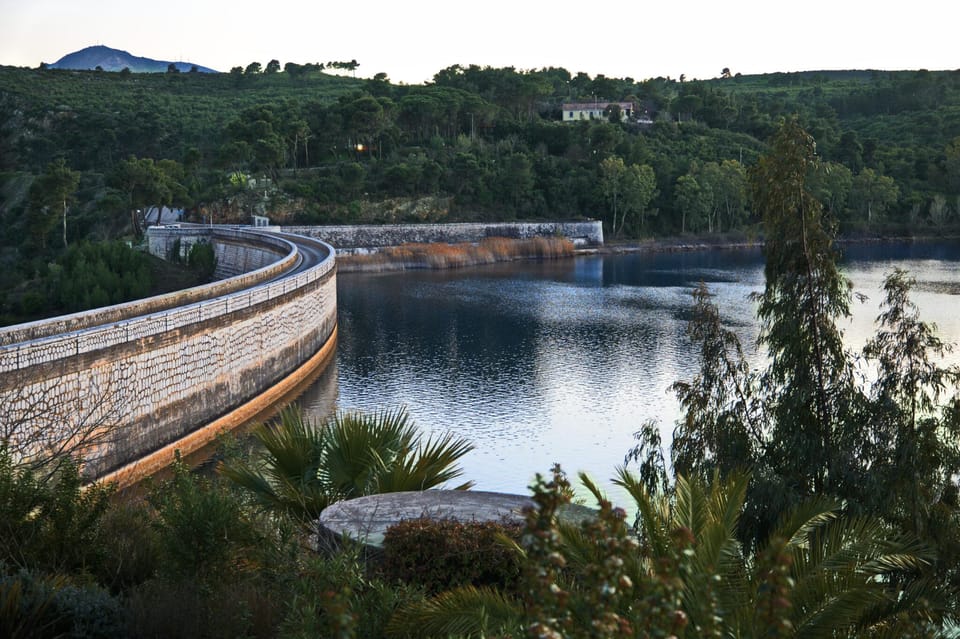
- Marathon Lake and the dam for a striking change of pace from ruins
- Extra effort, less hassle: skip the long public-transport slog from Athens
Why a half-day Marathon escape works (especially when you’re short on time)
Marathon is one of the classic day trips from Athens, but the logistics can be annoying. Getting there by public transportation can eat up hours, and then you spend the rest of your day trying to squeeze in museums and battlefield stops. This half-day format is designed to solve that: you ride out by car, hit the key sites, then come back before your energy drops.
That matters because Marathon is not just about monuments. It’s about place. The battle ground, the mound, the surrounding area, and the nearby water and fields are all part of how the story lands. With a private driving setup, you can choose where to slow down for photos and where to keep things moving.
The big trade-off is obvious: four hours is not enough to do everything deeply. You’ll get the major highlights and essential context, but if you want hours in every museum room, you’d look for a longer tour or add extra time on your own.
From Athens pickup to a luxury ride: what “private” feels like here
The comfort level is one of the practical wins. You’re picked up from one of several locations around Athens (including Kallithea, Pireas, Moschato, Athens, Nea Smyrni, Alimos, Zografou, and Glyfada), so you’re not wasting time crossing the city to start.
Your vehicle is also matched to group size—minibus, minivan, SUV, or sedan—so you’re not stuck in an awkward squeeze. Inside, you get air-conditioning, WiFi onboard, phone charging, plus bottled water and a snack. On a warm day, those small comforts add up, especially when your schedule is tight.
There’s also a clear meet-up method if you’re using the central Athens pickup: the driver waits in front of the entry of McDonald’s Ermou 2 Syntagma, holding a signboard with the tour name so you can find them without guesswork. For solo travelers or couples, that reduces stress a lot.
One more detail that matters: the driver is professional and English-speaking with deep knowledge, but they are not licensed to accompany you inside sites. So think of the experience as driver-guided context during the journey, then self-paced exploration at the stops.
The Athens stadium stop: connecting Pheidippides to the modern city
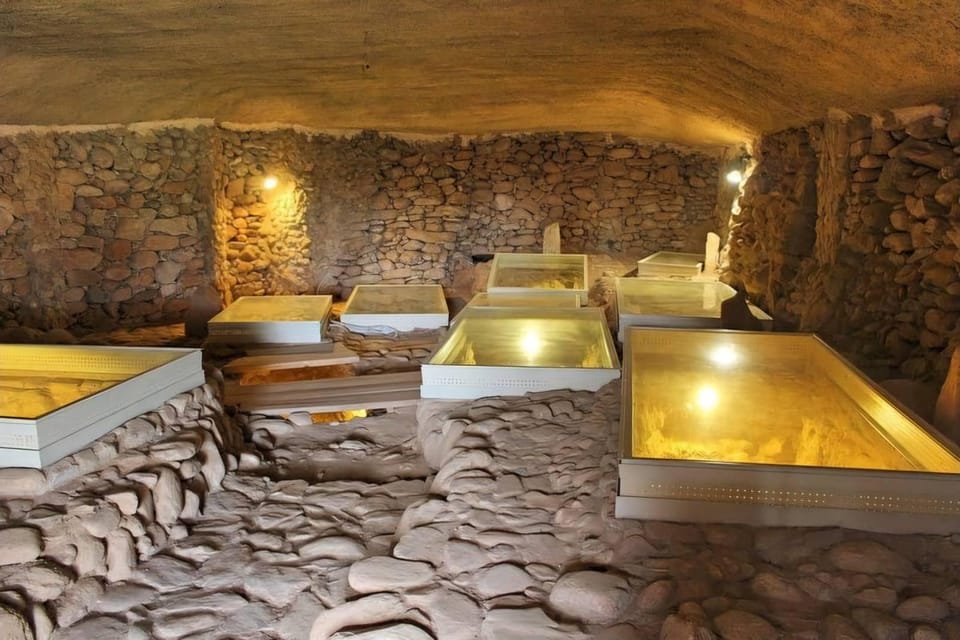
Before you head out to Marathon proper, the tour includes a stop at the Athens stadium area that marks the end of Pheidippides’ legendary run in 490 BC. Even if you already know the story, seeing the modern city’s monument to it helps the trip click into place.
This kind of start does two useful things. First, it gives you a reference point: you’re not just driving to a battlefield; you’re following a narrative that ends in a real location tied to the legend. Second, it helps you picture the emotional stakes—why people in ancient Greece cared so much about timing, endurance, and the message carried by runners.
Realistic note: this is likely a quick viewing moment rather than a long museum-style stop. Still, it’s valuable as a warm-up so the later battlefield sites feel less like random scenery and more like chapter headings.
Marathon Battlefield and the mound: where the story becomes physical
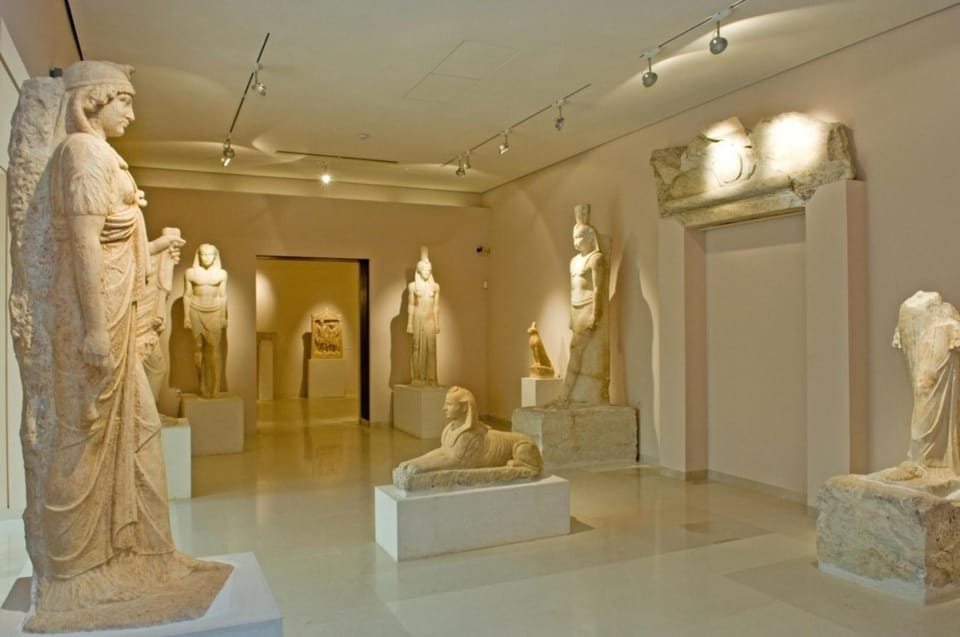
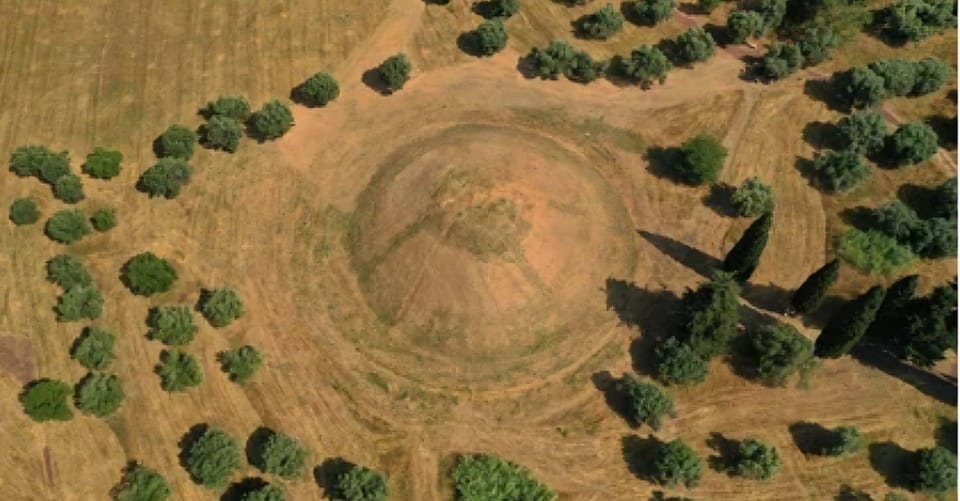
The core of the day is the Marathon battlefield area, including the mound and the place where the battle took place. This stop is also described as a UNESCO site, so you’re seeing land that’s protected for its historical significance.
What I like about this setup is that the driving tour approach doesn’t pretend you’ll master everything in one visit. Instead, it gets you to the right ground and gives you the essentials—what to look for, why the location mattered, and how the landscape relates to the battle story.
A mound is one of those features that changes your experience. Flat ground can feel generic, even when history happened there. A mound gives you a visual anchor and helps you understand how people might have watched, moved, or gathered in relation to terrain. That’s exactly the kind of detail that makes the difference between reading a story and standing in the place where it played out.
Plan to bring a camera and good walking shoes. The terrain can vary, and short times add up faster than you expect when you’re trying to photograph and read. If you’re sensitive to heat or sun, plan for hydration—your bottle on board helps.
Archaeological Museum of Marathon: a smart use of limited time
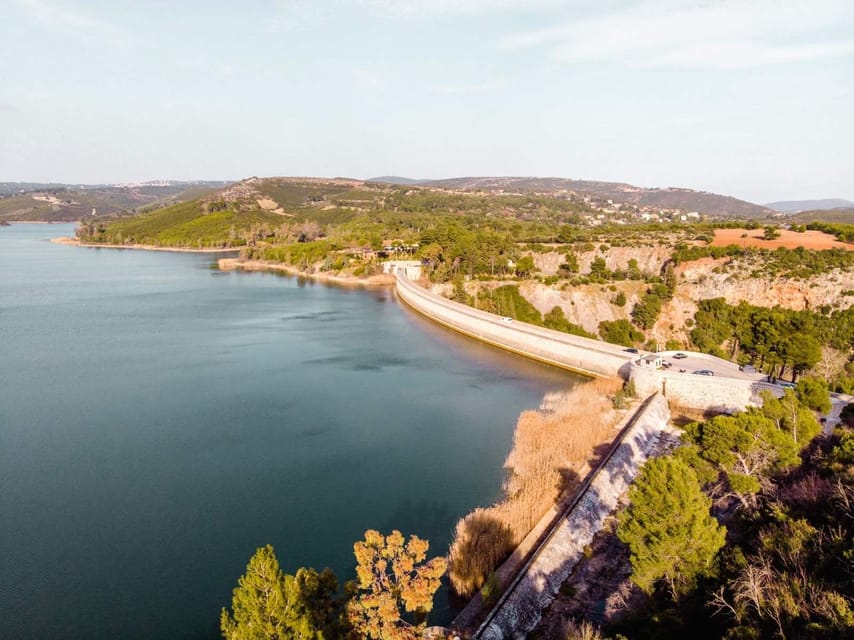
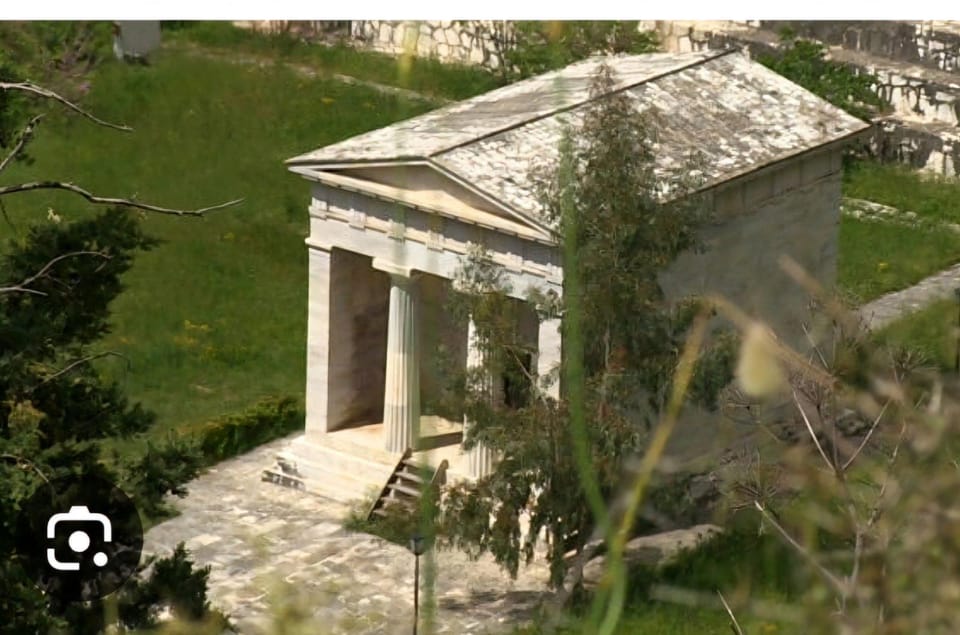
Next comes the Archaeological Museum of Marathon, with about 30 minutes allocated for visiting and sightseeing. That timing isn’t long enough for a slow, room-by-room study, but it’s actually a good compromise for a half-day tour: you get context and artifacts without losing the whole day.
Museums work best on a trip like this when you use them as a translator for what you just saw outside. The battlefield stop gives you the setting; the museum helps explain what’s known, what’s been preserved, and how the area fits into wider Greek history. Even with limited time, you can usually pick up the big themes quickly.
Tickets cost extra, with typical pricing around €6 in peak season and about €3 in off-season. There are also reduced rates for seniors, students, and people under 25 from EU member states. That means your final cost isn’t only the tour price—you’ll want to factor in museum admission if you plan to enter.
Because there’s no licensed guide to accompany you inside, your best move is to come with a simple goal: scan for what connects to the battle and the Marathon setting. Spend time where the museum is most clear, then move on rather than trying to absorb everything.
The spiritual center stop and Marathon scenery beyond ruins
One of the tour highlights is a stop described as a spiritual center of the universe in ancient Greek mythology. Even if you’re not a mythology deep-dive, I like this kind of framing because it reminds you that Marathon wasn’t only a military setting. Ancient Greeks often treated places as meaningful—connected to belief, rituals, and story.
You’ll also get a mix of “pass-by” and short photo stops. Those quick windows can feel optional, but they’re often the difference between a trip that’s strictly structured and one that lets you see more of the area. Short pauses also help break up driving time.
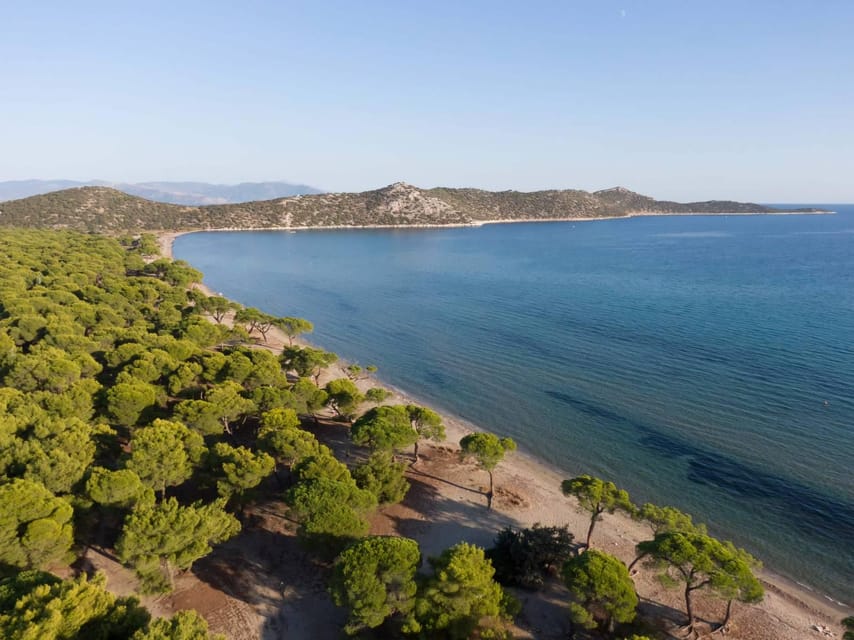
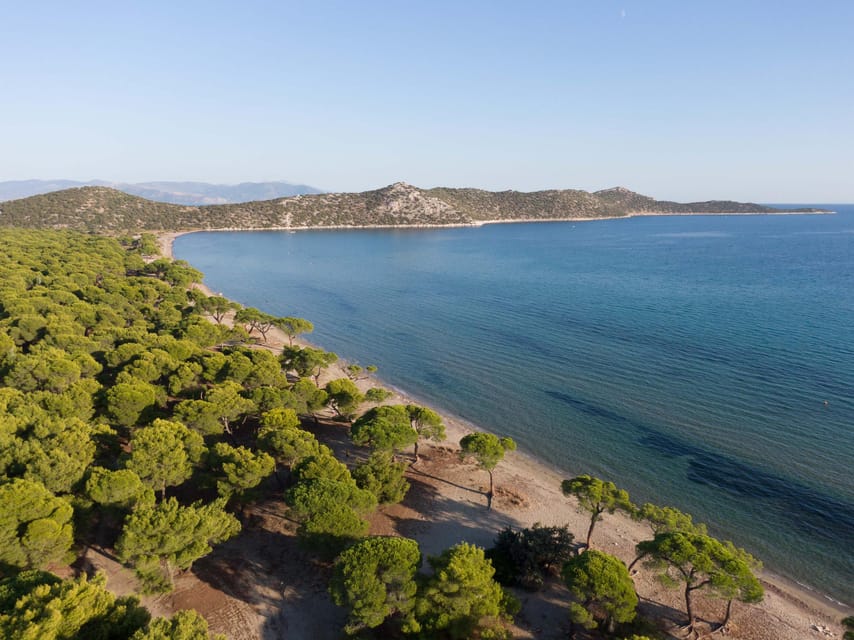
And then there’s the scenery shift: Marathon Lake and the dam are included, and the tour is also positioned as a chance to see the beach area with clear blue water and a greener feel around the shoreline. This matters because it gives you a more complete picture of the region as a living landscape, not just a battlefield map.
One consideration: if you’re expecting long beach time or a full coastal stroll, the schedule won’t support that. This is best for photos, a quick reset, and a taste of the area rather than a long relaxation session.
Marathon dam and the lake: a surprising payoff on a legend tour
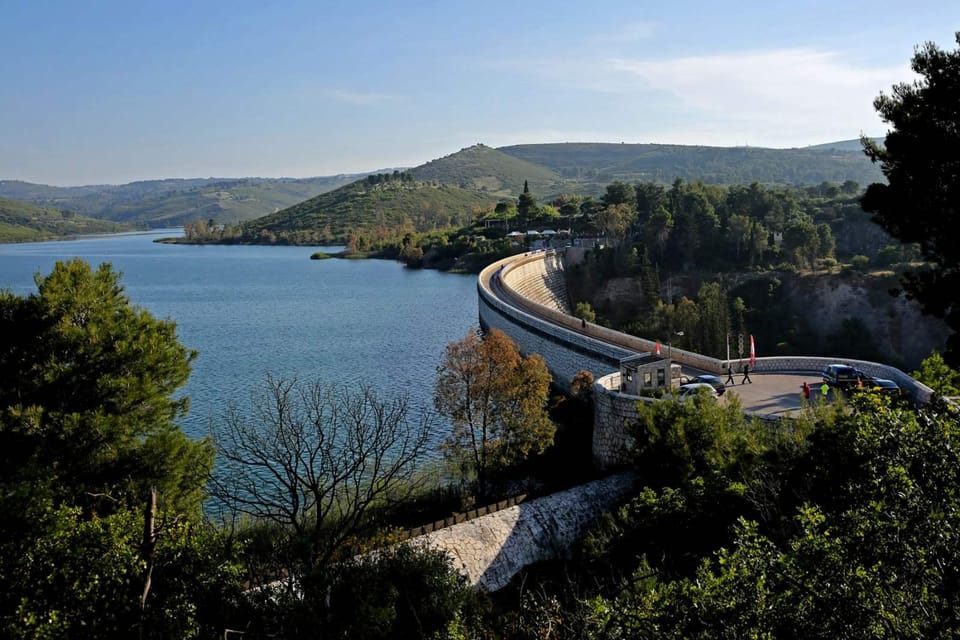
Most people think of Marathon as stone, history, and battle sites. The dam and Marathon Lake change the tone quickly. You get open views and a sense of the modern geography shaping how the region functions today.
I find this kind of stop helps prevent “museum fatigue.” After battlefield + museum, your brain needs a different input: light, water, and a wider horizon. Even short photo windows here can be the moment the trip feels fresh again.
If you’re traveling on a bright day, this part is often where you’ll get your best photos. Just remember: water reflections can be intense, and it’s easy to overexert yourself when you’re chasing picture-perfect angles. Keep it simple—take a few good shots, then step back and look with your eyes.
Price and value: is $141 per person worth it?
At $141 per person for a 4-hour private tour, the value comes from the combination—not one single feature. You’re paying for convenience (private door-to-door pickup/drop-off), comfort (air-conditioned luxury vehicle), and key-site access without the time drain of public transportation.
Included items also quietly add value: bottled water, a snack, onboard WiFi, and phone charging. Those details might sound minor, but when your time is limited, they reduce interruptions.
The strongest value piece is the private driver service with deep knowledge. Even though your driver can’t act as a licensed guide inside each site, their commentary during the journey helps you connect the dots—especially between the Athens Pheidippides reference and the later battlefield setting.
The main cost you should budget separately is site entry. The Archaeological Museum of Marathon has an admission fee that varies by season, and you should assume you’ll want to enter at least that museum. Also remember lunch is on your own.
If you’re a couple, small family, or friends traveling together, private transport often becomes more economical than you’d expect once you price in taxis, time lost, and the hassle of lining up transit. If you’re solo and happy to navigate independently, you might compare with cheaper group tours—but for convenience and comfort, this one is easy to justify.
Who should book this private Marathon tour (and who should skip)
This tour is a great fit if you want a focused Marathon Battlefield day trip and you care about comfort and clear logistics. It also suits history-minded travelers who like narrative context from a driver but don’t need a licensed guide inside every building.
It’s especially good for:
- Couples and small groups who dislike long transit days
- First-timers to Marathon who want the main highlights in one go
- Travelers who enjoy short museum stops paired with outdoor sites
You might skip it if:
- You want long museum time or guided explanations inside each venue
- You’re planning to add beach time beyond quick stops
- You prefer doing everything at a slower pace over a full day
Think of this as a high-efficiency Marathon overview. It gives you a lot for the time, but it isn’t trying to replace a multi-day deep study.
Should you book this Marathon Battlefield half-day private tour?
I’d book it if your goal is simple: see the battlefield ground, connect the Pheidippides legend to the Athens starting point, visit the Archaeological Museum of Marathon, and still have time for Marathon Lake, the dam, and quick scenery breaks. The private luxury ride and easy pickup/drop-off make this feel like a real trip, not a rushed chore.
I wouldn’t book it only if you know you’ll want a long, guided, inside-the-details experience. With no licensed guide accompanying you inside sites and a tight 4-hour window, this works best when you’re okay exploring on your own for the museum portion.
If you want Marathon without the transport headache, this is one of the cleaner ways to do it.
FAQ
How long is the Marathon Battlefield half-day private tour?
It lasts about 4 hours.
What’s included in the price?
Round-trip transportation by air-conditioned vehicle, bottled water, a snack, onboard WiFi, a phone charger, and pickup/drop-off at selected locations. You’ll also have a professional English-speaking driver with deep knowledge.
Is a licensed guide included inside the sites?
No. The tour provides driver guidance, but there is no licensed guided accompaniment inside the sites.
Where are the pickup and drop-off locations?
Pickup options include Kallithea, Pireas, Moschato, Athens, Nea Smyrni, Alimos, Zografou, and Glyfada. Drop-off is also available at Moschato, Zografou, Athens, Alimos, Glyfada, Nea Smyrni, Kallithea, and Pireas.
How long does it take to drive from Athens to Marathon?
The drive takes roughly 1.30 hours depending on traffic.
How much are museum tickets for the Archaeological Museum of Marathon?
Adults typically pay around €6 in peak season or about €3 in off-season, with half-off options for seniors, students, and people under 25 from EU member states.