REVIEW · MUSEUM OF ANCIENT GREEK TECHNOLOGY
Athens: Kotsanas Museum of Ancient Greek Technology Ticket
Book on GetYourGuide →Operated by Kotsanas Museum · Bookable on GetYourGuide
A museum of ancient machines is a rare treat. Here you can watch operating models of Greek inventions in a historic Art Nouveau building, including the world’s oldest analog computer.
I especially love the way the displays focus on how the devices work, not just what they looked like, so the whole place feels like hands-on engineering. One thing to consider: it’s self-guided rather than a tour with a person who talks you through every exhibit.
The second big win is the interactive side. Many of the mechanisms are set up so you can put hands on real components and see cause-and-effect, not just read labels.
If you prefer a totally relaxed museum stroll, know that some exhibits are diagram-heavy and technical. You’ll get more out of it if you’re willing to slow down and follow the explanations.
In This Review
- Key highlights you should plan around
- Kotsanas Museum: ancient tech you can actually see working
- Finding it near Syntagma (and why the location matters)
- The Art Nouveau building sets the tone before you even press start
- About those 100 operating models: what you’re really seeing
- Interactive displays: how to get the most out of the hands-on area
- Audio-visual help in English (so you don’t feel left out)
- How ancient mechanisms echo modern tech
- Price and value: is $7.90 worth it?
- Practical tips for a smooth visit
- Should you book the Kotsanas Museum ticket?
- FAQ
- Where is the Kotsanas Museum located?
- What does the ticket include?
- Is a guided tour included?
- How much does the ticket cost?
- How long is the ticket valid?
- What languages are available?
- Is the museum wheelchair accessible?
- Is food or drink allowed inside the museum?
- Do I need to pick a specific time?
- What cancellation options are available?
- Is there an option to reserve first and pay later?
Key highlights you should plan around
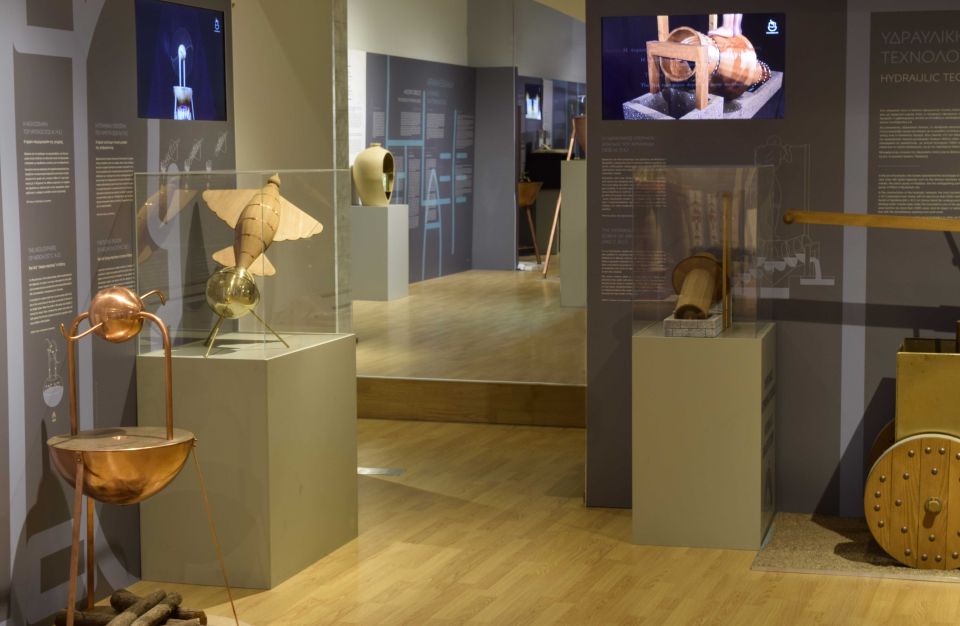
- Operating exhibits: about 100 Greek inventions shown in motion, including the analog computer.
- Hands-on mechanisms: interactive displays where you can test how the device functions.
- Big-name inventions: Antikythera mechanism, hydraulic clock of Ktesibios, and more.
- Clear explanations: labels and giant posters with diagrams, photos, and bibliographical references.
- Audio-visual help: video, animation, and documentaries with an exhibitor explaining use.
- Convenient central location: about 5 minutes on foot from Syntagma Metro Station.
Kotsanas Museum: ancient tech you can actually see working
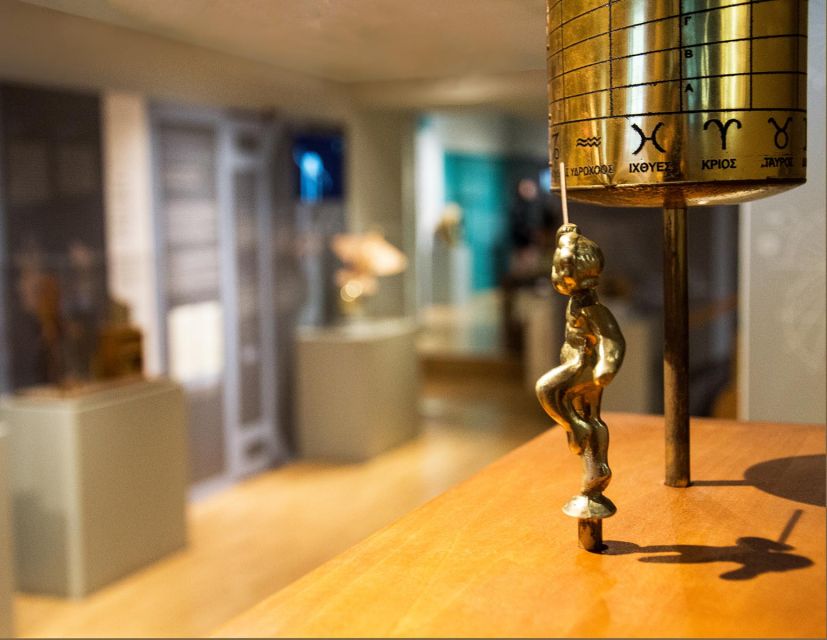
If you think ancient history is only marble statues and faded pottery, this museum politely changes your mind. The Kotsanas Museum of Ancient Greek Technology is built around one simple idea: Greek engineers made mechanisms that behave in real, mechanical ways. And here, you can watch those mechanisms operate.
The headline for me is the scale and style. You’re not looking at a few impressive pieces behind glass. Instead, you’re moving through an exhibit space (700 square meters) packed with around 100 selected models of inventions. A standout example is the oldest analog computer in the world, presented as an operating model. Seeing it run shifts your thinking fast: the technology doesn’t feel like a vague theory; it feels like hardware.
This is also why the museum plays well with curiosity. It’s not just about confirming that the ancient Greeks were smart. It’s about how their solutions map to how modern tech works—through gears, pulleys, hydraulics, and clever mechanical logic.
Finding it near Syntagma (and why the location matters)
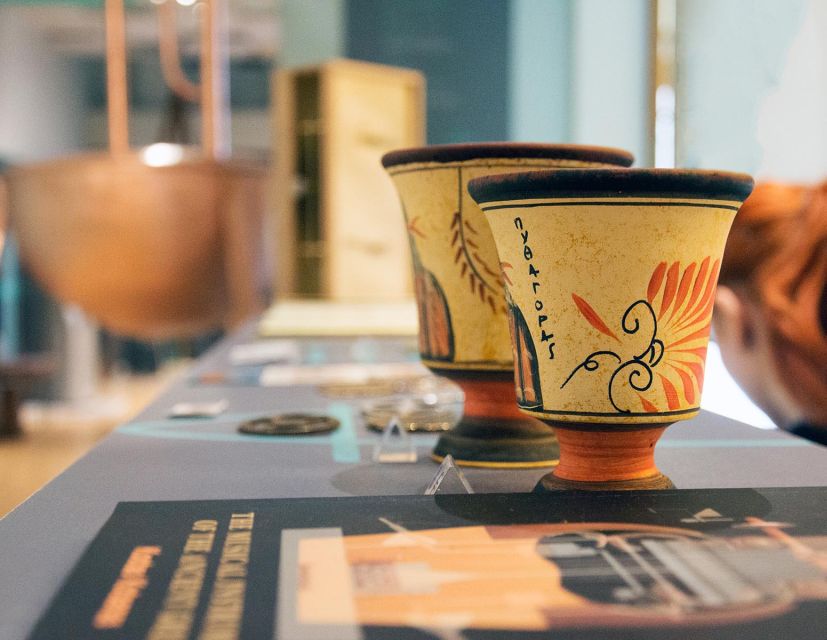
The museum is easy to plug into a day in Athens. It’s located about a 5-minute walk from Syntagma Metro Station, so you’re not sinking time into long transit just to reach it.
Use this address: Pindarou 6, Athina 106 71, Greece.
Since your ticket is valid for 1 day (you’ll want to check starting times), you can time it around lunch, a morning walk, or an afternoon break—without turning it into a logistics headache.
Also, because it’s wheelchair accessible, it’s a straightforward stop for different mobility needs. That matters in a city where many attractions involve stairs or awkward entrances.
The Art Nouveau building sets the tone before you even press start
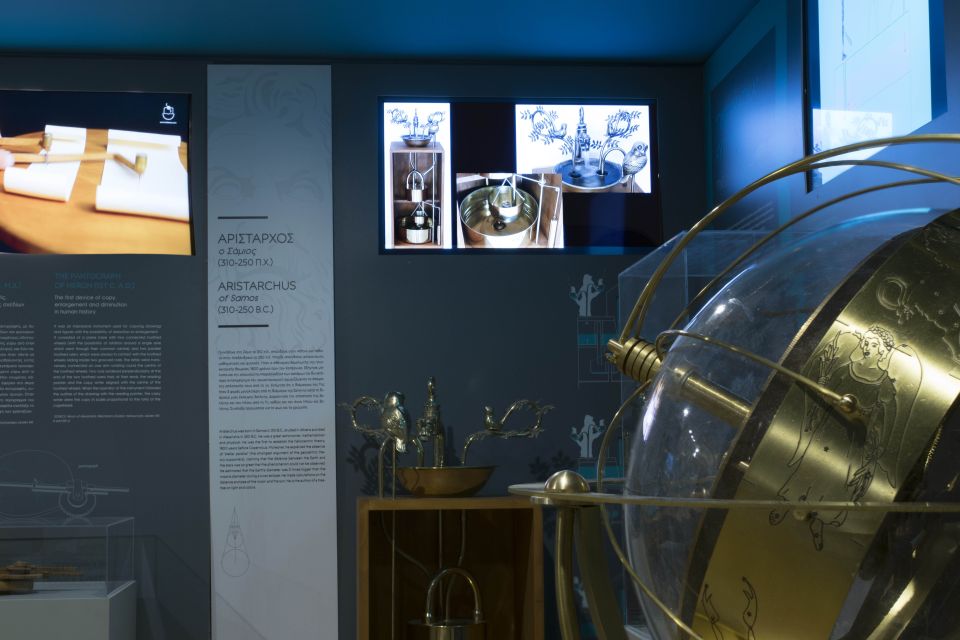
One of the pleasant surprises is where the museum lives. The Kotsanas Museum is in a historic Art Nouveau building, and the setting fits the theme. The whole place feels like a workshop-meets-museum experience: orderly, visual, and made for attention.
As you move in, the museum’s focus becomes obvious. The exhibits are paired with lots of audio-visual material—in Greek and English—and accompanied by explanatory labels and giant posters. That combination helps a lot, especially for mechanical topics where a one-line label isn’t enough to make the device click.
About those 100 operating models: what you’re really seeing
The museum’s concept centers on operating models of Greek inventions. That word—operating—changes the experience.
Instead of static replicas, you get mechanisms that demonstrate function. Many of the key exhibits connect to well-known names and inventions, so you can anchor your understanding as you go. Expect to see examples tied to:
- The Antikythera calculating mechanism
- The hydraulic clock of Ktesibios
- Devices related to robot-servant ideas
- The “cinema” of Philon
- The automotive-puppet show of Heron
If you’ve heard these names before, the museum helps you move from trivia to comprehension. If you haven’t, that’s fine too. The exhibits are supported by detailed diagrams, photos, and explanatory text, and some areas add video, animation, and documentary segments where an exhibitor explains what the mechanism is doing.
The wow moment for many people is the analog computer model, but my advice is to look at it as a “hook,” not the only attraction. The point is the pattern: the Greeks used engineering logic to solve problems—predicting motion, measuring time, automating tasks—using techniques that feel surprisingly familiar.
Interactive displays: how to get the most out of the hands-on area
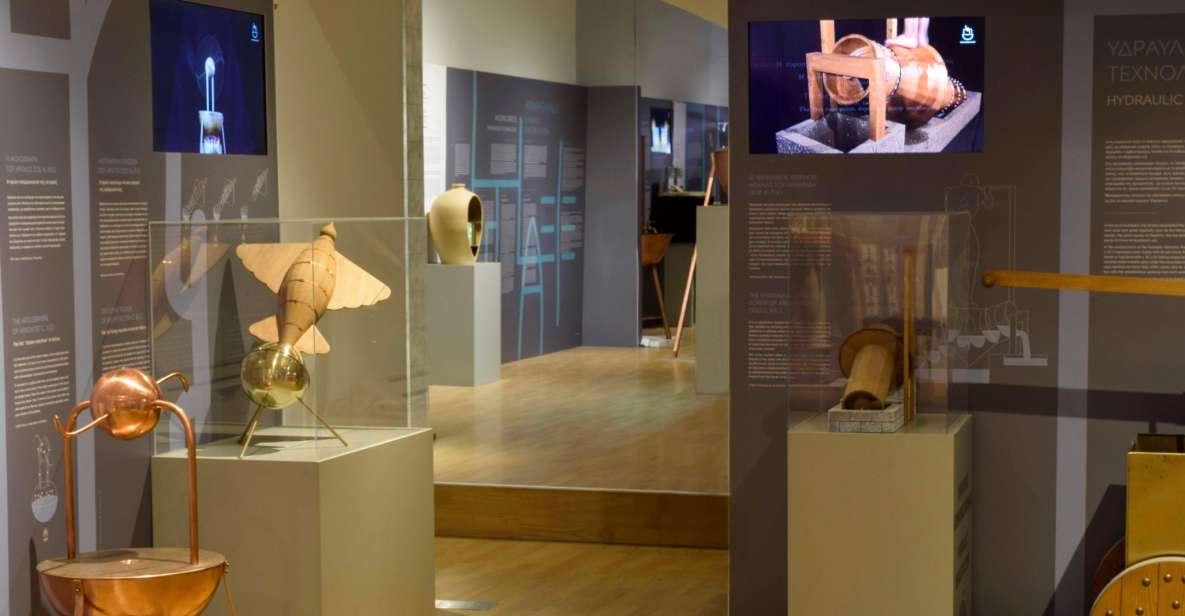
This museum doesn’t treat interaction as a gimmick. Many exhibits are set up so you can put mechanisms into use with your own hands. That’s where the learning sticks.
Here’s the practical approach I’d use if you want the best experience:
- Start by reading the label once for the basic goal (what the device is supposed to do).
- Watch the mechanism run (if it’s operating on display).
- Then try the interactive step. You’ll usually learn more from the effort and the result than from reading alone.
The museum’s interactive stations are also reinforced by projecting stations with video and animation. So even if you’re not instantly sure why something moves the way it does, you have visual support. It’s like having an in-room explanation without needing to chase down a guide.
One caution: some exhibits are more hands-on than others, and some may involve closer inspection of diagrams. If your priority is quick browsing, this could feel like too much. But if you like tinkering, you’ll likely enjoy spending extra time with the parts you can operate.
Audio-visual help in English (so you don’t feel left out)
Language support is a real deal-breaker at museums like this, where technical explanation matters. The good news here is that the museum includes audio-visual material in Greek and English, plus explanatory labels.
You’ll see:
- Labels and information panels
- Giant posters with diagrams and lots of supporting detail
- Video and animation stations
- Documentaries where the exhibitor explains function and how to use the mechanisms
Even though a guided tour isn’t included with your ticket, the museum tries to act like a guide through the media layers. English support means you can follow along without translating everything in your head.
How ancient mechanisms echo modern tech
The museum’s biggest theme is how similar ancient Greek technology can feel compared to what you recognize today. It’s not that the Greeks built smartphones. It’s that the underlying logic can look familiar: measuring, predicting, timing, automating, and using motion systems that match modern instincts.
What I like about this framing is that it gives you a new lens for Athens. Instead of seeing ancient Greece as a world apart, you start seeing it as part of the long chain of engineering ideas.
At this museum, you’ll likely notice:
- Time and prediction work (think hydraulic clocks and the Antikythera mechanism)
- Automation concepts (robot-servant-related exhibits and puppet-automation ideas)
- Mechanical computing logic (analog computing through gears and linkages)
- Simulation or presentation concepts (like Philon’s “cinema”)
That mix means the visit isn’t only for math people or only for history fans. If you like how machines solve problems, you’ll find your footing.
Price and value: is $7.90 worth it?
At $7.90 per person, this ticket is priced like a smart add-on, not a major budget item. The value comes from what you get access to: entry to a museum with about 100 operating models, lots of interactive elements, and plenty of English support through labels and audio-visual content.
Is it “cheap” for the number of exhibits? Yes, especially when you consider that these displays are designed to be operated and explained, not just admired.
One thing to keep in mind: since a guided tour is not included, the experience depends on how much you enjoy reading diagrams and using the interactive stations yourself. If you want a talk-through with someone answering questions in real time, you might feel you’d benefit from extra human guidance. If you’re comfortable self-guiding, the price-to-content ratio looks excellent.
Practical tips for a smooth visit
A few small things can help you get more from the museum without over-planning:
- Don’t expect food inside: food and drinks are not allowed. Plan to eat before or after.
- Wear shoes you’re happy to walk in. The museum space is 700 square meters, and you’ll likely move around more than you think.
- Go with a question. For example: How does it measure time? How does it predict motion? Those questions match what the exhibits are built to show.
- Use the English support. If you read slowly, the giant posters and diagrams will pay off.
- If you’re short on time, prioritize the devices you most want to understand, like the analog computer model and the Antikythera mechanism—then work outward to the related displays.
Because it’s valid for one day, you can also be flexible. Check available starting times, then pick the entry slot that fits your Athens plan.
Should you book the Kotsanas Museum ticket?
I’d book this if you like mechanical history, want more than static displays, and enjoy learning by doing. The combination of operating models, interactive stations, and English audio-visual support is exactly what makes the museum work. At $7.90, it’s also an easier decision than many ticketed attractions.
You might skip it if you want a typical art museum vibe, or if you dislike technical diagrams and prefer a live guide to interpret everything for you. Since this ticket does not include a guided tour, your comfort with self-guided learning matters.
If your Athens day needs something different—something that makes ancient technology feel real—this is a strong pick.
FAQ
Where is the Kotsanas Museum located?
It’s at Pindarou 6, Athina 106 71, Greece. The museum is about 5 minutes on foot from Syntagma Metro Station.
What does the ticket include?
Your ticket includes entry to the museum.
Is a guided tour included?
No. A guided tour is not included.
How much does the ticket cost?
The price is listed as $7.90 per person.
How long is the ticket valid?
The ticket is valid for 1 day. Starting times depend on availability.
What languages are available?
The host or greeter is in English, and audio-visual material is available in Greek and English.
Is the museum wheelchair accessible?
Yes, it is listed as wheelchair accessible.
Is food or drink allowed inside the museum?
No. Food and drinks are not allowed.
Do I need to pick a specific time?
You’ll want to check availability to see starting times, and the ticket is valid for 1 day.
What cancellation options are available?
Free cancellation is available up to 24 hours in advance for a full refund.
Is there an option to reserve first and pay later?
Yes. You can reserve now & pay later, keeping travel plans flexible.